

We may earn a commission when you buy through links on this page, at no extra cost to you. Learn more.
The corkcicle wine chiller is a reusable, freezer-cooled bottle insert that helps maintain chilled white wine and bring room-temperature red wine closer to cellar temperature without an ice bucket. The current Corkcicle Air model combines a cooling element with a built-in aerator and pour-through design. It needs approximately 90 minutes in the freezer before use, maintains chilled white wine for up to one hour, and is designed to cool room-temperature reds in approximately 15 minutes. Its main advantages are convenience and compact storage, while its limitations include advance preparation, bottle compatibility, and the need for handwashing.
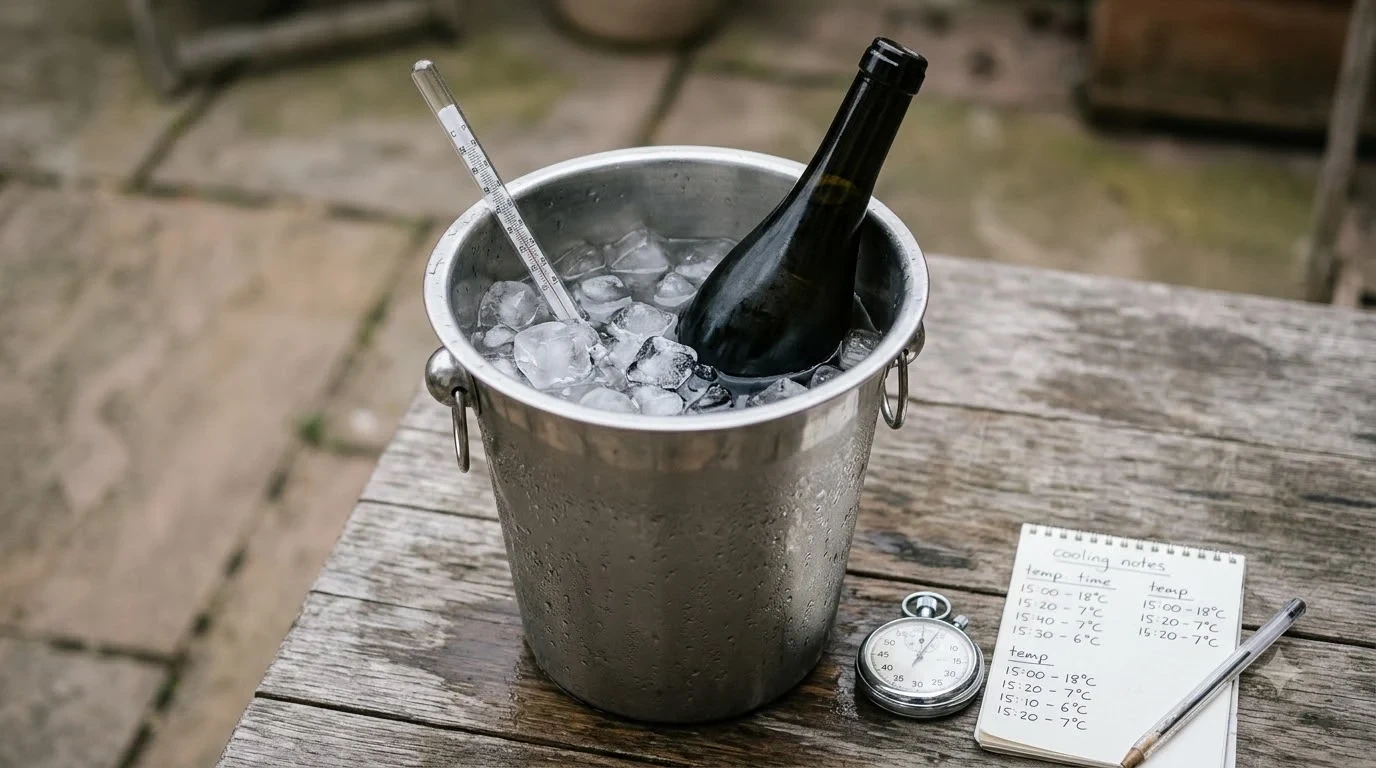
A wine chiller can solve a familiar serving problem: a bottle is ready to drink, but its temperature is not. An ice bucket takes up table space, an insulated sleeve cannot cool wine that has not already been chilled, and putting a bottle in the refrigerator requires planning. Corkcicle approaches the problem differently by placing a frozen cooling accessory inside the bottle itself. Understanding the distinction between the original Corkcicle design and the newer Corkcicle Air helps buyers decide whether its cooling and pouring features justify adding another wine accessory to their collection.
Specifications and Key Features
The Corkcicle Air is designed as a three-function wine accessory: it cools wine, aerates it during pouring, and provides a convenient pouring mechanism. Its narrow, elongated construction fits inside an opened wine bottle, making it different from countertop wine buckets and insulated bottle sleeves.

The manufacturer’s published specifications describe a lightweight accessory measuring 12 inches in length, with a width of 0.94 inches and a weight of 0.11 pounds. Its slim proportions allow the cooling component to extend into the wine rather than surrounding the outside of the bottle. The removable cap provides access to the pouring mechanism, so the accessory can remain in place during serving.
The following table summarizes the published specifications and operating claims for the Corkcicle Air. These figures describe the Air model rather than every older Corkcicle design.
| Specification | Published information |
|---|---|
| Product | Corkcicle Air Wine Bottle Chiller |
| Length | 12 inches |
| Width | 0.94 inches |
| Height | 12 inches |
| Weight | 0.11 pounds |
| Freezer preparation | At least 90 minutes |
| Claimed red wine cooling time | Approximately 15 minutes |
| Claimed white wine holding time | Up to 1 hour |
| Pouring design | Pour-through feature |
| Additional function | Integrated aerator |
| Cleaning | Handwash only |
| Manufacturer warranty | 1 year |
One important distinction is that Corkcicle’s performance figures are manufacturer claims, not a guarantee that every bottle will reach precisely the same temperature. Starting temperature, bottle size, wine volume, and the surrounding room conditions all affect the cooling process. A bottle that starts particularly warm will not necessarily behave like one that has been sitting in a moderately cool kitchen.
The pour-through construction is particularly useful during entertaining. Rather than repeatedly removing a frozen insert, the user removes the cap and pours through the accessory. This keeps the cooling component inside the bottle while allowing wine to reach the glass. Corkcicle also advertises aeration during pouring, adding another function to what would otherwise be a simple cooling rod.
For additional background and product-specific specifications, see the official Corkcicle Air product information.
What Owners Like About the Corkcicle Air
The strongest appeal of the Corkcicle wine chiller is its ability to combine cooling and serving in one compact accessory. Customer feedback and the product’s design point toward convenience, reduced table clutter, and the ability to keep a bottle available for refills without constantly returning it to the refrigerator.
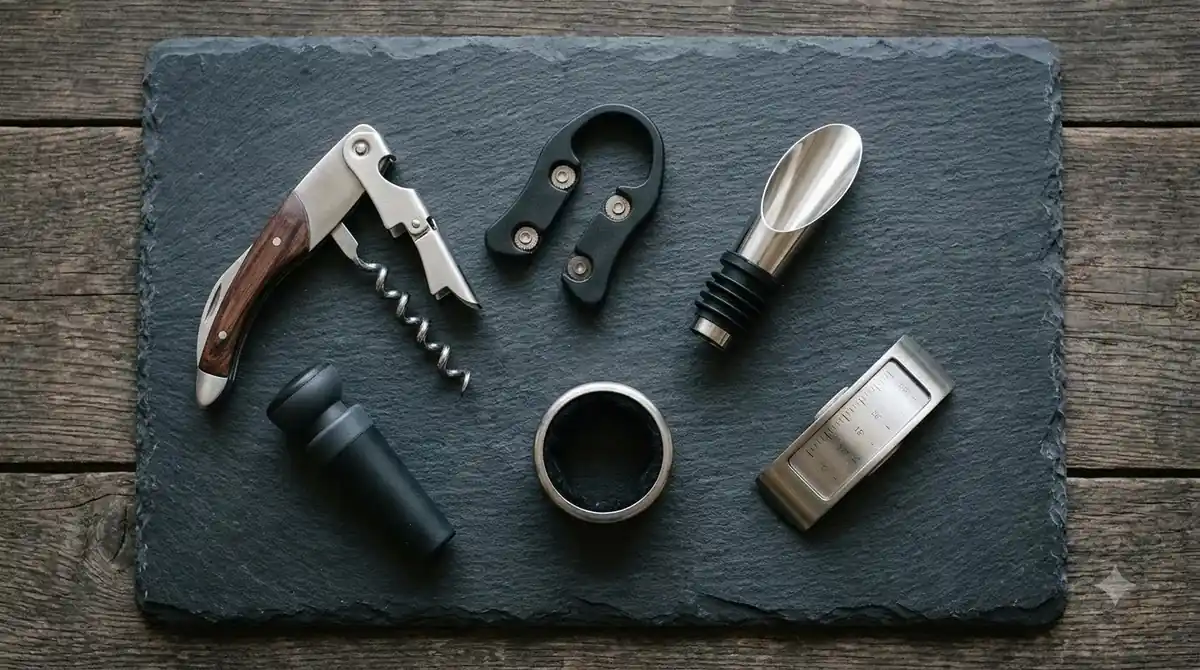
One advantage is that the cooling element operates inside the wine bottle. Traditional ice buckets cool a bottle from the outside, while Corkcicle places its frozen component directly into the wine. This arrangement avoids adding melting ice to the beverage and eliminates the need to find space for a separate container. For a small dinner gathering, that can make the serving area less crowded.
Another appealing feature is the ability to maintain the temperature of an already chilled white wine. According to the manufacturer, the Air can maintain chilled white wine for up to one hour. This is particularly useful for Sauvignon Blanc, Pinot Grigio, Chardonnay, and dry Riesling served during a meal. These wines are generally best enjoyed within their appropriate serving-temperature ranges, and allowing a bottle to warm considerably on the table can change how fresh and balanced it tastes.
The convenience extends to red wine as well. Red wine is often served too warm, especially in heated homes or during summer gatherings. Corkcicle states that the Air can cool room-temperature red wine to cellar temperature in approximately 15 minutes. That makes it potentially useful for bottles of Cabernet Sauvignon, Merlot, Pinot Noir, and Syrah that have been stored in a warm room rather than a temperature-controlled cellar.
The integrated aerator is another feature that distinguishes the Air from a basic frozen insert. Wine passes through the pouring mechanism, which Corkcicle says introduces oxygen during service. This can be attractive to drinkers who want an accessory that performs more than one task without requiring a separate aerator.
Owner feedback for the classic Corkcicle design also provides some useful context. Influenster displays 30 customer reviews and an average rating of 4.3 out of 5 for the Classic Wine Chiller. Its displayed distribution includes 53% five-star reviews and 33% four-star reviews. These figures concern the classic product and should not be treated as a separate performance score for every version of the Air.
Positive feedback on the brand’s product pages emphasizes continued use, gift-giving appeal, and the convenience of keeping white wine cool during outdoor gatherings. The practical attraction is easy to understand: a bottle can remain on the table while guests serve themselves, rather than being moved repeatedly between the table and refrigerator.
For readers comparing different customer experiences and versions, Corkcicle wine chiller reviews provide a useful starting point for evaluating the range of owner opinions.
Common Complaints and Performance Limitations
The Corkcicle Air is convenient, but it is not a replacement for every type of wine cooling equipment. Its biggest limitations are the required freezer preparation, the need to remove some wine before insertion, and its one-bottle-at-a-time design.
The 90-minute freezer requirement is the first practical consideration. A frozen accessory is necessary for the product to work as intended, so it cannot solve an unexpected temperature problem immediately after a bottle is opened. Anyone who regularly entertains without planning ahead may find this restriction frustrating. Keeping the accessory in the freezer between uses can help, but it requires a dedicated storage space and some household organization.
The insertion process also requires attention to the amount of wine in the bottle. The original Corkcicle instructions published by Wine.com recommend pouring an initial glass of white wine or removing a small amount of red wine before inserting the device. This creates room for the accessory and helps prevent wine from overflowing as it displaces liquid. The same principle is important when using any insert that occupies space inside a bottle.
Bottle compatibility deserves consideration, too. The accessory is designed for wine bottles with a suitable neck and enough internal clearance for insertion. Unusually shaped bottles, narrow openings, or unusual closures may create practical difficulties. A standard 750 ml wine bottle is the most familiar use case, but buyers should not assume that every specialty bottle will accommodate the device equally well.
Cooling capacity is another limitation. Corkcicle Air is intended for one bottle at a time. It cannot chill several bottles simultaneously, and its performance depends on the frozen component retaining enough cooling capacity during service. For a party serving several bottles of white wine, a bucket with ice or a dedicated wine refrigerator is generally more practical.
Some buyers may also question the added aerator. Aeration is useful for certain wines, but not every wine benefits from the same amount of oxygen exposure. A young Cabernet Sauvignon may respond differently from a delicate Pinot Noir or an aromatic Sauvignon Blanc. The aerator should be regarded as a convenient serving feature rather than a substitute for a proper decanter when a wine needs extended exposure to air.
Finally, the original and Air models should not be confused. Older Corkcicle inserts and newer pour-through versions have different designs. Product descriptions, compatibility details, and owner experiences may therefore differ. Before buying a replacement or purchasing a gift, identify the exact model rather than relying on a general reference to a Corkcicle wine chiller.
Wine.com also lists an earlier Corkcicle wine chiller separately from the current Air product. Its description identifies the original design as an insert intended to cool wine from inside the bottle, while its product listing currently shows that item as sold out. This is a useful reminder that availability and product versions can change.
Who Should Buy and Who Should Skip It
The Corkcicle Air makes the most sense for wine drinkers who regularly serve one bottle at a time and want a compact alternative to an ice bucket. It is less suitable for people who need to chill several bottles quickly or who rarely have time to prepare accessories in advance.
White wine drinkers are among the most obvious potential buyers. Sauvignon Blanc, Pinot Grigio, and dry Riesling are generally served cold enough that they can become noticeably warmer during an extended meal. Having a frozen cooling insert inside the bottle helps maintain a more consistent serving experience without filling a bucket with ice and water.
Rosé drinkers may also find the design useful. Rosé is commonly served around 45 to 50 degrees Fahrenheit, and a bottle left outside on a warm patio can gradually move away from that range. The Corkcicle Air provides an additional way to help maintain a cooler serving temperature after the bottle has already been chilled.
Red wine drinkers have a slightly different reason to consider it. Many full-bodied reds are best served below typical room temperature. Cabernet Sauvignon, for example, can become excessively warm in a heated room. The manufacturer’s claimed 15-minute cooling period gives the Air a useful role when a bottle needs to move closer to cellar temperature before dinner.
People who enjoy simple wine accessories may appreciate the integrated pouring mechanism and aerator. Instead of using a separate cooling insert, stopper, and pouring accessory, the Air combines several functions. Its slim construction also makes it easier to store than a bulky wine bucket.
However, buyers who frequently host larger groups should consider a different setup. A party involving three or four bottles requires a more scalable solution. An ice bucket can accommodate multiple bottles depending on its dimensions, while an insulated wine sleeve can hold the temperature of an already chilled bottle without needing to occupy space inside it.
Collectors who prefer carefully controlled serving temperatures may also prefer a wine refrigerator. A dedicated unit offers more consistent temperature management and can prepare several bottles in advance. The Corkcicle Air is a serving accessory, not a precision wine-storage appliance.
For shoppers exploring the wider selection of wine accessory brands, the key decision is whether the priority is portability, temperature control, serving convenience, or presentation. Corkcicle emphasizes the combination of these functions in a single insert.
How It Compares to Alternative Wine Chillers
The Corkcicle Air occupies a particular place among wine cooling accessories: it cools from inside the bottle and doubles as a pouring device. Other designs approach the same problem from outside the bottle, making the right choice dependent on how wine is normally served.
An insulated wine sleeve is a straightforward alternative. It surrounds the bottle with an insulating layer and helps maintain an existing temperature. Unlike the Corkcicle, it does not use an insert inside the wine and generally does not actively cool a warm bottle. This makes a sleeve useful for someone who already chills wine in the refrigerator and wants to keep it cold during dinner.
A marble wine chiller offers a different combination of appearance and temperature retention. Marble has substantial thermal mass and can be chilled before serving. The bottle sits inside the container, giving it a decorative presentation on the table. It is generally better suited to maintaining an already cool bottle than rapidly cooling wine from room temperature.
Readers considering a more traditional countertop option can compare the marble wine chiller approach with Corkcicle’s internal cooling system. The decision often comes down to presentation and convenience: marble creates a dedicated bottle holder, while Corkcicle leaves the bottle exterior exposed.
Electric wine chillers take another approach. Depending on their design, they may use powered cooling systems to reduce or maintain bottle temperature. They can be more appropriate for households that regularly serve several bottles and want a dedicated cooling appliance. Their disadvantages include the need for power, a larger footprint, and a higher level of equipment commitment.
A comparison with an electric wine chiller is especially useful for frequent entertainers. Corkcicle is compact and portable, but an electric unit can provide more consistent cooling over longer serving periods. Neither approach is automatically superior: the better choice depends on how many bottles need to be served and whether portability matters.
The traditional ice bucket remains a practical option for parties. It can cool multiple bottles at once and requires no special accessory to be inserted into each bottle. However, it occupies table space and needs ice, water, and occasional attention as the ice melts.
The following comparison summarizes the functional differences.
| Accessory | Cooling approach | Best application | Main limitation |
|---|---|---|---|
| Corkcicle Air | Frozen insert inside bottle | One-bottle serving | 90-minute freezer preparation |
| Insulated wine sleeve | External insulation | Maintaining chilled wine | Does not actively cool warm wine |
| Marble wine chiller | Pre-chilled stone container | Table presentation | Limited active cooling |
| Electric wine chiller | Powered cooling system | Regular wine service | Requires power and counter space |
| Ice bucket | Ice and water around bottle | Multiple-bottle service | Requires ice and table space |
The Corkcicle Air is therefore best understood as a personal wine-serving accessory rather than a complete wine-cooling system. It offers a particularly convenient combination for someone who opens one bottle, pours several glasses over an hour, and wants the bottle to remain available on the table.
Care, Storage, and Practical Usage Tips
Proper preparation and cleaning make a noticeable difference to the convenience of the Corkcicle Air. The manufacturer specifies handwashing, and its instructions call for at least 90 minutes of freezer preparation before use.
Start by placing the accessory in the freezer well before serving time. The full 90-minute preparation period is a useful planning benchmark. If wine is being served with dinner at 7 p.m., placing the Corkcicle Air in the freezer by 5:30 p.m. provides the recommended preparation window.
Next, prepare the bottle. For chilled white wine, pour the first glass before inserting the device. For room-temperature red wine, remove enough wine to create space for the insert. This is an important step because the accessory occupies part of the bottle’s internal volume.
Insert the frozen component carefully, avoiding unnecessary force. Once it is positioned, use the pouring mechanism according to the manufacturer’s instructions. Remove the cap when pouring and allow the wine to flow through the aerating section. The accessory can remain in the bottle between servings.
Tip: Keep the Corkcicle Air in the freezer between planned uses, and always leave enough empty space in the bottle before inserting it. This reduces preparation delays and helps prevent wine from overflowing during insertion.
Cleaning should follow the manufacturer’s handwashing instructions. Avoid treating the accessory like ordinary dishwasher-safe glassware. Handwashing gives the user more control over the narrow pouring components and helps avoid unnecessary exposure to high-temperature dishwasher cycles.
After cleaning, dry the accessory thoroughly before returning it to storage. If it is kept in the freezer between uses, make sure the surrounding freezer area is clean and that the accessory is protected from contact with foods that could leave odors or residue.
Wine temperature also deserves attention. A Corkcicle is a cooling aid, not a reason to serve every wine at the same temperature. Sparkling wines are generally served around 40 to 50 degrees Fahrenheit, light whites and rosés around 45 to 50 degrees, and full-bodied whites around 50 to 55 degrees. Light reds are commonly served around 55 to 60 degrees, while fuller reds are generally served around 60 to 65 degrees.
These ranges help explain why the accessory can be useful for both red and white wine. White wine may need protection from warming during a meal, whereas red wine may benefit from being brought down from an excessively warm room temperature. The ideal starting point depends on the style of wine and the temperature at which it is intended to be served.
Another useful habit is to prepare a backup cooling method for gatherings involving multiple bottles. Corkcicle is most practical when one bottle is being served at a time. A separate bucket or insulated sleeve can take care of additional bottles while the Air handles the bottle currently on the table.
Frequently Asked Questions
Does the Corkcicle Air work with sparkling wine bottles?
The Air is designed around insertion into a wine bottle, but sparkling wine bottles have different neck and pressure characteristics from ordinary still-wine bottles. The published product information does not establish universal compatibility with every sparkling bottle. Avoid assuming that a narrow-necked sparkling bottle or a pressurized bottle will accommodate the accessory safely.
Can the Corkcicle Air be used more than once?
Yes. It is a reusable accessory rather than a disposable cooling insert. After each use, follow the manufacturer’s handwashing instructions, dry it, and return it to the freezer when it is ready for another serving occasion.
Does the Corkcicle Air replace a wine decanter?
No. The built-in aerator introduces oxygen as wine passes through the pouring mechanism, but it does not provide the same resting surface and extended exposure that a decanter offers. Wines that benefit from substantial aeration or sediment separation may still require a traditional decanter.
Can the Corkcicle Air be carried in luggage?
Its compact dimensions make it easier to transport than a traditional wine bucket, but the accessory needs freezer access before use. For travel, consider whether the destination has a suitable freezer and whether the accessory can be protected from damage during transport. It is most convenient for trips where a freezer is readily available.
Does the Corkcicle Air require batteries or electrical power?
No. Its cooling system relies on being frozen before insertion rather than on an electrical compressor or battery-powered refrigeration system. This makes it usable at outdoor meals and other locations where freezer preparation is possible but electrical outlets are not readily available.
The Corkcicle Air is a practical choice for wine drinkers who want an easy way to maintain chilled wine or bring an overly warm red closer to cellar temperature without using an ice bucket. Its 90-minute preparation requirement and one-bottle capacity make it less suitable for large gatherings, but the integrated aerator and pour-through design provide useful everyday convenience. For someone who regularly serves individual bottles and values compact wine accessories, the Corkcicle wine chiller is a worthwhile option to consider.
More in Wine Accessories
 Coravin Vs Vacu Vin: Choose the Right Wine Saver for Your BottlesUpdated Nov 21, 2026
 Zwilling Wine Stopper Review: Preserve Open Bottles LongerUpdated Nov 21, 2026
 Wine Enthusiast Wine Preserver Review: Features, Benefits and LimitationsUpdated Nov 21, 2026
 Wine Enthusiast Wine Stopper: An Easier Way to Reseal Open BottlesUpdated Nov 21, 2026
 Vintorio Wine Opener: Two-Step Cork RemovalUpdated Nov 21, 2026
 Zwilling Wine Aerator Review: Aerate, Pour, and Seal With One ToolUpdated Nov 21, 2026