
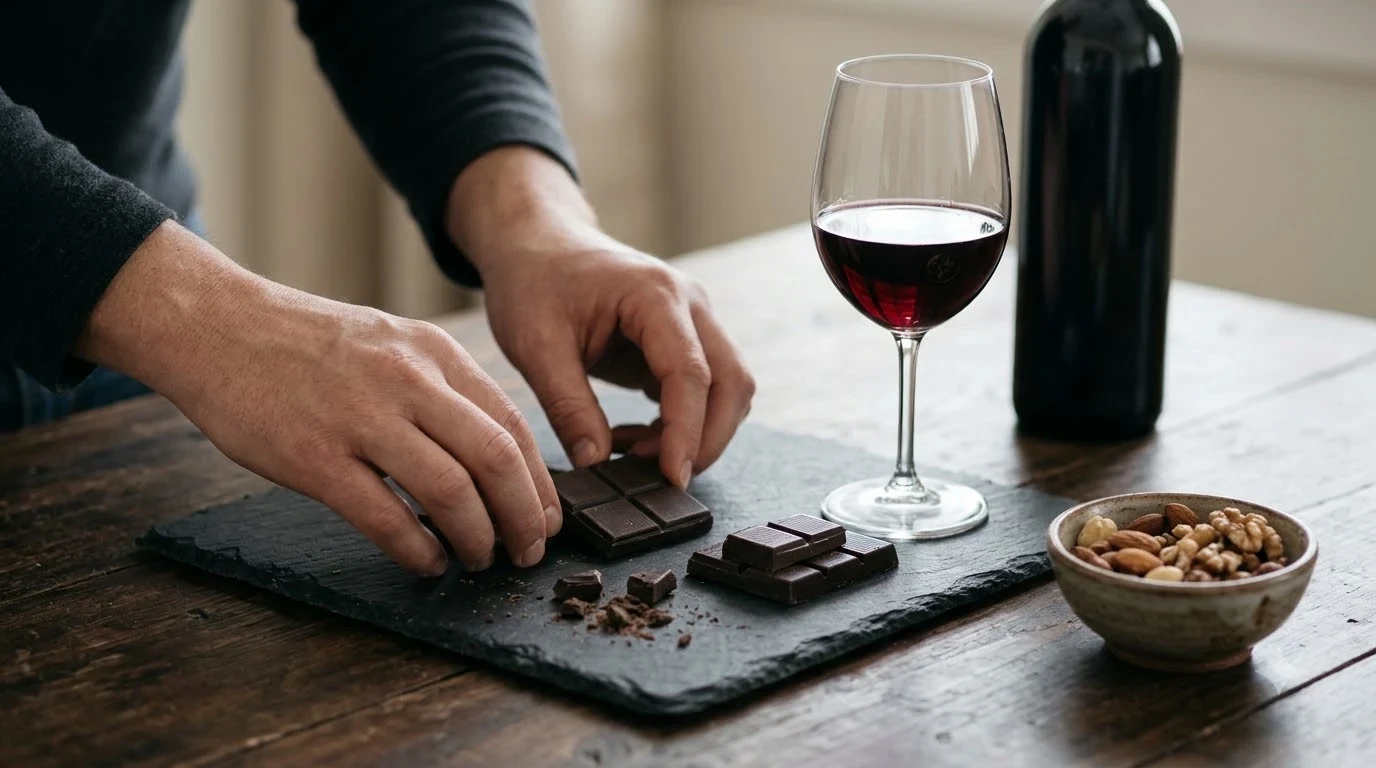

We may earn a commission when you buy through links on this page, at no extra cost to you. Learn more.
Dark Horse red wine is a red blend in the approachable, fruit-driven style that many American shoppers reach for at dinner. It is generally built around ripe dark fruit, with enough structure to pair with grilled and savory food. This guide explains what the style tastes like, how to serve it, which dishes suit it best, and who will enjoy it most.
Dark Horse is one of the names shoppers look for when they want a red that works for everyday meals without a lot of fuss. The phrase “dark horse red wine” usually refers to the brand’s red line, and the most useful way to judge it is by style: how much fruit it shows, how firm the tannins feel, and what kind of food it can handle. The sections below cover each of those points so you can decide whether the bottle fits your table.
What Dark Horse Red Wine Is
A red blend combines more than one red grape variety. Winemakers choose the mix to balance color, fruit, and structure, and the result can be softer or firmer depending on the proportions. Red blends are popular because they can offer a consistent, crowd-pleasing profile across vintages.
Because the exact grape mix can change from year to year, the label and the producer’s current product information are the best sources for the varieties in a given bottle. Judging the style by taste, rather than by a single name, is usually more reliable.

Flavor and Body
Most red blends in this style lean toward ripe fruit, with darker berry and cherry notes at the center. Structure comes from tannins, the grippy compounds from grape skins and oak, and a well-made blend keeps that grip in balance with the fruit.
Two reference points help set expectations. Wine Folly’s Cabernet Sauvignon guide lists black cherry, black currant, cedar, and baking spices, with a full body and medium-high tannins. Its Merlot guide describes a softer, less astringent red with cherry, plum, and vanilla notes. Merlot often sits between those two in feel, which is why many blends built around it are approachable and easy to share.
| Trait | What to expect |
|---|---|
| Body | Medium to full, depending on the blend |
| Tannin | Medium, with a grip that softens with food |
| Acidity | Medium, enough to keep the wine fresh |
| Fruit | Dark cherry, plum, and berry |
How to Serve It
Serving temperature has a large effect on how a red tastes. Red wine served too warm can feel heavy and hot with alcohol, while a slightly cool glass shows clearer fruit. Wine Folly’s Merlot guide gives 60 to 68 degrees Fahrenheit (15 to 20 degrees Celsius) as the serving range for medium-full reds, slightly below room temperature.
A short time in the refrigerator before pouring is usually enough for a red blend like this one. Decanting can help a firmer, more structured bottle open up, though many everyday reds are enjoyed without it. Pour into a generous glass so the aromas have room to develop.
If the room is warm, chill the bottle for 15 to 20 minutes before opening it. Keep it out of direct sun during the meal so the glass stays in the right range.
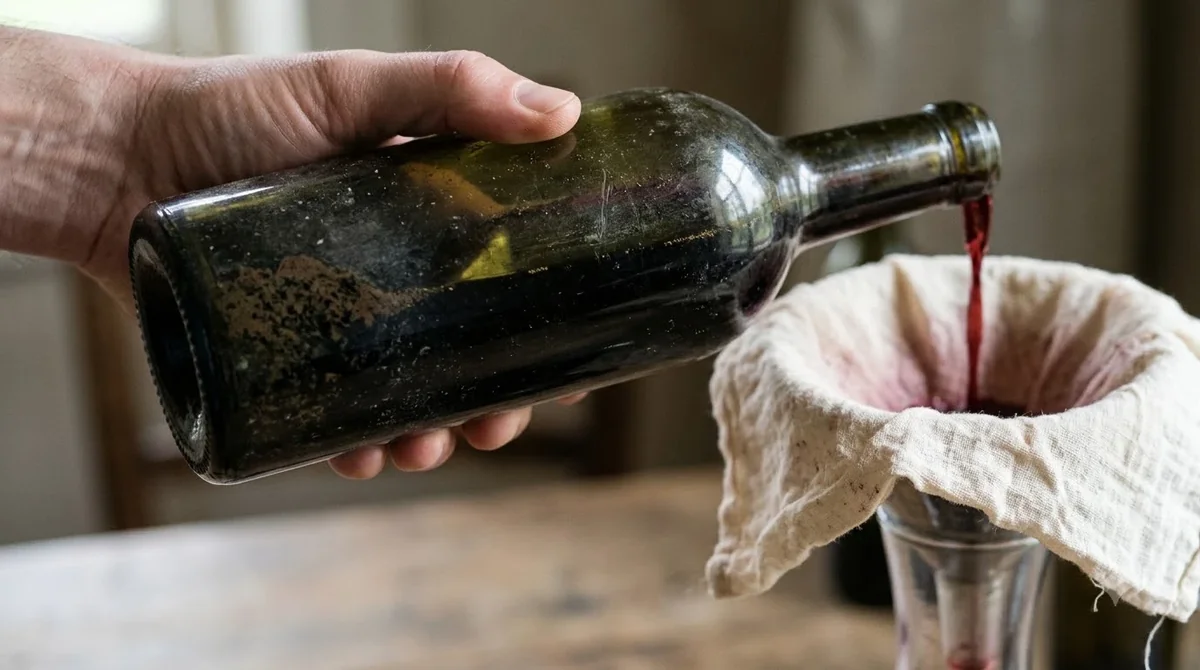
Tip: Let the wine sit in the glass for a few minutes before the first sip. The fruit and spice tend to show more clearly as the wine warms slightly.
Food Pairing Ideas
Fuller red blends pair well with rich, savory dishes. Wine Folly’s Cabernet guide says the wine’s “rich flavor and high tannin content” make it a good partner for grilled meats, peppery sauces, and boldly flavored dishes. Its Merlot guide suggests beef short rib, roast turkey, and rustic vegetable dishes for Merlot-led blends, and everyday pizza or barbecue chicken for simpler styles.
Grilled steak, burgers, roast chicken, and hearty pasta with tomato sauce are all dependable matches. Sharp cheeses such as aged cheddar also work, since the cheese’s salt and fat soften the wine’s grip. Lighter dishes such as delicate fish or raw vegetables are better served with a white.
How It Compares With Other Reds
A fruit-forward red blend tends to feel softer than a single-variety Cabernet Sauvignon from a warm region, which often shows more tannin and oak. It is usually fuller and more generous than a light Pinot Noir. That middle position is one reason blends are a popular starting point for people who want red wine without a steep learning curve.
Readers who like bolder styles can compare it with the Cabernet profile above, while lighter drinkers may enjoy exploring other producers. Brands that sit in a similar range include A to Z Wineworks, which is a useful reference for approachable bottles, and Avaline Rosé if you want a lighter option from the same shelf. The Wine Brands section groups related guides in one place.
Reading the Label
Red blend labels often list the brand, the vintage, and the region, but the varieties may not appear in full on the front. The back label or the producer’s website usually has more detail. Terms such as “smooth” or “juicy” point toward a softer style, while “structured” or “firm” suggest more tannin and a need for food.
Vintage matters more for structured reds meant to age than for everyday blends. Choosing a recent release generally gives the freshest fruit. Store bottles on their side if they have a cork, in a cool and dark spot, until you are ready to open them.
Common Mistakes
The most common mistake is serving the wine too warm, which makes it taste heavy and hot. A second is pairing it with very light food, where the wine’s tannin overwhelms the dish. A third is judging the brand from one bottle, since vintages and blends change over time.
Who Should Choose It
This style suits people who want a dependable red for weeknight dinners, barbecues, and casual gatherings. It is a good match for guests who enjoy fruit-forward wines and do not want a challenging, very dry bottle. Cooks who serve grilled or roasted food will find it easy to match with the meal.
It is less suited to drinkers who prefer very light, delicate reds, or to those who look for long aging potential and complex mineral notes. Those readers may want to try a single-variety Pinot Noir or a structured Bordeaux-style blend from another producer before settling on a favorite.
For a simple tasting routine, pour a small amount, look at the color, swirl, and smell it before tasting. Note whether the fruit feels fresh or cooked, and whether the tannin dries the mouth. Those two observations tell you more about a red blend than any single label phrase, and they help you decide whether to buy the same bottle again.
Frequently Asked Questions
Is Dark Horse red wine dry?
Most red blends in this style are dry, with ripe fruit that can feel generous on the palate. The exact sweetness depends on the bottling, so check the producer’s description for the specific wine.
What temperature should I serve Dark Horse red at?
A range of about 60 to 68 degrees Fahrenheit works well for medium-full reds. Slightly cool is better than warm, especially in a warm room.
What food pairs best with a red blend like this?
Grilled steak, burgers, roast chicken, pizza, and sharp aged cheese are reliable choices. Richer, savory dishes suit the wine’s tannin better than light salads or delicate fish.
Does the wine need to be decanted?
Most everyday red blends can be enjoyed without decanting. A firmer, more structured bottle may benefit from about 30 minutes of air before serving.
Dark Horse red wine is a practical choice for everyday dinners and casual gatherings. Serve it slightly cool, pair it with grilled or savory food, and compare it with other reds if you want a softer or firmer style. Drink responsibly.
More in Wine Brands
 Underwood Wine Price: Compare Bottles, Cans, and Pack SizesUpdated Nov 21, 2026
 Zenato Wine Price: Compare Styles and Choose the Right BottleUpdated Nov 21, 2026
 Zuccardi Wine Price: Compare Bottles and Find the Right RangeUpdated Nov 21, 2026
 Yellow Tail Moscato Review: Taste, Sweetness and Serving TipsUpdated Nov 21, 2026
 Wolf Blass Yellow Label Review: Choose Your Best StyleUpdated Nov 21, 2026
 Wolffer Estate Rose Review: Choose the Right Bottle for Your TableUpdated Nov 21, 2026