

We may earn a commission when you buy through links on this page, at no extra cost to you. Learn more.
The answer to what is the best wine for beginners depends on current drink preferences, though off-dry Riesling, Pinot Grigio, Prosecco, and Pinot Noir are the most reliable starting points. These styles keep harsh bitterness and heavy tannins low while offering clear, recognizable fruit flavors. Starting with single-varietal bottles around 11 to 13.5 percent alcohol lets new drinkers identify sweetness, acidity, and body without palate fatigue.
Walking down a wine aisle with nearly 20,000 labels on the U.S. market feels overwhelming without a clear framework, according to Food & Wine. Rather than memorizing obscure regions or vintage charts, new wine drinkers get better results by matching four basic structural traits—sweetness, acidity, tannin, and body—to beverages already enjoyed every day.
Who This Guide Is For
This guide is designed for adults buying their first bottles for home dinners, casual gatherings, or restaurant orders who want predictable flavors without wine jargon. It helps both soda or cocktail drinkers easing into wine and beer or coffee drinkers looking for dry, structured pours.
Many people assume they dislike wine after a single sip of a warm, high-tannin red or an overly sharp white. In most cases, the issue is a mismatch between the bottle’s structural profile and the drinker’s existing palate. Someone who drinks black coffee and unsweetened iced tea often enjoys dry, grippy wines right away, whereas someone who prefers sweet tea, lemonade, or fruit-forward cocktails usually connects faster with low-tannin reds or off-dry whites.
First-time buyers also benefit from knowing which wine basics matter at the register and which details can wait. Focus on grape variety, alcohol by volume (ABV), and serving temperature rather than gold medals or cellar aging notes. For readers who want a quick refresher on foundational terms before shopping, the Wine Q&A hub breaks down core concepts in plain language.
Key Factors to Compare When Choosing a Starter Wine
Five measurable traits determine how any wine tastes and feels on the palate: residual sugar, acidity, tannin, alcohol level, and body. Comparing these elements side by side makes it easy to predict whether a bottle will taste crisp, soft, sweet, or bold before pulling the cork.
According to Wine Folly, grouping wines by structural style rather than memorizing over 1,300 grape varieties gives beginners an immediate roadmap. Sweetness comes from residual grape sugar left unfermented in the tank, while acidity provides the mouthwatering tartness found in fresh citrus or green apples. Tannins are natural polyphenols extracted from grape skins, seeds, and oak barrels that create a drying, grippy sensation on the gums and tongue.
Alcohol percentage and body work together to create weight in the mouth. Wines between 8 and 11.5 percent ABV feel light and delicate like skim milk, whereas bottles at 14 to 15 percent ABV feel fuller and warmer on the throat. Checking the ABV number printed on the front or back label is one of the fastest ways to gauge richness and sweetness before buying.
| Beginner Wine Style | Sweetness Level | Acidity & Tannin | Typical ABV | Ideal Serving Temp |
|---|---|---|---|---|
| Moscato d’Asti | Sweet | Low-medium acidity; zero tannin | 5.5%–7% | 43°F–50°F |
| Off-Dry Riesling (Kabinett) | Off-Dry | High acidity; zero tannin | 8%–11% | 43°F–50°F |
| Prosecco (Brut or Extra Dry) | Dry to Off-Dry | High acidity; zero tannin | 11%–12% | 40°F–50°F |
| Italian Pinot Grigio | Dry | Medium-high acidity; zero tannin | 11.5%–12.5% | 45°F–50°F |
| Provence-Style Rosé | Dry | Medium-high acidity; trace tannin | 12%–13% | 45°F–50°F |
| Pinot Noir | Dry | High acidity; low-medium tannin | 12.5%–14% | 55°F–60°F |
| Merlot | Dry | Medium acidity; medium tannin | 13.5%–14.5% | 60°F–65°F |
Tip: Look at the alcohol percentage on the bottle when shopping for Riesling or Gewürztraminer. Bottles under 11 percent ABV almost always retain noticeable natural grape sweetness, while bottles at 12.5 percent ABV or higher have fermented nearly all their sugar into alcohol and will taste dry.
Step-by-Step: How to Pick and Taste Your First Bottles
A structured four-step routine removes guesswork at the wine shop and trains the palate to recognize what makes a bottle enjoyable. Following these steps in order turns a single evening pour into a clear reference point for future purchases.
- Anchor to a familiar non-wine drink: Match your daily beverage habits to a starting style. Choose Moscato or off-dry Riesling if you love sweet iced tea or fruit punch; choose Pinot Grigio or Sauvignon Blanc if you prefer unsweetened lemonade or grapefruit juice; choose Pinot Noir or Merlot if you enjoy black tea, dark chocolate, or espresso.
- Buy single-varietal New World bottles first: Under U.S. labeling rules, a wine named after one grape variety must contain at least 75 percent of that grape, which makes flavors consistent and easy to learn. Look for clear varietal labels from California, Oregon, Washington, Chile, Argentina, Australia, or New Zealand before tackling European region-based labels.
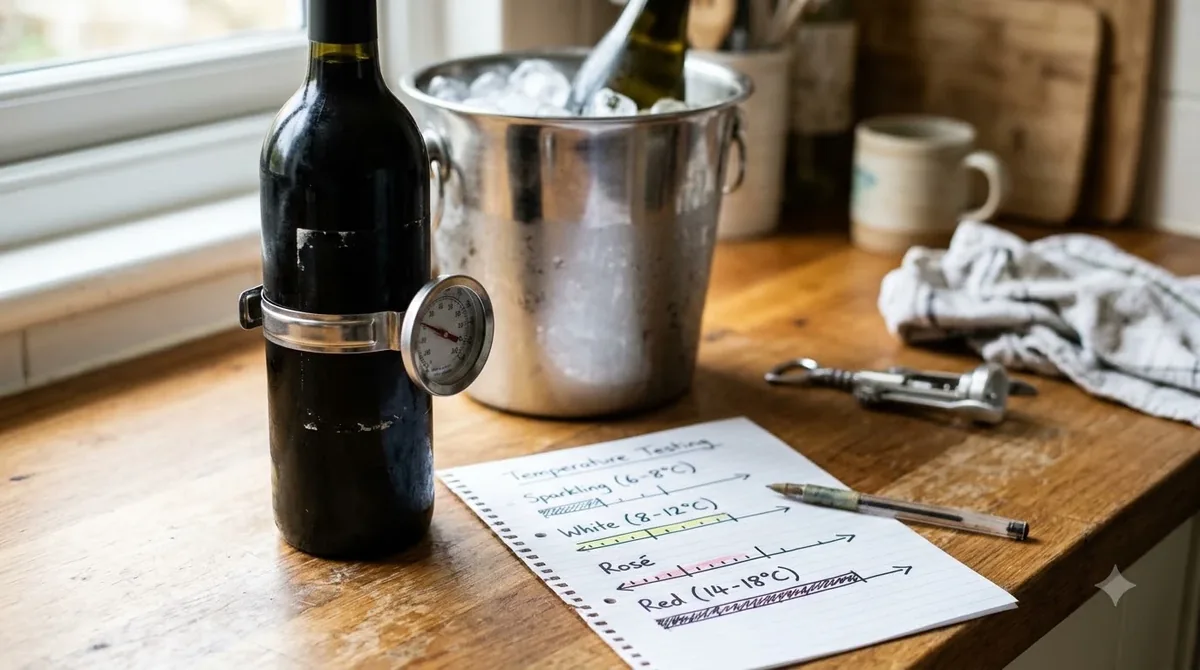
- Chill the bottle to the right temperature window: Serve sparkling wines at 40°F to 50°F, crisp whites and rosés at 45°F to 50°F, light reds like Pinot Noir at 55°F to 60°F, and fuller reds like Merlot at 60°F to 65°F. Thirty minutes in a standard kitchen refrigerator cools a room-temperature red down to cellar-like serving range.
- Smell before sipping and pair with simple food: Swirl a standard 5-ounce pour in a medium-bowled glass to release fruit and floral aromas, since holding your nose while swallowing mutes nearly all flavor perception. Taste the wine both alone and alongside salty snacks like aged cheddar, roasted nuts, or roast chicken to see how salt and fat soften acidity and tannin.
Keeping brief notes on your phone after each bottle—recording the grape, region, alcohol percentage, and whether it tasted too tart, too sweet, or just right—builds confidence within three or four tastings. If you ever dine at a restaurant with a wine professional on staff, knowing what is a sommelier and sharing those exact flavor preferences helps them point straight to a bottle in your comfort zone.
Best Beginner Wine Types and Styles Explained
Understanding the main wine families helps new drinkers pick the right bottle for any meal or mood. Each category below highlights approachable grape varieties that deliver clean fruit character without overwhelming bitterness or oak.
Crisp and Aromatic White Wines
White wines contain virtually zero tannin because the juice is pressed off the grape skins before fermentation, making them the easiest entry point for most newcomers. Italian Pinot Grigio from regions like Trentino is fermented in stainless steel to preserve clean green apple, pear, and lemon flavors with a brisk finish. Sauvignon Blanc from Marlborough, New Zealand, or California adds brighter citrus, passion fruit, and fresh herbal notes driven by high natural acidity.
For drinkers who want a softer, rounder white without sharp tartness, unoaked Chardonnay offers ripe orchard fruit and melon flavors. By contrast, oak-aged Chardonnay from Sonoma Coast undergoes malolactic fermentation and barrel aging, trading crisp apple notes for a creamier texture with vanilla and baking spice aromas. German Riesling Kabinett bridges the gap between dry and sweet, balancing vibrant lime and white peach flavors with a touch of residual sugar.
Dry Rosé and Easy-Drinking Sparkling Wines
Dry rosé is made from red grapes whose skins stay in contact with the juice for only a few hours, imparting a pale pink color and red berry aromas without heavy tannins. Bottles from Provence in southern France or Grenache-based rosés from Spain taste crisp and refreshing at 45°F to 50°F, pairing easily with grilled chicken, salads, and mildly spiced takeout.
Italian Prosecco, crafted from the Glera grape using the pressurized tank method at 11 to 12 percent ABV, is the most approachable sparkling wine for beginners. Unlike Champagne or Spanish Cava—which undergo a second fermentation inside each individual bottle and develop yeasty, toasted brioche notes—Prosecco highlights fresh pear, white peach, and honeysuckle. Look for “Brut” on a Prosecco label for a crisp, dry finish, or “Extra Dry” if you want a slightly softer hint of sweetness.
Soft, Fruit-Forward Red Wines
Red wines are fermented with their grape skins, which extracts deep color alongside tannins that can taste astringent to unaccustomed palates. Pinot Noir solves this hurdle with thin grape skins that yield low-to-medium tannins, bright acidity, and vibrant red cherry and raspberry flavors. Oregon’s Willamette Valley and California’s Sonoma Coast produce reliably smooth, fruit-driven examples.
Common Mistakes Beginners Make When Buying and Serving Wine
Even well-chosen bottles can disappoint when served at the wrong temperature, paired with clashing foods, or selected based on misleading label assumptions. Avoiding five frequent missteps ensures every bottle tastes as the winemaker intended.
- Serving red wine at warm room temperature: Typical heated living rooms sit near 70°F, which makes Pinot Noir and Merlot taste flat, soupy, and overly alcoholic. Light reds belong at 55°F to 60°F and fuller reds at 60°F to 65°F, which takes just 20 to 30 minutes in a kitchen refrigerator before pouring.
- Assuming “Extra Dry” sparkling wine means zero sugar: On sparkling wine labels, Brut Nature, Extra Brut, and Brut are actually drier than Extra Dry, Dry, Demi-Sec, and Doux. Choosing Brut gives a crisp, dry pour, while Extra Dry carries noticeable residual sweetness.
- Pairing high-tannin reds with spicy food or oily fish: Chili heat amplifies both alcohol burn and astringency, while tannins clash metallically with salmon, tuna, or mackerel. Pair spicy dishes with chilled, low-ABV off-dry whites and match oily fish with high-acid whites like Sauvignon Blanc or light-bodied Pinot Noir.
- Judging an entire grape by one extreme style: French Chablis and California Sonoma Coast Chardonnay use the exact same grape, yet Chablis tastes chalky and citrus-driven while Sonoma Coast delivers ripe stone fruit and toasted oak, as noted by Food & Wine. Trying both unoaked and oaked expressions prevents writing off a versatile variety too early.
- Confusing high-tannin reds with “bad” wine: Petite Sirah and young Cabernet Sauvignon pack dense polyphenols from thick grape skins that grip the gums when sipped alone. Serving those bottles alongside salted steak, aged hard cheese, or braised meats binds the tannins to proteins and fats, softening the finish immediately.
Readers still narrowing down their preferences across red, white, and sparkling styles can explore additional bottle ideas in this guide on what wine is good for beginners. Matching bottle weight to the richness of the meal solves most early pairing frustrations without complicated charts.
Storage, Glassware, and Preservation Tips for New Wine Drinkers
Proper storage and simple glassware keep both unopened bottles and leftover pours tasting fresh without expensive cellar gear. A few basic habits protect delicate fruit aromas from heat, light, and oxygen.
Store unopened cork-sealed bottles on their sides in a cool, dark spot near 55°F so the cork stays moist and maintains an airtight seal. According to Wine Enthusiast, keeping bottles on top of a kitchen refrigerator exposes wine to rising heat and constant motor vibrations, making a shaded interior closet or pantry shelf a far better apartment storage spot.
After opening a standard 750-milliliter bottle—which holds roughly five 5-ounce pours—re-cork it tightly and place it upright in the refrigerator to slow oxidation. Sparkling wines stay lively for a couple of days with a clamped sparkling stopper, while still white, rosé, and red wines remain fresh for several days in the refrigerator. Fortified wines like Port and Sherry keep for several weeks due to their higher alcohol content, and bag-in-box wines last even longer because the collapsing pouch blocks air contact.
For stemware, one set of medium-bowled glasses with thin rims handles reds, whites, and rosés comfortably. Pouring 5 ounces fills only the lower third of a standard bowl, leaving room to swirl without spilling, and placing dishwasher-safe glasses on the top rack keeps them clean without clouding.
Frequently Asked Questions
What is the single easiest wine to start with if I dislike bitter or sour drinks?
Italian Moscato d’Asti is the gentlest starting point for palates sensitive to bitterness or sharp acidity. Made from the Muscat Blanc grape with gentle frizzante bubbles, low alcohol, and natural peach and orange blossom sweetness, it drinks more like sparkling fruit nectar than traditional dry wine. For those curious about dessert-level sweetness across different styles, exploring what is the sweetest wine explains how late-harvest and fortified bottles compare.
How can I tell if an Old World European bottle is dry or sweet when no grape is listed?
Old World regions like France, Italy, and Spain label bottles by geographic appellation rather than grape variety, so check the alcohol percentage and regional style cues on the front or back label. Dry European table wines from Bordeaux, Chianti, Rioja, or Chablis contain virtually no residual sugar, whereas sweeter styles list dessert designations on the label. Conversely, terms like “Moelleux,” “Doux,” “Amabile,” “Dolce,” or “Spätlese” signal noticeable sweetness.
Does a screw cap mean a beginner wine is lower quality than a cork bottle?
No, screw caps are widely used on high-quality crisp whites, rosés, and fruit-forward reds—especially from New Zealand, Australia, and the Pacific Northwest—because they preserve bright fruit aromas and eliminate cork taint. Natural corks can occasionally harbor a harmless but musty-smelling compound called TCA that makes wine smell like damp cardboard. Screw-cap bottles also reseal easily in the refrigerator between pours.
Should beginners decant red wine before drinking it?
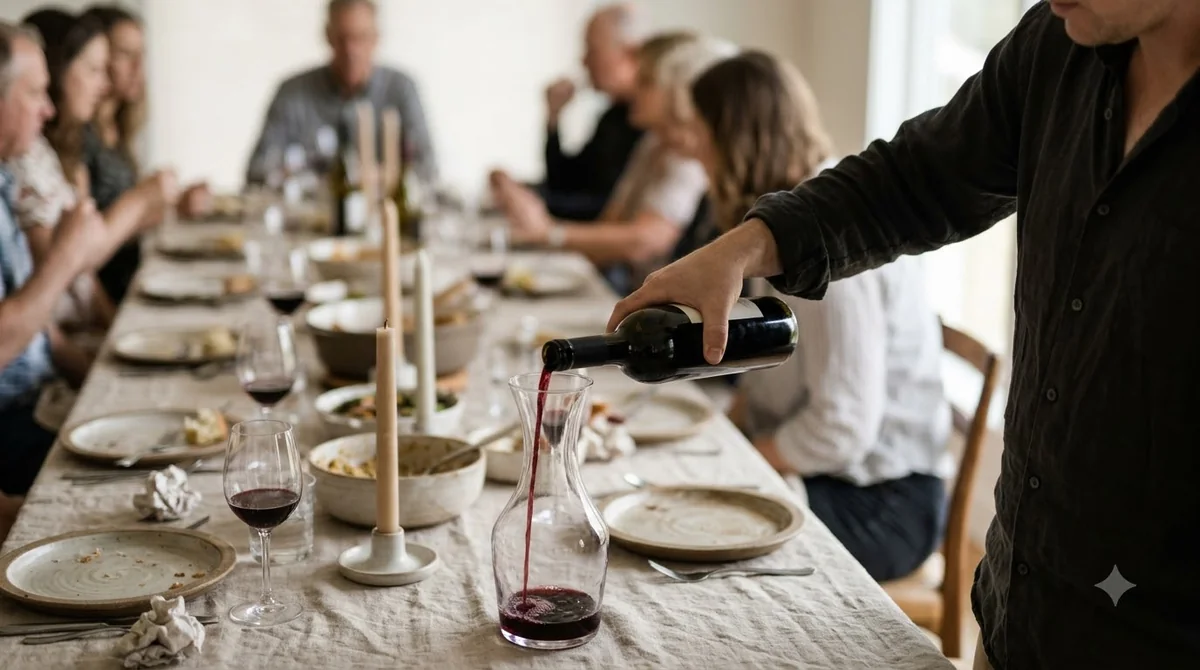
Most light, fruit-forward beginner reds like Pinot Noir, Garnacha, and Beaujolais taste great straight from the bottle without decanting. Young, full-bodied reds with heavier tannins—such as Cabernet Sauvignon, Syrah, or Petite Sirah—benefit from resting briefly in a wide glass carafe, which exposes the wine to oxygen and softens tight, drying edges.
What does “legs” or “tears” on the inside of a wine glass actually tell you?
The clear droplets that form and streak down the inside of a glass after swirling reflect alcohol and sugar content rather than wine quality. Higher-alcohol wines, such as California Zinfandel, and sweet dessert wines produce thicker, slower-moving legs due to surface tension differences between water and alcohol.
Finding the right starter bottle comes down to matching sweetness, acidity, body, and tannin to flavors already familiar from everyday drinks and meals. Begin with one crisp white, one sparkling or rosé option, and one light-bodied red served at the proper temperature, then let each glass guide the next discovery.
More in Wine Basics
 Which Rose Is Best for Your Taste, Budget, and Food PairingsUpdated Nov 21, 2026
 Is Cheap Wine Bad? How to Find Bottles Worth DrinkingUpdated Nov 21, 2026
 What To Write On A Wine Gift Tag: Thoughtful Messages For Every OccasionUpdated Nov 21, 2026
 Which Wine Is Best For Weight Loss? Compare Lower-Calorie ChoicesUpdated Nov 21, 2026
 What Is The Best Wine For Mimosas? Choose Bubbly That Balances Orange JuiceUpdated Nov 20, 2026
 Which Prosecco Is Best for Your Taste and OccasionUpdated Nov 20, 2026