

We may earn a commission when you buy through links on this page, at no extra cost to you. Learn more.
Lenox crystal wine glasses are a worthwhile choice for wine drinkers who want elegant stemware, traditional shapes, and versatile designs for everyday dinners and entertaining. The Tuscany Classics collection is particularly appealing, with mouthblown crystal construction, fire-polished rims, and options for red wine, white wine, Bordeaux, and sparkling wine. However, durability and care requirements deserve attention, especially if the glasses will be used frequently or washed in a dishwasher.
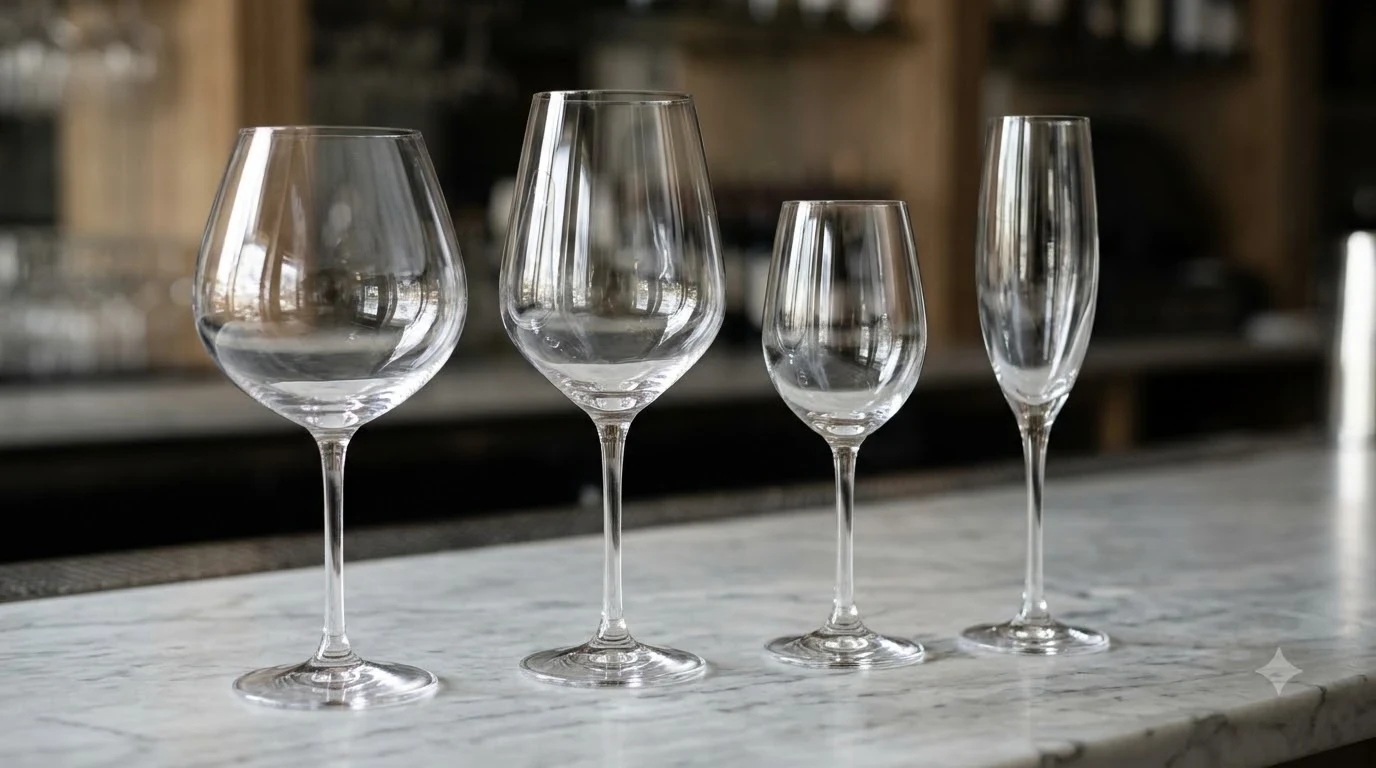
Lenox offers more than one interpretation of traditional wine glass design. Its collection includes straightforward clear stemware, oversized red wine bowls, white wine glasses, champagne flutes, and decorative finishes. That variety makes it possible to build a coordinated glassware collection without choosing identical shapes for every wine. The important distinction is understanding which features are practical, which are primarily decorative, and how much care delicate crystal stemware requires.
Specs and Key Features of Lenox Tuscany Classics
Lenox Tuscany Classics wine glasses combine traditional stemware proportions with crystal construction and practical design details. The Bordeaux glasses are a particularly useful example because Lenox publishes specific dimensions, capacity, construction information, and care details for this model.
The collection is not limited to one oversized red wine glass. Lenox sells separate red and white wine shapes, champagne flutes, stemless glasses, and specialty designs. The result is a collection that can accommodate different serving preferences, although specifications should be checked for the individual glass rather than assumed to apply across the entire range.
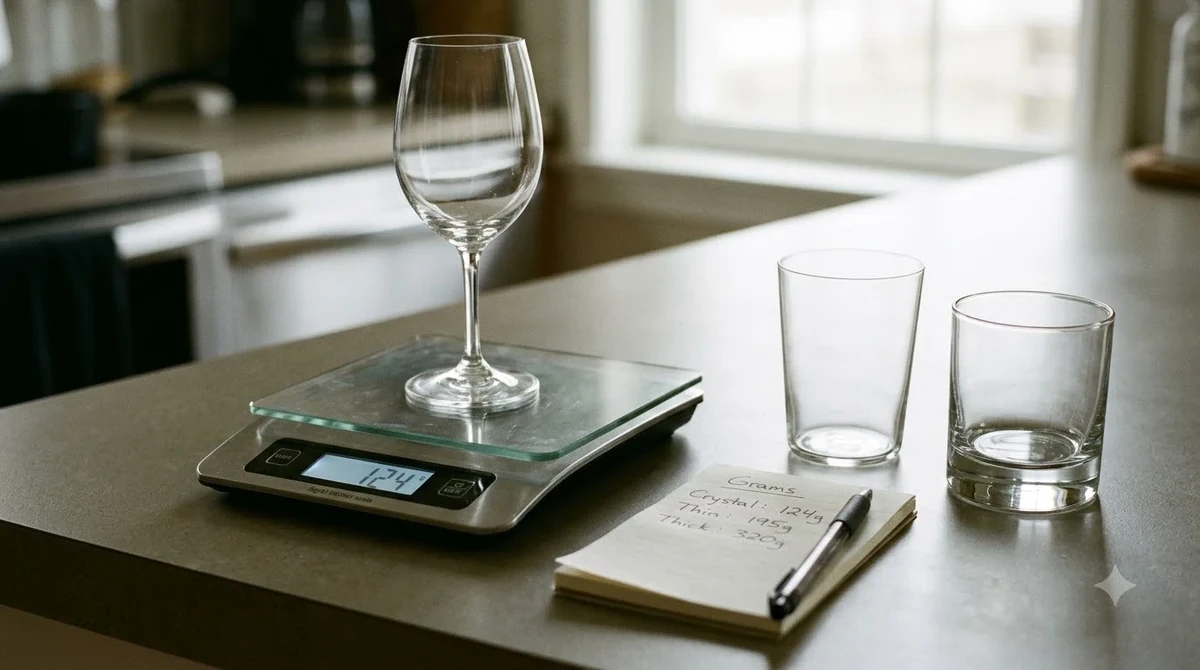
One useful distinction is the difference between the Bordeaux and Pinot Grigio examples. Lenox lists its Bordeaux glasses at 27 ounces and 10.75 inches tall, while Wayfair lists its Tuscany Classics Pinot Grigio glasses at 16 ounces and 9 inches tall. Those measurements demonstrate why selecting a glass by its actual shape and dimensions matters more than relying on the collection name alone.
| Feature | Tuscany Classics Bordeaux | Tuscany Classics Pinot Grigio |
|---|---|---|
| Set quantity | 4 glasses | 4 glasses |
| Capacity | 27 oz | 16 oz |
| Height | 10.75 inches | 9 inches |
| Construction | Mouthblown crystal | Handcrafted crystal |
| Rim treatment | Fire-polished | Fire-polished |
| Dishwasher care | Listed as dishwasher-safe | Listed as dishwasher-safe |
| Design purpose | Bordeaux and other red wines | White wine service |
These specifications come from Lenox’s official Bordeaux product description and Wayfair’s Pinot Grigio listing. They should not be treated as universal specifications for every Tuscany Classics glass. The broader collection includes different shapes and capacities, and individual decorative versions can have different construction or cleaning requirements. Lenox’s official Tuscany Classics Bordeaux product listing provides the manufacturer’s detailed description of the four-glass set.
The mouthblown construction of the Bordeaux model is an important feature for shoppers who appreciate traditional glassmaking. Lenox also identifies fire-polished rims, which contribute to the finished appearance of the drinking edge. These details help explain the appeal of the collection, although they do not make the glasses immune to impact damage.
Another practical consideration is the variety of set sizes. Lenox’s wine collection includes sets of four and six, depending on the style. A four-glass set can work for smaller households, while six-glass configurations are more convenient for regular dinner parties. Shoppers comparing different crystal wine glasses should consider capacity, rim shape, height, and storage space alongside appearance.
What Owners Like About Lenox Wine Glasses
Customer feedback and product descriptions point to three recurring strengths: attractive appearance, traditional styling, and practical versatility. Lenox’s Tuscany Classics designs appeal to people who want recognizable stemware rather than unusually modern or minimalist shapes.
Wayfair’s customer review summary for the Tuscany Classics Pinot Grigio glasses highlights appearance, quality, and value as common positive themes. Buyers frequently appreciate the elegant shape and the way the glasses look on a dining table. This is relevant for shoppers who want their stemware to serve a visual purpose during celebrations as well as a functional one during ordinary meals.
The collection also provides several shapes that can make a coordinated table setting easier to achieve. A household might choose red wine glasses for Cabernet Sauvignon, smaller white wine glasses for Sauvignon Blanc, and flutes for sparkling wine. The designs do not have to be identical to look coordinated, particularly when the same clear finish and traditional styling are maintained.
Another positive feature is the availability of different decorative treatments. Lenox’s wine collection includes gold frost and iridescent options alongside more conventional clear glasses. These finishes offer an alternative for people who want a distinctive table setting for holidays, weddings, anniversaries, or formal dinners.
Traditional styling for different occasions
The traditional bowl-and-stem design is one of the collection’s strongest selling points. A stem gives the drinker a place to hold the glass without constantly warming the wine with their hand. The bowl also leaves room to swirl a moderate pour, allowing aromas to collect above the wine.
For example, a Bordeaux-shaped glass can accommodate a generous serving of Cabernet Sauvignon or Merlot while leaving enough room for swirling. A smaller white wine glass is often more convenient for Chardonnay or Riesling because its proportions support a more controlled serving.
Lenox’s selection makes it possible to choose those different formats without moving to an entirely unrelated glassware brand. That consistency can be especially appealing when buying replacement pieces or gradually building a collection.
Practical convenience
Some Tuscany Classics designs are listed as dishwasher-safe, which is a meaningful advantage for households that entertain regularly. Handwashing every glass after a large dinner can become tedious, so dishwasher compatibility is an attractive feature when it is explicitly provided for the particular item.
The Bordeaux model is described by Lenox as break-resistant and dishwasher-safe. Those characteristics make it more convenient than delicate stemware that requires handwashing under all circumstances. Still, break-resistant should not be interpreted as unbreakable. Crystal remains vulnerable to impacts, sudden temperature changes, and pressure around narrow stems.
For buyers who prioritize attractive glassware with some everyday practicality, the combination of traditional proportions and selected dishwasher-safe designs is a compelling reason to consider Lenox.
Common Complaints and Durability Concerns
Lenox crystal wine glasses offer attractive styling, but they are not the right choice for every household. Customer feedback identifies occasional breakage and delicate stems as concerns, while differences between product photographs and delivered dimensions can also affect expectations.
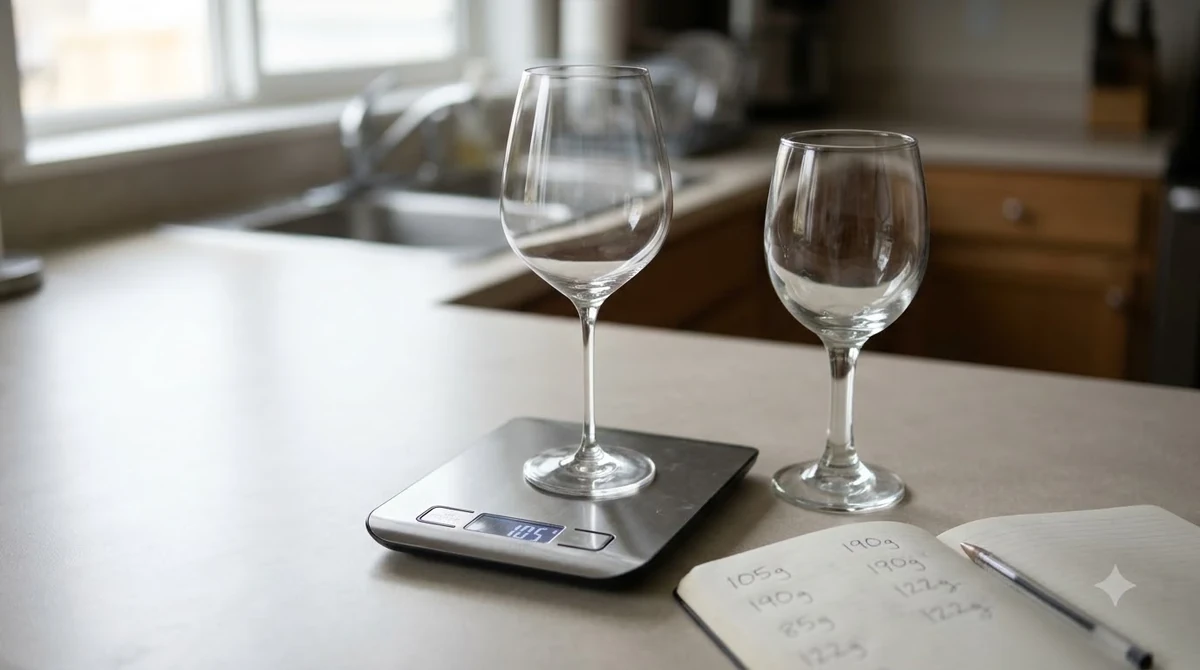
Wayfair’s review summary for the Tuscany Classics Pinot Grigio glasses mentions customers who experienced breakage, including reports involving dishwasher use. It also identifies concerns about delicate stems. These comments do not establish that every glass will fail in a dishwasher, but they show why careful loading and handling remain important even when a product is advertised as dishwasher-safe.
Stemware is especially vulnerable at the junction between the bowl and stem. Twisting the bowl while holding the base, knocking glasses together during washing, or forcing a glass into a crowded dishwasher rack can create stress. A design that looks substantial in product photographs can still have a relatively delicate stem.
Another issue is the difference between a stated capacity and a comfortable serving size. A 27-ounce Bordeaux glass has considerably more capacity than a typical serving requires. A standard wine pour is about 5 ounces, so the remaining bowl space is useful for swirling and aroma development rather than an invitation to fill the glass.
Dishwasher expectations
Dishwasher-safe does not mean that every washing method is equally gentle. A glass can be technically compatible with a dishwasher and still be damaged by contact with plates, utensils, or neighboring glasses. High heat and unsuitable detergents can also contribute to wear or cloudiness.
Lenox recommends placing dishwasher-safe crystal on the top rack, away from items that might knock against it. The company also recommends a gentle cycle and mild detergent. Those instructions are sensible precautions for reducing avoidable damage.
People who routinely wash fragile stemware in a crowded dishwasher may prefer handwashing regardless of the manufacturer’s dishwasher designation. The extra time can be worthwhile when preserving a matching set matters more than convenience.
Appearance versus delivered dimensions
Glassware photographs can make a bowl appear larger or more substantial than it looks in person. This is particularly relevant with wine glasses because perspective, close-up photography, and the absence of familiar objects for scale can make product dimensions difficult to judge.
Before buying, compare the published height and capacity with the space available in the cabinet and dishwasher. A 10.75-inch glass, for example, needs more vertical storage room than a 9-inch design. Bowl width also matters because large glasses can occupy considerably more cabinet space than their quantity suggests.
It is also sensible to buy a complete set from a consistent product listing rather than mixing pieces from different manufacturing runs without checking their appearance. Differences in proportions, finishes, and glass weight can be noticeable when replacement pieces are placed beside older glasses.
Who Should Buy Lenox Crystal Wine Glasses and Who Should Skip Them
Lenox crystal wine glasses are best suited to people who value traditional presentation, want several wine-specific shapes, and are willing to handle stemware carefully. They are less suitable for households that prioritize rough everyday handling, minimal storage requirements, or completely carefree cleaning.
For someone who hosts dinner parties, a coordinated collection can make the table look more considered without requiring an extensive investment in specialist glassware. A set of four Bordeaux glasses and a separate set of white wine glasses can cover many common serving situations.
The Bordeaux shape is particularly relevant for red wine drinkers who regularly serve Cabernet Sauvignon, Merlot, or other structured reds. Its generous capacity provides space to swirl wine without immediately bringing liquid close to the rim. That extra room is useful because aromatic compounds collect in the space above the wine.
Buyers who are likely to appreciate Lenox
- Traditional table-setting enthusiasts: The classic stemware design works with formal dinnerware, everyday plates, and special-occasion table settings.
- Frequent hosts: Sets of four or six can provide a coordinated selection for small gatherings and dinner parties.
- Red wine drinkers: Bordeaux-shaped glasses offer a generous bowl for Cabernet Sauvignon, Merlot, and similar red wines.
- White wine drinkers: The smaller Pinot Grigio-style glass is a useful alternative to oversized red wine bowls.
- Gift shoppers: A coordinated set of crystal stemware can make a practical wedding, anniversary, or housewarming gift.
- Collectors of matching tableware: Multiple shapes and decorative finishes provide options for building a consistent glassware collection.
Buyers who may prefer another style
- Families with young children: More substantial everyday glassware or stemless designs may be easier to manage.
- People who dislike delicate stems: Stemless glasses eliminate the narrow stem as a vulnerable point.
- Frequent dishwasher users: Those who prefer loading glasses without special placement may be happier with sturdier everyday glassware.
- Minimalist households: Large Bordeaux bowls require more cabinet space than compact all-purpose glasses.
- Outdoor entertainers: Acrylic or other purpose-made outdoor drinkware is more appropriate for patios, pools, and picnic areas.
There is no reason to buy every available Lenox shape simply because the collection offers them. A household that mostly drinks Chardonnay and Pinot Noir might need only two different styles, while someone who serves Cabernet Sauvignon, Riesling, and sparkling wine could benefit from a broader selection.
For shoppers comparing more general wine glasses, the most important question is how the glasses will be used. A beautifully shaped Bordeaux glass is less useful if it cannot fit into the kitchen cabinet or is too fragile for the household’s cleaning routine.
How Lenox Compares to Other Crystal Wine Glass Options
Lenox occupies a useful position for buyers who want traditional crystal stemware with several available shapes and decorative options. Its strongest appeal is the combination of classic appearance, recognizable collection styling, and selected practical features such as dishwasher compatibility.
However, crystal wine glasses are not interchangeable simply because they share the same material category. Differences in bowl proportions, rim thickness, manufacturing methods, and overall weight can affect both handling and wine service. A useful comparison should focus on those physical characteristics rather than brand reputation alone.
Traditional crystal versus lead-free crystal
One of the first distinctions to investigate is crystal composition. The term crystal is used for different glass formulations, and the word alone does not establish whether a particular glass contains lead. Some manufacturers use lead-free crystal formulations, while other crystal products may use different compositions.
Wayfair identifies the Tuscany Classics Pinot Grigio glasses in its listing as lead-free. This is useful information for shoppers considering that particular product. It should not automatically be generalized to every vintage, pattern, or Lenox glass sold through other retailers.
Buyers who specifically want lead free crystal wine glasses should look for a clear material statement attached to the exact product. The distinction matters because a collection name does not always identify the composition of every individual glass.
Large bowls versus smaller wine glasses
Lenox’s Bordeaux and Pinot Grigio examples illustrate two different approaches to wine service. The Bordeaux glass has a 27-ounce capacity and measures 10.75 inches tall, while the Pinot Grigio example has a 16-ounce capacity and measures 9 inches tall.
A large bowl is useful for red wines that benefit from swirling and aromatic development. A smaller bowl can be more convenient for white wines that are served in controlled portions and benefit from maintaining a cooler serving temperature.
Neither format is universally superior. A smaller glass can be easier to store and handle, while a large bowl may be more enjoyable for someone who regularly serves structured reds. The right decision depends on the wines most often poured.
Decorative designs versus clear stemware
Lenox also provides decorative finishes such as gold frost and iridescent glassware. These styles make a stronger visual statement than simple clear stemware and may be appealing for holiday entertaining or formal table settings.
Clear glasses are generally easier to coordinate with existing dinnerware and allow the wine’s color to remain fully visible. That is particularly useful when comparing the appearance of a pale Pinot Grigio, a golden Chardonnay, or a deep Cabernet Sauvignon.
Decorative versions should also be evaluated for cleaning requirements. A gold or platinum band, for example, may require different care from an unadorned clear glass. The care instructions for the individual product should take priority over assumptions based on another glass in the same collection.
Care, Cleaning, and Storage Recommendations
Proper care makes a substantial difference to the lifespan of crystal wine glasses. Lenox recommends gentle cleaning, prompt drying, careful handling, and storage that prevents glass-to-glass contact.
The company provides separate instructions for glass and crystal, including precautions against abrasive scrubbers and extreme water temperatures. These guidelines are particularly relevant for stemware because the rim and stem are vulnerable to accidental damage. Lenox’s official product use and care instructions explain the recommended washing, drying, and storage methods for crystal drinkware.
Handwashing crystal wine glasses
Handwashing is a sensible option for preserving delicate stemware, even when a particular model is labeled dishwasher-safe. Use warm water, mild soap, and a soft sponge or cloth. Avoid scouring pads, abrasive powders, and vigorous scrubbing around the rim.
After washing, rinse thoroughly to remove detergent residue. Dry the glass promptly using a clean, lint-free towel. This reduces the appearance of mineral deposits and water streaks, particularly in areas with hard tap water.
When cleaning a stemmed glass, avoid gripping the bowl with one hand and twisting the base with the other. That movement can place unnecessary pressure on the narrow connection between the bowl and stem. Hold the glass securely and use gentle movements instead.
Dishwasher precautions
For Lenox models specifically listed as dishwasher-safe, the company recommends using the top rack and keeping crystal away from other objects that could cause impacts. A gentle cycle and mild detergent are also recommended.
Do not assume that every Lenox wine glass can go through the same cleaning cycle. Decorative bands, special finishes, and different product constructions may have their own restrictions. Handwashing remains the safer general approach whenever the specific item’s cleaning instructions are unclear.
Removing water spots and stains
Hard water can leave cloudy-looking mineral deposits on otherwise clean crystal. Lenox recommends a solution of equal parts white vinegar and water for removing water spots. For stubborn wine or tea stains, the company also suggests soaking crystal in warm water mixed with baking soda or vinegar.
A paste made from baking soda and water can help restore shine and remove stubborn stains. Use gentle application rather than aggressive rubbing, especially around thin rims and delicate stems.
Tip: Dry Lenox crystal wine glasses immediately after rinsing, then store them upright with space between each piece. Never place delicate crystal stemware upside down on its rim because the rim is one of the most vulnerable parts of the glass.
Storing stemware safely
Lenox recommends storing crystal stemware in a secure location with adequate air space around individual pieces. Avoid stacking glasses or allowing their bowls to touch. A sturdy cabinet shelf with enough depth and vertical clearance is preferable to a crowded display cabinet.
For particularly valuable or rarely used pieces, consider a dedicated glassware cabinet or a shelf with protective dividers. These additions reduce the risk of accidental contact when other kitchen items are moved around.
Keep the glasses away from areas where temperature changes are sudden. Crystal can be vulnerable to thermal shock, so avoid pouring hot liquids into cold glasses or exposing warm glassware to very cold water.
These precautions are especially useful for matching sets. Losing one glass from a discontinued design can make it difficult to replace the piece with an identical match, even when the manufacturer continues selling other products under the same collection name.
Frequently Asked Questions
Are Lenox crystal wine glasses made in the United States?
Manufacturing origin can differ between Lenox products and individual collections. The Tuscany Classics Bordeaux product listing identifies its glasses as imported, rather than establishing a single country of manufacture for every Lenox wine glass. Check the specific item’s packaging or product listing when country of origin is an important purchasing requirement.
Can Lenox crystal wine glasses be used for cocktails?
Many wine glasses can also serve cocktails that do not require ice or vigorous mixing inside the glass. A 16-ounce wine glass can accommodate sangria or a wine-based spritz, while a large Bordeaux bowl provides room for aromatic garnishes. Avoid using delicate wine stems as mixing vessels because stirring can cause the glass to strike hard objects.
How many Lenox wine glasses should a household own?
Four to six glasses of a frequently used shape are a practical starting point for many households. A family that entertains regularly may prefer six matching glasses of each main style, while occasional hosts may find four sufficient. Consider the number of guests, cabinet space, and replacement availability before expanding the collection.
Can Lenox crystal glasses develop a cloudy appearance over time?
Yes. Mineral deposits from hard water, detergent residue, and dishwasher-related surface wear can make crystal appear cloudy. Lenox recommends equal parts white vinegar and water for water spots, but permanent surface etching may not respond to ordinary cleaning. Avoid excessive detergent and harsh washing conditions to reduce the likelihood of this problem.
Are older Lenox wine glasses compatible with newer Tuscany Classics pieces?
They may coordinate visually, but matching collection names or similar shapes do not guarantee identical dimensions, weight, or finish. Older and newer production runs can differ in appearance. Compare the rim diameter, bowl proportions, stem length, and glass color before combining replacement pieces with an existing set.
Lenox crystal wine glasses are appealing for their traditional appearance, variety of wine-specific shapes, and practical features found in selected Tuscany Classics designs. Their main limitations are the care required by delicate stemware and the possibility of breakage despite dishwasher-safe or break-resistant descriptions. Choose the shape that suits the wines you drink most often, verify the individual glass’s material and care instructions, and allow enough storage space to protect the collection.
More in Wine Glasses
 Zwiesel Glas Champagne Flutes for Durable Everyday Sparkling WineUpdated Nov 20, 2026
 Vera Wang Crystal Wine Glasses: Design, Quality and Buying AdviceUpdated Nov 20, 2026
 West Elm White Wine Glasses: Compare Designs for Better Everyday Wine ServiceUpdated Nov 20, 2026
 Zalto Stemless Wine Glasses: Discover Their Distinctive DesignsUpdated Nov 20, 2026
 Viski Champagne Glasses That Match Your Style and Sparkling WineUpdated Nov 20, 2026
 Vista Alegre Decanter Review: Crystal Style and Wine ServiceUpdated Nov 20, 2026