

We may earn a commission when you buy through links on this page, at no extra cost to you. Learn more.
Meiomi Pinot Noir price is usually about $14 to $22 for a standard 750 ml bottle at U.S. retailers, based on listings from Total Wine, Target, and the multi-retailer prices tracked by WinesRate; prices vary by state and retailer. Expect lower tags at some large retailers and higher ones at specialty shops or in markets with fewer local options. Before buying, compare bottle size, vintage, and whether the wine is the standard Meiomi Pinot Noir or a separate bottling such as Sonoma Coast Pinot Noir.
Meiomi is a familiar California Pinot Noir with a ripe-fruit, oak-influenced profile, so its shelf price is best judged against what the bottle actually offers and how you plan to serve it. The guide below explains the usual retail range, what can move a shelf tag, and how to avoid comparing unlike bottles.
Who This Is For
Meiomi Pinot Noir is aimed at shoppers who enjoy a fruit-forward California red more than a delicate, sharply earthy expression of Pinot Noir. Retail descriptions emphasize cherry, berry, vanilla, mocha, and French oak, which points toward a rounder, more overt style than many leaner examples from cooler-climate regions.
That profile can suit a casual dinner, a cookout, or a mixed group in which not everyone wants a very light red. It is also a practical choice for someone who already knows the Meiomi house style and wants a familiar bottle without moving into a reserve or limited-release tier. Buyers who prefer restrained oak, lower alcohol, or savory red-fruit flavors may find a lighter Oregon Pinot Noir or a more restrained California bottling closer to their taste.
The price question matters most for weeknight drinking or a group rather than a special occasion. The deciding point is whether the shelf tag feels fair for a ready-to-drink California Pinot Noir: a buyer who values ripe fruit and plush texture may accept a higher local price than someone comparing it only with lighter Pinot Noir from Oregon or Burgundy. For a broader overview of the producer and its other wines, the site’s Wine Brands hub places the bottle among California labels.
Key Factors to Compare
A fair comparison starts with the standard 750 ml bottle, then accounts for retailer, vintage, and product identity. Prices compiled by WinesRate from 43 U.S. retailers show a wide spread for 750 ml listings, while large-store listings from Total Wine and Target commonly sit nearer the low-to-middle end of the range; prices vary by state and retailer.
| What to compare | Useful reference | Why it matters |
|---|---|---|
| Standard bottle | 750 ml | The clearest like-for-like comparison for the familiar Meiomi Pinot Noir. |
| Half bottle | 375 ml | Contains half the wine of a standard bottle; compare the price per 750 ml equivalent, not just the shelf tag. |
| Magnum | 1.5 L | Holds twice the wine of a 750 ml bottle and may have a different per-volume cost. |
| Geographic coverage | 8 states represented in WinesRate’s listing | A national sample can still differ from the shelf selection in a particular state. |
| Retail coverage | 43 retailers tracked by WinesRate | A wider sample shows that local availability and store pricing can differ substantially. |
| Vintage | Examples listed include 2023 and 2024 | A newer release and an older bottle are not automatically interchangeable listings. |
For a practical budget, allow about $14 to $22 for the standard 750 ml bottle: Total Wine’s store listings have appeared around $13 to $16, Target’s listing has ranged around $15 to $18 between promotional and regular shelf tags, and Wine Enthusiast lists a 2023 bottle at about $19 to $20. These are retailer and publication observations rather than a guaranteed national price, and prices vary by state and retailer. The WinesRate retailer comparison is useful for seeing how far local listings can spread beyond that everyday planning band.
A price near the lower end is generally easier to justify for a casual bottle, while a tag near the upper end deserves a closer look at the store, vintage, and format. WinesRate’s 750 ml listings include both common neighborhood-store offers and much higher outliers, so the top of an online range should not be treated as the wine’s normal value. Check a nearby store and at least one second retailer before deciding that an unusually high local tag represents the going rate.
Retailer descriptions also help confirm that the product is the standard bottling. Total Wine describes its Pinot Noir as sourced from California winegrowing regions and aged in French oak, while Target describes ripe black cherry and strawberry with mocha, spice, and vanilla. Those descriptions are broadly consistent with the fruit-forward style, but they should not be mistaken for a technical sheet covering every vintage.
Step-by-Step: How to Judge the Shelf Price
Use a repeatable five-step check rather than relying on a single online search result. Matching size and product name first prevents a half bottle, magnum, or limited release from distorting the comparison.
- Confirm the exact wine. Look for the standard Meiomi Pinot Noir name, not Meiomi Sonoma Coast Pinot Noir, Bright Pinot Noir, or another wine in the brand’s portfolio. Similar names can refer to separate bottlings with different positioning.
- Match the bottle size. Use 750 ml as the baseline. A 375 ml half bottle contains half as much wine, while a 1.5 L magnum contains twice as much; convert each offer to a per-750 ml equivalent before deciding which is cheaper.
- Compare the vintage. Retail listings may show different vintages, including 2023 and 2024 examples. A listing without a clearly identified vintage can still be useful for a quick budget check, but do not assume it represents the same release as a dated review.
- Check more than one seller. Compare a large retailer with a local wine shop, and make sure the displayed amount is for the same bottle size. WinesRate’s listings across multiple states show why a single store’s shelf tag should not be treated as a national standard.
- Decide whether the style earns the spend. If you enjoy generous cherry and berry fruit, vanilla, and a smooth oak-influenced feel, the standard bottle may fit the occasion. If your preference is for leaner, more restrained Pinot Noir, put the same budget toward a different producer or region.
Tip: Compare the price per 750 ml, not the number printed on a half-bottle or magnum tag. A 375 ml bottle holds half the volume and a 1.5 L magnum holds twice the volume of the standard bottle.
For a second opinion on the style, use a vintage-specific review rather than a generic retailer summary. Wine Enthusiast’s 2023 Meiomi Pinot Noir review describes raspberry, red plum, mushroom, dark cherry, vanilla bean, and mocha, providing a more detailed picture of one reviewed vintage. That tasting note can help shoppers decide whether the style matches their preferences, but it does not establish that every bottle on a shelf is the same vintage.
Types and Styles Explained
Meiomi sells more than one Pinot Noir expression, so a higher shelf tag may reflect a different product rather than a retailer charging more for the standard wine. The principal comparison is the familiar Meiomi Pinot Noir against the separately presented Sonoma Coast Pinot Noir and the Bright Pinot Noir line.
The standard Meiomi Pinot Noir is the bottling most shoppers mean when searching the brand name with a price query. Retailer descriptions link it with California-grown fruit, cherry and berry flavors, vanilla or mocha notes, and French oak aging. Total Wine calls out cherry, berry, and vanilla, while Target’s listing adds black cherry, strawberry, toasted mocha, spice, and a smooth finish. The exact emphasis can change between retailer copy and vintage, so use those descriptions as a broad style guide rather than a guarantee of identical aromas in every bottle.
Meiomi’s Sonoma Coast Pinot Noir is presented by the producer as a separate, more specifically sourced expression. The winery describes dark berry fruit, warm spice, subtle oak, silky tannins, and a polished finish; its winemaker notes identify Arnold Vineyard and Silk Road Vineyard as primary sources for the limited Sonoma Coast bottling. That makes it a different comparison from the standard California wine, not simply another retailer’s label for the same bottle.
The brand also places Bright Pinot Noir in its Lower Alcohol category. That distinction matters to a shopper comparing the portfolio: a lower-alcohol product is not a direct substitute for the standard bottling if the intended purchase is specifically the familiar Meiomi Pinot Noir. For product-specific details on the classic bottle, see the site’s Meiomi Pinot Noir page; for alcohol-related context, the Meiomi Pinot Noir alcohol content page addresses that separate buying question. Pinot Noir varies with climate and winemaking: lighter expressions often emphasize red cherry, cranberry, fresh acidity, and delicate texture, while riper California styles can show darker fruit, more oak influence, and a fuller palate. Neither profile is inherently better; match the bottle’s weight and flavor to the food and the drinker’s preference.
Common Mistakes When Comparing Prices
The most common mistake is treating every Meiomi-labeled Pinot Noir as one identical product. The 375 ml, 750 ml, and 1.5 L formats are different quantities, and the standard Pinot Noir, Sonoma Coast Pinot Noir, and Bright Pinot Noir have different positions in the producer’s range.
Another mistake is treating the highest online listing as the normal price. WinesRate’s 750 ml comparison spans from the mid-teens into the thirties across its retailer sample, but its own list shows many offers grouped in the high teens and twenties; prices vary by state and retailer. An outlier may reflect a store’s local market, limited availability, or an unusually high listing rather than a sensible benchmark for the standard bottle.
Shoppers can also be misled by comparing a current store listing with an old review. Wine Enthusiast’s review is specifically for the 2023 Meiomi Pinot Noir, whereas retailers may display a newer vintage or a non-vintage listing; the review explains one vintage’s style, not the price at a local store today. Retailer copy is not a substitute for consistent technical data, either: prioritize the exact product name, bottle size, seller, and current local availability, and use several tasting descriptions with the vintage in view. A promotion is not necessarily a permanent shelf price; short-term retailer offers may change by location, membership, or stock status, so compare them with a second local source rather than building a long-term budget around a temporary promotion.
Care and Storage Tips
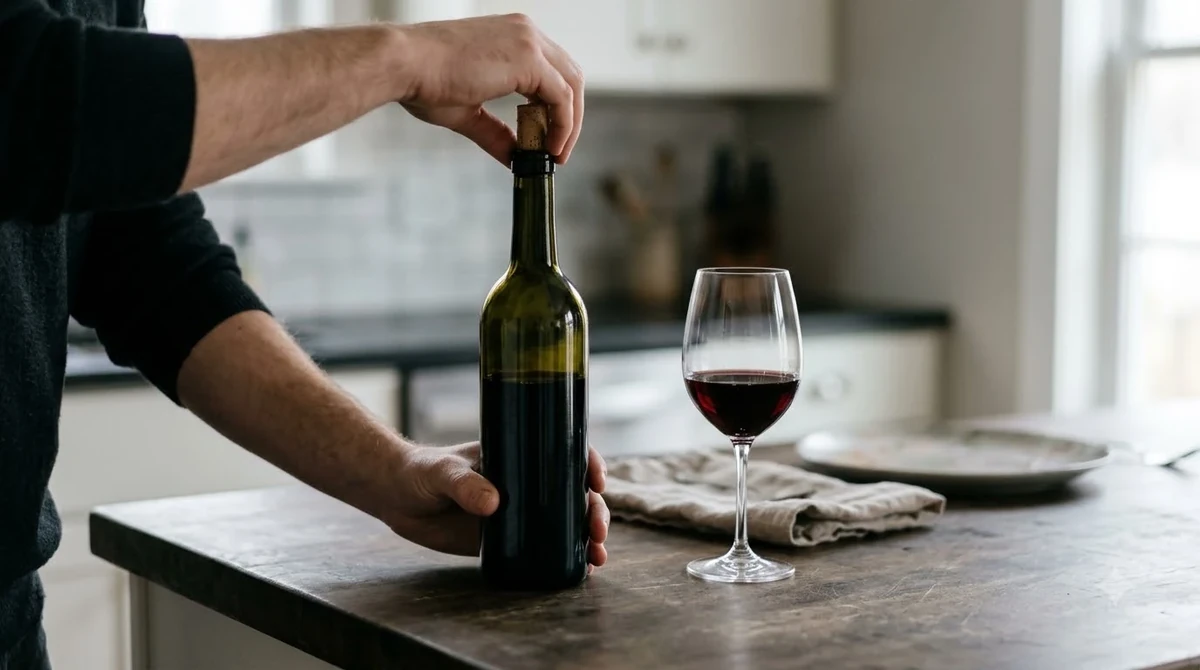
Good serving and storage habits help a mid-priced bottle show its fruit and texture clearly. For a fuller, oak-influenced red such as the style retailers describe for Meiomi, avoid serving it warm at room temperature in a heated home; a little cooling can make the wine feel fresher and keep the alcohol from dominating.
A reasonable serving target for a fuller red is about 60 to 65 degrees Fahrenheit, while lighter reds are often more refreshing around 55 to 60 degrees. Give a warm bottle a short chill before pouring rather than adding ice to the glass; a standard 5-ounce pour leaves room for aromas to gather as the wine warms.
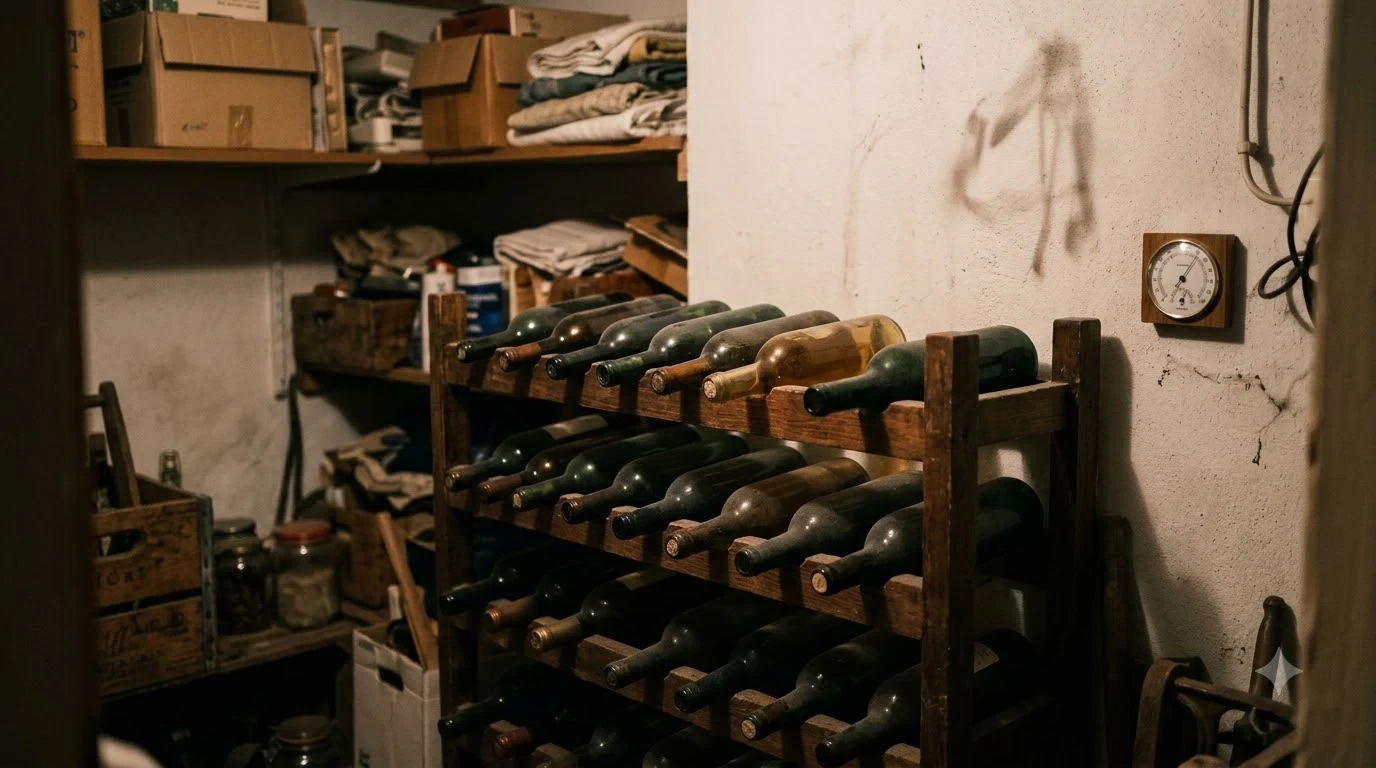
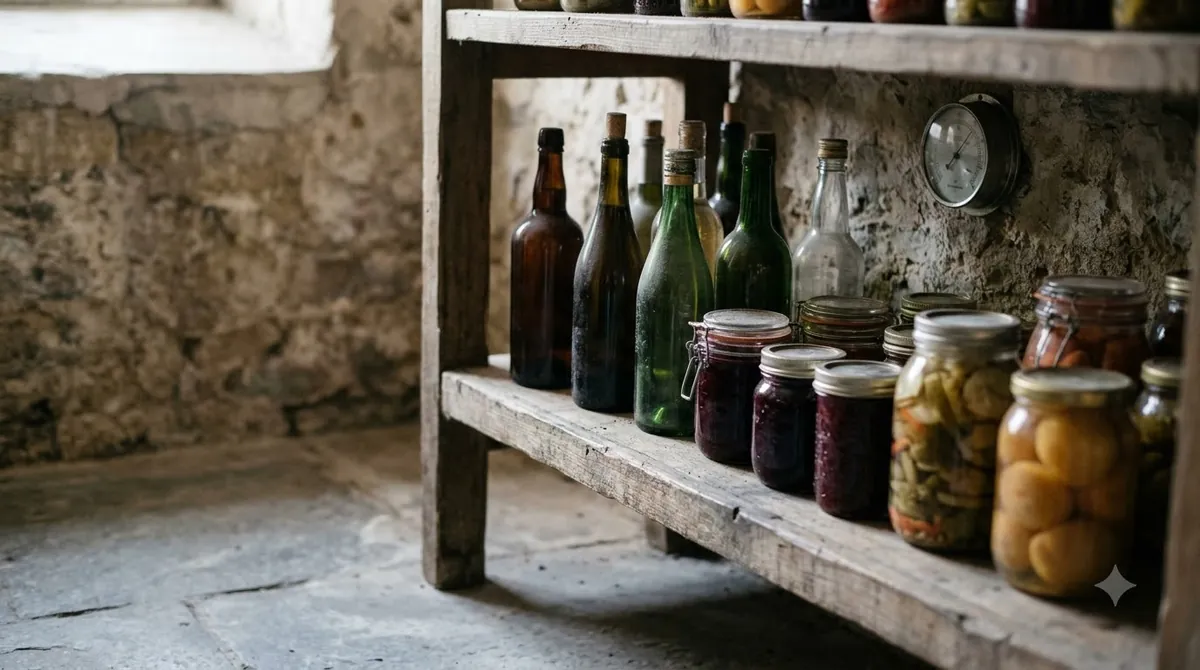
Store an unopened bottle on its side in a cool, dark place near 55 degrees Fahrenheit, away from sunlight and temperature swings. Once opened, reseal it and refrigerate; still wine generally keeps for about 3 to 5 days. Decanting is optional, but a young fuller red can benefit from around 30 minutes of air. Pour a small taste first and decide whether it needs that extra time.
Frequently Asked Questions
Is Meiomi Pinot Noir a dry wine?
Yes. Wine Enthusiast describes the reviewed 2023 bottling as finishing with dry, juicy tannins. Ripe berry and vanilla aromas can make the wine seem plush, but those fruit impressions do not mean it is a sweet wine.
Does Meiomi Pinot Noir use a screw cap?
Target’s standard 750 ml product listing identifies a screw-top closure. That can be convenient for opening without a corkscrew and for resealing an unfinished bottle, although packaging details can differ between markets or releases.
What foods pair well with Meiomi Pinot Noir?
Target suggests roasted meat, mushroom risotto, and aged cheese for this bottling. Those choices work with the wine’s ripe fruit and oak notes; a savory mushroom dish is a particularly natural bridge to Pinot Noir’s earthy side.
What is the alcohol percentage of Meiomi Pinot Noir?
Wine Enthusiast lists the reviewed 2023 Meiomi Pinot Noir at 14.5% alcohol by volume. Alcohol can vary with vintage and bottling, so use the specific bottle’s printed information when comparing it with other wines.
How many glasses are in a 750 ml bottle?
A 750 ml bottle provides about five standard 5-ounce pours. A half bottle provides roughly two and a half such pours, while a 1.5 L magnum provides about ten.
For most shoppers, the standard Meiomi Pinot Noir is easiest to assess against a practical 750 ml budget and a current local listing, rather than the highest price shown in a broad online search. Match the exact bottling and size, decide whether the ripe California style suits the occasion, and compare at least two sellers before buying.
More in Wine Brands
 Underwood Wine Price: Compare Bottles, Cans, and Pack SizesUpdated Nov 21, 2026
 Zenato Wine Price: Compare Styles and Choose the Right BottleUpdated Nov 21, 2026
 Zuccardi Wine Price: Compare Bottles and Find the Right RangeUpdated Nov 21, 2026
 Yellow Tail Moscato Review: Taste, Sweetness and Serving TipsUpdated Nov 21, 2026
 Wolf Blass Yellow Label Review: Choose Your Best StyleUpdated Nov 21, 2026
 Wolffer Estate Rose Review: Choose the Right Bottle for Your TableUpdated Nov 21, 2026