

We may earn a commission when you buy through links on this page, at no extra cost to you. Learn more.
For buyers comparing riedel champagne flutes, the Vinum Champagne Flute is the clearest everyday pick for elegant crystal, visible bubbles, and a classic celebratory shape. The Vinum Champagne Flute (6416/08) is premium machine-made crystal, includes a sparkling point, and comes as a pair. Its narrow profile favors effervescence and presentation over the fullest aromatic development, so RIEDEL’s broader Champagne wine glass is a better match for complex, aged bottles. The verdict is positive for parties and youthful sparkling wine, with a clear shape-related caveat.
RIEDEL sells both traditional flutes and wider Champagne wine glasses. This review focuses on the Vinum Champagne Flute and explains where the handmade Sommeliers glass and broader bowl shape fit.
Specs and Key Features
The Vinum Champagne Flute is a slim, crystal-glass design built to showcase the stream of bubbles in fresh sparkling wine. Its measurable specifications are straightforward, but the distinction between a recommended pour and the glass’s full physical capacity is important.
| Riedel glass | Item and pack | Construction | Height and widest diameter | Recommended capacity | Design detail |
|---|---|---|---|---|---|
| Vinum Champagne Flute | 6416/08; 2 glasses | Premium machine-made crystal | 226 mm; 74 mm | 100 mL | Sparkling point; narrow flute profile |
| Sommeliers Champagne Glass | 4400/08; 1 glass | Handmade crystal | 9.646 in; 2.756 in widest diameter | 3.381 US fl oz | Sparkling point; handmade finish |
RIEDEL identifies the Vinum model as item 6416/08 and packages it in a set of two. The manufacturer lists clear crystal glass, premium machine-made construction, a height of 226 millimeters, a widest diameter of 74 millimeters, and a recommended capacity of 100 cubic centimeters. That recommended capacity is a serving reference, not a claim that the glass holds only 100 milliliters to the brim. In practical service, it gives the host a repeatable starting pour while leaving space above the wine for foam and aroma. Its narrow profile is intended for light, fresh, dry Champagne, Prosecco, and other sparkling wines, with a sparkling point to encourage a steady, fine stream of bubbles.
The handmade Sommeliers Champagne Glass occupies a different tier of the range. RIEDEL lists item 4400/08 as a single-pack crystal glass, made by hand, with a recommended capacity of 3.381 fluid ounces, a height of 9.646 inches, and a widest diameter of 2.756 inches. The manufacturer also specifies a sparkling point. It is a one-glass purchase rather than the Vinum pair, and hand production means small variations can occur from piece to piece.
For buyers checking the exact item before ordering, RIEDEL’s Vinum Champagne Flute product page is the clearest reference for the 6416/08 specification set. Retailer descriptions can use broad terms such as “Champagne glass” for either a narrow flute or a wider wine-glass shape, so compare the stated item name and dimensions rather than relying on the category label alone.
What Owners Like
The strongest reasons to choose the Vinum flute are its classic presentation, visible bubbles, and practical two-glass format. Those are design and specification advantages rather than a claim that a large body of verified owner reviews has reached the same conclusion.
Detailed owner feedback for the individual Champagne models is limited. Target’s listing for a separate Vinum Champagne Glass has no useful written customer comments, while other retailer pages provide more specifications than owner accounts. There is not enough consistent feedback to claim a recurring point of praise or a common defect.
The clearest appeal is the classic flute silhouette. Its tall, narrow bowl makes rising bubbles easy to see, while the stem lets guests hold the glass without warming the wine directly. For a New Year’s toast, wedding reception, or welcome drink, that recognizable shape suits the occasion. The two-piece Vinum set also supplies a matching pair. Construction is another choice: Vinum is premium machine-made crystal with standardized dimensions, while the single-piece Sommeliers glass is handmade and can show small variations. The useful question is whether a matched pair or an individually made glass better suits your entertaining style.
Buyers who prefer convenient cleanup may value RIEDEL’s dishwasher guidance. The company says most of its glasses can withstand up to 1,000 wash cycles under good operating conditions without a demonstrable loss of shine or clarity. That is a general claim, not a guarantee against every detergent or collision; RIEDEL still requires careful spacing.
Common Complaints
The main compromise is the flute shape itself: it gives bubbles a starring role but is less effective than a tulip or wider wine glass at opening up every layer of a complex Champagne. The other practical concerns are familiar to owners of fine stemware—fragile glass, a tall profile, and storage or dishwasher clearance.
RIEDEL’s 226-millimeter Vinum flute is a tall piece of stemware, and the company explicitly warns that crystal glass may break if dropped or tipped over and can create sharp shards. A tall, slim flute is also more awkward to store and carry than a coupe: narrow bases and delicate stems can be knocked over on crowded shelves or service trays. That is a practical drawback rather than a measured failure rate for the RIEDEL 6416/08, and it calls for more deliberate handling than a short tumbler or coupe.
The Wine & Spirit Education Trust’s study of Champagne glass shapes summarizes the physical reason: bubbles carry aroma and flavor compounds toward the surface, while the deep but narrow flute limits the surface area over which those bubbles spread. In its study, 89 engaged wine consumers assessed four RIEDEL glass shapes with two Pinot Noir-dominant, Premier Cru, non-vintage Champagnes. In the blindfolded group, aroma intensity from the traditional flute was significantly lower than from the other three shapes. This was one study, not a universal verdict on every Champagne or every drinker, but it gives a sensible reason to choose a different shape for serious aroma-focused tasting.
There is also a fit issue at home. At 226 millimeters tall, a Vinum flute may not clear every dishwasher’s top rack or cabinet shelf. RIEDEL advises separating glasses from utensils, cups, racks, and spray arms, and handwashing them when they cannot be placed safely. More broadly, a flute is a specialist shape: its narrow bowl suits a crisp, youthful pour but can feel restrictive with mature vintage Champagne whose developed aromas deserve more room. Buyers who want one glass for every sparkling style should weigh a tulip-shaped or wider-bowled option before choosing a full set.
Who Should Buy and Who Should Skip
Choose the Vinum Champagne Flute if you want traditional presentation, a lively-looking bead, and a matched pair for casual celebrations. Skip it as your only Champagne glass if aromatic detail from mature or especially complex bottles is your first priority.
The Vinum flute makes the most sense for drinkers who regularly serve young, fresh sparkling wines and enjoy seeing bubbles rise in a tall glass. RIEDEL recommends it for light, fresh, dry Champagne and Prosecco as well as sparkling wine more broadly, making it a natural fit for a holiday toast, birthday brunch, or gathering. The two machine-made crystal glasses have a 100-milliliter recommended pour, a 226-millimeter height, and a 74-millimeter widest diameter. For service, chill the wine to about 40–50°F and pour in stages rather than filling to the rim. A 750-milliliter bottle yields about five standard 5-ounce pours, while smaller 100-milliliter tasting servings allow more guests to try the wine. Hosts comparing profiles can use our guide to champagne flutes to distinguish narrow, tulip, and other silhouettes.
Tip: Chill sparkling wine to 40–50°F and fill each flute in two small pours, pausing as the foam settles. The narrow bowl leaves little room for a large first pour.
Skip the narrow flute if you mostly open aged vintage Champagne, prestige cuvées, or bottles chosen for layered aromas rather than a quick celebratory pour. The 100-milliliter recommended service is also relatively modest for guests who prefer a large glass of wine rather than a focused sparkling-wine pour. A broader tulip or white-wine-shaped glass gives the liquid more surface area and a more enclosed headspace, which can help collect aromas near the nose.
Frequent hosts should check storage and dishwasher clearance before buying a large set: the tall shape can be awkward in crowded cabinets or on busy trays. For aroma over a classic toast silhouette, compare a broader option in our guide to the best champagne glass.
How It Compares to Alternatives
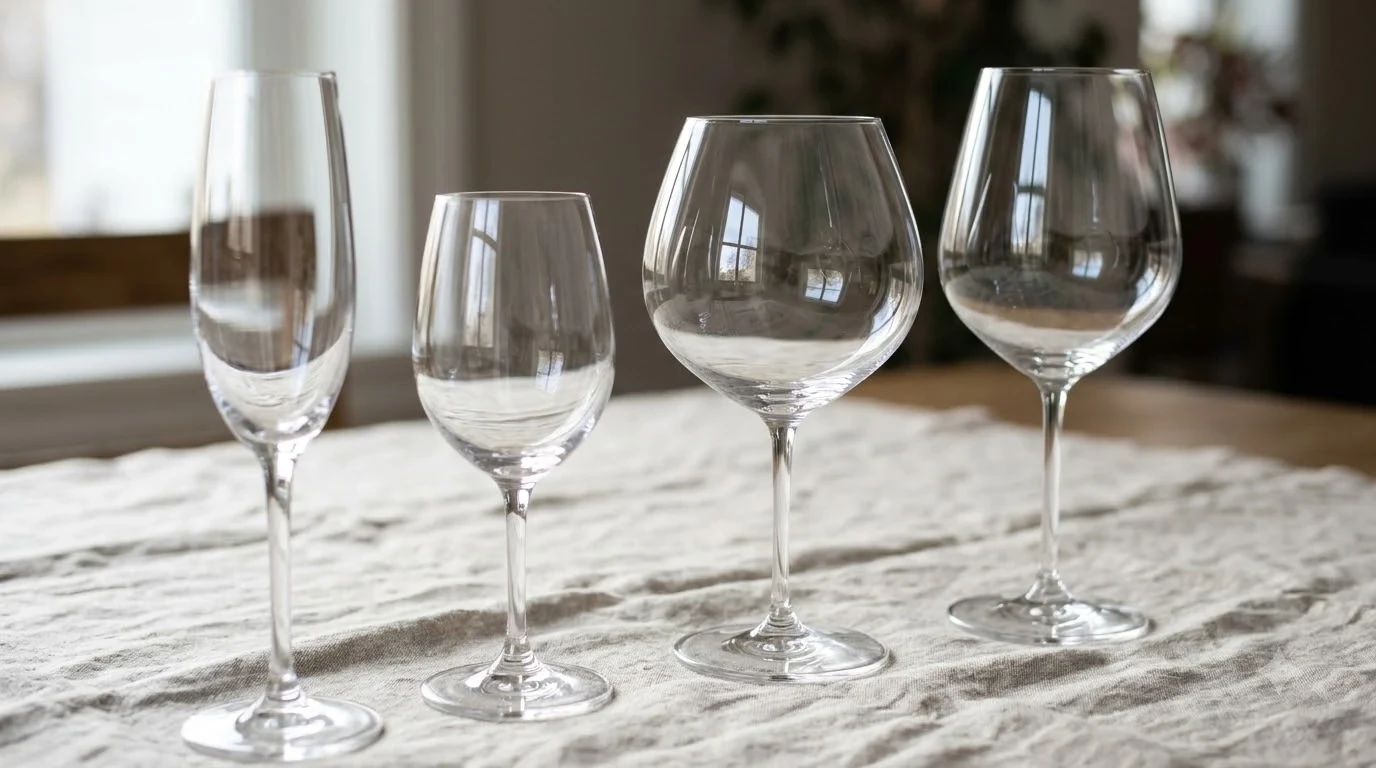
RIEDEL’s traditional flute and its Champagne wine glass serve different priorities, even though both are designed for sparkling wine. A coupe adds a third option, trading a tall bubble display for a wide, shallow bowl and a more open presentation.
The closest in-brand alternative is RIEDEL’s Champagne wine glass. RIEDEL describes that shape as having a wider bowl and larger rim diameter than a traditional flute, giving Champagne more room to release aromatic layers while retaining a sparkling point to encourage bubbles. The practical distinction is simple: choose the Vinum flute when the rising bead and narrow silhouette matter most; choose the broader Champagne wine glass when you want to smell the wine more easily and follow its development as it warms slightly in the glass. RIEDEL’s own glass guide makes the same distinction between Champagne flutes and Champagne wine glasses.
A tulip-shaped white-wine glass is another strong option for aroma. Its inward-curving rim gathers aromas toward the nose, while a moderately wide bowl gives bubbles more surface area than a narrow flute. WSET compared a tulip flute and a white-wine-shaped glass with a traditional flute and a bowl, finding higher aroma intensity for the other three shapes in its blindfolded group. A universal or white-wine glass is also more flexible for Chardonnay, Riesling, and sparkling wine, although it will not reproduce the flute’s narrow bubble column. Our guide to wine glasses is a useful starting point for an all-purpose set; the WSET findings are informative, not proof that one shape suits every Champagne or palate.
A coupe is the most visibly different alternative. Its shallow, broad bowl makes a dramatic presentation and can be handy for cocktails, but the large exposed surface tends to let carbonation disperse more quickly. A flute is more suited to a sustained stream of bubbles; a coupe is better for a nostalgic look and mixed drinks. The two are not interchangeable in a tasting: the flute shows the rising bead, while the coupe exposes a wider surface and changes how quickly the wine opens and loses fizz. If the main purchase is a versatile collection rather than a single Champagne shape, browse our wider coverage of Glassware Brands before deciding how much specialized stemware belongs in the cabinet.
Frequently Asked Questions
These answers cover the practical details that often matter after choosing between RIEDEL’s traditional flute and wider Champagne glass. The right pour size, cleaning approach, and sparkling-wine style can make the difference between a decorative glass and one that gets regular use.
What does the sparkling point do?
The sparkling point provides a nucleation site where dissolved carbon dioxide can form visible bubbles. Those bubbles do more than look attractive: as they rise and burst, they carry aroma and flavor compounds into the air above the wine. The point does not add carbonation to a wine that has gone flat.
Is the 100 mL recommended capacity the flute’s maximum volume?
No. RIEDEL lists 100 cubic centimeters as the recommended capacity, which is approximately 3.4 US fluid ounces. It is a suggested serving amount, not a brim-full measurement of the bowl, and it leaves room for the initial foam after pouring.
Can Riedel Champagne Flutes be used for Prosecco or Cava?
Yes. RIEDEL names Prosecco and sparkling wine among the intended uses for its Vinum Champagne Flute, and its glass guide also groups Cava with Champagne and Prosecco as sparkling-wine styles. A chilled, fresh bottle is a natural match for the narrow flute format.
Can I serve a mimosa in a Riedel flute?
Yes. A flute can hold a chilled sparkling-wine-and-orange-juice mixture, and its tall bowl makes the bubbles easy to see. Because juice can leave sticky residue, rinse the glass soon after brunch service rather than letting it stand until the next wash.
Are small bubbles or variations normal in the handmade Sommeliers glass?
RIEDEL says small variations, bubbles, or minor imperfections can be acceptable in handmade glassware because each piece is formed by a master glassmaker. The company treats those differences as part of the individual character of a handmade glass, not automatically as a defect. That expectation does not apply in the same way to the machine-made Vinum pair.
RIEDEL’s Vinum Champagne Flute is a polished choice for classic toasts, crisp sparkling wines, and a strong visual display of bubbles. Its narrow shape is not the best match for every bottle, so aroma-focused drinkers should compare it with RIEDEL’s wider Champagne wine glass before choosing a set.
More in Wine Glasses
 Zwiesel Glas Champagne Flutes for Durable Everyday Sparkling WineUpdated Nov 20, 2026
 Vera Wang Crystal Wine Glasses: Design, Quality and Buying AdviceUpdated Nov 20, 2026
 West Elm White Wine Glasses: Compare Designs for Better Everyday Wine ServiceUpdated Nov 20, 2026
 Zalto Stemless Wine Glasses: Discover Their Distinctive DesignsUpdated Nov 20, 2026
 Viski Champagne Glasses That Match Your Style and Sparkling WineUpdated Nov 20, 2026
 Vista Alegre Decanter Review: Crystal Style and Wine ServiceUpdated Nov 20, 2026