

We may earn a commission when you buy through links on this page, at no extra cost to you. Learn more.
Gabriel glas wine glasses are worth considering for wine drinkers who want one elegant, versatile crystal glass for reds, whites, rosés, and sparkling wines. The brand’s two main options are the machine-blown StandArt and the handmade Gold Edition, which share essentially the same bowl design but differ considerably in weight and construction. StandArt is the more practical choice for regular entertaining, while Gold Edition appeals to collectors and enthusiasts who appreciate exceptionally lightweight, handcrafted stemware.
Buying separate glasses for Cabernet Sauvignon, Pinot Noir, Chardonnay, Sauvignon Blanc, and sparkling wine can quickly fill a kitchen cabinet. Gabriel-Glas takes a different approach: its universal glass is designed to handle different wine styles without requiring a separate collection of varietal-specific shapes. The design combines a relatively broad bowl, a gently narrowing upper section, and a thin drinking rim. The result is distinctive stemware intended to balance aroma presentation, drinking comfort, and everyday usability. This review examines the two versions, their construction, their practical strengths, and the limitations to consider before investing in a set.
Specs and Key Features
Gabriel-Glas centers its collection on a universal 510 ml crystal wine glass with a 95 mm bowl and a 66 mm opening. The StandArt and Gold Edition use the same general design, but the manufacturing method creates a noticeable difference in weight and handling.
The following specifications come from the manufacturer’s product descriptions. They provide a useful basis for comparing the two versions without confusing differences in craftsmanship with differences in bowl capacity or intended wine use.
| Specification | StandArt | Gold Edition |
|---|---|---|
| Construction | Machine-blown, single-piece design | Completely hand-blown |
| Material | Lead-free crystal | Lead-free crystal |
| Capacity | 510 ml | 510 ml |
| Height | 230 mm | 230 mm |
| Maximum bowl width | 95 mm | 95 mm |
| Rim width | 66 mm | 66 mm |
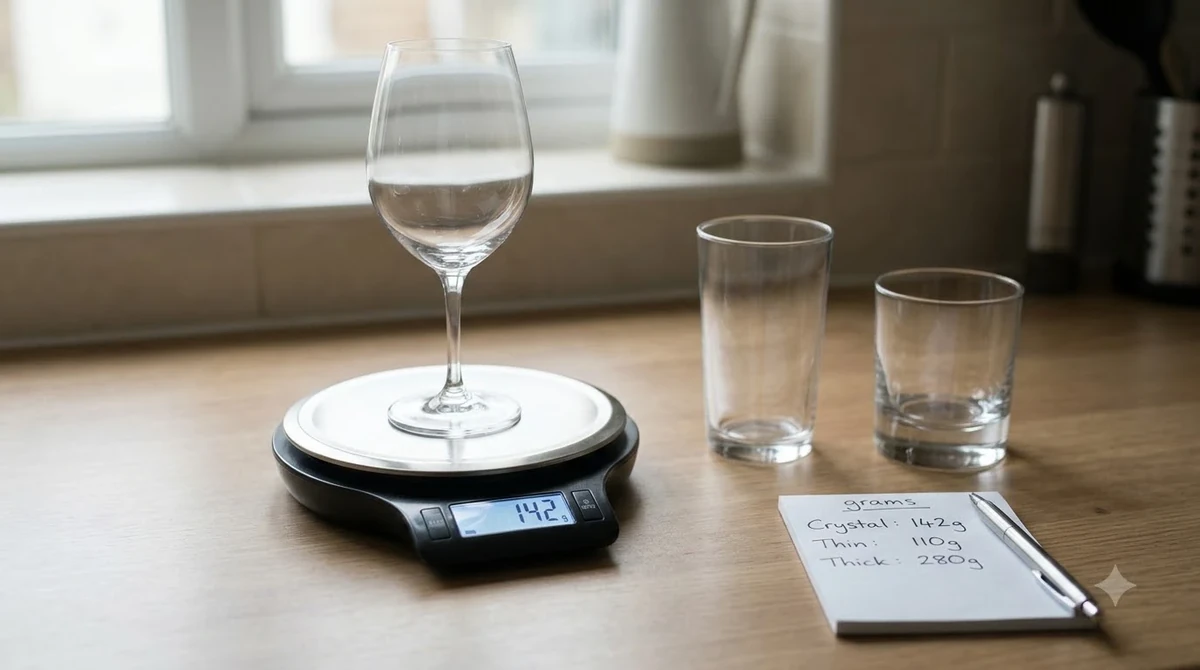
| Approximate weight | 150 g | 90 g average |
| Manufacturing method | Machine-blown bowl, pulled stem | Handmade by glassblowers |
| Dishwasher-safe | Yes | Yes |
| Intended use | Daily drinking and entertaining | Special occasions and enthusiast use |
The 510 ml capacity is generous for a universal wine glass. It provides enough room for a conventional 5-ounce serving while leaving substantial space above the wine. That extra space matters because wine aromas collect in the upper portion of the bowl. A glass filled too close to its rim leaves little room for swirling and makes it harder to appreciate the developing bouquet.
The shape is another important specification. Gabriel-Glas uses a wider lower bowl that gradually narrows toward the opening. According to the manufacturer, the broader base increases the wine’s contact with air, while the narrower upper section helps direct aromas toward the nose. This design is intended to work across several wine categories rather than optimize one grape variety exclusively.
Construction distinguishes the two versions more than appearance does. StandArt is produced from one piece of molten crystal, with the bowl machine-blown, the stem pulled, and the foot formed without separate joints. Gold Edition is handmade and mouth-blown. Gabriel-Glas describes the Gold Edition as approximately 60 grams lighter, although individual handmade examples can vary slightly.
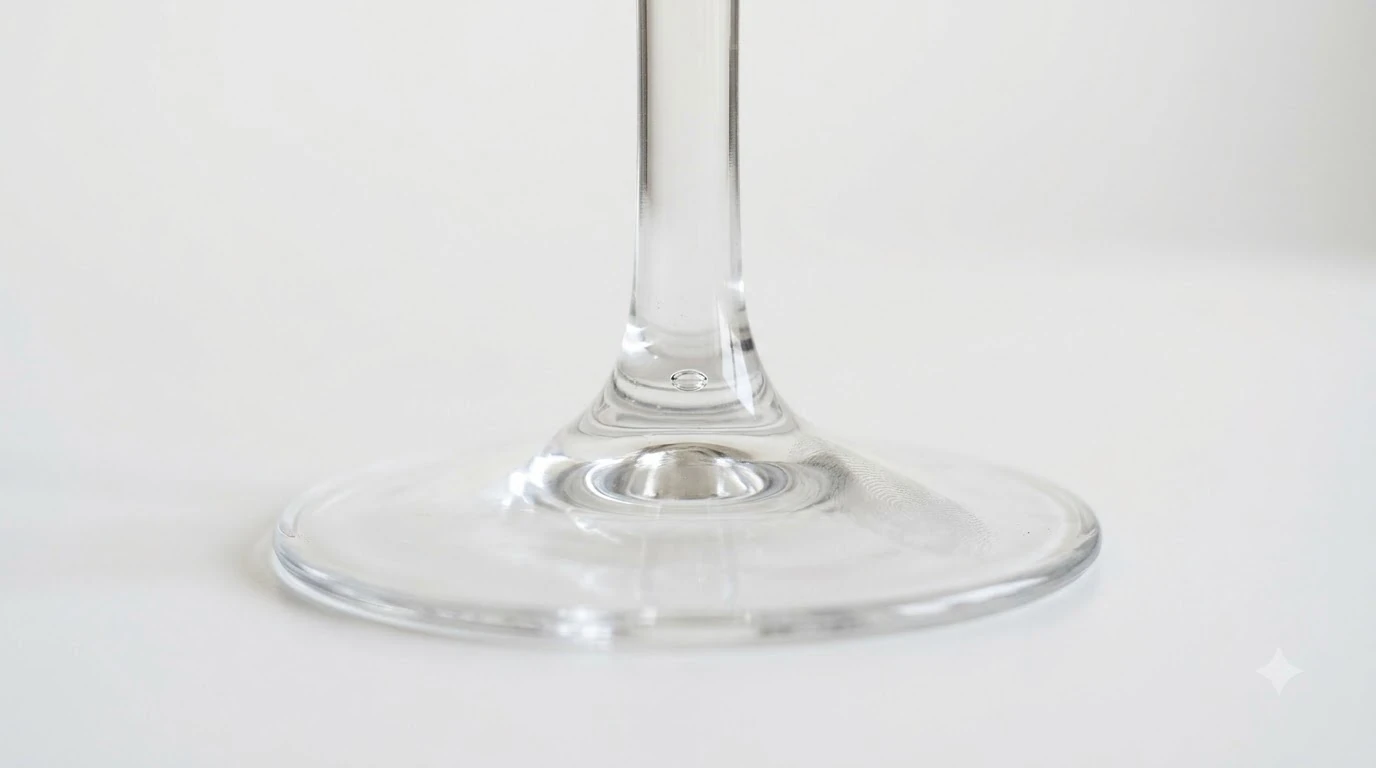
Both glasses use lead-free crystal. Their thin rims, clarity, and light transmission contribute to the refined appearance expected from premium stemware. The StandArt’s laser-cut and diamond-polished rim is particularly important because it provides a delicate drinking edge without requiring the entire glass to be as lightweight as its handmade counterpart.
For additional background on the brand’s construction methods, the manufacturer’s StandArt versus Gold Edition comparison explains why the two glasses can share a silhouette while delivering different handling experiences.
What Owners Like
The strongest appeal of Gabriel-Glas is its ability to simplify a wine glass collection without abandoning a refined drinking experience. The universal design, thin rim, and carefully shaped bowl make the glasses attractive to people who drink several wine styles rather than focusing on a single grape or region.
A genuinely versatile bowl
Traditional wine glass collections often separate red and white wine stemware. Some enthusiasts also maintain dedicated Champagne flutes, Burgundy bowls, and glasses for specific aromatic white varieties. These shapes can serve useful purposes, but maintaining several sets requires cabinet space, additional washing, and more decisions when setting a table.
Gabriel-Glas offers a simpler alternative. The same 510 ml bowl is intended for Cabernet Sauvignon, Pinot Noir, Merlot, Chardonnay, Sauvignon Blanc, rosé, and sparkling wines. The design is also recommended for sweet wines. That flexibility makes the glass particularly useful for households where dinner might begin with sparkling wine, continue with Sauvignon Blanc, and finish with a red blend.
It is important to distinguish versatility from specialization. A dedicated Burgundy glass can offer a particularly broad bowl for aromatic Pinot Noir, while a narrow sparkling flute emphasizes the visual movement of bubbles. Gabriel-Glas does not attempt to reproduce every specialized glass shape. Instead, it provides a practical compromise for people who prefer one consistent glass.
The thin rim and drinking experience
The rim is one of the most noticeable design details. A thick, rounded edge can feel intrusive while drinking, especially with delicate wines where the drinker wants the glass to disappear from the experience. Gabriel-Glas uses a relatively narrow opening and a carefully finished edge to create a more refined contact point.
The StandArt’s laser-cut and polished rim is especially appealing because it combines an elegant profile with a more substantial overall glass than the Gold Edition. The glass does not need to be extremely lightweight to feel sophisticated. Its balance between bowl, stem, and foot helps make it comfortable to hold during a longer meal.
Everyday practicality
Owner feedback and independent editorial coverage frequently emphasize the StandArt’s balance between appearance and practical construction. In a recent Bon Appétit review of the StandArt, the writer highlights its elegant stem, thin rim, and single-piece construction. The review also describes using a set of six for regular hosting.
The single-piece construction is a meaningful design feature. Traditional stemware may have a separately attached bowl, stem, and foot. The transition points can become vulnerable during handling, washing, or storage. Gabriel-Glas forms its StandArt from one continuous piece of crystal, eliminating those particular connection points.
That does not make the glass unbreakable. It does, however, provide a practical structural advantage compared with constructions that depend on separate joined components. The StandArt’s approximately 150-gram weight also gives it a more substantial feel than the Gold Edition.
A streamlined glass cabinet
Another advantage is the opportunity to standardize a household’s stemware. A matching set of four or six glasses works well for dinner parties, family meals, and casual wine nights. Hosts do not need to switch between several different bowl shapes as each course arrives.
For shoppers still comparing universal stemware with other categories, the broader selection in our wine glasses guide provides useful context. Gabriel-Glas is particularly relevant for readers who prioritize one multipurpose design instead of building a specialized collection.
Common Complaints
Gabriel-Glas has several attractive design qualities, but its premium crystal construction also introduces practical limitations. Fragility, storage requirements, and the distinction between dishwasher-safe and break-proof are important considerations before buying a complete set.
Thin crystal still requires careful handling
The first concern is the physical delicacy of the glass. Even the heavier StandArt has a relatively thin stem and an elegant rim. It is designed to feel refined rather than resemble thick restaurant tumblers. That appearance is part of its appeal, but it also means users should avoid treating the glass like ordinary everyday drinkware.
Gold Edition requires even more care during handling. At approximately 90 grams, it is substantially lighter than the 150-gram StandArt. The difference is immediately relevant to people who prefer a little more material in their hands or who regularly wash several glasses together.
The manufacturer’s single-piece construction reduces weaknesses associated with joined components, but crystal can still break if struck against a sink, countertop, cabinet shelf, or another glass. Gabriel-Glas explicitly states that its products are not unbreakable and that glasses broken after use are not replaced under its standard breakage policy.
The universal shape is not perfect for every enthusiast
A universal wine glass saves space, but it does not provide the precise specialization of every dedicated glass. A large Burgundy bowl can offer more room for swirling aromatic Pinot Noir, while certain Bordeaux glasses use taller bowls to accommodate structured Cabernet Sauvignon and Merlot.
Similarly, Champagne drinkers who prefer a narrow flute specifically for observing persistent bubbles may not love the broader Gabriel-Glas bowl. Its universal design emphasizes aroma and overall drinking comfort rather than a single presentation feature.
This is not necessarily a performance problem. It is a purchasing decision. People who regularly host formal tastings with several grape varieties may appreciate having both universal and specialized stemware available. Those who primarily drink wine at home may prefer the convenience of one dependable shape.
Dishwasher-safe does not mean maintenance-free
Gabriel-Glas advertises both versions as dishwasher-safe, which is a useful advantage for premium crystal. However, users still need to load them properly and avoid harsh detergents. A glass can be dishwasher-compatible while remaining vulnerable to direct impact from cookware, cutlery, and neighboring stemware.
The Swiss manufacturer’s instructions specifically warn against chlorine-containing detergent tablets and liquid detergents. It recommends an upper-rack position, slight angling, and a normal rinse program. The North American manufacturer also recommends spacing the glasses apart and using powdered detergent.
These instructions matter because improper cleaning can damage the glass surface or cause cloudy-looking deposits. Careful loading and suitable detergent are more important than assuming that a dishwasher-safe label eliminates every maintenance concern.
The two editions are not interchangeable in feel
Another possible disappointment is choosing Gold Edition simply because it sounds like the more premium product. Both versions share the basic bowl design and capacity, so paying for the handmade version does not mean receiving a completely different universal glass shape.
The principal differences are weight, manufacturing method, and the tactile character of the finished product. A buyer who mainly wants a practical glass for frequent dinners may receive better everyday value from StandArt. Gold Edition is more appropriate for someone who specifically appreciates handmade stemware and its exceptionally light feel.
Who Should Buy and Who Should Skip
Gabriel-Glas is best suited to wine drinkers who value versatility, clear crystal, and a refined drinking rim more than having a dedicated glass for every grape variety. The StandArt is the sensible starting point for most households, while Gold Edition is a more specialized choice for enthusiasts who appreciate handmade craftsmanship.
Buy StandArt if everyday usability matters
StandArt is the logical choice for people who want attractive stemware for regular use. Its approximately 150-gram weight gives it a more substantial feel, and the single-piece construction avoids the conventional joints between bowl and stem.
It works particularly well for households that serve different wines throughout the week. A couple might use the same glass for Sauvignon Blanc with seafood, Chardonnay with roast chicken, and Cabernet Sauvignon with a weekend steak dinner.
StandArt is also worth considering for hosts who regularly serve several guests. A matching collection of six creates a consistent table setting without requiring separate red and white wine glasses. Its dishwasher compatibility makes routine cleanup more manageable, provided the recommended loading instructions are followed.
Choose Gold Edition for handmade craftsmanship
Gold Edition appeals to buyers who value the tactile experience of handmade crystal. Its approximately 90-gram average weight makes it notably lighter than StandArt, and its hand-blown construction gives each glass individual character.
The difference is especially relevant during formal dinners and focused wine tastings. People who appreciate fine glassblowing may enjoy the delicate stem, lightweight balance, and handmade character even though the basic bowl capacity remains the same.
It also makes an appealing gift for an experienced wine enthusiast who already understands the advantages of universal stemware. The distinction between the two editions is more meaningful to someone who appreciates craftsmanship than to someone who simply wants a glass for casual Friday-night wine.
Skip both if your household needs heavy-duty drinkware
Neither edition is the right choice for someone who wants thick, inexpensive glasses that can tolerate rough handling. A busy household with young children, crowded cupboards, or frequent accidental knocks may be better served by sturdier everyday drinkware.
Gabriel-Glas also may not be the best primary purchase for collectors who enjoy matching each wine variety to a dedicated bowl. Someone who regularly compares delicate Pinot Noir from Burgundy with structured Nebbiolo from Piedmont may prefer specialized glasses for those occasions.
For shoppers who prioritize a different silhouette and prefer to avoid stems altogether, our stemless wine glasses guide covers another practical approach to everyday wine service.
How It Compares to Alternatives
Gabriel-Glas occupies a useful middle ground between specialized varietal stemware and basic multipurpose drinking glasses. Its defining selling point is not simply that it is made from crystal, but that it combines a universal bowl with two different manufacturing approaches.
StandArt versus Gold Edition
This is the most important comparison for anyone considering the brand. Both versions have approximately the same dimensions, bowl capacity, and general shape. The difference is how they are made and how they feel in the hand.
StandArt uses machine-blown construction and weighs approximately 150 grams. Gold Edition is completely handmade and averages approximately 90 grams. The 60-gram difference is significant for a wine glass because the weight affects how the stem feels between the fingers and how much physical presence the glass has during use.
Neither version should automatically be considered the better wine glass. Their shared design means the purchase decision is primarily about craftsmanship, handling preferences, and intended use. StandArt makes more sense for a practical household set, while Gold Edition makes more sense for people who specifically want handmade crystal.
Gabriel-Glas versus specialized red wine glasses
Dedicated red wine glasses are designed around the characteristics of particular wine styles. Larger Burgundy bowls are often associated with Pinot Noir, while Bordeaux shapes accommodate structured varieties such as Cabernet Sauvignon and Merlot.
Gabriel-Glas takes a broader approach. Its 95 mm bowl provides room for wine and air contact, while the narrower 66 mm opening is intended to concentrate aromas. That combination allows it to serve a wide selection of reds without requiring several specialized shapes.
However, a collector who regularly compares different expressions of Pinot Noir or aged Cabernet Sauvignon may still appreciate a dedicated glass. Our guide to red wine glasses explores the advantages of choosing stemware around red wine styles rather than using one universal design.
Gabriel-Glas versus basic multipurpose stemware
Basic multipurpose glasses generally emphasize affordability and uncomplicated maintenance. They can be perfectly suitable for casual wine drinking, particularly in households where glass breakage is a regular occurrence.
Gabriel-Glas distinguishes itself through lead-free crystal, its thin finished rim, and the shape of its bowl. The StandArt’s one-piece construction also gives it a different structural design from glasses assembled using separate bowl and stem components.
The decision therefore depends on what the buyer values. Someone who simply needs several glasses for occasional gatherings may not need the additional refinement. A regular wine drinker who notices rim thickness, bowl proportions, and balance is more likely to appreciate the Gabriel-Glas approach.
Overall comparison
For most households, StandArt is the strongest overall choice within the collection. It combines the same universal bowl concept as Gold Edition with a more substantial weight and construction designed for regular use. Gold Edition remains attractive for buyers who place handmade craftsmanship and exceptional lightness above practical convenience.
Neither version replaces every specialized wine glass, and neither should be considered immune to breakage. Their appeal is the combination of elegant design and broad usefulness in a single stemmed glass.
Frequently Asked Questions
These answers cover additional ownership details that can help buyers make a more informed decision about Gabriel-Glas stemware.
Where are Gabriel-Glas wine glasses manufactured?
The Gabriel-Glas manufacturer identifies the Rona factory in Lednické Rovne, in northern Slovakia, as its production location. The Swiss company describes separate production processes for the machine-made StandArt and handmade Gold Edition. Specialized glassblowers are involved in producing the handmade version.
How much wine should you pour into a Gabriel-Glas glass?
Gabriel-Glas North America recommends a 5-ounce serving. Its Swiss manufacturer offers a different visual guideline: fill toward the widest part of the bowl. These approaches leave enough space above the wine for swirling and aroma appreciation without filling the 510 ml glass excessively.
Can Gabriel-Glas wine glasses be used for Champagne?
Yes. The Swiss manufacturer’s FAQ specifically recommends its universal glass for Champagne and other sparkling wines. Its broader bowl provides a different presentation from a traditional narrow flute, emphasizing access to aromas rather than concentrating primarily on the visual display of bubbles.
What should you do if a Gabriel-Glas arrives broken?
Gabriel-Glas North America requests photographs of the damaged glasses and both the inner and outer packaging. Customers purchasing directly from its North American store must contact customer service within 48 hours of receiving damaged merchandise and provide the original sales receipt. Purchases through other resellers are handled according to the respective seller’s policies.
Does Gabriel-Glas offer personalized engraving?
The Swiss manufacturer’s website provides an engraving service for personalized glasses and business hospitality needs. This can make the stemware more suitable for commemorative gifts, wedding presents, and restaurant branding. Buyers should contact the manufacturer or an authorized distributor for the available engraving arrangements.
Gabriel-Glas is a compelling option for wine drinkers who want elegant, versatile crystal without maintaining an extensive collection of specialized stemware. StandArt offers the most practical balance for everyday use, while Gold Edition provides a lighter, handmade alternative for enthusiasts who value craftsmanship. Choose the version that matches your handling preferences and entertaining habits, and either can serve as a distinctive centerpiece for a well-equipped wine cabinet.
More in Wine Glasses
 Zwiesel Glas Champagne Flutes for Durable Everyday Sparkling WineUpdated Nov 20, 2026
 Vera Wang Crystal Wine Glasses: Design, Quality and Buying AdviceUpdated Nov 20, 2026
 West Elm White Wine Glasses: Compare Designs for Better Everyday Wine ServiceUpdated Nov 20, 2026
 Zalto Stemless Wine Glasses: Discover Their Distinctive DesignsUpdated Nov 20, 2026
 Viski Champagne Glasses That Match Your Style and Sparkling WineUpdated Nov 20, 2026
 Vista Alegre Decanter Review: Crystal Style and Wine ServiceUpdated Nov 20, 2026