

We may earn a commission when you buy through links on this page, at no extra cost to you. Learn more.
A ca lefort wine fridge can be a good choice for buyers seeking compressor cooling, dual-zone temperature controls, and built-in or freestanding installation options. Ca’Lefort offers compact 15-inch wine refrigerators, larger 24-inch cabinets, and combination wine-and-beverage coolers. Its feature lists are appealing, but customer feedback also identifies concerns about shelf construction, temperature accuracy, and delivery damage. Comparing individual models and understanding the warranty are essential before purchasing.
Choosing a wine refrigerator involves more than finding an attractive glass-door cabinet that fits a kitchen. Bottle capacity, cooling consistency, ventilation, shelf construction, and access to replacement parts all influence the ownership experience. Ca’Lefort has several configurations worth examining, particularly for homeowners planning an under-counter installation or a dedicated beverage station. This brand overview explains its product range, strengths, limitations, and the questions to resolve before ordering.
Brand Overview: What Ca’Lefort Offers
Ca’Lefort is a refrigeration brand with a product range centered on wine storage, beverage cooling, and integrated home-bar appliances. Its wine refrigerators combine modern cabinet styling with features such as compressor cooling, digital temperature controls, glass doors, and removable shelving.
The brand’s catalog covers several different household needs. A compact wine cabinet can accommodate a small collection in an apartment or kitchen, while larger dual-zone configurations offer considerably more storage. Combination appliances also allow owners to keep wine bottles and canned beverages in one location.
One distinguishing feature is the attention given to installation flexibility. The manufacturer’s 15-inch dual-zone refrigerator is designed for both built-in and freestanding installation, with front ventilation intended to support under-counter placement. Its stainless steel frame, dark glass appearance, wooden shelving, and three-color interior lighting give it a more integrated look than a basic countertop cooler.
However, an attractive product catalog does not establish long-term reliability. The available independent retailer feedback is relatively limited, and reviews cover different refrigerator configurations rather than one consistent product family. A complaint about a 108-bottle cabinet should not automatically be applied to a smaller 28-bottle model.
For readers asking whether Ca’Lefort is a good brand, the fairest answer is that it offers interesting features and practical installation choices, but buyers should investigate individual model construction and support arrangements. The brand deserves consideration, not an automatic recommendation.
Its position is particularly relevant to shoppers comparing newer appliance brands with more familiar names. If you are also evaluating whether Black and Decker is a good brand, compare actual refrigerator specifications, service arrangements, and warranty coverage instead of relying on name recognition alone.
Product Lines Explained: Wine Fridges and Beverage Coolers
Ca’Lefort’s product range includes compact wine-only refrigerators, larger wine cabinets, dual-zone combination appliances, and beverage refrigerators. The right category depends on whether the priority is bottle storage, serving flexibility, or keeping several types of drinks together.
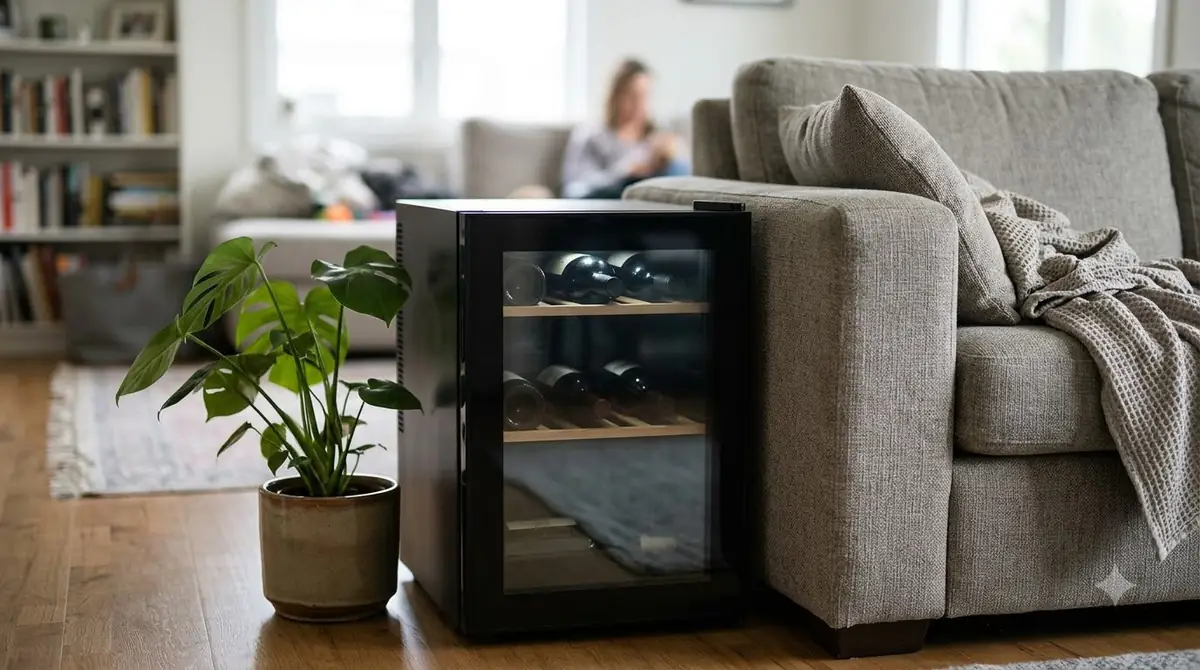
The manufacturer’s 15-inch dual-zone model illustrates the compact wine-storage category. It holds up to 28 standard Bordeaux bottles, uses compressor cooling, and has a stated temperature range of 40°F to 65°F. Its relatively narrow cabinet is intended for smaller kitchens and home bars.
Larger configurations are available through retailers. The Home Depot lists a 48-inch dual-zone model with capacity for 108 bottles. This type of appliance is more appropriate for an established collection or a dedicated entertainment area than for someone who only keeps a few bottles at home.
Combination wine-and-beverage refrigerators address a different requirement. Best Buy lists a 24-inch configuration with space for 20 wine bottles and 60 cans. Rather than dedicating the entire cabinet to wine, it provides separate storage for household drinks.
The following comparison summarizes the configurations documented by the manufacturer and retailers. Capacities are advertised maximums, not guaranteed counts for every bottle shape or storage arrangement.
| Product category | Documented capacity | Key features | Best suited to |
|---|---|---|---|
| 15-inch dual-zone wine fridge | 28 Bordeaux bottles | 40°F–65°F, compressor cooling, front ventilation | Compact kitchen collections |
| 48-inch dual-zone wine cabinet | 108 bottles | 12 removable wooden shelves, 38 dB specification | Larger home collections |
| 24-inch wine-and-beverage refrigerator | 20 bottles and 60 cans | Dual-zone cooling and glass-door design | Home bars and mixed beverages |
| CLF-BS24 beverage cooler | 140 standard 12-ounce cans | 35°F–54°F, digital controls, glass door | Soft drinks and canned beverages |
These categories should not be treated as interchangeable. A beverage refrigerator may reach temperatures suitable for chilling canned drinks without offering the storage conditions or bottle organization needed for a wine collection. Similarly, a wine-only cabinet may not have the shelf spacing required for cans.
For shoppers comparing different appliance categories, our brand hubs provide another starting point for assessing product families and their intended uses.
Pay particular attention to the distinction between advertised bottle capacity and usable capacity. Bordeaux bottles provide a relatively standardized reference size, but Champagne bottles, Burgundy bottles, and unusually shaped bottles can require more space. A refrigerator advertised for 28 bottles may hold fewer if the collection contains many larger formats.
What the Brand Does Well
Ca’Lefort’s most attractive features are its compressor-based cooling, dual-zone configurations, installation flexibility, and modern cabinet designs. These characteristics make the range relevant to homeowners who want a dedicated wine station rather than a basic refrigerator shelf.
Flexible temperature management
The 15-inch wine refrigerator offers a stated 40°F to 65°F operating range. Its two cooling zones can be adjusted separately, allowing owners to keep different wine styles at different temperatures. The manufacturer also states that both zones can be set to the same temperature.
This is useful for households that regularly serve sparkling wine, Sauvignon Blanc, Chardonnay, rosé, Pinot Noir, and fuller-bodied reds. Sparkling wine is generally served around 40°F to 50°F, light whites and rosé around 45°F to 50°F, and full-bodied reds around 60°F to 65°F. A dual-zone cabinet offers more flexibility than a single-temperature beverage refrigerator.
Built-in and freestanding options
Front ventilation is an important specification for an under-counter appliance. The Ca’Lefort 15-inch model identifies its venting location as front-facing and lists both built-in and freestanding installation. This can simplify planning for a kitchen island, beverage station, or dedicated wine cabinet.
Its stated exterior dimensions are 14.8 inches wide, 22.4 inches deep, and 34 inches high. The listed built-in cutout measures 15.05 inches wide, 22.65 inches deep, and 34.25 inches high. These measurements matter because a cabinet opening that appears close to the appliance dimensions may still be unsuitable.
Appearance and storage details
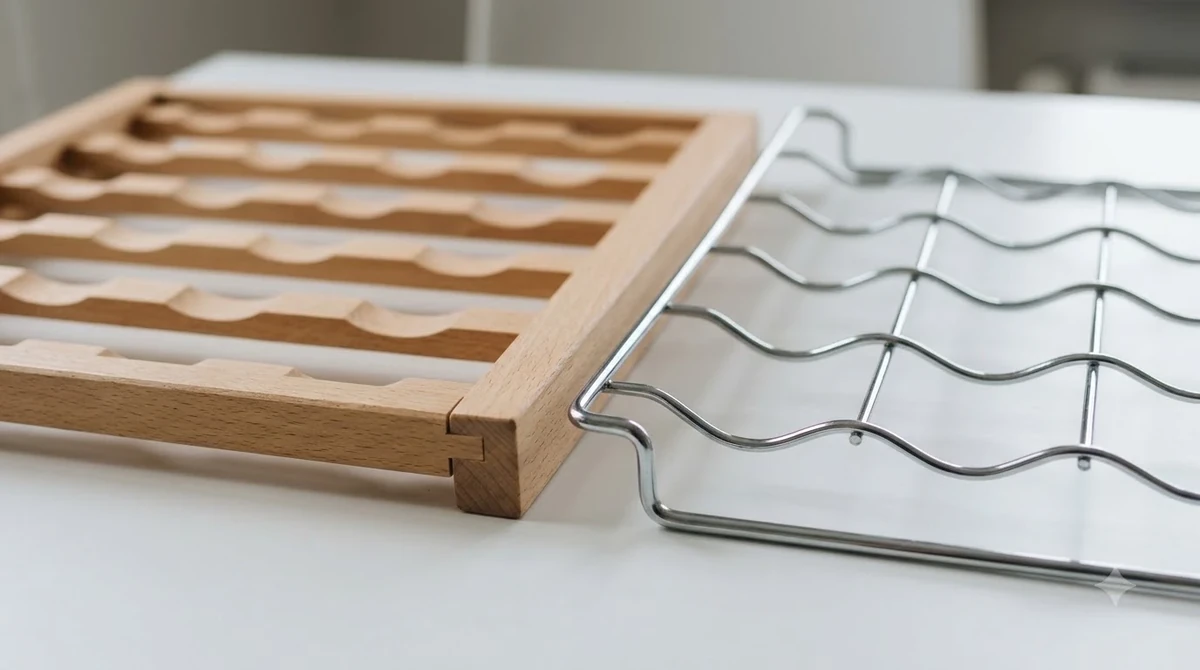
The compact model includes carbonized wooden shelves, adjustable feet, a stainless steel frame, and a double-pane glass door with UV protection. Three interior lighting options—white, blue, and amber—allow owners to choose a display appearance that suits their room.
The combination of visible shelving and glass doors is particularly useful in an entertainment area. Owners can see the collection without opening the cabinet, although frequent door openings should still be minimized to reduce temperature fluctuations.
Another positive point is that the manufacturer publishes model-specific dimensions and operating specifications. Access to this information helps buyers compare products before committing to an installation. Anyone considering alternatives can also examine Ca’Lefort’s official 15-inch dual-zone wine refrigerator specifications to verify the advertised features, dimensions, and warranty coverage.
Common Complaints and What Owner Reviews Reveal
Ca’Lefort wine fridge reviews show a mixture of positive experiences and recurring concerns, particularly involving shelves, temperature readings, and delivery condition. The number of independent reviews is too small to establish a reliable brand-wide failure rate, but the complaints provide useful questions to ask before buying.
Shelf strength and movement
The clearest recurring concern in the Home Depot feedback involves shelf construction. One reviewer of the 108-bottle refrigerator reported that the shelves did not glide easily. Another described them as flimsy and said they were difficult to pull out when loaded with bottles.
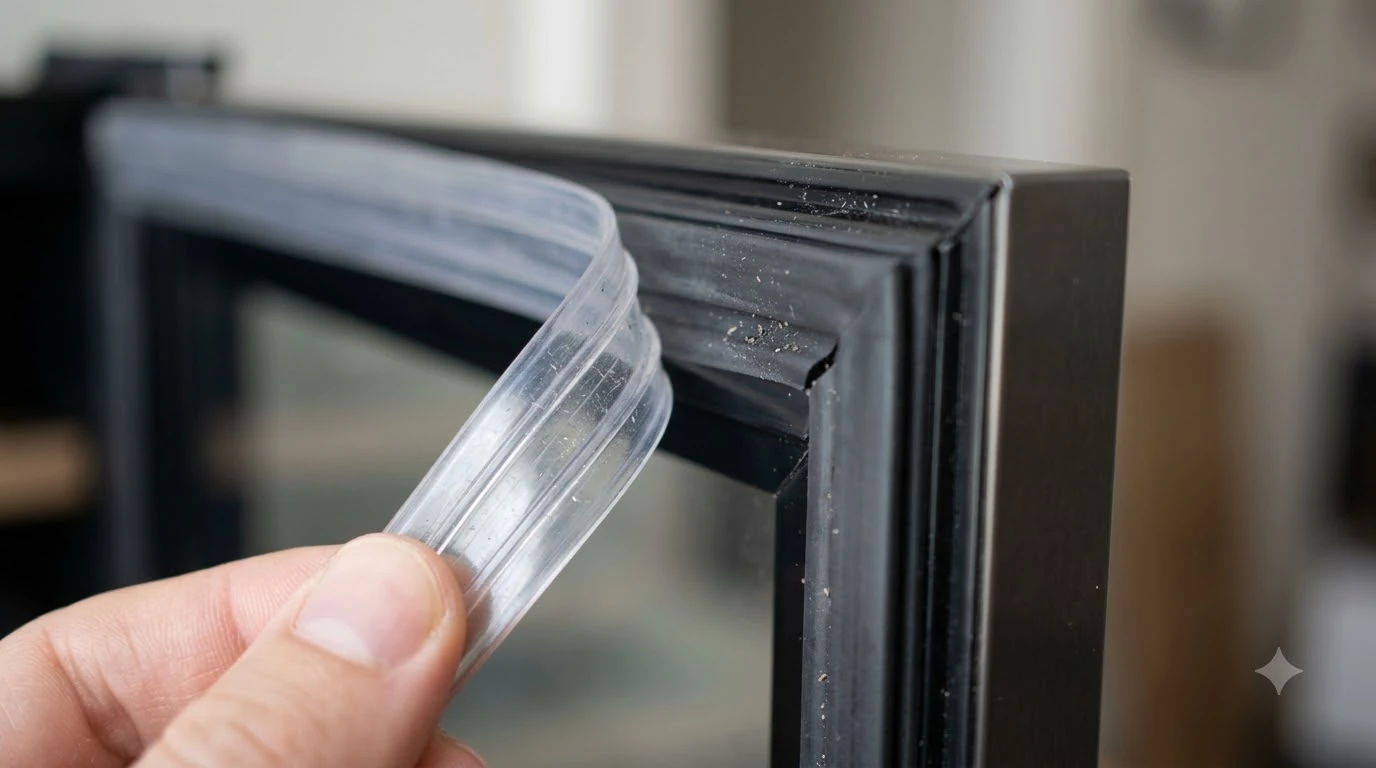
A separate customer reported receiving a unit with three broken shelves. Other feedback described shelves arriving damaged during delivery. These accounts do not establish that every Ca’Lefort refrigerator has weak shelving, but they make shelf inspection an important part of the buying process.
For a wine refrigerator holding dozens of bottles, shelf strength is more than a cosmetic issue. A loaded shelf must support the weight of the bottles while moving smoothly enough for normal access. Buyers with heavy glass bottles or large collections should pay particular attention to shelf construction and the manufacturer’s replacement-part process.
Temperature accuracy
Some owners report that their refrigerators maintain the selected temperature, while other feedback raises concerns about differences between the display setting and the actual interior temperature.
This distinction matters because a digital display typically communicates the selected or measured cabinet temperature according to the appliance’s control system. It does not automatically guarantee that every shelf maintains exactly the same temperature.
After installation, buyers should allow the cabinet to stabilize and use a separate refrigerator thermometer to assess actual conditions. Checking both zones is particularly important on dual-zone models because the upper and lower compartments serve different purposes.
Noise and fan-related concerns
Some Home Depot customers describe the larger cabinet as quiet, while another reviewer mentions minor operating noise. A Best Buy customer also reported noise after initial setup of a combination wine-and-beverage refrigerator.
In that Best Buy account, the owner contacted Ca’Lefort support and was advised to check the internal fan for an obstruction. The noise reportedly stopped after the obstruction was addressed.
This is a useful example of why support responsiveness matters. A fan noise does not necessarily indicate compressor failure, but unusual sounds should not be ignored. Buyers should also ensure that the appliance is level and has the required ventilation clearance.
What the review numbers actually mean
The Home Depot listing for the 108-bottle refrigerator shows nine reviews and an average of 3.9 out of 5. That is a relatively small sample, so the result should be interpreted cautiously rather than treated as a definitive measurement of product reliability.
The official Ca’Lefort product page also publishes owner feedback for its 15-inch refrigerator. Positive comments mention appearance, delivery condition, installation, and temperature performance. However, manufacturer-hosted testimonials and independent retailer reviews serve different purposes and should be considered separately.
For a balanced assessment, look for verified-purchase feedback about the exact model you intend to buy. A review of a 48-inch cabinet may not tell you much about the shelf arrangement or cooling performance of a 15-inch refrigerator.
How to Choose a Ca’Lefort Wine Fridge
The best Ca’Lefort model depends on collection size, installation space, wine-serving habits, and the importance of separate temperature zones. Buyers should work through the physical and technical requirements before choosing a cabinet based on appearance.
1. Calculate realistic bottle capacity
Start by counting the bottles you currently own, then consider how quickly your collection is likely to grow. A 28-bottle refrigerator can suit a casual collection, while a 108-bottle cabinet is more appropriate for someone who buys wine regularly or keeps multiple cases at home.
Leave some capacity available for larger bottles and unusual shapes. Champagne and Burgundy bottles can take up more room than standard Bordeaux bottles, and wide bottles may not fit neatly into every shelf arrangement.
2. Decide whether dual-zone cooling is necessary
Dual-zone cooling is useful for households that keep different wine styles ready to serve. For example, a lower compartment can be configured for reds while the upper compartment is used for whites and rosé.
A single-zone refrigerator can be sufficient if the collection is mainly intended for storage at one consistent temperature. Buyers should avoid paying for additional zones that they will rarely use.
3. Measure the installation opening
Measure the available width, height, and depth rather than estimating the space from nearby cabinets. For the 15-inch model, the published built-in cutout dimensions are 15.05 inches wide, 22.65 inches deep, and 34.25 inches high.
Also consider the power outlet, door swing, handle projection, and access for future servicing. A refrigerator can fit inside an opening yet remain inconvenient to use if its door cannot open fully.
4. Evaluate ventilation requirements
Front-venting appliances are generally the more appropriate choice for a properly designed built-in installation. A freestanding model may need considerably more space around its sides and rear.
Do not assume that every Ca’Lefort appliance has identical ventilation requirements. The 15-inch wine fridge and the CLF-BS24 beverage refrigerator have different product specifications and manuals.
5. Examine shelf construction
Ask whether the shelves are removable, adjustable, and designed to accommodate larger bottle formats. If possible, inspect the sliding mechanism before installation and check that each shelf moves without catching.
For a large cabinet, consider how easily the back row of bottles can be accessed. A high advertised capacity is less useful if normal retrieval requires removing several bottles from the front.
6. Check the support arrangements
Before ordering, obtain the warranty terms for the precise model and confirm the process for reporting shipping damage. Ask whether replacement shelves, door seals, filters, and other components are available separately.
Tip: Photograph the refrigerator, shelves, packaging, and model identification label immediately after delivery. If a glass door, shelf, or other component arrives damaged, keep the packaging and contact the retailer or manufacturer promptly rather than installing a damaged appliance.
Finally, compare the complete installation and ownership requirements with alternatives. Buyers considering another newer appliance brand can review whether ROVSUN is a good brand using the same checks for dimensions, temperature control, warranty coverage, and replacement parts.
Warranty and Support: What Buyers Should Verify
Ca’Lefort publishes warranty information for individual products, but coverage should not be assumed to be identical across its entire catalog. The 15-inch dual-zone wine refrigerator lists one year of unit coverage, two years for parts, and three years for the compressor.
These separate periods are important because the compressor is only one component of a refrigerator. Electronic controls, fans, door seals, hinges, and shelves may have different coverage arrangements. Buyers should obtain the complete written warranty before ordering rather than relying solely on a short product-page summary.
Understand the difference between component coverage
A three-year compressor warranty does not mean that the entire refrigerator receives three years of comprehensive protection. The shorter unit and parts coverage periods may affect the cost of resolving problems outside their applicable terms.
Ask whether labor, transportation, diagnostic visits, and replacement shipping are included. Also determine whether repairs must be performed by an authorized service provider or whether the manufacturer provides replacement components for local installation.
Keep the purchase documentation
Retain the receipt, delivery confirmation, model number, and serial number. These details can help support staff identify the correct appliance and determine which warranty provisions apply.
The CLF-BS24 manual specifically instructs owners to record the model number, serial number, and purchase date for future reference. Similar recordkeeping is sensible for any refrigerator in the range.
Ask about replacement shelves
Because shelf damage and movement appear in the retailer feedback, replacement-shelf availability deserves special attention. Ask whether the manufacturer can supply individual shelves rather than requiring a complete interior assembly.
For a larger cabinet, also ask whether wooden shelves are interchangeable and whether replacements have the same dimensions and weight capacity as the originals.
Understand retailer and manufacturer responsibilities
Support may involve the manufacturer, the retailer, or both, depending on the purchase channel and the nature of the problem. The Best Buy customer account describing a fan obstruction indicates that manufacturer support can provide troubleshooting guidance.
However, one successful support interaction does not establish a universal service standard. Confirm the current contact details, return period, damage-reporting deadline, and repair process before completing a purchase.
For a refrigerator intended to operate continuously for years, dependable access to service and parts is just as important as the initial feature list. Buyers should treat support arrangements as a major purchasing criterion rather than an afterthought.
Frequently Asked Questions
Is Ca Lefort a good brand for wine storage?
Ca’Lefort offers compressor-based refrigerators with features intended for home wine storage, but the available reviews do not establish a long-term reliability record across its complete range. Buyers should distinguish between serving-temperature refrigerators and cabinets intended for extended aging. For valuable collections, investigate temperature stability, humidity management, service availability, and replacement components before committing.
Can a Ca’Lefort wine cooler store Champagne bottles?
Champagne bottles are often wider and heavier than standard Bordeaux bottles, so they may reduce the usable capacity of a refrigerator. Check the internal shelf spacing and clearance rather than relying exclusively on the advertised bottle count. Removable shelves can provide additional flexibility, but removing a shelf also changes the number of bottles the cabinet can accommodate.
Does a Ca’Lefort wine refrigerator require a dedicated electrical circuit?
The manufacturer’s CLF-BS24 manual identifies a 115-volt, 60-hertz electrical requirement. That specification does not by itself establish whether a dedicated circuit is required for every installation. Have an electrician assess the available circuit and follow the electrical instructions supplied with the exact refrigerator model.
Can a Ca’Lefort wine fridge be used in a garage?
Garage suitability depends on the refrigerator’s approved ambient operating-temperature range. An appliance designed for indoor kitchen conditions may struggle in a garage exposed to extreme summer heat or winter cold. Check the exact model’s environmental requirements before placing it in an unconditioned space.
Does Ca’Lefort offer replacement wine refrigerator filters?
The 15-inch dual-zone product specifications identify a charcoal filter, but that listing does not establish the availability of every replacement filter or its replacement interval. Ask support for the correct filter part number and maintenance schedule for your model. Confirming component availability before purchase can prevent unnecessary delays later.
Ca’Lefort is worth considering if you want a modern wine refrigerator with dual-zone options, front ventilation, and several cabinet sizes. Its published specifications provide useful starting points, but owner reports about shelving and temperature accuracy deserve careful attention. Compare the exact model, inspect delivery condition, and confirm warranty and replacement-part arrangements before making your final decision.
More in Brand Hubs
 Icyglee Wine Fridge: Compare Capacities, Features and ModelsUpdated Nov 20, 2026
 Fomup Wine Fridge: Explore Models, Features, and Buying TipsUpdated Nov 20, 2026
 Aaobosi Wine Fridge: Compare Models and Choose the Right CoolerUpdated Nov 20, 2026
 Orymuse Wine Fridge Reviews: Compare Capacities, Features and WarrantyUpdated Nov 20, 2026
 Tylza Wine Fridge: Find the Right Cooler for Your CollectionUpdated Nov 20, 2026
 Vintec Wine Fridge: Features, Warranty, and Buying AdviceUpdated Nov 20, 2026