

We may earn a commission when you buy through links on this page, at no extra cost to you. Learn more.
In short, is Black and Decker a good brand? For most value-minded buyers, yes. It is widely sold, has a long history in tools and home products, and offers a broad range of appliances at moderate prices. Whether it is the right choice for a wine cooler depends on the exact model, because the brand’s official range page does not list wine coolers among its products.
If you are looking at a Black+Decker product for storing bottles, or you are simply wondering whether the name deserves your trust, this guide walks through what the brand is known for, how to judge any appliance maker’s reputation, and what to check before you buy.
What Black+Decker is known for
Black+Decker is best known for power tools, outdoor equipment, and household appliances. According to the company’s own about page, it is part of Stanley Black & Decker and says it has “proudly provided innovative solutions for over a century,” tracing its roots to a machine shop in Baltimore.
The product line is broad. The official range covers drills and saws, lawn and garden tools, cordless vacuums, steam mops, and a home and kitchen collection that includes toasters, blenders, air fryers, coffee makers, and fridges and freezers. That breadth matters because it means the brand has to compete on everyday usefulness and price rather than on a single niche.
For most shoppers, the reputation comes from the tools. Many people already own a Black+Decker drill or sander, and that familiarity carries over to the kitchen and home lines. Because the same company sells both hand-held power tools and countertop appliances, customers often judge the whole range by the products they have used most, which is why a good experience with one category can influence trust in another.
The company also describes its aim as designing “products for every part of your home.” That goal explains why the catalog stretches from vacuums and steam mops to coffee makers and air fryers. A wide catalog is useful when you want one brand for many purchases, but it also means that quality can differ from one product line to the next, so the category matters more than the logo.
How to judge whether an appliance brand is good
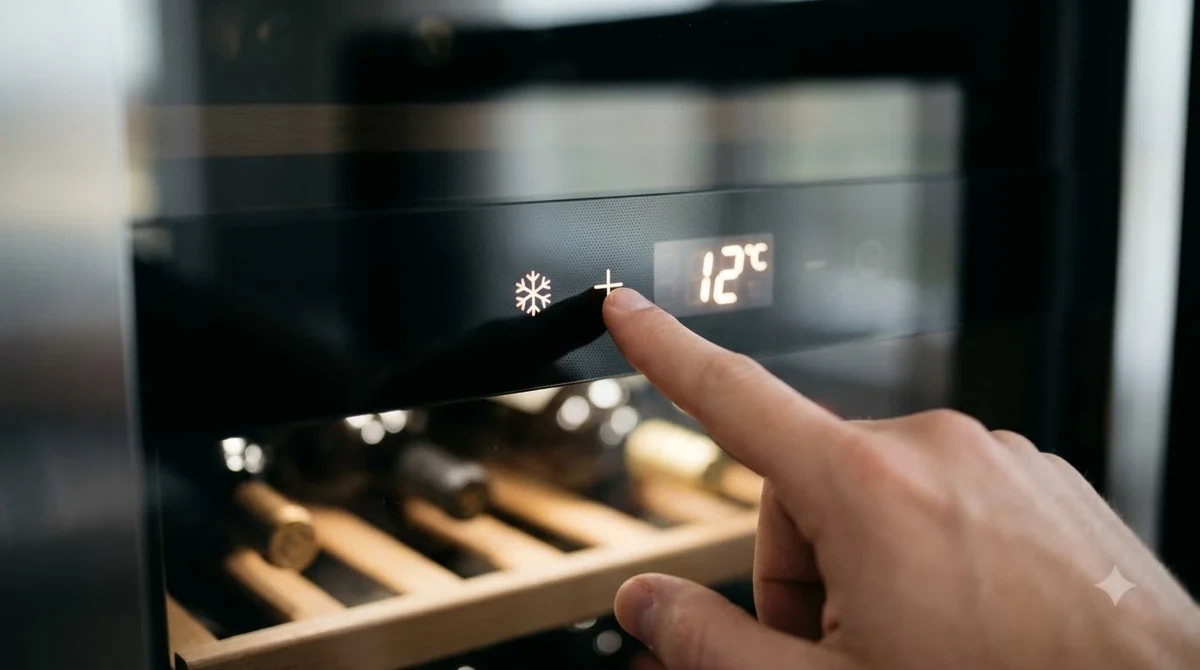
A brand name alone does not tell you much about a specific product. A better approach is to look at the things that affect your experience after the box is opened: warranty length, how easily parts and service can be reached, how the product holds up in long-term owner feedback, and whether the specifications match your needs.
Start with the warranty terms printed on the manufacturer’s site, then compare them with other brands in the same price band. Read owner comments that mention problems after the first year, since early reviews often focus on setup and appearance. Finally, check whether the seller’s return window is long enough to test the unit at home.
Service access is the factor many buyers overlook. A brand sold through large retailers usually makes it easier to find replacement shelves, door gaskets, and accessories, and it is simpler to find a repair contact or a retailer that will handle a return. For an appliance that runs every day, that practical support can matter more than a small difference in features on the spec sheet.
Finally, match the product to the job. A brand can be well regarded for drills and still be a weak choice for a fine-wine cabinet. Judge each model by the tasks you expect it to handle, such as keeping a few bottles at a steady temperature or storing a larger collection for years.
Black and Decker wine fridges and coolers
Shoppers who search this brand name often want to know whether a Black+Decker wine fridge or cooler is worth buying. The official range page reviewed for this guide does not list wine coolers, so any model you find should be checked on its own product listing before you assume it exists or how it performs.
If you do find a model, the buying questions are the same as for any compact wine cooler. Confirm the temperature range, the number of zones, the bottle capacity, and the noise level. A single-zone unit is usually simpler and works well for one type of wine, while a dual-zone unit lets you keep reds and whites at different temperatures. Our wine fridge buying guides walk through these checks for several brands and sizes.
| Feature to check | Why it matters | What to look for |
|---|---|---|
| Temperature zones | Reds and whites are served at different temperatures | Single or dual zone, with a stated temperature range |
| Capacity | Determines how many bottles fit comfortably | Bottle count listed by the manufacturer, not just the shelf count |
| Noise level | Matters in living areas and bedrooms | Decibel rating or owner comments about compressor sound |
| Warranty | Covers the compressor and parts | Length of coverage for parts and labor separately |
Strengths and trade-offs of the brand
The brand’s main strengths are availability and value. Its products are sold through major retailers, so replacement parts and accessories are often easy to find, and its price points tend to sit below premium appliance makers. For a first appliance or a secondary unit, that can be an attractive combination.
Price is a clear advantage, but it also shapes what you get. Entry-level appliances usually focus on the essentials: consistent cooling, a simple control panel, and a basic shelf layout. Owners who want quieter operation, finer temperature control, or more flexible storage often have to step up to a higher price band, so it is worth deciding which features you truly need before comparing models.
The trade-offs are the usual ones for mass-market brands. Premium features such as advanced humidity control, specialty shelving, or very quiet compressors are less common in entry-level models, and the finish and build may not match high-end cabinetry. Buyers who store expensive or long-aged bottles should look more closely at the specs before deciding.
Tip: Before ordering, search the exact model number together with the words “owner review” and “warranty.” A model-level result is far more useful than a general opinion about the brand.
How to check a specific model before you buy
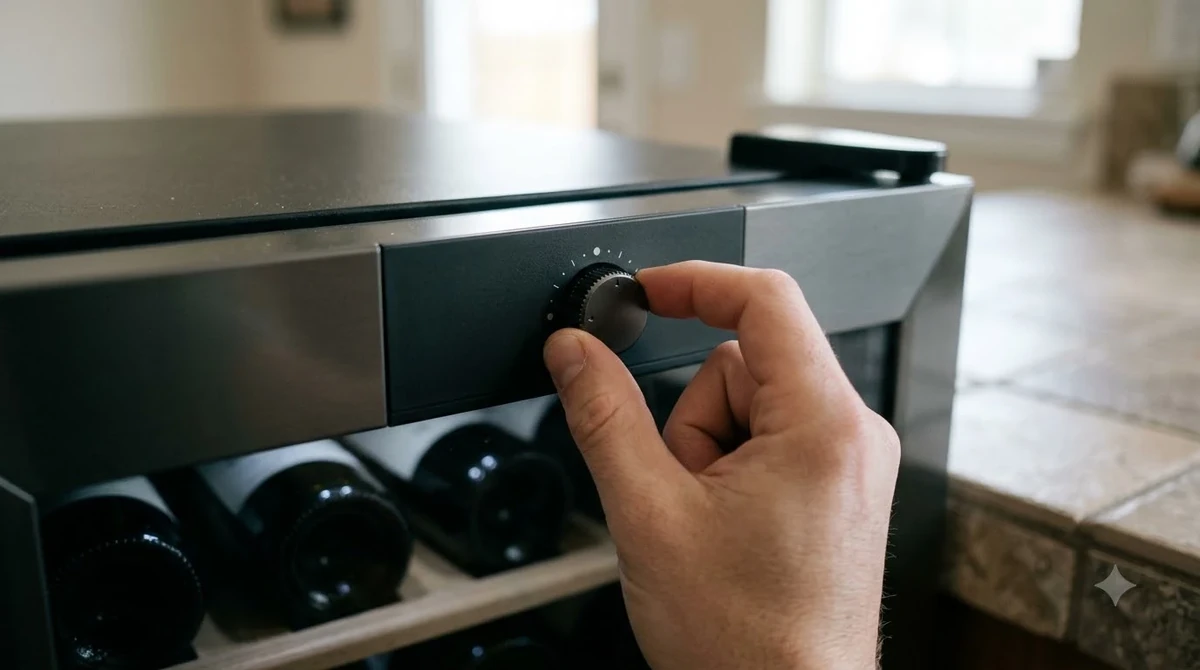
Once you have a model in mind, use a simple checklist. Read the product specifications on the manufacturer’s listing, confirm the warranty terms, and compare the stated temperature range with the serving temperatures you plan to use. Then look for owner reports that describe the first six to twelve months of use, since that is when most mechanical problems appear.
If the model passes these checks, the brand name is a reasonable tiebreaker, and it helps to see how it stacks up against other names in the same category on our brand hub pages. If it fails on noise, capacity, or warranty, a different brand in the same price range is the better choice even if the name is more familiar.
Frequently Asked Questions
Is Black and Decker a reliable brand?
The brand has a long record in tools and home products and is widely sold, which suggests dependable everyday use for many customers. Reliability still varies by product line, so check owner feedback and the warranty for the specific item you want.
Does Black and Decker make wine coolers?
The official range page reviewed for this guide does not list wine coolers. Search the brand’s current product listings or retailer pages for the model name before assuming a wine cooler is available.
Is Black and Decker a premium brand?
It is generally positioned as a mainstream, value-focused brand rather than a premium one. Buyers looking for high-end finishes or advanced features may want to compare it with more specialized appliance makers.
What should I check before buying a wine cooler from any brand?
Confirm the temperature range, the number of zones, the bottle capacity, the noise level, and the warranty. Owner reviews that describe use after six months are often the most useful source of real-world information.
Black+Decker is a sensible starting point for many home buyers, especially when price and availability matter. For a wine storage purchase, treat the brand as one option among several and judge the specific model against your own bottles, space, and budget. You can compare other appliance brands in our brand hubs before you decide.
More in Brand Hubs
 Icyglee Wine Fridge: Compare Capacities, Features and ModelsUpdated Nov 20, 2026
 Fomup Wine Fridge: Explore Models, Features, and Buying TipsUpdated Nov 20, 2026
 Aaobosi Wine Fridge: Compare Models and Choose the Right CoolerUpdated Nov 20, 2026
 Orymuse Wine Fridge Reviews: Compare Capacities, Features and WarrantyUpdated Nov 20, 2026
 Tylza Wine Fridge: Find the Right Cooler for Your CollectionUpdated Nov 20, 2026
 Vintec Wine Fridge: Features, Warranty, and Buying AdviceUpdated Nov 20, 2026