

We may earn a commission when you buy through links on this page, at no extra cost to you. Learn more.
Spiegelau wine glasses are an excellent choice for wine drinkers who want clear crystal, thoughtful bowl shapes, and practical everyday durability without moving into extremely delicate luxury stemware. The Vino Grande collection is particularly appealing for regular meals and entertaining, while Authentis offers another attractive option for drinkers who prefer more wine-focused shapes. Their machine-made construction, comfortable drinking profiles, and dishwasher-friendly designs make them worth considering, although stem proportions and individual collection differences deserve attention before buying.
Good wine glassware should make serving wine more enjoyable without turning every dinner into a special occasion that requires careful handling. A suitable bowl gives wine room to move, a narrower opening helps direct aromas toward the nose, and a well-finished rim makes each sip feel natural. SPIEGELAU has built its glassware range around these practical considerations, offering several collections for different drinking habits. This review looks at the Vino Grande and Authentis collections, considers their strengths and limitations, and explains which glasses make the most sense for different wine styles.
Specs and Key Features
SPIEGELAU’s strongest selling points are its clear crystal construction, machine-made consistency, and selection of shapes for different wines. The Vino Grande range provides a particularly useful starting point because it includes dedicated red and white wine glasses rather than relying entirely on one universal shape.
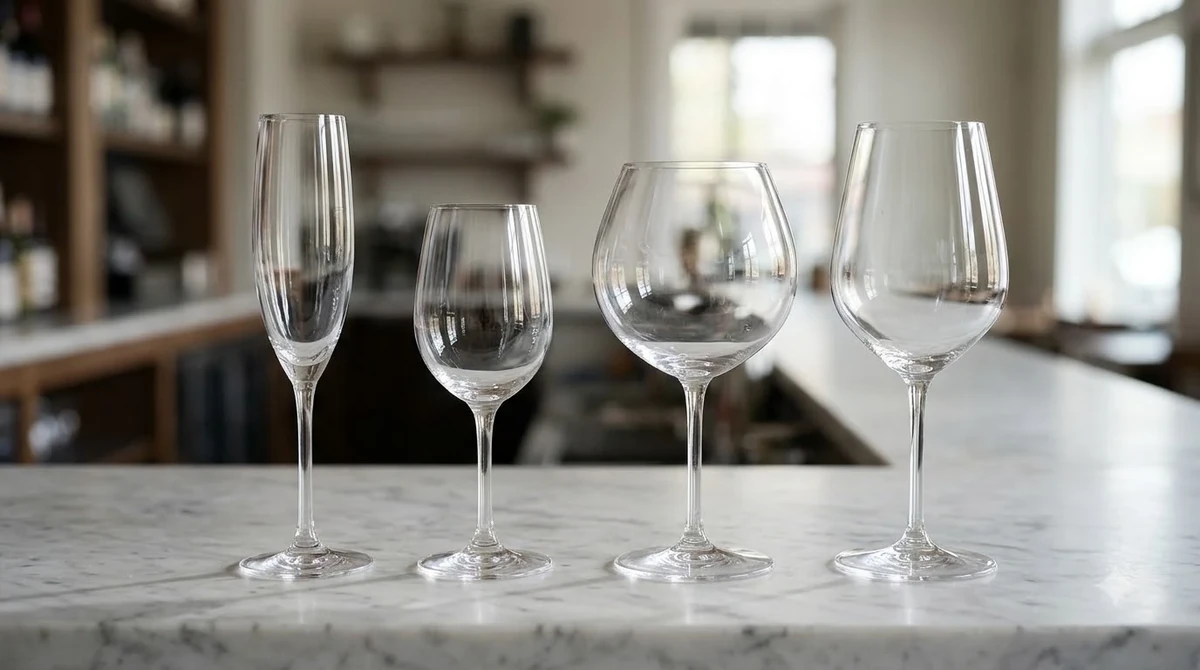
Vino Grande is designed for wine drinkers who want attractive stemware for regular use. Its Bordeaux glass has a relatively broad bowl, while its red wine and white wine options offer different proportions for serving different styles. The manufacturer’s product information identifies the glassware as machine-made crystal, with dishwasher-safe versions intended for frequent use.
The dimensions help explain the differences between individual glasses. The Vino Grande Bordeaux glass measures approximately 8.858 inches tall with a maximum diameter of 3.701 inches. The regular red wine glass has the same listed height but a narrower maximum diameter of 3.346 inches. The white wine glass measures approximately 8.31 inches tall and 3.07 inches across at its widest point.
| Glass or feature | Material or dimensions | Best use |
|---|---|---|
| Vino Grande Bordeaux | Crystal glass; 8.858 inches tall; 3.701-inch maximum diameter | Cabernet Sauvignon and Bordeaux blends |
| Vino Grande Red Wine | Crystal glass; 8.858 inches tall; 3.346-inch maximum diameter | General red wine service |
| Vino Grande White Wine | Crystal glass; approximately 8.31 inches tall; 3.07-inch maximum diameter | Chardonnay and aromatic whites |
| Vino Grande Bordeaux packaging | Set of 4 | Small households and entertaining |
| Vino Grande construction | Machine-made | Consistent everyday stemware |
| Dishwasher resistance | At least 1,000 cycles for qualifying SPIEGELAU glasses | Convenient routine cleaning |
These specifications describe selected Vino Grande products, not every glass in the SPIEGELAU catalog. Other collections have different proportions, capacities, and intended uses. For example, Authentis emphasizes wine-specific functionality and classic shapes, while the Vino Grande range offers a straightforward selection for everyday red and white wine service.
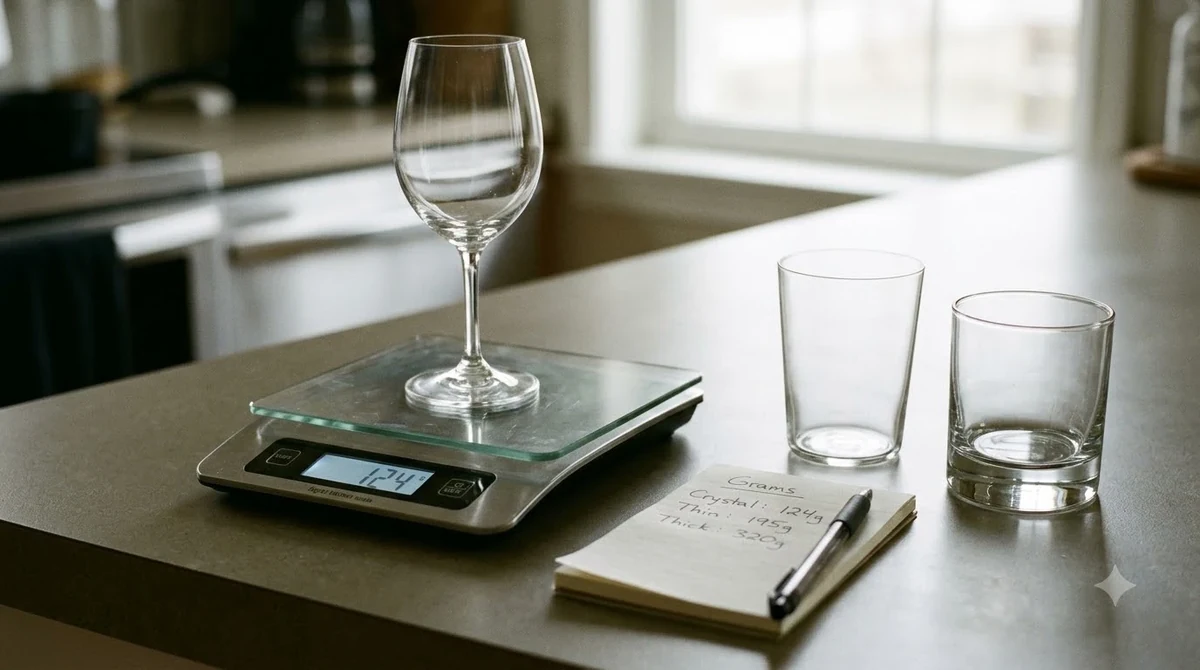
Another important distinction is the manufacturing method. SPIEGELAU uses machine production for these collections, which helps maintain consistent dimensions across individual glasses. That consistency is useful when purchasing replacement pieces or building a matching set. Machine-made does not mean that the glassware is unsuitable for serious wine drinking; the favorable assessment of Vino Grande in independent wine glass evaluations demonstrates that practical glassware can also provide a satisfying drinking experience.
The manufacturer’s dishwasher claims also deserve attention. SPIEGELAU says most of its dishwasher-safe glasses can withstand at least 1,000 properly conducted washing cycles without demonstrable changes to their shine or clarity. That is a useful durability benchmark, although it does not mean that a glass cannot chip, crack, or break through accidental impact. Its official glassware care and dishwasher guidance explains the conditions behind these recommendations.
What Owners Like
The most appealing qualities of SPIEGELAU wine glasses are their clean appearance, thin drinking edges on selected models, and useful balance between presentation and routine practicality. Independent editorial evaluations and owner discussions provide different perspectives on these strengths, particularly for the Vino Grande range.
One of the clearest endorsements comes from Epicurious, where sommelier Elizabeth Schneider selected the Vino Grande as a wine glass for casual drinkers. The evaluation highlighted its thin lip, useful swirling bowl, and ability to concentrate aromas. The glass also performed well across a range of wines, including Nebbiolo, Malbec, Chardonnay, and Grüner Veltliner. The Epicurious wine glass evaluation provides useful additional context about its performance against other glassware.
That variety matters because many households do not want a separate glass for every grape variety. A glass that works comfortably with both structured reds and fresh whites offers practical value. The Vino Grande collection provides dedicated shapes, but its general-purpose red wine option can cover several everyday drinking situations.
The drinking rim is another frequently appreciated characteristic. A thin, smooth edge creates less of a physical barrier between the drinker and the wine. This is especially appealing when comparing crystal stemware with heavier everyday glasses that have visibly thicker rims. A well-finished rim does not change the wine itself, but it can improve the overall drinking experience.
Attractive presentation without excessive ornament
SPIEGELAU generally favors clear glass and uncomplicated silhouettes in its traditional wine collections. This makes the glasses easy to incorporate into different dining settings, whether the table has simple white plates, darker dinnerware, or a more formal arrangement.
Clear crystal also allows the wine’s color to remain visible. That is useful for evaluating the appearance of a young Cabernet Sauvignon, the pale color of a Riesling, or the pink tones of a dry rosé. The shape provides the visual interest rather than decorative colors or patterns.
Owners discussing Vino Grande on specialist forums have also mentioned the appeal of its bowl and rim. Individual preferences differ, especially regarding the stem, but the glass’s drinking surface receives positive attention.
Useful for regular entertaining
A matching set of four is a convenient starting point for couples and smaller households. It is enough for a dinner with a few guests without requiring a large collection of specialist glasses. Larger households can expand their collection with additional matching sets or combine red and white wine shapes.
The machine-made construction is also appealing for people who prefer consistent replacements. Hand-blown glasses can have individual differences in weight and proportions, whereas machine-made production aims for repeatability. For a household that regularly serves wine to visitors, consistency can be more important than having an exceptionally unusual individual glass.
For additional buying considerations, compare these options with our guide to wine glasses, which covers the features that matter across different glassware manufacturers.
Common Complaints
SPIEGELAU’s strengths do not eliminate the compromises associated with machine-made stemware. The most relevant concerns involve stem feel, breakage risk, and differences in bowl size between collections and wine styles.
The clearest example of a subjective drawback comes from a WineBerserkers discussion comparing SPIEGELAU Vino Grande with Schott Zwiesel Tritan Forte. One participant who purchased Vino Grande Bordeaux glasses liked the bowl and drinking lip but disliked the noticeable seam along the stem. The stem also felt thicker and less comfortable than expected.
This is not a universal manufacturing defect or proof that every Vino Grande glass has an unpleasant stem. It does, however, illustrate why photographs and specification sheets cannot fully communicate how a wine glass feels in the hand. Stem thickness, the transition between bowl and stem, and the balance of the base can all influence personal preference.
Some glasses may feel larger than expected
Wine glass dimensions can be surprising, particularly for buyers accustomed to compact everyday tumblers. A Bordeaux bowl is intentionally generous because it gives fuller-bodied red wines room for swirling and aromatic development.
That larger shape is not ideal for every situation. A household with limited cabinet space may find a collection of tall Bordeaux glasses inconvenient. The difference between the Bordeaux and regular red wine Vino Grande models is therefore worth considering before choosing a complete set.
The white wine glass also deserves a closer look. Epicurious specifically noted that its Vino Grande white glass was relatively small compared with the Burgundy glass. That does not make it unsuitable, but drinkers accustomed to generous white wine bowls may prefer a different shape.
Crystal still requires careful handling
Dishwasher resistance should not be confused with impact resistance. A crystal wine glass remains vulnerable to a hard knock against a sink, countertop, another glass, or a metal utensil. A stem can also break if the bowl is twisted while the base is held firmly during polishing.
Machine-made production provides consistency, but it does not make glass unbreakable. Anyone buying stemware for large parties, outdoor entertaining, or frequent use by children should consider whether traditional crystal stems are the most practical choice.
Another consideration is the dishwasher itself. SPIEGELAU’s durability claims apply to qualifying glasses that are loaded and washed properly. Overcrowded racks, unsuitable detergent, high temperatures, and contact with other items can still create problems.
Finally, not every SPIEGELAU collection has the same proportions or drinking experience. A favorable opinion of Vino Grande should not automatically be treated as an endorsement of every glass in the brand’s broader catalog.
Who Should Buy and Who Should Skip
SPIEGELAU is a strong match for wine drinkers who want crystal stemware that looks appropriate for entertaining but remains practical enough for ordinary meals. The Vino Grande collection is particularly suitable for households that regularly drink several styles of wine and prefer dedicated red and white wine glasses.
Consider the Vino Grande Bordeaux glass if Cabernet Sauvignon, Merlot, Bordeaux blends, or other fuller-bodied reds are regular features at your table. Its larger bowl gives the wine space to move and makes it easier to evaluate aromas through swirling. The regular red wine glass is a sensible alternative if you want a less expansive shape for mixed red wine service.
For white wine drinkers, the Vino Grande white wine glass offers a more compact option. It is worth considering for Sauvignon Blanc, Riesling, Pinot Grigio, and Chardonnay, particularly when serving wines at their appropriate temperatures. The smaller proportions can also be convenient for a dinner table where oversized stemware would feel cumbersome.
Buyers who should consider SPIEGELAU
- Regular wine drinkers: People who serve wine several times a week and want attractive glasses for ordinary meals.
- Small households: Buyers who prefer matching sets of four rather than large collections of specialist glassware.
- Frequent entertainers: Hosts who want consistent machine-made glasses and a coordinated table setting.
- Wine enthusiasts: Drinkers who appreciate how different bowl shapes can support swirling and aromatic evaluation.
- Practical crystal buyers: People who prefer crystal stemware but do not want every cleaning session to require handwashing.
Buyers who should look elsewhere
SPIEGELAU may not be the best fit for someone who wants extremely lightweight, hand-blown luxury stemware. Machine-made glasses have a different construction and feel from premium hand-blown alternatives. Buyers who place great importance on an almost invisible stem seam or unusually light weight should compare individual glasses in person before committing to a full set.
It may also be unsuitable for people who regularly use wine glasses outdoors or in situations where accidental impacts are common. A stemless design or thicker everyday glass may be more practical for a picnic, patio gathering, or casual event.
Those who want one compact glass for every beverage may also prefer a universal design rather than collecting separate Bordeaux, red, and white wine shapes. SPIEGELAU has multiple glassware options, but the right purchase depends on how much distinction you actually want between your wine glasses.
For shoppers deciding between traditional stems and more casual alternatives, our stemless wine glasses guide offers another useful direction.
How It Compares to Alternatives
SPIEGELAU occupies a useful position between ordinary everyday glassware and more delicate specialist stemware. Its Vino Grande collection has received favorable independent editorial attention, while comparisons with Schott Zwiesel and other manufacturers highlight differences in rim finish, stem construction, and personal handling preferences.
One helpful reference is Epicurious’s evaluation of the Vino Grande alongside several other glassware options. The article favored the SPIEGELAU for casual wine drinkers and described its performance as competitive with substantially more expensive glasses. It also discussed Bormioli Rocco InAlto as an alternative, noting its thicker, heavier construction and different overall feel.
That comparison is useful because it demonstrates that the most expensive glass is not necessarily the best practical purchase. A lighter glass may feel elegant, while a heavier one may provide greater reassurance during ordinary handling. The right choice depends on which qualities matter most at the table.
SPIEGELAU versus Schott Zwiesel
Schott Zwiesel is a natural comparison because both manufacturers offer machine-made wine glasses intended for practical use. The WineBerserkers discussion of Vino Grande and Tritan Forte illustrates the subjective details that can distinguish otherwise comparable options.
Some participants preferred the rim treatment on their SPIEGELAU glasses, while others favored Schott Zwiesel models for their handling characteristics. The discussion also illustrates an important limitation: older production examples may not accurately represent current products.
Rather than assuming that one brand is universally better, compare the actual model dimensions and inspect the stem and rim. A glass that feels comfortable after several minutes of holding it is generally a better choice than one selected solely for its appearance.
SPIEGELAU versus more delicate premium glasses
Some premium glassware emphasizes extremely light construction and hand-blown craftsmanship. Such glasses can be attractive for formal wine tastings, but their delicate feel may not suit busy households.
SPIEGELAU’s Vino Grande collection takes a more practical approach. It prioritizes repeatable machine-made production, clear crystal, and usable shapes. That makes it appealing to people who want to enjoy wine regularly rather than reserve their best glasses for special occasions.
For drinkers whose main interest is red wine, our red wine glasses guide provides further context on choosing bowls for Cabernet Sauvignon, Pinot Noir, and other red varieties.
Which collection offers the better fit?
Vino Grande makes sense for straightforward everyday use, especially if you want separate red and white glasses with familiar proportions. Authentis is a good alternative for drinkers who prefer a more wine-focused collection and classic functional shapes.
The decision should come down to the individual glass rather than the collection name alone. Look at the bowl capacity, rim shape, stem proportions, and dishwasher instructions. If you are buying a complete set, those characteristics will influence your enjoyment far more than a small difference in decorative styling.
For a broader overview of available manufacturers and their different approaches, explore our Glassware Brands coverage.
Frequently Asked Questions
These answers cover a few additional details that can help when choosing and using SPIEGELAU stemware, particularly if you are buying your first crystal set.
Are SPIEGELAU wine glasses lead-free?
Yes. SPIEGELAU states that since 2015 it has produced crystal glass without using lead oxide as its principal ingredient. The manufacturer distinguishes this material from traditional lead crystal, while retaining the clarity associated with premium crystal glassware. This applies to the manufacturer’s stated material policy rather than serving as a substitute for checking an individual product’s material description.
Can SPIEGELAU wine glasses be used in professional restaurants?
Yes. SPIEGELAU develops glassware for both home and professional hospitality settings. Its wine-focused designs are intended to serve practical requirements such as consistent presentation and regular use. Restaurant operators should still select individual collections according to their service needs and replacement requirements.
Does SPIEGELAU make glasses specifically for blind wine tasting?
Yes. The Authentis Blind Tasting glass is a black-finished machine-made design intended to conceal a wine’s visual appearance. This helps tasters concentrate on aroma and palate rather than making assumptions based on color. It can be useful for comparative tastings involving different grape varieties and wine styles.
Can SPIEGELAU crystal develop cloudiness after repeated washing?
Cloudiness can occur through mineral deposits, detergent residue, or damage associated with unsuitable washing conditions. SPIEGELAU recommends soft water, appropriate detergent, and sufficient spacing between glasses. Its care guidance also recommends white vinegar soaking for superficial stains, although permanent surface damage may not respond to this treatment.
Should SPIEGELAU wine glasses be polished before serving?
Polishing can remove water spots and fingerprints that distract from the appearance of clear crystal. Use a clean, lint-free microfiber cloth and handle the glass carefully rather than twisting the stem while gripping the base. For the clearest presentation, make sure the bowl is completely dry before placing the glass on the table.
SPIEGELAU wine glasses are a worthwhile choice for people who want attractive crystal stemware with practical everyday features. Vino Grande is a particularly sensible starting point for households that serve both red and white wines, while Authentis offers another option for those who prefer classic wine-focused designs. Choose the bowl and stem that suit your drinking habits, and follow the manufacturer’s care instructions to keep your glasses looking their best.
More in Wine Glasses
 Zwiesel Glas Champagne Flutes for Durable Everyday Sparkling WineUpdated Nov 20, 2026
 Vera Wang Crystal Wine Glasses: Design, Quality and Buying AdviceUpdated Nov 20, 2026
 West Elm White Wine Glasses: Compare Designs for Better Everyday Wine ServiceUpdated Nov 20, 2026
 Zalto Stemless Wine Glasses: Discover Their Distinctive DesignsUpdated Nov 20, 2026
 Viski Champagne Glasses That Match Your Style and Sparkling WineUpdated Nov 20, 2026
 Vista Alegre Decanter Review: Crystal Style and Wine ServiceUpdated Nov 20, 2026