

We may earn a commission when you buy through links on this page, at no extra cost to you. Learn more.
Baccarat Crystal Wine Glasses are premium French crystal stemware best suited to collectors, special occasions, and wine drinkers who value distinctive design and craftsmanship. Their sculptural shapes, carefully developed bowls, and polished presentation make them memorable additions to a dining table. However, their delicate construction, demanding care requirements, and luxury positioning mean they are not the most practical choice for every household.
Baccarat occupies a distinctive position in luxury glassware, combining traditional crystal craftsmanship with recognizable designs. Its wine glasses range from contemporary tasting shapes to decorative stemware with architectural details. The Château Baccarat collection emphasizes wine appreciation and aromatic presentation, while Harcourt Eve brings a more ornamental character to the table. Choosing between them requires looking beyond appearance: bowl capacity, glass weight, intended wine style, material specifications, and maintenance all influence the experience. This review examines what Baccarat offers, where its glasses excel, and what buyers should consider before investing in a set.
Specs and Key Features of Baccarat Wine Glasses
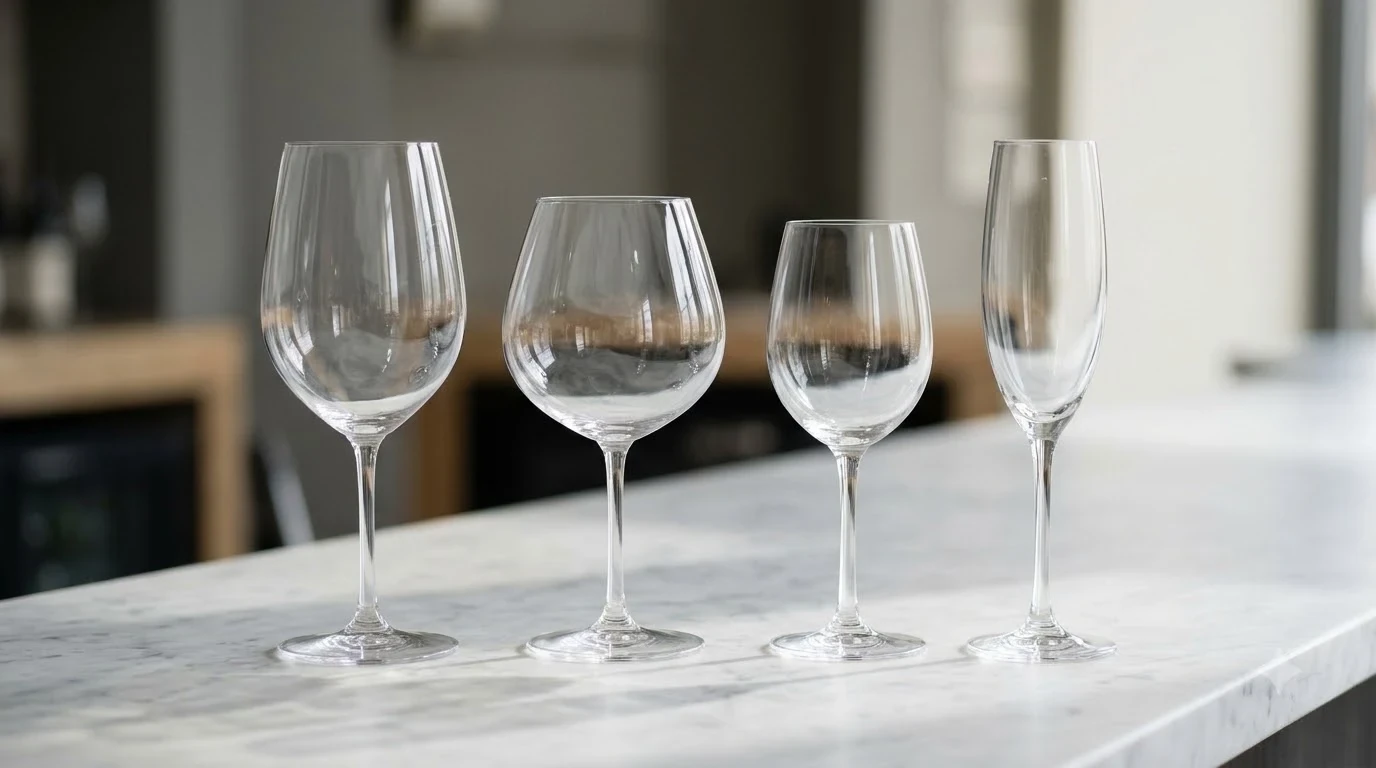
Baccarat’s strongest selling points are its distinctive silhouettes, detailed finishing, and selection of glass shapes designed for different drinking occasions. The Château Baccarat white wine glass provides a useful example of the brand’s approach, combining a substantial bowl with a carefully shaped rim and a recognizable contemporary profile.
The Château Baccarat white wine glass, reference 2611150, has a capacity of 39 cl, measures 20.40 cm in height, and weighs 630 g according to Baccarat’s official product specifications. Its 9.80 cm diameter gives the bowl a relatively generous footprint. Baccarat identifies the material as crystal and the country of manufacture as France. The collection’s white wine glass was created in 2012, making it an established design rather than a recently introduced seasonal piece.
The Harcourt Eve Red Wine Glass takes a different approach. Bloomingdale’s lists its height at 7.5 inches and capacity at 9.875 ounces. Its defining feature is the hexagonal foot, which carries the visual language of Baccarat’s recognizable Harcourt collection into a taller, slimmer stemware silhouette. These differences matter because buyers are not choosing one standardized Baccarat wine glass; they are choosing among designs with distinct proportions and purposes.
| Specification | Château Baccarat White Wine | Harcourt Eve Red Wine |
|---|---|---|
| Manufacturer reference | 2611150 | Not stated on the retailer page |
| Height | 20.40 cm | 7.5 inches |
| Diameter | 9.80 cm | Not specified |
| Capacity | 39 cl / 390 ml | 9.875 oz / approximately 292 ml |
| Weight | 630 g | Not specified |
| Material listing | Crystal | Crystal |
| Manufacturing origin | France | France |
| Care guidance | Follow Baccarat’s hand-washing recommendation | Hand wash |
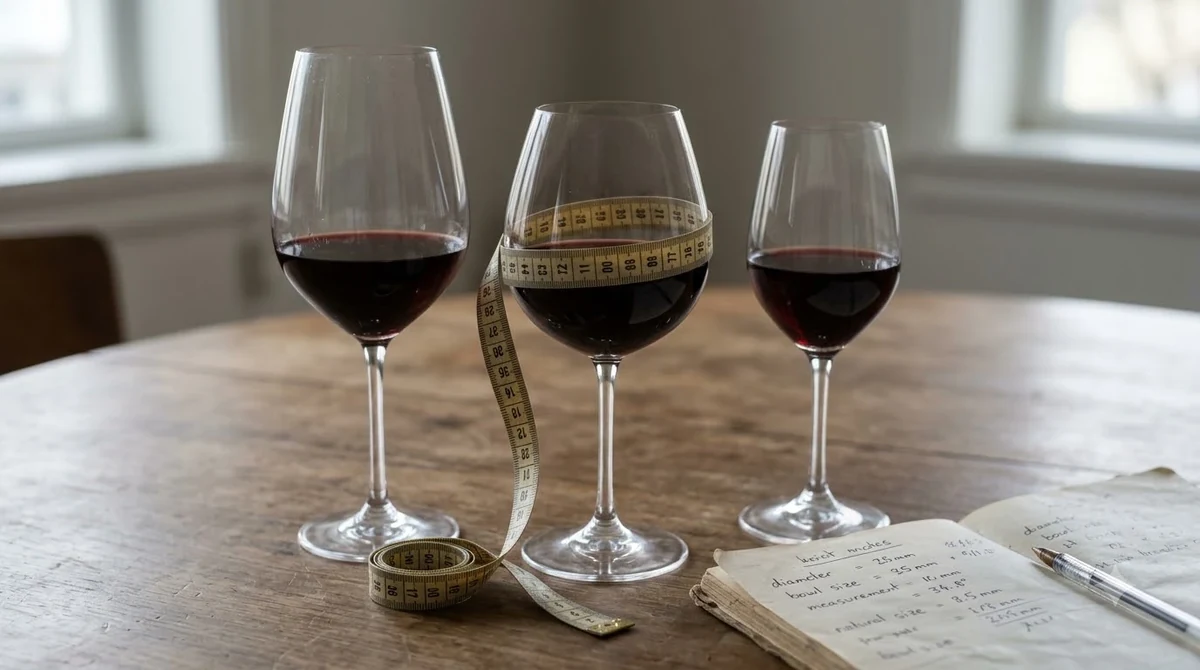
These measurements illustrate why checking the individual model matters. A 390 ml bowl offers a different proportion and serving experience from a glass with approximately 292 ml capacity. Neither measurement establishes the ideal pour size: a conventional 5-ounce wine serving leaves room for swirling and aroma development in both designs. The larger bowl is particularly useful for drinkers who prefer additional space around the wine rather than filling the glass close to its rim.
There is also an important distinction between a manufacturer’s general material description and a retailer’s more specific material classification. Some Baccarat products are explicitly described by retailers as full lead crystal, while other listings simply say crystal. Buyers interested in composition should examine the exact model rather than assuming every glass in the collection has identical specifications.
The overall construction is oriented toward presentation as much as functionality. Baccarat gives considerable attention to the foot, stem, bowl, and rim as individual design elements. That makes the glasses attractive as part of a coordinated table setting, although decorative features and delicate proportions can require more careful handling than ordinary household stemware.
What Owners Like About Baccarat Crystal Wine Glasses
The clearest attraction is visual quality. Baccarat designs have a recognizable identity, with carefully proportioned bowls, elegant stems, and decorative details that make the glasses stand out without requiring elaborate table decorations. Owner feedback on retail listings also highlights the sense of occasion associated with drinking from these pieces.
The Château Baccarat collection is particularly interesting for buyers who prefer contemporary design. Baccarat describes its wide, rounded bowl as a way to aerate wine and reveal complex aromatic characteristics. Its tapered lip is intended to direct aromas and limit how high the wine travels along the glass during swirling. These are functional design intentions, not a guarantee that the glass will make every wine taste dramatically different, but they show that the collection is designed around more than appearance. Buyers can explore the official Château Baccarat glass collection for its individual designs and specifications.
The broad bowl also gives the drinker room to observe the wine’s color and move it gently around the glass. This can be useful with aromatic white wines, richer Chardonnay, and selected reds that benefit from some air exposure. A well-proportioned bowl makes it easier to assess appearance and aroma without needing to fill the glass excessively.
Harcourt Eve appeals to a different type of buyer. Its hexagonal foot creates a distinctive architectural appearance, making it especially suitable for formal dining rooms, celebratory dinners, and coordinated luxury table settings. The design has a stronger decorative personality than the more restrained Château silhouette. For someone collecting recognizable Baccarat pieces, this visual distinction can be more important than having the largest possible bowl.
Another advantage is the availability of multiple designs within the brand’s wider glassware offering. Buyers can select a dedicated white wine glass, a red wine design, or more versatile shapes. The Château collection, for example, is described by Baccarat as a range of universal glasses intended for wine, Champagne, and spirits. That approach can appeal to households that prefer a coordinated collection instead of unrelated glassware from several manufacturers.
Gift presentation is another consideration. Baccarat has a recognizable luxury identity, and its crystal pieces are often selected for weddings, anniversaries, housewarmings, and milestone celebrations. The visual character of the glass itself contributes to the gift, particularly when the recipient appreciates French design or already owns other Baccarat tableware.
However, positive owner impressions should be interpreted in context. Retail reviews represent individual experiences rather than a controlled assessment of durability or wine performance. A customer’s appreciation of the appearance is useful evidence of the product’s presentation, but it does not establish that every model is equally comfortable to hold or equally suited to every wine style.
Common Complaints and Practical Drawbacks
The principal disadvantage of Baccarat wine glasses is their demanding ownership experience. Delicate crystal needs careful washing, storage, and handling, and a damaged glass can be particularly disappointing when it belongs to a coordinated collection or was purchased as a special gift.
Bloomingdale’s customer feedback on the Harcourt Eve Red Wine Glass includes a warning about chipping when the glass comes into contact with nearby dishes. This is a useful practical observation. Crystal stemware should not be treated like thick everyday tumblers, particularly when several glasses are being loaded into a sink or moved around a crowded dining table.
The same retailer listing includes a complaint concerning protective packaging. One purchaser described receiving a Baccarat glass wrapped in bubble wrap rather than the expected presentation box and expressed dissatisfaction with the experience. This is an individual report, not proof that all orders have packaging problems. Nevertheless, it highlights an important consideration for gift buyers: the condition of the packaging can matter almost as much as the glass itself.
Maintenance is another drawback. Baccarat’s United States customer-service guidance recommends washing its crystal glasses by hand using warm water or mild soap. That instruction is more conservative than assuming a premium glass can safely go through an ordinary dishwasher cycle. Buyers who routinely wash all their kitchenware together may find the additional care inconvenient. Baccarat explains its position in its crystal dishwasher-care guidance.
There is also a composition question. Baccarat products should not automatically be described as lead-free or full lead crystal without checking the individual product information. For example, Bloomingdale’s identifies the Château White Wine Glass as full lead crystal, while its Harcourt Eve listing identifies the material simply as crystal. These descriptions demonstrate why buyers concerned about material composition should investigate the exact model rather than relying on the brand name alone.
A California legal document also records allegations concerning intentionally added lead in certain Baccarat crystal drinking vessels, including wine glasses and tumblers. Importantly, the same document records Baccarat’s denial of the material factual and legal allegations and its position that its products complied with applicable laws. This distinction should not be lost when evaluating the document. It is not accurate to use the existence of the proceedings as proof that every Baccarat glass has the same composition or presents the same exposure characteristics.
Buyers who specifically want lead free crystal wine glasses should compare product-level composition statements and manufacturer documentation before choosing. A general crystal designation does not answer every question about the ingredients used in a particular glass.
Finally, Baccarat is not necessarily the best choice for buyers who prioritize low-maintenance utility. A household that frequently entertains large groups, washes glassware in bulk, or prefers sturdy everyday pieces may find a simpler design more convenient. Baccarat makes the most sense when its appearance and craftsmanship justify the additional attention it requires.
Who Should Buy Baccarat Crystal Wine Glasses and Who Should Skip Them
Baccarat is best suited to buyers who appreciate distinctive French crystal design and are prepared to care for delicate stemware. Its glasses are particularly attractive for special occasions, carefully arranged dining tables, and collections built around recognizable luxury pieces.
Wine enthusiasts who enjoy examining the appearance and aromas of their wines may appreciate the Château collection. Its 390 ml white wine glass offers a relatively spacious bowl, while the tapered lip and rounded profile reflect Baccarat’s attention to tasting-oriented proportions. Someone who regularly serves Chardonnay, aromatic Sauvignon Blanc, or elegant white Burgundy may find this format appealing.
Collectors are another natural audience. Harcourt Eve offers a visually distinctive interpretation of an established design language, while Château Baccarat is more contemporary. Having these different approaches within one collection gives buyers options for matching stemware to personal taste and dining-room style. Someone who already owns Baccarat decorative pieces may also appreciate the consistency of the brand’s visual identity.
Gift buyers should consider Baccarat when the recipient values formal tableware or enjoys collecting luxury glassware. A pair of matching glasses can be a thoughtful wedding or anniversary gift, particularly when the recipient has a suitable cabinet and is comfortable with careful hand washing. Before ordering, it is sensible to confirm the precise model, quantity, protective packaging, and delivery condition with the seller.
On the other hand, Baccarat is not the obvious purchase for someone building a large set of everyday glasses. If six or eight glasses will be used frequently for casual meals, family gatherings, and outdoor entertaining, practicality may outweigh decorative appeal. A more straightforward glass with a less delicate design can be easier to replace and maintain.
Budget-conscious buyers should also distinguish between wanting beautiful glassware and wanting the Baccarat name. There are many excellent crystal wine glasses that prioritize thin rims, comfortable stems, and attractive bowl proportions without focusing as heavily on luxury design. Those alternatives can make more sense for people whose main objective is an enjoyable wine-drinking experience.
There is no need to purchase an entire coordinated collection immediately. Starting with two matching glasses allows a buyer to assess their weight, balance, appearance, and maintenance requirements before committing to additional pieces. This is particularly sensible when the glassware is intended for frequent use rather than occasional entertaining.
Ultimately, the strongest reason to buy Baccarat is the combination of its visual identity and carefully developed designs. The weakest reason is expecting the brand name alone to guarantee better wine enjoyment. A well-chosen, comfortable glass from another manufacturer can serve a wine just as effectively if its proportions suit the grape and the occasion.
How Baccarat Compares to Other Crystal Wine Glasses
Baccarat competes in a category where appearance, craftsmanship, proportions, and everyday practicality all matter. Its identity leans strongly toward luxury design, while other glassware makers may prioritize lightweight construction, functional tasting shapes, or affordability. The best comparison depends on whether the buyer values collectible presentation or regular wine service.
Against more conventional crystal stemware, Baccarat stands out through its decorative detailing and recognizable collections. The Harcourt Eve foot, for example, is not simply a functional base. It is a deliberate design feature that gives the glass a distinctive presence. Château Baccarat takes a less ornamental approach but still retains the proportions and finishing associated with the brand.
For wine-focused drinkers, the bowl is an important comparison point. A 39 cl Château white wine glass offers more room than many compact white wine glasses, which can be useful for swirling and aromatic development. However, a larger capacity is not automatically better. Delicate sparkling wines, lighter whites, and wines served in smaller portions can work perfectly well in more restrained glass shapes.
Another consideration is the relationship between the rim and the bowl. A carefully tapered opening can influence how aromas reach the nose and how wine is directed toward the mouth. Baccarat’s Château description specifically emphasizes this feature. Buyers comparing other crystal manufacturers should look at the entire profile rather than focusing only on whether a glass is described as thin or brilliant.
Weight and balance also deserve attention. The Château white wine glass is listed at 630 g, a substantial figure for a single stemmed glass. This makes it particularly important to consider the actual product in person if handling comfort is a priority. Buyers who prefer lighter stemware may be happier with another design even if they appreciate Baccarat’s craftsmanship.
Care requirements can separate luxury crystal from more practical alternatives. Baccarat recommends hand washing on its United States customer-service page. Some competing glassware collections may offer different care instructions, including dishwasher-compatible designs. The relevant comparison is not simply which glass is more expensive or prestigious, but which maintenance routine fits the household.
For a broader selection of shapes and uses, compare the options in our wine glasses roundup. It helps put premium crystal into context alongside everyday stemware and other designs intended for different grape varieties. Buyers interested in additional manufacturers can also explore our Glassware Brands coverage.
Baccarat’s advantage is strongest when design and presentation are important parts of the purchase. Its advantage is less decisive when the buyer wants lightweight, inexpensive, easily replaceable glasses for routine use. A good alternative is not necessarily a downgrade; it may simply be a better match for the way a household actually drinks wine.
Care, Cleaning, and Long-Term Storage
Proper care is essential to keeping Baccarat crystal attractive over time. The manufacturer recommends hand washing with warm water or mild soap in its United States customer-service guidance, making gentle cleaning the most straightforward approach for owners.
Start by washing one glass at a time rather than placing several pieces together in a crowded sink. Use a clean basin, comfortably warm water, and a mild dish soap. Avoid sudden changes between very hot and very cold water, as thermal shock can place unnecessary stress on delicate crystal. Hold the bowl and stem carefully rather than applying excessive pressure to the rim.
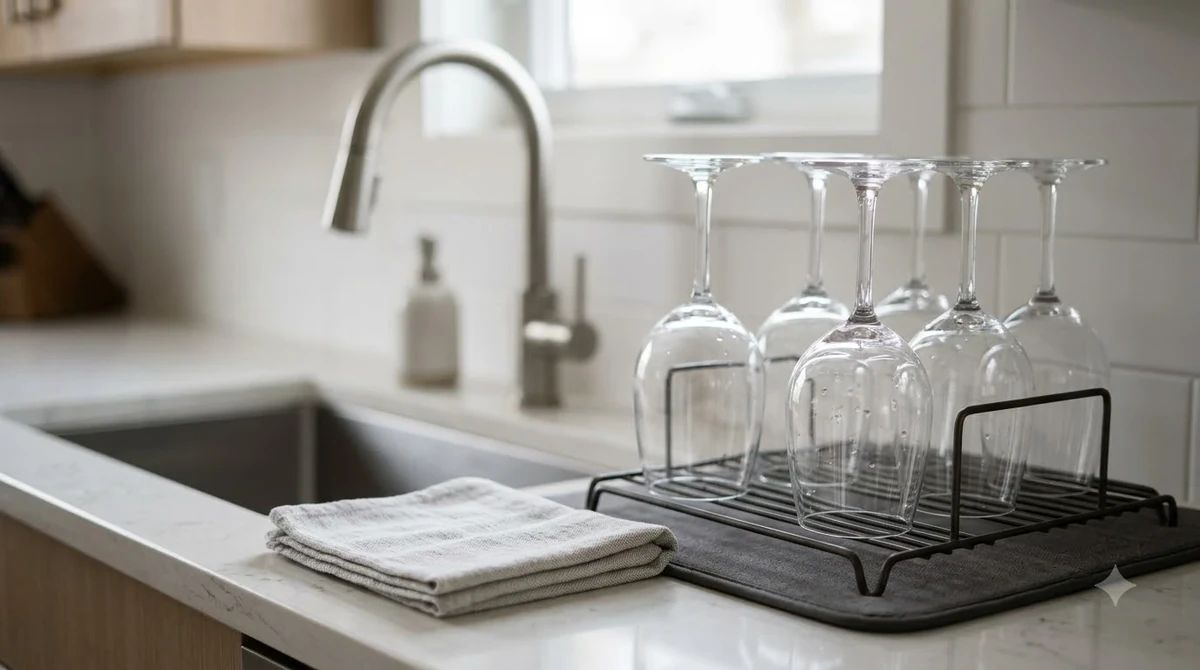
Rinse away soap thoroughly and allow the glass to drain on a clean, soft towel. If polishing is necessary, use a lint-free cotton or linen cloth. Support the bowl with one hand and dry the stem and foot gently. Twisting the bowl and stem in opposite directions creates unnecessary strain, particularly on delicate stemware.
Dishwasher guidance deserves special attention because information can differ between product listings and regional manufacturer pages. Bloomingdale’s describes certain Château white wine glasses as dishwasher safe on a gentle cycle, while Baccarat’s United States customer-service page recommends hand washing. For a valuable glass, the manufacturer’s specific instructions for the exact model are the more conservative starting point.
Tip: Wash Baccarat crystal separately from heavy cookware and other dishes. Dry each glass individually with a soft, lint-free cloth, and never twist the bowl and stem in opposite directions while polishing.
Storage should prevent pieces from knocking against one another. A dedicated glass cabinet with adequate spacing is preferable to tightly packed shelves. If the glasses came with protective individual packaging, retain it for occasional storage or transportation. Keep the stemware away from frequently used kitchen areas where objects might fall or strike the glass.
Before putting a glass away, make sure it is completely dry. Residual moisture can leave visible marks, particularly when water contains minerals. Avoid abrasive pads, rough towels, and harsh cleaning chemicals. These products can compromise the finish or cause scratches that are difficult to correct.
For glasses used only during holidays or formal dinners, inspect them before each occasion. Check the rim, stem, and foot for chips or damage, and make sure the bowl is clean and free from dust. A few minutes of preparation can prevent an unpleasant surprise when serving guests.
Presentation also benefits from appropriate serving temperatures. Baccarat’s bowl shapes can support swirling and aroma evaluation, but the wine itself still needs suitable temperature control. As general guidelines, serve sparkling wines at 40–50 F, light whites and rosé at 45–50 F, full-bodied whites at 50–55 F, light reds at 55–60 F, and full-bodied reds at 60–65 F. The glass cannot compensate for wine served too warm or too cold.
For a standard tasting or dinner pour, approximately 5 ounces is a useful reference. This leaves room for aromas to collect in the bowl and allows the wine to move without approaching the rim. The 390 ml Château glass has enough capacity for this style of serving without needing to be filled close to the top.
Good care is part of owning premium crystal. Baccarat’s appeal lies partly in its appearance, so keeping the glasses clean, undamaged, and properly stored is central to getting long-term enjoyment from the purchase.
Frequently Asked Questions
Where is Baccarat crystal manufactured?
Baccarat’s historic crystal-making operation is associated with the town of Baccarat in northeastern France. The Château Baccarat white wine glass product listing specifically identifies France as its manufacturing origin. Individual product listings are the best source for confirming the stated origin of a particular piece.
Can Baccarat wine glasses be engraved?
Personalization availability depends on the collection and the service offered by the seller. Baccarat provides customer-service and gifting assistance, so buyers interested in engraving should ask whether their selected stemware model supports personalization. Confirm the placement and design before ordering because decorative details can limit suitable engraving areas.
What is the difference between the Château and Harcourt designs?
Château Baccarat emphasizes contemporary tasting-oriented proportions, including a rounded bowl and tapered lip. Harcourt Eve uses a more architectural appearance, with a distinctive hexagonal foot inherited from the Harcourt design language. The two collections therefore suit different decorative preferences even though both are intended for wine service.
Does Baccarat offer matching Champagne glasses?
Yes. Baccarat’s wider glassware collections include Champagne-specific pieces alongside wine glasses and other barware. The Wine Therapy collection, for example, contains six different Baccarat glass designs, including the Château Baccarat and several other recognizable collections. Buyers can use these selections as a starting point for assembling coordinated glassware.
How can buyers identify an authentic Baccarat wine glass?
Start with the original packaging, retailer documentation, and any manufacturer reference number associated with the design. Baccarat’s official product listings provide reference numbers for individual pieces, such as 2611150 for the Château white wine glass. For vintage or secondhand purchases, compare the shape and identifying details with official collection information and request provenance documentation where available.
Baccarat crystal wine glasses are compelling choices for buyers who appreciate French craftsmanship, recognizable design, and carefully considered bowl shapes. Their delicate nature and hand-washing requirements make them less practical for households seeking inexpensive everyday stemware, but their appearance and presentation can make them memorable additions to a special collection. Choose the specific collection according to your preferred wine style, material requirements, and willingness to maintain fine crystal.
More in Wine Glasses
 Zwiesel Glas Champagne Flutes for Durable Everyday Sparkling WineUpdated Nov 20, 2026
 Vera Wang Crystal Wine Glasses: Design, Quality and Buying AdviceUpdated Nov 20, 2026
 West Elm White Wine Glasses: Compare Designs for Better Everyday Wine ServiceUpdated Nov 20, 2026
 Zalto Stemless Wine Glasses: Discover Their Distinctive DesignsUpdated Nov 20, 2026
 Viski Champagne Glasses That Match Your Style and Sparkling WineUpdated Nov 20, 2026
 Vista Alegre Decanter Review: Crystal Style and Wine ServiceUpdated Nov 20, 2026