
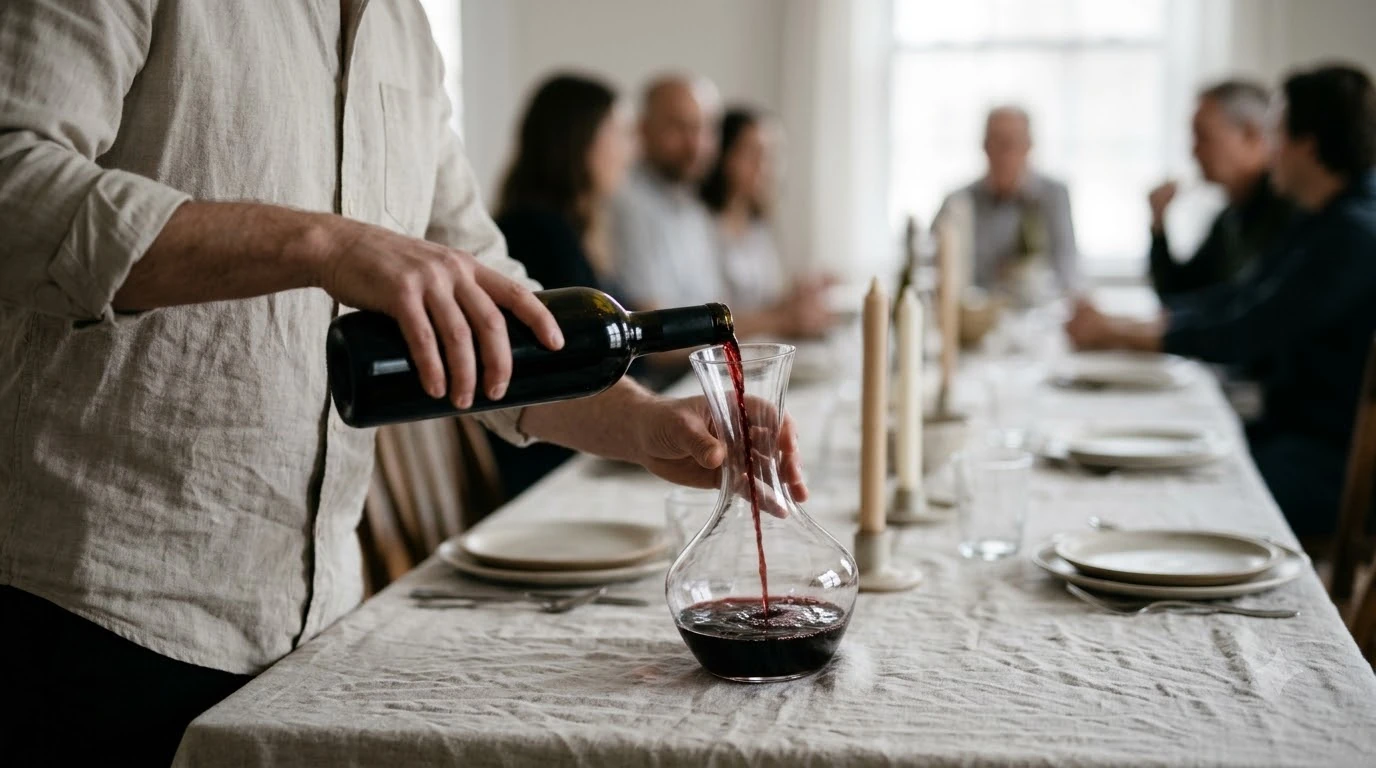

We may earn a commission when you buy through links on this page, at no extra cost to you. Learn more.
A standard 750ml bottle sits firmly in the everyday budget tier, making red diamond price points some of the most accessible among major Pacific Northwest wine labels. Across national wine retailers and grocery aisles, these bottles generally fall into the single-digit to low-double-digit range, well below reserve tiers from sister estates. Because the brand relies on large-scale production in Paterson, Washington, and multi-vineyard sourcing across Washington State and California, shoppers get consistent, oak-influenced varietals without paying luxury markups.
Understanding what drives bottle costs helps everyday wine buyers spot genuine supermarket bargains versus over-marked shelf stock. Looking closely at blend percentages, barrel aging regimens, regional appellations, and retail case discounts reveals how each bottle in the lineup earns its keep at the dinner table.
Who This Guide Is For
This buying guide is built for budget-conscious wine drinkers who want reliable, fruit-forward bottles for weeknight dinners, backyard barbecues, and casual gatherings without overspending. It also helps shoppers comparing familiar grocery store wine brands understand why certain labels deliver noticeably better structure and oak integration than standard entry-level table wines.
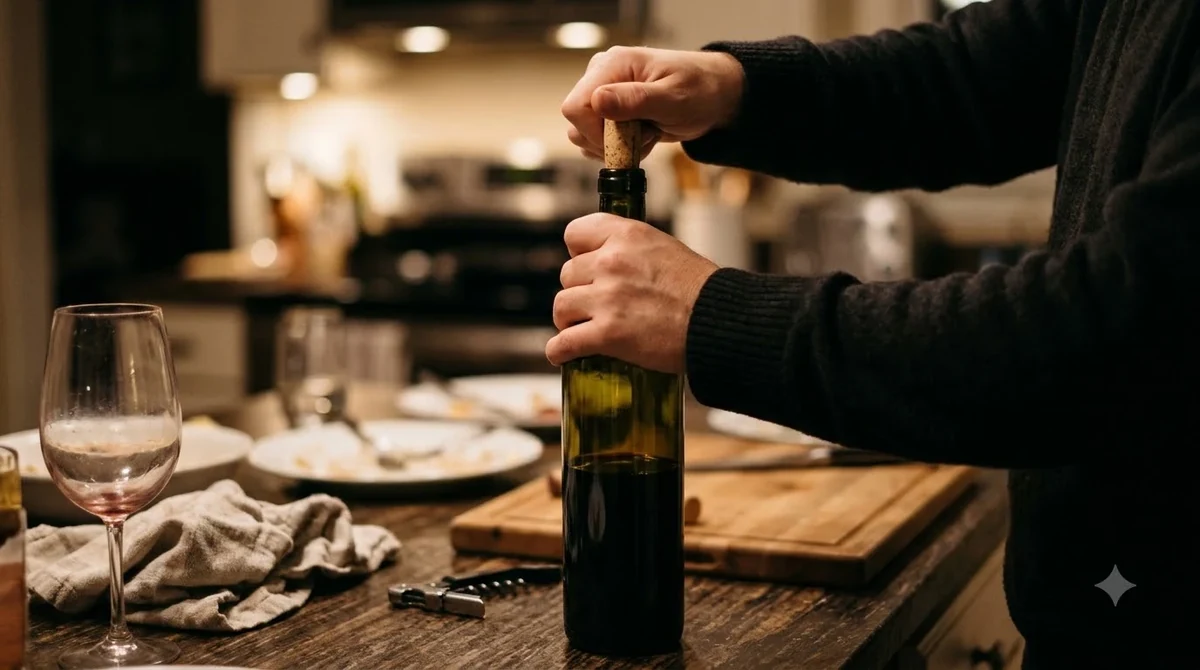
Casual hosts stocking a home bar for a crowd often face a tough choice between inexpensive jug wines that taste overly sweet and boutique bottles that strain a party budget. Red Diamond bridges that middle ground by offering single-varietal-labeled wines—such as Cabernet Sauvignon, Merlot, and Chardonnay—crafted by Ste. Michelle Wine Estates, one of the largest wine producers in the Pacific Northwest. Buyers who appreciate dry, approachable red and white wines with soft tannins and gentle vanilla oak notes will find the lineup tailored to everyday pouring.
Conversely, collectors looking for age-worthy cellar bottles with decades of aging potential should look elsewhere. These wines are vinified for immediate enjoyment upon release, offering smooth textures and vibrant fruit character right out of the bottle rather than tight, structured tannins that require ten years in a temperature-controlled cellar.
Key Factors to Compare Across the Lineup
Comparing bottles within the portfolio comes down to five measurable attributes: alcohol by volume, primary grape composition, oak aging treatment, regional fruit sourcing, and ideal serving temperature. While shelf tags across the core varietals usually sit within a narrow, budget-friendly range, the winemaking behind each bottle differs substantially.
| Varietal | Primary Origin | Typical ABV | Key Blend & Oak Details | Serving Temp |
|---|---|---|---|---|
| Cabernet Sauvignon | Washington / California | 13.5% | 77% Cabernet Sauvignon, 8% Petit Verdot, 4% Petite Sirah, 3% Merlot, 8% other reds | 60–65°F |
| Merlot | Washington State | 13.7%–14.5% | 79% Merlot, 18% Cabernet Sauvignon, 2% Cabernet Franc, 1% Syrah; 12+ months in oak and steel | 60–65°F |
| Chardonnay | Washington State | 13.5% | Fermented primarily in stainless steel; portion aged in French and American oak barrels | 50–55°F |
| Pinot Noir | California | 13.5% | Light-to-medium body with red berry, cranberry, and subtle earthy spice notes | 55–60°F |
| Malbec & Syrah | Washington / Mendoza | 13.5%–14.0% | Dark berry fruit profile with medium-plus structure and toasted oak finish | 60–65°F |
According to retail technical data from The Liquor Barn, the Cabernet Sauvignon is far from a simple single-grape wine; winemaker Juan Munoz Oca incorporates 8% Petit Verdot and 4% Petite Sirah to deepen color and add dark fruit concentration. Similarly, the Merlot includes 18% Cabernet Sauvignon and spends more than 12 months maturing in a combination of stainless steel tanks and French and American oak barrels, giving it structural grip rarely seen in entry-level bottles.
Regional sourcing also plays a major role in value. Fruit grown in eastern Washington’s warm, arid Columbia Valley benefits from long sunny days and cool desert nights, which preserve natural acidity alongside ripe blackberry and plum flavors. Meanwhile, the Pinot Noir draws from California vineyards to capture brighter red cherry and cranberry notes that thrive in coastal-influenced climates.
Step-by-Step: How to Get the Best Red Diamond Price
Securing the lowest shelf tag requires timing your purchase around retail promotions and knowing how grocery and liquor store pricing tiers work. Follow these five steps before checking out to maximize value on every bottle.
- Compare grocery mix-and-match case discounts: Many national supermarket chains apply an automatic 10% to 20% discount when you buy six or twelve 750ml bottles together. Mixing Red Diamond Merlot, Cabernet Sauvignon, and Chardonnay in a single tote lets you hit the threshold while keeping variety on your rack.
- Check end-cap displays and seasonal clearances: Distributors frequently run spring and autumn promotional allowances on high-volume Washington wines. Look at aisle end-caps rather than standard eye-level shelving, where temporary markdowns and digital coupon tags are most often placed.
- Inspect the back label for appellation and vintage: Depending on harvest yields, certain bottlings carry a Washington State designation while others carry a California appellation. Checking the vintage year ensures you are picking up a fresh release rather than a bottle that has sat under bright store lights for several years.
- Compare independent wine shops against big-box stores: Warehouse clubs and large regional liquor chains often operate on slimmer margins than neighborhood convenience shops. Checking local inventory online before driving out helps avoid paying a convenience markup on a standard 750ml bottle.
- Factor in shipping thresholds for online orders: If ordering online for home delivery, shipping fees on one or two bottles can easily add a substantial percentage to your total. Bundle six or twelve bottles into a single shipment to spread flat-rate carrier fees across the entire case.
Tip: When buying for a dinner party, calculate one 750ml bottle for every two to three guests, as a standard bottle yields about five 5-ounce pours. Purchasing a full 12-bottle case through a retailer’s mix-and-match program almost always beats buying single bottles across multiple trips.
Red Diamond Varietals and Styles Explained
Although the brand built its reputation on approachable Washington reds, the full lineup covers distinct flavor profiles designed for different menus and palates. Understanding the stylistic differences between the core bottlings prevents mismatches at the table.
Cabernet Sauvignon and Merlot
The flagship Cabernet Sauvignon delivers high-impact blackberry, dark cherry, and mocha aromas backed by velvety, medium-plus tannins. Because it blends in Petit Verdot and Petite Sirah, it feels rounder and less astringent than austere, 100% varietal Cabernets, pairing easily with grilled burgers, braised short ribs, and aged cheddar. By contrast, the Merlot undergoes a six-to-ten-day skin fermentation with twice-daily pump-overs, yielding a plush, medium-bodied red filled with ripe plum, black cherry, and baking spice that complements mushroom risotto and roast pork.
Chardonnay and Light-Bodied Reds
For white wine drinkers, the Washington State Chardonnay balances bright orchard fruit—ripe pineapple, pear, and crisp apple—with a creamy, subtle oak finish. Fermenting the majority of the juice in stainless steel preserves refreshing medium acidity, making it a strong partner for crab cakes, roasted chicken, and creamy pasta sauces. Shoppers who prefer lighter reds can turn to the California Pinot Noir, which trades heavy oak for vibrant cranberry, strawberry, and earthy mushroom tones that shine alongside salmon or roast turkey.
Red Blends and Specialty Releases
Beyond single-varietal labels, the portfolio features proprietary red blends such as the Mysterious Red Blend Limited Release alongside Syrah and Malbec bottlings. These releases lean into ripe dark fruit, sweet spice, and smooth, low-astringency finishes geared toward casual sipping. For shoppers exploring the broader Red Diamond catalog, these blends offer a richer, slightly plusher mouthfeel than the standard Cabernet Sauvignon while maintaining a dry finish.
How Red Diamond Compares to Similar Value Wines
Shoppers browsing the value aisle frequently weigh Red Diamond against sweet-leaning commercial favorites and sister labels from the same parent company. While shelf tags sit close together, sugar levels, oak aging, and grape structure separate these everyday options dramatically.
Many grocery buyers compare Red Diamond directly against Apothic Red Wine, another widely distributed California red blend sitting in a similar budget tier. However, Apothic Red finishes with noticeable residual sugar and heavy vanilla-mocha sweetness, whereas Red Diamond Cabernet Sauvignon and Merlot are fermented dry with firmer structural tannins from Petite Sirah and Cabernet Franc additions. For drinkers who find sweet red blends cloying alongside savory steak or roasted vegetables, Red Diamond delivers a much cleaner, food-friendly finish.
On the opposite end of the sweetness spectrum, shoppers considering Stella Rosa Red Wine are looking at a semi-sweet, low-alcohol Italian frizzante style rather than a full-strength table wine. According to producer nutrition and technical specifications, Stella Rosa Rosso sits at 5% ABV with gentle carbonation and pronounced berry sweetness, while Red Diamond reds typically range between 13.5% and 14.5% ABV per producer labels with zero fizz and traditional oak maturation. Within Ste. Michelle Wine Estates’ own portfolio, Red Diamond serves as the streamlined, single-digit value alternative to Columbia Crest Grand Estates and Chateau Ste. Michelle Columbia Valley bottlings, sharing access to eastern Washington fruit while using larger-volume blending to keep shelf costs low.
Common Mistakes When Buying and Serving Red Diamond
Even a well-made budget bottle can underperform if it is purchased without checking bottle age or served at the wrong temperature. Avoiding four frequent errors ensures every glass tastes balanced from the first pour to the last.
- Serving red varietals too warm: Keeping Cabernet Sauvignon or Merlot on a sunny kitchen counter pushes the liquid above 70°F, which makes the alcohol (listed at 13.5% to 14.5% ABV on Red Diamond bottle labels) taste sharp and muddies the dark cherry fruit. Chilling red bottles in the refrigerator for 15 to 20 minutes before opening brings them down to the ideal 60°F to 65°F serving window.
- Over-chilling the Chardonnay: Leaving a bottle of Red Diamond Chardonnay in an ice bucket or standard kitchen refrigerator overnight drops it below 40°F, muting its pineapple, pear, and toasted oak aromas. Letting the bottle rest on the counter for 15 minutes before pouring allows it to warm into the 50°F to 55°F range where orchard fruit and barrel spice open up.
- Skipping aeration on young Cabernet Sauvignon: Because Red Diamond Cabernet Sauvignon blends complementary red varieties alongside Cabernet Sauvignon (such as Petit Verdot and Petite Sirah in select releases per retailer tasting notes), pouring straight from a freshly uncorked bottle can highlight tight young tannins. Decanting the wine or letting it breathe in wide-bowled glasses for 30 to 45 minutes softens the grip and releases blackberry and cocoa notes.
- Buying dusty white bottles from top shelves: Red Diamond Chardonnay and Pinot Noir are crafted for vibrant freshness rather than extended cellar aging. Picking up a bottle of white wine that has sat upright under warm fluorescent store lighting for three or four years increases the risk of dull, oxidized fruit flavors.
Care and Storage Tips for Everyday Value Bottles
Proper home storage protects the fresh fruit and subtle oak character of Red Diamond wines both before and after you pull the cork. Because these bottles are meant for near-term enjoyment, simple pantry habits make a noticeable difference.
Store unopened cork-finished bottles—including the Washington State Chardonnay and Merlot—on their sides in a dark closet, basement, or wine rack that stays near 55°F. Keeping bottles horizontal keeps the natural or technical cork moist so outside air cannot seep past the seal, while avoiding kitchen cabinets above a stove or refrigerator prevents heat swings from prematurely aging the wine.
Once opened, recork the bottle tightly and place it upright in a standard kitchen refrigerator, even for full-bodied reds like Cabernet Sauvignon and Syrah. Cold refrigerator temperatures slow down oxidation dramatically, keeping still red and white wines fresh for three to five days after opening. Simply pull red bottles out 30 minutes before your next meal so they return to cellar temperature before pouring.
Frequently Asked Questions
Where are Red Diamond wines actually made and bottled?
According to technical product records from The Liquor Barn, Red Diamond wines are produced at Ste. Michelle Wine Estates’ winemaking facility in Paterson, Washington. Situated along the Columbia River in eastern Washington, this facility handles fermentation, oak aging, and bottling for the brand’s core portfolio.
Have Red Diamond wines ever won international wine competition medals?
Yes, several vintages have earned recognition in blind international tastings despite their budget-friendly positioning. Retailer archival records note that the 2008 Red Diamond Cabernet Sauvignon won a Gold Medal at the 2010 MUNDUS VINI competition, while the 2007 Merlot captured a Silver Medal at the 2009 MUNDUS VINI awards.
How long does Red Diamond Merlot age in barrels before release?
According to winemaking notes published by The Liquor Barn, Red Diamond Merlot matures for more than 12 months following fermentation. Winemakers split the aging process between stainless steel tanks and a combination of French and American oak barrels to balance juicy plum fruit with soft vanilla spice.
What kind of closure does Red Diamond use on its 750ml bottles?
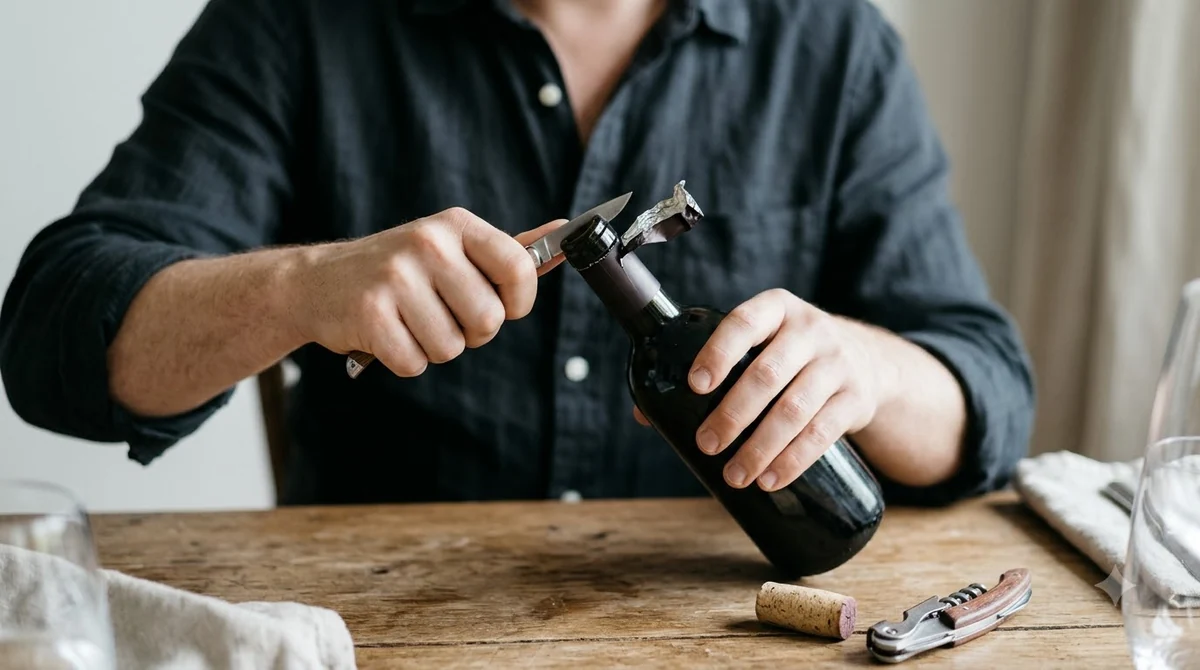
Retail product listings from Empire Wine indicate that Red Diamond uses cork closures on its standard 750ml bottles rather than twist-off screw caps, though closure types can vary by vintage and market. You will need a standard waiter’s corkscrew or electric wine opener to open bottles of the Chardonnay, Merlot, and Cabernet Sauvignon.
What critic scores do Red Diamond wines typically receive?
Aggregated critic scores listed on Wine-Searcher show Red Diamond bottlings generally fall in the 82 to 87 point range on a 100-point scale. Those scores place the label squarely in the reliable, crowd-pleasing daily drinker category rather than fine collectible territory.
Keeping an eye on supermarket mix-and-match case sales and seasonal end-cap promotions makes it easy to stock up on Red Diamond at the lowest possible shelf tier. With dry, oak-kissed reds and crisp Washington Chardonnay available across most major grocery aisles, the lineup delivers dependable everyday value whenever you need a versatile bottle for dinner.
More in Wine Brands
 Underwood Wine Price: Compare Bottles, Cans, and Pack SizesUpdated Nov 21, 2026
 Zenato Wine Price: Compare Styles and Choose the Right BottleUpdated Nov 21, 2026
 Zuccardi Wine Price: Compare Bottles and Find the Right RangeUpdated Nov 21, 2026
 Yellow Tail Moscato Review: Taste, Sweetness and Serving TipsUpdated Nov 21, 2026
 Wolf Blass Yellow Label Review: Choose Your Best StyleUpdated Nov 21, 2026
 Wolffer Estate Rose Review: Choose the Right Bottle for Your TableUpdated Nov 21, 2026