

We may earn a commission when you buy through links on this page, at no extra cost to you. Learn more.
The best wine subscription depends on whether you want sommelier-led discovery, self-selected bottle discounts, or small-format pours that prevent waste. Services led by certified sommeliers such as SommSelect, Wine Access, and Parcelle deliver vetted bottles with detailed tasting notes, while credit-based clubs like Naked Wines let members pick individual bottles at steep markdowns. Matching shipment size, delivery cadence, and weather-safe shipping policies to your drinking habits ensures every box arrives ready to enjoy.
Choosing among dozens of recurring wine memberships gets much simpler once you separate the underlying subscription models from the marketing labels. Some programs operate like boutique wine shops that mail curated six-packs every quarter, while others ship single-glass vials or eco-friendly 1.5-liter boxes on a monthly calendar. Comparing how each format handles curation, customization, and temperature protection makes it easy to pick a membership that fits both your palate and your home storage space.
Quick Comparison of Wine Subscription Formats
Wine subscription models fall into five main formats that differ sharply in bottle count, curation method, and delivery frequency. Reviewing these core categories side by side clarifies how each membership behaves once recurring shipments begin.
| Subscription Format | Typical Shipment Size | Delivery Cadence | Curation Method | Best For |
|---|---|---|---|---|
| Sommelier-Curated Discovery Box | 3 to 6 bottles (750 ml) | Monthly or quarterly | Certified sommeliers or wine buyers | Learning regions, grapes, and producer stories |
| Flexible Member-Credit Club | 6 to 12 bottles (750 ml) | On demand or quarterly | Self-selected from member catalog | Choosing specific styles and locking in bottle discounts |
| Natural and Low-Intervention Club | 2 to 12 bottles (750 ml) | Monthly, bimonthly, or quarterly | Specialist natural wine buyers | Organic, biodynamic, and native-yeast bottlings |
| Single-Serve Tasting Vial Box | 6 vials (3.3 oz each) | Monthly | Sommelier-curated tasting themes | Solo drinkers sampling multiple wines without waste |
| Multi-Bottle Paperboard Box Club | 2 boxes (1.5 L each, equal to 4 bottles) | Monthly or quarterly | Member choice from core varietals | Low-waste everyday pouring over several weeks |
According to reviews by Wirecutter, the most reliable clubs rely on human sommeliers who taste across producers rather than automated quizzes that push private-label bottles. A standard 750-milliliter bottle yields roughly five 5-ounce pours, meaning a six-bottle monthly shipment supplies about 30 glasses, or roughly one glass per evening. By contrast, a quarterly four-bottle club works out to fewer than two bottles per month, which suits households that open wine mainly on weekends.
Shipping logistics also separate top-tier programs from frustrating ones. Under federal and carrier compliance rules, an adult aged 21 or older must sign in person for every delivery, and carriers cannot leave boxes on porches or deliver to P.O. boxes. Because temperatures above 70°F accelerate aging and sustained heat above 80°F permanently cooks delicate fruit aromas, strong subscriptions automatically hold summer shipments or pack orders with insulated liners and refrigerated gel packs.
Best for Sommelier-Curated Wine Discovery
Sommelier-curated discovery subscriptions pair small-batch bottles from classic and emerging regions with printed booklets, digital PDFs, or guided tasting videos. This format works best for drinkers who want expert guidance and educational context rather than scrolling through hundreds of unfamiliar labels.
Services in this category employ credentialed wine professionals to taste hundreds of candidates before assembling each box. For example, SommSelect—founded by Master Sommelier Ian Cauble and curated by sommelier David Lynch—sends four-, six-, or 12-bottle monthly assortments accompanied by multi-page booklets covering vineyard history, aroma cues, and food pairings. Wine Access takes a similarly educational approach, shipping two to six bottles four to six times per year alongside on-demand video tastings and a satisfaction policy that credits members for any bottle they dislike.
Other sommelier-driven clubs emphasize tight curation and direct expert access. Parcelle’s Wine Drop mails three bottles monthly selected by sommelier Grant Reynolds, sending tasting notes via PDF so members can save bottle details on their phones for future restaurant or shop visits. Meanwhile, Yes Society—created by Antica Terra winemaker Maggie Harrison—pairs six-bottle discovery boxes with daytime text, phone, and email access to a sommelier team between 8:30 a.m. and 4:30 p.m. PST to help members work through dinner pairings or restaurant lists.
Tip: Let newly delivered bottles rest horizontally before uncorking them. According to Napa shipping specialists at All American Mail Center, transit vibration causes temporary bottle shock that mutes aromatics, so young reds benefit from three to five days of rest, whites and rosés need five to seven days, and sparkling wines settle best after two to four weeks.
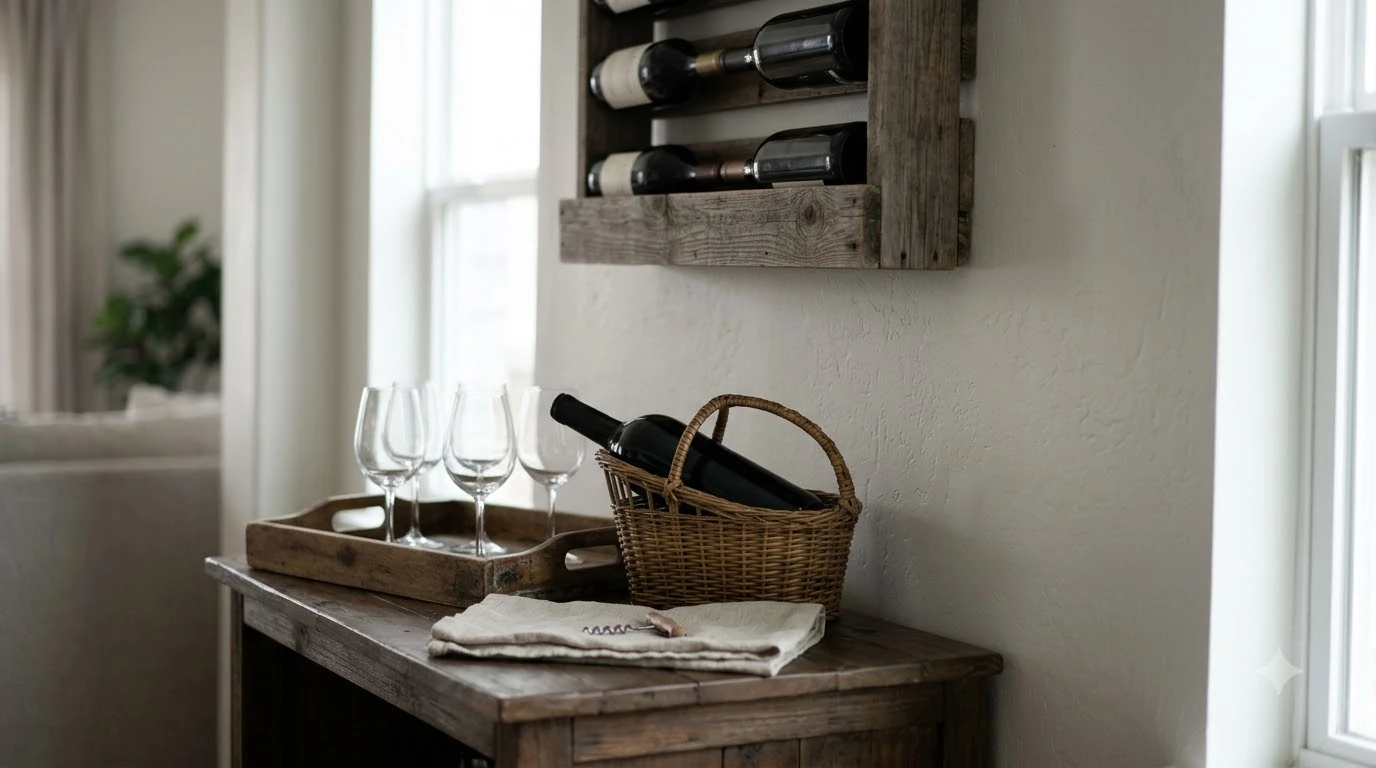
When a six-bottle discovery box arrives, storing the bottles properly preserves the crisp acidity and aromatics the sommelier selected. Keeping unopened bottles on their sides around 55°F prevents corks from drying out, and organizing current-month selections on a dedicated bar cart keeps tasting booklets, a double-hinged waiter’s corkscrew, and proper stemware within easy reach for weeknight pours.
Best for Flexible Self-Selection and Member Discounts
Member-credit and customizable wine subscriptions let you pick every bottle in your shipment or adjust the mix before billing occurs. They are ideal for experienced drinkers or households with firm preferences who want member discounts without risking unwanted varietals.
Rather than locking subscribers into blind monthly deliveries, credit-based clubs deposit a fixed monthly balance into your member wallet that rolls over until you are ready to build a case. Naked Wines operates on this model, pooling member funds to back independent winemakers directly and offering catalog bottles at markdowns of up to 60 percent off listed retail prices, with free shipping on initial orders and larger cases. Members read community tasting notes, filter by grape or region, and trigger shipments only when their schedule and wine rack have room.
Hybrid personalized clubs combine human advice with full cart control. Picked by Wine.com starts with a style, region, and price-tier questionnaire before matching you with a personal sommelier who curates six-bottle shipments every one, two, or three months. Subscribers can swap any recommended bottle out of their queue prior to dispatch, rate past deliveries to refine future picks, and scan bottle-specific QR codes for pairing suggestions and serving temperatures.
Winery-direct clubs offer another version of predictable, discounted buying for fans of a specific estate. As noted by Russian River Valley producer Domaine de la Rivière, traditional winery memberships typically ship twice a year—often in spring and fall—with 10 to 20 percent off all orders, complimentary tasting room visits, and first access to small-lot releases. Most winery clubs allow bottle swaps within the current release window, though many require a minimum commitment of two shipments before cancellation.
Best for Natural, Organic, and Low-Intervention Wines
Natural and low-intervention wine clubs focus on bottles farmed organically or biodynamically and fermented with native yeasts and minimal cellar additives. These subscriptions suit curious drinkers who enjoy textured skin-contact whites, cloudy pét-nats, and bright, lower-alcohol reds that are hard to find in conventional grocery stores.
Because natural wine has no single legal definition in the United States, specialist curation helps separate clean, expressive bottles from overly flawed ones. Helen’s Wines, founded in Los Angeles by sommelier Helen Johannesen, curates four-, six-, or 12-bottle shipments centered on small-production, organically farmed vineyards with minimal cellar intervention, pairing each box with approachable, conversational tasting sheets. Similarly, Plonk Wine Club—curated by WSET-certified founder Etty Klein—sources pesticide-free, organic, and biodynamic wines from both classic European regions and lesser-known countries such as Croatia, Slovenia, and Uruguay.
Education plays a central role in natural wine subscriptions because unfamiliar grapes like Austrian Blaufränkisch, Hungarian Furmint, or Spanish Xarel-lo appear frequently. MYSA Natural Wine, co-founded by WSET Level III certified sommelier Holly Berrigan, builds a dedicated online page and tasting video for every monthly box, and sends a glossary of wine terms with a member’s fifth shipment. Subscribers can choose three-, six-, or 12-bottle mixed boxes or opt for four-bottle red-only or orange-wine assortments.
Best for Single-Serve Tasting Vials and Low-Waste Pouring
Single-serve glass vials and multi-liter bag-in-box subscriptions solve the biggest headache of solo wine drinking: oxidation before a 750-milliliter bottle is finished. Once uncorked, standard still wines hold peak freshness for only three to five days in a kitchen refrigerator, whereas sealed single pours and vacuum-collapsed pouches keep wine vibrant for weeks.
Tasting-vial subscriptions divide full bottles into single-glass portions bottled under inert gas to prevent oxygen exposure. According to Bon Appétit, Vinebox ships six 3.3-ounce glass tubes per month—roughly two-thirds of a standard five-ounce restaurant pour—alongside scannable QR codes that launch sommelier-led video tastings and food pairing guides. Tasting six distinct varietals side by side without opening six full bottles lets solo drinkers compare regional styles on a Tuesday evening or try small-sample discovery before committing to a full case, much like unwrapping daily tasting portions from a seasonal wine advent calendar.
For everyday weeknight pouring, eco-friendly paperboard magnums deliver generous volume with far longer shelf life than glass bottles. Juliet Wine ships two 1.5-liter cylindrical cartons per box—each equal to two standard 750-milliliter bottles, or roughly 10 five-ounce glasses—filled with organically grown California wines such as Sauvignon Blanc, Pinot Noir, and Grenache Rosé. Because the internal pouch collapses as wine dispenses through the spout, oxygen stays out and the wine remains fresh for up to four weeks after opening, roughly matching the four-to-six-week window of traditional bag-in-box formats.
Best for Blind Tasting Practice and Wine Education
Blind-tasting subscriptions strip away front labels and regional assumptions so drinkers evaluate color, acidity, tannin, and aroma strictly on sensory clues. This format works best for wine students, tasting groups, and home hosts who want structured deductive training rather than casual background sipping.
Dedicated blind-tasting memberships package bottles in opaque coverings and pair them with guided deductive tasting grids. SommSelect’s Blind 6 Membership delivers six sommelier-selected bottles individually wrapped in heavy black tissue paper, accompanied by glassware, chilling, and decanting instructions plus sealed tasting cards that reveal producer and vintage details only after you record your guesses. Serving each bottle at its proper temperature—45°F to 50°F for crisp whites and rosés, 55°F to 60°F for lighter reds, and 60°F to 65°F for full-bodied reds—keeps structural cues accurate during side-by-side flights.
Hosting a blind tasting at home also benefits from a tidy staging setup so unwrapped bottles stay organized while guests compare notes. Arranging revealed bottles on a countertop wine bottle holder keeps labels visible during post-tasting discussion, and decanting young, high-tannin reds like Cabernet Sauvignon or Syrah for 30 to 60 minutes before pouring softens astringency and opens secondary aromas.
How to Choose the Right Wine Subscription
Selecting a wine subscription comes down to matching four practical variables—shipment volume, curation style, climate protection, and state shipping eligibility—to your household routine. Checking those details before entering payment information prevents overflowing racks and heat-damaged bottles.
Match Bottle Count to Weekly Consumption
Calculate how many 5-ounce pours your household actually finishes in a typical week before choosing a cadence. Two glasses per week equals roughly 1.6 standard 750-milliliter bottles per month, making a quarterly six-bottle shipment—two bottles per month on average—far more realistic than a monthly six-pack that piles up on the counter.
Check Curation Transparency and Satisfaction Guarantees
Look for memberships that name their head buyers or sommeliers and source from real estate wineries rather than generic bulk-wine labels. Programs such as Wine Access back bottles with a satisfaction credit if a selection misses your palate, while flexible clubs like Picked by Wine.com let members review and swap scheduled bottles before the billing date.
Verify Weather Holds and State Delivery Rules
Confirm that your chosen club automatically pauses transit during summer heatwaves above 80°F or winter freezes, or packs shipments with insulated liners and 24-to-48-hour refrigerated gel packs. Because state alcohol laws vary widely across the United States, many clubs cannot ship to restricted jurisdictions—frequently including Alabama, Arkansas, Delaware, Kentucky, Mississippi, Rhode Island, and Utah—so verifying zip-code eligibility first saves checkout frustration.
Frequently Asked Questions
Can you ship a wine subscription to an office or parcel locker?
Most wine clubs can deliver to a commercial office address as long as a receptionist or coworker aged 21 or older is present to sign in person and show government-issued photo identification. Carriers strictly prohibit delivering alcohol to P.O. boxes, automated parcel lockers, or unattended porches, though many UPS and FedEx locations allow you to redirect an in-transit wine box to a staffed hold-for-pickup counter.
How many shipments do winery clubs require before canceling?
According to Russian River Valley producer Domaine de la Rivière, most estate winery clubs require a minimum commitment of two seasonal shipments before a member can cancel without losing member perks or paying an early-exit fee. Multi-producer subscription services generally skip multi-shipment lock-ins and let you pause, skip, or cancel online as long as you update your account before the next billing cutoff.
What happens if a wine subscription shipment arrives damaged or corked?
Reputable wine subscriptions replace shattered bottles or issue account credit when a bottle suffers from cork taint (TCA) or transit leakage, provided you contact member support promptly with a photo of the bottle and packaging. Holding onto the original shipping pulp tray or insulated box for a few days after delivery makes carrier damage claims much faster to resolve.
Do wine subscription clubs offer red-only or white-only options?
Yes, nearly all major discovery and customizable clubs let you restrict shipments to all-red, all-white, or mixed assortments during signup. Services like MYSA Natural Wine even offer dedicated four-bottle skin-contact orange wine boxes, while member-credit clubs let you fill your entire case with sparkling wines, rosés, or single-varietal reds.
How should you store subscription bottles if you do not own a wine fridge?
Store unopened cork-finished bottles on their sides in an interior closet, basement corner, or lower cabinet away from kitchen ovens, sunny windows, and laundry room vibrations. Keeping bottles near 55°F in steady darkness slows oxidation and keeps corks moist until you are ready to chill whites in the refrigerator for two hours before serving.
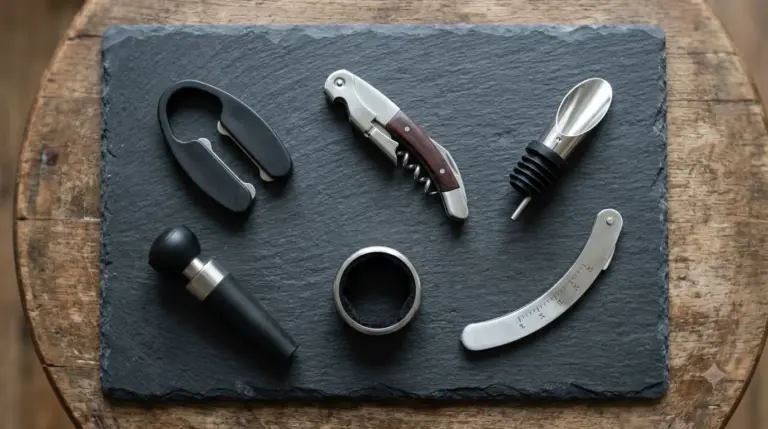
The right wine subscription turns recurring deliveries into a tailored cellar without guesswork or wasted pours. Pairing your preferred bottle format with basic serving essentials from the Accessories Library ensures every shipment is stored, opened, and poured at its best.
More in Wine Accessories
 Vinglace Wine Tumbler Review: A Glass-Lined Choice for Better SippingUpdated Nov 20, 2026
 ZWILLING Electric Wine Opener Review: Features and DrawbacksUpdated Nov 20, 2026
 Vinturi Electric Wine Opener Review for Easy UncorkingUpdated Nov 20, 2026
 Vinabon Wine Aerator Review for Easier, Cleaner Wine ServingUpdated Nov 20, 2026
 Vacu Vin Electric Wine Opener Review: Easy Cork Removal for Home Wine LoversUpdated Nov 20, 2026
 Rabbit Wine Accessories for Easier Home Wine ServiceUpdated Nov 20, 2026