

We may earn a commission when you buy through links on this page, at no extra cost to you. Learn more.
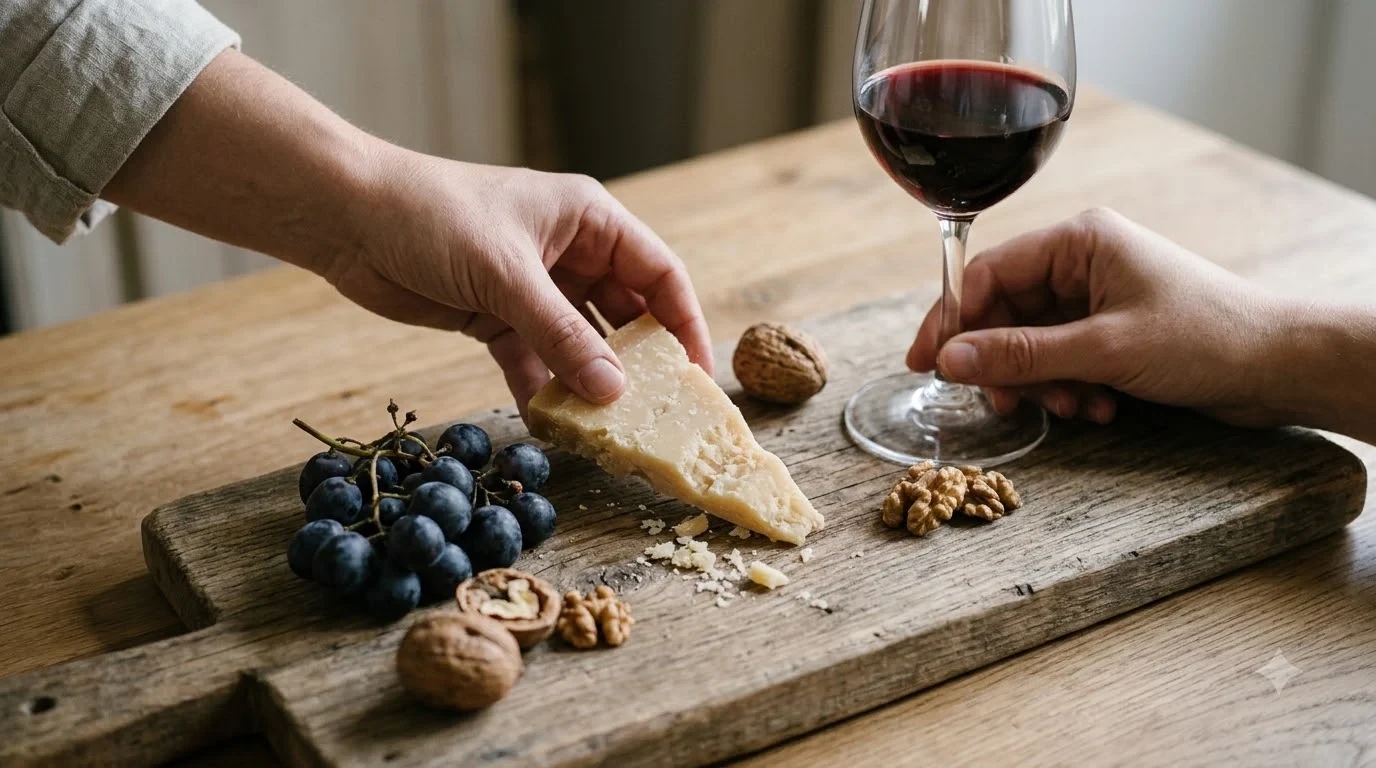
The core difference in merlot vs rioja comes down to grape variety versus region: Merlot is a single red grape known for plush dark fruit and soft tannins, while Rioja is a Spanish wine region whose reds are blends led by Tempranillo with brighter acidity and legally mandated oak aging. Merlot delivers velvety black cherry, plum, and cocoa notes that drink smoothly right on release. Rioja balances red cherry, dried fig, vanilla, and savory leather notes shaped by strict barrel and bottle aging tiers.
Shoppers standing in the red wine aisle often compare these two styles because both offer medium-to-full body, approachable dryness, and versatile dinner pairing potential without the heavy, mouth-drying grip of young Cabernet Sauvignon. Understanding how a varietal French-origin grape stacks up against a regulated northern Spanish appellation makes choosing the right bottle much easier.
Grape Origins and Blending Rules
Merlot is an international grape variety named after a single cultivar, whereas Rioja is a protected geographical designation in northern Spain where wines are named after the place rather than the grape. This distinction governs everything from vineyard planting to how bottles are labeled on retail shelves.
Originating in southwest France, Merlot is the offspring of Cabernet Franc and Madeleine Noire des Charentes, with documented plantings in Bordeaux going back to the late 1700s according to VinePair. Its name translates from French as “the little blackbird,” a nod to the local merlau bird drawn to its dark, thin-skinned berries. In the United States, California, and Washington, bottles labeled Merlot must contain at least 75 percent of that single grape under federal labeling law, while in Bordeaux’s Right Bank appellations of Pomerol and Saint-Émilion, producers blend Merlot with Cabernet Franc and Cabernet Sauvignon—a structural contrast explored further in bordeaux vs merlot.
Rioja carries Spain’s highest appellation status, Denominación de Origen Calificada (DOCa), covering vineyards along the Ebro River across three subzones: Rioja Alta, Rioja Alavesa, and Rioja Oriental. Per the Consejo Regulador DOCa Rioja, 14 grape varieties are authorized within the region, though red Rioja relies overwhelmingly on Tempranillo as its backbone. Winemakers blend Tempranillo with smaller proportions of Garnacha for warmth and body, Graciano for bright acidity and floral lift, and Mazuelo for deep color and firm structure.
Flavor Profile, Tannins, and Acidity
Merlot leans darker, plusher, and rounder on the palate with soft-to-medium tannins and moderate acidity, while Rioja feels livelier and more savory with red-fruited brightness, firmer acidity, and distinct oak spice. Both styles are fermented dry, meaning yeast converts nearly all grape sugar into alcohol, so perceived fruitiness comes from ripe aromatics rather than residual sugar.
In the glass, Merlot pours deep ruby with subtle brick or orange glints along the rim when young, shifting toward garnet over time. Cooler growing regions such as Bordeaux or Long Island’s North Fork produce Merlot at 13 to 14 percent ABV with firmer grip, graphite, and dried herb notes. Warmer climates like Napa Valley, Sonoma, and Chile push Merlot up to 14.5 percent ABV, yielding lush flavors of black cherry, ripe plum, blackberry, cocoa, and violet. A standard 5-ounce pour of dry Merlot carries roughly 125 calories and 0 to 4 grams of carbohydrates.
Red Rioja shifts the flavor spectrum from dark berries toward tart red cherry, wild strawberry, dried fig, and savory spices. Subregional climate plays a major role in structure: high-elevation vineyards in Rioja Alta and Rioja Alavesa generate crisp acidity and refined tannin, while warmer Rioja Oriental produces rounder, riper fruit. Traditional American oak barrel aging adds unmistakable notes of sweet vanilla, coconut, and dill, whereas producers using French oak emphasize clove, cedar, and pure red fruit.
Side-by-Side Comparison: Merlot vs Rioja
Comparing structural numbers and production standards side by side highlights why these two dry red wines behave differently at the dinner table. The table below outlines typical benchmarks across grape composition, alcohol, aging, and serving guidelines.
| Feature | Merlot | Rioja (Red DOCa) |
|---|---|---|
| Primary Identity | Single red grape variety (75%+ in US varietal bottles) | Spanish wine region; blends led by Tempranillo |
| Dominant Fruit Notes | Black cherry, plum, blackberry, cocoa | Red cherry, strawberry, dried fig, orange peel |
| Oak & Tertiary Notes | Cedar, vanilla, mocha (varies by producer) | Vanilla, coconut, dill, leather, tobacco, dried leaves |
| Tannin Level | Medium, soft and velvety | Medium to medium-plus, fine-grained |
| Acidity Level | Moderate | Medium-plus to high |
| Typical Alcohol (ABV) | 13%–14.5% | 13%–14.5% |
| Mandatory Aging | None (producer-driven) | 2 to 5+ years depending on official tier |
| Ideal Serving Temp | 60–65°F | 60–65°F |
Alcohol levels overlap closely between the two wines, sitting between 13 and 14.5 percent ABV in most bottles, yet Rioja often feels lighter and brisker on the tongue because its higher natural acidity cuts through richness. Merlot’s lower acidity and rounder middle palate create a fuller, silkier sensation even at identical alcohol percentages.
How Oak Aging Shapes Each Wine
Rioja enforces strict, legally binding minimum barrel and bottle aging tiers printed directly on the back label, whereas Merlot aging is left entirely to each winery’s stylistic preference. This regulatory framework makes Rioja one of the most predictable wines to buy by age.
Rioja’s Four Aging Classifications
The Rioja Control Board certifies four red aging tiers using color-coded back seals so buyers know exact maturation timelines before opening the bottle:
- Genérico (Green Seal): Young wines released within 1 to 2 years of harvest with little or no oak time, prioritizing fresh, primary red fruit.
- Crianza (Red Seal): Aged at least 24 months total, including a minimum of 12 months in 225-liter (49.5-gallon) oak barrels, balancing bright fruit with gentle spice.
- Reserva (Garnet Seal): Aged at least 36 months total, including at least 12 months in oak barrels and 6 months in bottle, developing secondary wood and early tertiary leather notes.
- Gran Reserva (Blue Seal): Produced only in top vintages and aged at least 60 months total, with a minimum of 24 months in oak barrels and 24 months in bottle, yielding complex aromas of tobacco, truffle, and dried fruit.
Merlot Winemaking and Oak Choices
Because Merlot has no universal barrel laws, winemakers tailor oak regimes to match regional fruit ripeness. Everyday value Merlots from California’s Central Valley or Chile often ferment in stainless steel with brief oak contact—sometimes 6 to 10 months in neutral barrels—to preserve juicy plum and cherry flavors. Reserve-level Merlots from Napa Valley, Washington’s Columbia Valley, or Saint-Émilion frequently spend 14 to 20 months in small French oak barriques, adding toasted cedar, espresso, and firmer structural tannins that allow the wine to age for 10 to 20 years.
Tip: Look at the color-coded seal on the back of any Rioja bottle—red for Crianza, garnet for Reserva, and blue for Gran Reserva—to immediately gauge how much savory oak and bottle maturity you are getting before you buy.
Food Pairing: Matching Merlot and Rioja to Dinner
Merlot pairs best with rich, roasted meats and umami-driven dishes that highlight its plush dark fruit, while Rioja excels alongside smoky, herb-crusted, and slow-cooked foods that match its higher acidity and savory oak spice. Both reds share moderate-to-firm tannins that soften when served with dietary salt and fat.
Merlot’s velvety texture and black cherry core make it a natural partner for herb-roasted chicken, pork tenderloin with mushroom sauce, seared duck breast, and medium-rare beef tenderloin. Because its tannins sit in the medium range rather than the gripping territory of young Cabernet Sauvignon, Merlot avoids clashing with milder proteins like grilled salmon or turkey, provided the fish is not overly oily or heavily spiced. Dishes flavored with rosemary, thyme, roasted garlic, and caramelized onions echo the subtle cocoa and cedar notes found in barrel-aged Merlot.
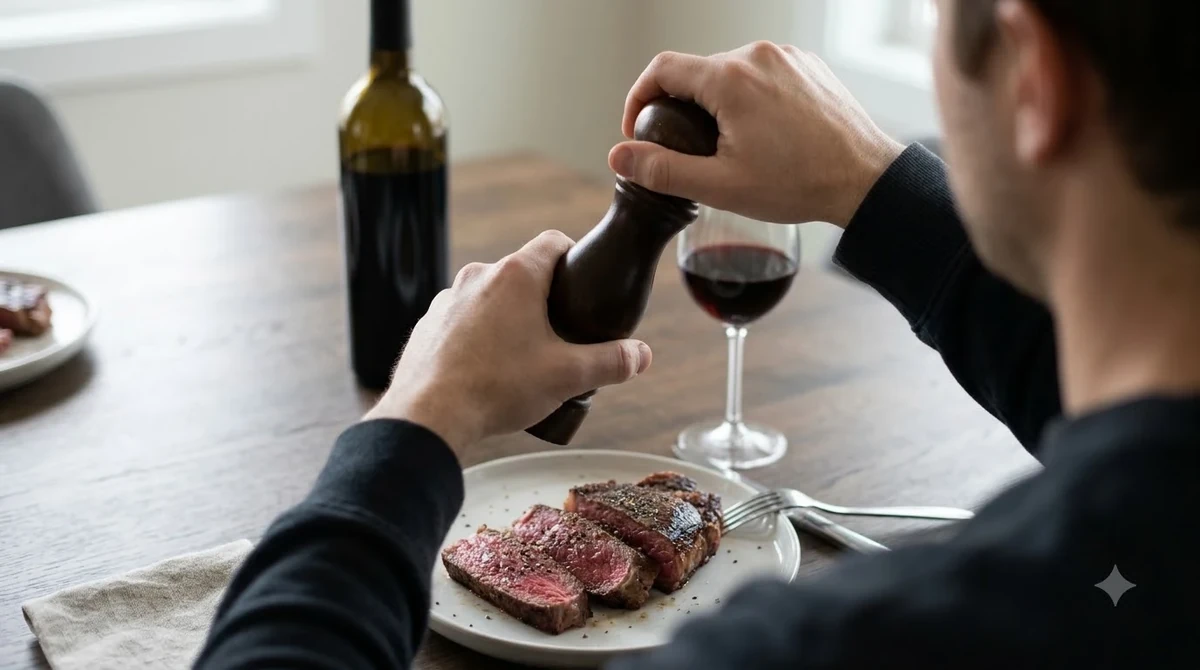
Rioja’s higher natural acidity—driven by Tempranillo and blending partner Graciano as noted by Sommy—cuts easily through fatty, smoky, and richly seasoned plates. Classic Spanish pairings include roasted leg of lamb with garlic, grilled chorizo, charred ribeye steak, pork ribs with smoked paprika, and aged Manchego cheese. Crianza works well with weeknight burgers, tomato-based pasta, and tapas, while mature Reserva and Gran Reserva bottles complement slow-braised short ribs, wild mushroom risotto, and game birds.
Both wines struggle against fiery chili heat, since alcohol and tannin amplify capsaicin burn on the palate, and neither matches sweet desserts because dry red wine tastes sharp next to sugary dishes—a contrast covered in merlot vs moscato.
Serving Temperature, Decanting, and Storage
Wine Enthusiast recommends serving Merlot slightly below room temperature at 60 to 65 degrees Fahrenheit, a range that also suits Rioja, while decanting younger or oak-aged bottles for 30 to 60 minutes and storing unopened bottles horizontally near 55 degrees Fahrenheit. Proper temperature control keeps alcohol from tasting hot and preserves delicate fruit aromatics.
According to Wine Enthusiast, serving Merlot above 65 degrees Fahrenheit dulls its freshness and emphasizes alcohol warmth, while chilling it below 55 degrees Fahrenheit mutes its plum and blackberry aromas and makes tannins taste astringent, making a 15-to-20-minute chill in a kitchen refrigerator useful for reaching the 60 to 65 degree Fahrenheit target. The same cooling step benefits Rioja, especially fruit-forward Crianza bottles from Rioja Oriental.
Decanting needs vary by bottle age rather than grape alone. Young, full-bodied Merlot from Napa Valley or Washington and oak-rich Rioja Crianza or Reserva bottles open up nicely after 30 to 60 minutes in a decanter, allowing oxygen to soften tannins and release secondary spice notes. Older Rioja Gran Reserva bottles—aged at least 5 years prior to release under Consejo Regulador DOCa Rioja rules—contain delicate tertiary aromas of leather and truffle that can fade quickly with heavy aeration, so decant them gently just to separate natural sediment right before serving.
Standard wine service guidelines measure five 5-ounce pours from a 750-milliliter bottle, and recorked bottles of still red wine generally stay fresh in the refrigerator for 3 to 5 days before noticeable oxidation flattens the fruit.
How to Choose Between Merlot and Rioja
Choose Merlot when the goal is a plush, fruit-forward red with silky tannins and familiar dark berry flavors, and choose Rioja when looking for brighter acidity, savory vanilla-and-leather oak complexity, and guaranteed bottle age. Both styles anchor everyday dinners and special occasions without requiring decades of cellar aging.
Pick Merlot for crowds with mixed red wine preferences, cozy cold-weather roasts, or meals featuring mushrooms, poultry, and lean steaks. Look to Washington’s Columbia Valley or Sonoma County for balanced ripeness and structure, or Saint-Émilion for earthier, mineral-driven elegance. Pick Rioja when serving grilled meats, smoked spices, aged hard cheeses, or rich tomato sauces where crisp acidity refreshes the palate between bites. Shoppers comparing Iberian and South American reds can also explore malbec vs rioja or browse more style matchups in Wine vs Wine.
Frequently Asked Questions
Is Rioja made from 100 percent Tempranillo?
No, while Tempranillo makes up the vast majority of red Rioja blends, the DOCa regulatory council authorizes 14 grape varieties in total. Winemakers frequently blend Tempranillo with Garnacha, Graciano, and Mazuelo, and single-varietal Graciano or Garnacha Rioja bottles also exist.
Which wine has more calories, Merlot or Rioja?
Both wines contain nearly identical calories because both are fermented dry and typically sit in the 13 to 14.5 percent ABV range, with USDA FoodData Central listing roughly 120 to 125 calories per 5-ounce pour of dry red table wine.
Why does traditional Rioja taste like vanilla and coconut?
Traditional Rioja bodegas mature their wines in seasoned American white oak barrels rather than French oak. American oak contains higher concentrations of oak lactones and vanillin, which transfer distinct sweet vanilla, coconut, and subtle dill flavors into the wine during extended barrel aging.
Can you find white Rioja, and is there a white Merlot?
Rioja produces well-known white wines made primarily from Viura (Macabeo), Malvasía, and Garnacha Blanca, ranging from crisp unoaked styles to barrel-aged whites. Merlot is strictly a red-skinned grape, though a few producers make pale blush wines labeled White Merlot by limiting skin contact during fermentation.
Which wine ages better in a home cellar, Merlot or Rioja?
Top-tier bottles from both styles can cellar for 10 to 25 years depending on vintage and producer, though Consejo Regulador DOCa Rioja rules ensure Rioja Gran Reserva arrives at the store already aged at least 5 years by the winery. Top-tier Bordeaux Right Bank Merlot and Napa Valley Merlot require several years of bottle rest to soften their tannins, whereas Rioja Reserva and Gran Reserva are released ready to drink immediately.
Comparing Merlot and Rioja highlights two distinct winemaking philosophies: varietal fruit richness versus regional blending and regulated oak maturation. Keeping a bottle of each on hand ensures the right match for everything from weeknight roast chicken to weekend grilled lamb.
More in Wine vs Wine
 Chenin Blanc vs Pinot Gris: Acidity, Body, and Pairing DifferencesUpdated Nov 20, 2026
 Chianti vs Lambrusco: How Tuscany and Emilia-Romagna Reds CompareUpdated Nov 20, 2026
 Chianti vs Primitivo: Key Differences in Taste, Body, and PairingUpdated Nov 20, 2026
 Chianti vs Rioja: Key Differences in Taste, Aging, and PairingUpdated Nov 20, 2026
 Chianti vs Shiraz: How Acidity, Body, and Food Pairings CompareUpdated Nov 20, 2026
 Chianti vs Syrah: Key Differences in Taste, Body, and Food PairingUpdated Nov 20, 2026