

We may earn a commission when you buy through links on this page, at no extra cost to you. Learn more.
In the comparison of montepulciano vs primitivo, Montepulciano is a medium-full, higher-acid Italian red from central Italy with savory dark fruit, while Primitivo is a fuller-bodied, higher-alcohol red from southern Puglia with riper berry flavors and softer acidity. Most bottles of Montepulciano d’Abruzzo sit between 11.5 and 13.5 percent alcohol by volume, giving them crisp lift alongside tomato-based meals. Primitivo di Manduria starts at a legal minimum of 13.5 percent alcohol and often reaches 14.5 to 15 percent, creating a warmer, plush mouthfeel suited to grilled and smoky meats.
Both wines belong to Italy’s roster of approachable, crowd-pleasing red grapes, yet they come from contrasting climates and behave differently at the dinner table. Knowing how their origins, acidity levels, tannins, and label tiers separate them makes choosing the right bottle straightforward.
Montepulciano vs Primitivo: Quick Side-by-Side Comparison
Montepulciano and Primitivo both pour deep ruby-purple in the glass, but their structural numbers point in opposite directions. Montepulciano relies on brisk acidity and firm, food-friendly tannins, whereas Primitivo trades acidity for higher natural sugar ripeness, raised alcohol, and a rounder texture.
| Attribute | Montepulciano (Montepulciano d’Abruzzo DOC) | Primitivo (Primitivo di Manduria DOC) |
|---|---|---|
| Primary Region | Abruzzo, east-central Italy | Puglia (Taranto and Brindisi), southern Italy |
| Typical ABV | 11.5%–13.5% | 13.5% minimum (14% minimum for Riserva) |
| Body | Medium-full | Full |
| Acidity | Medium-high | Low-medium |
| Tannins | Medium-high | Medium-high (ripe and plush) |
| Residual Sugar | Dry | Dry to medium-dry (up to 18 g/L permitted) |
| Core Flavors | Dark cherry, red plum, blackberry, dried thyme, black pepper | Strawberry jam, blackberry, dried plum, baking spices, tobacco |
| Serving Temperature | 60–65°F | 60–65°F |
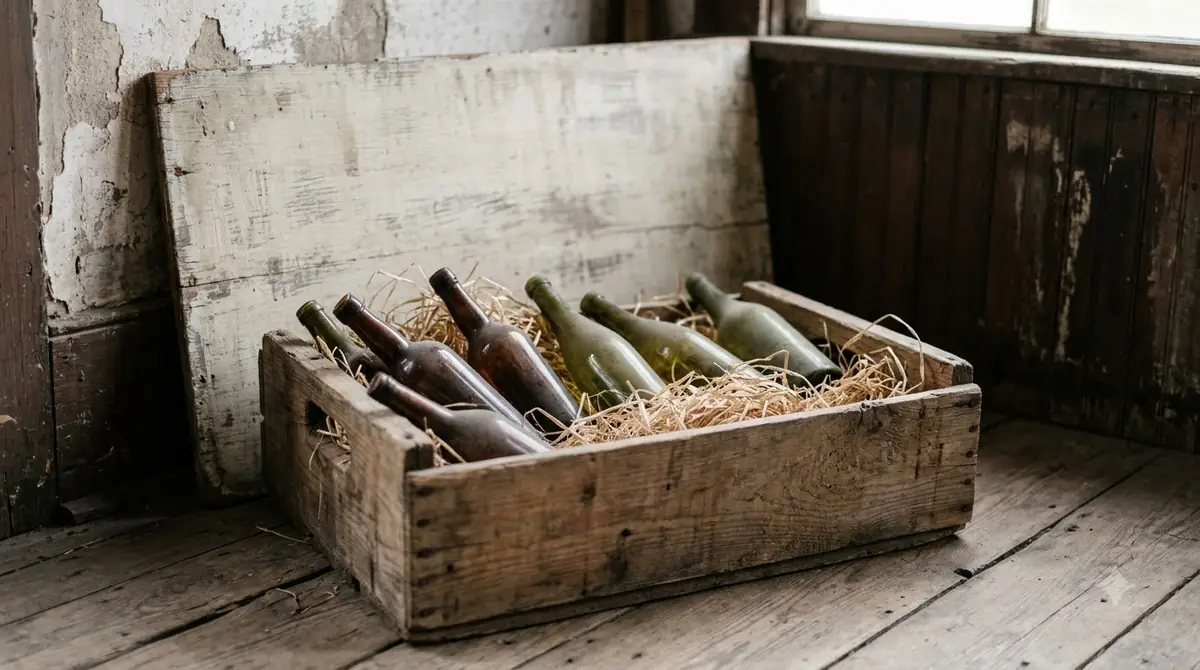
According to Wine Folly, standard Montepulciano bottlings sit between 11.5 and 13.5 percent alcohol and bring medium-high acidity paired with medium-high tannins. That balance keeps the wine feeling lively even when aged in oak barrels.
By contrast, Italian Ministry of Agriculture production rules compiled by Primal Wine set a 13.5 percent minimum alcohol floor for Primitivo di Manduria DOC and 14 percent for Riserva bottlings, alongside up to 18 grams per liter of residual sugar. Even when fermented completely dry, that high alcohol and glycerol weight make Primitivo feel noticeably heavier and slightly sweeter on the mid-palate.
Origins and Regions: Abruzzo Hills vs Puglia Coast
Geography explains nearly every difference between these two grapes. Montepulciano ripens slowly along the Adriatic slopes and Apennine foothills of central Italy, while Primitivo basks in the intense southern heat of Puglia’s heel.
Montepulciano’s Central Italian Heartland
Montepulciano is a late-ripening black grape native to central Italy, finding its largest and most famous home in Abruzzo between the Apennine mountains and the Adriatic Sea. Cool mountain air rushing down at night preserves natural malic acid in the thick-skinned berries while daytime sun builds deep color and dark fruit flavors.
Beyond Montepulciano d’Abruzzo, the grape plays a central role in neighboring Marche appellations such as Rosso Conero and Rosso Piceno, as well as Biferno in Molise and Torgiano in Umbria. Outside Italy, growers in the Texas Hill Country AVA and Australian regions like McLaren Vale and Barossa Valley also bottle varietal Montepulciano.
Primitivo’s Southern Puglian Roots
Primitivo arrived in Puglia from Croatia’s Dalmatian coast during the 1700s, where DNA research later proved it is genetically identical to Croatia’s Tribidrag and California’s Zinfandel. Italian growers named the vine Primitivo—from the Latin word for “first to ripen”—because it buds late in spring and reaches full sugar ripeness early, typically between late August and early September.
Its flagship appellation, Primitivo di Manduria DOC, spans more than 12,350 acres across 18 towns in the provinces of Taranto and Brindisi. Here, low three-armed bush vines called alberello pugliese grow no taller than 4.9 feet in iron-rich red terra rossa and limestone soils, soaking up intense Mediterranean sun that concentrates sugars in the berries.
Tip: Do not confuse Montepulciano d’Abruzzo with Tuscan Vino Nobile di Montepulciano. Montepulciano d’Abruzzo is named after the Montepulciano grape grown in Abruzzo, whereas Vino Nobile di Montepulciano is named after a hilltop town in Tuscany and is made mostly from Sangiovese.
Flavor, Aroma, and Mouthfeel Differences
Pouring both wines side by side highlights a clear divide between savory, herbal brightness and sun-drenched, jammy richness. While both offer dark berry fruit and baking spice, they deliver those notes on completely different textural frames.
Montepulciano opens with aromas of red plum, dark cherry, blackberry, and wild violets, underpinned by savory accents of dried thyme, oregano, black pepper, and a hint of mesquite smoke. On the palate, its medium-high acidity creates a mouthwatering snap, supported by firm, slightly rustic tannins that feel crisp rather than heavy. Bottles aged in oak—especially Riserva releases held for at least two years with nine months in wood—gain secondary layers of cocoa, leather, and clove without losing their refreshing lift.
Primitivo leans toward riper, sweeter-smelling fruit notes of macerated strawberry, blackberry jam, dried plum, and preserved cherry. Warm-climate ripeness softens its acidity to a low-medium level, allowing plush, velvety tannins and warming alcohol to coat the palate. Oak-aged Primitivo di Manduria Riserva adds sweet tobacco, vanilla, licorice, and roasted coffee notes, finishing with a round, lingering warmth that feels noticeably broader than Montepulciano.
Readers who enjoy comparing classic Italian red profiles can also look at how montepulciano vs sangiovese separates Abruzzo’s plush dark fruit from Tuscany’s brighter, higher-acid red cherry style.
Key Appellations and Label Tiers to Know
Reading the regional designation on an Italian wine label tells you immediately how rich, structured, or dry the bottle inside will taste. Both grapes appear under multiple appellation tiers with distinct production rules.
Montepulciano Label Tiers
- Montepulciano d’Abruzzo DOC: The everyday benchmark, made from at least 85 percent Montepulciano (with up to 15 percent Sangiovese allowed) and bottled as a lively, fruit-forward red meant for drinking within two to four years.
- Montepulciano d’Abruzzo Riserva DOC: Aged a minimum of two years—including at least nine months in oak—resulting in deeper concentration, softer integrated tannins, and savory leather and spice complexity.
- Colline Teramane Montepulciano d’Abruzzo DOCG: A top-tier hillside subzone in northern Abruzzo’s Teramo province requiring at least 90 percent Montepulciano and stricter aging rules that produce cellar-worthy bottles capable of aging 10 years or longer.
- Cerasuolo d’Abruzzo DOC: A dedicated rosé appellation crafted from at least 85 percent Montepulciano grapes, delivering a deep cherry-pink color with crisp acidity and red berry structure.
Primitivo Label Tiers
- Salento IGT Primitivo: A broad regional designation covering Brindisi, Lecce, and Taranto with a lower 12 percent minimum alcohol rule and higher permitted yields, yielding lighter, juicy, easy-drinking bottles.
- Primitivo di Manduria DOC and Riserva: The powerhouse coastal zone requiring at least 85 percent Primitivo, a 13.5 percent alcohol floor (14 percent for Riserva), and 24 months of aging with nine months in wood for Riserva bottles.
- Gioia del Colle DOC Primitivo: Located further north in Bari at elevations between 660 and 1,480 feet, this appellation mandates 100 percent Primitivo and produces a slightly fresher, more aromatic expression than coastal Manduria.
- Primitivo di Manduria Dolce Naturale DOCG: Puglia’s first DOCG designation, reserved for sweet late-harvest wines made from 100 percent Primitivo dried on the vine to reach at least 16 percent total alcohol and 50 grams per liter of residual sugar.
To see how Montepulciano stacks up against another high-acid Italian favorite from the north, explore barbera vs montepulciano for a breakdown of Piedmont’s vibrant red alongside Abruzzo’s staple grape.
Food Pairings: Matching Acidity and Richness to the Menu
Choosing between Montepulciano and Primitivo at dinner comes down to matching the weight, fat, and acidity of your food to the wine’s structural backbone. Montepulciano thrives alongside tangy tomato sauces and herbaceous dishes, while Primitivo excels with rich, smoky, or lightly sweet glazes.
Best Dishes for Montepulciano
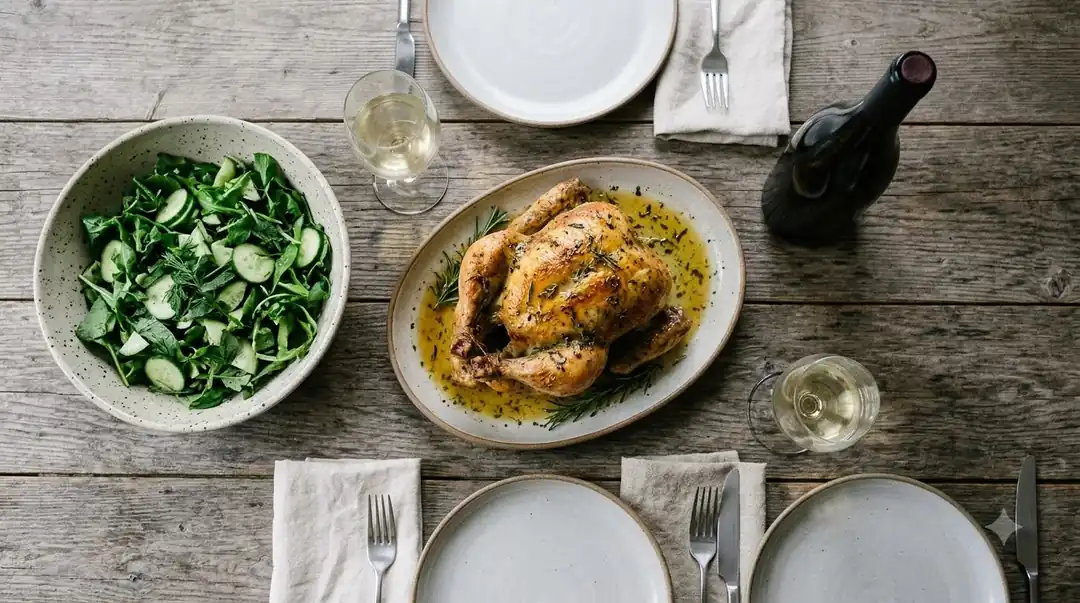
Because acidic food requires a wine with equal or higher acidity to avoid tasting flat, Montepulciano’s medium-high acidity makes it a natural partner for classic Italian red-sauce cooking. Dishes like penne all’arrabbiata, baked ziti with ragù, pepperoni pizza, and eggplant parmigiana rely on bright tomato tang that Montepulciano matches easily without clashing.
Its firm, medium-high tannins also bind cleanly to savory proteins and melted cheeses, making it an ideal pour for herb-crusted lamb chops, roasted pork loin with rosemary, grilled sausages, and aged Pecorino or Parmigiano-Reggiano. For hearty regional dining, traditional Abruzzese pairings such as arrosticini (chargrilled sheep skewers) highlight the grape’s dried thyme and black pepper undertones.
Best Dishes for Primitivo
Primitivo’s fuller body, low-medium acidity, and ripe, plush tannins suit richly marbled meats and sweet-savory preparations where high acidity would feel sharp. Salt and fat soften tannin perception, so slow-smoked beef brisket, baby back ribs with bourbon-molasses glaze, pulled pork, and charred ribeye steaks bring out Primitivo’s blackberry and baking spice depth.
Avoid pairing high-alcohol Primitivo di Manduria with intensely spicy chili-heavy dishes, because alcohol and tannin amplify capsaicin heat on the palate. Similarly, skip oily fish such as salmon or mackerel, which clash with tannic reds, and instead serve Primitivo alongside braised short ribs, mushroom risotto, aged Gouda, or dark chocolate desserts if pouring a sweet Primitivo di Manduria Dolce Naturale DOCG.
Serving Temperature, Decanting, and Storage
Serving either wine too warm exaggerates alcohol heat and dulls fresh fruit aromas, while serving them straight from a kitchen refrigerator masks their texture. Following proper temperature and aeration guidelines ensures both bottles show their best balance.
Both Montepulciano and Primitivo are full-bodied red wines best served between 60 and 65°F according to standard sommelier serving guidelines. Placing a bottle in a standard refrigerator for 15 to 20 minutes before opening brings room-temperature wine down into this ideal range, keeping Primitivo’s typical 13.5 to 15 percent alcohol by volume (per Italian DOC production rules) crisp rather than soupy and preserving Montepulciano’s bright red-plum lift.
Young, structured bottlings—especially Colline Teramane Montepulciano d’Abruzzo DOCG and oak-aged Primitivo di Manduria Riserva—benefit from 30 to 60 minutes of decanting in a wide-bowled glass to soften tannins and open up secondary spice notes. Cellar storage guidelines recommend keeping unopened bottles on their side near 55°F so natural corks stay moist, and refrigerating opened bottles with a tight stopper preserves freshness for three to five days.
How to Choose Between Montepulciano and Primitivo
Picking the right bottle depends on your meal, your preferred texture, and how much alcohol warmth you enjoy in a red wine. Use these practical guidelines when browsing a wine shop shelf or restaurant list.
- Choose Montepulciano if: You want a medium-full red with bright, mouthwatering acidity, savory herbal notes, and moderate 11.5 to 13.5 percent alcohol (as defined by Montepulciano d’Abruzzo DOC standards) that pairs cleanly with tomato pasta, pizza, or roasted poultry.
- Choose Primitivo if: You prefer a lush, full-bodied red with low-medium acidity, jammy dark berry fruit, and a minimum of 13.5 percent alcohol (per Primitivo di Manduria DOC regulations) built for smoky barbecue, braised beef, or solo fireside sipping.
- Look for specific producers and subzones: Well-regarded Montepulciano names such as Masciarelli, Cataldi Madonna, Ciavolich, and Saladini Pilastri showcase Abruzzo and Marche precision, while comparing Gioia del Colle DOC against Primitivo di Manduria DOC lets you choose between higher-elevation freshness and coastal richness.
Readers interested in how regional Italian reds compare across Tuscany and central Italy can explore chianti vs montepulciano to see how Sangiovese-driven Chianti contrasts with Abruzzo’s flagship grape, or browse more head-to-head matchups in the Wine vs Wine library.
Frequently Asked Questions
Is Primitivo the exact same grape as California Zinfandel?
DNA profiling confirmed that Italian Primitivo, California Zinfandel, and Croatia’s Crljenak kaštelanski are genetically identical clones of the same grape variety. Despite sharing identical DNA, US federal labeling regulations classify Primitivo and Zinfandel as separate approved grape names, and Italian Primitivo typically tastes earthier and slightly more rustic than fruit-bomb California styles.
Can you age Montepulciano and Primitivo in a wine cellar?
According to Italian wine aging guides, entry-level Montepulciano d’Abruzzo DOC and Salento IGT Primitivo are crafted for fresh fruit appeal and drink best within two to five years of vintage. However, top hillside Colline Teramane Montepulciano d’Abruzzo DOCG bottlings can age gracefully for 10 years or more, while well-structured Primitivo di Manduria Riserva bottles typically hold and evolve for five to ten years.
Are all Primitivo wines sweet?
No, most table bottles of Primitivo di Manduria DOC and Gioia del Colle DOC are fermented dry or off-dry, though high alcohol and ripe fruit glycerol create a sweet-tasting impression on the mid-palate. Truly sweet dessert versions are labeled specifically as Primitivo di Manduria Dolce Naturale DOCG, whose Italian disciplinare requires at least 50 grams per liter of residual sugar from late-harvest, vine-dried grapes.
Does Montepulciano grow outside Italy?
Yes, while central Italy accounts for the vast majority of plantings, winemakers in warm, sunny regions abroad have adopted Montepulciano for its heat tolerance and natural acidity. Notable examples include Duchman Family Winery in the Texas Hill Country AVA as well as vineyards in Australia’s McLaren Vale, Riverland, and Barossa Valley.
How many glasses are in a standard bottle of Montepulciano or Primitivo?
A standard 750-milliliter bottle of either wine yields roughly five standard 5-ounce pours under U.S. standard drink measurements. Because Primitivo di Manduria DOC frequently reaches 14 to 15 percent alcohol by volume compared to Montepulciano d’Abruzzo DOC’s typical 11.5 to 13.5 percent range, each 5-ounce glass of Primitivo carries noticeably more alcohol per serving.
Montepulciano and Primitivo highlight two distinct sides of Italian winemaking, contrasting Abruzzo’s crisp, savory mountain-and-sea balance against Puglia’s sun-baked, velvety intensity. Matching Montepulciano to tangy tomato dishes and Primitivo to rich, smoky meats ensures every bottle delivers its best character at the table.
More in Wine vs Wine
 Chenin Blanc vs Pinot Gris: Acidity, Body, and Pairing DifferencesUpdated Nov 20, 2026
 Chianti vs Lambrusco: How Tuscany and Emilia-Romagna Reds CompareUpdated Nov 20, 2026
 Chianti vs Primitivo: Key Differences in Taste, Body, and PairingUpdated Nov 20, 2026
 Chianti vs Rioja: Key Differences in Taste, Aging, and PairingUpdated Nov 20, 2026
 Chianti vs Shiraz: How Acidity, Body, and Food Pairings CompareUpdated Nov 20, 2026
 Chianti vs Syrah: Key Differences in Taste, Body, and Food PairingUpdated Nov 20, 2026