

We may earn a commission when you buy through links on this page, at no extra cost to you. Learn more.
When comparing pinot grigio vs verdejo, both are dry, crisp white wines with similar alcohol levels, but Verdejo delivers sharper lime, grapefruit, and herbal fennel notes while standard Pinot Grigio leans lighter with green apple, pear, and softer lemon flavors. Verdejo from Spain’s Rueda region carries brighter medium-high acidity and a signature bitter almond snap on the finish. Classic Italian Pinot Grigio offers a gentler, neutral palate that steps back easily beside delicate dishes, though hillside bottles from northern Italy add richer stone fruit and mineral weight.
Shoppers who reach for a reliable weekday white often default to Italian Pinot Grigio without realizing how closely Spanish Verdejo overlaps in price, alcohol, and refreshment. Both grapes thrive in stainless steel, pour pale straw in the glass, and require zero decanting before dinner. Looking closely at how each grape grows, tastes, and handles food makes it simple to pick the right bottle for tonight’s menu.
Pinot Grigio vs Verdejo: Side-by-Side Comparison
Pinot Grigio and Verdejo share a dry, food-friendly foundation around 11.5% to 13.5% ABV, yet they diverge in aromatic intensity and finish. Standard Italian Pinot Grigio emphasizes clean orchard fruit and quiet minerality, whereas Spanish Rueda Verdejo pushes punchier citrus pith, fresh herbs, and higher perceived acidity.
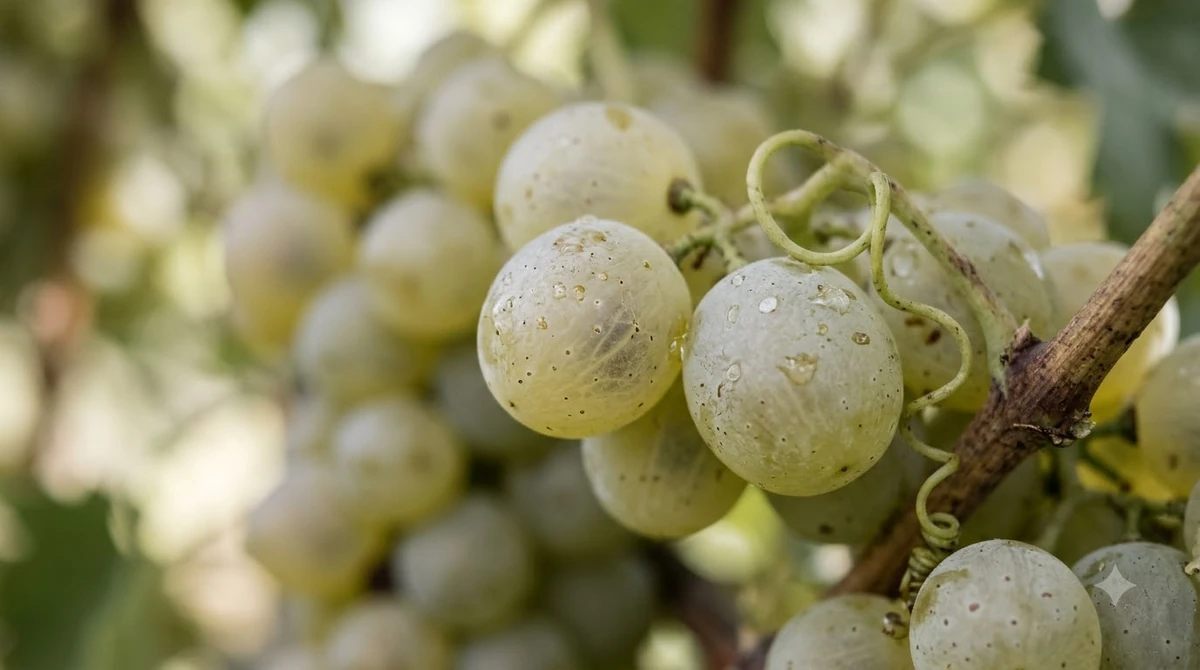
Understanding the structural gap between these two varieties starts with comparing their baseline specs side by side. While winemaking choices like oak aging or lees stirring can stretch either grape into fuller territory, the overwhelming majority of bottles sold in the United States follow the crisp, unoaked profile outlined below.
| Attribute | Pinot Grigio (Classic Italian) | Verdejo (Spanish Rueda) |
|---|---|---|
| Primary Origins | Veneto, Friuli, Alto Adige (Italy); Alsace (France); Oregon | Rueda DO, Castilla y Leon (Spain) |
| Grape Color | Pinkish-gray skin mutation of Pinot Noir | Green-skinned native white variety |
| Sweetness | Dry (off-dry in some Alsace or New World styles) | Dry |
| Body | Light (medium-full in Alto Adige or Alsace) | Light to medium |
| Acidity | Medium to medium-high | Medium-high to high |
| Typical ABV | 11.5% to 13.5% | 11.5% to 13.5% |
| Core Flavors | Lemon, green apple, pear, white peach, almond | Lime, grapefruit pith, honeydew, fennel, white peach |
| Serving Temperature | 45 to 50 F | 45 to 50 F (down to 38 to 45 F for crisp joven styles) |
| Aging Window | 1 to 3 years (5+ years for top Alto Adige or Alsace) | 1 to 3 years (5 to 10 years for lees or oak-aged bottles) |
The biggest practical difference in the glass comes down to aromatic volume. Pinot Grigio keeps its fruit aromas polite and understated, which explains why it works as an easy crowd-pleaser at parties. Verdejo announces itself immediately with zesty lime peel and crushed green herbs, landing closer to Sauvignon Blanc in energy without turning overly grassy.
Origins and Growing Regions: Northern Italy vs Spain’s Rueda
Pinot Grigio originated in France as Pinot Gris before becoming northern Italy’s flagship white wine, whereas Verdejo has grown on Spain’s high-altitude Rueda plateau for roughly a thousand years. Climate and vineyard elevation in both countries dictate whether the resulting bottle tastes lean and stony or round and peachy.
According to Wine Enthusiast, Pinot Grigio is a pinkish-gray berry mutation of red Pinot Noir that dates back to the 16th century in Alsace, France, where winemakers prize it as one of four noble white grapes. In Italy, production splits sharply by geography and yield. High-volume bottling across Veneto, Venezia Giulia IGT, and Delle Venezie DOC relies on large stainless-steel tanks and short fermentations to turn out millions of light, lemon-lime bottles for immediate drinking. Further north in the Dolomite foothills of Alto Adige and the hillside vineyards of Collio and Friuli Colli Orientali, lower yields and hand harvesting produce concentrated wines with pronounced alpine minerality and stone fruit depth.
Verdejo followed a completely different historical path. Brought from North Africa to Spain in the 11th century during the reign of King Alfonso VI, the grape found its permanent home in Castilla y Leon northwest of Madrid. Rueda earned Denominacion de Origen status in 1980 as the first white wine DO in Spain, and Verdejo now accounts for 88% of all white grapes planted there and over 99% of bottled production, according to the Ribera y Rueda regulatory council. Vineyards sit at 2,000 to 2,500 feet above sea level on rocky, pebble-strewn clay soils rich in limestone and iron.
Extreme diurnal temperature swings define both regions’ best bottles. Rueda experiences scorching summer afternoons followed by chilly plateau nights, prompting growers to harvest Verdejo at night so cool air locks in natural acidity and prevents oxidation before pressing. In Alto Adige, steep mountain slopes in Valle Isarco preserve brisk citrus snap, while warmer pockets like Terlano and Val Venosta ripen Pinot Grigio toward nectarine and tropical notes. Shoppers exploring how climate reshapes coastal versus inland whites can also compare albarino vs pinot grigio for another northern Spanish perspective.
Flavor Profile, Acidity, and Texture in the Glass
Verdejo tastes noticeably more herbal and citrus-driven than standard Pinot Grigio, pairing sharp lime and grapefruit pith with fennel seed and a faintly bitter almond finish. Pinot Grigio centers on gentler orchard fruits like green apple and Anjou pear, shifting toward ripe white peach and clove spice only when grown in warmer sites or mountain microclimates.
Aromas and Primary Fruit Notes
Swirling a glass of young, unoaked Rueda Verdejo releases immediate notes of freshly squeezed lime, underripe honeydew melon, grapefruit rind, and white peach. Beneath the citrus sits a distinct savory layer of wild fennel, bay leaf, and crushed wet stone. That herbal streak gives Verdejo more aromatic punch than commercial Italian Pinot Grigio, yet it avoids the aggressive bell-pepper or catty thiols sometimes found in cool-climate Sauvignon Blanc.
Classic Italian Pinot Grigio from Veneto or Friuli greets the nose with softer cues of Meyer lemon, crisp golden apple, pear skin, and delicate white spring blossoms. Because the grape’s skins carry a grayish-pink pigment, brief skin contact before pressing occasionally lends top northern Italian bottles a faint copper hue alongside subtle red apple skin and ginger nuances. When planted in warmer New World regions like California’s Central Coast or Australia, Pinot Grigio sheds its lean citrus profile in favor of riper melon, pineapple, and papaya flavors.
Acidity, Mouthfeel, and Finish
On the palate, Verdejo registers medium-high to high acidity that makes the mouth water instantly. Young stainless-steel or concrete-fermented bottles feel brisk and linear through the mid-palate before ending with a tactile, slightly bitter almond grip—a varietal hallmark that cleanses the palate between bites of rich food. Rueda producers also craft age-worthy styles using lees stirring, French oak barrels, large wooden foudres, or concrete eggs, which add creamy weight and toasted hazelnut complexity.
Standard Pinot Grigio carries medium to medium-high acidity with a lighter, smoother mouthfeel and almost zero phenolic grip. It glides across the tongue cleanly without demanding attention. However, small-production bottles from Alto Adige or Friuli Colli Orientali build serious mid-palate texture—often described as almost tannic in feel—with saline minerality and a bitter almond echo that rivals aged Verdejo. Readers interested in how Pinot Grigio stacks up against fuller, oak-influenced French whites can explore chablis vs pinot grigio next.
Tip: When shopping for Rueda Verdejo, scan the front label for the exact phrase “Rueda Verdejo,” which legally requires at least 85% Verdejo grapes. Bottles labeled simply “Rueda” only require a 50% minimum and are often blended with Viura or Sauvignon Blanc, yielding a softer, less herbal wine.
Sweetness, Alcohol, and Wine Styles Compared
Almost all Spanish Verdejo and Italian Pinot Grigio bottles are fermented completely dry, but Pinot Grigio spans a much wider sweetness and body spectrum worldwide when labeled as Pinot Gris. Both wines typically sit between 11.5% and 13.5% ABV, keeping them refreshing and moderate in alcohol.
In Spain, DO Rueda regulations keep the style tightly focused. Roughly 99% of Rueda production centers on dry white wine, split primarily between young “joven” bottles meant for release within months of harvest and reserve-tier bottlings aged on lees or in wood. Two quality tiers—Vino de Pueblo, which requires at least 85% of grapes from a named village, and Gran Vino de Rueda, which mandates vines at least 30 years old and yields capped at 6,500 kilograms per hectare—produce denser, more structured dry wines without adding residual sugar.
Food Pairing: Matching Verdejo and Pinot Grigio to Your Menu
Verdejo excels alongside zesty, herb-driven, and moderately spicy dishes thanks to its punchy lime acidity and fennel notes, while Pinot Grigio shines with delicate seafood, light cream sauces, and simple vegetable plates where subtle wine flavors will not overpower the food. Choosing between the two depends on whether the plate needs a bright citrus squeeze or a gentle, palate-cleansing backdrop.
Acidic dishes require a wine with equal or higher acidity so the pour stays lively, which makes young Rueda Verdejo a natural partner for ceviche, grilled shrimp with salsa verde, goat cheese salads, and fresh pesto pasta. Its signature bitter almond finish also cuts cleanly through fried calamari, patatas bravas, and aged Manchego cheese without feeling heavy. Because most dry styles sit at low tannin and moderate 11.5% to 13.5% ABV, per Wine Enthusiast and Consejo Regulador de la D.O. Rueda standards, neither amplifies moderate chili heat the way high-alcohol, high-tannin reds do—though Verdejo’s extra citrus zip gives it an edge with fish tacos, Vietnamese summer rolls, and cilantro-heavy Thai salads.
Standard northern Italian Pinot Grigio takes the opposite approach by stepping out of the spotlight. Its softer green apple, pear, and lemon notes complement flaky white fish like sole or cod, steamed mussels in white wine broth, prosciutto with melon, and light risotto without competing against subtle herbs or butter. When stepping up to a fuller-bodied bottle from Alto Adige or Friuli, the added stone fruit weight and saline grip handle roasted chicken, pork tenderloin with apples, and mushroom tagliatelle with ease.
Serving Temperature, Glassware, and Storage
Both Pinot Grigio and Verdejo taste best chilled to 45 to 50 F and served in a standard tulip-shaped white wine glass, though ultra-crisp young Verdejo can dip slightly colder on hot afternoons. Neither wine requires decanting, and both stay fresh in the refrigerator for several days after opening.
Serving temperature directly shapes how each grape’s aromatics open up. According to standard wine service guidelines, Wine Enthusiast recommends serving light whites between 45 and 50 F—roughly 15 to 20 minutes out of a standard 38 F kitchen refrigerator before pouring. Serving commercial Pinot Grigio straight from an ice bucket below 40 F mutes its already subtle pear and blossom aromatics, leaving only cold acidity. Young stainless-steel Rueda Verdejo handles 42 to 48 F gracefully because its lime and fennel aromatics remain expressive even when briskly chilled, whereas lees-aged Gran Vino de Rueda or hillside Alto Adige Pinot Grigio benefits from warming closer to 50 to 53 F to reveal toasted nut, clove, and peach layers.
For storage, standard 750 ml bottles yield about five 5-ounce pours and, per Wine Spectator storage guidelines, should be kept on their side near 55 F away from direct sunlight so corks remain moist and UV rays do not dull the wine’s fresh fruit. Once opened and recorked in the refrigerator, both still whites typically hold their vibrancy for 3 to 5 days, according to Wine Folly. While entry-level Delle Venezie Pinot Grigio and joven Verdejo are generally built for drinking within 1 to 3 years of vintage, D.O. Rueda notes that top lees-aged or oak-fermented Verdejo bottles can evolve in a wine fridge for 5 to 10 years, developing complex honeyed herbal notes alongside aged Alto Adige and Alsace Pinot Gris.
How to Choose Between Pinot Grigio and Verdejo
Pick Verdejo when you want brighter lime zest, savory herbal complexity, and higher acidity that stands up to bold citrus, garlic, or chili flavors, and pick Pinot Grigio when you want an easygoing, crowd-pleasing white with gentler orchard fruit for lighter dishes or casual sipping. Both wines sit in the same approachable dry category, so personal preference on aromatic intensity usually decides the bottle.
When to Reach for Verdejo
Choose a bottle of Rueda Verdejo if your palate gravitates toward Sauvignon Blanc, dry Riesling, or coastal Spanish whites but you want a slightly rounder mid-palate and less grassy pungency. It is the stronger match for weeknight taco nights, marinated olives, tapas spreads, grilled vegetables, and seafood dressed with lemon or vinaigrette. Shoppers comparing crisp, high-acid whites across regions can also review chenin blanc vs pinot grigio or browse the broader Wine vs Wine guides to see how other dry whites stack up.
When to Reach for Pinot Grigio
Choose Pinot Grigio when hosting guests with varied wine preferences or serving delicate fare like poached salmon, caprese salad, mild soft cheeses, or lemon-herb chicken where an assertive herbal note might clash. If standard Veneto bottles feel too simple, upgrade to a single-region bottle from Alto Adige, Collio, or Friuli Colli Orientali—or look for the German synonyms Grauburgunder or Rulander on northern Italian labels—for extra concentration, saline minerality, and layered stone fruit.
Frequently Asked Questions
Is Spanish Verdejo the same grape as Portuguese Verdelho?
No, Spanish Verdejo and Portuguese Verdelho are two genetically distinct grape varieties despite their nearly identical names. Verdelho is grown primarily on the Portuguese island of Madeira and in Australia, producing richer, higher-acid wines often used for fortified Madeira, whereas Verdejo is native to Spain’s Castilla y Leon region.
Why are Verdejo grapes harvested at night in Rueda?
Winemakers in Rueda harvest Verdejo mechanically and by hand during cool night hours because daytime summer temperatures on the Castilla y Leon plateau regularly exceed 90 F, according to D.O. Rueda viticultural reports. Picking grapes in cold night air prevents premature oxidation of delicate aromatic compounds and locks in the grape’s natural malic acidity before the fruit reaches the winery.
Why does some Alto Adige Pinot Grigio have a slight pinkish or copper tint?
Pinot Grigio grapes naturally develop dusty pinkish-gray to brownish-purple skins at ripeness rather than pure green skins. When northern Italian winemakers allow brief skin maceration before pressing—a traditional style known locally as ramato—the juice extracts subtle copper-pink pigments and extra phenolic texture.
Does Verdejo or Pinot Grigio undergo oak aging?
Most commercial bottles of both grapes are fermented and aged strictly in stainless steel to preserve fresh citrus and orchard fruit without wood influence. However, premium Rueda producers ferment select old-vine Verdejo in French oak barrels or large foudres, and select Alsace Pinot Gris and Friuli Pinot Grigio bottlings also see neutral oak maturation for added spice and body.
Which wine has fewer calories, Pinot Grigio or Verdejo?
Both wines contain nearly identical calorie counts because calories in dry wine come almost entirely from alcohol rather than residual sugar. At a typical 12% to 12.5% ABV, USDA FoodData Central figures show a standard 5-ounce glass of either dry Pinot Grigio or dry Verdejo delivers roughly 115 to 125 calories.
Pinot Grigio and Verdejo occupy the same refreshing, dry white wine lane while offering two distinct personality profiles at the dinner table. Keep Pinot Grigio on hand for subtle orchard fruit and easy pairing with lighter fare, and reach for Rueda Verdejo whenever a dish calls for sharper lime acidity and a savory herbal lift.
More in Wine vs Wine
 Chenin Blanc vs Pinot Gris: Acidity, Body, and Pairing DifferencesUpdated Nov 20, 2026
 Chianti vs Lambrusco: How Tuscany and Emilia-Romagna Reds CompareUpdated Nov 20, 2026
 Chianti vs Primitivo: Key Differences in Taste, Body, and PairingUpdated Nov 20, 2026
 Chianti vs Rioja: Key Differences in Taste, Aging, and PairingUpdated Nov 20, 2026
 Chianti vs Shiraz: How Acidity, Body, and Food Pairings CompareUpdated Nov 20, 2026
 Chianti vs Syrah: Key Differences in Taste, Body, and Food PairingUpdated Nov 20, 2026