

We may earn a commission when you buy through links on this page, at no extra cost to you. Learn more.
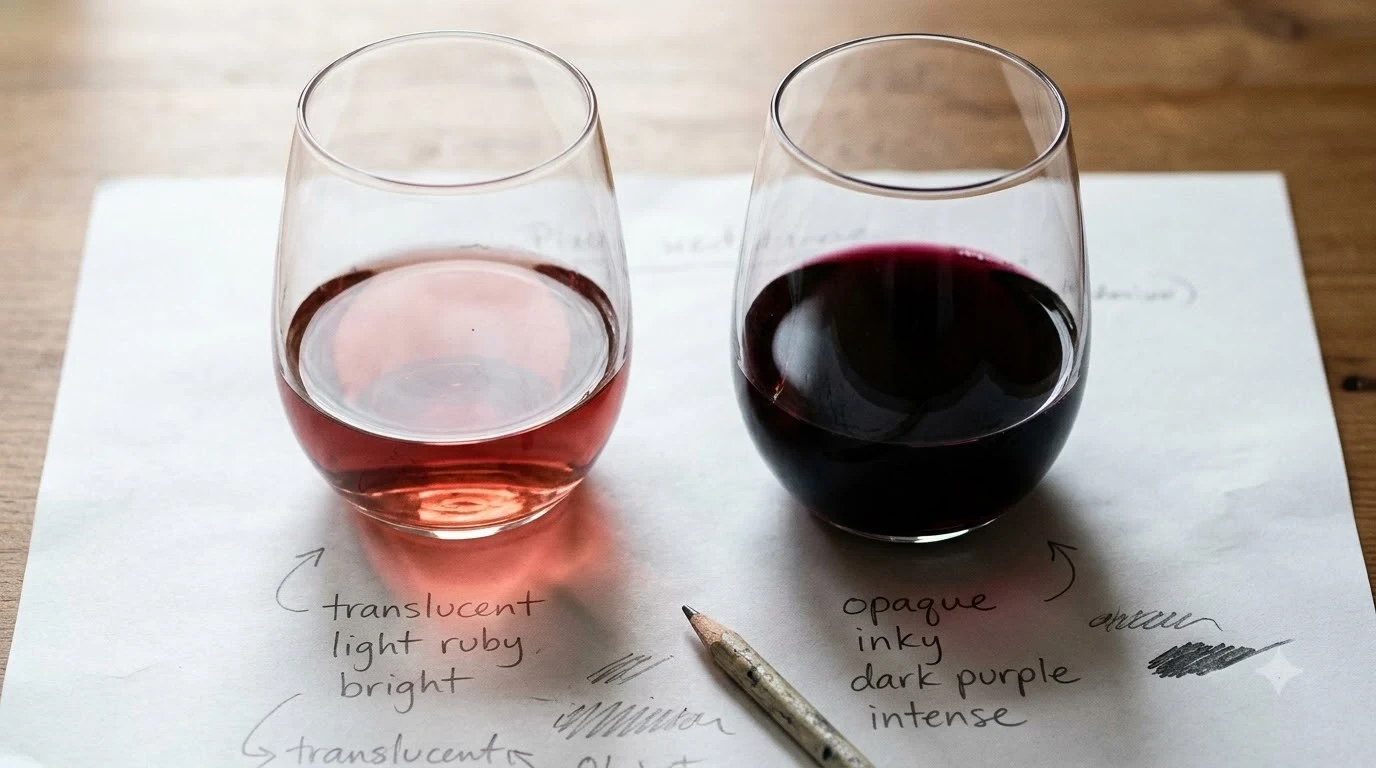
The core difference in pinot grigio vs zinfandel comes down to grape color, body, and intensity: Pinot Grigio is a crisp, light-to-medium-bodied dry white wine, while Zinfandel is a bold, full-bodied red wine with high alcohol and jammy dark fruit. Pinot Grigio relies on brisk acidity and citrus or orchard fruit flavors, whereas red Zinfandel delivers concentrated blackberry, raspberry, and black pepper spice. Even when Zinfandel is vinified as a pink White Zinfandel rosé, it typically remains noticeably sweeter and softer than standard dry Pinot Grigio.
Choosing between these two popular bottles usually depends on the meal on the table and the season. One refreshes the palate with high acid and a chilly pour, while the other brings warmth, ripe berry richness, and spice to heavy, smoky, or tomato-rich dishes. Comparing their origins, structure, regional styles, and serving rules makes picking the right bottle straightforward.
Pinot Grigio vs Zinfandel at a Glance
Pinot Grigio and Zinfandel sit on opposite ends of the wine spectrum in color, alcohol by volume, and structural weight. Comparing their core metrics side by side highlights why they behave so differently in the glass and at the dinner table.
| Attribute | Pinot Grigio (Dry White) | Red Zinfandel |
|---|---|---|
| Grape Skin Color | Grayish-purple | Black-skinned |
| Primary Regions | Northern Italy, Alsace, Oregon | California, Puglia (as Primitivo) |
| Typical ABV | 11.5% to 13.5% | 14% to 16% |
| Body and Weight | Light to medium | Full-bodied |
| Acidity | High | Medium to medium-high |
| Tannins | None (low in skin-contact Ramato) | Low to moderate (higher if blended) |
| Sweetness Level | Dry (off-dry in select Alsace bottles) | Dry (semi-sweet in White Zinfandel) |
| Dominant Flavors | Lemon, green apple, pear, white flowers | Blackberry, raspberry, plum, black pepper |
| Serving Temperature | 45 to 50°F (up to 55°F for rich styles) | 60 to 65°F (up to 68°F in warm rooms) |
| Cellaring Window | 1 to 5 years | 5 to 7 years |
These structural numbers explain why a 5-ounce pour of Zinfandel feels much heavier and warmer on the palate than the same pour of Pinot Grigio. According to Wine Enthusiast, Zinfandel across all fortified, rosé, and table styles can span from 12% to nearly 20% ABV, though dry California table reds cluster tightly between 14% and 16% ABV.
Pinot Grigio stays considerably lighter because growers harvest the grayish-purple grapes earlier to preserve natural malic and tartaric acidity. Most northern Italian bottlings finish fermentation completely dry around 12% to 13% ABV, keeping sugar and alcohol low while emphasizing sharp citrus snap.
Grape Origins and Winemaking Differences
Pinot Grigio is a natural genetic color mutation of Burgundy’s Pinot Noir, whereas Zinfandel is an ancient black-skinned grape traced to Croatia’s Dalmatian coast. Their distinct genetic histories and cellar treatments shape everything from juice color to oak influence.
Burgundy Mutations and Stainless Steel Precision
According to VinePair, Pinot Grigio originated in France’s Burgundy region when a Pinot Noir vine mutated and switched off two anthocyanin pigment chromosomes, first creating white-skinned Pinot Blanc and then a grayish-purple hybrid named Pinot Gris. When the grape spread into northern Italy under the name Pinot Grigio, winemakers adopted cool fermentation in inert stainless steel tanks to lock in delicate pear, lime, and floral aromas without oak flavors.
Because winemakers press the grayish-purple skins off the juice immediately after crushing, standard Pinot Grigio pours pale straw or nearly clear. An exception occurs in Friuli-Venezia Giulia, where producers leave the juice in contact with the skins for several days to make copper-hued Ramato, adding light phenolic grip and dried herb complexity.
Croatian Roots and Ripe Cluster Dynamics
Zinfandel traveled a far different path from coastal Croatia—where DNA research at UC Davis linked it to Crljenak Kaštelanski and Tribidrag—to southern Italy as Primitivo and across the Atlantic to California during the 1849 Gold Rush. Unlike Pinot Grigio clusters that ripen evenly, Zinfandel forms large, tight cones containing green, ripe, and raisined berries on the exact same bunch.
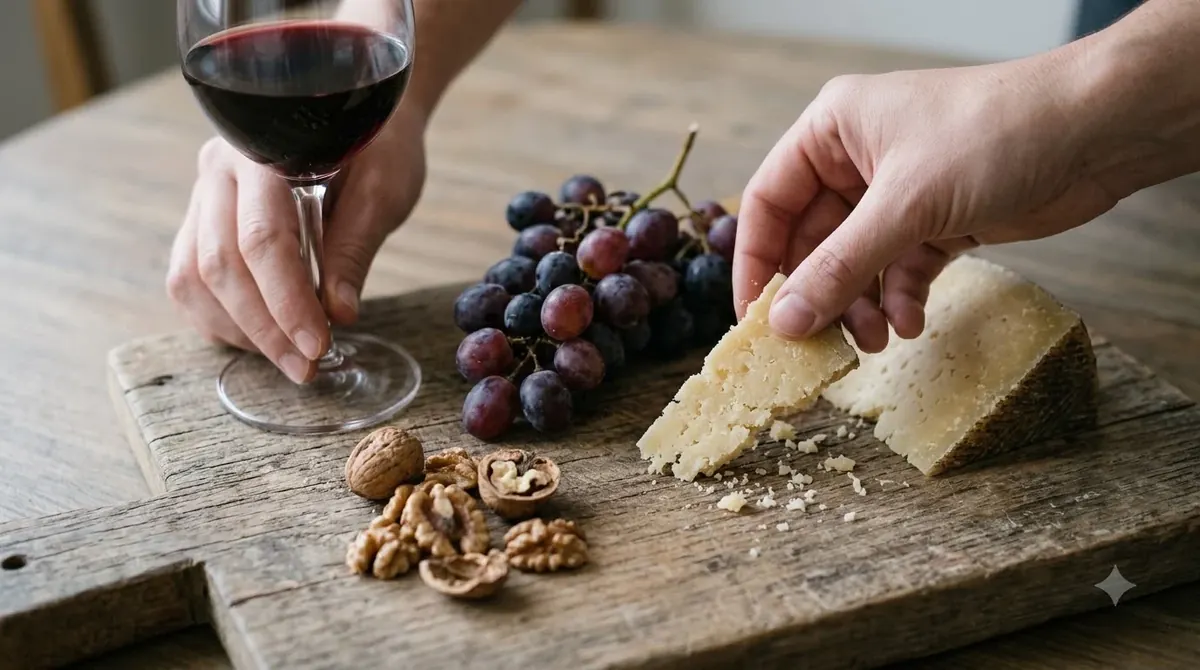
This uneven ripening gives red Zinfandel its signature combination of fresh red raspberry brightness and concentrated, jammy blackberry richness alongside raised sugar levels that ferment into high alcohol. Winemakers routinely age red Zinfandel in American or French oak barrels for 10 to 18 months, imparting vanilla, toast, and baking spice notes, and frequently blend in up to 15% or 20% Petite Sirah to deepen color and firm up the tannin structure.
Tip: Do not confuse red Zinfandel with White Zinfandel when shopping. White Zinfandel uses the exact same black-skinned grape, but winemakers bleed off the pink juice early via the saignée method and halt fermentation early, creating a sweeter rosé style explored further in our pinot grigio vs white zinfandel comparison.
Flavor Profile, Acidity, and Body Compared
Pinot Grigio tastes crisp, zesty, and linear with green fruit and citrus flavors, while red Zinfandel tastes plush, spicy, and round with dark berry jam and pepper. Evaluating acid, tannin, and alcohol side by side clarifies how each wine feels from the first sip through the finish.
Acidity and Crispness
High acidity is the defining backbone of Pinot Grigio, creating a mouthwatering sensation on the sides of the tongue that makes the wine feel lively and clean. Even fuller-bodied expressions from Oregon or Alsace retain bright underlying tartness that balances richer orchard fruit notes of yellow apple, white peach, and Meyer lemon.
Red Zinfandel carries medium to medium-high acidity, which keeps its jammy fruit from tasting flat or syrupy. However, because Zinfandel ripens in warm, sunny climates to high sugar levels, its acidity sits in the background behind a wave of ripe black cherry, boysenberry, and fig flavors rather than leading the palate.
Tannins, Alcohol, and Texture
Standard white Pinot Grigio has virtually zero tannin, giving it a smooth, weightless texture that glides across the palate without astringency. Readers who enjoy that clean, crisp white wine profile but want slightly more stone fruit weight or floral aromatics often compare it against other white grapes in our chenin blanc vs pinot grigio guide.
Red Zinfandel sits in the low-to-moderate tannin range compared to heavily structured Cabernet Sauvignon, yet it still delivers noticeable grip on the gums, especially when aged in new oak or blended with Petite Sirah. Combined with 14.5% to 16% ABV, Zinfandel coats the mouth with viscous warmth and finishes with cracked black pepper, clove, and licorice spice.
Key Growing Regions and Stylistic Variations
Climate and regional winemaking traditions split both grapes into distinct styles, ranging from featherweight alpine Italian whites to high-elevation California heritage reds. Knowing where a bottle was grown predicts its weight and flavor before the cork is pulled.
Northern Italy, Alsace, and the Pacific Northwest for Pinot Grigio
Northeastern Italy anchors global Pinot Grigio production across three neighboring zones: Veneto, Trentino-Alto Adige, and Friuli-Venezia Giulia. High-volume Veneto bottlings labeled Delle Venezie DOC offer light, citrusy simplicity, whereas high-altitude vineyards in Trentino-Alto Adige yield sharper minerality and alpine tension, and Friuli produces broader, more aromatic whites.
Across the border in France’s Alsace region, the grape is labeled Pinot Gris and vinified into a markedly richer, spicier, and sometimes off-dry wine showing honey, ginger, and ripe apricot. In the United States, Oregon’s Willamette Valley models its Pinot Gris after Alsace with textured orchard fruit and balanced acidity, while California versions lean softer with ripe pear and melon notes.
California AVAs and Southern Italy for Zinfandel
California defines modern red Zinfandel across diverse appellations, led by Lodi, Sonoma County’s Dry Creek Valley and Russian River Valley, Paso Robles, Napa Valley, and the Sierra Foothills. Warm inland regions like Lodi and Amador County—home to head-trained heritage vines over 100 years old—produce plush, dark-fruited reds with soft tannins and baking spice, whereas cooler fog-influenced pockets in Russian River Valley yield brighter red berry fruit and pronounced black pepper.
In southern Italy’s Puglia region, the exact same grape is bottled as Primitivo, most famously under the Primitivo di Manduria and Gioia del Colle appellations. Italian Primitivo often emphasizes dried fig, leather, and earthy Mediterranean herbs alongside juicy dark plum, offering a slightly more rustic counterpoint to fruit-forward California Zinfandel.
Food Pairing Strategies for Pinot Grigio and Zinfandel
Pinot Grigio excels with delicate seafood, fresh salads, and tangy goat cheese, whereas red Zinfandel stands up to smoky barbecue, charred meats, and richly spiced dishes. Matching each wine’s acidity, alcohol, and weight to the intensity of the plate prevents either the food or the wine from overpowering the other.
Best Dishes for Pinot Grigio
High acidity and zero tannin make Pinot Grigio a natural match for light proteins and bright, acidic sauces. Because high-acid foods generally benefit from a wine with matching acidity to keep the palate lively, Pinot Grigio pairs cleanly with lemon-dressed arugula salads, ceviche, grilled shrimp, sea bass, and steamed mussels in white wine garlic broth.
Pinot Grigio also works well with mild, creamy cheeses like fresh mozzarella, burrata, and young chèvre, as well as herb-driven pasta primavera and sushi. Oily fish like salmon or mackerel clash with tannic red wines, making crisp white Pinot Grigio—or similarly bright coastal whites explored in albarino vs pinot grigio—a far safer choice for seafood dinners.
Best Dishes for Red Zinfandel
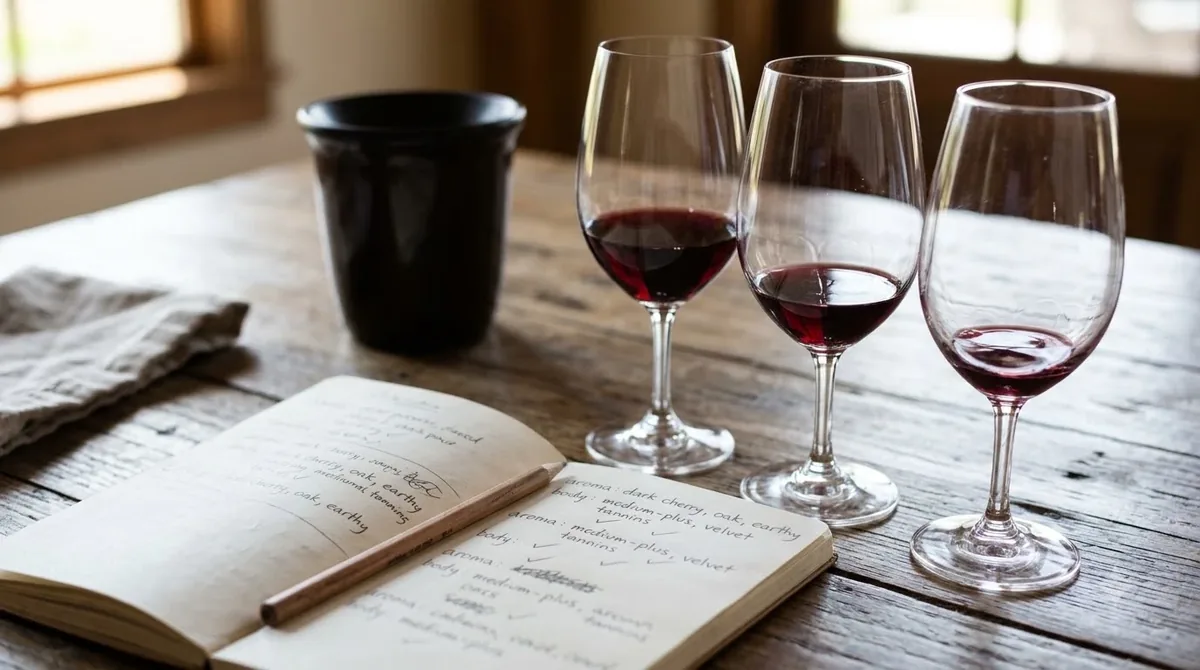
Red Zinfandel thrives alongside fat, salt, smoke, and sweet-savory glazes that soften its moderate tannins and match its bold berry concentration. According to the California Wine Institute, classic pairings include slow-smoked pork ribs, beef brisket, bacon cheeseburgers, Italian sausage pizza, and aged cheddar or gouda.
The ripe, jammy fruit in Zinfandel also handles moderately spiced dishes such as barbecue sauce, Moroccan lamb tagine, and tomato-based Indian curries better than dry, high-tannin reds. Keep in mind that fiery chili heat is amplified by high alcohol and tannin, so pair extra-spicy dishes with lower-alcohol Zinfandels around 13.5% to 14% ABV (as noted on typical bottle labels) rather than 16% ABV powerhouse bottles.
Serving Temperature, Glassware, and Storage
Serving Pinot Grigio chilled between 45 and 50°F and red Zinfandel slightly below room temperature between 60 and 65°F keeps both wines balanced in the glass. Proper glassware and post-opening fridge storage further protect their aromas from fading or turning sharp.
Temperature and Glassware Rules
Standard northern Italian Pinot Grigio tastes sharpest and most refreshing at 45 to 50°F, roughly 2 hours in a standard kitchen refrigerator. Fuller-bodied Pinot Gris from Alsace or Oregon benefits from a slightly warmer pour between 50 and 55°F—achieved by letting the bottle sit on the counter for 15 minutes after pulling it from the fridge—and a standard white wine glass with a medium bowl to capture orchard fruit aromatics.
Red Zinfandel is frequently served too warm at typical 72°F indoor room temperature, which makes its 14.5% to 16% ABV (per standard producer alcohol ranges) taste hot and aggressive. Chilling a bottle in the refrigerator for 25 to 30 minutes brings it into the ideal 60 to 65°F window, and pouring it into a large-bowled red wine glass after 30 minutes of decanting softens youthful tannins and opens up black pepper and berry aromas.
Storage and Shelf Life After Opening
Unopened bottles of both wines store best lying on their sides in a dark space near 55°F to keep natural corks moist and prevent premature oxidation. Most crisp Italian Pinot Grigios are built for immediate drinking within 1 to 3 years of the vintage date, whereas structured California Zinfandels from top vineyards can develop tertiary leather and dried spice complexity over 5 to 7 years.
Once opened, a standard 750-milliliter bottle yields about five 5-ounce pours by standard U.S. serving guidelines, and recorking leftover wine immediately slows oxygen exposure. Stored upright in the refrigerator, both opened Pinot Grigio and opened red Zinfandel stay fresh for 3 to 5 days—just allow leftover Zinfandel to warm back up toward 60°F for 20 minutes before pouring the next glass.
How to Choose Between Pinot Grigio and Zinfandel
Pick Pinot Grigio when the menu features light seafood, poultry, or warm-weather appetizers, and pick Zinfandel when serving grilled meats, tomato sauces, or hearty comfort food. Reviewing the occasion, guest preferences, and flavor goals alongside broader Wine vs Wine comparisons makes the final decision easy on the palate.
Choose Pinot Grigio if guests prefer refreshing, low-alcohol wines that cleanse the palate between bites without heavy oak or lingering astringency. It is also the stronger pick for outdoor afternoon gatherings, pre-dinner aperitifs, and vegetarian menus built around fresh herbs, citrus, and mild cheeses.
Choose red Zinfandel if the occasion calls for a rich, warming red wine with bold fruit intensity, subtle oak spice, and enough body to anchor a heavy dinner. When serving a mixed crowd with uncertain preferences, a medium-bodied, fruit-forward Zinfandel around 14.5% ABV (at the lower end of typical red Zinfandel bottling ranges) bridges the gap between lighter Pinot Noir fans and full-bodied Cabernet drinkers.
Frequently Asked Questions
Is Pinot Grigio sweeter than Zinfandel?
No, standard Italian Pinot Grigio is fermented dry with less than 4 grams per liter of residual sugar under European Union dry wine definitions, tasting crisp rather than sweet. Dry red Zinfandel also finishes with minimal residual sugar, though its ripe fruitiness creates an impression of sweetness, while pink White Zinfandel typically holds 20 to 40 grams per liter of residual sugar according to California producer technical sheets.
Which wine has more calories per glass, Pinot Grigio or Zinfandel?
Red Zinfandel contains more calories because alcohol carries roughly 7 calories per gram per USDA nutritional data and Zinfandel sits higher in ABV. According to USDA FoodData Central estimates, a 5-ounce pour of 12.5% ABV Pinot Grigio contains roughly 120 calories, whereas a 5-ounce pour of 15% ABV red Zinfandel delivers around 145 to 150 calories.
Are Zinfandel and Primitivo the exact same grape?
Yes, DNA profiling conducted by researchers at the University of California, Davis confirmed that California Zinfandel and southern Italian Primitivo are genetically identical clones of Croatia’s Crljenak Kaštelanski grape. Under U.S. Alcohol and Tobacco Tax and Trade Bureau labeling regulations, domestic producers may even list Primitivo as an approved synonym for Zinfandel on bottle labels.
Does Old Vine on a Zinfandel label have a legal age requirement?
No, U.S. wine labeling regulations do not enforce a minimum vine age for the term Old Vine on a bottle. In practice, California winegrowers and organizations such as the Historic Vineyard Society generally reserve the designation for heritage head-trained vineyards planted at least 50 years ago, which naturally yield lower crop volumes with concentrated dark fruit.
What is the difference between Pinot Grigio and Pinot Gris?
Pinot Grigio and Pinot Gris are the exact same grape variety, simply named in Italian or French respectively. Bottles labeled Pinot Grigio usually follow the crisp, light-bodied, citrus-driven Italian style, whereas bottles labeled Pinot Gris typically follow the fuller-bodied, spicier, orchard-fruit style popularized in Alsace and Oregon.
Pinot Grigio and Zinfandel represent two classic, reliable styles that cover opposite ends of the dining table. Keeping a chilled bottle of dry Pinot Grigio for seafood and bright salads alongside a cellar-temperature red Zinfandel for grilled meats and hearty pastas ensures the right match for any meal.
More in Wine vs Wine
 Chenin Blanc vs Pinot Gris: Acidity, Body, and Pairing DifferencesUpdated Nov 20, 2026
 Chianti vs Lambrusco: How Tuscany and Emilia-Romagna Reds CompareUpdated Nov 20, 2026
 Chianti vs Primitivo: Key Differences in Taste, Body, and PairingUpdated Nov 20, 2026
 Chianti vs Rioja: Key Differences in Taste, Aging, and PairingUpdated Nov 20, 2026
 Chianti vs Shiraz: How Acidity, Body, and Food Pairings CompareUpdated Nov 20, 2026
 Chianti vs Syrah: Key Differences in Taste, Body, and Food PairingUpdated Nov 20, 2026