

We may earn a commission when you buy through links on this page, at no extra cost to you. Learn more.
The core difference in pinot gris vs rose comes down to grape identity versus winemaking style: Pinot Gris is a specific white wine made from pinkish-gray grapes, while rosé is a broad category of pink wine made from red-skinned grapes using brief skin contact. Pinot Gris delivers richer orchard fruit, honeyed spice, and fuller body—especially in bottles from Alsace and Oregon—whereas dry rosé leans into bright red berries, citrus zest, and crisp, refreshing acidity. Both pour best chilled at 45 to 50 degrees Fahrenheit, yet each shines with different dishes at the table.
Shoppers often reach for Pinot Gris and rosé for the same warm-weather occasions, patio lunches, or weeknight seafood dinners, yet the two bottles behave very differently once poured. Understanding how grape genetics, skin maceration, regional traditions, and residual sugar shape each glass makes choosing between them straightforward.
Pinot Gris vs Rose: How Grape Variety and Winemaking Differ
Pinot Gris is a single grape variety vinified primarily as a white wine, while rosé is a color and production category crafted from many different red wine grapes. Even though Pinot Gris berries carry a pigmented skin, winemakers press them gently to keep the juice pale gold rather than pink.
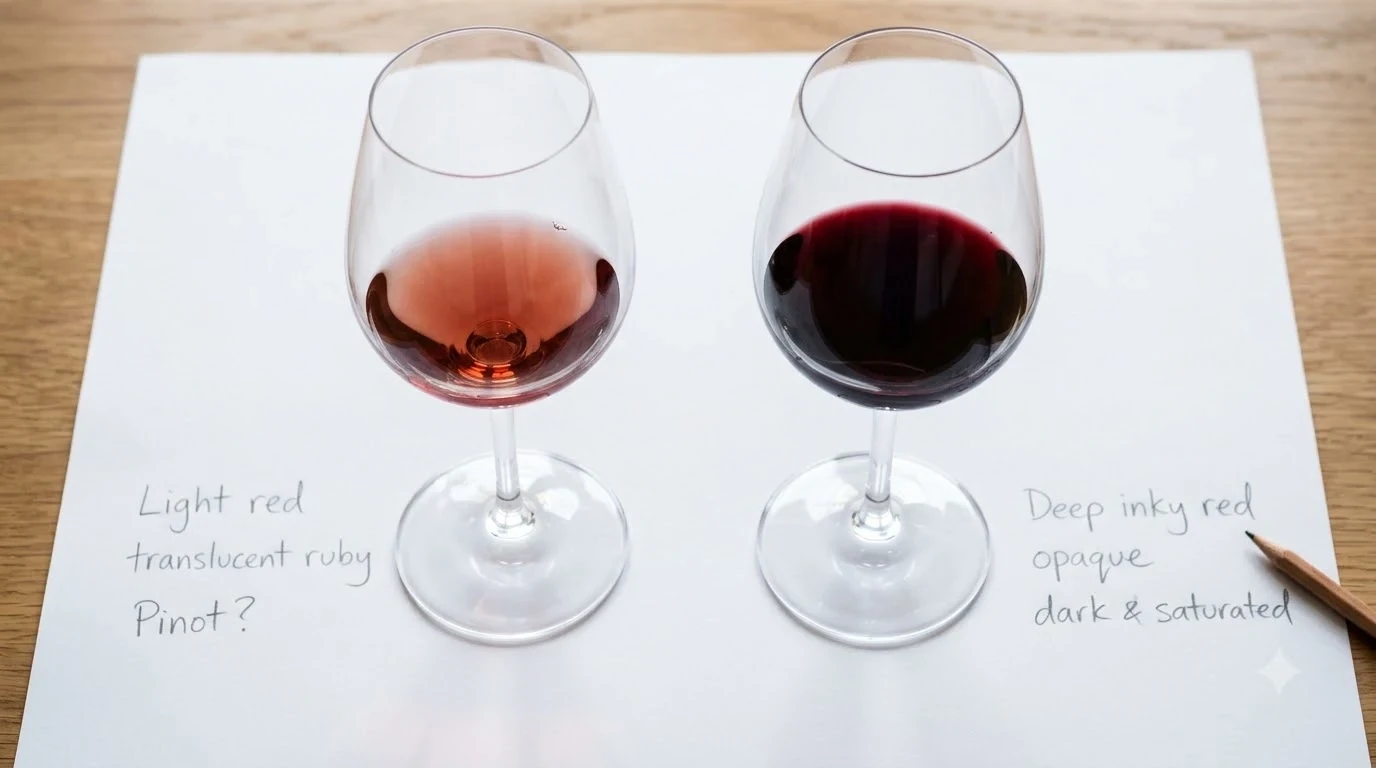
Botanically, Pinot Gris is a natural color mutation of Pinot Noir and a genetic sibling of Pinot Blanc, according to Wine Enthusiast. Its berries develop a dusty pinkish-gray to coppery-red hue on the vine—the exact trait that gave the grape its French name gris and Italian name grigio, both translating to gray. When producers harvest Pinot Gris for classic white wine, they separate the clear juice from the skins quickly so anthocyanins and phenolic compounds stay out of the fermenter, yielding a straw-to-gold white wine with stone fruit and spice notes.
Rosé, by contrast, is defined by method rather than a single cultivar. As detailed by the Conseil Interprofessionnel des Vins de Provence, the pulp inside black wine grapes such as Grenache, Syrah, Cinsault, Mourvèdre, and Pinot Noir is naturally colorless; pink pigment comes entirely from letting clear juice rest against crushed red skins before pressing. Winemakers rely on three primary techniques to build rosé:
- Direct pressing: Whole or destemmed red grapes are pressed immediately and slowly, extracting only a whisper of pale salmon color and delicate citrus or strawberry aromatics.
- Limited skin maceration: Crushed grapes soak in tank—typically for 2 to 20 hours at 16 to 20 degrees Celsius in Provence, or up to 48 hours elsewhere—before the pink juice is drained off to ferment like a white wine.
- Saignée (bleeding): Winemakers draw off 5 to 15 percent of the pink juice early in red wine maceration, creating a deeper, fuller-bodied rosé while concentrating the skins-to-juice ratio for the red wine left behind.
Because Pinot Gris itself has pigmented skins, a small subset of winemakers actually macerates Pinot Gris skins for four to 24 hours to create a coppery-pink style known in northeastern Italy as ramato. Producers such as Specogna, La Fattoria, and Livio Felluga in Friuli have kept that traditional skin-contact expression alive, bridging the visual gap between white Pinot Gris and true pink rosé.
Flavor Profile, Body, and Texture Side by Side
Pinot Gris generally feels rounder, heavier, and more textured on the palate than dry rosé, trading red berry snap for ripe orchard fruit and subtle spice. Dry rosé emphasizes mouthwatering acidity, crushed strawberry, watermelon, and crisp mineral tension.
| Attribute | Pinot Gris (Alsace & Oregon Style) | Dry Rosé (Provence & Similar Styles) |
|---|---|---|
| Primary Grapes | 100% Pinot Gris (pinkish-gray mutation of Pinot Noir) | Grenache, Syrah, Cinsault, Mourvèdre, Pinot Noir, Sangiovese |
| Color in Glass | Pale straw to deep golden yellow (coppery in ramato) | Pale onion-skin, salmon, coral, or bright cherry pink |
| Core Flavors | Ripe pear, white peach, yellow apple, ginger, honey, wet stone | Wild strawberry, watermelon, white peach, pink grapefruit, dried herbs |
| Body & Texture | Medium to full-bodied; oily, plush, or waxy mid-palate | Light to medium-bodied; crisp, lean, and brisk |
| Acidity & Tannin | Medium to medium-high acidity; virtually no tannin | High acidity; trace phenolic grip in darker macerated bottles |
| Typical Alcohol (ABV) | 12.5% to 14.5% ABV | 11.5% to 13.5% ABV |
| Serving Temperature | 45–50°F (up to 52°F for rich oak-aged Alsace) | 45–50°F |
Texture is the fastest way to tell the two wines apart in a blind tasting. Pinot Gris carries naturally lower malic acid than Sauvignon Blanc or Riesling and higher extract, giving even unoaked bottles a silky, slightly viscous weight across the center of the tongue. In Alsace, winemakers like André Ostertag of Domaine Ostertag ferment and mature dry Pinot Gris in neutral oak barrels specifically to encourage gentle oxygenation, building a broad, earthy structure that approaches light red wine in presence.
Dry rosé takes the opposite textural path. Fermented cool in stainless steel at 18 to 20 degrees Celsius for roughly one week, classic Mediterranean and cool-climate rosés preserve tart, mouth-cleansing acidity without oak weight. Even darker saignée rosés from Napa Valley or the Rhône Valley retain an energetic, refreshing finish rather than the oily, beeswax richness common in mature Pinot Gris.
Sweetness Levels and Alcohol Content Compared
Most mainstream bottles of both Pinot Gris and rosé sold in the United States are fermented dry, though Pinot Gris spans a wider range from bone-dry to luscious dessert styles. Alcohol also trends roughly half to one full percentage point higher in Pinot Gris due to the grape’s rapid sugar accumulation.
On the vineyard side, Pinot Gris ripens quickly in sunny autumns and can gain a full degree of potential alcohol in a single day while dropping natural acidity, according to fifth-generation Alsace grower Thierry Kientzler of Domaine Kientzler in Ribeauvillé. As a result, dry Pinot Gris from Alsace, Oregon’s Willamette Valley, or Washington’s Columbia Valley routinely lands between 13 and 14.5 percent ABV. If you prefer a leaner, lower-alcohol expression from the exact same grape, comparing pinot grigio vs rose shows how early-picked northern Italian versions stay closer to 11.5 to 12.5 percent ABV with sharper citrus bite.
Sweetness varies sharply by origin and label terms rather than wine color alone:
- Dry Pinot Gris: Oregon, California, and modern dry Alsace bottlings contain under 4 grams per liter of residual sugar, tasting savory and fruit-driven without overt sweetness.
- Off-Dry and Late-Harvest Pinot Gris: Traditional Alsace Grand Cru bottles often retain noticeable residual sugar balanced by stony acidity, while botrytized Vendanges Tardives and Sélection de Grains Nobles reach full dessert sweetness.
- Dry vs. Off-Dry Rosé: European appellations such as Côtes de Provence, Tavel, and Rioja Rosado are almost exclusively dry, whereas mass-market domestic labels like White Zinfandel or Rosé d’Anjou from the Loire Valley leave 15 to 45 grams per liter of residual sugar for a fruity, off-dry profile.
Tip: Check the alcohol percentage on the back label before buying either bottle—a Pinot Gris at 13.5% ABV or higher will feel noticeably richer and warmer than a 12% ABV rosé, even when both wines are completely dry.
Key Wine Regions Behind Pinot Gris and Rosé
Geography shapes both wines dramatically, dividing Pinot Gris into distinct Old World and Pacific Northwest traditions while splitting rosé between pale coastal blends and deeper inland styles. Knowing three benchmark regions for each wine helps predict what is inside the bottle before pulling the cork.
Benchmark Regions for Pinot Gris
Alsace, France sits in the rain shadow of the Vosges Mountains, where sunny, dry autumns allow Pinot Gris to reach full aromatic ripeness on granite, limestone, and volcanic slopes. Producers here craft the world’s richest expressions—ranging from austere, smoky dry wines like Trimbach Réserve to opulent, honeyed Grand Cru bottlings. Readers exploring other aromatic white grapes from the same northeastern French hillsides can compare gewurztraminer vs pinot gris to see how Pinot Gris trades lychee and rosewater perfume for earthier stone fruit and food-friendly restraint.
Food Pairing: Matching Pinot Gris and Rosé to the Table
Pinot Gris excels alongside creamy sauces, roasted white meats, and rich seafood thanks to its broader, slightly oily mid-palate, while dry rosé thrives with acidic vinaigrettes, charred vegetables, and salty Mediterranean mezze. Choosing between them comes down to whether the dish needs plush weight or sharp, palate-cleansing acidity.
Pinot Gris brings enough body and low-tannin structure to stand up to savory proteins that would overwhelm lighter white wines. In Alsace, winemaker André Ostertag notes that traditional dry Pinot Gris was historically paired with venison and feathered game, leveraging its oak-aged texture and earthy depth. At home, a dry Oregon or Alsace Pinot Gris pairs naturally with roast chicken with tarragon butter, pork tenderloin with apples, pan-seared scallops, crab cakes, and creamy mushroom risotto. When sweet-and-savory flavors enter the picture—such as glazed ham, duck à l’orange, or mild Thai curry—an off-dry Alsace Pinot Gris cushions moderate spice without clashing, whereas high-alcohol dry bottles amplify chili heat.
Dry rosé shines where high-acid or tomato-driven dishes make richer whites feel heavy. Because acidic food requires equal or higher wine acidity, a crisp Provence or Spanish rosé cuts cleanly through goat cheese salads, ratatouille, grilled shrimp with lemon, Niçoise salad, and prosciutto-wrapped melon. Darker, longer-macerated rosés like Tavel carry enough phenolic grip to handle grilled salmon, lamb kebabs, and barbecue ribs without the metallic clash that tannic red wines create with oily fish. For readers weighing other high-acid white alternatives before dinner, comparing chenin blanc vs pinot gris highlights how Loire Valley whites bridge the gap between rosé’s zesty snap and Pinot Gris’s rounded orchard fruit.
Serving Temperature, Glassware, and Storage
Both Pinot Gris and dry rosé pour best chilled between 45 and 50 degrees Fahrenheit, though oak-aged Alsace Pinot Gris opens up closer to 52 degrees Fahrenheit. Proper glassware and short-term refrigerator storage preserve their delicate aromatics once uncorked.
Serving either wine straight from a 37-degree kitchen refrigerator mutes its fruit and accentuates bitterness; letting the bottle rest on the counter briefly after chilling brings it into the ideal 45 to 50 degree window. Pour a standard 5-ounce serving (roughly five glasses per 750-milliliter bottle) into a medium-sized tulip-shaped white wine glass, which concentrates white peach and strawberry aromatics while directing the wine across the palate’s center.
For long-term keeping before opening, store both wines horizontally at a steady 55 degrees Fahrenheit so corks remain moist and airtight. While most dry rosés and crisp Oregon Pinot Gris bottles are meant to be enjoyed young for peak freshness, top Alsace Pinot Gris can evolve for a decade or longer—Colmar winemaker Alexandre Schoffit recommends at least eight years of bottle age for botrytized Vendanges Tardives Pinot Gris, according to Decanter, so the wine can develop marmalade and hazelnut complexity. Once opened and recorked in the refrigerator, still Pinot Gris and rosé retain fresh fruit for several days.
How to Choose Between Pinot Gris and Rosé
Reach for Pinot Gris when you want a fuller, rounder white wine with pear, peach, and spice notes for richer poultry, pork, or cream-based dishes. Pick dry rosé when the occasion calls for crisp red-berry refreshment, lower perceived weight, or a versatile match for salads, tomatoes, and grilled seafood.
- Choose dry Pinot Gris if: The menu features roast chicken, pork chops, buttery shellfish, or aged Gruyère, or when guests prefer a smoother, less tart mouthfeel than Sauvignon Blanc delivers.
- Choose off-dry Alsace Pinot Gris if: You are serving mildly spiced Asian dishes, paté, or fruit-based desserts where a touch of residual sugar softens heat and salt.
- Choose pale dry rosé if: You are pouring outdoors on a warm afternoon, serving raw bar items, citrus vinaigrettes, or tomato-and-herb dishes, or want a crisp, lower-alcohol aperitif.
- Choose deeper saignée or Tavel rosé if: The meal includes grilled salmon, sausages, or charred meats where pale rosé feels too delicate and full red wine feels too heavy.
Exploring additional head-to-head style matchups across the Wine vs Wine guide collection helps narrow down bottle choices whenever a recipe falls between classic white, pink, and light red pairings.
Frequently Asked Questions
Can rosé be made by mixing red wine and white wine together?
Blending finished red and white wines is prohibited for Protected Designation of Origin still wines across the European Union, according to VinePair. The sole major European exception is rosé Champagne, where winemakers routinely blend a small proportion of still Pinot Noir or Meunier red wine into white base wine before the second bottle fermentation.
Why do some bottles of Pinot Gris look copper or pink in the glass?
Because Pinot Gris berries naturally carry reddish-gray skins, letting the crushed juice macerate on the skins for four to 24 hours extracts coppery-pink anthocyanins, as Master of Wine David Gleave explains in Decanter. In northeastern Italy’s Friuli region, this traditional skin-contact style is bottled under the name ramato, meaning copper.
Are white grapes ever allowed inside a bottle of French rosé?
Yes—in Provence, winemaking regulations allow producers to include a small percentage of white grapes such as Rolle, Clairette, or Ugni Blanc alongside red varieties during rosé production, according to the Conseil Interprofessionnel des Vins de Provence. Winemakers add white cultivars to boost aromatic lift and roundness on the mid-palate without deepening the wine’s pale pink color.
Which wine pairs better with chocolate desserts, Pinot Gris or rosé?
A sweet late-harvest Alsace Pinot Gris handles chocolate desserts far better than dry rosé, which tastes thin and sour next to sugar. Colmar producer Alexandre Schoffit specifically pairs aged, botrytized Vendanges Tardives Pinot Gris with chocolate-pear tart, as reported by Decanter, matching the dessert’s sweetness and orchard fruit notes.
Does darker pink color always mean a rosé is sweet?
No—color depth reflects skin-contact duration and grape variety rather than sugar content. Deeply pigmented rosés from Tavel in France or Navarra in Spain are fermented completely dry with zero noticeable sweetness, while very pale blush wines can still contain high residual sugar if fermentation is stopped early.
Whether you lean toward the plush stone-fruit richness of Pinot Gris or the brisk red-berry snap of dry rosé, matching the bottle’s body and residual sugar to your menu guarantees a better pour. Keep both styles chilled near 45 to 50 degrees Fahrenheit so their aromatics stay vivid from the first glass to the last.
More in Wine vs Wine
 Chenin Blanc vs Pinot Gris: Acidity, Body, and Pairing DifferencesUpdated Nov 20, 2026
 Chianti vs Lambrusco: How Tuscany and Emilia-Romagna Reds CompareUpdated Nov 20, 2026
 Chianti vs Primitivo: Key Differences in Taste, Body, and PairingUpdated Nov 20, 2026
 Chianti vs Rioja: Key Differences in Taste, Aging, and PairingUpdated Nov 20, 2026
 Chianti vs Shiraz: How Acidity, Body, and Food Pairings CompareUpdated Nov 20, 2026
 Chianti vs Syrah: Key Differences in Taste, Body, and Food PairingUpdated Nov 20, 2026