

We may earn a commission when you buy through links on this page, at no extra cost to you. Learn more.
When comparing primitivo vs syrah, Primitivo delivers a plush, jammy, higher-alcohol red with softer tannins, while Syrah offers a drier, more savory, pepper-driven wine with firmer tannic grip. Both grapes produce deep ruby-to-purple, full-bodied red wines, yet they come from completely different grape families and winemaking traditions. Primitivo thrives in the sun-drenched coastal plains of southern Italy, whereas Syrah originated in France’s Rhône Valley and gained global fame under the name Shiraz in Australia.
Shoppers often reach for either bottle when they want a rich, dark-fruited red wine for dinner, only to discover two distinct personalities in the glass. Understanding how sugar, tannin, acidity, and regional climate shape each grape makes choosing the right bottle straightforward. For readers exploring other bold red matchups, browsing Wine vs Wine comparisons helps clarify how classic varieties stack up side by side.
Grape Origins and Genetic Identities
Primitivo and Syrah are unrelated dark-skinned wine grapes with separate European roots, though both carry famous international aliases. Primitivo is native to the Adriatic coast of Croatia—where it is known as Tribidrag or Crljenak Kaštelanski—and arrived in southern Italy’s Puglia region centuries ago, while Syrah is a native French grape born in the Rhône Valley.
In the vineyards of Puglia, the heel of Italy’s boot, growers named the grape Primitivo from the Latin word primativus because its berries ripen earlier in the summer than neighboring varieties. DNA profiling later confirmed that Primitivo is genetically identical to California’s signature Zinfandel grape, even though Italian and American winemakers handle the fruit differently. Readers curious about how Syrah stacks up against that New World twin can explore syrah vs zinfandel to see how California terroir shifts the equation.
Syrah followed a very different geographic path from its home in southeastern France, where iconic appellations like Côte-Rôtie and Hermitage built its reputation for age-worthy structure. According to Wine Folly, global plantings of Syrah expanded from roughly 10,000 hectares in the 1980s to more than 180,000 hectares worldwide. When British settlers brought cuttings to Australia in the nineteenth century, the grape adopted the local name Shiraz and became the backbone of warm-climate regions such as Barossa Valley and McLaren Vale.
Side-by-Side Structure: Body, Tannins, Acidity, and Alcohol
Primitivo typically finishes with higher alcohol, softer tannins, and a rounder perception of fruit sweetness than Syrah, which leans noticeably drier, firmer, and fresher on the palate. Both wines sit squarely in the full-bodied red category, yet their structural balance creates very different mouthfeels from the first sip to the finish.
| Wine Attribute | Primitivo (Puglia, Italy) | Cool-Climate Syrah (Rhône, Sonoma) | Warm-Climate Shiraz (Australia) |
|---|---|---|---|
| Body | Full | Medium-plus to full | Full |
| Tannin Level | Medium, plush and velvety | Medium-plus to high, firm and grippy | High, ripe and dense |
| Acidity | Low to medium | Medium to brisk | Medium |
| Typical Alcohol (ABV) | 13.5% to 15.5% | 13.0% to 14.0% | 14.0% to 15.5% |
| Sweetness Style | Dry to off-dry (up to 18 g/L RS in DOC) | Bone-dry | Dry (occasional trace RS in entry bottles) |
| Primary Flavor Notes | Blackberry jam, dried fig, black cherry, baking spice | Black pepper, smoked meat, blackberry, violet, herbs | Blueberry, black plum, chocolate, licorice, pepper |
Alcohol and Residual Sugar Differences
Primitivo bunches ripen unevenly under the intense southern Italian sun, often holding fresh berries alongside partially raisined grapes with concentrated sugar on the same cluster. According to Italian Wine Central, dry Primitivo di Manduria DOC regulations require a minimum alcohol level of 13.5% ABV for standard Rosso and 14.0% ABV for Riserva, while permitting up to 18 grams per liter of residual sugar. That trace of unfermented grape sugar—roughly 1.8%—gives many Primitivo bottles a supple, fruit-sweet mid-palate even when labeled as dry table wine.
Syrah, by contrast, almost always ferments to complete dryness with virtually zero residual sugar. Cooler-climate Syrah from the Northern Rhône or California’s Sonoma Coast generally lands between 13% and 14% ABV, keeping the finish crisp and lifted. Warm-climate Australian Shiraz pushes alcohol into the 14% to 15.5% ABV range through longer hang time on the vine, creating generous body and warmth without relying on leftover grape sugar.
Tannin Grip and Acidity
Tannin structure separates these two wines faster than any other trait during a blind tasting. Primitivo has relatively thin skins compared to Bordeaux varieties, yielding medium, velvety tannins that coat the tongue gently without harsh astringency. Combined with low-to-medium acidity, Primitivo feels lush, round, and immediately approachable upon release.
Syrah carries thicker, deeply pigmented skins packed with anthocyanins and phenolic compounds. As a result, Syrah delivers medium-plus to high tannins that provide noticeable drying grip along the gums, paired with brisk, mouthwatering acidity that keeps heavy meals feeling balanced. In youth, a structured Northern Rhône Syrah or Barossa Shiraz feels tighter and more muscular than a Puglian Primitivo of the same vintage.
Flavor and Aroma Profiles in the Glass
Primitivo smells and tastes like cooked dark berries, dried figs, sweet baking spices, and dark chocolate, whereas Syrah centers on cracked black pepper, smoked meat, violet blossoms, and tart forest fruits. Visually, both wines pour an opaque ruby-purple color, though youthful Syrah often displays an even deeper, inky black core.
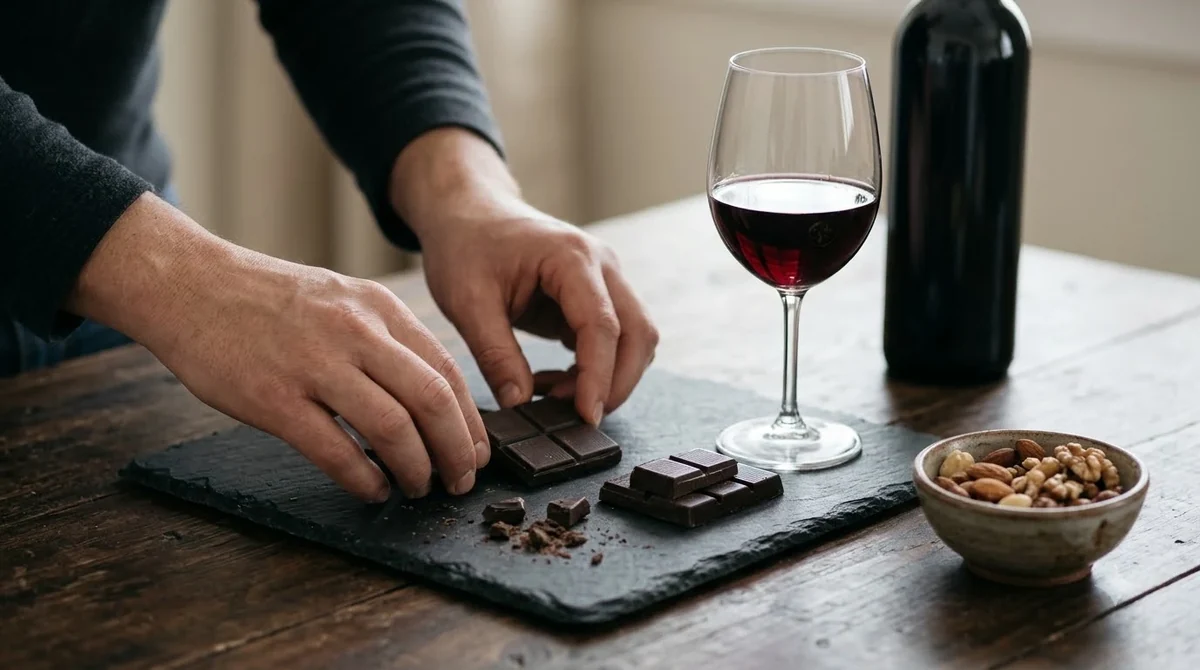
Swirling a glass of Puglian Primitivo releases warm, sun-baked aromatics of blackberry jam, stewed black cherry, ripe plum, and dried fig. Winemakers frequently age top bottles in oak barrels—Primitivo di Manduria Riserva mandates at least 24 months of aging with 9 months in wood—which layers cinnamon, vanilla, clove, and cocoa over the candied fruit core. A gentle peppery warmth often appears on the back palate, driven largely by high alcohol rather than herbal spice compounds.
Syrah derives its signature spice from rotundone, an aromatic compound concentrated in the grape skins that smells unmistakably like freshly cracked black and white peppercorns. Alongside pepper, cool-climate Syrah exhibits savory notes of cured bacon, black olive tapenade, crushed violets, and wild herbs. Warm-climate Shiraz amplifies juicy blueberry, black plum, and licorice notes, yet still retains that savory, smoky backbone that prevents the fruit from tasting like jam.
Tip: If a bottle tastes sweet on the tip of your tongue with soft, velvety edges, you are almost certainly drinking Primitivo; if the finish turns dry, peppery, and mouth-drying with savory smoke, the glass holds Syrah.
Key Growing Regions and Winemaking Styles
Primitivo is overwhelmingly concentrated in southern Italy’s Puglia region—led by Primitivo di Manduria DOC and Gioia del Colle DOC—while Syrah spans diverse global terroirs from France’s Northern Rhône Valley to Australia’s Barossa Valley, California, and Washington State. Regional climate and vineyard elevation dramatically influence how intense or restrained each bottle tastes.
Southern Italy’s Primitivo Heartland
Puglia’s Salento peninsula provides hot, arid summers tempered by cooling breezes from the Ionian and Adriatic seas. Within the Primitivo di Manduria DOC, which covers 3,922 hectares across 18 municipalities in Taranto and Brindisi, traditional bush-trained alberello vines sink roots into iron-rich red clay over limestone. Yield caps of 9 metric tons per hectare concentrate the juice into rich, full-throttle reds, and the region also produces Primitivo di Manduria Dolce Naturale DOCG, a naturally sweet dessert wine requiring at least 50 grams per liter of residual sugar. Further inland at elevations between 200 and 450 meters, Gioia del Colle DOC produces slightly leaner, higher-acid Primitivo with brighter red cherry notes.
Old World Syrah vs. New World Shiraz
Food Pairing: Matching Each Grape to Dinner
Primitivo pairs best with sweet-glazed barbecue, caramelized roasted meats, and aged hard cheeses, while Syrah excels alongside heavily seasoned grilled steaks, game, smoky sausages, and herb-crusted lamb. Matching their contrasting sugar and tannin levels to the seasoning on the plate prevents either the wine or the dish from overwhelming the other.
Because Primitivo carries lower acidity, medium velvety tannins, and up to 18 grams per liter of residual sugar in dry DOC styles, it handles sweet and smoky sauces easily. Glazed pork ribs, pulled pork, teriyaki-marinated skirt steak, and meat-heavy Italian ragù all echo Primitivo’s jammy blackberry and dried fig character. Salt and fat soften tannin, so rich dishes like braised short ribs or aged Pecorino cheese round out Primitivo’s warm alcohol. However, high-alcohol bottles reaching 15.5% ABV will amplify fiery chili heat, so mild smoky paprika or sweet-heat glazes work far better than habanero sauces.
Syrah’s medium-plus to high tannins and brisk acidity cut straight through marbled fat and charred proteins. A dry-aged ribeye steak, rosemary-crusted rack of lamb, grilled duck breast, or black-pepper-rubbed brisket locks onto Syrah’s rotundone spice and savory smoked-meat notes. Cool-climate Northern Rhône Syrah at 13% to 14% ABV also pairs wonderfully with earthy mushroom risotto, lentil stews, and wild boar, while oily fish clashes with tannic reds and should be avoided with either bottle.
Serving Temperature, Decanting, and Cellar Aging
Serve both Primitivo and Syrah slightly below room temperature at 60°F to 65°F, decant young bottles for 30 to 60 minutes, and reserve long-term cellar space primarily for structured Syrah. Proper temperature control prevents high alcohol from smelling hot or sharp in the glass.
Room temperature in most American homes sits around 70°F to 72°F, which makes a 14.5% to 15.5% ABV Primitivo or Australian Shiraz taste overly alcoholic and flabby. Placing either bottle in a standard refrigerator for 20 to 30 minutes before pouring brings it into the ideal 60°F to 65°F window, tightening the fruit and keeping the finish crisp. Pouring standard 5-ounce servings yields roughly five glasses per 750-milliliter bottle, and leftover wine kept sealed in the refrigerator stays fresh for 3 to 5 days.
When aging bottles, Syrah’s combination of high tannins, thick skins, and brisk acidity gives top Northern Rhône and Barossa examples the structural backbone to cellar for 10 or more years. Over a decade on its side near 55°F, youthful Syrah softens its astringency and develops complex leather, truffle, and dried-herb aromas. Most entry-level Primitivo is crafted for immediate enjoyment within 2 to 5 years of vintage, though oak-aged Primitivo di Manduria Riserva bottles—aged at least 24 months before release—can evolve gracefully for 6 to 8 years.
How to Choose Between Primitivo and Syrah
Choose Primitivo when you want a plush, fruit-forward red with low bitterness and a hint of ripe sweetness, and pick Syrah when you crave a bone-dry, peppery, food-driven wine with firm tannic structure. Both grapes deliver satisfying dark-fruit intensity, making the right choice a matter of texture and seasoning preference.
Reach for a bottle of Puglian Primitivo if your meal features tomato-based pasta sauces, sweet barbecue glazes, or braised meats, or if guests prefer smooth reds without aggressive gum-drying tannins. It also appeals to drinkers who enjoy rich, full-bodied Italian wines; readers comparing other concentrated southern and northern Italian reds can check amarone vs primitivo to see how dried-grape winemaking changes body and sweetness.
Opt for Syrah when dinner centers on grilled red meat, peppery rubs, roasted root vegetables, or savory herbs. If you want restrained alcohol around 13% to 14% ABV with pronounced black pepper and smoke, look for French Saint-Joseph, Crozes-Hermitage, or Washington State Syrah; if you want broader dark-berry fruit at 14% to 15.5% ABV, select a Barossa Valley or McLaren Vale Shiraz. Those who enjoy Syrah’s Mediterranean spice can also explore grenache vs syrah to see how its classic Rhône blending partner compares on its own.
Frequently Asked Questions
Is Primitivo healthier or lower in calories than Syrah?
Dry Syrah is often slightly lower in calories per 5-ounce glass than Primitivo because calories in wine come primarily from alcohol and residual sugar. A cool-climate Syrah at 13% ABV with zero residual sugar carries less alcohol than a Primitivo di Manduria Riserva, which must reach at least 14.0% ABV and can contain up to 18 grams per liter of unfermented grape sugar.
Are Primitivo and Shiraz ever blended together?
Yes, several winemakers in Puglia, California, and Australia blend Primitivo (or Zinfandel) with Syrah/Shiraz to combine Primitivo’s plush mid-palate fruit with Syrah’s deep color, firm tannins, and black pepper spice. In Italy, these blends are typically bottled under regional IGT labels such as Puglia IGT or Salento IGT rather than strict DOC rules.
Why do some Primitivo labels say Primitivo di Manduria while others say Puglia IGT?
Primitivo di Manduria DOC enforces strict geographic boundaries across 18 municipalities in Taranto and Brindisi, requires at least 85% Primitivo grapes, and caps vineyard yields at 90 quintals per hectare. Puglia IGT covers the entire administrative region of Puglia with more flexible grape percentages, higher allowed yields, and broader blending rules.
What is the difference between Syrah and Petite Sirah?
Despite the nearly identical name, Petite Sirah is not simply a smaller-berried version of Syrah; it is a distinct grape variety originally bred in France in the 1860s by botanist François Durif. Petite Sirah is a natural cross between Syrah and Peloursin, producing even thicker skins, darker ink-black color, and higher tannins than standard Syrah.
Does oak aging affect Primitivo and Syrah differently?
Oak aging amplifies sweet baking spices, vanilla, and chocolate notes in Primitivo because the grape already possesses ripe, jammy fruit and lower acidity. In Syrah, barrel aging rounds out the grape’s naturally high tannins and layers toasted cedar, espresso, and clove notes onto its savory black-pepper and smoked-meat core.
Comparing primitivo vs syrah comes down to balancing plush, sun-ripened fruit against dry, peppery structure. Keep both bottles on hand—Primitivo for sweet-and-smoky barbecue nights and Syrah for pepper-crusted steaks—and serve each slightly chilled to bring out its best.
More in Wine vs Wine
 Chenin Blanc vs Pinot Gris: Acidity, Body, and Pairing DifferencesUpdated Nov 20, 2026
 Chianti vs Lambrusco: How Tuscany and Emilia-Romagna Reds CompareUpdated Nov 20, 2026
 Chianti vs Primitivo: Key Differences in Taste, Body, and PairingUpdated Nov 20, 2026
 Chianti vs Rioja: Key Differences in Taste, Aging, and PairingUpdated Nov 20, 2026
 Chianti vs Shiraz: How Acidity, Body, and Food Pairings CompareUpdated Nov 20, 2026
 Chianti vs Syrah: Key Differences in Taste, Body, and Food PairingUpdated Nov 20, 2026