

We may earn a commission when you buy through links on this page, at no extra cost to you. Learn more.
What is wine spritzer? It is a tall, chilled drink made by mixing wine with sparkling or carbonated water, usually over ice. The usual base is a dry white wine, and the drink is lighter in alcohol and flavor than a glass of wine on its own. Ratios vary widely, but a 1:1 or 2:1 mix of wine to soda is a common starting point.
A wine spritzer is one of the simplest ways to make wine go further on a warm afternoon. It is easy to batch for a party, easy to adjust for sweetness, and easy to make with leftover bottles. This guide explains where the drink comes from, what to mix it with, how to adjust the ratio, and when it makes sense to serve it.
What a Wine Spritzer Is
A spritzer is a wine drink, not a cocktail in the strict sense. Wikipedia describes it as a tall, chilled mix of white wine and carbonated or sparkling mineral water. The name comes from Austrian German, where the drink is very popular. The related term “Gespritzter” comes from the verb spritzen, which means “to squirt,” a reference to the fizz added to the glass.
The drink is built for ease. You do not need special equipment, only a glass, ice, the wine, and a bottle of soda or sparkling water. Because it is mixed to order, it is adaptable to taste, and it works as a light aperitif or a long afternoon drink.
Where the Wine Spritzer Comes From
Wikipedia traces the spritzer across Central and Southeastern Europe, where it has many local names. In Hungary, the same idea is called a fröccs, and the country has dozens of variants with names tied to the ratio of wine to soda. In Romania, a summer version is often mixed as one part white wine to two parts sparkling water. In Slovenia, the drink is known as brizganec, and in Croatia, as gemišt.
Germany has its own versions too. In Hesse, a drink called gespritzt is often made with apple wine and soda or lemonade. Italy’s spritz is a separate drink, usually made with sparkling white wine such as Prosecco, and it has its own bitter aperitif character. Keep the names straight if you are ordering abroad, because they describe different drinks.
Wine and Soda Ratios
There is no single correct ratio. The Hungarian examples are a useful guide, because they show how the same drink can change with the mix. A kisfröccs uses 1 deciliter of wine and 1 deciliter of soda water, which is a 1:1 blend. A nagyfröccs uses 2 deciliters of wine to 1 of soda, which is 2:1 and a stronger drink. A sportfröccs goes the other way, with 1 part wine to 4 parts soda water, for a much lighter glass.
For most people, 1 part wine to 1 part sparkling water is a comfortable starting point. Move toward more wine for a fuller, stronger drink, or add more soda for a lighter and more refreshing one. Taste as you go, because the sweetness and the acidity of the wine will both shift as the soda dilutes it.
| Style | Wine to soda | Best for |
|---|---|---|
| Light spritzer | 1 part wine to 2 parts soda | Hot afternoons and long sipping |
| Balanced spritzer | 1 part wine to 1 part soda | Everyday drinking and easy batching |
| Strong spritzer | 2 parts wine to 1 part soda | After dinner or a stronger aperitif |
Which Wine to Use
A dry white wine is the standard choice. Crisp whites with bright acidity keep the drink refreshing and stop it from tasting flat once the soda is added. A simple, unoaked white is usually better than an expensive oaked bottle, since the soda will mute the most delicate notes.
Some variations use red or rosé. Wikipedia mentions Macifröccs, a Hungarian variant made with red wine, soda, and raspberry syrup, and Serbia’s špricer uses white wine or rosé. A chilled rosé can be a nice summer spritzer, while a red version works best with added fruit and syrup. If you want to understand how different white styles affect the drink’s strength, the chardonnay alcohol content guide shows how alcohol levels shift across white wines.
Sweetness is the other choice to make. A dry wine keeps the spritzer crisp and food-friendly, while an off-dry or fruity wine makes it easier to drink on its own. Wikipedia also mentions a sweet, flavor-neutral version made with a fermented simple syrup in place of the wine, which shows how much the base can change the result. Taste the wine before you mix it, since the soda will soften any sharp edges.
How to Make a Wine Spritzer
Fill a tall glass with ice, pour in the wine first, and top with chilled sparkling water or soda. Stir once to combine, and garnish with a lemon or lime wedge if you like. Chilling the wine and the soda before mixing keeps the drink cold without watering it down too quickly.
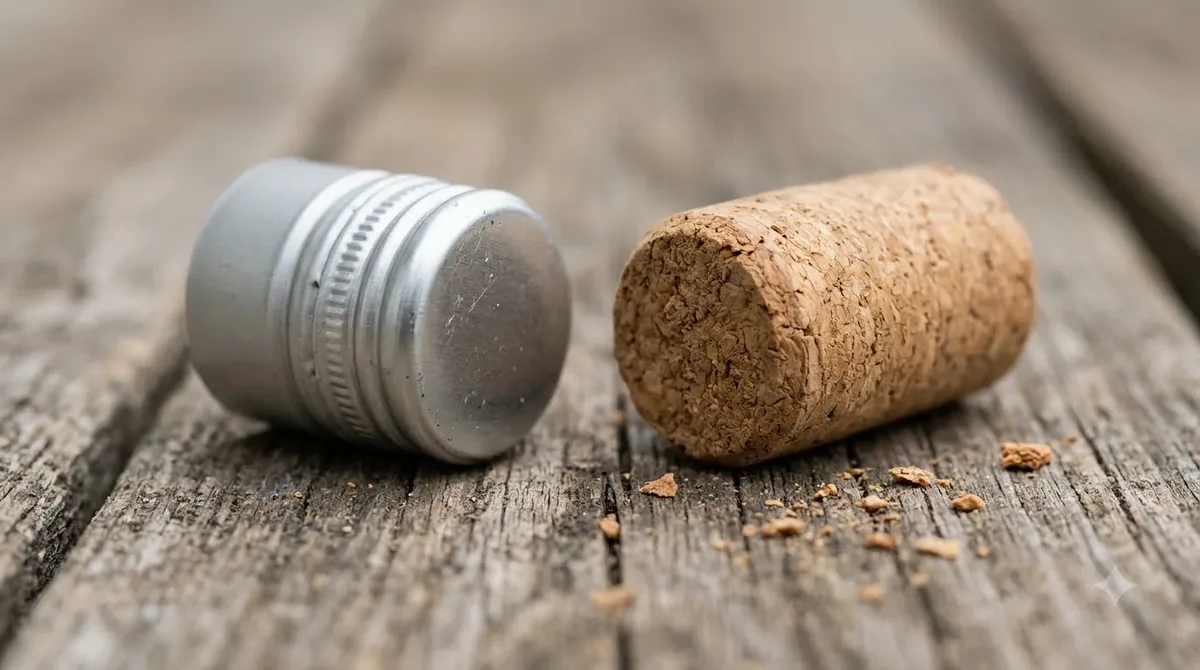
For a batch, mix the wine and soda in a pitcher just before serving, not hours ahead. The bubbles fade quickly, and a flat spritzer is far less appealing. Use a heavy glass or a bottle with a sealed cap for the soda, so it keeps its fizz until the last pour.
Tip: Freeze a few grapes or citrus slices into ice cubes. They keep the drink cold without diluting it, and they look good in the glass.
Ways to Change the Flavor
A spritzer is easy to adapt. A splash of fruit juice, a few fresh berries, or a sprig of mint can change the drink completely. Sweeter fruit suits a rosé, while a lemon twist sharpens a crisp white. Use a small amount of syrup if you want more sweetness, and add it to the glass before the wine.
Non-alcoholic versions are also common in the same region. Wikipedia lists Apfelschorle, a juice and mineral water drink, as a close relative of the spritzer, and it is a useful option for guests who do not drink alcohol. Serve it in the same glass with the same garnish, so the drink feels part of the same menu.
When to Serve a Wine Spritzer
A spritzer suits warm weather, outdoor meals, and long lunches. Its low strength makes it easy to drink over a few hours, which is useful at a party where guests want to stay relaxed. It also works as a light start to a meal, since the acidity and bubbles wake up the palate without filling it.
It is less suited to rich winter dinners, where a fuller wine usually matches the food better. If you serve it with food, choose light dishes such as salads, cured meats, or soft cheeses, and keep the spritzer cold between courses.
Frequently Asked Questions
What is the best wine for a spritzer?
A dry, crisp white wine is the usual choice. Rosé also works well in summer, and a light red suits a fruit-forward variation with syrup or juice.
Is a wine spritzer stronger than wine?
No, it is weaker. Adding soda dilutes the wine, so each glass has less alcohol than a plain pour. The strength depends on the ratio, so a 2:1 wine-to-soda mix is stronger than a 1:2 mix.
Can I make a spritzer with sparkling wine?
You can, but it is a different drink. Italian spritz uses sparkling wine such as Prosecco, and the result is more bubbly and less diluted than a classic still-wine spritzer.
Should a spritzer be served over ice?
Usually, yes. Ice keeps the drink cold through a long pour, and a tall glass gives the bubbles room to rise. Serve it at once so the fizz stays bright.
A wine spritzer is a simple drink that rewards small adjustments. Start with a dry white, mix it with cold sparkling water in a 1:1 ratio, and adjust from there. For a broader look at the wine styles you can use as a base, see the Wine by Type guide, and for a stronger red option, the Brunello di Montalcino grape page shows how a bold red differs from the light, crisp wines that work best in a spritzer. For the origin and regional variants, the Wikipedia entry on the spritzer is a good reference.
More in Wine Types & Grapes
 Zinfandel Sugar Content: Dry Red vs. White Zinfandel GramsUpdated Nov 21, 2026
 Best Zinfandel Substitute Options for Sipping and CookingUpdated Nov 21, 2026
 Zweigelt Food Pairing: Best Dishes, Cheeses, and Serving TipsUpdated Nov 21, 2026
 Zinfandel Tannins Explained: How Structure Shapes Every BottleUpdated Nov 21, 2026
 Zinfandel Sweetness Level: Dry Red vs. Sweet White Zin ExplainedUpdated Nov 21, 2026
 Xinomavro Food Pairing: Best Dishes, Styles, and Serving TipsUpdated Nov 21, 2026