

We may earn a commission when you buy through links on this page, at no extra cost to you. Learn more.
If you are wondering is sparkling wine sweet or dry, the short answer is that most sparkling wines are dry, though the category spans from bone-dry to dessert-sweet. You can tell where a bottle falls by reading the sweetness term on the front label, such as Brut Nature, Brut, Extra Dry, or Demi-Sec. Ironically, “Extra Dry” actually contains more residual sugar than “Brut,” making it slightly off-dry rather than drier.
Walking down the bubbly aisle can feel like deciphering a secret code, especially when bottles labeled “Dry” or “Extra Dry” taste noticeably sweeter than expected. Understanding how winemakers control sugar—and how regional styles differ—makes it simple to pick the exact flavor profile you want for any occasion.
What It Is and How Sweetness Is Controlled
Sparkling wine is any wine containing significant levels of carbon dioxide that make it fizzy, and its final sweetness depends on both fermentation and a post-fermentation step called dosage. While base wines start off dry after yeast converts grape sugar into alcohol, winemakers adjust the final taste before sealing the bottle.
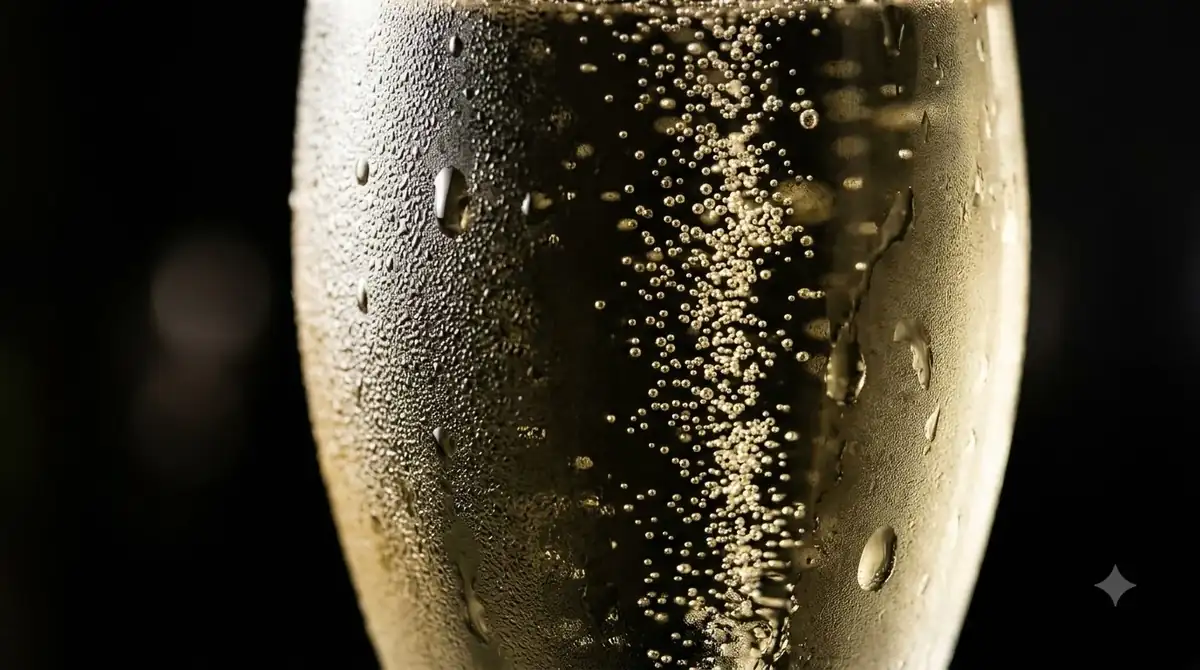
During traditional-method production—used for Champagne, Cava, and Crémant—the wine undergoes a second fermentation inside the sealed bottle to trap carbonation. Once the dead yeast cells (lees) are removed through disgorgement, the winemaker tops off the bottle with a mixture of wine and cane sugar known as the liqueur d’expédition, or dosage. According to Wine Folly’s guide to sparkling wine sweetness, skipping this sugar addition produces bone-dry styles like Brut Nature, whereas increasing the dosage yields softer, sweeter bottles.
Tank-method sparkling wines, such as Prosecco and Asti, capture their bubbles in large pressurized stainless-steel vats rather than individual bottles. For sweet Italian styles like Moscato d’Asti or Asti Spumante, winemakers halt fermentation early by chilling the tank, leaving plenty of natural grape sugar behind instead of adding sugar later. If you enjoy sweet, aromatic bubbles, checking out is Moscato sweet or dry will help you navigate those fruit-forward Italian labels.
Perceived sweetness is also influenced by acidity and fruit aromas. Sparkling wines are harvested early to preserve razor-sharp natural acidity, which balances out residual sugar on the palate. A bottle with 10 grams per liter of sugar might taste crisp and refreshing due to high acidity, while a ripe, fruity Prosecco with generous white peach aromas can taste sweeter than its actual sugar measurement suggests.
The Sparkling Wine Sweetness Scale Explained
To figure out whether a bottle will taste crisp or sugary, you need to read the official European Union sweetness classifications printed on the label. These seven standardized tiers measure residual sugar in grams per liter (g/L) and run from completely dry to lushly sweet.
| Label Term | Residual Sugar (g/L) | Perceived Taste | Common Examples |
|---|---|---|---|
| Brut Nature / Pas Dosé | 0 to 3 g/L (no added sugar) | Bone-dry, austere, and ultra-crisp | Grower Champagne, Corpinnat, zero-dosage Cava |
| Extra Brut | 0 to 6 g/L | Very dry with sharp citrus and mineral notes | Artisanal Champagne, Franciacorta, Crémant |
| Brut | Up to 12 g/L | Dry, balanced, and refreshing (the global standard) | Non-vintage Champagne, Cava, dry Prosecco, California Brut |
| Extra Dry / Extra Sec | 12 to 17 g/L | Off-dry with a hint of rounded fruit sweetness | Classic Italian Prosecco, approachable American sparklers |
| Sec / Dry | 17 to 32 g/L | Noticeably sweet with soft acidity | Older-style Champagne, certain tank-method blends |
| Demi-Sec | 32 to 50 g/L | Sweet and rich, suited for fruit and pastries | Demi-Sec Champagne, Vouvray Mousseux |
| Doux | Over 50 g/L | Dessert-sweet and syrupy | Rare sweet Champagne, Asti Spumante (Dolce) |
The biggest trap on this chart sits right in the middle: Extra Dry is sweeter than Brut, and Dry (Sec) is sweeter than Extra Dry. This quirky terminology dates back to the nineteenth century, when popular palates favored heavily sweetened Champagne containing well over 100 grams of sugar per liter. When winemakers began producing drier styles for British markets, they called the 12-to-17-gram version “Extra Dry” relative to the syrupy wines of the era, and later coined “Brut” (meaning raw or unrefined in French) for the even drier style that dominates today.
If you want to explore how other wine categories compare on sugar levels, browsing our overview of Wine by Type shows how sparkling classifications stack up against still whites and reds. Whenever you stand in front of a wine shelf without a chart handy, simply remember that Brut means dry, while Extra Dry signals a subtle touch of sweetness.
Flavor and Styles Across Major Regions
Different sparkling wine regions rely on distinct grape varieties, climates, and aging techniques, resulting in vastly different flavor profiles even at the exact same sweetness level. Cooler growing regions produce lean, high-acid wines, whereas warmer regions yield riper, fruitier bottles.
Champagne from northern France represents the benchmark for dry, complex sparkling wine. Made primarily from Chardonnay, Pinot Noir, and Pinot Meunier, traditional Champagne spends at least 15 months—and often three to seven years for vintage or prestige cuvées—resting on its lees. This extended yeast contact creates signature aromas of brioche, toasted almonds, and baked apple alongside zesty lemon acidity. Readers curious about the most popular French style can read more in our breakdown of is Brut Champagne sweet or dry.
In northern Italy, Prosecco takes a completely different approach using the Glera grape and stainless-steel tank fermentation. Because Prosecco avoids prolonged lees aging, it preserves fresh, primary fruit flavors of green apple, honeydew melon, white peach, and honeysuckle. While Brut Prosecco has become increasingly common, traditional Valdobbiadene Prosecco is frequently bottled as Extra Dry, giving it a soft, slightly off-dry mid-palate that highlights its floral character.
Spain’s Cava offers a compelling middle ground between Champagne and Prosecco. Crafted in the traditional bottle-fermented method using indigenous grapes like Macabeo, Xarel-lo, and Parellada, Cava delivers toasted, nutty complexity at an approachable intensity. Most Cava is bottled as Brut or Brut Nature, showcasing crisp quince, lime, and savory herbal notes rather than overt sweetness. Meanwhile, sparkling rosé from California, France, or Italy brings vibrant wild strawberry and cranberry flavors; if you are unsure how pink bubbles taste, check out is rosé sweet or dry for a closer look at dry versus off-dry pink styles.
How to Serve Sparkling Wine
Serving temperature directly impacts how sweet or dry a sparkling wine tastes in your glass, as well as how long the bubbles last. Serving a bottle too warm makes the alcohol and residual sugar feel heavy, while serving it ice-cold mutes delicate aromas.

Most sparkling wines show best when chilled between 40°F and 50°F. As editors at VinePair’s wine serving temperature guide point out, chilling sparkling wine properly keeps the bubbles fine and tight rather than overly foamy when poured. A standard kitchen refrigerator typically sits around 37°F to 40°F, so pulling a bottle out 15 minutes before opening—or submerging it in an ice-and-water bucket for 30 minutes—brings it right into the ideal zone.
Match the exact temperature within that window to the style in your bottle. Light, crisp tank-method wines like Prosecco and sweet Moscato d’Asti taste brightest at the colder end (around 40°F to 45°F), where chill keeps their sweetness refreshing. Complex, lees-aged vintage Champagne, Franciacorta, or California traditional-method sparkling wines open up best slightly warmer, around 45°F to 50°F, allowing nutty, toasty aromatics to emerge.
Tip: Skip narrow, straight-sided flutes for complex Brut or vintage sparkling wines; pouring into a tulip-shaped glass or a standard white wine glass gives aromas room to develop while still preserving lively carbonation.
Food Pairing by Sweetness Level
The combination of crisp acidity and scrubbing bubbles makes sparkling wine one of the most food-friendly styles on the table, provided you match the wine’s sweetness to the dish. A classic sommelier rule states that the wine should always be at least as sweet as the food it accompanies.
Bone-dry Brut Nature and Extra Brut bottles shine alongside briny, delicate foods where any sugar would clash. Raw oysters on the half shell, sushi, sashimi, ceviche, and lightly salted potato chips pair effortlessly with zero-dosage sparklers because the wine’s mineral finish cleanses the palate between bites.
Classic Brut sparkling wine handles rich, salty, and fried dishes with ease. The high acidity and carbonation cut right through the fat in fried chicken, truffle fries, creamy triple-crème cheeses like Brie, and butter-roasted poultry. When serving spicy Thai curries, Sichuan dishes, or salty prosciutto-wrapped melon, stepping up to an Extra Dry Prosecco or off-dry sparkling rosé provides just enough residual sugar to tame chili heat without overwhelming savory flavors.
Save Demi-Sec, Doux, and sweet Asti Spumante for the end of the meal. If you pour a dry Brut next to wedding cake or chocolate mousse, the dessert’s sugar will make the wine taste sour and metallic. Pairing fruit tarts, lemon meringue, or fresh berries with a Demi-Sec ensures both the pastry and the wine taste balanced and vibrant.
How to Choose the Right Bottle
Selecting the right sparkling wine comes down to checking three clues on the label: the sweetness designation, the production region, and the grape variety. Together, these details tell you exactly what to expect before you pop the cork.
Start by scanning for the dosage term. If you want a crisp, savory drink with zero noticeable sugar, look for Brut Nature, Extra Brut, or standard Brut. If you prefer a softer, fruit-forward pour with a subtle hint of sweetness that pleases a crowd, reach for Extra Dry. For brunch mimosas or dessert pairings, choose Demi-Sec, Dolce, or Moscato.
Next, consider the region and method to dial in texture. Choose Champagne, Crémant, Cava, or Franciacorta when you want creamy, bready complexity from bottle aging. Opt for Prosecco, Lambrusco, or Sekt when you want bright, juicy fruit flavors and a lighter, refreshing profile.
Frequently Asked Questions
Is sparkling wine always sweet?
No, most sparkling wine sold today is dry rather than sweet. While sweet varieties like Moscato d’Asti and Demi-Sec exist, the vast majority of Champagne, Cava, Prosecco, and American sparkling wines are made in dry Brut or slightly off-dry Extra Dry styles.
Which is drier, Brut or Extra Dry sparkling wine?
Brut is drier than Extra Dry. Brut sparkling wine contains up to 12 grams of residual sugar per liter and tastes crisp and dry, whereas Extra Dry contains 12 to 17 grams per liter and has a soft, subtle touch of sweetness.
Why does dry Prosecco sometimes taste sweet?
Prosecco is made from the aromatic Glera grape, which naturally produces ripe fruit scents like white peach, pear, and honeysuckle. Additionally, many bottles of Prosecco are labeled Extra Dry rather than Brut, meaning they carry slightly more residual sugar than a traditional dry Champagne.
How can I tell if a sparkling wine has zero added sugar?
Look for the words “Brut Nature,” “Pas Dosé,” or “Dosage Zéro” on the front label. These terms indicate that the winemaker added no sugar after disgorgement, leaving less than 3 grams of natural residual sugar per liter.
Whether you crave a razor-sharp Brut Nature for raw oysters or a lush Demi-Sec for fruit tarts, the front label holds all the clues you need. Keep the sweetness scale in mind next time you shop, and you will never be surprised by an unexpectedly sweet pour again.
More in Wine Types & Grapes
 What Does Mourvèdre Taste Like? Flavor Profile, Regions, and PairingsUpdated Nov 20, 2026
 What Does Marsanne Taste Like? Flavors, Styles, and Food PairingsUpdated Nov 20, 2026
 What Does Malvasia Taste Like? Styles, Flavors, and Food PairingsUpdated Nov 20, 2026
 What Does Grenache Blanc Taste Like? Flavor Profile, Styles, and PairingsUpdated Nov 20, 2026
 What Does Garnacha Taste Like? Key Flavors, Styles, and Pairing TipsUpdated Nov 20, 2026
 What Does Fruit Wine Taste Like? A Complete Flavor and Style BreakdownUpdated Nov 20, 2026