

We may earn a commission when you buy through links on this page, at no extra cost to you. Learn more.
Barbera tannins are naturally low, giving Barbera red wine a smoother, softer mouthfeel than many other red wines. Unlike Cabernet Sauvignon or Nebbiolo, Barbera generally produces little mouth-drying grip, even though its deep color can make it look like a more powerful wine. Its defining structural feature is high acidity, which creates a lively, refreshing contrast to its ripe cherry and plum flavors.
Barbera is one of the signature red grapes of Piedmont, northwestern Italy, where it produces wines ranging from fresh, fruit-driven everyday reds to concentrated, oak-aged bottles with greater weight and complexity. Understanding its tannin level helps explain why Barbera works so well with tomato-based pasta, roasted meats, mushrooms, and a wide range of other foods. It also makes it easier to compare Barbera with other popular red wines and choose a bottle that suits your preferences.
How Much Tannin Does Barbera Have?
Barbera is a naturally low-tannin red grape. Its wines usually feel soft and relatively smooth rather than strongly drying or gripping, making them approachable for drinkers who prefer less astringent reds.
Tannins are naturally occurring compounds found in grape skins, seeds, and stems. During red winemaking, these compounds can enter the juice through contact with the solid parts of the grapes. Tannins contribute bitterness, texture, structure, and the drying sensation that some people notice on their gums and tongue after drinking certain red wines.
Barbera has relatively little natural tannin compared with varieties such as Cabernet Sauvignon, Syrah, and Nebbiolo. This does not mean the wine has no structure. Instead, its structure comes largely from its pronounced acidity, concentrated fruit, alcohol, and, in some examples, the influence of oak aging.
Decanter describes Barbera as a dark-skinned variety that produces wines low in tannins and high in acidity. This combination explains an important distinction: a wine can look dark and intense without having an especially firm tannin structure. The grape’s naturally light tannins set it apart from the more robustly tannic Nebbiolo wines produced in the same Italian region.
Barbera typically produces a medium-bodied wine, although concentrated examples can feel fuller. Its combination of juicy fruit, fresh acidity, and gentle tannins gives it a different personality from reds that rely heavily on tannin for their structure.
For a practical comparison, consider how different red wines feel after a sip:
- Barbera: Low tannin, lively acidity, and a soft, juicy finish.
- Merlot: Medium tannin, often with a rounded texture and softer grip than Cabernet Sauvignon.
- Pinot Noir: Low to medium tannin, high acidity, and delicate to moderate structure.
- Cabernet Sauvignon: High tannin, substantial structure, and a more pronounced drying sensation.
- Syrah: Medium-plus to high tannin, often with a firmer texture and darker fruit character.
Barbera is therefore a useful choice for someone who enjoys red wine but finds highly tannic bottles too drying. Its relatively gentle tannins allow its fruit and acidity to take the lead rather than creating a powerful grip across the palate.
For a closer look at how another naturally lighter red behaves, see our guide to Pinot Noir tannins. The comparison helps clarify why two wines can both feel smooth while having different levels of acidity and fruit intensity.
Why Barbera Tastes Smooth Despite Its Dark Color
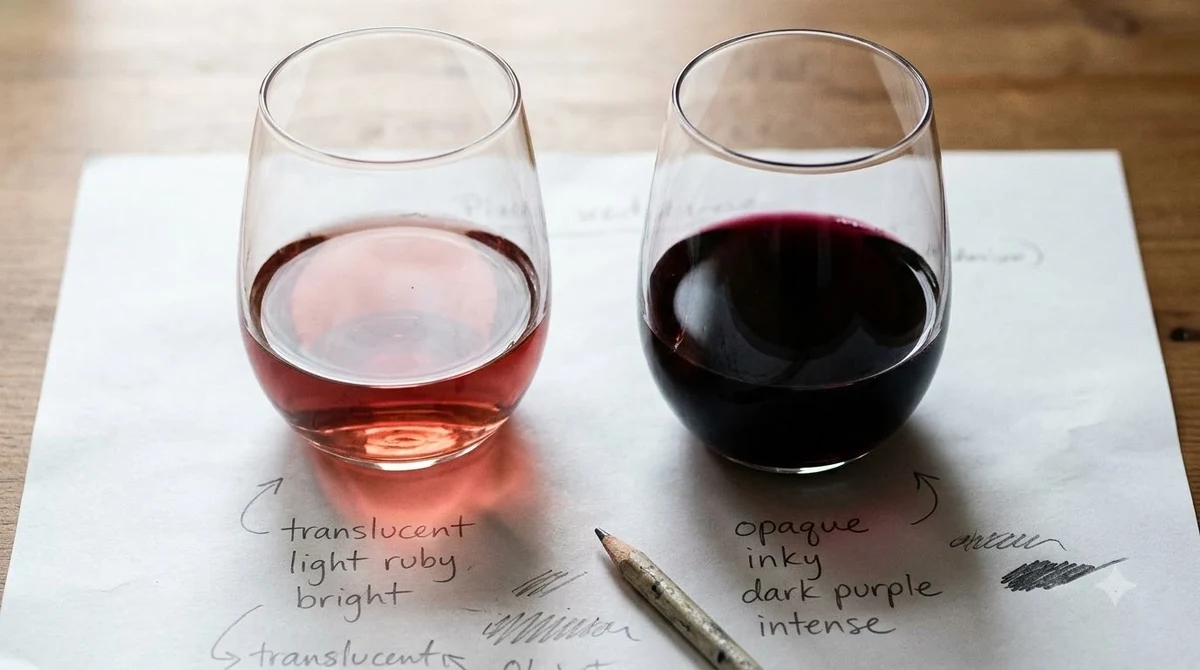
Barbera’s deep ruby color comes from pigments in its dark grape skins, not from a high concentration of tannins. Its relatively soft tannin structure and naturally strong acidity explain why the wine can look powerful but feel refreshing and approachable.
Color and tannin are related to some of the same grape components, but they are not interchangeable. Anthocyanins are responsible for much of the red and purple color in wine, while tannins contribute astringency and texture. The amount of each compound extracted during fermentation can differ considerably.
Barbera grapes contain substantial color pigments, so the resulting wine can appear deep ruby, purple, or almost black at the center of the glass. Yet the wine may still have a gentle texture with little noticeable drying sensation. This contrast often surprises people who expect darker red wines to have stronger tannins.
Acidity also plays an important part in the overall impression. Barbera is naturally high in acidity, which creates a mouthwatering sensation and gives its fruit flavors a lively edge. Rather than feeling heavy or heavily structured, many examples taste bright and energetic.
Common flavor characteristics include:
- Red cherry: A recognizable sour-cherry or fresh-cherry character, particularly in younger wines.
- Red plum: Juicy fruit flavors that contribute to the wine’s approachable personality.
- Blackberry: A darker fruit note that can become more prominent in concentrated examples.
- Raspberry: A fresh, tart berry impression that complements the grape’s acidity.
- Violet: A subtle floral note that may appear alongside the fruit.
- Black pepper: A gentle spicy character that can add complexity.
Oak-aged Barbera can develop additional notes of vanilla, toast, chocolate, and licorice. These flavors change the wine’s perceived richness and complexity, but they do not necessarily indicate that the grape itself has become naturally high in tannin.
Another factor is alcohol. Barbera can produce wines with moderate to relatively high alcohol, depending on ripeness and winemaking decisions. Alcohol contributes warmth and a fuller impression on the palate, while acidity keeps the wine feeling fresh.
The result is a red wine with several dimensions: deep color, ripe fruit, lively acidity, moderate body, and comparatively restrained tannin. Understanding these separate elements is more useful than judging the wine’s structure by appearance alone.
How Winemaking Changes Barbera Tannins and Texture
Although Barbera starts with relatively low natural tannins, winemaking can influence how structured the finished wine feels. Fermentation methods, skin contact, extraction, oak aging, and vineyard conditions all contribute to the final texture.
During fermentation, grape juice remains in contact with skins to extract color, flavor, and tannins. Longer or more intensive extraction can increase the amount of phenolic material in the wine. However, Barbera’s naturally restrained tannin profile means that even a concentrated example often retains a different character from a similarly structured Cabernet Sauvignon.
Oak aging is another important influence. Producers may use barrels to introduce additional complexity and a firmer impression of structure. Oak can contribute its own tannins, as well as flavors associated with vanilla, spice, toast, and wood.
The choice of aging vessel makes a noticeable difference:
- Stainless steel: Often preserves fresh cherry and plum flavors, lively acidity, and a direct fruit-driven style.
- Large wooden casks: Can allow gradual development while generally contributing less obvious oak flavor than smaller new barrels.
- French or Slavonian oak barrels: Can contribute spice, toast, and additional structural elements, depending on their age and use.
- New oak barrels: Generally contribute more noticeable oak flavor and wood-derived tannins than older, previously used barrels.
Oak aging does not automatically make a Barbera harsh. A well-managed wine can gain depth and a more substantial mid-palate while retaining the grape’s characteristic freshness. The final impression depends on the amount of oak influence, the concentration of the fruit, and the balance between acidity and alcohol.
Vineyard practices matter as well. Lower yields can produce more concentrated fruit, while site conditions influence ripeness, acidity, and the character of the grapes entering the winery. Decanter notes that Barbera is a vigorous variety capable of producing substantial yields, making attentive pruning important for concentration.
The Superiore designation provides another useful indication of production style in certain Piedmont appellations. According to the Barbera d’Asti regulatory consortium, Barbera d’Asti Superiore requires 14 months of aging, including at least six months in wooden barrels and six months in the bottle. Standard Barbera d’Asti requires at least four months of aging.
These requirements do not guarantee a particular tannin level. They do, however, help explain why some Barbera wines have more developed oak characteristics and a more substantial texture than simple, fresh, stainless-steel-aged versions.
The consortium’s Barbera d’Asti DOCG production and tasting information also describes the difference between fresh steel-vinified wines and more complex Superiore expressions. The latter can develop cinnamon, cocoa, and licorice notes alongside their cherry and plum character.
Tip: If you prefer the softest, most fruit-forward Barbera style, start with a fresh, unoaked example. If you want more body, spice, and structural depth, explore an oak-aged Barbera d’Asti Superiore or Barbera d’Alba Superiore.
Barbera Tannins Compared With Other Red Wines
Barbera generally has less tannin than Cabernet Sauvignon, Nebbiolo, and Syrah, while its structure differs from Pinot Noir and Merlot. Comparing tannin levels alongside acidity and body gives a more useful picture of how each wine feels.
The following comparison shows the typical structural characteristics of several familiar red grape varieties. These are general style descriptions rather than fixed measurements, since individual wines vary with growing conditions and winemaking.
| Red grape | Tannin level | Acidity | Typical texture |
|---|---|---|---|
| Barbera | Low | High | Juicy and smooth |
| Pinot Noir | Low-medium | High | Silky and delicate |
| Merlot | Medium | Medium | Rounded and soft |
| Cabernet Sauvignon | High | Medium | Firm and structured |
| Syrah | Medium-plus to high | Medium | Dense and structured |
| Nebbiolo | High | High | Firm and gripping |
Barbera and Pinot Noir are particularly useful comparisons because both can have relatively gentle tannins. However, Pinot Noir generally has a more delicate fruit profile and can show red cherry, cranberry, raspberry, and earthy notes. Barbera often delivers more pronounced acidity alongside juicy cherry and plum flavors.
Merlot occupies a different position. Its medium tannin level generally produces a rounder, softer impression than Cabernet Sauvignon, but it usually has more tannin than Barbera. Merlot can be an appealing option for drinkers who want a smooth red with a little more grip.
Cabernet Sauvignon provides a much stronger contrast. Its high tannin concentration contributes to a firm mouthfeel, particularly in younger examples. This structure makes Cabernet Sauvignon a natural choice for people who enjoy substantial reds, but it may feel too drying to someone accustomed to Barbera.
Syrah also generally has more noticeable tannins. Depending on its origin and style, it can show dark blackberry, plum, pepper, and savory flavors alongside a firmer structure.
Nebbiolo is particularly relevant because it shares Piedmont as its traditional home. Barolo and Barbaresco, two famous Nebbiolo-based wines, typically have considerably more tannin than Barbera. Despite their shared regional identity, the grapes produce very different drinking experiences. Wine Enthusiast also describes Barbera’s tannins as distinctly softer and rounder than those of Nebbiolo.
For readers exploring the broader differences between grapes, our Wine by Type guide provides a useful starting point for understanding red, white, and other wine styles.
How Barbera Tannins Affect Food Pairing
Barbera’s low tannins and high acidity make it a flexible food wine. It works particularly well with tomato-based dishes, rich pasta, roasted meats, mushrooms, and foods containing enough fat to complement its fresh fruit character.
One of its greatest strengths is its ability to match foods with substantial acidity. Tomato sauces, for example, can make some red wines taste flat or overly harsh. Barbera’s naturally high acidity helps it maintain balance alongside tomatoes, making it an excellent partner for Italian dishes.
Consider these combinations:
- Tomato-based pasta: Spaghetti with marinara, pasta al pomodoro, and lasagna benefit from Barbera’s lively acidity and cherry fruit.
- Pizza: Tomato sauce, melted cheese, and savory toppings create a natural match for a fresh Barbera.
- Mushroom risotto: Earthy mushrooms complement the wine’s fruit and acidity without overwhelming its gentle tannins.
- Roasted chicken: The wine’s moderate body and freshness work well with roasted poultry and herbs.
- Pork chops: Roasted or grilled pork provides enough richness to balance the wine’s acidity.
- Duck: The meat’s richness complements Barbera’s fruit-driven character.
- Grilled burgers: Meat fat and savory flavors soften the perception of tannin while the acidity refreshes the palate.
- Hard cheeses: Aged cheeses can provide enough richness and salt to balance the wine’s acidity and fruit.
Fat and salt are especially useful pairing considerations. Fat can soften the perception of tannin, while salt can make a wine seem less astringent. Since Barbera already has relatively low tannins, these foods can emphasize its smooth texture and fruit rather than requiring the wine to counter substantial dryness.
Acidity is equally important. A wine should generally have acidity equal to or higher than that of the food. This is why Barbera is particularly successful with tomato dishes, vinaigrettes, and other preparations containing acidic ingredients.
There are some combinations that require more care. Very spicy dishes can make the alcohol in a wine seem hotter, while tannin can amplify the impression of chili heat. Barbera’s lower tannins help, but its alcohol level still matters when pairing it with strongly spiced food.
Oily fish can also be challenging with tannic red wines. Barbera’s gentle tannins make it less problematic than Cabernet Sauvignon or Nebbiolo, but the preparation still matters. A lighter fish dish with tomato-based seasoning or herbs is generally a more promising combination than delicate fish served with an intense tannic red.
For a classic Piedmont-inspired meal, try Barbera with mushroom agnolotti, roasted chicken, or a rich tomato pasta. These dishes demonstrate how the grape’s acidity and relatively soft tannins can complement both rich and savory flavors.
Serving and Storing Barbera for the Best Texture
Serving temperature influences how Barbera’s fruit, acidity, alcohol, and tannins are perceived. A slight chill helps preserve its freshness and prevents alcohol warmth from dominating the wine.
For most lighter and medium-bodied Barbera wines, a serving temperature around 55–60 degrees Fahrenheit is a useful starting point. This is slightly cooler than the temperature often associated with full-bodied reds.
If the wine is served too warm, alcohol can become more noticeable and the fruit may seem heavier. If it is excessively cold, the aromas can become muted and the acidity may seem sharper. A moderate chill helps maintain the balance between fresh fruit and structure.
Use the following serving guidelines:
- Fresh, unoaked Barbera: Serve around 55–60°F.
- Fuller-bodied, oak-aged Barbera: Serve around 60–65°F.
- Young, concentrated Barbera: A short period of aeration may help open its aromas.
Decanting is not essential for every bottle. A fresh, unoaked Barbera intended for early drinking can generally be poured directly from the bottle. More concentrated young examples may benefit from approximately 30–60 minutes of decanting, particularly if their aromas initially seem closed or their structure feels unusually firm.
Older bottles require more attention. Extended exposure to oxygen can diminish delicate aromas, so decanting time should depend on the wine’s condition rather than following a fixed rule. Pouring carefully can also help separate any sediment that has developed during bottle aging.
Glassware matters less than the serving temperature and the condition of the wine, but a standard medium-sized red wine glass works well. A moderately wide bowl gives the wine room to release its cherry, plum, and floral aromas without requiring excessive aeration.
For storage, keep unopened bottles away from direct sunlight, strong temperature fluctuations, and excessive heat. A stable environment near 55°F is a useful target, and bottles sealed with natural cork are generally stored on their sides to keep the cork from drying out.
After opening, reseal the bottle and refrigerate it. Most still wines retain their best qualities for approximately three to five days when properly stored. Allow the remaining Barbera to warm slightly before serving again so that its aromas and texture can become more expressive.
These simple steps help preserve the qualities that make Barbera distinctive: fresh fruit, lively acidity, and an approachable tannin structure.
Frequently Asked Questions
Does Barbera have more tannins than Pinot Noir?
Barbera is generally low in tannins, while Pinot Noir ranges from low to medium. Their levels can overlap, but Barbera is often perceived as particularly gentle because its fruit-forward character and high acidity create a juicy impression. Individual vineyard conditions and winemaking methods can change the comparison.
Is Barbera a dry red wine?
Yes, most traditional Barbera wines are dry. Their ripe cherry and plum flavors can create an impression of sweetness, but fruitiness does not necessarily mean the wine contains significant residual sugar. A dry Barbera can taste juicy without being sweet.
Can Barbera age for several years?
Yes, particularly concentrated examples made from carefully selected fruit and suitable for extended aging. High acidity helps Barbera retain freshness as it develops, while oak-aged versions may have additional structure. Simple, fresh bottlings are generally intended for earlier enjoyment rather than prolonged cellaring.
Is Barbera the same grape as Barolo?
No. Barbera and Nebbiolo are different grape varieties, even though both are strongly associated with Piedmont. Barolo is made from Nebbiolo and has a much firmer tannin structure, while Barbera generally produces softer, more approachable reds. Barbaresco is another famous Piedmont appellation based on Nebbiolo.
Does Barbera always have high alcohol?
No. Alcohol levels vary according to grape ripeness, growing conditions, and winemaking decisions. For example, Barbera d’Asti DOCG has a minimum alcohol requirement of 12%, while Barbera d’Asti Superiore requires at least 12.5%. Individual bottles can have higher alcohol levels.
Barbera is an excellent red wine to explore if you enjoy fresh fruit, lively acidity, and a softer tannin profile. Its combination of deep color and gentle structure makes it different from more gripping reds such as Cabernet Sauvignon and Nebbiolo. Start with a fresh Barbera d’Asti or Barbera d’Alba, pair it with tomato-based pasta or roasted meats, and explore oak-aged examples when you want additional complexity.
More in Wine Types & Grapes
 What Does Mourvèdre Taste Like? Flavor Profile, Regions, and PairingsUpdated Nov 20, 2026
 What Does Marsanne Taste Like? Flavors, Styles, and Food PairingsUpdated Nov 20, 2026
 What Does Malvasia Taste Like? Styles, Flavors, and Food PairingsUpdated Nov 20, 2026
 What Does Grenache Blanc Taste Like? Flavor Profile, Styles, and PairingsUpdated Nov 20, 2026
 What Does Garnacha Taste Like? Key Flavors, Styles, and Pairing TipsUpdated Nov 20, 2026
 What Does Fruit Wine Taste Like? A Complete Flavor and Style BreakdownUpdated Nov 20, 2026