

We may earn a commission when you buy through links on this page, at no extra cost to you. Learn more.
Baco noir food pairing works especially well with grilled meats, barbecue ribs, burgers, tomato-based pasta, hearty stews and smoky vegetarian dishes. This dark-fruited red wine combines lively acidity with savory herbal notes, blackberry and blueberry flavors, and generally soft tannins. Its balance of fruit, freshness and smoky character makes it a versatile choice for casual dinners, backyard barbecues and richly flavored comfort food.
Baco Noir is particularly associated with Ontario, Canada, although it is also grown in cooler wine regions of North America. Its distinctive combination of dark fruit, smoke and refreshing acidity gives it a different personality from familiar reds such as Cabernet Sauvignon and Pinot Noir. The best food matches emphasize savory flavors, moderate richness and enough seasoning to complement the wine without overwhelming it. Whether you are preparing a barbecue, a tomato-rich pasta dinner or a vegetarian meal, understanding its flavor profile makes choosing the right dish much easier.
Understanding Baco Noir’s Flavor Before Choosing Food
Baco Noir generally offers dark berry fruit, lively acidity, herbal character and soft, sometimes smoky tannins. These characteristics make it particularly suitable for savory food with moderate to substantial flavor, including grilled meat, tomato sauces and roasted vegetables.

The grape was created in France by François Baco around the turn of the 20th century through a cross between Folle Blanche and a North American Vitis riparia variety. It became particularly important in cooler North American wine regions, including Ontario, where it was first planted in 1955. Wine Country Ontario identifies dark fruit, full body, lively acidity, herbal notes and soft, smoky tannins as defining characteristics of its regional expression.
In the glass, Baco Noir often shows blackberry, blackcurrant, blueberry, raspberry and plum. Depending on the producer and winemaking approach, additional notes can include cedar, coffee, tobacco, pepper, earth, vanilla and toasted wood. Some examples are relatively fresh and fruit-driven, while others have greater concentration and a more pronounced smoky or oaky character.
Its acidity is particularly useful at the dinner table. Acidity refreshes the palate after bites of fatty meat, rich cheese and oil-based sauces. The fruit flavors also provide a pleasant contrast to roasted and grilled ingredients without requiring a particularly sweet or heavily seasoned dish.
Tannin is another important consideration. Baco Noir generally has softer tannins than Cabernet Sauvignon, although the level varies between producers. This means it can work with moderately rich foods without demanding the substantial protein and fat that a highly tannic red often needs. Salt and fat also soften the perception of tannin, making seasoned burgers, sausages and grilled lamb natural partners.
Individual bottlings can differ considerably. Pelee Island Winery describes its Baco Noir VQA as having medium acidity and noticeable but soft, spicy tannins. Henry of Pelham describes its Baco Noir as full-bodied, with strawberry, mulberry and black pepper characteristics. These differences matter when selecting a specific dish: a fresher wine can suit pizza and burgers, while a fuller, oak-influenced example can accompany richer meat dishes.
For readers comparing other red wines, Wine by Type provides a useful starting point for understanding how grape varieties differ in body, acidity and tannin. Baco Noir occupies an appealing position between fresh, fruit-forward reds and more substantial, savory styles.
Best Meat Pairings: Beef, Lamb, Pork and Game
Grilled and roasted meats are among the strongest partners for Baco Noir because their savory flavors complement the wine’s dark fruit and smoky character. Beef burgers, barbecue ribs, roast lamb and venison are particularly reliable choices.
Beef burgers: A classic grilled burger is an easy match. The browned exterior, juicy beef and seasoning complement Baco Noir’s berry fruit and earthy notes. Add aged cheddar, caramelized onions or mushrooms for additional savory depth. A simple burger with lettuce and tomato also works, especially when the wine has fresh acidity.
Steak: Choose moderately fatty cuts such as ribeye, strip steak or grilled sirloin. The browned crust adds roasted flavors that echo the wine’s smoky character, while the meat’s fat helps soften tannin. A black pepper seasoning or rosemary-garlic marinade can reinforce the wine’s herbal and spicy notes.
For heavily charred steak, avoid overly sweet sauces that could make a dry Baco Noir seem sharp. A modest amount of barbecue glaze or a savory mushroom sauce is generally a better choice. Steak tacos with grilled beef, onions and a moderate amount of seasoning are another good option.
Lamb: Grilled lamb chops, roast leg of lamb and herb-crusted lamb shoulder all work well. Rosemary, thyme, garlic and black pepper are particularly useful seasonings because they complement the savory side of the wine. The fruit character also balances the natural richness of lamb.
Henry of Pelham specifically features grilled leg of lamb among its Old Vines Baco Noir pairing suggestions. This is a good example of how the wine can accompany meats with deeper, more pronounced flavors rather than being limited to everyday burgers.
Pork: Grilled pork chops, smoked pork shoulder and barbecue spare ribs offer several excellent options. Pork’s natural sweetness works with Baco Noir’s berry character, while browned edges and smoky seasoning provide a bridge to the wine’s oak and spice notes.
For pulled pork, choose a savory sauce with moderate sweetness. Excessively sugary barbecue sauce can make the wine taste more acidic and less balanced. A tomato-based sauce with smoked paprika, mustard and black pepper is generally a better alternative.
Game: Venison steaks, venison burgers and slow-roasted game meats are particularly interesting choices. Their earthy, concentrated flavors suit the wine’s dark fruit and herbal character. A simple juniper, rosemary and black pepper seasoning can work particularly well with a fuller-bodied bottle.
For a practical dinner menu, serve grilled lamb chops with rosemary potatoes and roasted carrots, or prepare barbecue ribs with a tomato-based glaze and a side of coleslaw. Both combinations offer enough richness and savory flavor to complement the wine.
Chicken, Turkey and Other Poultry Dishes
Baco Noir can accompany poultry successfully, especially when chicken or turkey is roasted, grilled or prepared with substantial seasoning. The key is to give the dish enough browned, savory flavor to stand alongside the wine’s dark fruit and acidity.

Roast chicken: Herb-roasted chicken with garlic, thyme and rosemary is one of the simplest poultry matches. The crisp skin provides savory richness, while the herbs complement the wine’s earthy character. Serve it with roasted potatoes, mushrooms or root vegetables for a complete meal.
For a lighter preparation, choose grilled chicken thighs rather than plain poached chicken breast. Thigh meat has more flavor and fat, making it better suited to the wine’s structure. A marinade containing garlic, olive oil, black pepper and a small amount of smoked paprika can reinforce the pairing.
Barbecue chicken: This is a particularly good choice for fruit-forward Baco Noir. Grilled chicken with a moderately sweet tomato-based barbecue sauce brings together char, acidity and fruit. The wine’s smoky notes complement the grill, while its freshness helps balance the sauce’s richness.
Try serving barbecue chicken with grilled corn, baked beans or roasted sweet potatoes. These sides provide enough flavor to make the meal feel complete without introducing excessive sweetness.
Turkey: Roast turkey with mushroom gravy, herb stuffing and roasted vegetables can work well with a softer, medium-bodied Baco Noir. The wine’s berry flavors provide a useful contrast to savory stuffing and browned poultry skin.
For a holiday meal, choose a preparation with herbs, mushrooms and moderate amounts of butter rather than a strongly sweet cranberry glaze. Very sweet sauces can make a dry red taste more acidic. A small serving of cranberry sauce is fine, but the main flavors should remain savory.
Duck: Roast duck with a savory cherry or plum sauce can make an appealing match. The meat’s richness works with the wine’s acidity, while its fruit flavors connect naturally with the sauce. Keep the sauce moderately sweet rather than preparing a heavily sugary glaze.
Duck is also a useful option for a more formal dinner. Serve it with roasted mushrooms, wilted greens or a potato side dish. A more concentrated, oak-aged Baco Noir is likely to work better than a particularly light, delicate example.
For strongly seasoned poultry, consider the level of chili heat. Alcohol and tannin can amplify the burning sensation from chili peppers, so heavily spiced chicken with hot sauces is less reliable than herb-roasted or moderately seasoned grilled poultry. Chicken molé, with its complex combination of spices and savory ingredients, is another pairing suggested by Henry of Pelham.
Tomato Pasta, Pizza and Italian-Inspired Meals
Tomato-based dishes are among the most dependable choices for Baco Noir. The wine’s lively acidity helps it stand up to tomato sauce, while dark berry fruit and smoky notes complement roasted vegetables, herbs, browned cheese and savory meat toppings.
Lasagna: Slow-baked beef lasagna is a particularly strong pairing. Layers of pasta, tomato sauce, ground beef, cheese and herbs create a rich combination that suits Baco Noir’s fruit and freshness. The wine refreshes the palate between bites, while its savory character complements the browned cheese and meat.
Vegetable lasagna can work equally well when it includes mushrooms, eggplant, roasted peppers or spinach. These ingredients provide enough savory depth to match the wine. A tomato-based sauce is preferable to a very rich cream sauce for a fresher, more balanced combination.
Spaghetti with meat sauce: A traditional tomato and beef ragù is another reliable match. Ground beef provides savory richness, while tomato acidity works with the wine’s own freshness. Garlic, oregano and basil add familiar herbal flavors that complement Baco Noir.
For a vegetarian version, prepare a mushroom and lentil ragù with crushed tomatoes, garlic and thyme. The mushrooms supply umami, and the lentils provide enough substance to make the dish satisfying alongside the red wine.
Pizza: Baco Noir is a natural companion for pizza, particularly versions with tomato sauce, mozzarella, sausage, pepperoni or roasted mushrooms. The browned crust echoes the wine’s smoky notes, while cheese and olive oil help soften its tannin.
A Margherita pizza is a straightforward option. Tomato, basil and mozzarella provide a clean combination of acidity, herbs and savory richness. For something more substantial, try pepperoni, roasted peppers or Italian sausage.
Other pasta dishes: Baked ziti, sausage pasta and tomato-based penne are good alternatives. Dishes containing roasted eggplant, grilled zucchini and mushrooms also work when they have a tomato or herb-based sauce.
Cream-heavy pasta needs a little more consideration. Alfredo sauce and other rich dairy-based preparations can overwhelm a lighter Baco Noir, particularly when the wine has pronounced acidity. If serving a creamy dish, add mushrooms, browned pancetta or roasted vegetables to provide more savory flavor and structure.
Tip: Match the sauce as carefully as the main ingredient. A tomato-based beef pasta is generally a better match for Baco Noir than a delicate seafood pasta with a light butter sauce. The wine’s acidity and smoky character are best supported by savory, roasted and tomato-rich flavors.
For further inspiration, Henry of Pelham’s Baco Noir pairing suggestions include tomato-based noodles, grilled brisket, charcuterie and baked tortellini with Bolognese sauce. These examples demonstrate how the grape can work with both straightforward weeknight meals and more substantial dishes.
Vegetarian Dishes, Mushrooms and Grilled Vegetables
Baco Noir is not limited to meat dishes. Its fruit, acidity and smoky character make it a good partner for roasted vegetables, mushrooms, beans and substantial vegetarian meals, particularly when the ingredients are grilled or browned.
Mushrooms: Portobello mushrooms are among the best vegetarian matches. Their meaty texture and earthy flavor provide enough intensity to complement the wine without requiring animal protein. Grill them with olive oil, garlic, thyme and black pepper, then serve with roasted potatoes.
Wild mushroom risotto is another attractive choice. Mushrooms provide earthy depth, while Parmesan adds salt and richness that help soften the wine’s tannins. A fuller-bodied Baco Noir with some oak character is particularly suitable for this preparation.
Eggplant: Roasted eggplant, eggplant Parmesan and grilled eggplant sandwiches can all work well. Eggplant has a naturally savory quality, and browning gives it additional depth. Tomato sauce, garlic, basil and melted cheese help connect the dish to the wine.
For a Mediterranean-style dinner, serve grilled eggplant with roasted red peppers, olives and herbed lentils. Avoid making the entire dish too acidic with large quantities of vinegar or lemon juice. The wine should have enough acidity to remain refreshing alongside the food.
Vegetarian chili: Bean chili with tomatoes, onions, peppers and smoked paprika is a particularly good match. The wine’s berry fruit complements the tomatoes, and its smoky character connects with paprika and roasted peppers.
Henry of Pelham specifically features vegetarian chili among its Old Vines Baco Noir pairing suggestions. This is a useful example of how the grape can work with bold plant-based cooking rather than relying exclusively on meat-based pairings.
Keep the chili moderately spicy. A mild or medium preparation with black beans, kidney beans, tomatoes and cumin is more dependable than an extremely hot version loaded with fresh chilies. Strong chili heat can make the alcohol and tannin in red wine seem more aggressive.
Grilled vegetables: Zucchini, bell peppers, onions, asparagus and eggplant all become more savory when grilled. Olive oil, garlic, rosemary and thyme provide suitable seasoning. A vegetable platter with grilled halloumi or aged cheddar can turn these ingredients into a substantial meal.
Roasted root vegetables also deserve consideration. Carrots, parsnips and beets develop natural sweetness during roasting, which can complement the fruit character of Baco Noir. Combine them with mushrooms or lentils to add earthy and savory flavors.
Beans and hearty grains: White bean cassoulet-style dishes, lentil stew and mushroom barley bowls can all accompany the wine. These foods have enough body and savory character to work with a medium- to full-bodied red. Herbs, roasted garlic and tomato are useful supporting ingredients.
For another cool-climate red with a different flavor profile, blaufrankisch food pairing offers useful comparisons for meals built around savory vegetables, herbs and grilled ingredients.
Cheese, Charcuterie and Easy Appetizers
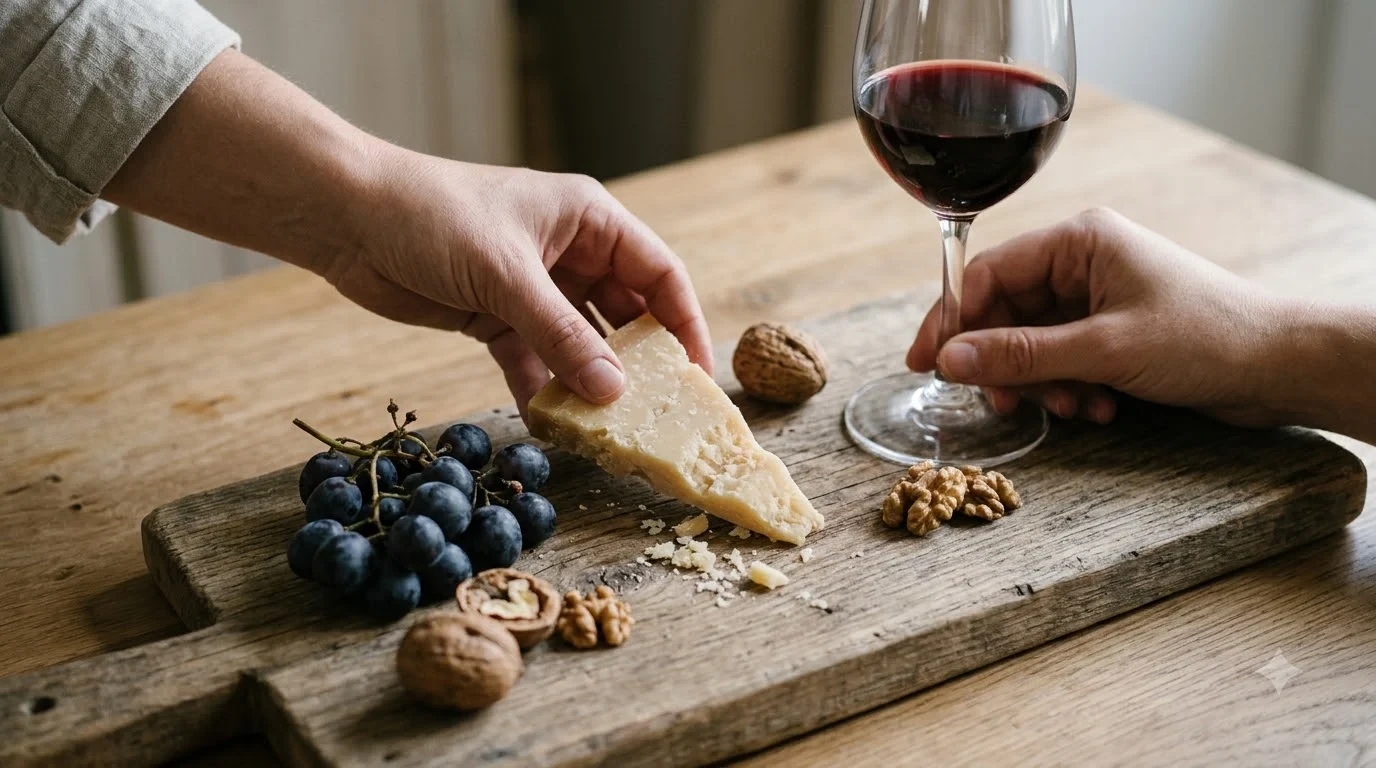
Baco Noir works particularly well with moderately aged cheeses, cured meats and savory appetizers. Its acidity helps balance fatty ingredients, while softer tannins make it more flexible with cheese than some heavily structured red wines.
Cheddar: A medium-aged or aged cheddar is a reliable starting point. Its firm texture, saltiness and concentrated flavor complement Baco Noir’s dark fruit. A smoked cheddar is especially suitable when the wine has noticeable smoky or toasted-oak notes.
Gouda: A moderately aged Gouda provides a pleasant combination of nutty, creamy and savory flavors. It works with fruit-forward Baco Noir because the cheese’s richness balances the wine’s acidity. Very young Gouda can also work, although a more mature version offers greater flavor intensity.
Gruyère: Gruyère has savory, nutty characteristics that suit Baco Noir’s herbal and earthy side. Serve it with mushroom tartlets, roasted onions or crusty bread for an easy appetizer.
Blue cheese: Blue cheese can work, but the intensity and saltiness need consideration. A moderately strong blue cheese served in small portions can complement the wine’s dark fruit. Very pungent examples may overpower a lighter Baco Noir.
Charcuterie: Salami, smoked ham, cured sausages and peppered meats are useful additions to a Baco Noir appetizer board. Their salt and fat help soften tannin, while smoky and savory flavors complement the wine’s character.
Build a simple board with aged cheddar, smoked Gouda, salami, roasted almonds, olives and sliced baguette. Add fresh blackberries or cherries to reinforce the wine’s fruit profile. Keep sweet accompaniments relatively restrained so they do not make the wine seem unusually sharp.
For warm appetizers, try mushroom crostini, sausage-stuffed mushrooms, mini beef pies or roasted red pepper tartlets. These foods provide the savory depth that makes Baco Noir a comfortable choice for entertaining.
Another useful option is grilled cheese made with aged cheddar and caramelized onions. The browned bread, melted cheese and sweet-savory onion combination work particularly well with a fruit-forward bottle.
For readers who enjoy comparing different red wine styles, pinot noir rose food pairing offers a useful contrast: rosé generally suits lighter meals, while Baco Noir is more naturally suited to richer grilled and roasted dishes.
Serving Temperature, Food Matching and Practical Tips
Serve Baco Noir slightly cool rather than warm. A temperature of approximately 55–60°F is a useful starting point for many examples, allowing the wine’s fruit, acidity and smoky character to remain clear without making the alcohol seem overly prominent.
Although Baco Noir is frequently described as a full-bodied red, individual bottlings can vary considerably. A lighter, fresher style may benefit from the cooler end of the serving range, while a richer, oak-aged example can be served closer to 60°F.
The following guide summarizes practical combinations for different meals.
| Food | Why It Works | Best Preparation |
|---|---|---|
| Beef burgers | Fat and savory flavors soften tannin | Grilled with aged cheddar |
| Barbecue ribs | Smoke complements the wine’s smoky notes | Slow-cooked with tomato-based sauce |
| Lamb chops | Herbs and rich meat suit dark fruit | Grilled with rosemary and garlic |
| Roast chicken | Browned skin complements savory fruit | Oven-roasted with thyme |
| Beef lasagna | Tomato acidity matches wine freshness | Slow-baked with mozzarella |
| Margherita pizza | Tomato, herbs and cheese create balance | Wood-fired with fresh basil |
| Portobello mushrooms | Earthy flavors complement herbal notes | Grilled with garlic and olive oil |
| Vegetarian chili | Beans and smoky seasoning suit dark fruit | Tomato-based with smoked paprika |
| Aged cheddar | Salt and fat soften tannin | Served at room temperature |
Temperature is only one part of the experience. Food preparation, seasoning and portion size also influence the pairing. A grilled burger with a modest amount of sauce can be a better match than an elaborate burger covered in sweet condiments. Similarly, a simple mushroom risotto can work better than a delicate seafood dish with a heavy cream sauce.
When to chill or decant Baco Noir
Place the bottle in the refrigerator for approximately 20–30 minutes before serving if it has been stored at ordinary room temperature. This is a practical way to bring the wine closer to the recommended serving range. If the bottle becomes too cold, allow it to warm slightly in the glass.
Young, concentrated red wines sometimes benefit from exposure to air. For a fuller-bodied Baco Noir with noticeable oak and structure, try decanting for approximately 20–30 minutes and assess how the aromas develop. A particularly young, full-bodied example may benefit from 30–60 minutes, although not every Baco Noir requires decanting.
Pour approximately 5 ounces per glass. A standard 750 ml bottle provides about five servings at this pour size, making it easy to plan a dinner for four or five people.
Pairing considerations to avoid
Very hot chili dishes are among the less reliable choices for Baco Noir. Alcohol and tannin can intensify the sensation of chili heat, making an already spicy dish seem more aggressive. Use moderate chili seasoning, roasted peppers or smoked paprika instead.
Delicate oily fish is another difficult match for a red wine with noticeable tannin and smoky character. Grilled salmon may work with a particularly light, low-tannin Baco Noir, but strongly tannic examples are generally better reserved for meat, mushrooms and roasted vegetables.
Extremely sweet sauces can also cause problems. A dry Baco Noir may taste sharper when served alongside food with substantial sugar. If using barbecue sauce, choose a savory tomato-based recipe rather than a heavily sweetened glaze.
Finally, do not assume that every bottle needs the same treatment. A fresh, fruit-driven example may be excellent with pizza and burgers, while a richer oak-aged version can be better suited to lamb, venison and slow-cooked beef. Exploring the wine’s structure before finalizing the menu is the easiest way to achieve a balanced pairing.
Frequently Asked Questions
These common questions cover additional details about Baco Noir, its origins and how to choose suitable bottles for different meals.
Is Baco Noir a dry or sweet wine?
Baco Noir is commonly made as a dry red wine, although some producers make fruit-forward examples with measurable residual sugar. Pelee Island Winery’s documented VQA example lists 12.1 g/L residual sugar. Perceived sweetness therefore depends on the particular bottling rather than the grape name alone.
Is Baco Noir related to Pinot Noir?
No. Baco Noir and Pinot Noir are different grape varieties with different genetic backgrounds. Baco Noir is a French-American hybrid created by François Baco, whereas Pinot Noir is a traditional Vitis vinifera variety associated with Burgundy. Their shared dark-fruit possibilities do not make them genetically related.
Where is Baco Noir most commonly grown?
Ontario is one of the best-known regions for Baco Noir, particularly the Niagara Peninsula. The grape is also found in New York’s Finger Lakes, Michigan and other cooler North American growing areas. Its cold-climate adaptability helped establish it in regions where winter conditions can challenge less hardy grape varieties.
Can Baco Noir be blended with other grapes?
Yes. Baco Noir is produced as both a single-variety wine and a component in blends. Pelee Island Winery’s documented VQA example contains Baco Noir, Lemberger and Maréchal Foch, illustrating how producers can combine varieties to develop a particular balance of fruit, acidity and structure.
Does Baco Noir have to be aged in oak barrels?
No. Oak aging is a winemaking choice rather than a requirement of the grape variety. Henry of Pelham produces examples with oak influence, while other producers can emphasize fresher fruit through different fermentation and maturation choices. Oak can contribute vanilla, toast and spice, but the amount of influence varies.
Baco Noir is an excellent choice for meals built around grilled meats, smoky flavors, tomato-based dishes and hearty vegetarian ingredients. Its combination of dark fruit, lively acidity and soft tannins makes it particularly adaptable to everyday cooking and relaxed dinner parties. Start with barbecue ribs, beef lasagna or grilled portobello mushrooms, then explore different combinations to find the style that best suits your bottle.
More in Wine Types & Grapes
 What Does Mourvèdre Taste Like? Flavor Profile, Regions, and PairingsUpdated Nov 20, 2026
 What Does Marsanne Taste Like? Flavors, Styles, and Food PairingsUpdated Nov 20, 2026
 What Does Malvasia Taste Like? Styles, Flavors, and Food PairingsUpdated Nov 20, 2026
 What Does Grenache Blanc Taste Like? Flavor Profile, Styles, and PairingsUpdated Nov 20, 2026
 What Does Garnacha Taste Like? Key Flavors, Styles, and Pairing TipsUpdated Nov 20, 2026
 What Does Fruit Wine Taste Like? A Complete Flavor and Style BreakdownUpdated Nov 20, 2026