

We may earn a commission when you buy through links on this page, at no extra cost to you. Learn more.
Arneis tasting notes typically describe a dry, medium-bodied Italian white wine with aromas of white flowers, pear, chamomile and apricot, followed by flavors of peach, green or yellow apple, almond and gentle herbs. Native to Piemonte, particularly the Roero hills, Arneis combines a rounded texture with moderate acidity and a refreshing mineral character. Its delicate fruit, subtle bitterness and almond-like finish make it especially enjoyable with seafood, fresh cheeses, poultry and traditional Italian appetizers.
Pronounced approximately ar-NAYSS, Arneis is one of northern Italy’s distinctive white grapes. Although Piemonte is better known internationally for red wines such as Barolo and Barbaresco, Arneis offers a different expression of the region’s winemaking tradition. Understanding its aromas, texture, acidity and regional differences makes it easier to recognize a good example and choose the right food to serve alongside it.
What Arneis Tastes Like: The Essential Flavor Profile
Arneis is generally a dry white wine with medium body, moderate acidity and an aromatic profile built around orchard fruit, white flowers and almonds. Its texture is often softer and rounder than that of particularly crisp Italian whites, giving it an appealing combination of freshness and weight.
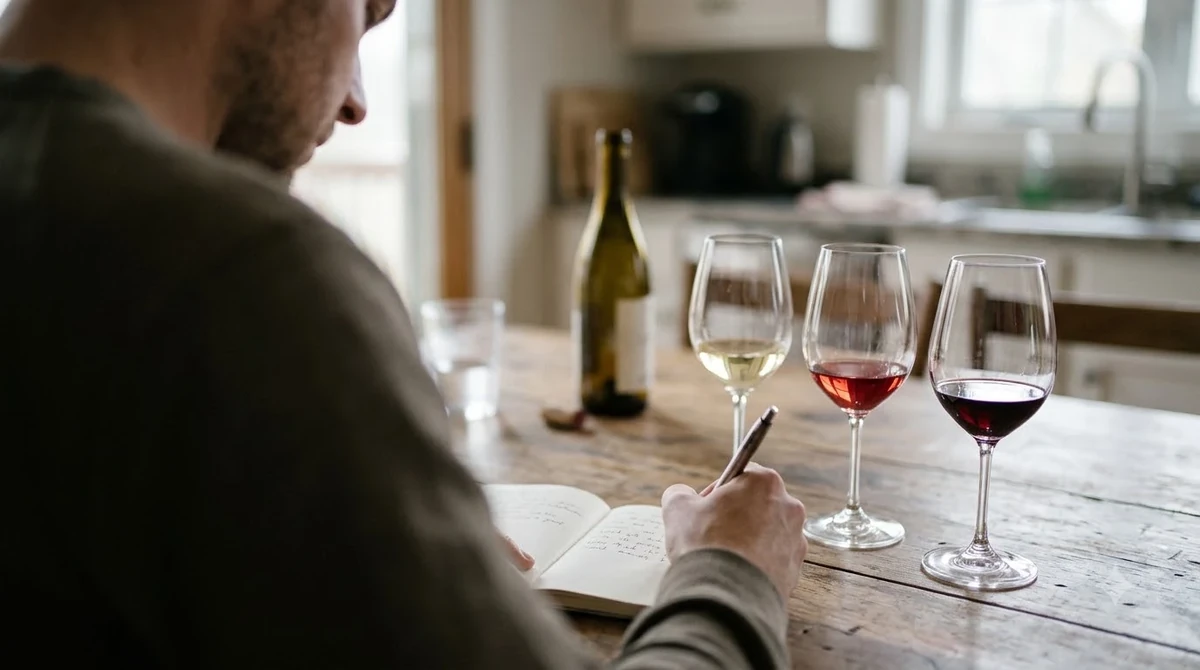
The first aromas commonly include ripe pear, white peach, apricot and yellow apple. These fruit notes are usually accompanied by floral scents such as chamomile and white blossoms. Depending on the producer and growing conditions, the bouquet can also suggest honey, citrus peel, fresh herbs or a faintly spicy character. The aromas are expressive without necessarily being intensely perfumed.
On the palate, Arneis typically follows its aromatic promise. Peach and pear provide a gentle fruit impression, while apple contributes freshness. Almond is particularly characteristic, appearing as a raw-nut flavor in the middle of the palate and sometimes becoming more noticeable in the finish. Some examples also have a light herbal quality reminiscent of sage or chamomile.
One important distinction is that ripe fruit aromas do not mean the wine is sweet. Most traditional Arneis is fermented to dryness. Its fruit-forward character can suggest sweetness to someone accustomed to more neutral white wines, but the overall impression is generally dry, with a rounded mouthfeel and enough acidity to keep the wine balanced.
The finish is often gently bitter, nutty or mineral rather than sharply citrus-driven. This slight bitterness is part of the grape’s appeal. It gives Arneis a distinctive character and helps distinguish it from softer, more overtly tropical white wines.
Although individual bottles vary, the following profile provides a useful starting point when tasting a typical still Arneis:
| Characteristic | Typical Arneis profile |
|---|---|
| Wine color | Straw yellow, sometimes with golden or greenish reflections |
| Primary aromas | Pear, peach, apricot, white flowers |
| Secondary aromas | Chamomile, almond, honey, herbs |
| Palate flavors | Yellow apple, peach, pear, raw almond |
| Sweetness | Usually dry |
| Acidity | Moderate |
| Body | Medium |
| Tannin | Very low to effectively absent |
| Typical alcohol | Approximately 11.5–13.5% ABV |
| Finish | Fresh, gently mineral, sometimes almond-like |
These characteristics describe a general style rather than a strict formula. A cooler-climate expression may emphasize crisp apple and pear, while a riper example can show more apricot, peach and honeyed aromas. Oak influence, lees contact and fermentation choices can also change the texture and complexity.
For a useful comparison, consider Sancerre tasting notes. Both wines can offer attractive fruit and mineral characteristics, but Sauvignon Blanc from Sancerre is usually more sharply acidic, with more pronounced citrus, green fruit and herbaceous notes. Arneis generally feels rounder and more softly textured.
Appearance, Aroma and Mouthfeel During a Tasting
A structured tasting of Arneis should move through three stages: appearance, aroma and palate. Looking at the color first, then identifying the fruit and floral notes, helps distinguish the grape’s natural characteristics from the influence of winemaking and bottle age.
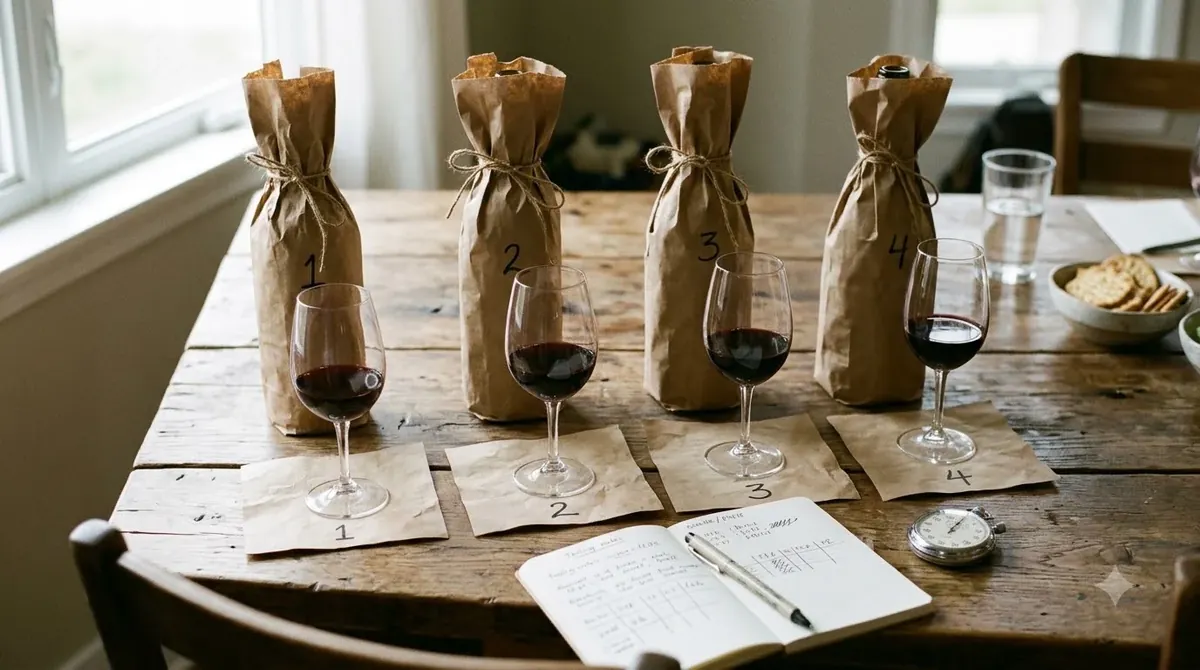
Appearance: Most Arneis is pale straw yellow to medium straw, sometimes showing greenish reflections in younger wines or golden highlights in riper examples. The wine should generally appear clear and bright. A deeper golden color can reflect ripeness, production choices or bottle development, rather than automatically indicating a fault.
Aroma: Begin by smelling the wine without swirling the glass. Look for pear, apple, white peach and delicate flowers. After gently swirling, the aromatic profile may become more expressive, revealing apricot, chamomile, almond and subtle herbal notes. Some bottles show a faint honey-like impression that adds complexity without making the wine sweet.
Pay attention to the balance between fruit and flowers. A particularly expressive Arneis may have a noticeable floral character, while another may emphasize orchard fruit and almond. Neither style is necessarily better. The differences can reflect vineyard conditions, harvest timing and cellar decisions.
Mouthfeel: Arneis generally has a medium-bodied palate with a rounded, sometimes slightly waxy texture. It is not usually as lean as a very crisp Pinot Grigio, nor as broad and creamy as a heavily oak-influenced Chardonnay. Its moderate acidity provides freshness while allowing the fruit and nut flavors to remain prominent.
Some examples have a faintly saline or mineral impression, particularly those from Roero. These sensations should be understood as tasting descriptions rather than proof that the wine contains measurable quantities of salt or minerals from the vineyard soil.
The finish provides another useful identification point. Almond, herbs and a subtle pleasant bitterness may linger after the fruit fades. A balanced bottle should retain enough freshness to prevent the rounded texture from becoming heavy.
Tip: Taste Arneis in a medium-sized white wine glass. Take one small sip before evaluating the finish, then take another after gently swirling the wine. This makes its floral aromas, rounded texture and characteristic almond notes easier to identify.
When comparing two bottles, use the same glass shape and similar serving temperatures. Differences become easier to recognize when temperature is not changing the perception of acidity, alcohol and aroma.
Roero and Piemonte: Where Arneis Develops Its Character
Arneis is strongly associated with Piemonte in northwestern Italy, especially Roero, an area on the left bank of the Tanaro River. Its regional identity is important because the grape’s characteristic combination of orchard fruit, flowers, almond and mineral freshness is closely associated with the vineyards and winemaking traditions of this part of Italy.
Roero lies north of the better-known Barolo area, with Turin farther to the north. The region’s hills provide different vineyard exposures, elevations and soil conditions. These variations influence how the grapes ripen and how much fruit concentration, freshness and aromatic intensity appear in the finished wine.
Roero’s sandy soils are frequently associated with its distinctive Arneis expressions. The wines can show fresh pear, citrus, white peach and floral notes, accompanied by a mineral impression. This is a useful general expectation, although individual vineyards and producers can create considerably different styles.
The Roero Arneis DOCG designation provides an additional indication of origin and production requirements. According to Ente Turismo Langhe Monferrato Roero, the appellation permits Arneis to represent 95–100% of the wine, with the remaining portion potentially coming from other authorized non-aromatic grapes. The minimum alcohol requirement is 11% ABV.
The regional designation also recognizes a sparkling version. Roero Arneis Spumante can range from naturally dry to sweet and typically offers fresh fruit, delicate floral aromas and persistent fine bubbles. This is different from the more familiar still expression, so it is useful to distinguish the two when buying or tasting.
For a regional overview, the official Langhe Monferrato Roero tourism description of Roero Arneis provides information about the grape composition, local traditions, serving recommendations and the sparkling classification.
Individual producers demonstrate how vineyard location and cellar techniques can influence the final wine. Cantina Moscone, for example, identifies Monticello d’Alba as the municipality for its Roero Arneis vineyards. Its vineyard information describes sandy and limestone soils, elevations of 300–350 meters and manual harvesting.
Its winemaking approach uses gentle pressing and low-temperature fermentation in stainless steel. The resulting tasting profile emphasizes white flowers, chamomile, pear, honey and almond. This is a useful illustration of a fresh, aromatic expression rather than a universal description of every Arneis bottling.
Arneis also has a history outside the modern still-wine category. It was once used in blends with Nebbiolo, helping soften the red wine’s tannins and contribute aromatic complexity. Its revival as a standalone white variety gave the grape a more prominent identity within Piemonte.
How Winemaking Changes Arneis Tasting Notes
Arneis can taste noticeably different depending on fermentation temperature, vessel selection, lees contact and maturation. Stainless steel generally emphasizes freshness and primary fruit, while oak or extended lees aging can introduce additional texture and more complex aromas.
Stainless-steel fermentation: This is a common choice for producers seeking a clean, fruit-driven style. Temperature-controlled fermentation helps preserve delicate floral and orchard-fruit aromas. The resulting wine often emphasizes pear, apple, peach and citrus, with a relatively straightforward and refreshing palate.
Stainless steel does not automatically make a wine simple. Careful vineyard selection, fermentation management and maturation can produce considerable aromatic complexity without oak. The technique is especially useful for preserving the characteristics that make Arneis recognizable.
Lees aging: After fermentation, some producers leave the wine in contact with its spent yeast cells, known as lees. Periodic stirring, often called bâtonnage, can increase the impression of body and texture. Depending on the duration and method, the wine may develop a creamier mouthfeel and additional savory or bread-like nuances.
Oak maturation: Some Arneis producers use oak to add depth and structure. Subtle vanilla, spice and toasted-nut characteristics can appear, although oak should not necessarily dominate the grape’s natural floral and fruit aromas. A heavily oaked example may taste broader and richer than a stainless-steel version.
Harvest timing: Harvest decisions influence the balance between acidity and ripeness. Earlier picking can preserve brighter apple and citrus characteristics, while riper grapes may show more peach, apricot and honeyed fruit. These differences help explain why two wines made from the same variety can have noticeably different tasting profiles.
Lees aging can also affect how the finish feels. A wine with greater texture may seem more substantial, even when its alcohol and acidity are similar to those of a fresher, stainless-steel example. This distinction matters when pairing Arneis with food because texture can be just as important as aroma.
For an individual producer example, Cantina Moscone’s Roero Arneis production and tasting description explains its use of stainless steel, low-temperature fermentation and lees-related resting. Its finished wine is described with a fresh, mineral palate and dry almond finish.
Best Food Pairings for Arneis Wine
Arneis is particularly good with seafood, fresh cheeses, poultry and delicate appetizers. Its moderate acidity, soft texture and floral-fruit aromas complement foods that do not require the stronger acidity or tannin of more powerful wines.
Seafood is among the most natural pairing categories. Grilled white fish, shrimp, scallops, oysters and shellfish can work particularly well because their delicate flavors do not overwhelm the wine. A squeeze of lemon, fresh herbs or a light butter sauce can reinforce its fruit and floral character.
Seafood risotto is another strong choice. Its creamy texture works with Arneis’s rounded mouthfeel, while the wine’s freshness helps keep each bite from feeling too rich. Herb-based preparations featuring parsley, thyme or sage can also complement the grape’s aromatic profile.
For Italian appetizers, consider vitello tonnato, a Piedmontese preparation of sliced veal with tuna and caper sauce. Its delicate meat, creamy sauce and savory ingredients provide an appealing match for the wine’s fruit and gentle mineral character.
Fresh cheeses are particularly suitable. Ricotta, mozzarella and mild goat cheese work well because they have enough creaminess to complement the wine without overwhelming its relatively delicate flavors. Prosciutto is another practical option, especially when served with bread, melon or lightly dressed vegetables.
Arneis can also accompany roast chicken, turkey and lightly seasoned pork. Poultry with pear, thyme or almond-based stuffing is particularly interesting because the ingredients echo flavors commonly found in the wine itself. Avoid overly sweet sauces that would make a dry Arneis seem sharper or less balanced.
Vegetarian dishes provide several possibilities. Try roasted zucchini, asparagus, vegetable risotto, mushroom preparations and herb-rich frittata. Almonds, roasted pears and mild citrus dressings can reinforce the wine’s aromatic character.
Spicy dishes require more attention. Arneis can accompany moderately seasoned Asian dishes, especially those featuring soy sauce, seafood or aromatic herbs. However, very hot chili preparations can make alcohol seem more pronounced and reduce the impression of freshness. Milder spice levels are generally safer.
The following combinations provide a practical starting point:
| Food | Why it works | Serving suggestion |
|---|---|---|
| Grilled sea bass | Delicate protein complements the wine’s fruit | Lemon and fresh herbs |
| Scallops | Sweet seafood complements pear and peach notes | Light butter and toasted almonds |
| Shrimp risotto | Creamy texture matches the rounded palate | Parsley and lemon zest |
| Fresh mozzarella | Mild creaminess balances moderate acidity | Tomato and basil |
| Prosciutto | Salt softens the perception of wine acidity | Melon and bread |
| Roast chicken | Light meat complements medium body | Thyme and pear stuffing |
| Vegetable frittata | Egg and herbs complement floral aromas | Sage and zucchini |
| Vitello tonnato | Savory sauce and delicate veal suit the wine’s texture | Traditional Piedmontese preparation |
For a broader understanding of pairing different wine structures with meals, explore Wine by Type. Comparing aromatic whites with medium-bodied reds can also help clarify why Arneis is better suited to delicate seafood than a tannic red wine.
Serving Temperature, Glassware and Cellaring
Serve Arneis chilled but not ice-cold, generally around 45–50°F for a fresh, aromatic expression. A medium-sized white wine glass gives its pear, peach, floral and almond aromas enough room to develop while maintaining a focused drinking experience.
Roero producers and regional sources sometimes recommend slightly warmer temperatures. Ente Turismo Langhe Monferrato Roero recommends 8–10°C, approximately 46–50°F, in a tulip-shaped glass. Cantina Moscone recommends 10–12°C, approximately 50–54°F. These differences reflect individual serving preferences rather than a contradiction in the wine’s basic style.
For most bottles, chilling the wine in the refrigerator before serving is sufficient. If it becomes too cold, allow it to sit briefly at room temperature. Excessively low temperatures can suppress the delicate aromas that make Arneis interesting.
A medium-sized white wine glass is generally preferable to a very narrow glass. The shape should allow enough room for gentle swirling while directing the aromas toward the nose. There is no need for a specialized glass designed exclusively for Arneis.
Decanting is usually unnecessary. Young Arneis is generally ready to enjoy shortly after opening, and prolonged exposure to air is unlikely to improve a fresh, aromatic example. Simply pour a small tasting portion and allow it a few moments to open in the glass.
Most everyday Arneis is best enjoyed relatively young, when its fruit and floral aromas remain vivid. A practical drinking window for many uncomplicated examples is within approximately two to three years of purchase. More structured wines from careful producers may develop additional complexity, but extended cellaring is not a requirement for enjoying the grape.
Store unopened bottles in a cool, dark place with relatively stable temperatures. A cellar near 55°F is suitable, and bottles sealed with natural cork are generally stored on their sides. Avoid prolonged exposure to sunlight, heat and temperature fluctuations.
Once opened, refrigerate the remaining still wine and use a suitable closure. Most opened still wines remain enjoyable for approximately three to five days, although their aromas gradually change. Arneis is often most appealing during the first couple of days after opening because its fresh fruit and floral notes are central to its character.
For sparkling Arneis, use a sparkling-wine stopper and serve it colder, around 40–50°F. Its bubbles and more delicate aromatic structure benefit from careful handling and prompt consumption after opening.
Arneis Compared with Other White and Red Wines
Arneis occupies an interesting position among white wines because it combines moderate acidity, medium body and noticeable aromatics. Comparing it with Pinot Grigio, Chardonnay, Sauvignon Blanc and Pinot Noir makes its structure easier to understand.
Arneis vs. Pinot Grigio: Both can offer pear and apple flavors, but Pinot Grigio is frequently lighter and more straightforward, with a crisp, refreshing finish. Arneis generally has a rounder texture and more noticeable almond, chamomile and white-flower aromas. Those who enjoy Pinot Grigio but want a slightly fuller palate may find Arneis appealing.
Arneis vs. Sauvignon Blanc: Sauvignon Blanc typically has higher acidity and more pronounced citrus, green herbs and sometimes grassy or tropical aromas. Arneis is generally softer in acidity, with a greater emphasis on pear, peach, flowers and almonds. Both can accompany seafood, but their different structures create different food-pairing possibilities.
Arneis vs. Chardonnay: Chardonnay can range from lean and citrus-driven to rich and creamy, depending on its production method. Arneis generally offers a moderate-bodied profile with floral aromas and a recognizable almond finish. An unoaked Chardonnay may share some freshness with Arneis, but Chardonnay can have more prominent apple, lemon and buttery characteristics.
Arneis vs. Pinot Noir: These wines are very different in color and structure, but they can both offer an appealing balance of fruit and moderate weight. Pinot Noir has low-to-medium tannin and often higher acidity, while Arneis is a dry white without meaningful tannin. Both can work with poultry and delicate dishes, although their pairing possibilities are not interchangeable.
Arneis can also be compared with richer Italian whites. Some expressions of Verdicchio and Fiano offer similar savory or nutty elements, but their acidity, texture and aromatic characteristics vary. The grape’s floral character and almond finish remain useful clues when identifying Arneis.
For readers exploring Italian and international red wines, Grenache tasting notes and Petit Verdot tasting notes provide useful contrasts. Grenache often emphasizes ripe red fruit and softer tannin, while Petit Verdot is considerably more tannic and structured. Arneis is a much gentler, fruit-and-flower-driven option for meals that call for white wine.
The best comparison is always between wines served under similar conditions. Use comparable temperatures and glasses, and pay attention to acidity, body, aroma and finish rather than relying exclusively on fruit descriptions.
Frequently Asked Questions
Is Arneis the same grape as Nebbiolo Bianco?
Nebbiolo Bianco is a historical alternative name associated with Arneis. Despite the name, Arneis is a distinct white grape variety and should not be confused with Nebbiolo, the red grape used for Barolo and Barbaresco. The two have different grape characteristics and wine styles.
What does the name Arneis mean?
In the local Piedmontese dialect, Arneis is commonly associated with the meaning “little rascal.” The nickname is traditionally connected with the grape’s challenging growing characteristics. It reflects the variety’s reputation among growers rather than a particular flavor or wine classification.
Was Arneis historically used to make red wine blends?
Yes. Arneis was traditionally blended with Nebbiolo in Piemonte, where it helped soften the red wine’s tannins and contribute aromatic complexity. This historical use is one reason the grape is sometimes discussed alongside the region’s famous red varieties, even though it is now primarily known as a white wine.
Can Arneis be made into sparkling wine?
Yes. Roero Arneis Spumante is an officially recognized sparkling expression of the grape. Its style can range from naturally dry to sweet, and the regional description identifies fine, persistent bubbles alongside fresh and fruity aromas. It offers an alternative to the more common still version.
Does Arneis have a relationship with the Piedmontese wine revival?
Arneis became part of a wider revival of interest in indigenous Piedmontese varieties after nearly disappearing during the twentieth century. Its renewed production helped broaden the region’s international reputation beyond its famous red wines. The grape is now an important part of Roero’s white-wine identity.
Arneis is an excellent choice for anyone who enjoys dry white wines with expressive fruit, delicate flowers, moderate acidity and a distinctive almond finish. Start with a young Roero Arneis served around 45–50°F, then pair it with seafood, fresh cheese or traditional Piedmontese appetizers. Its combination of freshness and rounded texture makes this distinctive Italian grape a rewarding alternative to more familiar white wines.
More in Wine Types & Grapes
 Zinfandel Sugar Content: Dry Red vs. White Zinfandel GramsUpdated Nov 21, 2026
 Best Zinfandel Substitute Options for Sipping and CookingUpdated Nov 21, 2026
 Zweigelt Food Pairing: Best Dishes, Cheeses, and Serving TipsUpdated Nov 21, 2026
 Zinfandel Tannins Explained: How Structure Shapes Every BottleUpdated Nov 21, 2026
 Zinfandel Sweetness Level: Dry Red vs. Sweet White Zin ExplainedUpdated Nov 21, 2026
 Xinomavro Food Pairing: Best Dishes, Styles, and Serving TipsUpdated Nov 21, 2026