

We may earn a commission when you buy through links on this page, at no extra cost to you. Learn more.
Amontillado food pairing works best with roasted poultry, pork, tuna, wild mushrooms, asparagus, artichokes, and aged cheeses because this dry Spanish Sherry combines nutty complexity, savory depth, and refreshing acidity. Its distinctive character comes from aging first under flor yeast and then through oxidative aging, giving it both freshness and developed aromas. Serve it slightly chilled at 54–57°F alongside dishes with roasted, earthy, salty, or umami-rich flavors.
Amontillado occupies an unusual position among fortified wines. It has the freshness and subtle savory character associated with Fino Sherry, but additional exposure to oxygen develops flavors of hazelnut, wood, spice, and dried herbs. This combination makes it particularly useful at the dinner table, where a wine needs to work with several ingredients rather than just one. Whether planning Spanish tapas, a seafood dinner, or a meal featuring roasted meat, understanding its flavor profile makes choosing successful combinations much easier.
Understanding Amontillado’s Flavor and Pairing Characteristics
Amontillado pairs particularly well with savory, earthy, and moderately rich foods because its nutty aromas, dry finish, and balanced acidity complement ingredients with similar depth. Its combination of biological and oxidative aging gives it more pairing flexibility than many other dry Sherries.
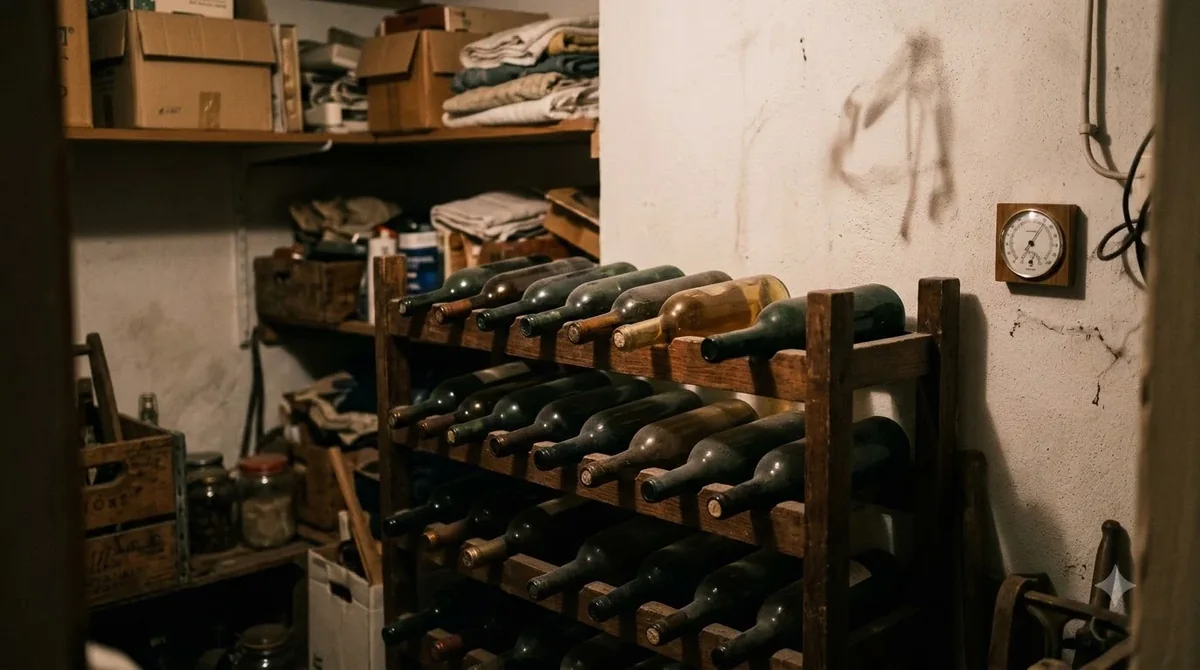
Amontillado begins as a Palomino-based wine that undergoes biological aging beneath a layer of flor yeast. This protective yeast influences the wine’s freshness and distinctive character. As the flor disappears, the wine enters a second stage of aging in contact with oxygen. The resulting development produces a darker color, greater concentration, and additional aromas.
The Jerez regulatory council describes Amontillado as ranging from pale topaz to amber. Depending on its aging history, the wine can show hazelnut, aromatic herbs, dark tobacco, spices, and wood. On the palate, it is dry, with balanced acidity and a lingering finish. These characteristics help explain why it works with ingredients ranging from delicate tuna to richly flavored pork.
Its savory character is particularly important for food matching. Roasted mushrooms, toasted almonds, browned poultry skin, and aged cheese all contain flavors that complement the wine’s developed aromas. Meanwhile, its acidity helps refresh the palate between bites of foods containing butter, olive oil, or roasted animal fat.
Amontillado is also a fortified wine, typically containing more alcohol than ordinary table wine. The Jerez regulatory council gives a broad range of 16–22% ABV, while Wine Enthusiast identifies approximately 18% ABV as typical. Its alcohol level and concentrated flavors mean that smaller pours can accompany food without overwhelming the meal.
For readers exploring other wine styles, the broader Wine by Type collection provides useful context for understanding how grape varieties, production methods, acidity, and tannin influence food matching.
Seafood and Fish That Complement Amontillado
Amontillado is particularly successful with tuna, oily fish, smoked seafood, and shellfish prepared with savory sauces. Its nutty, slightly oxidative character provides enough flavor intensity to complement seafood without requiring the tannin structure of a red wine.
Tuna is one of the most reliable starting points. Its substantial texture and savory flavor stand up to Amontillado’s concentration, especially when the fish is grilled, seared, or served with olive oil. A seared tuna steak with toasted sesame seeds, herbs, and a restrained citrus dressing is a particularly practical combination. The wine’s developed aromas complement the browned surface of the fish, while its acidity keeps the combination from feeling heavy.
Other oily fish can work equally well. Grilled mackerel, roasted sardines, and smoked trout have enough flavor intensity to meet the wine’s nutty character. A preparation with garlic, parsley, olive oil, or toasted almonds can create additional connections between the ingredients and the wine.
Shellfish can also work, particularly when prepared with richer ingredients. Consider shrimp sautéed in garlic butter, scallops with browned butter, or crab served with a light almond sauce. These preparations offer more flavor and texture than very delicate raw seafood, making them better suited to Amontillado than to a particularly light, saline Fino.
For a Spanish-inspired seafood menu, try grilled prawns with smoked paprika, tuna with roasted peppers, or clams served in a savory broth. Keep the seasonings balanced so that the wine’s alcohol does not intensify excessive chili heat.
One distinction matters: raw oysters and delicate white fish are generally better candidates for Fino or Manzanilla. Amontillado is more convincing when the seafood has been cooked, smoked, grilled, or combined with a flavorful sauce.
Its versatility is also demonstrated by traditional Spanish cooking. Fish stews containing saffron, bay leaf, peas, and shellfish can offer a useful combination of aromatic ingredients and concentrated savory flavors.
Pork, Poultry, and Other Meat Pairings
Roasted chicken, pork loin, duck, rabbit, and pheasant are excellent partners for Amontillado because their savory flavors complement its oxidative development. The wine’s acidity and nutty aromas provide contrast to roasted surfaces, browned sauces, and moderately rich meat preparations.
Roast chicken is an especially dependable choice. The combination of crisp skin, tender meat, and pan juices creates a savory profile that works naturally with Amontillado. Prepare the chicken with thyme, rosemary, garlic, and lemon, then serve the wine slightly chilled. A mushroom pan sauce adds another layer of compatibility.
Pork offers several possibilities. Roast pork loin with herbs is a straightforward pairing, while slow-cooked pork shoulder brings more concentrated flavor and richness. Grilled pork chops with sautéed mushrooms or a light mustard sauce also work well. Avoid overly sweet glazes, which can make a dry Sherry taste more austere.
Duck is another attractive option. Its richness benefits from the wine’s dryness and acidity, particularly when served with roasted vegetables or a savory mushroom sauce. Keep fruit accompaniments restrained. A small amount of roasted apple or pear can work, but heavily sweetened sauces may overwhelm the wine.
Wine Enthusiast specifically recommends Amontillado with flavorfully sauced pork, pheasant, and rabbit, as well as medium-bodied soups. These recommendations demonstrate that the wine does not need an especially heavy main course to make an impression.
Rabbit is particularly interesting in traditional Spanish cooking. Rabbit stewed with garlic, white beans, herbs, and stock has a combination of savory and earthy characteristics that complements the wine. Pheasant, meanwhile, can work with a roasted preparation featuring mushrooms and a restrained pan sauce.
For red-meat dishes, choose preparations with moderate intensity rather than very fatty, heavily charred steaks. Richer, more powerful oxidative Sherries such as Oloroso may be a more natural choice for particularly substantial beef dishes.
Asparagus, Artichokes, and Mushroom Dishes
Asparagus, artichokes, spinach, and wild mushrooms are among the most interesting vegetable partners for Amontillado. These ingredients can be difficult to match with ordinary wines, but the Sherry’s combination of dryness, savory depth, and complex aromas provides a useful solution.
Asparagus is a particularly important example. Its green, sometimes bitter flavor can make conventional wine pairings challenging. Amontillado’s nutty and oxidative characteristics provide a more compatible flavor profile, especially when the vegetable is grilled or roasted. Finish asparagus with olive oil, sea salt, toasted almonds, and a small amount of lemon.
Artichokes are another classic match. Their distinctive vegetal bitterness can clash with many wines, especially when the preparation includes a strong vinaigrette. Braising them in stock with garlic, herbs, and olive oil creates a softer texture and more concentrated savory flavor. Adding jamón introduces salt and umami that complement the wine particularly well.
Decanter specifically identifies braised artichokes with jamón as an excellent example of this pairing. It also recommends asparagus and spinach with garbanzos, or chickpeas. These combinations demonstrate how Amontillado can work with vegetable-centered dishes rather than simply accompanying meat and seafood. Its discussion of these difficult vegetable matches is particularly useful in Decanter’s Sherry and tapas pairing guide.
Mushrooms are perhaps the easiest vegetable-based choice. Wild mushrooms, porcini, shiitake, and cremini all develop earthy, savory flavors when browned in a skillet. Their umami characteristics connect naturally with Amontillado’s nutty and developed aromas.
Try a mushroom risotto made with vegetable stock, sautéed mushrooms, Parmesan, and fresh thyme. Another option is roasted mushrooms served on toasted bread with garlic and parsley. Both dishes provide enough flavor intensity to stand alongside the Sherry without requiring additional sweetness or heavy seasoning.
Legumes can also work particularly well. Chickpeas cooked with spinach, paprika, garlic, and olive oil provide a substantial vegetarian dish with Mediterranean character. Lentils prepared with mushrooms and herbs are another useful option.
These combinations are particularly valuable for vegetarian menus. Instead of relying on a meat substitute, build the dish around ingredients with naturally deep flavors, such as browned mushrooms, legumes, roasted root vegetables, and toasted nuts.
Tip: If a vegetable pairing seems difficult, start with roasted or sautéed preparations rather than raw vegetables. Browned mushrooms, grilled asparagus, and braised artichokes develop savory flavors that connect naturally with Amontillado’s nutty character.
Cheese, Charcuterie, and Spanish Tapas
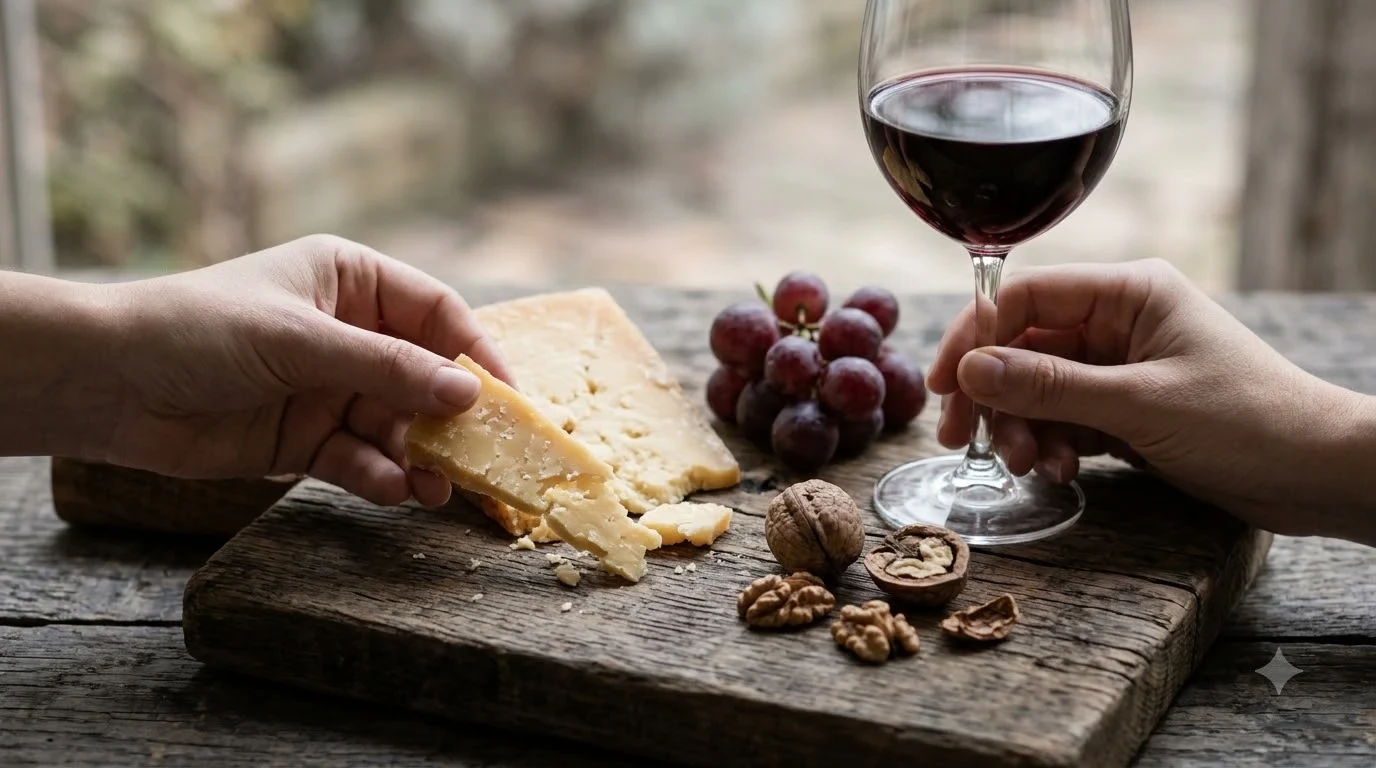
Amontillado is a strong choice for cheese boards and savory appetizers, particularly those featuring mature cheeses, cured meats, salted almonds, and olives. Its dry finish and concentrated nutty aromas complement salty, savory ingredients without requiring the sweetness associated with dessert Sherries.
Start with Manchego, particularly a moderately aged version. This Spanish sheep’s milk cheese has a firm texture, nutty flavor, and savory finish that works naturally with the wine. Other possibilities include aged Gouda, mature cheddar, and firm sheep’s milk cheeses.
Cheese selection should consider both intensity and saltiness. Very mild fresh cheeses can be overshadowed by Amontillado, while extremely pungent cheeses may dominate the wine. Semi-cured and mature varieties provide a more balanced starting point.
Blue cheese is a more adventurous possibility. Its strong flavor and saltiness can work with the wine’s intensity, although the match depends on the cheese’s sweetness, creaminess, and strength. If the cheese is particularly sweet or intensely salty, a different Sherry style may be more appropriate.
Charcuterie is another natural partner. Jamón Ibérico, serrano ham, cured pork loin, and other savory cured meats offer concentrated flavors and saltiness. The combination is especially attractive with salted Marcona almonds and green olives.
A simple tapas spread could include:
- Thinly sliced jamón serrano with toasted bread.
- Manchego cut into small wedges.
- Salted Marcona almonds.
- Green olives seasoned with herbs.
- Grilled mushrooms with garlic and parsley.
- Roasted peppers with olive oil.
- Small portions of tuna or smoked fish.
Serve these dishes at a relaxed pace rather than putting every ingredient into a single heavily seasoned preparation. Amontillado is versatile enough to accompany several tapas, making it an effective wine for a shared appetizer course.
For another useful comparison, blaufrankisch food pairing explores how a dry red wine approaches savory foods differently. Blaufränkisch generally relies on acidity, fruit, and red-wine structure, whereas Amontillado offers fortified intensity and oxidative complexity.
Spices, Soups, Sauces, and Difficult Pairings
Amontillado can work with moderately spiced foods, savory soups, and dishes containing concentrated sauces because its flavor intensity stands up to complex ingredients. The best results come from balancing the seasoning and avoiding excessive chili heat or sweetness.
Soups are among the most dependable options. The Jerez regulatory council recommends Amontillado with soups and consommés, while Wine Enthusiast highlights medium-bodied soups as particularly suitable. Onion soup, mushroom soup, chicken consommé, and roasted cauliflower soup are all practical choices.
French onion soup provides an interesting example. Its browned onions, stock, herbs, and savory cheese topping create a layered flavor profile that complements the wine. A mushroom soup prepared with roasted mushrooms and a modest amount of cream offers another successful combination.
Spiced dishes can also work. Decanter identifies curries among its suggested Amontillado pairings, and the Jerez regulatory council recognizes the wine’s suitability for challenging food combinations. Consider a mild chicken curry with toasted almonds, chickpea dishes with cumin, or roasted vegetables seasoned with smoked paprika.
However, the level of chili heat matters. Amontillado is a fortified wine, often around 18% ABV, and high alcohol can amplify the sensation of chili heat. Avoid pairing it with extremely hot sauces, heavily spiced peppers, or dishes dominated by raw chili.
Instead, use aromatic spices such as coriander, cumin, turmeric, cinnamon, and paprika. These provide complexity without necessarily increasing heat. Coconut milk, yogurt-based sauces, and other creamy elements can also soften a moderately spiced dish.
Amontillado has an additional role in the kitchen. Decanter identifies it as a useful substitute for brandy in cooking. Its concentrated savory character can contribute complexity to pan sauces, braises, and reductions.
For example, a splash can be incorporated into a mushroom sauce for roast chicken. It can also be used to deglaze a pan after cooking pork or poultry. Allow the wine to reduce gently so that its flavors integrate with the stock and other ingredients.
For vegetarian meals, a small amount in a lentil stew or mushroom-based sauce can provide additional depth. Avoid adding too much, since the wine’s alcohol and concentrated flavor can become dominant.
Serving Temperature, Glassware, and Menu Planning
Amontillado is best served slightly chilled at 54–57°F (12–14°C), preferably in a white wine glass. Proper temperature and glassware allow its nutty aromas, savory character, and developed finish to complement food without making the alcohol seem overly prominent.
The recommended serving temperature is important because Amontillado has more alcohol than ordinary dry white wine. Serving it too warm can make its alcoholic character more noticeable and reduce the balance between its freshness and oxidative aromas.
Place the bottle in the refrigerator before serving and allow it to reach the recommended temperature. If it becomes too cold, a short period at room temperature will help it warm slightly.
A standard white wine glass is a practical choice. Its bowl provides enough room for the wine’s aromas to develop, while the opening helps direct those aromas toward the nose. A traditional small Sherry glass can also be used, particularly for a short aperitif pour.
For a meal, a 2–3-ounce pour is a practical starting point because Amontillado is fortified. The following table summarizes useful serving and pairing guidelines.
| Serving detail | Recommendation |
|---|---|
| Serving temperature | 54–57°F |
| Temperature in Celsius | 12–14°C |
| Typical alcohol level | Approximately 18% ABV |
| Regulatory alcohol range | 16–22% ABV |
| Recommended food pour | 2–3 oz |
| Typical wine bottle size | 750 ml |
| Suggested opened-bottle window | 2–3 weeks refrigerated |
The serving recommendations are based on guidance from the Jerez regulatory council and Decanter. The suggested food pour is a practical serving guideline rather than a regulatory requirement. Opened-bottle storage guidance assumes the bottle is properly sealed and refrigerated.
Building a complete Amontillado dinner
A complete menu can move from lighter savory dishes toward richer preparations without requiring a different wine for every course.
For an appetizer, serve salted almonds, Manchego, and jamón. Follow with a mushroom or onion soup, then grilled tuna or roast chicken with asparagus. Finish the savory courses with a small serving of braised artichokes or lentils with spinach.
This progression uses ingredients that connect with Amontillado’s flavor profile while offering enough variety to keep each course interesting. The wine’s dry character also means that a very sweet dessert should not be served with it as though it were a dessert wine.
Choosing between Amontillado and other Sherries
Amontillado is not the only Sherry suitable for food. Fino and Manzanilla are generally lighter, fresher, and particularly attractive with delicate seafood, olives, and salty appetizers. Oloroso is richer and more fully oxidative, making it a stronger choice for substantial braised meats, game, and hearty stews.
Amontillado sits between these styles in terms of its aging history and food applications. Its initial flor aging contributes freshness, while subsequent oxidative aging adds nutty complexity. This combination explains why it can accompany everything from tuna and vegetables to poultry and mature cheese.
For additional comparisons, carignan food pairing illustrates how a savory red wine can complement roasted meats and herbs, while grenache blanc food pairing provides another perspective on matching acidity and texture with seafood and vegetable dishes.
Frequently Asked Questions
Is Amontillado Sherry always dry?
Traditional Amontillado is classified as a dry Sherry, with less than 4 grams of sugar per liter under the Jerez regulatory council’s specifications. Its concentrated aromas can suggest sweetness even though the wine finishes dry. Sweetened Sherry styles such as Medium or Cream are different categories and should not be confused with traditional dry Amontillado.
Can Amontillado be used in cocktails?
Yes. Its nutty and oxidative flavors make it useful in spirit-forward cocktails. Wine Enthusiast describes Amontillado in drinks such as the Butchertown Cocktail, where it is combined with rye whiskey. It can also add savory complexity to variations on an Old Fashioned.
What does VOS or VORS mean on an Amontillado bottle?
VOS stands for Very Old Sherry and identifies wines with a certified average age of at least 20 years. VORS stands for Very Old Rare Sherry and identifies wines with a certified average age of at least 30 years. These designations refer to aging categories rather than sweetness levels.
Does Amontillado need to be decanted before serving?
Most Amontillado does not require decanting before serving. Unlike some mature, unfiltered red wines, its principal serving requirement is appropriate chilling and careful storage. Pouring it directly into a suitable wine glass is generally sufficient.
Can Amontillado be paired with chocolate?
Dry Amontillado can accompany some lightly sweet, nut-based chocolate preparations, particularly salted caramel and roasted almond combinations. However, intensely sweet chocolate desserts can make the wine seem bitter and sharper. Pedro Ximénez is generally a more appropriate Sherry choice for rich chocolate desserts because of its naturally concentrated sweetness.
Amontillado is one of the most versatile dry fortified wines for savory cooking and food pairing. Start with roast chicken, tuna, mushrooms, Manchego, or asparagus, and serve the wine slightly chilled at 54–57°F. Its combination of freshness, nutty complexity, and oxidative depth makes it a particularly rewarding choice for tapas, seafood, and carefully prepared main courses.
More in Wine Types & Grapes
 Zinfandel Sugar Content: Dry Red vs. White Zinfandel GramsUpdated Nov 21, 2026
 Best Zinfandel Substitute Options for Sipping and CookingUpdated Nov 21, 2026
 Zweigelt Food Pairing: Best Dishes, Cheeses, and Serving TipsUpdated Nov 21, 2026
 Zinfandel Tannins Explained: How Structure Shapes Every BottleUpdated Nov 21, 2026
 Zinfandel Sweetness Level: Dry Red vs. Sweet White Zin ExplainedUpdated Nov 21, 2026
 Xinomavro Food Pairing: Best Dishes, Styles, and Serving TipsUpdated Nov 21, 2026