


We may earn a commission when you buy through links on this page, at no extra cost to you. Learn more.
Alvarinho tasting notes typically describe a dry, aromatic white wine with fresh acidity, citrus, white peach, apricot, floral aromas, and a distinctive mineral finish. Originally associated with northwestern Portugal, Alvarinho is known for combining bright fruit flavors with more body and texture than many people expect from Vinho Verde. Depending on its growing location and winemaking, it can taste crisp and citrus-driven, rounded and peachy, or complex with creamy lees-derived textures and subtle oak characteristics.
Alvarinho is one of Portugal’s most recognizable white grape varieties and an excellent choice for anyone who enjoys expressive wines with refreshing acidity. Its Spanish counterpart, Albariño, is particularly well known in Galicia, just across the border. Although the names differ, both wines offer an appealing combination of fragrant fruit, freshness, and food-friendly character. Understanding the grape’s aromas, structure, regional differences, and winemaking styles makes it easier to recognize what is in your glass.
Alvarinho Flavor Profile: Citrus, Peach, and Fresh Fruit
Alvarinho typically delivers a combination of citrus, orchard fruit, and stone fruit, supported by lively acidity. Lemon, lime, white peach, pear, and apricot are among its most recognizable flavors, although individual bottles can also show pineapple, melon, and other tropical fruit characteristics.
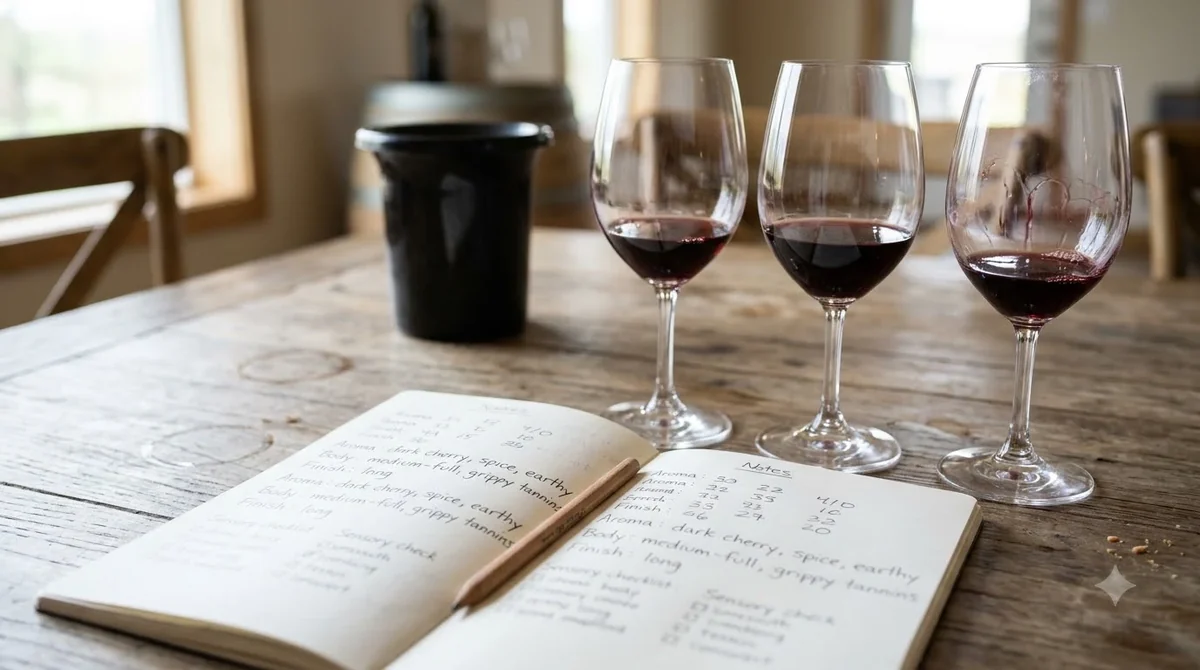
The first impression is often refreshing rather than intensely sweet or heavy. Lemon zest and grapefruit provide a bright citrus character, while white peach and pear add a softer, rounded fruit quality. These flavors work together to create a wine that feels expressive without becoming excessively rich.
Fruit ripeness has an important influence on the final profile. Earlier-picked grapes generally produce wines with more pronounced citrus, green fruit, and crisp acidity. Grapes harvested at greater ripeness can contribute peach, apricot, pineapple, and a fuller impression on the palate. Neither expression is automatically better; they represent different interpretations of the variety.
Floral aromas frequently accompany the fruit. Honeysuckle, white flowers, and orange blossom can appear in the nose, giving Alvarinho an aromatic quality that makes it recognizable even before the first sip. These floral characteristics are generally delicate rather than perfumed or overpowering.
Some bottles also show a faint herbal impression, with citrus peel and fresh green notes adding complexity. A subtle saline or stony character can appear in the finish, especially in wines associated with coastal or granitic growing environments. This combination of fruit, flowers, and mineral impressions gives Alvarinho its distinctive identity.
For a useful comparison, consider the different fruit and structural characteristics found in Sancerre tasting notes. Both wines can offer refreshing acidity and citrus characteristics, but Alvarinho often brings more pronounced stone fruit and a broader palate.
Aroma and Bouquet: What to Smell in the Glass
Alvarinho has an expressive aromatic profile that combines citrus fruit, orchard fruit, flowers, and occasional tropical notes. A careful examination of the nose can reveal differences between a youthful stainless-steel wine and a more developed bottle with lees contact or oak influence.
Begin by pouring a small amount into a clean white wine glass. Look for a pale lemon or light straw color, sometimes accompanied by greenish or golden reflections. Gently swirl the glass and take a first smell before allowing the wine to develop for another moment.
The primary aromas usually come directly from the grapes. Lemon, lime, grapefruit, green apple, pear, peach, and apricot are useful reference points. Honeysuckle and white blossom can contribute a delicate floral layer. These characteristics are particularly noticeable in young wines intended to emphasize freshness and fruit expression.
Secondary aromas depend more heavily on winemaking. Fermentation in stainless steel generally preserves clean fruit and floral characteristics. Lees contact can introduce a richer impression, sometimes resembling fresh bread dough, cream, or pastry. These aromas may be subtle, but they can make the wine seem more layered.
Oak-aged examples can introduce additional complexity. Depending on the type of barrel and the length of maturation, the nose may reveal hazelnut, toasted notes, gentle spice, and brioche. Oak should complement the grape’s natural fruit rather than completely obscure it.
Age also influences the aromatic experience. A younger bottle usually emphasizes citrus and fresh orchard fruit, while a more mature example may develop dried fruit, honey, and richer savory characteristics. The regional Vinho Verde wines discussed by Decanter demonstrate that bottle development and maturation can add further complexity to Portuguese white wines.
When assessing the nose, distinguish between intensity and complexity. An intensely aromatic wine does not necessarily have the greatest number of different aromas. A bottle that begins with lemon and peach but gradually reveals flowers, herbs, and mineral impressions may be more complex than one dominated by a single powerful fruit note.
Acidity, Body, Texture, and Finish
Alvarinho is known for fresh, lively acidity balanced by a medium-bodied structure and a persistent finish. Its texture can range from crisp and lean to rounded and creamy, depending on grape ripeness, fermentation, and maturation.
Acidity is one of the most important elements in the variety’s personality. It creates a refreshing sensation that makes the wine feel energetic rather than heavy. Lemon and grapefruit flavors often reinforce this impression, while ripe peach and pear provide enough fruit to prevent the acidity from feeling overly sharp.
In terms of body, Alvarinho frequently occupies the middle ground between delicate, light-bodied whites and richer, fuller-bodied examples. It can have more weight than a simple young Vinho Verde, particularly when grapes reach full ripeness or the wine receives additional lees aging.
Texture is another useful characteristic to assess. A stainless-steel example may feel clean, direct, and refreshing. A wine matured on fine lees can have greater volume and a slightly creamy sensation. Extended lees contact may add complexity without necessarily eliminating the variety’s natural freshness.
The finish often brings the most interesting combination of characteristics. Citrus peel, mineral impressions, and subtle saline notes may remain after the fruit flavors fade. Some examples have a gentle bitterness near the end, which can provide structure and make the wine particularly effective alongside food.
Use the following guide as a practical reference when recording your own tasting impressions:
| Tasting element | Typical Alvarinho characteristics |
|---|---|
| Appearance | Pale lemon, straw, occasional green or golden reflections |
| Primary aromas | Lemon, lime, grapefruit, peach, pear, apricot |
| Floral aromas | Honeysuckle, white flowers, orange blossom |
| Additional aromas | Pineapple, melon, herbs, subtle mineral impressions |
| Acidity | Medium-high to high, depending on ripeness and style |
| Body | Light-medium to medium, sometimes fuller |
| Texture | Crisp and clean or rounded and creamy |
| Finish | Fresh, citrus-driven, sometimes mineral or saline |
| Typical alcohol | Approximately 12-13.5% ABV for many regional examples |
These characteristics are typical reference points rather than strict requirements. A wine from a cooler growing site may emphasize citrus and acidity, while a riper or more structured example can show greater body and tropical fruit. This variation is part of what makes tasting different Alvarinho wines interesting.
Portuguese Origins and the Influence of Monção e Melgaço
Alvarinho is particularly associated with northwestern Portugal and the Vinho Verde demarcated region, with Monção e Melgaço standing out as an important area for distinctive varietal expressions. Its growing conditions help explain why Portuguese Alvarinho can combine ripe fruit, substantial body, and refreshing acidity.
The Vinho Verde region extends across the northwest of Portugal, from the Atlantic coast toward the Spanish border. Vinho Verde became one of the first wine regions in the world to receive legal demarcation in 1908. Its geography includes river valleys, plentiful rainfall, generally mild temperatures, and soils that are predominantly granitic.
Monção e Melgaço occupies a particularly interesting position within this landscape. Located inland along the Minho River, the area is sheltered by surrounding hills and is generally warmer and drier than coastal locations. These conditions can encourage fuller grape ripening while allowing Alvarinho to retain its characteristic freshness.
Granite is an important component of the local vineyard environment. Wines associated with granitic soils can have a taut, structured impression, with citrus fruit and mineral characteristics particularly noticeable. Some vineyards also include stony alluvial soils and river terraces, contributing to differences between individual wines.
Producers such as Soalheiro and Anselmo Mendes have helped demonstrate the range of expressions possible from this grape. Their different bottlings illustrate how vineyard selection, fermentation, and maturation can produce noticeably different wines from the same variety.
Alvarinho should not be confused with every light, slightly sparkling Vinho Verde. While the regional category includes fresh, light-bodied wines, the variety can also produce dry, still wines with greater concentration, body, and length. Many examples reach approximately 12-13.5% ABV and have a more substantial structure than the simplest summer-style whites.
Portugal and Spain share the same grape under different names. In Galicia, it is called Albariño, with Rías Baixas being a particularly important growing region. Portuguese examples from Monção e Melgaço are often fuller and fruitier, while some Spanish examples are leaner and more citrus-focused. However, vineyard conditions and producer decisions can create substantial variation within both countries.
Alvarinho is also grown outside its traditional Portuguese heartland. Its appearance in other Portuguese regions and international wine-producing countries demonstrates its adaptability, although the northwestern Portuguese style remains an important reference point for understanding the grape.
For more regional context, Decanter’s Vinho Verde regional profile explains how inland geography, granite soils, and changing vineyard practices contribute to the region’s diverse white wine styles.
For readers exploring other regional expressions of wine, Wine by Type provides a useful starting point for comparing grape varieties, wine styles, and their typical structural differences.
Winemaking Styles: Stainless Steel, Lees Aging, and Oak
Winemaking has a major influence on how Alvarinho tastes, particularly in terms of fruit expression, texture, and complexity. Stainless-steel fermentation emphasizes freshness, while lees aging and oak maturation can create broader, more structured wines.
Stainless-steel fermentation
Stainless steel is a common choice for producers who want to preserve the grape’s natural aromatic character. Temperature-controlled fermentation helps retain fresh citrus, white peach, pear, and floral notes. The resulting wine is often clean, direct, and refreshing, making it a good introduction to the variety.
Aveleda’s Castas Alvarinho provides an example of this approach. The producer describes using night harvesting, gentle pressing, and stainless-steel fermentation to preserve freshness and aromatic precision. Its tasting profile emphasizes grapefruit, lemon, white flowers, and orange leaf, supported by balanced acidity and a persistent white-fruit finish.
This style works particularly well when the aim is to showcase the grape rather than the influence of maturation vessels. It is also an approachable choice for drinkers who prefer aromatic whites without noticeable oak characteristics.
Lees aging and texture
Lees are the remaining yeast cells and other fine particles left after fermentation. Allowing wine to remain in contact with fine lees can build additional texture and complexity. Some producers also use bâtonnage, or lees stirring, to increase contact between the wine and the lees.
The sensory effect can include a creamier mouthfeel, greater weight, and subtle bread-like or savory notes. This approach is particularly interesting because it can add richness without necessarily making the wine taste heavily oaked.
Lees-aged Alvarinho is a useful option for meals involving richer fish, poultry, and creamy sauces. Its additional texture can provide a better match for dishes that might overwhelm a particularly light, citrus-driven white.
Oak maturation
Oak-aged Alvarinho offers a different interpretation of the grape. Barrel fermentation or maturation can introduce hazelnut, toast, gentle spice, and brioche characteristics. The palate may feel broader and more structured than a straightforward stainless-steel example.
Oak influence varies significantly between producers. Some use barrels primarily to build texture, while others allow the wood to contribute a more recognizable flavor. Well-balanced examples maintain enough citrus freshness to prevent the wine from becoming excessively heavy.
Lees aging and oak are not necessarily used together in every bottle. Some producers choose stainless steel for the entire process, while others combine fermentation or maturation vessels to achieve a particular balance. The choice of vessel, contact time, and treatment of the lees all affect the finished wine.
For a tasting comparison, try a stainless-steel Alvarinho alongside a lees-aged or barrel-influenced example. Use the same glassware and serving temperature, and compare how the citrus, peach, texture, and finish change between the two styles.
Serving Temperature and Food Pairings
Alvarinho is best served chilled but not excessively cold, allowing its citrus, floral, and stone-fruit aromas to remain expressive. Its natural acidity makes it especially versatile with seafood, fish, vegetables, and dishes containing fresh herbs or citrus.
A practical serving temperature is approximately 45-50°F for a fresh, unoaked example. A fuller wine with lees contact or oak maturation can benefit from a slightly warmer temperature of around 50-55°F. Serving it too cold may make the aromatic profile less noticeable, while excessive warmth can reduce its refreshing character.
Use a standard white wine glass with enough space for the aromas to develop. A pour of approximately 5 ounces gives the wine room in the glass while allowing the drinker to evaluate its color, nose, and palate. A standard 750 ml bottle provides approximately five such servings.
Seafood and fish
Seafood is one of the most natural partners for Alvarinho. Fresh acidity complements the delicate flavors of oysters, mussels, shrimp, and white fish, while citrus characteristics reinforce the freshness of the meal.
Grilled sea bass, cod, halibut, and steamed white fish are particularly suitable. A simple preparation with lemon, parsley, olive oil, and herbs allows the wine’s fruit and mineral character to remain noticeable. Garlic prawns and grilled shrimp also work well because the wine’s acidity balances the richness of the preparation.
Salmon and tuna can work with fuller-bodied examples, especially those with lees-derived texture. Their richer flavors benefit from a wine with sufficient body and acidity rather than an extremely delicate white.
Vegetables and lighter dishes
Alvarinho can accompany green salads, grilled asparagus, roasted vegetables, and dishes featuring fresh herbs. Lemon-based dressings and vinaigrettes work particularly well because the wine’s acidity can match the sharpness of the food.
Vegetable risotto, asparagus with butter, and herb-roasted chicken are other useful combinations. A more structured bottle can handle richer sauces, while a young stainless-steel example is generally better suited to lighter preparations.
Asian cuisine and spicy dishes
The grape’s freshness and fruit character make it a good option for selected Asian dishes. Sushi, sashimi, ceviche, steamed dumplings, and mild Thai coconut curry are all worth considering. Ginger, lime, coriander, and fresh herbs can complement the wine’s aromatic profile.
Be careful with extremely hot chili preparations. Alcohol and tannin can amplify the sensation of chili heat, so a moderately alcoholic, fresh Alvarinho is generally a better choice than a powerful, high-alcohol white alongside very spicy food.
Tip: Match the wine’s weight to the dish. Choose crisp, citrus-driven Alvarinho for oysters, ceviche, and grilled white fish, and reserve fuller lees-aged or oak-influenced examples for salmon, poultry, and creamy sauces.
For further comparisons with red wines, consider how Grenache tasting notes describe a grape with a very different combination of fruit, body, and tannin. This contrast can help clarify why fresh, high-acidity whites are often particularly successful with seafood.
How to Taste, Select, and Store Alvarinho
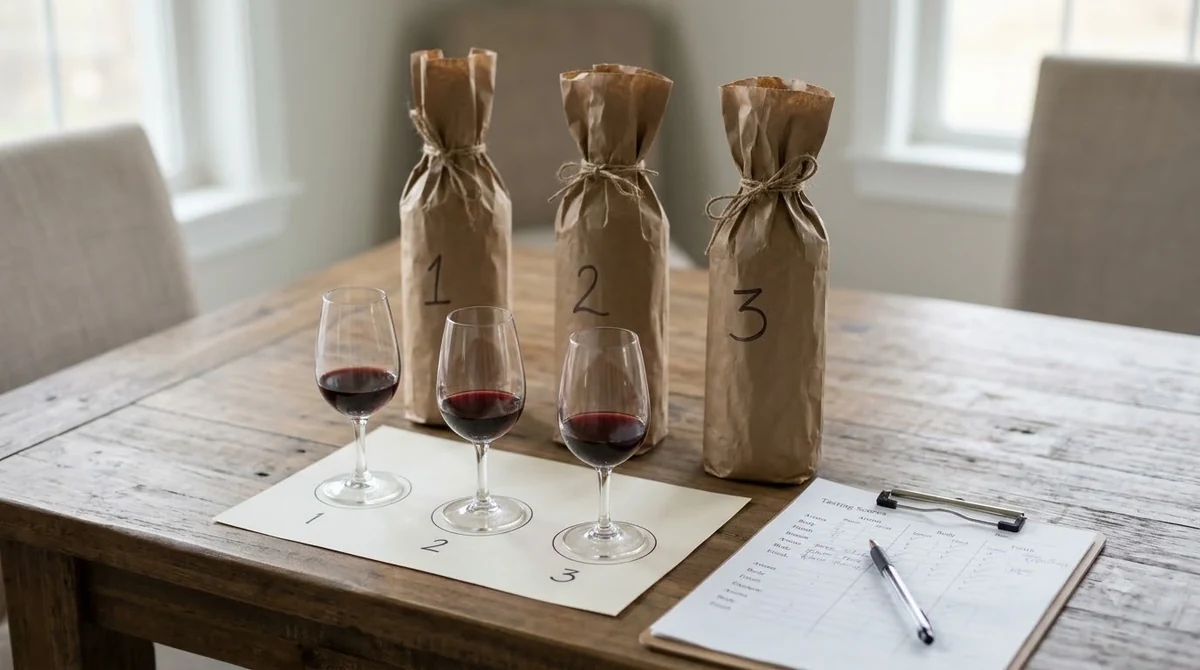
A structured tasting helps identify whether a bottle emphasizes freshness, ripe fruit, texture, or maturation. Paying attention to appearance, aroma, acidity, body, and finish provides a clearer understanding of the wine than relying on a single flavor description.
A simple tasting method
Start with the appearance. Pour a small amount into a clean glass and examine the color against a white background. Most young examples have a pale lemon or straw appearance, sometimes with greenish reflections. More developed or oak-influenced examples may show deeper golden tones.
Next, assess the aroma without swirling. Notice the most immediate characteristics, which may include lemon, grapefruit, green apple, or white flowers. Swirl the glass gently and smell again. Look for additional layers such as peach, apricot, pineapple, honeysuckle, or mineral impressions.
Take a small sip and pay attention to the balance between acidity and fruit. Ask whether the wine feels sharp and crisp or rounded and full. Notice whether the texture is clean and light or creamy and substantial. The finish should also be evaluated for its length and any remaining citrus, floral, or mineral sensations.
A useful tasting note should describe more than a list of fruits. For example, instead of writing only that a wine tastes like lemon and peach, describe its bright citrus opening, ripe stone-fruit middle, refreshing acidity, and mineral finish. This gives a more complete picture of its structure.
Choosing between different styles
For a refreshing aperitif or casual seafood meal, choose a young, unoaked Alvarinho. These wines typically emphasize citrus, flowers, and fresh orchard fruit. Their direct character makes them accessible without requiring extensive knowledge of the producer or vineyard.
For a more substantial dinner, consider a wine with lees aging or barrel maturation. These examples can offer more body and complexity, making them appropriate for richer seafood, poultry, and dishes with butter-based sauces.
Regional origin can also help guide selection. Monção e Melgaço is a particularly useful starting point for discovering classic Portuguese Alvarinho. Comparing wines from different producers within the subregion can reveal how vineyard location, harvesting decisions, and cellar practices influence the final result.
Blended wines deserve consideration too. Alvarinho is sometimes combined with Loureiro or Avesso. Loureiro can contribute additional floral and citrus characteristics, while Avesso can provide a rounder impression. These blends may be lighter or more accessible than a concentrated single-variety example.
Storage and drinking windows
Most fresh, fruit-focused Alvarinho is intended to be enjoyed relatively young, when citrus and stone-fruit aromas are at their most expressive. A practical approach is to enjoy many standard bottlings within one or two years of harvest, although individual wines differ considerably.
More ambitious examples, particularly those with greater concentration, lees aging, or carefully managed maturation, may develop additional complexity in the bottle. Some premium single-vineyard wines can age considerably longer than simple young bottlings.
Store unopened bottles in a cool, dark location with a relatively stable temperature near 55°F. Bottles sealed with traditional corks should generally be stored on their sides to keep the cork from drying out. Avoid direct sunlight, excessive heat, and repeated temperature fluctuations.
Once opened, refrigerate the bottle and use a suitable closure. Most still white wines remain enjoyable for approximately three to five days after opening, although their freshness and aromatic intensity gradually decline. A smaller container with less air space can help preserve an unfinished bottle.
Comparing Alvarinho with more structured red varieties can also broaden your understanding of wine texture. For example, Petit Verdot tasting notes provide a useful contrast in tannin, body, and fruit concentration, demonstrating how different grape varieties create very different tasting experiences.
Frequently Asked Questions
Is Alvarinho the same grape as Albariño?
Yes. Alvarinho is the Portuguese name for the grape, while Albariño is the name used in Spain, especially Galicia. The spelling reflects the language and regional tradition rather than a different grape variety. Both names refer to the same white wine grape.
Is Alvarinho always produced in Vinho Verde?
No. Although the grape is strongly associated with Vinho Verde, it is also cultivated in other Portuguese regions and several international wine-producing countries. It can appear in varietal wines and blends outside its traditional growing area. The grape has also been planted in California, Oregon, Australia, New Zealand, and Uruguay.
Does Alvarinho have a relationship with the Portuguese grape Loureiro?
Alvarinho and Loureiro are separate grape varieties that are both important in northwestern Portugal. They are sometimes blended together, with Loureiro generally contributing a more pronounced floral and citrus character. Their complementary aromatic profiles allow producers to create wines with a different balance from single-variety Alvarinho.
Can Alvarinho be made into sparkling wine?
Yes. Although still, dry white wine is its most familiar expression, Alvarinho can also be used to produce sparkling wine. Producers in Monção e Melgaço make sparkling examples that showcase the grape’s aromatic fruit and natural freshness. The result offers a different way to experience the variety beyond its traditional still-wine style.
What is the difference between single-variety Alvarinho and an Alvarinho blend?
A single-variety Alvarinho is made primarily or entirely from Alvarinho grapes, allowing its characteristic citrus, peach, floral, and mineral notes to take center stage. Blends may include Loureiro, Avesso, or other permitted varieties, depending on the producer and regional rules. These additional grapes can change the aromatic intensity, body, and overall balance of the finished wine.
Alvarinho offers an appealing combination of citrus freshness, ripe stone fruit, floral aromas, and mineral complexity. From crisp stainless-steel wines to richer lees-aged and oak-influenced examples, the variety provides plenty of styles to explore. Whether served with seafood, fresh vegetables, or a carefully prepared fish dish, it is a distinctive Portuguese white grape that deserves a place in any wine enthusiast’s tasting rotation.
More in Wine Types & Grapes
 Zinfandel Sugar Content: Dry Red vs. White Zinfandel GramsUpdated Nov 21, 2026
 Best Zinfandel Substitute Options for Sipping and CookingUpdated Nov 21, 2026
 Zweigelt Food Pairing: Best Dishes, Cheeses, and Serving TipsUpdated Nov 21, 2026
 Zinfandel Tannins Explained: How Structure Shapes Every BottleUpdated Nov 21, 2026
 Zinfandel Sweetness Level: Dry Red vs. Sweet White Zin ExplainedUpdated Nov 21, 2026
 Xinomavro Food Pairing: Best Dishes, Styles, and Serving TipsUpdated Nov 21, 2026