

We may earn a commission when you buy through links on this page, at no extra cost to you. Learn more.
Aligote food pairing works best with seafood, shellfish, grilled fish, goat cheese, fresh salads and lightly seasoned poultry because Aligoté’s crisp acidity and citrus flavors complement fresh ingredients without overwhelming them. This dry Burgundy white wine also pairs beautifully with fried foods, cured meats, vegetable dishes and traditional French specialties. Its refreshing character makes it especially useful for balancing salty, buttery and moderately rich foods while keeping each bite lively.
Aligoté deserves attention beyond its traditional role in Kir, the Burgundy aperitif made with blackcurrant liqueur. Made from one of Burgundy’s historic white grape varieties, it offers a distinctive combination of green apple, lemon, white flowers and mineral freshness. Understanding its acidity, body and flavor profile makes it easier to choose dishes that bring out the best in both the wine and the food. Whether planning a seafood lunch, a cheese board or a casual dinner, Aligoté provides plenty of useful pairing possibilities.
Understanding Aligoté’s Acidity and Flavor Profile
Aligoté pairs particularly well with fresh, salty and moderately rich foods because its naturally high acidity provides refreshment and contrast. Its typical flavors of green apple, lemon, peach and white flowers complement delicate ingredients, while mineral and sometimes saline characteristics make seafood especially appealing.
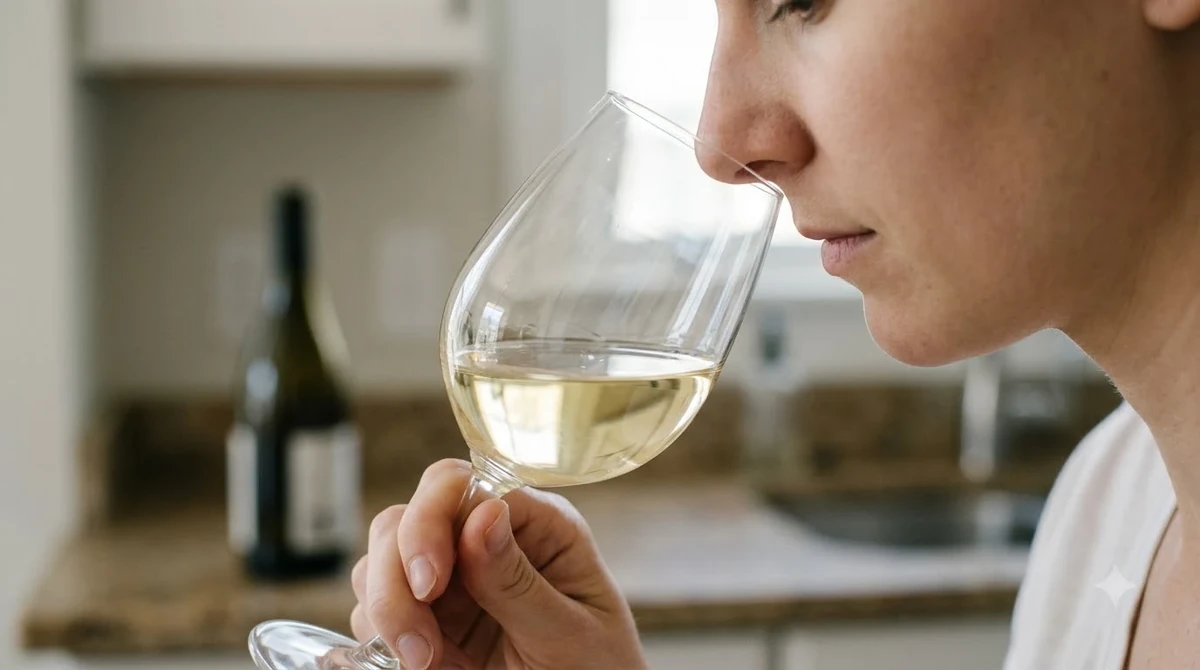
Originating in Burgundy, Aligoté is closely related to Chardonnay. The two varieties share genetic ancestry, but they generally produce different wine styles. Chardonnay can range from lean and mineral to full-bodied and creamy, particularly when oak maturation is involved. Aligoté is generally recognized for its brisk acidity, lively fruit and lighter structure. It is usually dry, with little residual sweetness, making it a natural companion for savory meals rather than desserts.
The grape’s acidity is its most important pairing advantage. Acidity refreshes the palate after fatty foods, cuts through buttery textures and helps prevent salty dishes from making a white wine taste dull. This is why oysters, fried fish, shellfish and goat cheese are such dependable choices. The wine’s lemon-like character also connects naturally with ingredients such as fresh herbs, citrus dressing, green vegetables and seafood sauces.
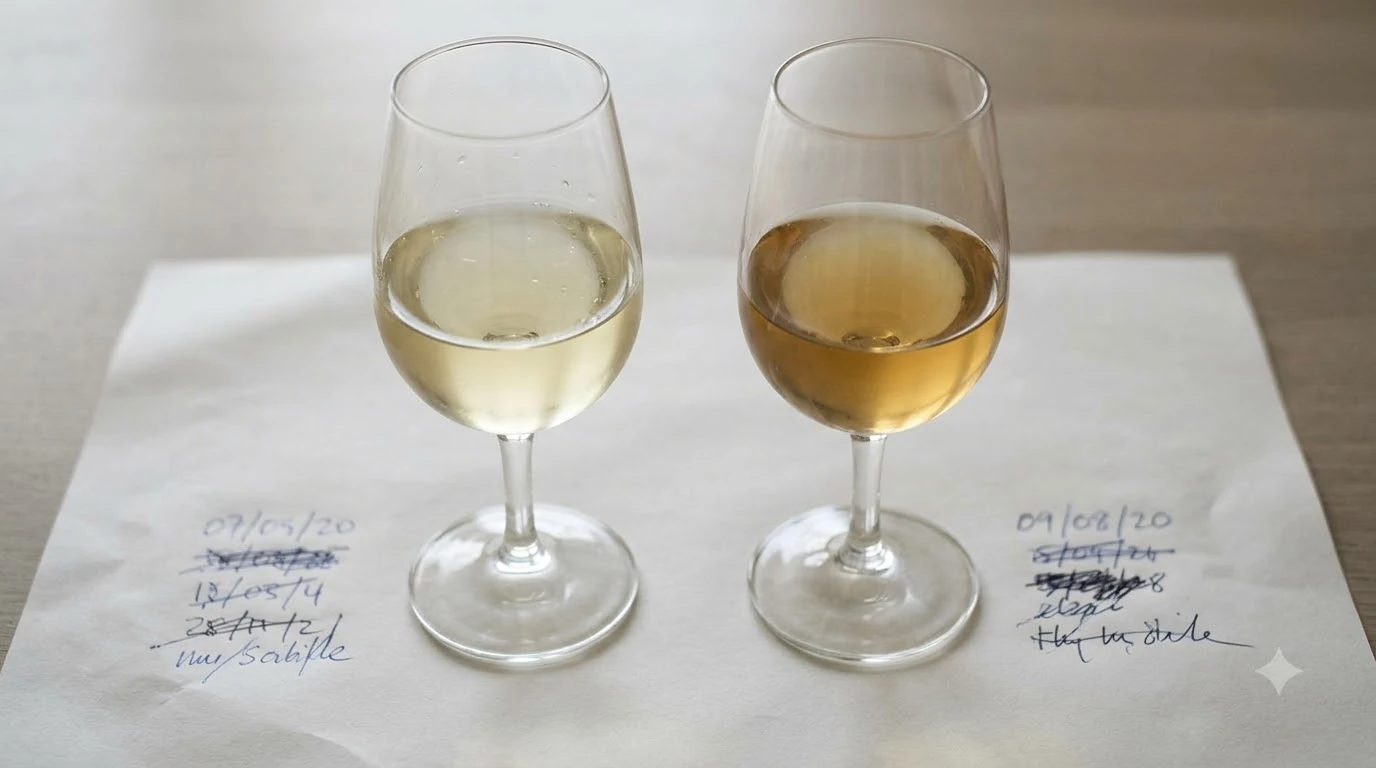
Aligoté is not limited to one exact flavor profile. Wines from different producers and vineyards can show differences in ripeness, texture and winemaking influence. A straightforward stainless-steel version may emphasize green apple, lemon and mineral freshness. More concentrated examples, including some barrel-aged wines, can show richer fruit, hazelnut, greater texture and additional complexity. These differences affect which dishes work best.
Bouzeron, in the Côte Chalonnaise, is particularly important when exploring the grape. It is the Burgundy village appellation devoted to wines made exclusively from Aligoté. The regional Bourgogne Aligoté appellation, meanwhile, allows wines from a much wider area. For a closer look at the grape’s history, characteristics and traditional food matches, the Burgundy wine industry’s Aligoté overview provides useful regional background. For a broader introduction to different grape varieties and their characteristics, see our guide to Wine by Type.
Think of Aligoté as a versatile, high-acid white rather than simply a lighter substitute for Chardonnay. It has enough freshness for delicate seafood but enough acidity to handle fried preparations, creamy accompaniments and flavorful cheeses. Its relatively restrained body means that dishes with extremely heavy sauces or intense sweetness generally require more careful consideration.
The following table summarizes useful pairing characteristics and practical starting points.
| Aligoté characteristic | Typical expression | Best food direction |
|---|---|---|
| Acidity | High and refreshing | Oysters, fried fish and goat cheese |
| Fruit | Green apple, lemon and peach | Salads, seafood and poultry |
| Minerality | Stony and sometimes saline | Shellfish and simply grilled fish |
| Body | Generally light to medium | Fresh vegetables and delicate proteins |
| Texture | Fresh, sometimes rounded | Avocado, creamy sauces and soft cheeses |
| Serving temperature | 45–50°F for a typical light white | Serve chilled but not excessively cold |
Seafood and Fish Pairings for Aligoté
Seafood is among the strongest choices for Aligoté because the wine’s lively acidity, citrus notes and subtle saline character complement naturally sweet, delicate seafood. Oysters, shrimp, scallops, grilled white fish and shellfish platters are particularly reliable combinations.
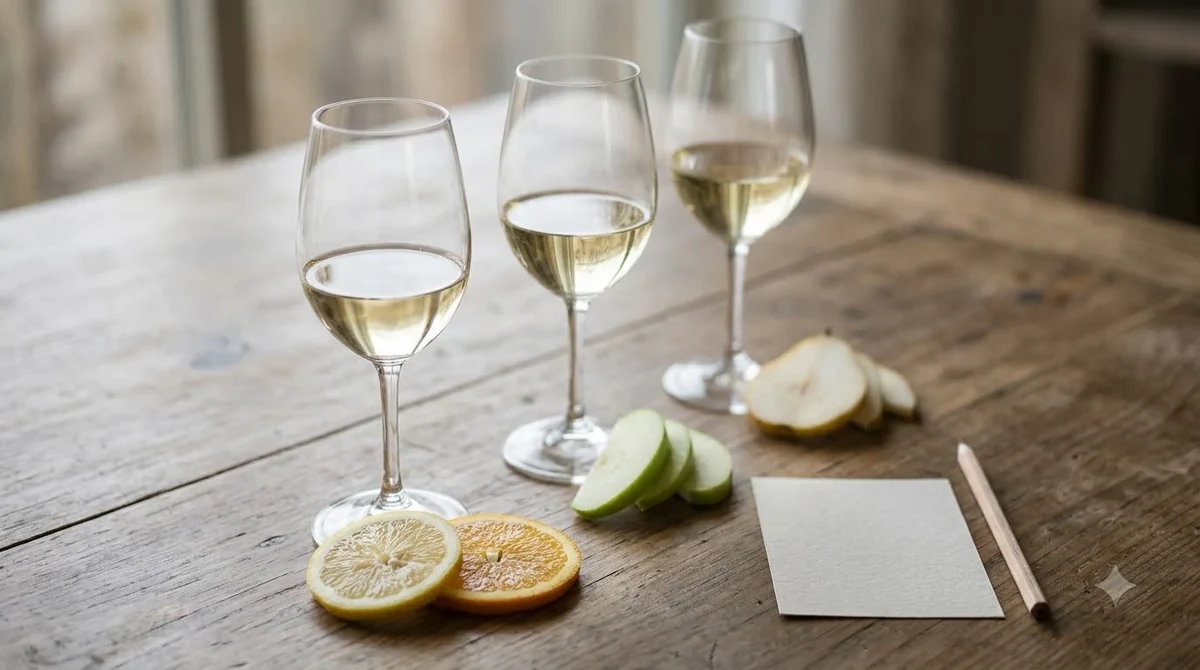
Oysters are an excellent starting point. Their briny flavor and delicate texture match the mineral character often found in Aligoté, while the wine’s acidity refreshes the palate after each bite. Serve oysters raw with a simple lemon dressing, mignonette or a small amount of shallot vinegar. Avoid overwhelming the pairing with heavy sauces or excessive sweetness. The wine should complement the oyster’s natural salinity rather than compete with it.
Grilled fish is another classic match. Sea bass, cod, sole, halibut and trout can all work, especially when prepared with lemon, parsley, dill or a light butter sauce. A simply grilled sea bass with olive oil and fresh herbs provides enough flavor to make the wine interesting without hiding its delicate fruit. The acidity also helps balance the richness of butter-based preparations.
For fried seafood, Aligoté offers a useful contrast. Fish and chips, fried calamari, shrimp tempura and breaded fish fillets have crisp coatings and often contain considerable oil. The wine’s freshness helps refresh the palate between bites. A squeeze of lemon and a modest amount of salt make the connection even more natural.
Shellfish dishes deserve similar attention. Steamed mussels with garlic, parsley and white wine, shrimp with lemon butter, crab cakes and scallops with herbs are all suitable options. The key is to avoid sauces that become so rich or spicy that they overwhelm the wine’s relatively delicate structure. A light cream sauce can work, particularly if lemon or another acidic ingredient is included to maintain balance.
Sushi and sashimi also make excellent companions. J. Moreau & Fils specifically recommends its Bourgogne Aligoté with these Japanese dishes. White fish sashimi, shrimp nigiri, scallop sushi and cucumber rolls are particularly compatible. The clean flavors of raw seafood allow Aligoté’s citrus and mineral notes to remain noticeable.
For sushi with richer ingredients, such as salmon or avocado, choose a more textured Aligoté rather than an especially lean example. Soy sauce adds saltiness, which can make the wine taste softer, but excessive soy sauce or very sweet sauces can disrupt the balance. Wasabi should be used sparingly because chili-like heat can become more pronounced alongside alcohol.
Tip: For an easy seafood dinner, serve Aligoté with grilled sea bass, lemon, parsley and roasted asparagus. Keep the seasoning simple and serve the wine at approximately 45–50°F so its acidity and citrus character remain refreshing.
Vegetables, Salads and Vegetarian Dishes
Aligoté is especially effective with vegetables because its acidity and restrained body complement fresh, green and lightly cooked ingredients. Asparagus, artichokes, leafy salads, steamed vegetables and vegetable-based soups offer excellent starting points for meat-free menus.
Asparagus can be difficult to match with some wines because its green, slightly bitter flavors may make them taste unpleasant. Aligoté’s freshness and herbal-friendly character offer a useful solution, particularly when asparagus is grilled or steamed rather than heavily seasoned. Serve it with olive oil, lemon zest, parsley or a light vinaigrette. Burgundy’s regional wine organization specifically identifies salads, tabbouleh and steamed vegetables as suitable companions for Bourgogne Aligoté.
Green salads are another natural match. Consider a salad with butter lettuce, cucumber, radishes, fennel, green apple and fresh herbs. A dressing made with lemon juice or white wine vinegar, olive oil and a little Dijon mustard reinforces the wine’s acidity. The general rule is to make sure the dressing is not noticeably more acidic than the wine. An overly sharp vinegar dressing can make the wine taste flat.
For a more substantial vegetarian meal, try roasted vegetables with herbs and grains. Zucchini, cauliflower, green beans, fennel and bell peppers can work well when prepared with moderate seasoning. A quinoa salad with cucumber, parsley, lemon and olive oil is another useful option. Aligoté’s lively character helps prevent these dishes from feeling too heavy.
Tabbouleh is particularly interesting because its parsley, mint, lemon and bulgur wheat provide several flavors that complement the grape. Burgundy’s regional wine organization specifically identifies tabbouleh and salads as dishes that work with Bourgogne Aligoté. A version with cucumber, tomatoes, fresh mint and plenty of parsley is a dependable choice.
Avocado offers a different kind of pairing opportunity. Its creamy texture and mild flavor contrast with Aligoté’s crispness. Try avocado toast with lemon, herbs and a little sea salt, or serve an avocado and cucumber salad alongside the wine. Avoid adding too much chili or heavily sweetened dressing, which can make the combination less harmonious.
Vegetable soups also deserve consideration. A chilled cucumber soup, leek and potato soup or light asparagus soup can work particularly well. For richer soups, a small amount of cream is acceptable, but balance the dish with fresh herbs, lemon or a green vegetable component. Very thick, heavily seasoned vegetable stews may overwhelm a lighter Aligoté.
Roasted mushrooms can work with fuller, more textured examples of the grape. Their earthy flavors are best supported by garlic, thyme and restrained butter rather than intense smoked seasoning. If the wine is especially lean and citrus-driven, keep mushroom preparations relatively simple and avoid rich sauces that dominate its flavor.
Chicken, Pork and Traditional Burgundy Dishes
Aligoté pairs well with poultry and pork because these meats are generally mild enough to complement its freshness without overwhelming its delicate fruit. Roast chicken, grilled turkey, pork tenderloin, cured meats and traditional Burgundian specialties are particularly useful choices.
Roast chicken is one of the easiest dishes to match. A whole chicken seasoned with lemon, garlic, thyme and black pepper provides savory depth while retaining a relatively delicate flavor. Aligoté’s acidity refreshes the palate after the meat’s natural fat and any butter used during roasting. A simple pan sauce with chicken stock, lemon and herbs makes the combination even more effective.
Chicken piccata is another strong option. Its lemon, caper and butter sauce connects with the citrus character and freshness of Aligoté. The wine also works with grilled chicken breast, chicken skewers and herb-roasted turkey. For richer preparations, select an Aligoté with more body and texture rather than an especially light, sharp example.
Pork offers several possibilities. Roast pork loin with apples, grilled pork chops and pork tenderloin with mustard sauce all complement the grape. Pork’s mild sweetness and savory character provide a good contrast with the wine’s acidity. A small amount of apple or pear in the preparation can reinforce the fruit aromas without making the meal excessively sweet.
Cured meats are especially appropriate for casual meals and aperitifs. Burgundy’s regional wine organization highlights local charcuterie and jambon persillé, a traditional preparation of cold ham set in parsley aspic. Saucisson, country ham, mild pâté and sliced roast pork are also worth considering. Their saltiness and fat help soften the perception of acidity, producing a pleasant balance.
Gougères are another classic Burgundy pairing. These small savory cheese pastries are made from choux pastry and cheese, often Gruyère or another flavorful cheese. Their buttery interior and savory character work naturally with Aligoté’s refreshing acidity. Serve them warm as an appetizer with a chilled glass of wine.
Traditional snails with garlic butter are also associated with Burgundy’s Aligoté-friendly cuisine. The garlic, parsley and butter create a rich, savory preparation, while the wine’s acidity provides contrast. A similar approach works with garlic shrimp, herb butter mushrooms and other dishes where butter and aromatic herbs are prominent.
For a regional menu, begin with gougères and a glass of Aligoté, continue with roast chicken or pork, and finish with a selection of cheeses. The progression moves from light and savory to richer flavors without demanding a dramatic change in wine style. A fuller Bouzeron bottling can be especially interesting with the main course.
Cheese, Creamy Foods and Rich Sauces
Aligoté works particularly well with fresh goat cheese, soft cow’s milk cheeses and moderately rich creamy dishes because its acidity cuts through fat and refreshes the palate. Cheese with excessive sharpness, heavy bitterness or intense sweetness is less predictable, so freshness and overall intensity matter.
Fresh goat cheese is one of the most reliable choices. Crottin de Chavignol, chèvre frais and other young goat cheeses have a tangy character that complements Aligoté’s citrus flavors. Serve them with a plain baguette, crackers, herbs or a little olive oil. The wine’s freshness keeps the cheese from dominating the palate.
Feta is another good option, particularly in salads with cucumber, tomato, parsley and olives. Its salty character softens the perception of acidity, while its creamy texture contrasts with the wine’s brisk finish. A Mediterranean-style salad with lemon and olive oil can create an especially natural combination.
For cow’s milk cheese, consider young Comté, mild Gruyère and other moderately firm cheeses. Their nutty and buttery notes can complement the hazelnut and ripe-fruit characteristics found in some Aligoté wines. More mature cheeses require greater care because their concentrated flavors may overpower a lighter bottle.
Aligoté can also work with creamy sauces. Chicken in a light cream and mushroom sauce, pasta with lemon cream, and scallops with a modest butter sauce are good examples. The wine’s acidity provides contrast, but the sauce should not be excessively thick or heavily seasoned. Adding lemon zest, fresh parsley or chives helps connect the food with the wine.
For pasta, try linguine with shrimp, garlic and olive oil, or tagliatelle with peas and a light cream sauce. Cheese-based pasta dishes can work if the sauce remains moderate in richness. Avoid extremely heavy preparations dominated by aged cheese, truffle oil or intensely flavored cured meat unless the Aligoté has enough body to match.
Brie and Camembert can be suitable when served at a moderate level of ripeness. Their creamy texture benefits from the wine’s acidity, although very ripe versions may have stronger aromas than a delicate Aligoté can comfortably handle. A fresh, relatively young cheese is generally the safer choice.
When building a cheese board, combine fresh goat cheese, mild cow’s milk cheese, a small amount of Comté, sliced apple and plain bread. This gives the wine several compatible textures and flavors without introducing ingredients that are excessively sweet, spicy or pungent.
International Cuisine, Fried Foods and More Adventurous Pairings
Aligoté can accompany a wide range of international dishes, especially those featuring seafood, fresh herbs, vegetables and moderate seasoning. Japanese, Mediterranean and lighter Southeast Asian preparations are often successful, while heavily sweetened sauces and very hot chili dishes require more care.
Japanese food is an especially promising direction beyond sushi. Tempura vegetables, grilled white fish, simple yakitori chicken and seafood donburi can complement the wine. Tempura benefits from the contrast between its crisp, oily coating and Aligoté’s acidity. A dipping sauce should be used moderately so its sweetness and salt do not overpower the wine.
Vietnamese cuisine offers several interesting possibilities. Fresh spring rolls with shrimp, herbs, lettuce and rice noodles have a light texture that works with the grape’s freshness. A dipping sauce based on lime, fish sauce and a modest amount of sugar can provide a useful bridge between the ingredients and the wine. Keep the chili moderate because alcohol and tannin can intensify perceived heat; although Aligoté has little tannin, its alcohol can still make very spicy dishes feel hotter.
Grilled shrimp with lemongrass is another option. The citrus-like character of the wine connects with lemongrass, while its acidity refreshes the palate after the natural richness of the shrimp. Steamed fish with ginger and scallions can also work, particularly when the seasoning is aromatic rather than aggressively hot.
Mediterranean dishes are similarly compatible. Grilled calamari with lemon, seafood pasta, vegetable antipasti and white bean salad are all reasonable combinations. Olive oil and herbs provide richness without creating the heavy texture of a thick cream sauce. Salted olives and mild cured meats can also make useful additions to an appetizer spread.
Fried chicken is an appealing alternative to the traditional seafood pairing. Its crisp coating and savory seasoning contrast with Aligoté’s fresh acidity. Korean-style fried chicken can work when the glaze is not too sweet or fiery. A simply seasoned fried chicken sandwich with lettuce, pickles and a modest amount of mayonnaise is another practical choice.
Aligoté is less suitable for intensely spicy curries, very sweet barbecue sauces and heavily smoked meats. The issue is not that these dishes can never be paired with white wine, but that their intensity may overwhelm a relatively light and fresh example. If serving spicy food, choose a mild preparation with fresh herbs, citrus and moderate chili.
For comparison, a structured red wine may be more suitable for some grilled meat dishes. Our guides to blaufrankisch food pairing and carignan food pairing explain how different red-wine structures work with grilled meats, herbs and richer savory preparations. For another white-wine alternative with a different flavor profile, see grenache blanc food pairing.
Serving Temperature, Menu Planning and Common Mistakes
Aligoté is best served chilled but not ice-cold, with approximately 45–50°F providing a useful starting point for its typically light, crisp style. Proper temperature preserves its freshness while allowing lemon, green apple, floral and mineral aromas to remain noticeable throughout a meal.
Excessively cold wine can suppress aromas and make acidity seem sharper than it really is. If a bottle has been refrigerated for several hours, allow it a few minutes at room temperature before pouring. Fuller, barrel-aged Aligoté can benefit from slightly warmer service, around 50–55°F, because the additional temperature helps reveal its texture and more complex aromas.
Use standard white wine glasses with enough room to collect the aromas. A 5-ounce pour is a practical serving size, and a standard 750 ml bottle provides approximately five glasses. This makes it easy to plan a dinner for four people while leaving a little wine available for a second pour.
Food temperature also matters. Very hot dishes can make a chilled white wine seem less refreshing, while extremely cold seafood can temporarily mute delicate flavors in both the food and the wine. Allow cooked fish and chicken to rest briefly before serving, and avoid placing the wine directly beside a hot oven or stove.
Menu planning should begin with the strongest ingredient in the dish. For example, a grilled sea bass with lemon is primarily a delicate fish dish, so a fresh Aligoté is an excellent choice. A pork dish with a thick cream sauce is richer and more substantial, making a fuller, textured example more suitable. The wine should have enough body to stand alongside the food without losing its freshness.
Consider these practical combinations when planning a complete meal:
| Menu occasion | Food | Preparation | Wine style |
|---|---|---|---|
| Casual lunch | Oysters and salad | Lemon and herbs | Fresh, crisp Aligoté |
| Summer dinner | Grilled sea bass | Olive oil and parsley | Mineral, citrus-driven Aligoté |
| Cheese course | Fresh goat cheese | Baguette and herbs | Young Bourgogne Aligoté |
| Comfort food | Roast chicken | Garlic and thyme | Medium-bodied Aligoté |
| Asian-inspired meal | Shrimp spring rolls | Mint and lime | Fresh, aromatic Aligoté |
| Appetizer spread | Gougères and cured ham | Warm pastry and parsley | Traditional Bourgogne Aligoté |
One common mistake is choosing food that is too sweet. Dry Aligoté generally tastes sharper and more acidic beside a sweet dish. If serving a sweet component, such as honey-glazed vegetables or fruit chutney, keep the sweetness restrained and make sure the wine does not taste noticeably drier by comparison. A dessert should generally be accompanied by wine at least as sweet as the dessert itself.
Another mistake is pairing Aligoté with strongly tannic red-meat-style preparations simply because the food is traditionally served with wine. Aligoté is a white wine with little tannin, and it does not provide the same structure as Cabernet Sauvignon or Syrah. It is better suited to poultry, pork, fish and vegetables than to heavily charred steaks with concentrated sauces.
Also avoid treating every Aligoté as identical. A young, stainless-steel wine may be ideal for oysters and salads, while an older-vine or barrel-aged example can work with richer poultry, creamy sauces and more complex cheeses. Burgundy’s Bouzeron appellation is a useful place to explore bottles with greater concentration and distinctive site character. Decanter’s Aligoté regional overview and producer selection provides further detail on the grape’s vineyard differences, winemaking styles and aging potential.
Finally, pay attention to the wine’s condition after opening. Store the bottle in the refrigerator with a suitable closure and aim to enjoy still wine within three to five days. This helps preserve its fresh fruit and acidity, which are central to its appeal at the table.
Frequently Asked Questions
Is Aligoté the same grape as Chardonnay?
No. Aligoté and Chardonnay are distinct grape varieties, although they share genetic ancestry through Gouais Blanc and Pinot Noir. Both are important Burgundy whites, but Aligoté generally emphasizes freshness and acidity, while Chardonnay can develop a broader range of textures and styles.
Is Bouzeron always made from Aligoté?
Yes. The Bouzeron appellation is specifically dedicated to white wines made exclusively from Aligoté. It received its separate appellation recognition in 1998, following an earlier regional designation in 1979. Its identity is closely associated with the Aligoté Doré clone.
Can Aligoté be used to make sparkling wine?
Yes. Aligoté is permitted in Crémant de Bourgogne, the sparkling wine appellation of Burgundy. These wines undergo their second fermentation in the bottle and offer another way to enjoy the grape’s natural acidity. Sparkling Aligoté-based wines can work particularly well with oysters, seafood appetizers and salty snacks.
Does Aligoté have good aging potential?
Some examples can develop for several years, especially wines from favorable vineyard sites and producers using more substantial winemaking approaches. Decanter highlights the potential of certain Bouzeron wines to develop over time, with some site-specific expressions benefiting from four to six years of aging. Simple regional bottlings are generally intended for earlier enjoyment.
What is the traditional French cocktail made with Aligoté?
Kir is the traditional Burgundy aperitif made by combining dry white wine, commonly Aligoté, with crème de cassis, a blackcurrant liqueur. It is associated with Canon Félix Kir, the former mayor of Dijon. The cocktail is typically served before a meal in a small wine glass.
Aligoté is a versatile white wine that deserves a place beyond the traditional aperitif glass. Its freshness, citrus character and lively acidity make it particularly rewarding with seafood, vegetables, goat cheese, poultry and classic Burgundy dishes. Start with oysters or grilled fish, then explore richer combinations such as roast chicken, gougères and creamy sauces to discover how different Aligoté styles perform at the table.
More in Wine Types & Grapes
 Zinfandel Sugar Content: Dry Red vs. White Zinfandel GramsUpdated Nov 21, 2026
 Best Zinfandel Substitute Options for Sipping and CookingUpdated Nov 21, 2026
 Zweigelt Food Pairing: Best Dishes, Cheeses, and Serving TipsUpdated Nov 21, 2026
 Zinfandel Tannins Explained: How Structure Shapes Every BottleUpdated Nov 21, 2026
 Zinfandel Sweetness Level: Dry Red vs. Sweet White Zin ExplainedUpdated Nov 21, 2026
 Xinomavro Food Pairing: Best Dishes, Styles, and Serving TipsUpdated Nov 21, 2026