

We may earn a commission when you buy through links on this page, at no extra cost to you. Learn more.
West elks wineries are located in Colorado’s North Fork Valley, primarily around Paonia and Hotchkiss, where high-altitude vineyards produce distinctive wines shaped by warm days, cool nights, and mountain landscapes. The West Elks American Viticultural Area (AVA) offers visitors a collection of independent wineries, seasonal tasting rooms, vineyard experiences, and farm-focused hospitality. From aromatic white wines to expressive reds and small-batch bottlings, this Western Colorado destination provides a different perspective on American wine country.
Colorado wine is often associated with the vineyards around Grand Junction and Palisade, but the North Fork Valley has developed its own identity. Here, vineyards share the landscape with orchards, agricultural farms, mountain roads, and small rural communities. Visiting the region is as much about meeting individual producers and exploring the countryside as it is about tasting wine. Understanding the area’s geography, wineries, seasonal calendar, and local wine styles makes it easier to plan a rewarding visit.
Where the West Elks AVA Sits in Colorado’s Wine Country
The West Elks AVA occupies a scenic section of Colorado’s Western Slope, centered on the North Fork Valley in Delta County. Paonia and Hotchkiss are the main communities for visitors exploring its wineries, while the surrounding mountain scenery gives the region a distinct agricultural character.

The valley stretches between the mountains and mesas of western Colorado. The landscape around Mount Lamborn and Lands End helps define the area’s visual identity, with agricultural properties occupying the gentler terrain between rugged slopes. Paonia serves as a convenient starting point for winery visits, while Hotchkiss offers additional tasting destinations and access to the surrounding countryside.
The West Elks AVA is one of Colorado’s federally recognized wine-growing areas. An American Viticultural Area is a designated grape-growing region distinguished by geographic and climatic characteristics. The designation helps identify where grapes originate; it is not a guarantee of wine quality or a ranking of producers. For visitors, it provides useful context when comparing wines from different parts of Colorado.
The broader Western Slope wine landscape also includes the Grand Valley AVA, which is centered around Grand Junction and Palisade. These regions share Colorado’s dry conditions and substantial elevation, but their individual growing environments differ. West Elks is particularly associated with the North Fork Valley’s cooler mountain setting and agricultural diversity.
The experience is different from visiting a densely concentrated wine destination with large commercial tasting facilities. Many West Elks wineries operate on a smaller scale, and individual visits may involve meeting the people behind the wines, viewing vineyard landscapes, or discovering local food products. Visitors interested in exploring other international and domestic growing areas can also browse our broader Wine Regions collection.
Geography matters when planning a visit. Although Paonia and Hotchkiss are relatively close, winery properties are spread across rural roads rather than concentrated along a single downtown street. A little advance planning helps visitors avoid unnecessary driving and makes it easier to spend meaningful time at each stop.
For the official regional description, the West Elks AVA regional overview explains how the North Fork Valley’s geography, climate, and agricultural landscape contribute to its wine identity.
High Elevation, Climate, and the Character of West Elks Wines
The defining feature of the West Elks growing environment is its combination of altitude, dry conditions, warm daytime temperatures, and cooler nights. These factors influence grape development and help explain why the area’s wines can display aromatic intensity alongside refreshing acidity.
The official West Elks AVA regional description identifies an alpine-desert climate with warm days, cool nights, and steady breezes. These conditions are important because grapes need sufficient warmth to ripen, while cooler nighttime temperatures can help preserve freshness. The resulting balance is particularly relevant for varieties valued for aromatic definition and lively acidity.
The area’s soils and terrain also contribute to its agricultural identity. Volcanic mesas, cultivated agricultural benches, and the alluvial valley floor create different growing environments within the broader region. Soil composition, drainage, slope, sunlight exposure, and vineyard management all influence how individual sites perform.
Elevation also affects vineyard management. Mountain weather can be unpredictable, and growers must account for frost, temperature changes, and the length of the growing season. A vineyard’s position on a slope or bench can influence its exposure to sunlight and its vulnerability to cold air settling in lower areas.
The North Fork Valley’s agricultural heritage extends well beyond wine grapes. Orchards, ranches, and organic farms have long been part of the local landscape. This agricultural setting influences the hospitality experience, too. A winery visit may include farm-grown ingredients, seasonal dinners, outdoor seating, or opportunities to explore nearby agricultural businesses.
Rather than assuming every producer makes the same style, visitors should approach the region as a collection of individual wineries. One producer may emphasize aromatic white wines, while another may focus on structured reds, small-production blends, or experimental bottlings. The diversity of the area is one of its most interesting characteristics.
For a broader understanding of how climate and geography affect wine, consider comparing West Elks with regions that have very different growing conditions. The Puglia wineries experience in southern Italy, for example, offers a useful contrast in climate, agricultural landscape, and grape-growing traditions.
Grape Varieties and Wine Styles to Look For
West Elks wines are best approached with an open mind because the region’s producers work with a range of grape varieties and winemaking approaches. Aromatic whites, crisp wines with refreshing acidity, and characterful reds are all worth exploring during a tasting visit.
The high-elevation setting makes freshness an important part of the regional conversation. White wines with aromatic intensity and lively acidity are natural candidates for the local climate. Riesling and Pinot Gris are among the varieties associated with Colorado’s higher-elevation growing conditions, and they offer useful reference points when exploring the area’s wines.
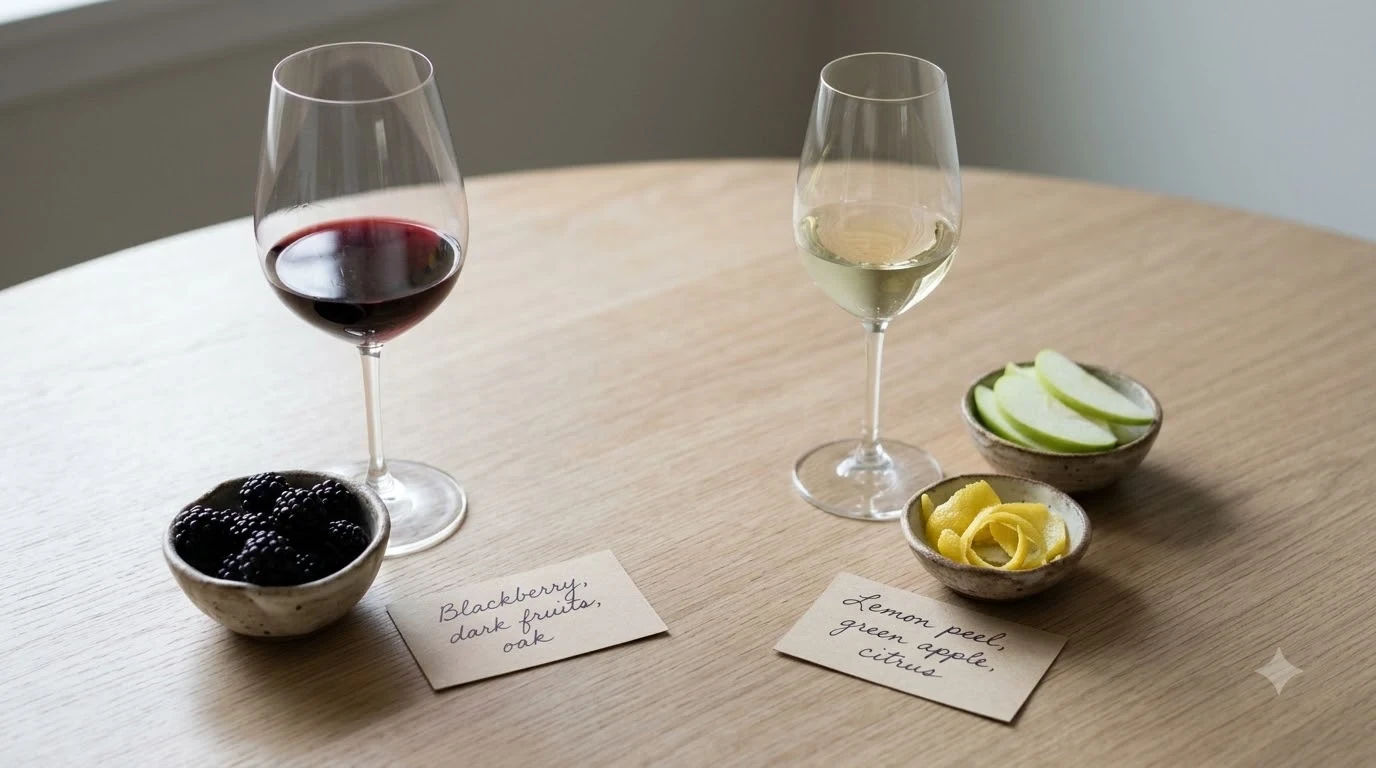
Riesling can range from bone-dry to noticeably sweet, depending on the producer’s decisions. Its naturally high acidity provides structure and helps balance residual sugar in sweeter bottlings. Look for citrus, green apple, stone fruit, and floral characteristics, while remembering that ripeness and winemaking techniques influence the final expression.
Pinot Gris offers another interesting style to investigate. Depending on ripeness and production choices, it can display pear, apple, citrus, and stone-fruit notes. Its medium-bodied texture makes it versatile at the table, particularly with poultry, salads, roasted vegetables, and lighter seafood dishes.
Red-wine enthusiasts should also pay attention to the individual bottlings available in tasting rooms. Colorado producers work with several red varieties, including Pinot Noir, Merlot, Syrah, and Cabernet Sauvignon in different parts of the state. West Elks producers may offer distinctive interpretations influenced by the local growing season and vineyard conditions.
Understanding the differences between common styles
Pinot Noir generally has low-to-medium tannin and high acidity, making it a useful choice for visitors who enjoy lighter reds. Merlot typically has medium tannin and a softer texture, while Syrah can offer more substantial tannin and darker fruit characteristics. Cabernet Sauvignon is generally more tannic and structured.
These general grape characteristics help visitors describe what they enjoy without assuming that every bottle will taste identical. The vineyard, harvest decisions, fermentation, oak treatment, and bottle age all contribute to the final result.
It is also useful to ask tasting-room staff about fermentation and aging choices. Stainless-steel fermentation can preserve fresh fruit characteristics, while oak aging may contribute additional texture and flavors such as spice, vanilla, or toast. Neither method is automatically better; the appropriate approach depends on the grape variety and the style the producer wants to create.
Visitors should also distinguish grape wines from fruit wines and ciders. The North Fork Valley’s orchard culture supports a broader beverage scene, and some local businesses produce beverages from fruits other than grapes. These products can be enjoyable discoveries, but they should not be confused with wines made from traditional wine grapes.
Tip: During a tasting, ask for one aromatic white, one lighter-bodied red, and one fuller-bodied red if those styles are available. Comparing three different structures makes it easier to understand how individual West Elks producers interpret their vineyards.
West Elks Wineries Worth Adding to Your Itinerary
The North Fork Valley has several independent wineries, each offering a different reason to stop. Some emphasize vineyard hospitality and food, others focus on small-batch production, and several provide opportunities to enjoy the surrounding agricultural landscape.
Azura Wine Cellars is a useful stop for visitors interested in a traditional tasting-room experience. Located at 16764 Farmers Mine Road in Paonia, Azura offers wine flights and gourmet charcuterie. Its combination of wine and food makes it a practical choice for visitors who want to compare multiple wines while taking a break from driving.
The Storm Cellar is located at 14139 Runzel Gulch Road in Hotchkiss. Its tasting-room experience and culinary events provide an opportunity to explore the region’s food-and-wine culture. The winery has also received regional recognition, including the Colorado Winery of the Year distinction listed in the West Elks winery directory.
Mesa Winds Farm and Winery is another interesting destination. Located at 31262 L Road in Hotchkiss, it combines wine with farm-based hospitality, scenic views, and farm-to-table dining. Farm stays are also available, making it a particularly relevant option for visitors who want to spend more time in the valley rather than simply passing through for a few tastings.
Stone Cottage Cellars in Paonia offers a different experience, combining wine tasting with charcuterie and vineyard accommodation. Its setting makes it an appealing stop for travelers interested in a relaxed rural atmosphere and the possibility of extending their stay among the vineyards.
Black Bridge Winery is associated with Orchard Valley Farms at 15836 Black Bridge Road in Paonia. In addition to wine tasting, the property offers agricultural activities, including opportunities to enjoy fruit and vegetable picking during suitable seasons. It provides a good example of how the North Fork Valley combines wine tourism with its broader farming economy.
Qutori Wines offers tastings and small plates at 40823 Highway 133 in Paonia. Its food component makes it worth considering as part of a day focused on both wine and local dining.
Alfred Eames Cellars is another name to investigate. The winery’s listed property is at 11931 4050 Road in Paonia, while its tasting-room experience at ZenZen Gardens provides a separate setting for visitors. The garden location combines wine tastings with opportunities for lodging, live music, retreats, and farm-to-table dinners.
Other producers worth researching include 5680′ Vineyards, Painted Vineyard, Peony Lane Vineyards, Bramble Winery, and Fallen Mountain. Their approaches range from small-batch, low-intervention wines to dry wines made from less commonly used fruits and appointment-based winery experiences.
The following overview provides a practical starting point. It distinguishes the wineries by their documented location and experience rather than attempting to rank them by quality.
| Winery | Community | Notable experience |
|---|---|---|
| Azura Wine Cellars | Paonia | Wine flights and charcuterie |
| The Storm Cellar | Hotchkiss | Tastings and culinary events |
| Mesa Winds Farm and Winery | Hotchkiss | Farm stays and dining |
| Stone Cottage Cellars | Paonia | Charcuterie and vineyard stays |
| Black Bridge Winery | Paonia | Wine and agricultural activities |
| Qutori Wines | Paonia | Wine tastings and small plates |
| 5680′ Vineyards | Paonia | Seasonal tasting room |
| Fallen Mountain | Hotchkiss | Appointment-based tours and tastings |
| Painted Vineyard | Paonia | Wine and gourmet cheese plates |
| Peony Lane Vineyards | Paonia | Small-batch, low-intervention wines |
These wineries are not interchangeable, and their offerings can change with the season. A traveler interested in culinary experiences might prioritize Mesa Winds, Azura, or The Storm Cellar. Someone interested in smaller production styles could investigate Peony Lane Vineyards and Bramble Winery. Visitors who enjoy agricultural tourism may find Black Bridge particularly appealing.
The official West Elks winery directory provides individual addresses, contact details, tasting information, and links to winery websites. It is a useful starting point for confirming which producers are accepting visitors.
Planning a Visit During the West Elks Wine Season
The main tasting season generally runs from late spring through autumn, with many West Elks wineries operating between late May and late October. September is particularly interesting because it coincides with the area’s busiest grape-harvest period.

According to Delta County Tourism, grape harvesting generally takes place from mid-August through mid-October, with most harvesting occurring in September. This period provides an opportunity to see the agricultural side of wine production, although individual winery activities depend on grape maturity, weather, and production schedules.
Summer is another excellent time to visit. Longer daylight hours make it easier to combine winery visits with scenic drives, farm stops, outdoor dining, and mountain recreation. Many wineries organize seasonal events, live music, and special food experiences during the warmer months.
Late spring is attractive for visitors who prefer the beginning of the tasting season. Some tasting rooms open around May, although opening dates vary by producer. The official West Elks winery directory recommends contacting wineries before visiting, particularly outside major event weekends.
Autumn brings harvest activity and changing colors to the agricultural landscape. September is a particularly useful month for visitors interested in learning how grapes move from vineyard to winery. Some producers may allow visitors to observe harvesting or crushing activities, but these opportunities should be arranged directly rather than assumed.
How to prepare before arriving
Start by identifying three or four wineries that match your interests. A smaller number of well-planned stops is generally more enjoyable than trying to visit every tasting room in one afternoon. Rural roads, tasting appointments, and conversations with winery staff all take time.
Check the opening schedule of each destination. Some tasting rooms operate daily during the main season, while others open only on selected days or require advance appointments. For example, Fallen Mountain lists appointment-only tours and tastings, while other wineries publish regular seasonal hours.
It is also sensible to plan meals around your tasting schedule. Several producers offer charcuterie, cheese plates, small plates, or more substantial farm-to-table experiences. Making a reservation for a special dinner or confirming food availability before arrival can prevent gaps in your itinerary.
Travelers who want a more extensive regional trip can combine winery visits with hiking, mountain biking, fly fishing, and agricultural sightseeing. The official regional information highlights these activities as part of the broader North Fork Valley experience.
For a first visit, a summer or early-autumn weekend offers a good balance of tasting opportunities, agricultural activity, and outdoor recreation. Those seeking harvest-related experiences should contact wineries directly about the timing of their particular operations.
Exploring the West Elks Wine Trail
The West Elks Wine Trail provides a convenient way to organize visits around Paonia and Hotchkiss. Rather than treating the area as a collection of unrelated tasting rooms, the trail connects wineries and cider destinations through the North Fork Valley’s agricultural landscape.
The trail is particularly helpful for first-time visitors because it provides a starting point for identifying producers and understanding where they are located. The official West Elks AVA website publishes winery information and regional event details, while Delta County Tourism provides additional information about local beverage businesses and agricultural attractions.
A practical itinerary can begin in Paonia, where several tasting destinations are located. Azura Wine Cellars, Black Bridge Winery, Qutori Wines, Stone Cottage Cellars, and 5680′ Vineyards are among the producers worth considering. Their different food offerings and tasting formats allow visitors to choose stops according to their interests.
Hotchkiss makes a natural second area to explore. Mesa Winds Farm and Winery and The Storm Cellar offer distinct experiences, while Fallen Mountain provides an option for visitors willing to arrange a tasting appointment in advance.
A sample one-day wine-country itinerary
A relaxed day could begin with a morning drive through the valley, followed by a late-morning or lunchtime winery visit. Choose a producer with food available so that the first tasting does not become a substitute for a meal. Azura’s wine flights and charcuterie or Qutori’s small plates are examples of documented food options.
Spend the afternoon visiting one or two additional wineries. If your schedule includes Black Bridge Winery, consider allowing time for the agricultural side of the property. Alternatively, choose a Hotchkiss destination such as Mesa Winds for a combination of wine and countryside hospitality.
Finish the day with a planned dinner or an overnight stay. Mesa Winds and Stone Cottage Cellars both list accommodation-related experiences, making them useful destinations to investigate when planning a longer wine-country visit.
The route should be flexible rather than overly ambitious. Some tasting rooms may be closed on particular weekdays, while others may have special events that affect their regular schedules. Allowing time between stops creates a more enjoyable experience and reduces the pressure to rush through tastings.
Visitors interested in wine trails elsewhere can also compare this approach with the west elks wine trail information and explore how wine tourism differs in coastal Spain through our coverage of txakoli wineries.
Food Pairings, Tasting Etiquette, and Serving Temperatures
Food is an important part of the North Fork Valley wine experience, particularly because the region’s vineyards exist alongside orchards, farms, and agricultural producers. Pairing local food with wine helps reveal differences in acidity, tannin, body, and sweetness.
For aromatic white wines such as Riesling or Pinot Gris, consider fresh vegetables, goat cheese, grilled chicken, and lighter seafood dishes. A dry Riesling can work especially well with dishes containing citrus or fresh herbs because its acidity helps match the freshness of the food.
Pinot Gris is a versatile choice for poultry, creamy vegetable dishes, and mild cheeses. Its fruit character and moderate body make it adaptable to many casual meals. If the wine has more residual sweetness, it may also work with dishes that include a gentle degree of spice.
For red wines, think about the relationship between tannin and the texture of the food. Pinot Noir generally works well with roasted poultry, mushrooms, and salmon when the preparation is not excessively rich. Merlot can complement grilled meats and tomato-based dishes, while more tannic reds benefit from protein and fat that soften their astringent sensation.
High-alcohol wines and tannic reds can intensify the sensation of chili heat, so very spicy food may be challenging. Oily fish can also clash with heavily tannic red wines. A fresher white or lighter red is often a more appropriate choice for these dishes.
Serving temperature makes a difference
Serving temperature can change how wine’s aromas, acidity, alcohol, and texture are perceived. Light whites and rosé are generally best served between 45 and 50 degrees Fahrenheit, while fuller-bodied whites are usually more expressive around 50 to 55 degrees Fahrenheit.
Light reds are generally best around 55 to 60 degrees Fahrenheit, and fuller-bodied reds around 60 to 65 degrees Fahrenheit. Sweet white wines are commonly served between 43 and 50 degrees Fahrenheit. These temperatures provide useful starting points when enjoying bottles purchased during a tasting visit.
It is also helpful to understand tasting-room pours. A standard wine serving is approximately 5 ounces, and a 750-milliliter bottle provides about five standard glasses. Tasting flights are usually smaller, allowing visitors to compare multiple wines without consuming a full serving of each.
Making the most of a tasting
Begin by smelling the wine before taking a sip. Look for fruit, floral, herbal, spice, and mineral impressions. Then consider acidity, body, tannin, alcohol, and finish. You do not need professional tasting vocabulary to recognize whether a wine feels crisp, round, light, structured, or particularly aromatic.
Take notes on the producer, grape variety, and wine style. This is especially useful when visiting multiple wineries in one day. A simple record of favorite white and red wines can help when deciding which bottles to purchase or revisit later.
Ask questions about vineyard location, grape varieties, fermentation, and aging. Many smaller wineries are happy to explain their production choices, and these conversations can provide insight into the differences between individual North Fork Valley producers.
Frequently Asked Questions
Is the West Elks AVA a federally recognized wine region?
Yes. West Elks is an American Viticultural Area, a federal designation used to identify a geographically defined grape-growing region. The designation concerns origin and regional characteristics rather than a guaranteed quality level or a specific winemaking method. Wines labeled with the AVA name are associated with grapes grown within its designated boundaries.
How high above sea level are West Elks vineyards?
West Elks is known for some of the higher-elevation vineyard sites in Colorado. Mesa Winds Farm and Winery reports that its own vineyards sit at approximately 5,800 feet above sea level. Individual vineyard elevations vary across the AVA, so one property’s altitude should not be treated as the elevation of every vineyard in the region.
What is North Fork Uncorked?
North Fork Uncorked is a signature wine event associated with the West Elks wineries. It traditionally takes place during a weekend in June and centers on new wine releases from participating producers. The event can include culinary activities, music, wine and cider tastings, and opportunities to meet local winemakers. Visitors should consult the regional event calendar for the current program and participating wineries.
Are there non-grape beverages to discover in the North Fork Valley?
Yes. The area’s agricultural culture supports hard cider producers alongside traditional wineries. Big B’s Hard Cider and Clear Fork Cider are examples of businesses listed in the regional directory. Their presence makes the valley interesting for visitors who enjoy exploring beverages made from locally grown fruit as well as grape wine.
Can visitors stay overnight at a West Elks winery?
Yes, selected properties offer accommodation-related experiences. Mesa Winds Farm and Winery lists farm stays, while Stone Cottage Cellars offers vineyard stays. These options differ from conventional hotel accommodation, so travelers should contact the properties directly to confirm available dates, booking requirements, and the type of lodging provided.
West Elks wineries offer an appealing combination of high-altitude wine production, independent producers, agricultural hospitality, and scenic Western Colorado landscapes. Whether the priority is discovering aromatic whites, comparing small-production reds, or enjoying a food-focused weekend in Paonia and Hotchkiss, the North Fork Valley provides plenty of reasons to spend time exploring its tasting rooms. Plan around the seasonal opening schedules, leave room for conversations with local winemakers, and allow the countryside to be part of the experience.
More in Wine Regions
 Willcox Wine Trail: Discover Arizona’s High-Elevation Wine CountryUpdated Nov 20, 2026
 Yakima Valley Wine Region: Find the Best Styles to TryUpdated Nov 20, 2026
 Vosne Romanee Wine Tasting: Identify Aromas and Choose Better PairingsUpdated Nov 20, 2026
 Yakima Valley Wine Festival: Find the Best Seasonal Wine EventsUpdated Nov 20, 2026
 Wales Vineyards: Discover Cool-Climate Wines and Where to VisitUpdated Nov 20, 2026
 Yountville Wine Festival: Discover Napa Wines and Local FoodUpdated Nov 20, 2026