

We may earn a commission when you buy through links on this page, at no extra cost to you. Learn more.
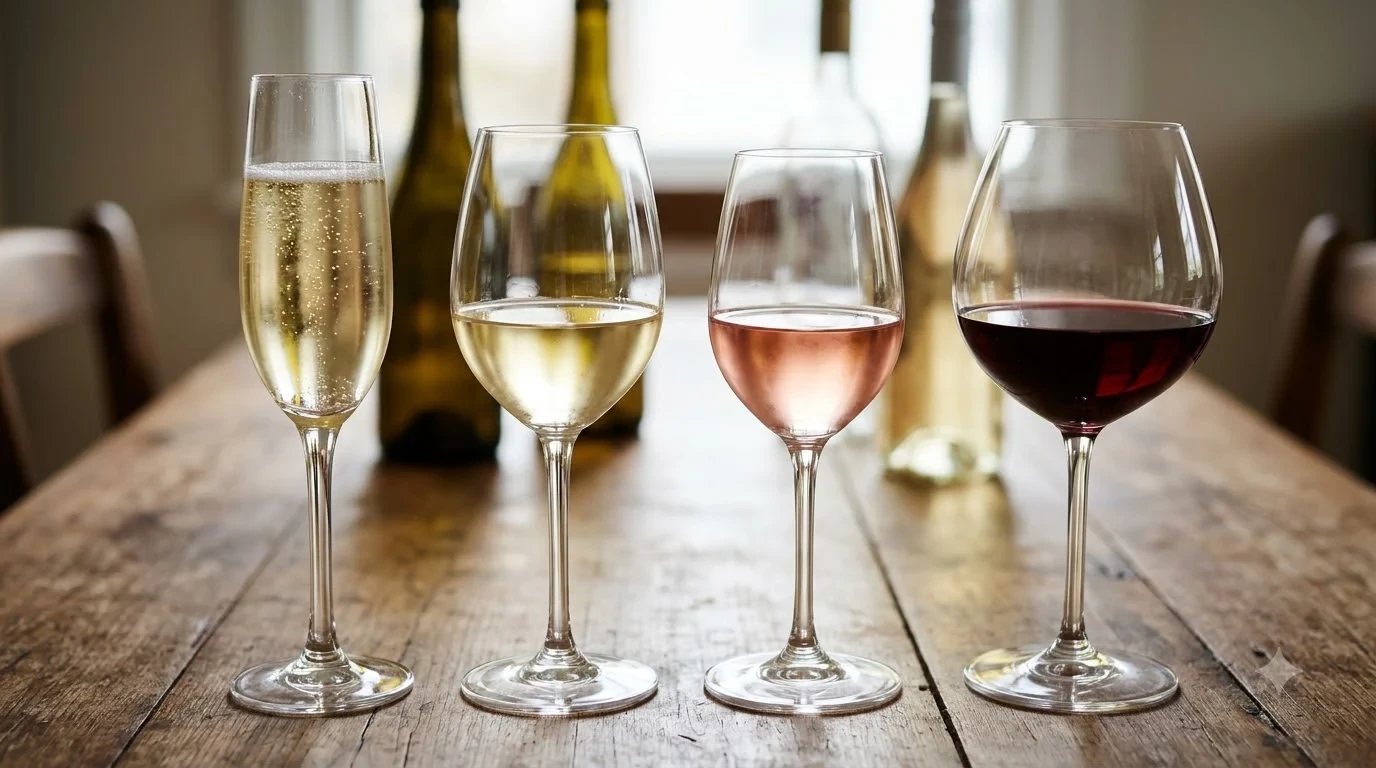
A practical veneto wine tasting compares the region’s sparkling Glera, crisp Garganega whites, and reds ranging from fresh Valpolicella to concentrated Amarone. The clearest way to understand the region is to taste by style and subregion rather than treat Veneto as one uniform wine category. Expect marked differences in body, acidity, sweetness, texture, and alcohol from one glass to the next.
Veneto occupies northeastern Italy, with vineyards stretching between Lake Garda, the foothills of the Alps, the Adriatic plain, and the hills north of Venice. That variety gives a tasting itinerary room for lively aperitivo wines, mineral whites, fragrant reds, and long-lived bottles built for a substantial meal.
The Shape of Veneto’s Wine Country
Veneto’s defining feature is diversity: its wine areas have different elevations, soils, climates, grapes, and cellar traditions. A useful tasting starts with a map in mind, moving from the sparkling hills around Treviso to the white-wine districts east of Verona and the red-wine slopes around Verona itself.
Wine Enthusiast describes the region’s broad climatic range as extending from the Alpine foothills to Lake Garda and the Adriatic Sea. That geography helps explain why Veneto is known both for Prosecco and Pinot Grigio and for more structured wines such as Soave, Valpolicella, Amarone, and Bardolino. The Wine Enthusiast overview of Veneto is a useful introduction to those contrasts.
The regional wine map is also more complex than a short list of famous names suggests. The Veneto regional government lists 14 DOCG appellations, including Amarone della Valpolicella, Soave Superiore, Recioto di Soave, and Conegliano Valdobbiadene Prosecco; it also lists 28 DOCs and 10 IGTs. Those designations identify defined growing areas and production rules, so the name on a label can tell you more than a broad regional indication.
For a first tasting, choose one sparkling wine, one dry white, and two reds that differ in weight. This simple flight demonstrates the region’s range without overwhelming the palate. Readers comparing Italian regions can use the site’s Wine Regions overview to place Veneto alongside Italy’s other major wine areas.
Prosecco from Conegliano and Valdobbiadene
Prosecco is the most familiar starting point for Veneto, but the hills of Conegliano and Valdobbiadene offer a more specific expression than the broad name alone suggests. Conegliano Valdobbiadene Prosecco Superiore DOCG comes from a defined hillside area and is based on Glera, with a choice of sweetness levels that changes the wine’s balance at the table.
The Conegliano Valdobbiadene consortium says its DOCG zone covers 15 municipalities and allows a maximum vineyard yield of 13.5 tonnes of grapes per hectare. Its Rive wines come from 43 named hillside areas; Rive bottlings have a lower yield of 13 tonnes per hectare, are harvested by hand, and carry the vintage on the label. Cartizze is a small, separately regulated subzone of 107 hectares, with a maximum yield of 12 tonnes per hectare.
These figures matter because the hills are not interchangeable. Steep slopes, different exposures, and local soils give producers a way to show distinctions within the denomination. A broad DOCG bottling can be a balanced introduction, while a Rive wine focuses on a single commune or hillside. Cartizze offers a particularly distinctive expression from its small area near Valdobbiadene. The consortium’s official guide to Prosecco Superiore styles explains these categories and the area’s less common wines. Sweetness terms are also essential to reading a Prosecco flight: for this denomination, the consortium lists Extra Brut, Brut, Extra Dry, and Dry, from the driest end toward the sweeter end. Extra Dry is not drier than Brut, a naming detail that can surprise tasters who assume ordinary English meanings. Taste two levels side by side and notice how a little residual sugar can soften the impression of acidity and make fruit seem rounder.
| Prosecco Superiore category | Published vineyard yield limit | Useful tasting cue |
|---|---|---|
| DOCG | 13.5 tonnes per hectare | Blend from the 15-commune zone |
| Rive | 13 tonnes per hectare | Hand-harvested grapes from one named hillside area |
| Cartizze | 12 tonnes per hectare | 107-hectare subzone near Valdobbiadene |
Prosecco is generally made by the tank method, which preserves Glera’s fresh orchard-fruit and floral character while developing its bubbles in a pressurized vessel. A classic glass may show green apple, pear, lemon, white flowers, and a light, refreshing finish. The usual alcohol level is around 11–12% ABV. Serve it at 40–50°F, and pour it before heavier wines so its lively acidity and fine bubbles are easy to appreciate.
Soave and Veneto’s White Wines
Soave is the key white-wine name to know east of Verona, and Garganega is the grape that defines it. The most useful comparison is between a fresh, straightforward Soave and a more layered Soave Classico, whose historic hillside area includes the municipalities of Soave and Monteforte d’Alpone.
The Soave consortium’s production rules require at least 70% Garganega in Soave DOC and DOCG wines. Depending on the category, the balance can include Trebbiano di Soave, and the DOC rules also permit Chardonnay. Many Soave wines are made entirely from Garganega, but the permitted blend means that two bottles with the same appellation can still differ in texture and aroma.
Look for citrus, pear, white flowers, fresh herbs, and a distinctive almond-like finish. Soil can shape the details: the consortium describes basaltic hillside wines as more steely and mineral, while limestone sites can emphasize white flowers, apricot, apple, and citrus. The Soave Classico zone is the older hillside heartland; its basalt and limestone soils, manual hillside work, and lower permitted yields can support greater complexity than a simple, early-drinking white.
Soave is a strong choice for tasters who prefer freshness over oak or heavy texture. Pair it with freshwater fish, shellfish, grilled vegetables, risotto with herbs, or mild cheeses. Its acidity refreshes the palate after olive oil, butter, or fried foods, while its restrained structure avoids overpowering delicate seafood. For a comparison with a different European white-wine tradition, the site’s Alsace wine tasting guide offers another way to think about aromatic whites and food-friendly acidity.
Valpolicella’s Red Wine Ladder
Valpolicella is best understood as a family of red wines made mainly from Corvina, Corvinone, and Rondinella, with Molinara also part of the region’s traditional blend. The wines range from bright, cherry-scented Valpolicella to the deeper Ripasso and the concentrated Amarone, with winemaking choices accounting for much of the difference.
Wine Enthusiast places the traditional Valpolicella Classico villages of Fumane, Marano, and Negrar among the area’s important growing sites. On the hillsides, calcareous, volcanic, and clay-rich soils can contribute to fuller expressions than fruit from the plains. In the glass, a basic Valpolicella is usually dry, lively, and red-fruited, with sour cherry as a familiar marker. It is a useful first red in a regional flight because its lighter body makes the grape character easy to recognize.
Valpolicella Ripasso is made by refermenting a base Valpolicella wine on the grape pomace left from Amarone or Recioto. The Consorzio Tutela Vini Valpolicella describes the result as more structured than basic Valpolicella, with greater alcohol and phenolic extraction. Expect darker cherry, dried fruit, spice, and a fuller palate. Ripasso can bridge the gap between a fresh red and Amarone, and it works well with roast pork, tomato-based pasta, grilled sausages, and medium-aged cheeses.
Amarone della Valpolicella takes concentration further. Its grapes are dried in ventilated rooms known as fruttai for roughly 100–120 days, a process called appassimento that reduces water in the berries and concentrates their constituents. After slow fermentation, the wine is dry, full-bodied, and often marked by dried cherry, plum, raisin, cocoa, and warm spice. Amarone is generally high in alcohol, so give it room in the glass and serve it with braised beef, game, rich mushroom dishes, or aged cheese rather than delicate fish. Recioto della Valpolicella uses a similar dried-grape approach but retains sweetness, making it a different proposition from dry Amarone. It belongs at the dessert end of a tasting, alongside blue cheese or a chocolate dessert that is not sweeter than the wine. A comparison of the Valpolicella styles shows how one family of grapes can produce very different wines through different harvest and cellar decisions. Readers interested in a more structured Italian red comparison can also explore Bolgheri wine tasting.
Bardolino and Other Local Bottles
Bardolino brings a lighter red style from the southeastern shore of Lake Garda, where the lake moderates temperatures and breezes help dry the vines after rain. Its traditional grapes overlap with Valpolicella, but Bardolino often feels more fragrant, brisk, and easy to serve slightly cool.
Expect red cherry, fresh berry, gentle spice, lively acidity, and fine tannins. Bardolino Classico identifies wines from the historic hillside growing area, while Bardolino Superiore is a DOCG category with stricter requirements. Wine Enthusiast notes that Bardolino Superiore must reach at least 12% alcohol and spend at least one year aging before release; standard Bardolino DOC has a lower minimum alcohol requirement of 10.5%.
Other names add breadth to a Veneto tasting. UVIVE, the regional association of wine consortia, lists Custoza, Gambellara, Lugana, Breganze, Colli Berici, and Lessini Durello among the protected denominations it represents. Pinot Grigio is another familiar part of Veneto’s identity, and the region’s official list includes many local appellations beyond Prosecco, Soave, and Valpolicella. These names are useful discoveries after an introductory flight of the region’s best-known styles.
For a balanced tasting menu, use Bardolino as the lighter red alongside charcuterie, roast chicken, pizza, or grilled vegetables. If the table includes both Bardolino and Amarone, taste the Bardolino first; the Amarone’s concentration and alcohol can make a lighter wine seem thin afterward. A short regional flight can therefore progress from sparkling wine to white, then lighter red, then fuller red.
How to Taste, Serve, and Pair Veneto Wines
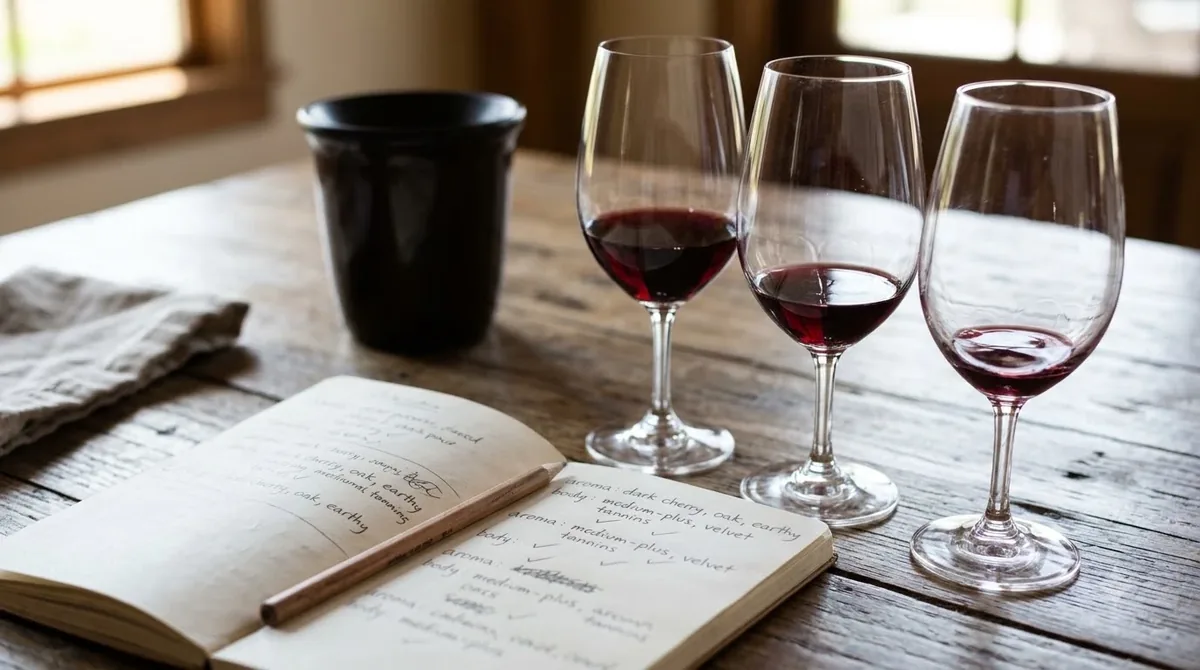
A useful tasting compares each wine on appearance, aroma, acidity, body, tannin, alcohol, sweetness, and finish. Serve the wines from lightest to fullest, keep the first pours small, and revisit the same glass after a minute or two to see how its aromas change.
Use temperature to preserve balance. Sparkling Prosecco is best at 40–50°F; light whites such as a crisp Soave are comfortable at 45–50°F; fuller whites suit 50–55°F. A light Bardolino or basic Valpolicella can be served at 55–60°F, while a fuller Ripasso or Amarone is better around 60–65°F. Avoid serving a full red warm: excessive heat can make alcohol stand out and soften the sense of freshness.
For a tasting at home, pour about 5 ounces for a normal glass of wine, although a smaller tasting pour leaves room to compare several styles. A standard 750 ml bottle provides about five 5-ounce servings. Keep a glass of water and plain bread nearby, and take a short break between the sparkling and red wines if the flight is long. When a young, structured Amarone seems tight, 30–60 minutes in a decanter can help it open; a fresh Prosecco or Soave does not need that treatment.
Tip: Build the flight from delicate to powerful: Prosecco, Soave, Bardolino or Valpolicella, Ripasso, then Amarone. Keep sweet Recioto for the end, and use separate glasses or rinse thoroughly between wines so residual aromas do not blur the comparison.
Food should match the wine’s weight and structure. Prosecco suits salty snacks, fried seafood, prosciutto, and vegetable fritters. Soave works with shellfish, white fish, fresh cheeses, and dishes with lemon or herbs. Bardolino pairs with cured meats, tomato sauce, and roast chicken; Ripasso suits pork, sausages, and mushroom risotto; Amarone can stand beside braised beef, game, and aged hard cheeses. Acidity is especially important: an acidic dish needs a wine with equal or higher acidity, or the wine may taste flat. Salt and fat soften the perception of tannin, which can make a structured red more comfortable with rich meat or cheese. Chili heat tends to feel stronger with high alcohol and tannin, so avoid pairing a powerful Amarone or Ripasso with a very spicy dish. Oily fish can also clash with tannic reds, making Soave or sparkling wine a more reliable match.
Frequently Asked Questions
These quick answers cover a few details that often come up after a first flight of Prosecco, Soave, and Valpolicella. They add useful label and cellar context beyond the tasting sequence above.
What is Col Fondo Prosecco?
Col Fondo is a traditional bottle-fermented style associated with the term Sui Lieviti, meaning “on the lees.” The second fermentation takes place in the bottle and the yeast sediment remains, so the wine may look cloudy rather than crystal clear. The Conegliano Valdobbiadene consortium describes this version as Brut Nature, with fine bubbles and a subtle bread-crust character.
Is Recioto di Soave a sweet wine?
Yes. Recioto di Soave is made by air-drying Garganega grapes for several months before pressing, which concentrates the fruit. The Soave production rules cap the grape-to-wine yield for the still version at 40%, helping explain its concentrated, dessert-wine character.
How long must Amarone age before release?
The Amarone production regulation requires at least two years of aging before release, counted from January 1 after the grape harvest year. Amarone labeled Riserva must age for at least four years, counted from November 1 of the harvest year. These are minimum regulatory periods, not a promise that every bottle needs the same additional time in a cellar.
When did Soave receive DOC status?
Soave received its controlled designation of origin in 1968, after being recognized earlier as a distinctive native Italian wine. The denomination covers production areas in the province of Verona, including the historic hillside communes of Soave and Monteforte d’Alpone.
Can Soave be aged rather than drunk young?
Yes, especially carefully grown Garganega from hillside sites. The Soave consortium’s production rules describe Soave Classico as capable of aging for 5–7 years on average, while its grape overview says carefully yield-controlled wines can average around a decade or longer. Older bottles can shift from fresh citrus and apple toward honeyed, nutty, and more complex aromas.
Veneto rewards a tasting that moves from sparkling Glera and crisp Garganega to the range of red wines around Verona. Start with the lighter styles, compare the different expressions of Valpolicella, and finish with Amarone or a sweet Recioto to see how drying grapes and local traditions shape the glass.
More in Wine Regions
 Willcox Wine Trail: Discover Arizona’s High-Elevation Wine CountryUpdated Nov 20, 2026
 Yakima Valley Wine Region: Find the Best Styles to TryUpdated Nov 20, 2026
 Vosne Romanee Wine Tasting: Identify Aromas and Choose Better PairingsUpdated Nov 20, 2026
 Yakima Valley Wine Festival: Find the Best Seasonal Wine EventsUpdated Nov 20, 2026
 Wales Vineyards: Discover Cool-Climate Wines and Where to VisitUpdated Nov 20, 2026
 Yountville Wine Festival: Discover Napa Wines and Local FoodUpdated Nov 20, 2026