

We may earn a commission when you buy through links on this page, at no extra cost to you. Learn more.
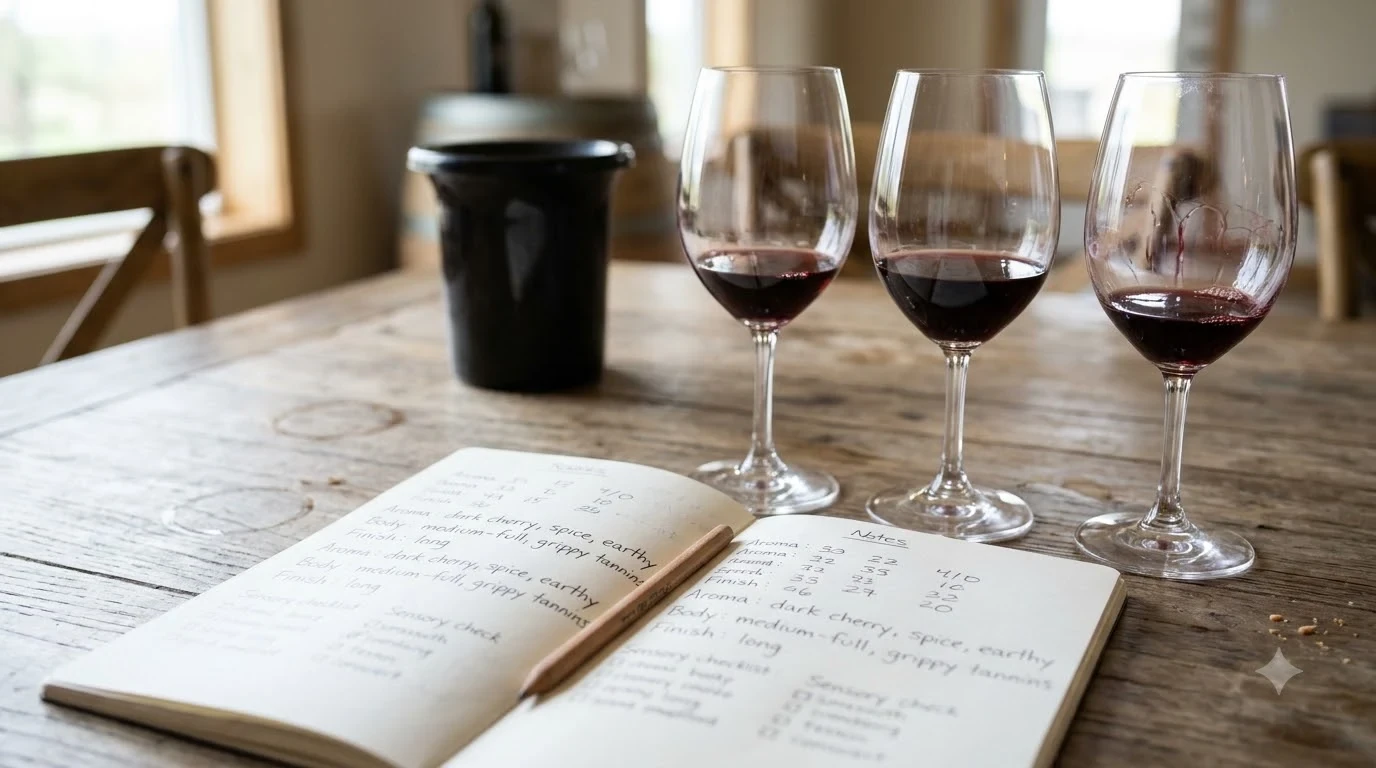
Waipara wine tasting is an opportunity to discover distinctive New Zealand Riesling, Pinot Noir and Chardonnay at boutique cellar doors about an hour north of Christchurch. Located in North Canterbury on the South Island, Waipara Valley combines limestone-rich hillsides, gravelly terraces and a relatively sheltered growing environment. Visitors can explore established wineries, enjoy vineyard restaurants and compare wines from different parts of the valley without spending several days traveling between destinations.
Waipara offers a different experience from New Zealand’s better-known wine destinations. Rather than focusing on a single internationally recognized grape variety, its producers work with several cool-climate grapes and a range of vineyard sites. Riesling is particularly important, while Pinot Noir, Chardonnay and Pinot Gris provide plenty of opportunities for comparison. Whether you are planning a day trip from Christchurch or a longer North Canterbury getaway, understanding the region’s geography and wine styles will help you make better use of your tasting time.
Understanding Waipara Valley’s Geography and Wine Country
Waipara Valley belongs to North Canterbury, a wine region on New Zealand’s South Island approximately one hour north of Christchurch. Its combination of sheltered hills, gravel deposits and limestone-derived soils creates a range of growing conditions that help explain the differences between individual vineyard wines.
North Canterbury extends for nearly 200 kilometers along the eastern coastline of the South Island. The Southern Alps lie to the west, while the Pacific Ocean forms the eastern boundary. Within this broad region, Waipara Valley has developed a particularly recognizable identity through its aromatic whites and expressive Pinot Noir.
The surrounding hills influence the valley’s climate. New Zealand Wine describes Waipara as slightly warmer than the rest of Canterbury because the hills provide protection from some cooler conditions. The drying northwesterly wind can still challenge growers, but the combination of sunshine, a long growing season and sheltered sites gives producers opportunities to develop ripe fruit while retaining freshness.
Geography becomes especially important when comparing individual vineyard locations. Glasnevin, alongside the Waipara River, has gravelly, free-draining soils associated with ancient glacial deposits. Omihi, farther north, occupies higher ground with clay and limestone soils. These differences can influence water availability, vine growth and the texture of finished wines.
The region’s limestone is an important part of its identity, but it should not be treated as a guarantee that every wine will taste the same. Vineyard exposure, grape variety, harvest decisions and cellar practices all contribute to the final character. Two Pinot Noirs from nearby vineyards can therefore show different combinations of fruit, structure and savory complexity.
Waipara is also a relatively convenient destination for visitors. Its location north of Christchurch makes it possible to visit several wineries in one day, while the surrounding Hurunui district provides restaurants, accommodation and countryside attractions for travelers who prefer a slower itinerary.
For an overview of the region’s official wine-growing profile, the New Zealand Wine North Canterbury regional profile explains the area’s climate, soil types, subregions and principal grape varieties.
The Grapes and Wine Styles to Prioritize
Riesling and Pinot Noir deserve the most attention during Waipara wine tasting, although Chardonnay and Pinot Gris are also important. The region’s cool-climate conditions encourage wines with expressive fruit, balanced acidity and distinctive differences between vineyard sites.
Riesling is one of the valley’s defining varieties. Its aromatic character and natural acidity make it particularly versatile. Depending on the producer and style, expect citrus, green apple, white peach, floral notes or more developed stone-fruit characteristics. Some examples are completely dry, while others retain noticeable sweetness. Sweetness and acidity should be considered together: a wine with residual sugar can still taste refreshing when its acidity is sufficiently high.
Riesling is an especially useful wine for comparing producers. Start with a dry example, then try an off-dry or sweeter bottling if available. Notice how the fruit changes, whether the wine feels lean or rounded, and how its acidity affects the finish. This comparison reveals more about the region than tasting several similar wines without considering their differences.
Pinot Noir is the other essential variety. North Canterbury examples range from perfumed and delicate to darker, more concentrated styles. Red cherry, raspberry, plum, spice and earthy notes can appear, depending on the site and winemaking approach. Pinot Noir generally has low-to-medium tannin and high acidity, making it particularly adaptable at the table.
Chardonnay provides another useful comparison. Regional examples can combine citrus fruit, good body and balanced acidity. Some emphasize freshness and restrained fruit, while others offer more texture and richness through fermentation and maturation choices. Tasting Chardonnay from two producers is a good way to understand how winemaking influences a relatively familiar grape.
Pinot Gris contributes pear, stone fruit and spice characteristics. It may feel more rounded than Riesling, with a broader palate and a different aromatic profile. Sauvignon Blanc, Gewürztraminer and smaller plantings of varieties such as Syrah and Cabernet Franc add further diversity to the wider North Canterbury wine scene.
| Wine variety | Typical character | What to look for | Serving temperature |
|---|---|---|---|
| Riesling | Citrus, apple, floral aromas | Acidity, sweetness and finish | 45–50°F |
| Pinot Noir | Cherry, raspberry, spice | Fruit purity and gentle tannin | 55–60°F |
| Chardonnay | Citrus, stone fruit, texture | Body, acidity and oak influence | 50–55°F |
| Pinot Gris | Pear, peach and spice | Texture and aromatic intensity | 45–50°F |
| Sauvignon Blanc | Fresh fruit and aromatic intensity | Bright acidity and freshness | 45–50°F |
| Syrah | Dark fruit and pepper | Structure and savory character | 60–65°F |
These temperatures are practical serving guidelines rather than strict regional requirements. A wine served too cold can hide its aromas, while an excessively warm glass can make alcohol feel more prominent. Allow a bottle a few minutes to adjust if it has been stored at an unsuitable temperature.
Visitors interested in comparing Waipara with other cool-climate regions can also explore Alsace wine tasting. Both destinations offer useful opportunities to study aromatic white wines, particularly Riesling, although their climates, soils and winemaking traditions differ.
Notable Wineries and Cellar Doors to Visit
Waipara Valley has a varied collection of cellar doors, from established estates with restaurants to smaller producers offering intimate tastings. Visit Hurunui lists 22 wineries and 18 cellar doors in its regional wine tourism information, giving visitors a substantial selection for a day trip or longer stay.
Pegasus Bay is one of the recognizable names in North Canterbury. It appears among the established winery destinations listed by Visit Hurunui and is a useful stop for visitors wanting to explore the region’s established wine identity. Its presence on the local wine trail makes it a natural consideration when planning a route through Waipara.
Black Estate is another important destination. Visit Hurunui lists the property for wine tastings, dining and food experiences. Its cellar door offers tastings, wine flights and snacks, making it particularly suitable for visitors who want their winery visit to involve more than a quick tasting at the counter. Allow additional time if you intend to combine wine with a meal.
Greystone Wines offers another opportunity to combine wine and food. Its cellar door is listed alongside its restaurant, making it a practical choice for a longer afternoon visit. ChristchurchNZ highlights the estate’s organic wines and pétillant naturel rosé among the options available to visitors.
Waipara Springs is worth including for visitors interested in tasting several wine styles. Its winery and restaurant listing makes it another convenient location for combining a flight with food. ChristchurchNZ specifically identifies its Reserve Riesling, rosé and Langrein as interesting wines to explore.
Torlesse Wines provides a straightforward cellar-door experience. Its official website advertises a tasting of six wines and a Port, with daily opening hours from 11 a.m. to 5 p.m. The cellar door is on Loffhagen Drive, approximately 1.5 kilometers from the Hanmer Springs turnoff. The winery also offers platters to accompany its wines.
Torlesse is particularly useful for visitors seeking a clearly structured tasting experience. The six-wine flight offers an opportunity to compare different expressions before deciding which varieties or styles deserve further attention. Its Port also provides a different finish from the dry white and red wines that dominate many regional tastings. Visitors can consult the official Torlesse cellar-door information and booking page before arranging a visit.
Pyramid Valley, located in Waikari, offers another perspective on North Canterbury winemaking. ChristchurchNZ describes its approach as involving biodynamic viticulture and minimal-intervention winemaking. Its portfolio includes Botanicals, Pastures, Colours and Library collections, with grapes grown across North Canterbury, Marlborough and Central Otago.
Other options include The Boneline, Georges Road Wines, Terrace Edge and Mount Brown Estates. Each provides another reason to look beyond the best-known winery names. Some smaller destinations may have limited opening hours or operate by appointment, so checking access arrangements before setting out is particularly important.
Tip: Plan approximately three winery visits for a relaxed day. Choose one destination for lunch, reserve time for a seated tasting and avoid scheduling cellar doors so tightly that you have to rush through the wines.
Planning a Waipara Wine Tasting Day Trip
Waipara is close enough to Christchurch for a day trip, but a successful itinerary requires some planning. Three carefully selected winery visits generally provide a better experience than attempting to visit every available cellar door in one afternoon.
Begin by deciding whether you want a wine-focused day, a restaurant experience or a combination of both. If your priority is comparing Riesling and Pinot Noir, choose producers with different vineyard locations or tasting selections. If food is equally important, prioritize destinations with established restaurant facilities.
Christchurch makes a convenient starting point. The journey north takes approximately one hour under normal driving conditions, although the exact time depends on the starting point, traffic and destination. Allow extra time for the return journey and any stops along the way.
A practical itinerary might begin with a morning departure from Christchurch, followed by a first tasting at a winery with a broad selection. Schedule lunch at Black Estate, Greystone or another suitable winery restaurant, then visit a second or third cellar door in the afternoon.
For a longer itinerary, include Waikari and Pyramid Valley. This adds another geographical perspective to the visit and provides an opportunity to compare wines from the wider North Canterbury area. Visitors who want a slower experience can stay overnight rather than returning to Christchurch after several tastings.
Opening hours vary between producers. Torlesse advertises opening hours of 11 a.m. to 5 p.m. daily, while other cellar doors may have different schedules or appointment requirements. Some wineries offer restaurants, while others concentrate on tasting and direct wine sales. Confirm reservations, kitchen availability and tasting times before leaving Christchurch.
Transport is another important consideration. A designated driver is the simplest option for a self-guided trip, while an organized wine tour can allow everyone in the group to participate in tastings. Cycling may also be possible on designated local routes, but visitors should plan distances and transport arrangements carefully rather than assuming every winery is conveniently connected.
During busy periods, booking ahead is particularly useful for larger groups and restaurant visits. Smaller cellar doors may have limited staff, and an unexpected group arrival can affect the experience for both visitors and winery teams.
How to Taste Waipara Wines Like an Informed Visitor
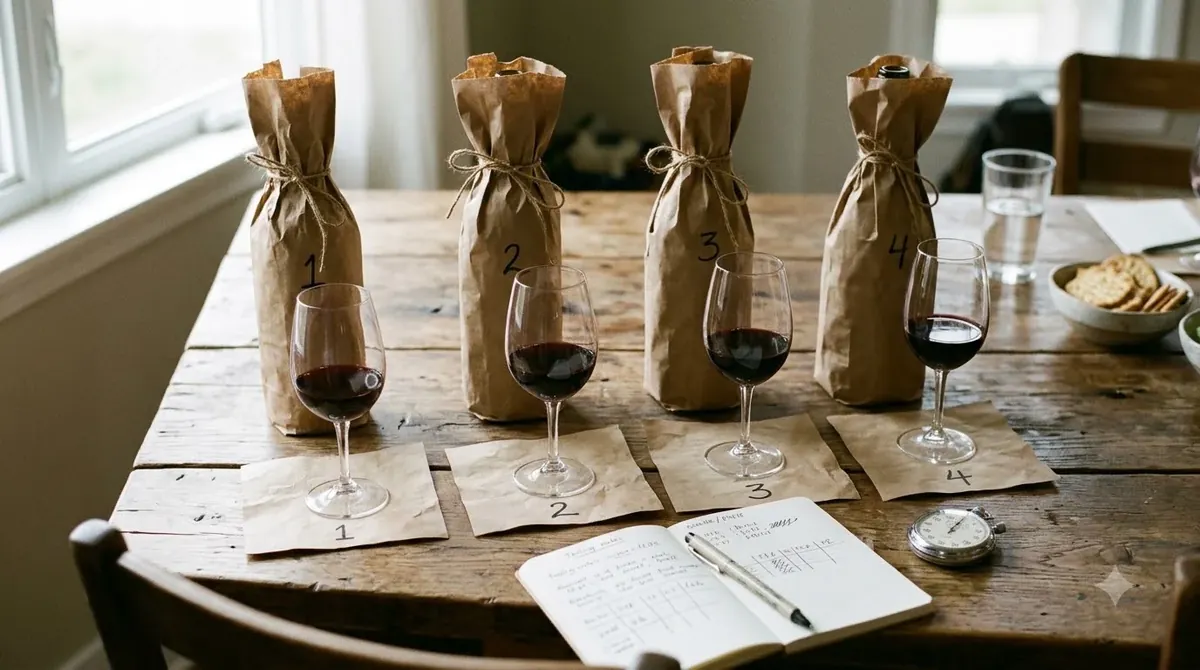
A little structure makes regional tastings more rewarding. Compare wines by variety, sweetness, texture and vineyard location rather than treating every glass as an isolated experience.
Start with the white wines before moving to reds. Within the white category, begin with dry Riesling or Sauvignon Blanc, then try Pinot Gris and Chardonnay. If a sweeter Riesling is available, taste it after the dry examples so that the contrast in residual sugar becomes easier to recognize.
When comparing Rieslings, pay attention to acidity first. Look for citrus, apple and stone-fruit aromas, then consider whether the wine tastes dry, off-dry or sweet. A sweet Riesling should still have enough acidity to keep the palate lively. Its sweetness can make it particularly suitable for dishes with a little spice or fruit-based desserts.
For Pinot Noir, focus on fruit character, acidity and tannin. The grape generally produces relatively gentle tannins compared with Cabernet Sauvignon or Syrah. Notice whether the wine emphasizes red cherry and raspberry or moves toward darker fruit, earth and spice.
Chardonnay deserves attention to texture. Consider whether the wine feels lean and citrus-driven or fuller and more rounded. Oak influence, lees contact and fermentation choices can alter the texture without changing the grape variety.
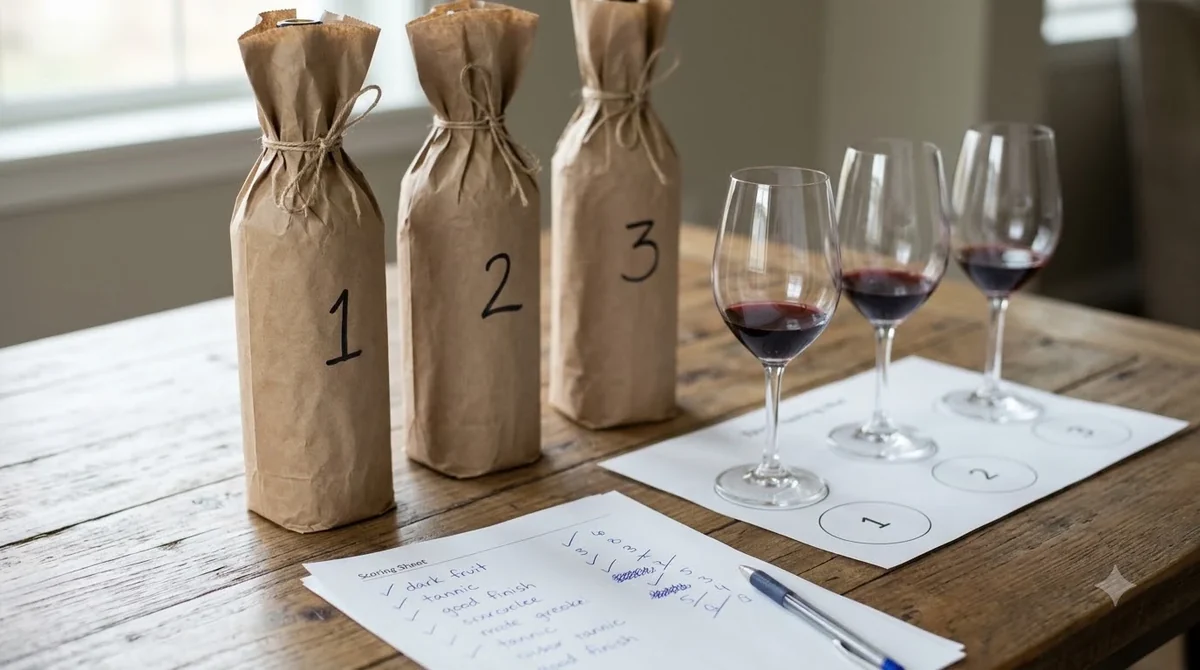
Use the following sequence when evaluating each wine:
- Appearance: Observe color and clarity. Riesling may appear pale straw, while Pinot Noir typically shows a lighter red color than many other red varieties.
- Aroma: Identify the primary fruit notes before looking for floral, herbal, mineral or spice characteristics.
- Acidity: Notice how fresh the wine feels and whether the mouth waters after a sip.
- Structure: Consider body, alcohol, sweetness and tannin rather than judging a wine only by its fruit flavors.
- Finish: Pay attention to how long the flavors remain and whether the finish is fresh, savory, fruity or spicy.
- Comparison: Return to an earlier wine when possible to identify the differences between producers and vineyard sites.
There is no need to use complicated tasting terminology. Describing a wine as crisp, rounded, aromatic, light-bodied or savory is often enough to communicate what makes it interesting. Recording the producer, grape variety and personal impressions can also help when choosing bottles to take home.
Serving temperature matters during a tasting. Light whites and rosé are generally most expressive around 45–50°F, while fuller-bodied whites are better around 50–55°F. Light reds such as Pinot Noir can be served slightly cool at 55–60°F. Full-bodied reds are generally more comfortable around 60–65°F.
It is also helpful to remember that winery tasting portions are not necessarily standard restaurant pours. A typical serving of wine is 5 ounces, and a 750-milliliter bottle contains approximately five such glasses. Tasting flights are designed for comparison rather than drinking a full glass of every wine.
Food Pairings for Waipara Riesling, Pinot Noir and Chardonnay
Food is an important part of the Waipara experience, particularly at wineries with restaurants and local produce menus. Riesling, Pinot Noir and Chardonnay each offer different pairing opportunities, making it possible to build a meal around the region’s signature grapes.
Riesling is particularly adaptable because of its high acidity and range of sweetness levels. Dry Riesling works well with seafood, shellfish, fresh salads and dishes featuring herbs or citrus. Its acidity can cut through richer sauces, while its aromatic character complements delicate ingredients.
For spicy dishes, an off-dry Riesling can be a useful choice. A little residual sugar helps balance chili heat, while the grape’s natural acidity keeps the pairing from becoming heavy. However, wines with high alcohol or substantial tannin can make chili heat feel more intense.
Pinot Noir is a natural partner for poultry, duck, mushrooms and moderately rich meat dishes. Its relatively low-to-medium tannin and high acidity make it more flexible than many heavier reds. Roasted chicken with herbs, mushroom dishes and grilled salmon can all work well with an appropriately styled Pinot Noir.
Chardonnay offers considerable flexibility at the table. Fresh, unoaked examples pair well with oysters, white fish and lighter seafood dishes. Fuller-bodied styles can work with roast chicken, creamy sauces and dishes featuring roasted vegetables.
Pinot Gris is another useful option for food. Its pear and stone-fruit character can complement pork, poultry, seafood and mildly spiced dishes. A fuller example may also work with dishes featuring richer sauces or aromatic herbs.
For visitors planning a winery lunch, regional cheese and seasonal produce provide a straightforward way to compare different wines. Fresh cheeses can work well with aromatic whites, while more mature cheeses and richer dishes may suit fuller Chardonnay or Pinot Noir.
Pairing principles are useful when selecting food from a winery menu. Match the sweetness of a wine to at least the sweetness of the dessert, and choose a wine with equal or higher acidity than an acidic dish. Salt and fat soften the perception of tannin, while oily fish generally works better with white wines or lighter reds than strongly tannic wines.
Visitors who enjoy exploring regional food pairings can compare Waipara with Bolgheri wine tasting, where structured Italian reds offer a different approach to matching wine with grilled meat and rich Mediterranean dishes.
Best Seasons, Practical Etiquette and Bottles to Bring Home
Waipara can be visited throughout the year, but the experience changes with the seasons. Summer is attractive for longer outdoor lunches and vineyard views, while autumn offers the visual interest of harvest activity and changing vine foliage.
December through February is summer in New Zealand. Warmer conditions make outdoor dining and relaxed vineyard visits particularly appealing, and visitors may find this period suitable for combining several cellar doors with a leisurely lunch. Booking ahead is sensible during popular travel periods.
March and April bring autumn conditions. This is an interesting time to visit because the vineyards approach or move through harvest, depending on the variety and growing conditions. Visitors may encounter more activity around wineries, although harvest operations do not automatically mean that visitors can enter production areas.
Winter and spring offer quieter alternatives. Cooler conditions can make outdoor seating less appealing, but tasting rooms and restaurants remain useful reasons to visit. Spring also brings fresh vineyard growth and changing scenery as the vines enter another growing season.
Before arriving, check each winery’s website for current opening times and appointment policies. Torlesse, for example, publishes its 11 a.m. to 5 p.m. daily schedule, while Waipara River Estate lists tastings and sales by appointment only. These differences matter when arranging a route.
Good cellar-door etiquette is simple. Arrive at the agreed time, communicate any dietary requirements before a restaurant reservation and ask questions about grape varieties, vineyard locations and winemaking methods. Winery staff are usually happy to explain differences between wines, particularly when visitors show genuine interest.
There is also no obligation to finish every tasting sample. Visitors can use spittoons where provided, particularly when comparing several wines. This makes it easier to concentrate on aromas and structure throughout the afternoon.
If you purchase bottles, transport and storage deserve attention. Keep wine away from direct sunlight and excessive heat during the journey. For longer storage, bottles with traditional cork closures are generally best kept on their sides in a cool, stable environment near 55°F.
For bottles that will be opened later, consider the style rather than assuming every wine should be aged. Many fresh aromatic whites are enjoyable relatively young, while selected Pinot Noir and Chardonnay bottlings may develop additional complexity with suitable storage. Ask the winery about the intended drinking window for a particular release.
Once opened, still wines generally keep for approximately three to five days in the refrigerator when properly resealed. Sparkling wines are usually best consumed within one to three days, while fortified wines can last several weeks under suitable storage conditions. These are practical guidelines rather than guarantees, because preservation depends on the wine, closure and storage conditions.
Visitors who want to continue learning about regional wine styles after returning home can explore the broader Wine Regions collection. Comparing Waipara with destinations such as Alsace, Willcox and Bolgheri helps put its cool-climate wines into a wider international context.
Frequently Asked Questions
Is Waipara Valley officially part of North Canterbury?
Yes. Waipara Valley is a recognized subregion within North Canterbury on New Zealand’s South Island. The wider North Canterbury region includes other distinct areas, including the Canterbury Plains, Banks Peninsula and Waikari.
What is the significance of the name Omihi?
Omihi refers to a distinct part of the Waipara wine-growing area rather than a grape variety or winemaking style. Its higher clay- and limestone-influenced hillsides provide a different growing environment from the gravelly valley-floor sites around Glasnevin.
Does Waipara produce sparkling wine?
Yes, visitors can encounter sparkling styles among the region’s winery offerings. Greystone Wines, for example, is highlighted by ChristchurchNZ for its pétillant naturel rosé, a sparkling wine made using a method that completes fermentation in the bottle.
Can visitors explore Waipara without hiring a car?
Yes, but transport needs to be arranged in advance. Organized wine tours from Christchurch provide an alternative to self-driving, while cycling is another possibility on designated local routes connecting parts of the vineyard area. Visitors should confirm that their chosen stops are included in any transport or tour arrangements.
What other attractions can visitors combine with a Waipara wine trip?
The wider Hurunui district offers countryside walks, cycling opportunities and sculpture attractions. ChristchurchNZ specifically recommends Iron Ridge Quarry Sculpture Park as an interesting stop that can complement a wine-focused itinerary. Visitors can also extend their journey toward Hanmer Springs for a broader North Canterbury getaway.
Waipara Valley is an excellent destination for discovering New Zealand wines beyond the country’s most familiar wine regions. Its Riesling, Pinot Noir and Chardonnay offer a rewarding introduction to the influence of vineyard location, climate and winemaking decisions. With a little planning, visitors can combine several distinctive cellar doors, regional food and beautiful North Canterbury scenery in one memorable trip.
More in Wine Regions
 Willcox Wine Trail: Discover Arizona’s High-Elevation Wine CountryUpdated Nov 20, 2026
 Yakima Valley Wine Region: Find the Best Styles to TryUpdated Nov 20, 2026
 Vosne Romanee Wine Tasting: Identify Aromas and Choose Better PairingsUpdated Nov 20, 2026
 Yakima Valley Wine Festival: Find the Best Seasonal Wine EventsUpdated Nov 20, 2026
 Wales Vineyards: Discover Cool-Climate Wines and Where to VisitUpdated Nov 20, 2026
 Yountville Wine Festival: Discover Napa Wines and Local FoodUpdated Nov 20, 2026