

We may earn a commission when you buy through links on this page, at no extra cost to you. Learn more.
Wahluke Slope vineyards are located in one of Washington State’s warmest and driest wine-growing regions, producing particularly expressive Cabernet Sauvignon, Merlot, and Syrah. Situated near Mattawa in south-central Washington, the appellation benefits from deep sandy soils, abundant sunshine, and carefully managed irrigation. Its distinctive geography and established vineyard sites make it an important source of premium grapes for wineries throughout the Columbia Valley and beyond.
Washington is known for its diverse wine-growing landscapes, from cooler northern vineyards to the sun-drenched slopes of the Columbia Basin. Wahluke Slope occupies a particularly interesting position within this diversity. Its combination of a south-facing landscape, low rainfall, and well-drained soils creates conditions that favor consistent grape ripening and structured red wines. Understanding the region’s geography, vineyards, and grape varieties helps explain why winemakers value fruit from this relatively distinctive corner of the state.
Where Wahluke Slope Vineyards Are Located
Wahluke Slope lies in south-central Washington, close to the agricultural community of Mattawa. It is an American Viticultural Area within the larger Columbia Valley AVA, with the Columbia River, Saddle Mountains, and Hanford Reach National Monument helping define its geographical setting.
The appellation received official recognition in 2006 and encompasses approximately 81,000 acres. According to the Washington State Wine Commission, approximately 8,932 acres are planted to wine grapes. That distinction matters because the AVA includes considerably more land than the vineyards themselves. Its boundaries describe a broader geographical and agricultural environment rather than a continuous expanse of planted vines.
The name Wahluke comes from a Native American term meaning watering place, an interesting reference in a region where natural rainfall is limited and agriculture depends heavily on managed water supplies. The Columbia River is central to the area’s agricultural identity, providing an essential resource for vineyards and other crops.
Geographically, the appellation forms part of a larger landscape shaped by the Columbia Basin. Its broad, relatively uniform slope distinguishes it from Washington regions characterized by steeper hillsides, more varied elevations, or substantially different soil compositions. Most vineyards sit below 1,000 feet, although the appellation’s elevations range from approximately 425 feet near the Columbia River to 1,480 feet at higher locations.
This geographical consistency is important for vineyard planning. Growers can work with relatively predictable exposure and soil conditions across substantial areas, although individual vineyard blocks still differ according to elevation, soil series, irrigation management, and planting decisions.
For readers exploring the state’s broader wine geography, the Wine Regions overview provides useful context for understanding how Washington’s individual appellations fit into the larger American wine landscape. The Washington State Wine Commission’s Wahluke Slope AVA profile also provides a useful geographical overview, including the appellation’s boundaries, elevation, and principal grape varieties.
Climate, Sunshine, and Growing Conditions
Wahluke Slope has one of Washington’s warmest and driest wine-growing climates. Its abundant sunshine, low annual rainfall, and south-facing orientation encourage reliable grape ripening, particularly for varieties that benefit from a relatively long, warm growing season.
The Washington State Wine Commission reports approximately 6 inches of average annual precipitation. This is a defining characteristic of the appellation because vines cannot depend on rainfall alone to maintain consistent growth throughout the growing season. Instead, vineyard managers rely on controlled irrigation to supply water when the plants need it.
The warm conditions favor red varieties such as Cabernet Sauvignon, Merlot, and Syrah. These grapes generally benefit from sufficient heat and sunlight to develop ripe fruit characteristics and mature tannins. The climate also allows growers to work toward consistent ripening across vineyard blocks, although harvest decisions still depend on individual varieties, weather conditions, and desired wine styles.
South-facing exposure is another important feature. The broad slope receives substantial sunlight, encouraging even development in many vineyard locations. However, intense afternoon sunshine can also create challenges, including excessive berry temperatures and sunburn. Vineyard managers therefore need to consider canopy density, row orientation, and fruit exposure rather than simply maximizing sunlight.
Water management is equally important. Drip irrigation allows growers to deliver water directly to the root zone, adjust applications according to soil moisture, and manage vine growth during different stages of the growing season. Controlled water availability can help prevent excessive vegetative growth while supporting the development of healthy fruit.
The region’s proximity to the Columbia River also influences vineyard conditions. The river and surrounding topography contribute to air movement, while the appellation’s sloping landscape helps reduce some frost-related risks. The Washington State Wine Commission specifically identifies the slope and river proximity as factors that help minimize frost exposure compared with other growing locations.
These conditions do not mean that every vineyard produces identical fruit. Differences in elevation, soil composition, irrigation schedules, canopy management, and harvest timing can create meaningful variations between sites, even within the same appellation.
Tip: When comparing wines from Wahluke Slope, look beyond the AVA designation. The grape variety, named vineyard, and producer’s growing and winemaking decisions can explain significant differences in body, fruit intensity, acidity, and tannin structure.
Soils and the Ancient Alluvial Landscape
The defining geological feature of Wahluke Slope is its enormous ancestral alluvial fan, a landscape formed by ancient deposits of transported sediment. Its deep, well-drained soils provide an important foundation for viticulture and help explain the region’s relatively consistent growing conditions.
According to the Washington State Wine Commission, the appellation has a gentle grade of less than 8 percent. Much of its topsoil consists of wind-blown sand, averaging more than 5 feet in depth. These soils provide substantial drainage, allowing excess water to move away from the vine’s root zone.
Well-drained soil is particularly important in an arid region where irrigation is carefully controlled. Rather than retaining large quantities of water near the surface, the sandy profile allows growers to manage moisture through irrigation schedules and monitoring. The objective is to maintain balanced vine development rather than encourage excessive growth.
The region should not be described as having one completely uniform soil type. Although wind-blown sand is a major characteristic, individual vineyard properties can contain different combinations of sand, silt, and loam. These variations influence drainage, water retention, vine vigor, and the practical management of individual vineyard blocks.
Weinbau Vineyard provides a useful example. Sagemoor Vineyards identifies Kennewick silt loam as its dominant soil type, with a slope of approximately 2 to 5 percent. This illustrates how a vineyard within the broader sandy appellation can have a more specific soil profile that influences its growing characteristics.
Shaw Vineyards also documents several soil types across its Wahluke Slope properties, including Burbank fine sand loam, Kennewick silt loam, Royal sand loam, and Timmerman sand loam. Such differences are important when comparing fruit from individual sites.
Soil composition can affect how quickly water reaches vine roots, how long moisture remains available, and how much irrigation a vineyard requires. Growers therefore consider soil characteristics when selecting planting locations, establishing irrigation systems, and determining the amount of water supplied throughout the season.
The relationship between soil and grape quality is not a simple formula. Deep sandy soils do not automatically produce superior wines, nor does a particular soil name guarantee a recognizable flavor. Instead, soil works alongside climate, grape genetics, farming practices, and winemaking decisions to influence the final result.
Leading Grape Varieties in Wahluke Slope
Wahluke Slope is particularly associated with red wine grapes, especially Cabernet Sauvignon, Merlot, and Syrah. Chardonnay is also an established variety, while several additional red and white grapes demonstrate the appellation’s broader planting potential.
Cabernet Sauvignon is one of the most important varieties in the region. Its naturally substantial tannin structure and dark-fruit character make it suitable for full-bodied wines. In warm growing conditions, the grape can develop ripe blackberry and blackcurrant flavors, sometimes accompanied by notes of cedar, herbs, and spice. Its tannins can provide a firm framework for wines intended to develop in the bottle.
Merlot offers a different expression. It generally has softer tannins than Cabernet Sauvignon and can show plum, cherry, and blackberry characteristics. Wahluke Slope’s warm conditions can encourage ripe fruit flavors and a rounded texture, making the variety useful both in single-variety bottlings and Bordeaux-style blends.
Syrah is another significant red variety. Depending on the vineyard and producer, wines may show blackberry, blueberry, pepper, savory herbs, and earthy characteristics. Its medium-plus to high tannin structure can support concentrated fruit, while careful vineyard management helps preserve balance.
Chardonnay demonstrates that the appellation is not exclusively a red wine region. This white grape is among the official top varieties identified by the Washington State Wine Commission. Depending on harvest timing and winemaking, Chardonnay can produce wines with apple, citrus, stone fruit, and creamy or toasted characteristics.
Other grapes provide further diversity. Weinbau Vineyard grows Cabernet Franc, Malbec, Grenache, Mourvèdre, Petite Sirah, Petit Verdot, Sangiovese, Zinfandel, and several additional varieties. Riesling and Gewürztraminer also have a history at the property, illustrating that the vineyard’s planting program has developed beyond its original selections.
Shaw Vineyards documents Pinot Gris and Riesling at Mattawa 400, alongside Cabernet Sauvignon and Merlot. Cabernet Franc and Merlot are also planted at its Mattawa 8 property.
| Grape variety | Wine characteristics | Typical role |
|---|---|---|
| Cabernet Sauvignon | Dark fruit, substantial tannins | Full-bodied red wines and blends |
| Merlot | Plum, cherry, softer tannins | Single-variety wines and blends |
| Syrah | Dark berries, pepper, firm tannins | Structured, concentrated reds |
| Cabernet Franc | Red fruit, herbs, balanced structure | Varietal wines and blends |
| Malbec | Blackberry, plum, generous texture | Rich reds and blends |
| Chardonnay | Apple, citrus, stone fruit | White wines in different styles |
| Riesling | Citrus, orchard fruit, lively acidity | Aromatic white wines |
| Pinot Gris | Pear, apple, citrus | Fresh, approachable white wines |
These varieties should not be treated as interchangeable expressions of the same climate. Cabernet Sauvignon typically delivers more tannin than Merlot, while Riesling and Pinot Gris can offer greater freshness and a very different aromatic profile. Comparing several varieties from the same appellation is one of the most effective ways to understand its agricultural diversity.
Notable Wahluke Slope Vineyards and Growing Sites
Individual vineyard properties provide the clearest picture of how Wahluke Slope’s geography translates into commercial grape production. Weinbau, Mattawa 400, Mattawa 13, and Mattawa 8 are documented examples with identifiable acreage, elevations, soils, and grape selections.
Weinbau Vineyard
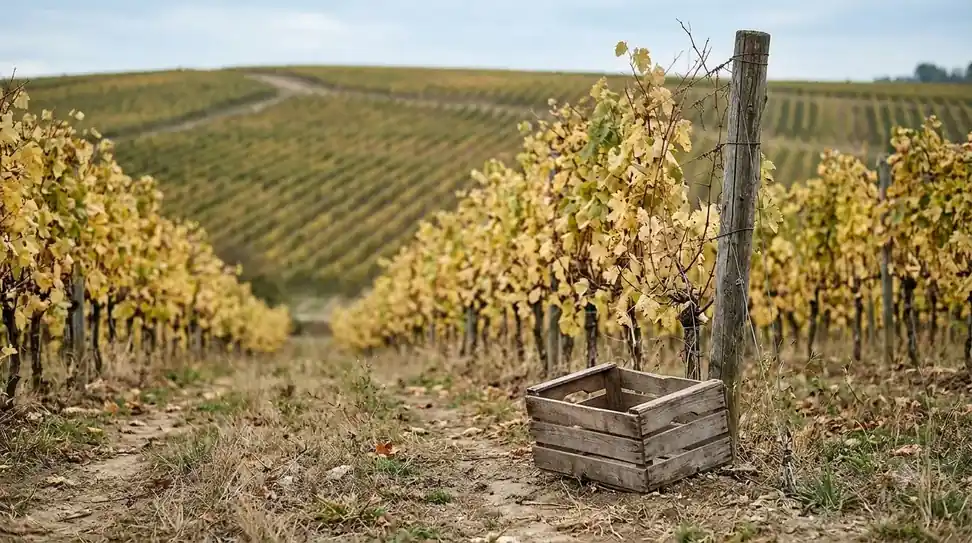
Weinbau is one of the best-documented vineyard properties in the appellation. Managed by Sagemoor Vineyards, it is located approximately 12 miles east of Mattawa and covers 460 acres of wine grapes. Its position provides views of the Rattlesnake Mountains to the south and the Saddle Mountains to the north.
The vineyard’s elevation ranges from approximately 710 to 950 feet. Its history began in 1981, when the original plantings included Chardonnay, Gewürztraminer, and Riesling. The planting program subsequently expanded to include numerous red varieties, reflecting demand from winery partners and experimentation with different grapes.
One particularly interesting feature is its Cabernet Franc planting. Sagemoor identifies Weinbau as having one of the largest Cabernet Franc plantings in Washington State. The property also grows Cabernet Sauvignon, Merlot, Syrah, Malbec, Grenache, and several Italian and Rhône varieties.
In 2009, Weinbau expanded by 100 acres. The new planting program incorporated revised row orientations and vineyard block layouts intended to reduce direct afternoon sunlight and minimize the risk of sunburn.
Its irrigation approach is another defining feature. Sagemoor reports using water from the Columbia Basin Irrigation Project, with drip irrigation and regulated deficit irrigation practices to manage vine water availability. Soil moisture monitoring helps vineyard managers adjust water applications according to changing conditions. Sagemoor’s Weinbau Vineyard profile provides further details about its planting history, soils, irrigation practices, and grape varieties.
Mattawa 400 Vineyard
Shaw Vineyards documents Mattawa 400 as a 346-acre property with elevations ranging from approximately 809 to 936 feet. Its soil profile includes Burbank fine sand loam, Kennewick silt loam, Royal sand loam, and Timmerman sand loam.
The vineyard grows Cabernet Sauvignon, Merlot, Pinot Gris, and Riesling. This combination makes it a useful example of how the appellation can support both structured red varieties and aromatic white grapes within the same property.
Mattawa 13 and Mattawa 8
Mattawa 13 covers 135 acres and is planted with Cabernet Sauvignon. Its elevation ranges from approximately 859 to 935 feet, and its documented soil types include Kennewick silt loam, Taunton silt loam, and the Finley-Taunton complex.
Mattawa 8 is a smaller 68-acre vineyard located between approximately 796 and 841 feet. Its soils include Adkins fine sand loam, Kennewick sand loam, and Taunton silt loam. Cabernet Franc and Merlot are the principal varieties documented at this property.
These individual sites demonstrate that vineyard identity involves more than an appellation name. Even relatively nearby properties can differ in soil composition, grape selection, and elevation, providing wineries with several options when sourcing fruit.
For further background on another distinctive growing region outside North America, readers can compare these Washington properties with Tasmania vineyards, where different climatic conditions and regional geography create another approach to cool-climate viticulture.
Wine Styles, Flavor Profiles, and Food Pairings
Wines made from Wahluke Slope grapes frequently emphasize ripe fruit, substantial structure, and a relatively generous texture. Cabernet Sauvignon, Merlot, and Syrah are particularly useful starting points for consumers interested in the appellation’s warm-climate red wine identity.
Cabernet Sauvignon from the region can offer blackberry, blackcurrant, dark cherry, and sometimes cedar or spice. Its high tannin level makes it a natural partner for dishes containing protein and fat, which help soften the wine’s drying sensation.
Grilled beef, roasted lamb, and slow-cooked short ribs are practical food matches. The richness of the meat balances the wine’s structure, while herbs, black pepper, and roasted vegetables can complement its savory characteristics.
Merlot offers a softer alternative. Its medium tannin structure and plum-driven fruit make it suitable for roast chicken with mushrooms, grilled pork, and moderately rich pasta dishes. It can also be a comfortable introduction to the region for drinkers who find heavily structured Cabernet Sauvignon too demanding.
Syrah works well with grilled lamb, smoked meats, and dishes featuring black pepper or roasted herbs. Its savory notes can complement strongly flavored food, although very hot chili dishes may exaggerate the sensation of alcohol and tannin.
White wines deserve attention too. Chardonnay can accompany roast chicken, seafood with creamy sauces, and grilled vegetables. Riesling and Pinot Gris can work with lighter dishes, fresh herbs, and foods that benefit from acidity.
When selecting a wine, consider the relationship between the food’s intensity and the wine’s structure. High-tannin Cabernet Sauvignon generally works better with fatty or protein-rich food than with delicate fish. Oily fish can clash with tannic reds, while lighter whites provide a more suitable alternative.
Serving temperature also changes how these wines perform at the table. Full-bodied reds are generally best served around 60 to 65 degrees Fahrenheit rather than at a warm room temperature. Light-bodied reds are better around 55 to 60 degrees Fahrenheit, while full-bodied Chardonnay is generally served at 50 to 55 degrees Fahrenheit.
For a more detailed exploration of the region’s wines, the Wahluke Slope wine overview offers a useful companion perspective on the appellation’s grape varieties and wine styles.
Vineyard Management and What Makes the Region Distinctive
Wahluke Slope’s dry climate and deep soils make vineyard management particularly dependent on irrigation, canopy decisions, and careful monitoring of grape development. These practices help growers work with the region’s abundant sunshine while controlling vine vigor and fruit exposure.
Unlike regions where regular rainfall provides much of the growing season’s water, Wahluke Slope requires deliberate water management. Drip irrigation allows vineyard teams to deliver measured amounts of water near the vines’ root systems. This can be adjusted according to soil moisture, weather patterns, and the development stage of the grapes.
Regulated deficit irrigation is one technique documented at Weinbau Vineyard. It involves carefully managing water availability rather than supplying unrestricted water throughout the season. The objective is to influence vine growth and maintain an appropriate balance between leaves, shoots, and fruit.
Canopy management is equally important. In a sunny environment, excessive fruit exposure can lead to sunburn, while insufficient exposure can limit desirable ripening. The row orientation changes introduced during Weinbau’s 2009 expansion demonstrate how vineyard layout can be used to moderate direct afternoon sunlight.
Growers also need to consider harvest timing. Cabernet Sauvignon, Merlot, and Syrah do not necessarily reach their ideal picking conditions simultaneously. Differences in berry maturity, seed development, acidity, and flavor concentration can influence the final harvest decision.
Another distinctive feature is the relationship between Wahluke Slope and the wider Washington wine industry. The appellation is important not only for wineries operating nearby but also for producers elsewhere in Columbia Valley who source grapes from its vineyards. This makes the area an agricultural resource as well as a recognizable wine-growing identity.
The relatively small number of winery facilities within a grape-growing region should not be confused with a lack of winemaking importance. Vineyard production and winery locations are separate aspects of the wine industry. Grapes can travel from a vineyard property to a winery in another Washington appellation before being fermented, aged, and bottled.
For consumers, this means that a wine carrying the Wahluke Slope designation does not necessarily come from a winery physically located on the slope. The appellation identifies the origin of the grapes, providing geographical information about where the fruit was grown.
This distinction also helps explain why the same vineyard can contribute grapes to several different producers. Each winery may make different decisions about fermentation vessels, oak aging, blending, and bottling, producing wines with distinct personalities despite sharing a vineyard origin.
Comparing Wahluke Slope with another southern hemisphere growing region can also be informative. For example, Uruguay vineyards offer a contrasting perspective on viticulture, with different maritime influences, regional grape selections, and growing conditions.
Frequently Asked Questions
Is Wahluke Slope a separate wine appellation?
Yes. Wahluke Slope is a federally recognized American Viticultural Area, established in 2006. Its geographical boundaries are contained within the larger Columbia Valley AVA, allowing qualifying wines to identify the more specific growing region on their labels.
Can Wahluke Slope wines carry a Columbia Valley designation?
Yes. Wahluke Slope is geographically part of Columbia Valley, so wines may use the broader regional designation when they meet the applicable labeling requirements. The more specific Wahluke Slope designation provides consumers with additional information about grape origin.
Are there old grapevines in Wahluke Slope?
Weinbau provides an established example of the appellation’s vineyard history, with its original plantings dating to 1981. This makes it a particularly interesting property for consumers interested in the development of Washington viticulture and the evolution of grape selections over multiple decades.
Does Wahluke Slope produce blended wines?
Yes. The availability of Cabernet Sauvignon, Merlot, Cabernet Franc, Syrah, Malbec, and other varieties provides opportunities for multi-grape blends. Producers can combine varieties to adjust fruit expression, tannin structure, aromatic complexity, and the overall balance of a finished wine.
Is Wahluke Slope suitable for organic grape growing?
The region’s low rainfall can reduce some moisture-related vineyard disease pressures, but dry conditions alone do not establish organic certification. Organic production also involves specific requirements concerning vineyard inputs, soil management, pest control, and certification procedures.
Wahluke Slope has earned its place among Washington’s important wine-growing regions through a distinctive combination of warm sunshine, deep sandy soils, controlled irrigation, and established vineyard properties. Cabernet Sauvignon, Merlot, and Syrah remain essential varieties, while Chardonnay, Riesling, Cabernet Franc, and other grapes demonstrate the appellation’s wider potential. For anyone exploring American wine regions, its vineyards provide a compelling example of how geography and thoughtful farming shape the character of a wine.
More in Wine Regions
 Willcox Wine Trail: Discover Arizona’s High-Elevation Wine CountryUpdated Nov 20, 2026
 Yakima Valley Wine Region: Find the Best Styles to TryUpdated Nov 20, 2026
 Vosne Romanee Wine Tasting: Identify Aromas and Choose Better PairingsUpdated Nov 20, 2026
 Yakima Valley Wine Festival: Find the Best Seasonal Wine EventsUpdated Nov 20, 2026
 Wales Vineyards: Discover Cool-Climate Wines and Where to VisitUpdated Nov 20, 2026
 Yountville Wine Festival: Discover Napa Wines and Local FoodUpdated Nov 20, 2026