

We may earn a commission when you buy through links on this page, at no extra cost to you. Learn more.
The waiheke island wine trail is a collection of vineyard tasting rooms, wineries, and restaurants on Waiheke Island, New Zealand, about 35 to 45 minutes by ferry from downtown Auckland. The island is particularly known for Syrah and Bordeaux-style red blends, alongside Chardonnay, Pinot Gris, and other aromatic whites. Visitors can explore established cellar doors such as Cable Bay, Stonyridge, and Mudbrick, combining wine tastings with island scenery, local food, and coastal views. A guided tour or a carefully planned independent itinerary makes it possible to experience several wineries in one day.
Waiheke offers a distinctive alternative to a conventional city wine tour. Its vineyards occupy rolling hills and sheltered coastal slopes overlooking the Hauraki Gulf, and the relatively compact growing region contains a surprising variety of producers and wine styles. Whether you have one afternoon or an entire weekend, understanding the island’s geography, signature grapes, and transport options will help you plan a more rewarding visit.
What Makes the Waiheke Island Wine Trail Special?
Waiheke combines a small-scale wine industry with a maritime growing environment and an unusually diverse selection of cellar-door experiences. Its appeal comes from the relationship between individual vineyard sites, distinctive red wines, and restaurants that make tasting stops into complete visits.
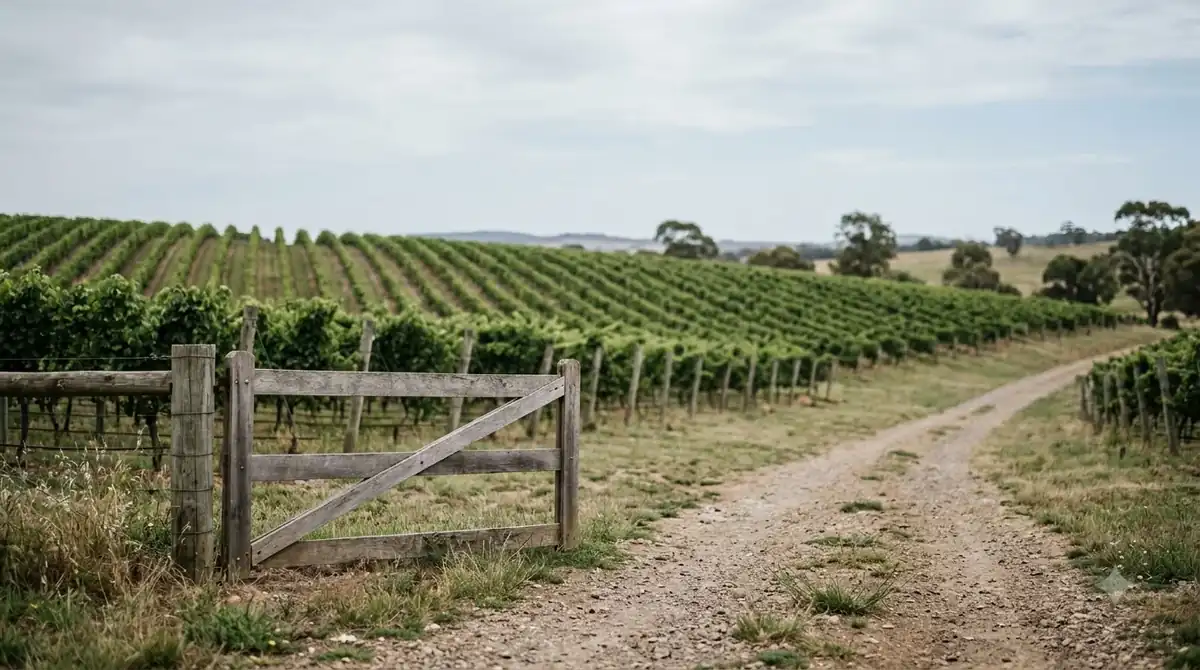
Located in the Hauraki Gulf, east of Auckland, Waiheke Island belongs to the Auckland wine region of New Zealand. It is a relatively small producer compared with the country’s major wine-growing areas. According to the Waiheke Winegrowers Association, the island has approximately 216 hectares of planted vineyards spread across 30 growers. That limited production helps explain why the region has developed a reputation for boutique wines rather than large-scale commercial output.
The island’s maritime climate is one of its defining characteristics. The surrounding ocean moderates summer temperatures, while sea breezes help prevent excessive daytime heat. The water also reduces nighttime temperature fluctuations. These conditions create a growing season that can resemble those of warmer wine regions without the same temperature extremes.
Autumn is particularly important. Moderate temperatures continue into March and April, giving later-ripening varieties additional time to develop. This extended period can benefit grapes used in structured red blends, including Cabernet Sauvignon and Merlot. Individual vineyard locations still matter considerably: a sheltered, north-facing slope may experience different sunlight, wind exposure, and soil moisture from a nearby exposed ridge.
Soils add another layer of variation. Much of the island is underlain by weathered argillite, a sedimentary rock that contributes clay-rich material to vineyard soils. Windblown silt also occurs across parts of the island, while richer alluvial deposits can be found in some gullies. Around Stony Batter, volcanic ash creates a further contrast. These differences help explain why wines from separate vineyard sites can express different textures and fruit profiles even when they use the same grape variety.
The experience extends beyond the wines themselves. Tourism Waiheke identifies at least 20 tasting-room and cellar-door operations, many with full restaurants. Visitors can spend the morning sampling Syrah, enjoy lunch overlooking the gulf, and finish the afternoon with another tasting or a coastal walk. The island is consequently suitable for both serious wine enthusiasts and travelers looking for a relaxed day trip.
For a wider understanding of the country’s wine geography, explore our Wine Regions overview. It provides useful context for comparing Waiheke with other New Zealand growing areas and international wine destinations.
Which Wines Should You Taste on Waiheke Island?
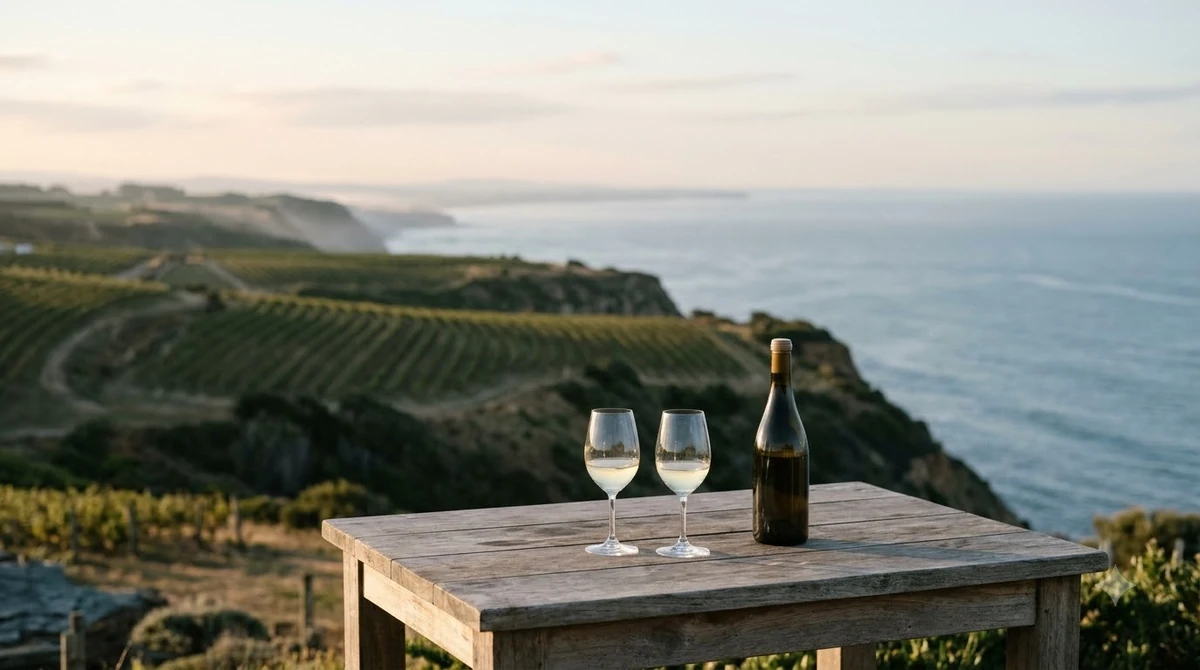
Syrah and Bordeaux-style red blends are the essential starting points for understanding Waiheke wine. However, Chardonnay, Sauvignon Blanc, Pinot Gris, and Viognier also deserve attention, particularly if you want to compare how the island’s maritime conditions influence different grape varieties.
The Waiheke Winegrowers Association describes the region as predominantly red-wine producing. Its production figures indicate that red varieties account for approximately 57% of the island’s wine production. Merlot represents about 19%, Syrah 18%, and Chardonnay 16%. Sauvignon Blanc accounts for approximately 12%, while Pinot Gris represents around 10%.
| Grape or category | Approximate share | What to look for |
|---|---|---|
| Merlot | 19% | Plum, soft texture, moderate tannin |
| Syrah | 18% | Dark fruit, pepper, floral and savory notes |
| Chardonnay | 16% | Citrus, orchard fruit, fresh acidity |
| Sauvignon Blanc | 12% | Citrus, herbs, crisp acidity |
| Pinot Gris | 10% | Pear, stone fruit, rounded texture |
| Other varieties | 25% | Cabernet Sauvignon, Malbec, Viognier and others |
Syrah is arguably the most distinctive wine to seek out. Waiheke producers often favor a style with floral aromas, peppery spice, and concentrated dark fruit rather than simply emphasizing weight and alcohol. The Waiheke Winegrowers Association compares the island’s Syrah with northern Rhône expressions, particularly for its subtle and elegant aromatic character. New Zealand Wine also highlights the variety’s intensity and pure fruit expression.
Try tasting two Syrahs from different producers side by side. Notice whether one emphasizes violet, black pepper, and savory notes while another leans toward blackberry, plum, or richer fruit. Differences in vineyard exposure, soil, harvest decisions, and winemaking can all contribute to the variation.
Bordeaux-style blends are another important part of the island’s identity. These wines typically combine Cabernet Sauvignon, Merlot, and sometimes Cabernet Franc, Malbec, or Petit Verdot. Cabernet Sauvignon contributes tannin and structure, while Merlot generally adds softer texture and plum-like fruit. The resulting wines can be substantial enough for grilled beef, lamb, and other rich dishes.
White wine drinkers should not overlook Chardonnay. Waiheke Chardonnay can range from fresh, citrus-driven expressions to fuller wines with oak influence and a more rounded texture. Sauvignon Blanc offers a contrasting option with pronounced acidity, while Pinot Gris can provide a softer, fruitier alternative. Viognier is particularly interesting for visitors who enjoy aromatic whites with floral and stone-fruit characteristics.
A useful tasting strategy is to sample one Syrah, one red blend, one Chardonnay, and one aromatic white. This four-wine comparison gives a practical overview of the region without making every stop feel repetitive. You can then focus subsequent tastings on the styles you find most distinctive.
For more background on individual producers and their wines, the Waiheke Winegrowers Association’s wine directory provides a useful overview of the varieties associated with participating vineyards.
Best Wineries to Include on Your Waiheke Route
A first visit is easiest to organize around a few established cellar doors rather than trying to visit every winery. Cable Bay, Batch, Stonyridge, and Mudbrick make a practical introduction because they feature in an Auckland tourism wine-tasting itinerary and offer different settings for enjoying the island.
Cable Bay Vineyards
Cable Bay is a useful opening stop for visitors arriving from Auckland. Its location and hospitality offering make it a natural introduction to Waiheke wine, particularly for travelers who want to combine a tasting with a meal or a scenic break. The winery also presents wines associated with more than one New Zealand growing region, so visitors can compare Waiheke expressions with wines from elsewhere.
For a first tasting, consider beginning with a local red or white and asking how its fruit profile differs from wines produced in other parts of New Zealand. This provides context before moving deeper into the island’s distinctive red varieties.
Batch Winery
Batch Winery is identified by Auckland tourism as Waiheke’s highest vineyard. Its elevated position offers panoramic views of the Hauraki Gulf, making it a particularly appealing lunch destination. It is a good choice for travelers who want to slow down between tasting appointments rather than rush from one cellar door to another.
Allow enough time to enjoy the landscape and food. A proper lunch also provides a useful break during a day of wine tasting, particularly if you plan to sample several red wines later in the afternoon.
Stonyridge Vineyard
Stonyridge is one of the island’s recognizable wine destinations and is associated with structured red blends. Its vineyard setting, surrounded by olive trees and vines, provides a different atmosphere from a modern tasting room or elevated restaurant terrace.
Consider asking for a Cabernet-based blend if available. The contrast between Cabernet Sauvignon’s firmer tannins and Merlot’s softer texture helps explain why Bordeaux-inspired blends are an important part of Waiheke’s reputation.
Mudbrick Vineyard
Mudbrick is another prominent stop, known for its vineyard hospitality, restaurant experience, and scenic outlook. It works particularly well as an afternoon destination when visitors want to finish the day with a relaxed tasting rather than squeezing in another hurried appointment.
Try comparing its red and white offerings before deciding which style best represents your preferences. If the tasting list includes Syrah, compare its peppery and savory character with a Cabernet-based blend.
Other wineries worth researching include Man O’ War, Tantalus Estate, Te Motu, Passage Rock, Goldie Estate, Obsidian, and Poderi Crisci. Their inclusion will depend on your location, preferred wine styles, opening arrangements, and available transport. The island’s producer directory is particularly helpful when building an itinerary around a specific grape variety.
How to Get to Waiheke and Travel Between Wineries
The simplest way to reach the island is by passenger ferry from downtown Auckland to Matiatia Wharf. The crossing generally takes approximately 35 to 45 minutes, and visitors can continue their wine tour using an organized operator, taxi, or suitable local transport.
Ferries connect Auckland with Waiheke across the Hauraki Gulf. The main passenger arrival point is Matiatia Wharf, which provides access to island transport and organized wine tours. Ferry operators and departure arrangements can vary, so confirm the current timetable and ticket conditions before choosing winery appointments.
Travel time between individual wineries should not be underestimated. Although the island has a relatively compact wine industry, vineyards are spread across different areas, and roads can be winding. A journey that looks short on a map may take longer than expected, especially during busy visitor periods.
Organized wine tours
Guided tours are generally the most convenient option for visitors who want to sample multiple wineries without organizing every transfer. Some operators collect guests at the ferry terminal, coordinate cellar-door appointments, and arrange the order of stops.
Auckland tourism provides an illustrative itinerary that begins with a 10:00 AM departure from Auckland. Guests meet their guide at Matiatia Wharf at 10:40 AM, visit Cable Bay at 11:00 AM, stop for lunch at Batch at noon, visit Stonyridge at 2:00 PM, and finish at Mudbrick at 3:00 PM.
This schedule demonstrates how four well-known destinations can fit into a structured day, although actual availability and tour arrangements vary. It also provides a helpful framework for anyone planning an independent trip.
Taxis and independent transport
Visitors who prefer flexibility can arrange taxis or other local transfers between wineries. This approach makes it easier to spend longer at a favorite cellar door or substitute a winery that specializes in a preferred grape variety.
Electric bicycles are another possibility for confident cyclists, particularly for shorter routes and visitors interested in exploring the island beyond its tasting rooms. However, hills, road conditions, weather, and the distance between destinations need careful consideration. Cycling should be planned as transportation between stops, not as a way to travel after drinking.
Tip: Book your ferry and transport before confirming several winery appointments. Choose one area of the island as the focus for each part of the day, allow extra time between destinations, and arrange a designated driver or professional transport rather than driving after tastings.
For practical planning, consult the Waiheke Winegrowers Association’s transport information. It identifies ferry services, wine-tour operators, taxis, and electric-bike options for visitors.
How to Plan a One-Day Waiheke Wine Itinerary
A well-planned day on Waiheke generally works best with three or four winery experiences, a substantial lunch, and enough time to return to the ferry terminal. The objective should be to compare wines and enjoy the island rather than collect as many tasting-room visits as possible.
Start by choosing the ferry departure that gives you a comfortable arrival time. If you want a morning tasting, allow time to reach the terminal, board, cross the gulf, and meet your transport at Matiatia. Avoid scheduling your first appointment immediately after the expected ferry arrival, since even a small delay can disrupt the rest of the day.
A practical itinerary could follow this structure:
- 10:00 AM: Depart downtown Auckland by ferry.
- 10:40 AM: Arrive at Matiatia Wharf and meet your driver or tour guide.
- 11:00 AM: Visit Cable Bay for an introductory tasting.
- 12:00 PM: Enjoy lunch at Batch Winery.
- 2:00 PM: Visit Stonyridge and focus on red blends.
- 3:00 PM: Finish with a tasting at Mudbrick.
- Late afternoon: Return to the ferry terminal with sufficient time for departure.
This sequence follows the example published by Auckland tourism, rather than suggesting that every visitor can automatically obtain the same appointments. Confirm tasting availability, meal reservations, transfer arrangements, and ferry times independently before setting out.
If you have more than one day, a slower approach can be even more rewarding. Divide the island into separate excursions and concentrate on wineries that are geographically convenient to one another. This reduces unnecessary travel and gives you more time to discuss individual wines with cellar-door staff.
For a two-day visit, the first day could concentrate on Cable Bay, Stonyridge, and Mudbrick, while the second could explore producers such as Man O’ War, Passage Rock, or Poderi Crisci, depending on opening arrangements and your transport. This is a suggested framework, not a fixed route, and individual winery availability should determine the final order.
It is also helpful to reserve time for activities outside the vineyard. Waiheke has beaches, scenic walking opportunities, local food businesses, and an art scene. The Ostend Market, for example, is identified by Auckland tourism as a Saturday destination operating from 8:00 AM to 1:00 PM. A visit can complement a wine-focused itinerary, provided it does not conflict with your ferry and tasting appointments.
Visitors attending a special island event may also want to investigate the Waiheke Island Wine Festival. Festival experiences can provide a different perspective from visiting individual cellar doors, particularly for travelers interested in sampling wines from several local producers in one setting.
Food Pairings and Practical Wine-Tasting Tips
Food is an important part of a successful Waiheke visit, especially when your itinerary includes several red wines. Match the intensity of the dish with the wine, use food to balance tannin and acidity, and allow enough time between tastings to appreciate differences in aroma and texture.
For Syrah, grilled lamb, roasted mushrooms, herb-seasoned beef, and dishes with black pepper are natural choices. Syrah generally has medium-plus to high tannin, along with dark fruit and savory spice. Protein and fat in the food can soften the sensation of tannin, making richer dishes particularly suitable.
Bordeaux-style blends also work well with red meat. A Cabernet Sauvignon-led wine can have substantial tannin and structure, so try it with grilled steak, slow-cooked beef, or lamb shoulder. Merlot-dominant blends are usually softer and can be more flexible with roast poultry, tomato-based dishes, and moderately rich cheeses.
Chardonnay is a useful match for seafood, roast chicken, creamy vegetable dishes, and grilled fish. Its acidity and texture vary according to winemaking style, so a fresher version can complement oysters and lighter seafood, while a fuller oak-influenced example may suit richer dishes.
Sauvignon Blanc and Pinot Gris provide alternatives for lighter meals. Sauvignon Blanc’s high acidity works particularly well with citrus-seasoned seafood, salads, and goat cheese. Pinot Gris, with its pear and stone-fruit character, can complement lightly spiced dishes, roasted vegetables, and seafood preparations that have a little more richness.
When selecting food, remember three basic pairing principles. Salt and fat soften the impression of tannin, so a rich lamb dish can make a structured red wine feel more balanced. Acidic foods need wines with equal or higher acidity, which is why Sauvignon Blanc often works well with lemon-seasoned seafood. Chili heat can feel stronger alongside wines with considerable alcohol and tannin, so very spicy dishes are generally easier to pair with fruit-forward, lower-tannin wines.
Serving temperatures and tasting portions
Temperature influences how wine smells and feels on the palate. Light whites and rosé are best served around 45 to 50 degrees Fahrenheit, while fuller-bodied whites are generally more expressive around 50 to 55 degrees. Light reds benefit from approximately 55 to 60 degrees, and fuller reds are often best around 60 to 65 degrees.
For a multi-winery day, tasting pours are preferable to full glasses. A standard wine pour is approximately 5 ounces, and a 750-milliliter bottle contains about five such servings. Professional tasting rooms may offer smaller samples, allowing visitors to compare several wines without committing to a full glass at every stop.
Take brief notes after each tasting. Record the producer, grape variety, aroma, acidity, tannin, and the style you preferred. For example, you might write that one Syrah was floral and peppery while another was darker, fuller, and more concentrated. These observations are more useful than simply remembering which winery had the most impressive setting.
Finally, consider purchasing a bottle only after you have completed your comparisons. A favorite wine can make a meaningful souvenir, particularly when it comes from a small island producer whose wines may be difficult to find elsewhere. Ask about shipping arrangements if you are traveling internationally, and plan any purchases around the practical requirements of transporting wine.
Frequently Asked Questions
Is Waiheke Island part of the Auckland wine region?
Yes. Waiheke is one of three distinctive subregions identified within Auckland’s wine region, alongside West Auckland and Matakana. Its warm maritime conditions and established red-wine production give it a separate identity within the larger regional classification.
What is the best season to visit Waiheke wineries?
Late summer and early autumn are particularly attractive periods for vineyard visits, with March and April also important for grape ripening. Spring offers another appealing option, especially for visitors interested in greener vineyard landscapes and a quieter atmosphere outside the busiest summer travel period.
Are Waiheke wines available outside New Zealand?
Some island wines reach overseas markets, but availability varies significantly by producer and vintage. Waiheke’s relatively small planted area and approximately 30 growers mean that certain bottles have limited distribution. Specialist New Zealand wine merchants and direct winery enquiries are useful starting points for locating particular producers.
Does Waiheke produce organic wine?
Some island producers emphasize organic or sustainable vineyard practices, but these terms are not interchangeable. Organic certification involves defined production requirements, while sustainability can cover broader environmental and operational practices. Visitors interested in certified organic wine should ask individual producers about their certification and vineyard management.
Can visitors buy wine directly from Waiheke wineries?
Many cellar doors provide opportunities to purchase wines directly from their producers. Some also offer wine clubs, special releases, or arrangements for shipping purchases. Availability depends on the winery, the particular vintage, and destination shipping regulations, so international visitors should confirm these details before purchasing.
The Waiheke Island wine trail offers an appealing combination of distinctive New Zealand wines, boutique vineyards, and beautiful Hauraki Gulf scenery. Start with Syrah and Bordeaux-style blends, include a Chardonnay or Sauvignon Blanc tasting, and organize your transport before making appointments. With three or four well-chosen winery stops and time for a relaxed meal, a single day can provide a memorable introduction to one of New Zealand’s most distinctive island wine regions.
More in Wine Regions
 Willcox Wine Trail: Discover Arizona’s High-Elevation Wine CountryUpdated Nov 20, 2026
 Yakima Valley Wine Region: Find the Best Styles to TryUpdated Nov 20, 2026
 Vosne Romanee Wine Tasting: Identify Aromas and Choose Better PairingsUpdated Nov 20, 2026
 Yakima Valley Wine Festival: Find the Best Seasonal Wine EventsUpdated Nov 20, 2026
 Wales Vineyards: Discover Cool-Climate Wines and Where to VisitUpdated Nov 20, 2026
 Yountville Wine Festival: Discover Napa Wines and Local FoodUpdated Nov 20, 2026