

We may earn a commission when you buy through links on this page, at no extra cost to you. Learn more.
Villany wine tasting introduces visitors to the powerful, full-bodied red wines of southern Hungary, especially Cabernet Franc, known locally as Villányi Franc. Located in Hungary’s Pannon wine region, Villány combines a warm growing climate, varied soils, traditional cellar villages, and ambitious modern wineries. Visitors can explore single-varietal Cabernet Franc, Bordeaux-style blends, traditional Portugieser, and other regional specialties while discovering one of Central Europe’s most distinctive red-wine destinations.
Villány offers a different perspective on Hungarian wine than the country’s internationally recognized sweet wines from Tokaj. Here, the emphasis is on ripe red grapes, structured wines, and the character of individual vineyards. The experience extends beyond the glass: historic whitewashed cellars, Swabian cultural influences, regional cooking, and vineyard landscapes all contribute to the area’s appeal. Whether you are planning a dedicated wine trip or adding a tasting to a southern Hungary itinerary, understanding the region’s grapes and wine styles will help you make better choices.
Where Villány Is and What Makes Its Wine Region Special
Villány is in Baranya County in southern Hungary, near the Croatian border, and forms part of the larger Pannon wine region. Its relatively warm conditions encourage the production of ripe, concentrated red wines, making it an appealing destination for visitors who enjoy Cabernet Franc, Merlot, and Cabernet Sauvignon.
The wider Pannon wine region includes four principal wine-growing districts: Villány, Pécs, Szekszárd, and Tolna. Villány has a particularly strong reputation for red wine, while neighboring districts offer different combinations of red, white, and rosé styles. The Hungarian Wine regional atlas describes Villány as a warm southern district closely associated with full-flavored reds. This distinction is useful when comparing it with cooler Hungarian wine areas that specialize in fresher white wines.
Climate is an important part of the region’s identity. The Pannon region has a continental climate influenced by Mediterranean conditions from the south. According to the European Union’s geographical description of the Pannon wine region, average annual temperatures range from 10 to 12 degrees Celsius, and annual sunshine exceeds 2,000 hours. These figures describe the broader wine region rather than an individual Villány vineyard, but they help explain the conditions that support ripe grapes.
Soils also contribute to differences between vineyards. The surrounding landscape contains limestone, loess, loam, and clay-rich hillside soils. These materials influence drainage, water availability, and growing conditions, helping producers create wines with different textures and expressions even when they use the same grape variety.
Villány’s reputation has developed through a combination of established traditions and more recent investment in quality-focused winemaking. Producers work with international varieties familiar to Cabernet Sauvignon and Bordeaux lovers, but they also maintain a connection to local Hungarian grapes and historic vineyard practices.
For travelers comparing international destinations, Villány is particularly interesting because its identity is strongly associated with a specific red grape. The experience differs from Bolgheri wine tasting, where Italian coastal conditions and Tuscan varieties shape a different interpretation of Bordeaux-style reds. Villány provides an opportunity to see how a similar international grape can develop its own regional identity in Hungary.
Cabernet Franc and the Signature Villányi Franc Style
Cabernet Franc is the most important grape to understand before attending a Villány tasting. The variety has become the region’s defining red grape, producing wines that combine ripe fruit, substantial structure, and the character of southern Hungary’s growing conditions.
Cabernet Franc has a long international history. It is widely planted in France’s Loire Valley and Bordeaux, where it can appear as a single-varietal wine or as part of a blend. In Villány, however, producers have increasingly emphasized its potential as a standalone wine. The name Villányi Franc identifies this regional expression and helps distinguish the wines within Hungary’s broader wine landscape.
During the mid-1990s, many local producers concentrated on oak-influenced Bordeaux-style blends made from Cabernet Franc, Cabernet Sauvignon, and Merlot. Later experimentation helped establish Cabernet Franc as a leading variety in its own right. This development gave Villány a clearer identity and created an obvious starting point for visitors exploring the area’s wineries.
What to expect in the glass
Villány Cabernet Franc commonly offers aromas and flavors associated with dark cherries, blackberries, plums, herbs, and spices. Depending on the producer, vineyard, harvest conditions, and aging choices, the wine may also show cedar, tobacco, vanilla, or other oak-related notes.
The structure is an important part of the experience. Cabernet Franc generally has medium-to-high tannin and useful acidity, while warmer growing conditions can contribute ripe fruit and a fuller impression on the palate. Some examples emphasize freshness and savory character, while more concentrated versions are richer and more firmly structured.
Oak aging can change the overall impression. Wines aged in barrels may develop additional spice, toasted wood, and vanilla characteristics. However, not every Villány Cabernet Franc is intended to taste heavily oaked. Comparing a younger wine with a barrel-aged example during the same tasting is a useful way to understand the producer’s approach.
Understanding the Villányi Franc designation
Villányi Franc is more than a reference to the grape’s international name. It is a regional identity that highlights the area’s commitment to Cabernet Franc. When tasting, compare wines from different producers rather than assuming every bottle will have an identical profile.
Ask about the vineyard source, fermentation approach, and time spent aging in oak. These details can explain why two wines made from the same grape have different levels of fruit intensity, freshness, tannin, and complexity.
Tip: Start a tasting with a younger Cabernet Franc before moving to a more concentrated, barrel-aged Villányi Franc. Comparing the two makes it easier to recognize how oak, ripeness, and winemaking influence the finished wine.
Other Grapes and Wines to Taste in Villány
Cabernet Franc deserves the most attention, but a good Villány tasting should include several other grapes. Portugieser, Kékfrankos, Merlot, Cabernet Sauvignon, and Syrah provide useful comparisons and show how local producers balance regional tradition with international influences.
Portugieser is one of the area’s traditional varieties. It has a particularly strong historical connection with the Swabian settlers who arrived during the 18th century. They helped establish the region’s cellar culture and introduced Portugieser, which remains part of Villány’s wine identity.
Compared with a structured Cabernet Franc, Portugieser is generally an easier-drinking red. Its fruit profile can include fresh red berries and cherries, with a softer structure and less pronounced tannin. It is a useful wine to taste early in a flight because it provides a contrast with the more powerful reds that often follow.
Kékfrankos, also known internationally as Blaufränkisch, offers another important comparison. It can produce wines with vibrant dark fruit, spice, freshness, and moderate-to-firm structure. Depending on the vineyard and production method, it may feel more energetic and less oak-driven than a premium Cabernet Franc.
Merlot and Cabernet Sauvignon are particularly important in traditional Bordeaux-style blends. Merlot generally contributes softer tannins, rounded fruit, and a smoother texture. Cabernet Sauvignon contributes firmer tannin, darker fruit, and additional structure. When blended with Cabernet Franc, the varieties can create a wine with several layers of flavor and a balanced overall profile.
Syrah is another variety worth looking for. It can introduce darker fruit, pepper, and savory characteristics, making it an interesting alternative to the more familiar Bordeaux varieties. Its expression depends on the producer’s vineyard and cellar decisions.
White wines from neighboring Siklós
Although Villány is predominantly associated with red wine, the wider wine district is not limited to dark grapes. Neighboring Siklós is known for white varieties, including Olaszrizling and Hárslevelű. These wines can provide a refreshing change during a tasting itinerary focused mainly on reds.
Olaszrizling, known internationally as Welschriesling, can produce dry wines with citrus, orchard fruit, and moderate acidity. Hárslevelű is an aromatic Hungarian variety that can show floral notes, stone fruit, and a fuller texture depending on the winemaking style.
Visitors who usually prefer white wine should not assume that the entire region will be unsuitable. Ask whether a winery includes a Siklós white in its flight, or arrange a visit to a producer working with these varieties. Exploring both red and white styles provides a more complete picture of the area’s growing conditions.
The following comparison provides a practical starting point for planning a tasting.
| Grape or style | Typical character | What to look for |
|---|---|---|
| Cabernet Franc | Structured, medium-to-full-bodied | Dark fruit, herbs, balanced acidity |
| Cabernet Sauvignon | Full-bodied, high tannin | Blackcurrant, firm structure, oak |
| Merlot | Medium-bodied, softer tannin | Plum, cherry, rounded texture |
| Portugieser | Light-to-medium-bodied | Fresh red fruit, approachable texture |
| Kékfrankos | Medium-bodied, fresh acidity | Dark berries, spice, savory notes |
| Syrah | Medium-to-full-bodied | Black fruit, pepper, savory character |
| Olaszrizling | Dry white, moderate acidity | Citrus, orchard fruit, mineral notes |
| Hárslevelű | Aromatic white | Floral aromas, stone fruit, texture |
Traditional Cellars, Wineries, and Tasting Experiences
Villány’s wine culture is closely connected to its historic cellar buildings and family-owned producers. Visitors can choose between informal tastings in traditional cellar settings, organized winery appointments, and more comprehensive experiences that combine wine, food, and vineyard visits.
The traditional whitewashed cellars are among the region’s most recognizable architectural features. Their appearance reflects the influence of Swabian communities that helped establish the local wine culture. Many historic buildings remain connected to wine production, and some welcome visitors for tastings and conversations about local winemaking.
Walking through a cellar village is different from visiting a modern commercial tasting room. The buildings, surrounding vineyards, and cellar interiors provide a sense of how wine production developed in southern Hungary. Some cellars focus on traditional methods, while others combine historic architecture with contemporary equipment and hospitality.
What to expect from a winery visit
A typical organized tasting may include several wines, explanations of local grape varieties, and information about the vineyards and production process. Depending on the winery, visitors may also see fermentation spaces, barrel cellars, or bottle-aging areas.
Taste Hungary describes a full-day private experience that includes three winery visits, with six to eight wines at each location. The experience also includes a regional lunch, cheese, charcuterie, and transportation with a professional driver. It provides an example of how a more extensive wine itinerary can combine tasting with food and local culture. Details are available through Taste Hungary’s private Villány wine tour.
For visitors who prefer to organize their own visits, contacting wineries directly is sensible. Some producers concentrate on scheduled appointments rather than accepting spontaneous visitors. Ask about tasting duration, the number of wines, available languages, food arrangements, and whether vineyard or cellar access is included.
Traditional and contemporary producers
Villány has a mix of established wine estates, smaller family operations, and producers exploring different expressions of the region’s grapes. A varied itinerary should include more than one production style.
At one winery, the focus may be on concentrated Cabernet Franc and carefully managed barrel aging. Another may emphasize Portugieser, Kékfrankos, or lighter interpretations of local grapes. A third might concentrate on blends that combine Cabernet Franc with Merlot and Cabernet Sauvignon.
This variety is one of the strongest reasons to visit several producers. It prevents a tasting from becoming a repetitive sequence of similar wines and allows visitors to compare how individual winemakers interpret the same regional environment.
For another perspective on how historic buildings shape regional wine experiences, Alsace wine tasting provides an interesting comparison. Both destinations connect wine with local architecture and food traditions, although their grape varieties and dominant wine styles differ considerably.
How to Taste Villány Wines and Recognize Quality
A thoughtful tasting sequence makes it easier to recognize differences between Villány’s grapes, vineyard expressions, and aging methods. Begin with lighter wines, progress toward fuller reds, and compare wines made from the same variety whenever possible.
Start with any available white wines from Siklós or a lighter Portugieser. Move next to Kékfrankos and younger Cabernet Franc, then finish with fuller Cabernet Franc, Merlot-based blends, and concentrated Cabernet Sauvignon or Syrah. This progression helps preserve your ability to recognize subtle aromas and differences in structure.
Look, smell, and taste
Begin by examining the wine’s color. A younger Cabernet Franc may show a deep ruby or purple-red appearance, while an older bottle can develop garnet tones. Color alone does not establish quality, but it can provide clues about age and concentration.
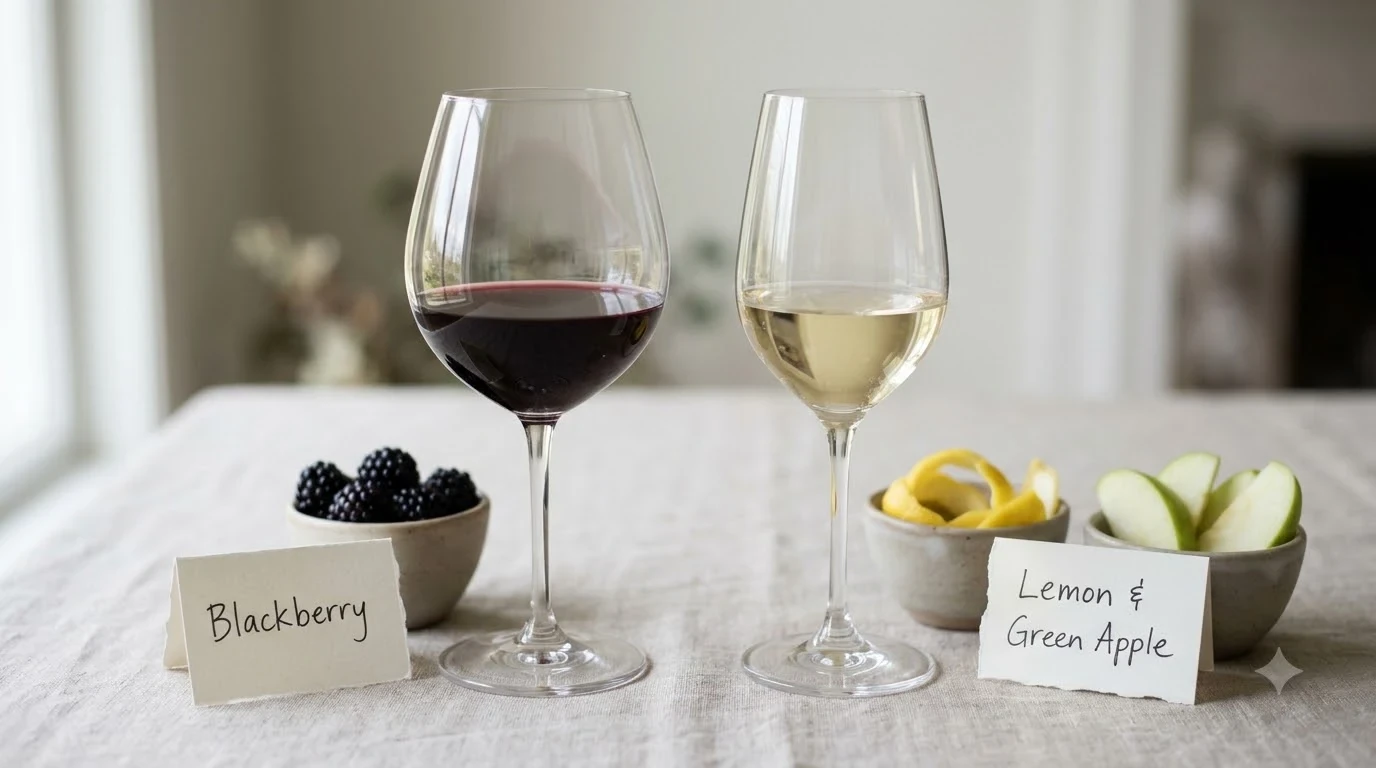
Next, smell the wine before tasting. Look for fruit aromas such as cherry, plum, blackberry, and blackcurrant. Then consider secondary and developed aromas, including herbs, spice, tobacco, cedar, and vanilla. Oak-related notes may be present, particularly in wines that have spent extended periods in barrels.
When tasting, pay attention to acidity, tannin, alcohol, body, and finish. Cabernet Franc should be assessed not simply for its intensity but for how its elements work together. A wine with noticeable tannin can still feel balanced if the fruit, acidity, and overall structure are well integrated.
Serving temperatures and glassware
Temperature can make a significant difference to the tasting experience. Full-bodied red wines are generally best served between 60 and 65 degrees Fahrenheit. Lighter reds are usually more enjoyable at 55 to 60 degrees Fahrenheit.
Very warm red wine can make alcohol feel more prominent and can exaggerate the impression of heaviness. Excessively cold red wine, on the other hand, can make tannin seem more aggressive and suppress aromatic expression. A short period of cooling before serving can help if a bottle has been stored in a warm room.
Use a reasonably large wine glass for Cabernet Franc and other structured reds. A wider bowl provides room for swirling and helps aromas collect above the wine. A standard tasting pour of approximately 5 ounces is suitable for a full glass, although professional tasting flights usually use smaller portions so that visitors can compare several wines comfortably.
Decanting and comparing vintages
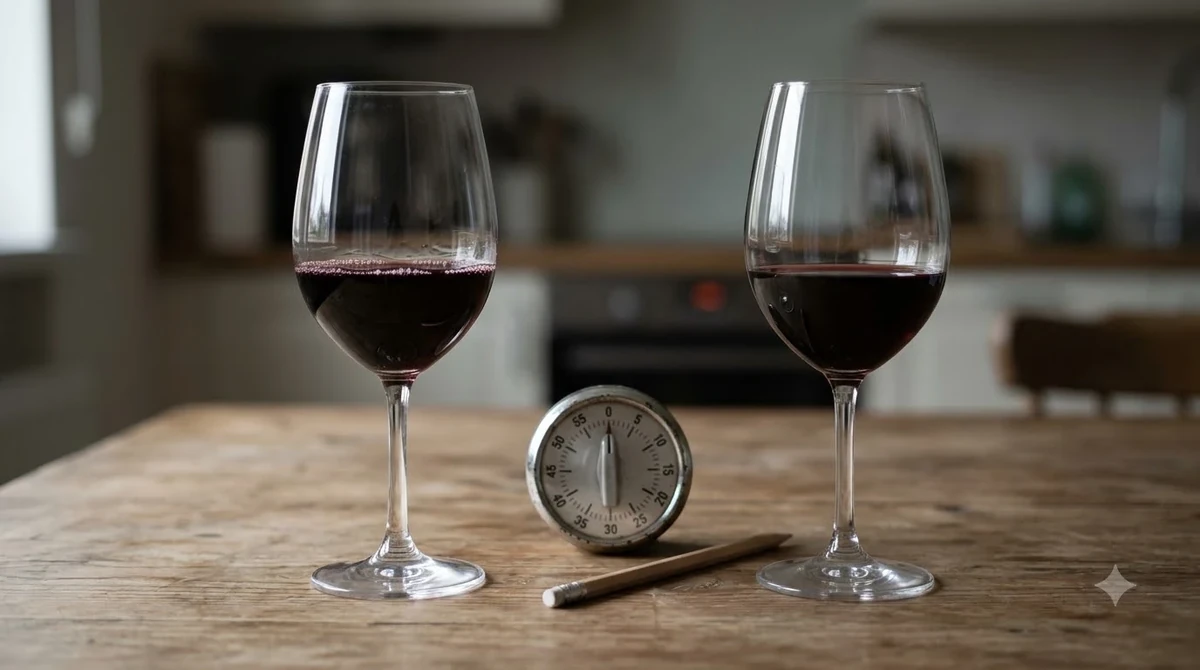
Young, full-bodied reds may benefit from 30 to 60 minutes of decanting. Exposure to air can help open their aromas and make the wine seem more expressive. However, decanting is not necessary for every bottle, especially lighter or older wines that may lose their freshness with excessive aeration.
If a winery offers two vintages of the same Cabernet Franc, taste them side by side. Compare fruit freshness, acidity, tannin, oak influence, and finish. The exercise can show how growing conditions and aging affect the finished wine.
Taking short notes is also useful. Record the grape, producer, vintage, aroma, structure, and overall impression. These observations make it easier to remember which wines you preferred after visiting several wineries.
Food Pairings and Local Dishes to Try
Food is an important part of Villány’s wine culture, and the region’s full-bodied reds are particularly well suited to substantial dishes. Grilled meats, roasted pork, beef, game, and richly flavored stews can complement Cabernet Franc and Bordeaux-style blends.
Cabernet Franc works well with roasted lamb, beef dishes, grilled sausages, and mushroom-based preparations. Its acidity helps refresh the palate, while its tannin and dark-fruit flavors can stand up to the savory intensity of roasted meat. Merlot-based blends are useful with dishes that have softer textures or slightly sweeter sauces.
Cabernet Sauvignon generally benefits from food with enough protein and richness to balance its firm tannins. Beef, lamb, and slow-cooked meat dishes are natural choices. Salt and fat can soften the perception of tannin, making a structured wine seem more approachable alongside a substantial meal.
Traditional Hungarian dishes
Regional cooking provides a natural opportunity to explore local wine pairings. The wider Villány-Siklós area is associated with hearty dishes such as cockerel stew, catfish stew, and other traditional preparations. These dishes offer different pairing possibilities depending on their ingredients, seasoning, and cooking method.
For a richly seasoned meat stew, try a mature Cabernet Franc or a Cabernet-based blend. The wine’s structure can complement the depth of the dish. A lighter Portugieser may be more suitable for less intensely flavored preparations, grilled pork, or simple sausages.
Catfish stew requires more attention to the specific preparation. A lighter red or a white wine from neighboring Siklós may work better than a heavily tannic Cabernet Sauvignon, particularly if the dish has a delicate fish character. Oily fish and strongly tannic reds are generally an uncomfortable combination.
Cheese, charcuterie, and lighter snacks
Cheese and charcuterie are practical companions for a winery tasting. Local cured meats and moderately aged cheeses can bring out the fruit and soften the tannin in Cabernet Franc. Hard cheeses are particularly useful with structured red wines, while milder cheeses may be better with Portugieser.
Consider the intensity of the wine when selecting food. A powerful, oak-aged red can overwhelm delicate appetizers, while a lighter red may disappear beside strongly seasoned meat. Pairing similar levels of intensity generally produces a more balanced experience.
Spicy dishes need additional care. Chili heat can become more pronounced alongside wines with high alcohol and substantial tannin. If a dish contains strong chili seasoning, choose a less tannic wine and avoid serving an especially powerful red with it.
Visitors who enjoy comparing regional cuisines should also explore the broader Wine Regions collection to understand how grape varieties, growing conditions, and food traditions influence wine pairing choices in other countries.
Planning a Villány Wine Tasting Trip
A successful Villány visit requires a little preparation, particularly if you want to visit named wineries rather than simply walk through the historic cellar areas. One full day provides time for several tastings and a regional meal, while an overnight stay makes the experience more relaxed.
Villány is in southern Hungary, and the wider area includes the neighboring settlements of Siklós and Villánykövesd. These places offer different ways to explore the local wine culture, from vineyard visits and traditional cellar architecture to white wines and historic attractions.
Choosing the number of wineries
For a first visit, two or three wineries are generally sufficient. This allows enough time to compare producers without rushing through the wines. A longer itinerary may be suitable for visitors with a particular interest in winemaking, but too many appointments can make it difficult to appreciate individual differences.
Try to select wineries with contrasting approaches. One could specialize in premium Cabernet Franc, another could offer traditional Portugieser and Kékfrankos, and a third could showcase Bordeaux-style blends. This gives the tasting a clear structure and creates useful comparisons.
Ask whether a winery offers a guided flight or a cellar tour. Some visits concentrate on tasting, while others provide access to production areas and barrel-aging cellars. A tour can be particularly valuable for visitors who want to understand how fermentation, oak selection, and aging influence the wines.
Transport and timing
Traveling from Budapest is possible by road or organized excursion. Taste Hungary describes its organized Villány experience as taking approximately two hours to reach the region from Budapest. Actual journey times depend on traffic, the departure point, and the route.
Visitors relying on public transportation should plan connections carefully and check current train and bus schedules before departure. An overnight stay is a sensible choice if the itinerary includes several winery appointments and dinner.
Driving between wineries requires a designated driver. Organized tours or prearranged transportation make it easier for everyone in the group to participate in the tastings. They also remove the pressure of coordinating several appointments and finding parking at each location.
A practical one-day itinerary
A balanced day might begin with a late-morning winery appointment, followed by a guided tasting of Cabernet Franc and other regional varieties. A leisurely lunch provides an opportunity to try local dishes and compare food pairings.
In the afternoon, visit a second producer that offers a contrasting range of wines. A tasting focused on Portugieser or Kékfrankos can provide a useful break from the concentrated reds. If time allows, finish with a walk through the historic cellar area or a short visit to the surrounding vineyards.
Visitors who have more time can include Siklós, which offers a different perspective on the wine district and its white varieties. Combining the two areas makes it easier to understand why Villány is famous for reds while the surrounding landscape supports additional wine styles.
Seasonal timing also matters. Warmer months are attractive for vineyard walks and outdoor tastings, while cooler periods can be particularly appealing for cellar visits and hearty regional meals. Harvest time offers a chance to see the vineyards during an active part of the production cycle, although winery availability can be more limited during busy periods.
Before traveling, confirm opening arrangements, tasting languages, group requirements, and transportation. A short email or reservation request can prevent unnecessary delays and help wineries prepare an appropriate flight for your interests.
Frequently Asked Questions
Is Villány the same as Villányi Franc?
No. Villány is the Hungarian wine-growing district, while Villányi Franc is the regional identity associated with premium Cabernet Franc. The distinction matters because the region produces other grapes and wine styles, including Portugieser, Kékfrankos, and Bordeaux-style blends. The term Villányi Franc specifically highlights the area’s signature grape.
Can visitors taste organic or low-intervention wines in Villány?
Visitors can ask individual producers about organic vineyard practices, spontaneous fermentation, filtration, and sulfur management. These are separate production decisions, so a winery’s use of one practice does not automatically establish that its entire range is organic or low-intervention. Request details about individual bottles when these methods are important to your tasting plans.
What is the difference between Villány and Szekszárd red wines?
Both districts belong to the Pannon wine region, but their identities differ. Villány is especially associated with Cabernet Franc and full-bodied Bordeaux-style reds, while Szekszárd has a strong association with Kadarka and Kékfrankos. Tasting wines from both districts provides a useful comparison of southern Hungarian red-wine traditions.
Are there wine experiences for people who do not drink alcohol?
Some organized wine experiences can accommodate non-drinking visitors, and certain producers offer grape juice or other nonalcoholic alternatives by arrangement. Ask about these options when booking rather than assuming they are included in a standard tasting. Visitors can also enjoy the cellar architecture, vineyard scenery, and regional food without participating in every wine pour.
Can visitors buy Villány wine directly from the wineries?
Many wineries operate visitor-facing tasting or sales facilities, although opening arrangements differ between producers. Ask whether the winery sells current releases, older vintages, or wines available only at the estate. International visitors should also confirm shipping availability and customs requirements before arranging delivery to another country.
Villány is an excellent destination for anyone interested in discovering Hungary’s distinctive red wines, particularly Cabernet Franc and its regional Villányi Franc expression. Combining tastings at contrasting producers with traditional cellar visits and local food provides a rewarding introduction to southern Hungarian wine culture. Take time to compare the grapes, ask about individual vineyards, and enjoy the region beyond the tasting room.
More in Wine Regions
 Willcox Wine Trail: Discover Arizona’s High-Elevation Wine CountryUpdated Nov 20, 2026
 Yakima Valley Wine Region: Find the Best Styles to TryUpdated Nov 20, 2026
 Vosne Romanee Wine Tasting: Identify Aromas and Choose Better PairingsUpdated Nov 20, 2026
 Yakima Valley Wine Festival: Find the Best Seasonal Wine EventsUpdated Nov 20, 2026
 Wales Vineyards: Discover Cool-Climate Wines and Where to VisitUpdated Nov 20, 2026
 Yountville Wine Festival: Discover Napa Wines and Local FoodUpdated Nov 20, 2026