

We may earn a commission when you buy through links on this page, at no extra cost to you. Learn more.
The vermont wine trail connects visitors with Vermont wineries, vineyards, and local producers making distinctive wines from cold-hardy grapes, apples, berries, and honey. Its destinations stretch from the Lake Champlain islands to the Green Mountains and the Northeast Kingdom. Visitors can discover aromatic white wines, structured northern reds, traditional ciders, and experimental fruit-based wines while exploring some of New England’s most appealing agricultural landscapes.
Vermont offers a different kind of wine-country experience from California, Oregon, or the Finger Lakes. Its short growing season and severe winters have encouraged growers to work with grape varieties specifically suited to northern conditions. The result is a wine culture that emphasizes regional character, small producers, agricultural creativity, and a close relationship between vineyards and local food. Planning a successful trip means understanding the geography, choosing destinations that make sense together, and knowing what kinds of wine to look for.
Understanding Vermont’s Wine Country and Its Geography
Vermont wine country is spread across several distinct landscapes rather than concentrated in one continuous vineyard district. The Lake Champlain Valley and the state’s other relatively favorable growing areas are particularly important because their conditions can support grape varieties that struggle at higher elevations.
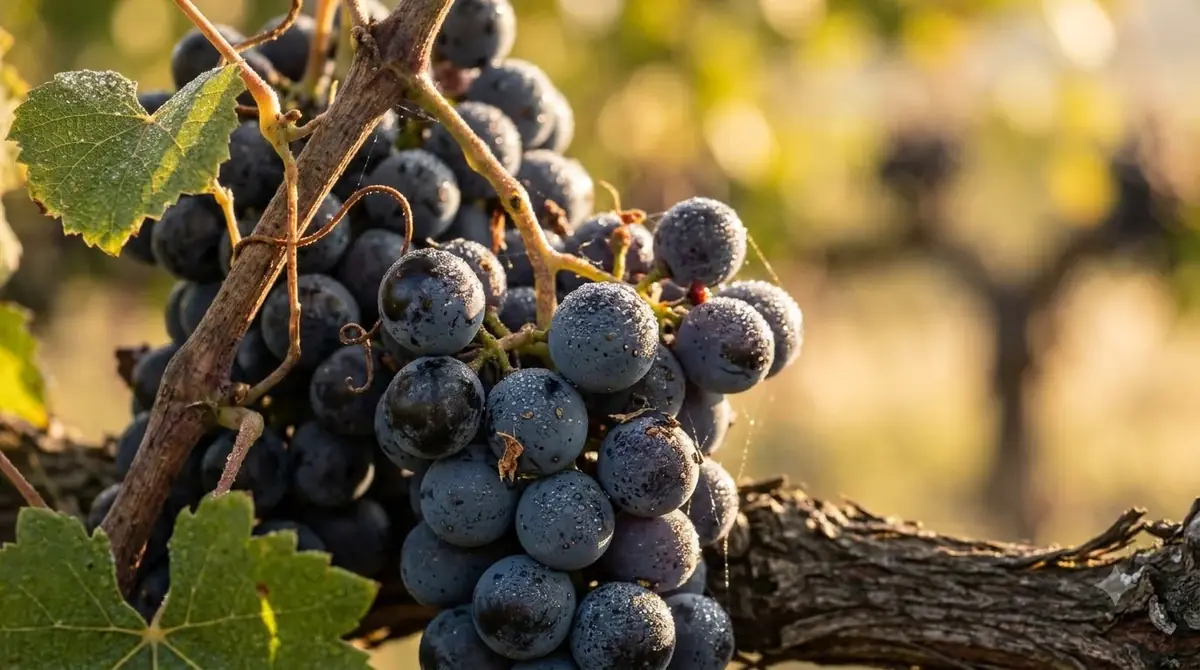
The Champlain Valley occupies the western side of Vermont, bordering Lake Champlain and extending through communities such as South Hero, Shelburne, Charlotte, and New Haven. The lake influences local growing conditions, while the surrounding agricultural landscape provides vineyards with relatively favorable sites. This makes the western part of the state a sensible starting point for visitors interested in traditional vineyard scenery and locally produced grape wines.
The Green Mountains create a substantial geographical barrier through central Vermont. Elevation and exposure influence temperatures, frost risk, and the length of the growing season. Conditions can change considerably over relatively short distances, so a vineyard in a sheltered valley may have different growing opportunities from one at a higher elevation. This variation helps explain why grape selection and vineyard practices differ across the state.
Eastern Vermont has another distinct character. The Connecticut River Valley and communities such as St. Johnsbury provide access to the Northeast Kingdom and its rural agricultural landscape. Southern destinations, including Putney and West Halifax, offer another set of possibilities for visitors interested in smaller producers and locally made beverages.
There is also an international dimension to the region. The Champlain Valley International Wine Trail encompasses nearly 40 vineyards and cideries across Vermont, New York, and Québec. The trail was established in fall 2012 by the Champlain Valley National Heritage Partnership. It connects producers around the lake and highlights the shared agricultural traditions of communities on both sides of the international border.
Travelers should distinguish between the Vermont Wine Trail directory and the larger Champlain Valley International Wine Trail. The first helps identify Vermont producers across the state, while the second emphasizes the wider Lake Champlain basin. Both can be useful, depending on whether the trip focuses on Vermont alone or crosses regional boundaries.
For readers who enjoy comparing regional wine destinations, the Traverse City wine trail offers another example of how lakeside geography and local growing conditions can shape a wine-tourism experience. Vermont’s growing environment is different, but the importance of choosing a route around the landscape is similar.
How the Vermont Wine Trail Works
The Vermont wine trail is best approached as a collection of winery destinations rather than a single fixed route with one starting point and finish. Its directory includes producers in communities across the state, making it possible to create shorter regional excursions or a longer statewide itinerary.
The online directory includes wineries, vineyards, and other beverage producers. Among the listed destinations are Boyden Valley Winery & Spirits in Cambridge, Snow Farm Vineyard and Winery in South Hero, Shelburne Vineyard in Shelburne, and Lincoln Peak Vineyard in New Haven. These locations give visitors several options in the western part of the state.
Other destinations broaden the experience beyond the Champlain Valley. La Garagista is listed in Bethel, Fable Farm Fermentory in Barnard, Neshobe River Winery in Brandon, and Northeast Kingdom Vineyards in St. Johnsbury. The geographical spread means that a little planning can make the difference between an enjoyable wine-country excursion and an unnecessarily long driving day.
The directory is particularly useful for identifying producers by town. Visitors can use it to build a route around accommodation, seasonal activities, and other attractions rather than assuming every destination operates like a large commercial tasting estate.
For a current list of participating destinations, consult the Vermont Wine Trail winery directory. It provides a practical starting point for selecting communities and identifying wineries to contact before departure.
One important distinction is that inclusion in a directory does not guarantee daily tasting-room access. The Vermont Grape & Wine Council explains that some wineries have regular tasting-room hours, while others welcome visitors through pop-ups, special events, or scheduled guided tastings. Confirming arrangements directly with each producer is particularly important when planning a trip outside the main summer season.
Choosing a manageable itinerary
Instead of trying to visit every destination, choose two or three wineries within a convenient geographical area. This leaves time for a relaxed tasting, a meal, and sightseeing without spending most of the day in the car. A single-region excursion can also make it easier to compare wines made from similar grapes or grown under comparable conditions.
For example, visitors staying near Burlington might organize a western Vermont excursion around Shelburne, Charlotte, and South Hero. Another trip could concentrate on Brandon and New Haven. These are planning examples rather than guaranteed short driving routes; road conditions, weather, and individual tasting appointments should determine the final schedule.
Tip: Contact each winery before setting out. Ask about tasting appointments, seasonal opening dates, available wines, group policies, and whether the producer offers vineyard tours. A directory listing is a useful planning resource, not a guarantee of walk-in availability.
Vermont’s Cold-Climate Grapes and Signature Wine Styles
Vermont’s wine identity is closely connected to cold-hardy grape varieties that can survive northern winters and ripen during a relatively short growing season. Frontenac, Marquette, St. Croix, La Crescent, and Traminette are among the grapes that help distinguish the state’s vineyards from traditional European wine regions.
Traditional European grapes such as Cabernet Sauvignon, Merlot, and Chardonnay are not the foundation of Vermont’s regional wine industry. The Vermont Grape & Wine Council explains that the state’s climate is generally too cold for reliable commercial cultivation of these familiar varieties. Instead, growers rely on hybrids developed through breeding programs that combine characteristics from different grape species.
These hybrids are not genetically modified organisms. They are produced through conventional plant breeding, combining characteristics from wild American grapes, other hybrids, and traditional European Vitis vinifera varieties. Breeding programs associated with the University of Minnesota and Cornell University have helped develop varieties suited to challenging northern growing conditions.
Frontenac is one of the most recognizable northern red grapes. The Vermont Grape & Wine Council reports that it can survive temperatures as low as minus 30 degrees Fahrenheit. Its wines commonly show cherry, berry, and plum characteristics, often with a deep garnet appearance. Depending on winemaking decisions, Frontenac can produce fresh, fruit-forward wines or more substantial reds.
Marquette offers another important expression of Vermont’s red-wine potential. Developed through cold-climate grape breeding, it can produce wines with cherry, dark berry, spice, and black pepper notes. It generally offers more structure and tannin than many other northern red varieties, making it an interesting option for visitors who prefer a more substantial red wine.
St. Croix is another grape worth recognizing. It is associated with approachable berry-driven wines and has long been used in northern vineyards. Its relatively mellow character makes it a useful introduction for people who are unfamiliar with hybrid grape wines.
White wines provide another important part of the experience. La Crescent is known for pronounced apricot and stone-fruit aromas, lively flavor, and balanced acidity. Depending on the producer’s style, it can be made dry, off-dry, or sweeter.
Traminette, developed at Cornell University, has a Gewürztraminer connection and often produces aromatic wines with floral, spicy, and expressive fruit characteristics. Frontenac Blanc, meanwhile, is a mutation of Frontenac Noir and can show citrus, pineapple, fresh acidity, and substantial texture.
Other varieties, including Verona, Petite Pearl, and Itasca, are also appearing in northern vineyards. Their presence illustrates that Vermont’s grape-growing landscape continues to develop rather than relying on a fixed collection of traditional varieties.
These grapes offer an opportunity to understand Vermont’s wine identity through comparison. A flight featuring Marquette, Frontenac, and St. Croix demonstrates the range of northern red wines, while tasting La Crescent alongside Traminette reveals different approaches to aromatic white wine.
| Grape or variety | Wine style | Typical characteristics |
|---|---|---|
| Frontenac | Red | Cherry, berry, plum; very cold-hardy |
| Marquette | Red | Cherry, dark berries, spice, black pepper |
| St. Croix | Red | Approachable berry fruit and mellow structure |
| La Crescent | White | Apricot, stone fruit, balanced acidity |
| Traminette | White | Floral aromas, spice, aromatic fruit |
| Frontenac Blanc | White | Citrus, pineapple, vibrant acidity |
For a broader introduction to regional wine styles and the grapes grown in different American wine-producing areas, the site’s Wine Regions resource provides useful background. Understanding the grapes before visiting also makes tasting-room conversations more rewarding.
Notable Vermont Wineries and Where to Find Them
Vermont’s winery directory includes producers with different geographical settings and approaches to winemaking. A good itinerary can combine established vineyard destinations, small fermentories, and agricultural producers making beverages from locally grown ingredients.
South Hero and the Lake Champlain Islands
Snow Farm Vineyard and Winery is listed in South Hero, on the Lake Champlain islands. Its island setting makes it a natural destination for visitors who want to combine vineyard visits with the scenery of the lake and surrounding agricultural communities.
The Vermont Grape & Wine Council’s Snow Farm profile describes a range of wines made from varieties including Seyval Blanc, Vidal Blanc, Vignoles, Riesling, Leon Millot, Baco Noir, and Pinot Noir. The producer also makes ice wine and sparkling wine. This range demonstrates that Vermont’s wine production is not limited to the best-known northern hybrid varieties.
South Hero works well as part of a western Vermont excursion. Visitors can combine a winery visit with local farm stops and a scenic drive through the Champlain Islands. The slower pace of the area makes it suitable for a leisurely day rather than a rushed series of tasting appointments.
Shelburne and Charlotte
Shelburne Vineyard is listed in Shelburne, while Charlotte Village Winery is listed in Charlotte. Both communities offer convenient options for visitors exploring the western side of the state. Their locations make them potential additions to an itinerary that includes Burlington, the lakeshore, and other Champlain Valley destinations.
Travelers should use these stops to compare individual winery approaches rather than assuming that all Vermont wines share one standard flavor profile. Differences in grape selection, harvest timing, fermentation, and sweetness can produce noticeably different results even when producers work within the same broad climate.
New Haven and Brandon
Lincoln Peak Vineyard is listed in New Haven, and Neshobe River Winery is listed in Brandon. These destinations provide another way to explore Vermont’s western agricultural communities beyond the immediate lakeshore.
They can also complement a broader trip through the Champlain Valley and nearby countryside. Visitors interested in northern red grapes should ask about Marquette, Frontenac, and other locally suitable varieties, while white-wine enthusiasts can inquire about La Crescent and other aromatic northern grapes.
Cambridge and Jeffersonville
Boyden Valley Winery & Spirits is listed in Cambridge, while Stella 14 Wines is listed in Jeffersonville. These communities provide options in northern Vermont, particularly for visitors exploring the countryside near the Green Mountains.
Boyden Valley’s inclusion as a winery and spirits producer also illustrates the diversity of the state’s beverage industry. Vermont’s agricultural producers do not limit themselves to traditional grape wines, and a visit can reveal how different local ingredients contribute to the region’s drinks culture.
Bethel and Barnard
La Garagista is listed in Bethel, and Fable Farm Fermentory is listed in Barnard. These destinations are interesting for travelers curious about alternative approaches to fermentation and regional agricultural products.
Rather than focusing exclusively on familiar wine categories, visitors can use these stops to explore how producers work with grapes, fruit, and other locally available ingredients. Their presence illustrates why Vermont wine country is not easily described by comparisons with conventional vineyard regions alone.
Exploring different wine-country traditions
Visitors who enjoy regional wine travel can also compare Vermont with destinations farther south and west. The Applegate Valley wine trail in Oregon provides a contrasting example of a wine destination shaped by a different climate, landscape, and grape-growing tradition. Such comparisons help explain why wine regions develop distinct identities rather than producing interchangeable styles.
Fruit Wines, Cider, Mead, and Vermont’s Agricultural Identity
Vermont wine country extends beyond grape vineyards because the state’s agricultural landscape supports apples, berries, and honey production. Cider, fruit wines, and mead are important parts of the visitor experience and offer alternatives to conventional grape-based wines.
Apple production has a long agricultural history in Vermont. Local apples provide the raw material for traditional hard cider, while ice cider is made by concentrating apple juice through natural winter freezing. These beverages can offer different levels of sweetness, acidity, and concentration.
Fruit wines provide another expression of the region. Vermont producers make wines from raspberries, blueberries, cranberries, pears, apples, and rhubarb. Their styles range from dry table wines to richer dessert-oriented bottlings. The fruit used can have a substantial influence on acidity, aroma, and sweetness.
Mead is wine made from honey and is another part of Vermont’s agricultural beverage culture. Local beekeeping provides producers with an ingredient that can be fermented into dry, semi-sweet, or sweet styles. Honey character, fermentation choices, and the addition of fruit or spices can produce very different results.
Visitors should approach these beverages as distinct categories rather than treating them as substitutes for traditional grape wines. An apple-based ice cider, for example, may be considerably sweeter and more concentrated than a dry Frontenac or Marquette. A raspberry wine may emphasize fresh fruit character, while a dry mead can be more restrained and structured.
These differences make a mixed tasting particularly interesting. A visitor can compare a northern white wine with a dry cider, then finish with a fruit wine or mead. This approach provides a more complete picture of Vermont’s agricultural production than a tasting focused exclusively on grape varieties.
The state’s beverage diversity also reflects its relatively young modern wine industry. Instead of relying on centuries-old regional grape traditions, Vermont producers have developed a broader identity around local ingredients, experimentation, and adaptation to northern conditions.
Planning the Best Time to Visit Vermont Vineyards
Summer and early fall are generally the most convenient periods for vineyard visits, outdoor scenery, and agricultural tourism. However, Vermont’s seasonal climate means that the experience changes considerably throughout the year, and winery opening arrangements can vary between producers.
Late spring brings fresh growth and greener landscapes. Vineyard work is underway, although visitors should not assume that every winery offers regular public tastings during this period. Some producers may have limited hours or require advance appointments.
Summer is a popular period for exploring the Lake Champlain region. Longer daylight hours make it easier to combine vineyard stops with lake activities, farm visits, and meals in nearby communities. It is also a good time to enjoy outdoor tasting areas where available.
Late summer and early fall bring the grape harvest and changing foliage. Harvest timing varies according to grape variety, weather, vineyard location, and growing conditions. This is an especially interesting period for visitors who want to learn about northern viticulture, although active harvesting can affect tasting-room arrangements.
Fall also provides opportunities to explore Vermont’s apple-growing traditions. Visitors can combine grape wine tastings with cider producers, orchards, and seasonal agricultural events. The contrast between grape wine and apple-based beverages makes this a particularly rewarding time for exploring the state’s wider beverage culture.
Winter is a different experience. Snow-covered landscapes can make the countryside appealing, and the state’s cold conditions are closely connected to its specialty ice wines and ice ciders. However, vineyard access is more weather-dependent, and some tasting rooms may operate reduced schedules.
Travelers should plan around actual tasting-room schedules rather than relying on assumptions about seasonal opening hours. A winery that welcomes visitors during summer may operate through reservations or special events during colder months.
Food Pairings, Wine Serving Temperatures, and Tasting Tips
Vermont wines are particularly enjoyable alongside the state’s local agricultural foods. Cheese, apples, berries, roasted vegetables, pork, and freshwater fish provide natural pairing opportunities, while the acidity and fruit character of northern wines can work well with a variety of regional dishes.
La Crescent and other aromatic whites can complement dishes with fresh herbs, poultry, mild cheeses, and fruit-based sauces. Their acidity helps balance richer ingredients, while their apricot and stone-fruit character can work with lightly spiced dishes.
Marquette and Frontenac can accompany grilled meats, roasted vegetables, and dishes featuring mushrooms or herbs. Marquette’s greater structure makes it a useful option for richer preparations, while softer, fruit-forward northern reds may work with pork, poultry, and less intensely seasoned dishes.
St. Croix can be a versatile partner for casual meals, particularly dishes with moderate richness and berry-friendly flavors. The goal is to match the wine’s body and intensity with the food rather than assuming that every red wine requires a heavy meat dish.
Cheese is an especially useful pairing category. Salt and fat can soften the perception of tannin in red wines, making structured Marquette a possible companion for richer cheeses. Fresh goat cheese and other tangy cheeses can work with high-acid white wines, provided the wine has enough acidity to balance the food.
Sweet fruit wines and ice cider call for a different approach. A dessert wine should generally be at least as sweet as the dessert served with it. Otherwise, the wine can taste thin or overly acidic alongside the food. Fruit tarts, apple desserts, and lightly sweetened cheeses can make useful partners for these richer beverages.
Serving temperatures
Temperature can change how a wine’s aromas, acidity, and structure are perceived. Serving northern white wines too warm can make them seem heavy, while serving red wines excessively cold can suppress their fruit expression.
- Light-bodied white wines: 45–50 degrees Fahrenheit.
- Fuller-bodied white wines: 50–55 degrees Fahrenheit.
- Light-bodied red wines: 55–60 degrees Fahrenheit.
- Full-bodied red wines: 60–65 degrees Fahrenheit.
- Sweet white wines: 43–50 degrees Fahrenheit.
- Sparkling wines: 40–50 degrees Fahrenheit.
Most Vermont wines can be enjoyed without complicated preparation. A standard five-ounce pour is useful for comparing several wines during a tasting. A 750-milliliter bottle contains approximately five such servings.
Making the most of a tasting
Start with lighter, drier wines before moving toward fuller reds and sweeter fruit-based beverages. If a tasting includes several grape varieties, compare the aroma, acidity, body, and finish rather than concentrating only on whether a wine tastes familiar.
Ask the tasting-room staff which grapes are grown locally and which wines are made from fruit sourced elsewhere. This distinction can help explain the relationship between Vermont’s vineyards and its broader agricultural beverage industry.
Visitors who discover a wine they enjoy should also ask about its production method, recommended serving temperature, and food pairings. These details can help recreate the experience at home and make the visit more informative.
Frequently Asked Questions
Is the Vermont Wine Trail an official state wine route?
The Vermont Wine Trail is a directory and tourism resource that brings together participating producers. It should not be confused with a state-designated American Viticultural Area, which is a federally recognized grape-growing region. Vermont also participates in the broader Champlain Valley International Wine Trail, which extends into New York and Québec.
Does Vermont have its own American Viticultural Area?
Vermont does not have a federally designated statewide American Viticultural Area. The Lake Champlain region has a cross-border wine tourism identity, but that tourism designation is different from an AVA. Visitors can therefore explore Vermont wines through geographical and producer-based groupings without assuming that the entire state is one federally designated wine region.
Are Vermont hybrid grapes genetically modified?
No. The Vermont Grape & Wine Council explains that hybrid grapes are produced through traditional plant breeding rather than genetic modification. Breeders cross selected grape varieties to combine desirable characteristics, including winter hardiness, disease resistance, and winemaking potential. This breeding approach has helped make commercial grape growing possible in northern climates.
Can Vermont wines be aged after purchase?
Some Vermont wines can develop additional complexity with bottle age, although aging potential varies by grape, vintage, winemaking technique, and bottle condition. The Vermont Grape & Wine Council highlights the ability of some regional wines to evolve over time. For longer storage, keep bottles away from direct sunlight and major temperature fluctuations, ideally near 55 degrees Fahrenheit.
What is Vinous Rebellious in Vermont?
Vinous Rebellious is an annual Vermont wine fair associated with the Vermont Grape & Wine Council. It celebrates the state’s wine producers and provides an opportunity for visitors to encounter growers, winemakers, and their regional wines in one event. It is a useful event to investigate for travelers interested in meeting multiple Vermont producers without visiting every winery individually.
The vermont wine trail offers an engaging way to discover a wine region shaped by cold winters, inventive grape breeding, and a strong agricultural tradition. From the vineyards around Lake Champlain to smaller producers in the Green Mountains and Northeast Kingdom, each destination offers a different perspective on northern winemaking. Build a manageable itinerary, arrange tastings in advance, and leave room for cider, mead, and fruit wines to experience the full character of Vermont’s beverage culture.
More in Wine Regions
 Willcox Wine Trail: Discover Arizona’s High-Elevation Wine CountryUpdated Nov 20, 2026
 Yakima Valley Wine Region: Find the Best Styles to TryUpdated Nov 20, 2026
 Vosne Romanee Wine Tasting: Identify Aromas and Choose Better PairingsUpdated Nov 20, 2026
 Yakima Valley Wine Festival: Find the Best Seasonal Wine EventsUpdated Nov 20, 2026
 Wales Vineyards: Discover Cool-Climate Wines and Where to VisitUpdated Nov 20, 2026
 Yountville Wine Festival: Discover Napa Wines and Local FoodUpdated Nov 20, 2026