

We may earn a commission when you buy through links on this page, at no extra cost to you. Learn more.
The Valais Wine Trail is a scenic wine route across Switzerland’s largest wine-growing canton, connecting Martigny and Leuk through Alpine vineyards, historic villages and wine-producing communities. Visitors can explore the region on foot along a 65-kilometer hiking route, follow an 82-kilometer cycling itinerary or travel by car along the signposted wine road. Along the way, travelers discover distinctive Swiss wines made from grapes such as Fendant, Petite Arvine, Heida and Cornalin, alongside traditional mountain architecture and spectacular Rhône Valley scenery.
Located in southwestern Switzerland, Valais offers a wine tourism experience shaped by sunshine, steep vineyard terraces and a remarkable collection of local grape varieties. The Rhône River runs through the canton, while mountains shelter the vineyards and create different growing conditions across the valley. Whether planning a dedicated hiking holiday or adding wine tastings to a wider Swiss itinerary, understanding the route, its villages and its wines makes the experience considerably more rewarding.
Understanding the Valais Wine Trail and Its Alpine Landscape
The Valais Wine Trail follows one of Switzerland’s most important wine-growing corridors, linking vineyard communities between Martigny and Leuk. Its combination of walking paths, cycling routes and accessible roads makes it suitable for visitors with different schedules and travel preferences.
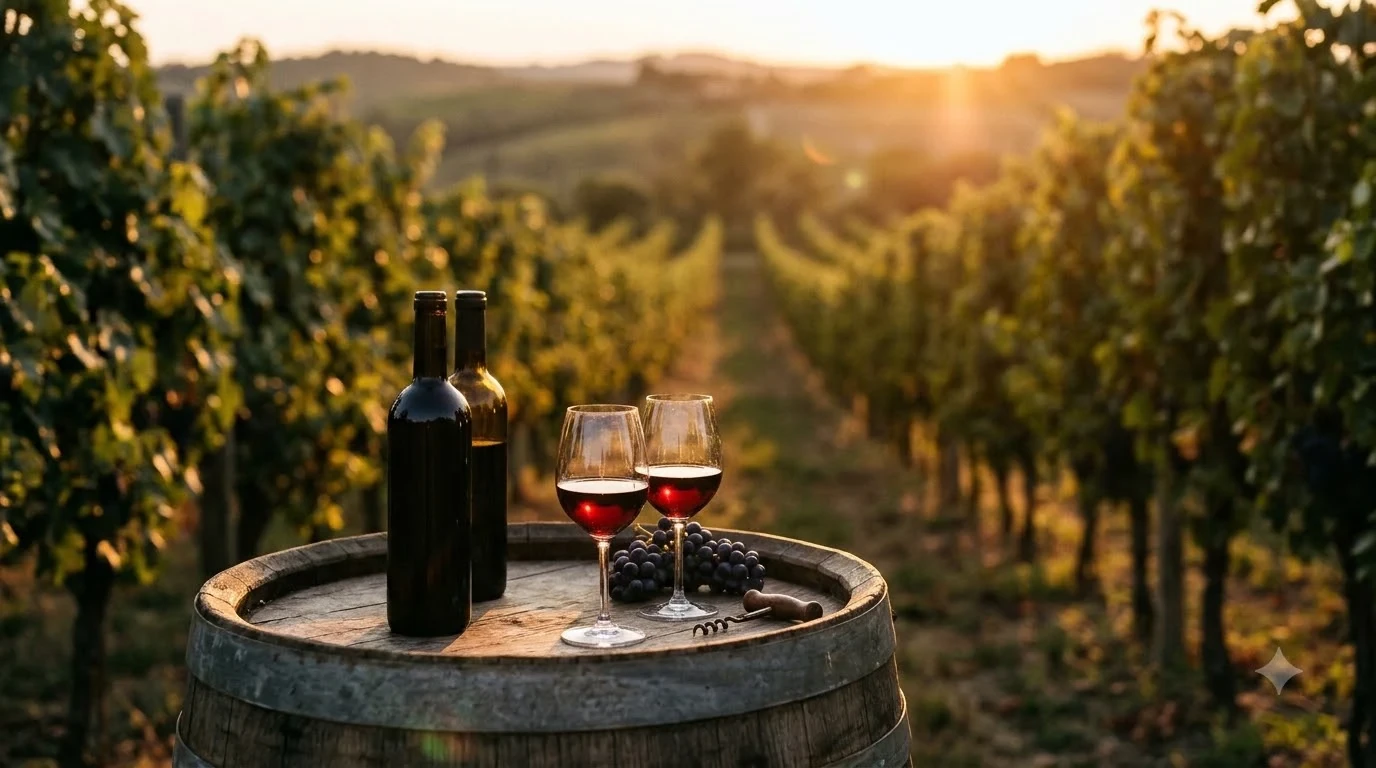
Valais occupies the upper Rhône Valley, where vineyards extend along sunny slopes and across terraces supported by stone walls. According to Swiss Wine Promotion, the region receives approximately 2,500 hours of sunshine and 650 millimeters of rainfall annually. These conditions help grapes ripen despite the relatively high elevations and challenging terrain.
The official walking route covers 65 kilometers, with elevations ranging from approximately 450 to 800 meters. Rather than following a single continuous path through flat agricultural land, it moves through wine villages, hillside vineyards and historic settlements. The scenery changes between sections, giving travelers a sense of the region’s geographical and cultural diversity.
The cycling version covers 82 kilometers and belongs to Switzerland’s established cycling network. It provides a practical alternative for visitors who want to cover more ground while stopping at wineries, restaurants and viewpoints. A separate driving route follows the vineyard corridor, with road signs helping motorists identify the wine trail.
Valais is also notable for its unusual combination of agricultural and Alpine landscapes. Snow-covered peaks can appear above warm, sunlit vineyards, while irrigation channels and old stone structures reveal how generations of growers adapted to limited water and steep slopes.
The route is not simply a sequence of tasting rooms. It is an introduction to the relationship between geography, farming, local food and wine production. Visitors can see how the Rhône Valley’s microclimates influence grape selection and why certain villages have developed strong associations with particular varieties.
Travelers interested in comparing regional wine tourism experiences can also explore the Wine Regions section for background on how geography and local traditions shape wine styles in different parts of the world.
Walking, Cycling and Driving Routes
The best way to explore the Valais Wine Trail depends on how much time you have and how closely you want to experience the vineyards. Walking offers the most detailed introduction to the landscape, cycling connects more villages in a day, and driving provides flexibility for winery appointments.
Walking the 65-kilometer route
The pedestrian trail is approximately 65 kilometers long and generally divided into manageable stages. Its elevation range of 450 to 800 meters means visitors encounter hills and uneven vineyard paths rather than a completely flat valley walk. Some sections are more demanding than others, so planning daily distances around personal fitness and available daylight is important.
Walking is especially rewarding for travelers interested in traditional viticulture. Moving at a slower pace makes it easier to notice irrigation channels, dry-stone walls, old winegrowers’ buildings and changes in vineyard exposure. Small villages also provide opportunities to stop for regional dishes and locally produced wines.
Visitors should not assume that every section has a winery open for spontaneous tasting. Many cellars operate by appointment or follow seasonal schedules. Arrange important visits beforehand and treat the hiking route and wine appointments as two connected but separate parts of the itinerary.
Cycling the 82-kilometer route
The official cycling itinerary covers approximately 82 kilometers. It is particularly useful for travelers who want to visit several wine-producing communities without spending multiple days walking between them.
Electric bicycles can be helpful on uphill sections, especially where vineyard roads climb above the Rhône Valley floor. However, cyclists should still account for traffic, changing road surfaces and the possibility of steep descents. A bicycle route through wine country should never be treated as permission to combine drinking with riding.
There are also shorter cycling excursions. One documented option connects Martigny and Saillon over approximately 26 kilometers, with opportunities to stop at local tasting venues along the way. This shorter itinerary suits travelers who want a focused day rather than the entire regional route.
Exploring by car
Driving provides the greatest flexibility for visitors staying in one hotel or traveling with companions who have different mobility preferences. The signposted wine road connects the major wine-growing communities, and buses can also negotiate the route.
A car-based itinerary makes it easier to schedule winery appointments in different villages, visit museums and stop at viewpoints. It also allows travelers to reach higher vineyard areas that are less convenient to access during a short walking holiday.
Tip: Choose one main transportation method for each day rather than trying to combine extensive hiking, cycling and multiple wine tastings. If wine tasting is a priority, arrange a designated driver or use public transportation between appointments.
Wine Villages and Scenic Stops Along the Rhône Valley
The Valais Wine Trail passes through communities with distinct vineyard traditions and regional specialties. Martigny, Fully, Saillon, Sion, Sierre, Salgesch and Leuk provide useful reference points for planning a journey from west to east.
Martigny and the western vineyards
Martigny makes a convenient starting point for exploring western Valais. The town provides access to the vineyard corridor and serves as a departure point for excursions into the surrounding wine-growing communities.
One particularly interesting destination is Fully, which is strongly associated with Petite Arvine. This white grape is one of the region’s most recognizable specialties, producing wines with citrus, floral and mineral characteristics. Visitors interested in understanding why Valais has such a distinctive white wine identity should make time for a tasting here.
The Fol’Terres wine-tasting pavilion in Fully is a useful stop for discovering local wines alongside regional products. Its location also makes it a convenient addition to a cycling excursion from Martigny.
Saillon and its medieval character
Saillon combines wine-country scenery with a historic village atmosphere. Its medieval streets and hillside setting make it an attractive place to take a break from vineyard travel.
The village lies along the wine route between Martigny and Sion. Visitors can explore its historic center before continuing toward nearby vineyards or arranging a tasting at Caveau de Saillon. The surrounding landscape illustrates how agricultural settlements developed around the Rhône Valley’s favorable growing conditions.
Saillon also provides access to the wider wine and cycling itinerary. Travelers following the shorter Martigny-to-Saillon cycling route can use it as a natural endpoint before returning along the valley.
Sion and the Bisse de Clavau
Sion is the capital of Valais and one of the region’s most important wine destinations. Its historic buildings and vineyard-covered hills make it a worthwhile overnight stop for visitors who want to combine cultural sightseeing with wine exploration.
Above the town, the Bisse de Clavau provides a particularly memorable walking experience. This path follows historic irrigation channels through steep vineyards, with wooden watercourses and exposed rock faces creating a landscape closely connected to traditional farming practices.
Small vineyard cabins along the route provide opportunities to discover regional products. The combination of narrow paths, hillside views and traditional irrigation infrastructure makes this one of the most distinctive walks in the central Valais wine region.
Sierre and Salgesch
Sierre and Salgesch are particularly important for visitors interested in wine education. Sierre is frequently described as the capital of Swiss wine, while Salgesch is known for its vineyards and wine-growing heritage.
The villages are connected by a shorter educational wine trail that includes the Raspille Gorge and several historic vineyard settlements. Visitors can also explore the Valais Wine Museum, which has two locations: Zumofenhaus in Salgesch and Château de Villa in Sierre.
Château de Villa is especially useful for travelers wanting to compare regional wines. Its Oenothèque du Villa offers access to more than 650 Valais wines, making it a valuable stop for understanding the breadth of the canton’s production.
Further east, Leuk marks the endpoint of the main Valais Wine Trail. Its location provides another opportunity to appreciate how the vineyard landscape extends through different communities along the Rhône Valley.
Valais Grapes and Wines Worth Discovering
Valais is one of Switzerland’s most diverse wine-producing regions, with 55 officially recognized AOC grape varieties. The range includes familiar international grapes and distinctive local varieties that make wine tasting along the trail particularly interesting.
According to Swiss Wine Promotion, Pinot Noir accounts for approximately 28% of the vineyard area, while Chasselas represents about 16%. Gamay, Silvaner, Petite Arvine, Savagnin Blanc, Syrah, Cornalin and Humagne Rouge contribute to the region’s varied wine identity.
Fendant and Chasselas
Fendant is the Valais name for Chasselas, one of Switzerland’s most important white grapes. It typically produces fresh, relatively light wines with subtle fruit and mineral characteristics.
Its restrained style makes Fendant a versatile choice with local food. Try it alongside traditional raclette, freshwater fish or a regional cheese platter. The wine’s freshness can provide a useful contrast to the richness of melted cheese.
Visitors who are new to Swiss wines should consider Fendant an excellent introduction. It is a recognizable regional specialty and offers a clear example of how the same grape can develop a distinctive local identity.
Petite Arvine
Petite Arvine is among the most celebrated white varieties associated with Valais. It is particularly connected with Fully and produces wines known for lively acidity, citrus fruit, floral aromas and a saline finish.
Depending on the producer and winemaking approach, Petite Arvine can range from fresh and approachable to more structured and complex. Its acidity makes it a useful partner for seafood, shellfish and dishes with citrus-based sauces.
It is also a worthwhile wine to compare across different producers. Differences in vineyard location, ripeness and cellar practices can create noticeable variations in texture and aromatic expression.
Heida and Savagnin Blanc
Heida is a regional name associated with Savagnin Blanc. It is especially important in Visperterminen, where vineyards climb to approximately 1,100 meters above sea level.
These high-altitude vineyards are among the most remarkable agricultural landscapes in Switzerland. The steep slopes and considerable elevation differences create challenging growing conditions, while dry-stone terraces help retain and release warmth.
Heida wines can display citrus, orchard fruit, mineral notes and a structured texture. Their freshness makes them interesting with Alpine cheeses, freshwater fish and roasted poultry.
Cornalin and Humagne Rouge
Cornalin is a distinctive Valais red grape known for its fruity character and velvety expression. It can produce appealing wines with dark berry aromas, freshness and moderate to substantial structure depending on the producer.
Humagne Rouge is another important regional variety. It often shows savory and earthy elements alongside dark fruit, making it an interesting alternative to more familiar international red grapes.
Both varieties deserve attention during winery visits. They demonstrate the importance of indigenous and traditional grapes in Valais and provide a different experience from the Pinot Noir and Gamay that occupy larger vineyard areas.
Pinot Noir is also worth exploring because it is the region’s largest grape variety by vineyard area. Its generally lighter tannins and bright acidity make it a flexible partner for charcuterie, roast poultry and mushroom dishes.
| Grape variety | Approximate vineyard area | Typical wine character | Food pairing |
|---|---|---|---|
| Pinot Noir | 1,275 hectares | Red fruit, freshness, moderate tannin | Roast poultry and mushrooms |
| Chasselas | 755 hectares | Light, fresh and mineral | Raclette and freshwater fish |
| Gamay | 457 hectares | Juicy red fruit and lively acidity | Charcuterie and grilled chicken |
| Silvaner | 317 hectares | Fresh, restrained and sometimes herbal | Vegetables and mild cheeses |
| Petite Arvine | 259 hectares | Citrus, floral notes and saline freshness | Seafood and shellfish |
| Savagnin Blanc | 214 hectares | Structured, aromatic and mineral | Alpine cheeses and poultry |
| Syrah | 172 hectares | Dark fruit, spice and firmer tannin | Grilled red meat |
| Cornalin | 163 hectares | Fruity, expressive and structured | Game and roasted meats |
| Humagne Rouge | 143 hectares | Savory, earthy and dark-fruited | Slow-cooked beef and game |
These vineyard figures are regional statistics published by Swiss Wine Promotion. They describe planted area rather than annual wine production, and the listed varieties represent only part of Valais’s 55 authorized grape varieties.
For additional background on the region’s distinctive grape-growing traditions, Swiss Wine Promotion’s Valais regional overview provides useful information about the climate, grape distribution and regional appellation system.
Wine Tastings, Cellars and Local Food Experiences
Wine tasting is one of the main attractions of the Valais Wine Trail, but the experience varies between villages and producers. Some destinations focus on individual grape varieties, while others provide broad selections that introduce visitors to several different wine styles.
Planning tasting stops around the geography of the route helps avoid unnecessary travel. It also gives visitors enough time to appreciate the wines rather than rushing between appointments.
How to arrange winery visits
Start by identifying the varieties you most want to discover. Visitors interested in Petite Arvine should prioritize Fully, while those seeking Heida should consider a separate excursion toward Visperterminen. Sierre and Salgesch are useful bases for exploring a wider range of Valais wines.
Contact wineries before arrival to confirm tasting availability, languages, appointment requirements and opening hours. Smaller producers may not operate like large commercial tasting rooms, so advance arrangements are particularly helpful for groups.
When tasting several wines, begin with lighter whites before moving toward more structured whites and reds. Take time to compare aromas, acidity, texture and finish. Asking about vineyard elevation and soil conditions can also provide useful context for understanding the differences between bottles.
Visitors can use the official Valais wine tourism information to discover tasting opportunities and regional experiences.
Traditional food pairings
Valais food culture is closely connected to its wine traditions. Raclette is one of the region’s most recognizable dishes, traditionally prepared by melting cheese and serving it with potatoes and accompaniments.
Fendant is a natural pairing because its freshness provides contrast to the rich cheese. Other Chasselas-based wines can serve a similar purpose, while a crisp Petite Arvine can offer a more aromatic alternative.
Another regional specialty is the assiette valaisanne, a platter that commonly includes dried meat, cured ham, cheese and bread. It provides a good opportunity to compare several wines because the different components create a variety of flavors and textures.
Pinot Noir and Gamay can work particularly well with cured meats and lighter meat dishes. More structured reds such as Cornalin or Syrah are suitable with grilled meats, roasted dishes and game.
Local cheeses are another useful pairing category. Fresh, acidic whites can balance creamy textures, while more substantial wines can complement aged cheeses with stronger flavors.
For dessert, choose a wine at least as sweet as the dish. A sweet Valais wine can accompany fruit-based desserts or regional pastries, while a dry white may taste unnecessarily sharp alongside a very sweet preparation.
Making the most of a tasting
Rather than ordering every available wine, focus on a few contrasting styles. A tasting that includes Fendant, Petite Arvine, Heida, Pinot Noir and Cornalin can provide an excellent introduction to the region.
Pay attention to differences between producers. Two wines made from the same grape may have noticeably different acidity, weight and aromatic intensity because of vineyard exposure, elevation and winemaking decisions.
Keep tasting notes with the village, grape variety and producer name. This is especially useful when visiting several cellars during a multi-day trip, since similar regional varieties can become difficult to distinguish later.
Planning Your Visit and Choosing the Best Time
Good planning makes the Valais Wine Trail easier to enjoy, particularly because vineyard walks, cellar appointments and transportation do not always follow the same timetable. A little preparation helps travelers balance wine experiences with outdoor activities and sightseeing.
Choosing a season
Spring is attractive for visitors who prefer quieter trails and fresh Alpine scenery. Temperatures can vary considerably with elevation, so layered clothing is useful when moving between valley towns and higher vineyards.
Summer offers long daylight hours and favorable conditions for combining walking with outdoor dining. However, exposed vineyard paths can become hot in direct sunshine, making an early start and sufficient drinking water important.
Autumn is particularly appealing for wine travelers because it coincides with the grape harvest. Vineyards become visually striking as the foliage changes color, and the region’s winemaking activity becomes especially noticeable. Harvest periods are also busy for producers, so winery appointments should be arranged early.
Winter has a different character. Some wine experiences remain available, but vineyard walking may be less convenient because of weather and seasonal operating schedules. Visitors planning a winter trip should concentrate on accessible villages, restaurants and confirmed indoor tastings.
How many days should you allow?
A single day is sufficient for a focused visit to one or two villages, a short vineyard walk and a tasting. For example, travelers can explore the Sierre-Salgesch area, visit the wine museum and enjoy the educational trail without attempting the entire 65-kilometer hiking route.
Two or three days provide more flexibility. One day can cover the western vineyards around Martigny, Fully and Saillon, while another can focus on Sion, Sierre and Salgesch. A third day allows time for a separate visit to Visperterminen and its high-altitude Heida vineyards.
Travelers completing the entire walking route should allow more time. The 65-kilometer trail can be divided into stages, leaving room for sightseeing and winery visits. Trying to complete long walking sections while scheduling several tastings in the same day can make the trip unnecessarily tiring.
Transport and accommodation
Choose accommodation according to the sections you plan to visit rather than automatically staying at one end of the route. Sion and Sierre are useful bases for central Valais, while Martigny provides convenient access to the western section.
Rail connections are useful for reaching major towns, and regional transportation can help visitors avoid driving between tasting appointments. Check connections before committing to a specific itinerary, particularly if a winery is located outside a main settlement.
For hikers, comfortable footwear is essential. Vineyard paths can be uneven, and some sections include exposed slopes or narrow tracks. Bring a waterproof layer, sunscreen, a hat and enough water for the distance between refreshment stops.
Download route information before setting out, and use marked paths rather than crossing private vineyard plots. Respect agricultural activity, close gates where necessary and avoid disturbing workers during the growing and harvest seasons.
Practical wine travel considerations
Visitors traveling from outside Switzerland should remember that Valais is a multilingual canton. French is widely used in the western and central areas, while German is common farther east. English is available in many tourism settings, but a few basic French or German phrases can be helpful when contacting smaller wineries.
Wine purchases should also be considered when planning transportation. If you intend to buy several bottles, ask producers about suitable packaging and shipping arrangements. Carrying bottles during a long walking or cycling day is less convenient than collecting purchases at the end of the itinerary.
Travelers familiar with American wine routes may recognize a similar combination of vineyard visits, local food and regional scenery on the Traverse City Wine Trail and the Applegate Valley Wine Trail. The landscapes and grape varieties differ, but both provide useful examples of how a wine trail can connect multiple producers and communities into one travel experience.
Visitors can also compare the Valais approach with the Charlottesville Wine Trail, where vineyard touring and regional food experiences are important parts of Virginia wine tourism.
Wine should be tasted responsibly, particularly when the day includes outdoor activities or mountain roads. Visitors who want to experience several producers can prioritize public transportation, guided excursions or a designated driver.
Frequently Asked Questions
Is the Valais Wine Trail suitable for beginners?
Yes. The route offers different transportation options, so visitors do not need advanced hiking or cycling experience to enjoy the wine region. The shorter educational walk between Salgesch and Sierre is classified as easy and covers approximately 7.53 kilometers. Visitors can also explore selected villages by car or public transportation rather than completing the full trail.
Can you visit the Valais Wine Trail without booking a winery tour?
Yes. Visitors can enjoy the vineyards, villages, museums and designated walking paths independently. The Château de Villa wine shop in Sierre provides access to more than 650 regional wines, offering an alternative to visiting several individual cellars. However, private winery tastings should generally be arranged directly with producers before arrival.
What makes Visperterminen special for wine lovers?
Visperterminen is particularly famous for its high-altitude vineyards and Heida wine tradition. Its vineyards reach approximately 1,100 meters above sea level, and the difference in elevation between the upper and lower vineyard sections exceeds 400 meters. The village is also known as Heida Village because of its close association with this distinctive white grape.
What is the Chivirau vineyard?
Chivirau is a vineyard plot along the educational trail near Sierre and Salgesch that illustrates the grape diversity of Valais. The regional tourism information identifies 34 different grape varieties growing in this single plot. It is an especially interesting stop for visitors who want to see the differences between grape varieties before tasting their finished wines.
Is the Valais Wine Trail connected to the Swiss wine appellation system?
Yes. Valais wines fall under the AOC Valais designation, which establishes regional production and quality requirements. Swiss Wine Promotion also identifies ten AOC Grand Cru designations within the region. These distinctions provide additional context when comparing wines from different villages and vineyard areas.
The Valais Wine Trail offers much more than a scenic route through Swiss vineyards. Its combination of historic wine villages, remarkable Alpine landscapes, traditional irrigation systems and distinctive grapes makes it an excellent destination for travelers interested in wine and regional culture. Whether you choose a short educational walk near Sierre, a cycling excursion from Martigny or a multi-day journey across the canton, take time to discover the local varieties and food traditions that give Valais its distinctive identity.
More in Wine Regions
 Willcox Wine Trail: Discover Arizona’s High-Elevation Wine CountryUpdated Nov 20, 2026
 Yakima Valley Wine Region: Find the Best Styles to TryUpdated Nov 20, 2026
 Vosne Romanee Wine Tasting: Identify Aromas and Choose Better PairingsUpdated Nov 20, 2026
 Yakima Valley Wine Festival: Find the Best Seasonal Wine EventsUpdated Nov 20, 2026
 Wales Vineyards: Discover Cool-Climate Wines and Where to VisitUpdated Nov 20, 2026
 Yountville Wine Festival: Discover Napa Wines and Local FoodUpdated Nov 20, 2026