

We may earn a commission when you buy through links on this page, at no extra cost to you. Learn more.
The verde valley wine region is a high-desert wine-growing area in central Arizona, known for its dramatic elevation changes, diverse soils, distinctive Mediterranean and Rhône grape varieties, and independent wineries. Officially designated as an American Viticultural Area (AVA) in November 2021, it surrounds communities including Cottonwood, Jerome, Clarkdale, and Cornville. Its combination of warm growing-season temperatures, cool nighttime conditions, and varied geology creates opportunities for producing expressive red and white wines that reflect Arizona’s distinctive landscape.
Arizona might be better known for its red-rock scenery, desert landscapes, and Grand Canyon views, but its developing wine industry offers another reason to explore the state. The Verde Valley combines vineyard visits, small-town tasting rooms, regional restaurants, and outdoor attractions in a relatively compact area. Understanding its geography, grape varieties, and wine styles makes it easier to appreciate what distinguishes this Arizona destination from more established American wine regions.
Where the Verde Valley Wine Region Is Located
The Verde Valley wine region occupies part of northeastern Yavapai County in central Arizona, approximately 100 miles north of the Phoenix metropolitan area. Its vineyards and tasting destinations are distributed around the Verde River basin, with Cottonwood serving as a convenient starting point for exploring the surrounding wine communities.
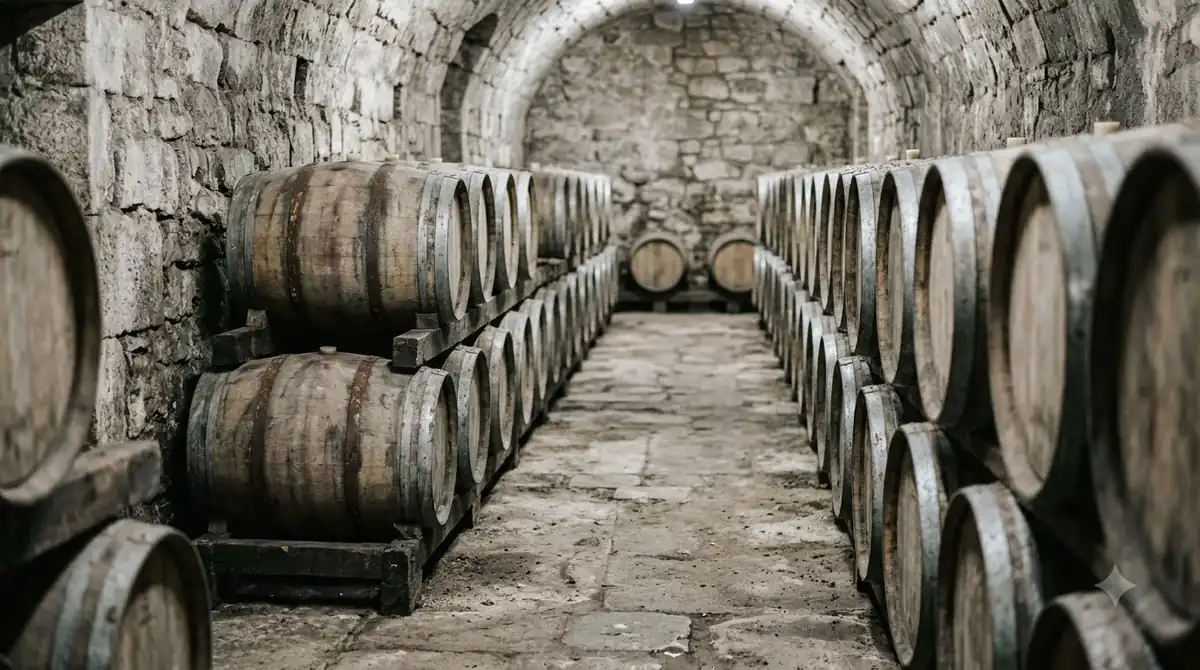
The federally recognized Verde Valley AVA covers approximately 219 square miles. Established in November 2021, it became Arizona’s third federally recognized wine appellation, joining the Sonoita and Willcox AVAs. Its boundaries follow the area’s geographic features, including elevation contours and surrounding mountain terrain, rather than simply encompassing every community that participates in Arizona wine tourism.
The principal communities associated with the region include Cottonwood, Clarkdale, Jerome, Cornville, Camp Verde, and parts of the wider Sedona area. Each offers a different experience. Cottonwood is a practical base for tasting-room visits, Jerome combines wine with historic mining-town character, and Cornville provides access to vineyards and rural agricultural surroundings.
The Verde River is central to the area’s geography. It travels through the valley from northwest to southeast, while Oak Creek approaches from the northeast. Their surrounding drainage systems, foothills, and changing elevations contribute to the environmental differences found across the appellation.
Most of the AVA lies between 3,000 and 4,000 feet above sea level, although some surrounding terrain rises considerably higher. This elevation distinguishes Verde Valley vineyards from the lower desert environments that many visitors associate with Arizona. The region also benefits from its location between higher mountain landscapes and warmer valley floors.
Visitors should distinguish between the official AVA and the broader wine-tourism destination. Some tasting rooms in the Verde Valley serve wines made from grapes grown elsewhere in Arizona, while other producers work with fruit cultivated inside the appellation. This distinction matters to anyone interested in understanding where the grapes in a particular bottle originated.
For a broader overview of Arizona’s wine geography, the state’s three appellations provide a useful starting point when exploring different Wine Regions and understanding how regional identity influences American wine labels.
Climate, Elevation, and Soil in Arizona’s High Desert
The Verde Valley’s wine-growing environment combines substantial daytime warmth with cooler nighttime conditions, relatively low annual rainfall, and varied geological formations. These characteristics influence grape ripening, vineyard management, and the styles that local producers can develop.
According to the University of Arizona Cooperative Extension’s climate research, almost the entire AVA has an average growing-season temperature between 70°F and 75°F. This measurement covers April 1 through October 31 and provides a useful way to compare the area’s accumulated warmth with other wine-growing regions.
Elevation is one of the most important factors behind the valley’s growing conditions. Many vineyards occupy sites between 3,000 and 4,000 feet, while surrounding mountains reach approximately 8,000 feet. Higher terrain influences air movement, and cooler air can drain downslope into the valley, creating temperature differences between individual vineyard locations.
The region also experiences substantial diurnal temperature variation, meaning the difference between daytime highs and nighttime lows. The Verde Valley Wine Consortium reports an average diurnal shift of approximately 30°F to 40°F. Warm days encourage sugar accumulation in ripening grapes, while cooler nights can help preserve natural acidity and aromatic character.
Rainfall is another important consideration. The consortium reports average annual precipitation of approximately 13.83 inches, with much of the area’s moisture arriving during the summer monsoon season. Storms can bring intense rainfall, lightning, and strong winds, creating practical challenges for vineyard operators, particularly when harvest timing is approaching.
The area’s soils are equally varied. The University of Arizona identifies limestone, sandstone, limestone and shale combinations, basalt, granite, and igneous rock among the geological materials found across the AVA. These differences influence drainage, soil structure, water availability, and the way vineyard sites respond to seasonal conditions.
Alluvial deposits near the Verde River and Oak Creek provide another important soil type. These materials have accumulated through water movement over time, producing vineyard conditions that differ from the rocky slopes found elsewhere in the region. Some locations also contain sandy loam and calcium-rich caliche layers.
Individual vineyard decisions therefore depend on more than the regional climate classification. Soil depth, slope, aspect, irrigation access, and exposure to cold air all influence which varieties are suitable for a particular site.
Tip: When comparing Verde Valley wines, consider the producer’s vineyard location as well as the grape variety. Two wines made from the same grape can show different characteristics because their vineyards experience different elevations, soil conditions, and temperature patterns.
For additional technical information about growing-season temperatures, soil composition, elevation, and the valley’s geographical characteristics, consult the University of Arizona’s Verde Valley AVA research.
Grape Varieties That Define Verde Valley Wines
The Verde Valley is a diverse grape-growing area rather than a region built around one signature variety. Vineyard owners have planted more than 40 grape varieties, including familiar international grapes and less common Mediterranean and Rhône Valley selections.
This variety is partly a response to the region’s developing wine industry. Producers continue to evaluate which grapes perform best under Arizona’s combination of summer warmth, elevation, soil diversity, and seasonal weather. The resulting selection gives visitors an opportunity to discover wines that may be less familiar than those from California, Oregon, or Washington.
White grape varieties
Several white grapes are particularly interesting in the Verde Valley. Viognier is associated with aromatic wines that can show peach, apricot, floral notes, and a relatively full texture. Its Rhône Valley origins make it a natural choice for producers interested in expressive white wines.
Malvasia Bianca offers another aromatic direction. Depending on winemaking decisions, it can produce floral, citrus, and stone-fruit characteristics. It is particularly interesting for visitors who enjoy fragrant white wines with a distinctive personality.
Chardonnay is also planted in the region. Its familiar name makes it a useful comparison for visitors who want to understand how Arizona conditions influence an internationally established grape. Depending on ripeness, fermentation, and aging, local examples may emphasize fresh fruit, richer textures, or oak-derived complexity.
Vermentino and Picpoul Blanc bring Mediterranean associations to the valley’s white-wine selection. Vermentino is commonly associated with citrus, herbs, and refreshing acidity. Picpoul Blanc is valued for its lively freshness, making it an appealing option alongside seafood and lighter dishes.
Seyval Blanc adds another dimension to the white-grape selection. Although less familiar to many American wine drinkers, it gives producers another variety to evaluate for local vineyard conditions and different styles of finished wine.
Red grape varieties
Syrah is one of the important Rhône-associated red grapes grown in the Verde Valley. Depending on the vineyard and winemaking approach, it can produce wines with dark berries, pepper, herbs, and savory characteristics. Its natural structure also makes it suitable for fuller-bodied red wines.
Petite Sirah offers a different experience. Despite its name, it is capable of producing deeply colored wines with substantial tannin and concentrated dark-fruit flavors. These characteristics make it a useful option for people who prefer structured reds with considerable weight.
Cabernet Sauvignon provides another recognizable variety. It typically has high tannin and flavors that can include blackcurrant, dark cherry, and herbal notes. Its presence allows visitors to compare Arizona-grown Cabernet with examples from better-known American appellations.
Sangiovese brings Italian influence to the region. Its characteristic combination of cherry fruit, savory notes, and acidity makes it particularly interesting alongside tomato-based dishes and grilled foods.
Tannat and Barbera further expand the possibilities. Tannat is generally associated with pronounced tannin and dark fruit, while Barbera is known for bright acidity and fruit-forward flavors. These grapes provide different structural possibilities for blending or single-variety bottlings.
| Grape variety | Wine type | Typical characteristics | Food pairing idea |
|---|---|---|---|
| Viognier | White | Aromatic, peach, floral | Roast chicken |
| Malvasia Bianca | White | Floral, citrus, fragrant | Soft cheeses |
| Vermentino | White | Citrus, herbs, freshness | Grilled seafood |
| Picpoul Blanc | White | Bright acidity, citrus | Oysters and shellfish |
| Chardonnay | White | Apple, citrus, possible oak | Roast turkey |
| Syrah | Red | Dark fruit, pepper, structure | Grilled lamb |
| Petite Sirah | Red | Dark fruit, substantial tannin | Beef short ribs |
| Cabernet Sauvignon | Red | Blackcurrant, firm tannin | Grilled steak |
| Sangiovese | Red | Cherry, savory notes, acidity | Tomato-based pasta |
| Barbera | Red | Red fruit, lively acidity | Pizza and roasted vegetables |
These varieties demonstrate why it is useful to approach the Verde Valley with an open mind. Rather than expecting every producer to specialize in the same grape, visitors can compare aromatic whites, crisp Mediterranean-inspired bottlings, medium-bodied reds, and more concentrated wines.
Wine Styles and What to Expect in the Glass
Verde Valley wines reflect the region’s broad selection of grapes and its warm high-desert growing conditions. Visitors can generally expect a mixture of aromatic whites, refreshing Mediterranean-inspired wines, fruit-forward reds, and more structured bottlings made from varieties such as Syrah, Cabernet Sauvignon, and Petite Sirah.
White wines provide an especially useful introduction to the region. Viognier and Malvasia Bianca are worth exploring for their aromatic qualities, while Vermentino and Picpoul Blanc offer a different profile based on citrus, herbal character, and acidity. Chardonnay provides a familiar reference point for drinkers who prefer a recognizable international variety.
The style of a white wine depends on its harvest timing and cellar treatment. Earlier harvesting can help retain acidity, while riper fruit can create broader flavors and a fuller impression. Fermentation vessels and aging decisions also influence the final result. Stainless-steel fermentation generally emphasizes fruit freshness, whereas oak aging can contribute texture and flavors associated with vanilla, spice, or toast.
Red wines offer another set of comparisons. Syrah can show pepper, dark berries, and savory notes, while Cabernet Sauvignon generally provides firmer tannin and a more structured profile. Petite Sirah can be particularly powerful, with concentrated color, substantial tannin, and dark-fruit flavors.
Italian varieties such as Sangiovese and Barbera can appeal to drinkers who prefer red wines with lively acidity and food-friendly structure. Their characteristics make them particularly interesting for restaurant meals and casual gatherings where a wine needs to complement a variety of dishes.
Blends are also worth exploring. Combining varieties allows winemakers to balance fruit intensity, acidity, tannin, and aromatic complexity. For example, a structured red grape can contribute depth while another variety adds freshness or aromatic lift.
One producer frequently associated with the region’s distinctive wine identity is Caduceus Cellars. Based in Jerome, the winery has become an important name in Arizona wine culture. Its range includes individual bottlings and blends made with varieties such as Monastrell, Tempranillo, Sagrantino, and Souzão.
These less familiar grapes are part of what makes the area interesting to wine enthusiasts. They provide an alternative to the standard international selections and reflect a willingness among Arizona producers to explore varieties suited to their individual vineyard conditions.
It is important not to assume that every Verde Valley wine tastes the same. Differences in elevation, soil, grape selection, harvest decisions, fermentation, and aging can produce substantial variation. Tasting several wines from different producers is a better way to understand the region than relying on a single bottle or grape variety.
For a more detailed look at the area’s producers and distinctive bottlings, Decanter’s Verde Valley wine overview provides additional context about the local wine scene and its notable producers.
Verde Valley Vineyards, Wineries, and Tasting Communities
The Verde Valley wine experience is spread across several small communities rather than concentrated in one large winery district. Cottonwood, Jerome, Clarkdale, and Cornville are particularly useful starting points for discovering producers, tasting rooms, and vineyards.
Cottonwood is one of the most practical bases for wine tourism. Its location makes it convenient for visiting tasting rooms, exploring nearby vineyard properties, and arranging meals between appointments. The historic Old Town area also gives visitors opportunities to combine wine tasting with restaurants, shops, and other local attractions.
Jerome offers a different atmosphere. The historic mining town sits on a mountainside and has become closely associated with Arizona’s contemporary wine culture. Its distinctive buildings, steep streets, and views across the surrounding landscape make it an appealing destination for visitors interested in combining wine with regional history.
Caduceus Cellars is among the best-known producers associated with Jerome. The winery’s connection with Arizona’s developing wine industry has helped introduce a wider audience to wines made with varieties that are not always familiar to American consumers. Visitors interested in exploring its wines can use a tasting-room visit to compare individual varieties and blends.
Cornville offers a more rural experience, with vineyard properties and wineries situated among the area’s agricultural landscapes. Page Springs, a nearby community, is another important wine destination. Its creekside setting and access to surrounding countryside make it particularly attractive for visitors looking for a slower-paced day.
Clarkdale adds another convenient stop to a regional itinerary. It is close to Cottonwood and Jerome, allowing visitors to combine several wine destinations without spending the entire day driving. Camp Verde provides additional opportunities to explore the wider valley, including its outdoor attractions and historical sites.
The range of producers is one of the region’s strengths. Some focus on vineyard-grown wines and estate production, while others work with grapes sourced from different parts of Arizona. This means tasting rooms can offer a broader selection than the vineyards immediately surrounding them might suggest.
Visitors researching Verde Valley vineyards should consider whether they want to visit working vineyard properties, dedicated tasting rooms, or a combination of both. A tasting room in a historic town can provide a very different experience from an appointment at a rural vineyard surrounded by vines.
For a useful overview of the state’s tasting destinations, Wine Enthusiast’s coverage of Arizona wineries also discusses the importance of Cottonwood, Clarkdale, Jerome, and Cornville within the Verde Valley wine scene.
Planning a Verde Valley Wine Tasting Trip
A successful Verde Valley wine trip benefits from a little planning because tasting destinations are spread across several communities and some vineyard visits require advance arrangements. Choosing a convenient base, limiting the number of stops, and allowing time for meals and sightseeing can make the experience more enjoyable.
Cottonwood is a sensible starting point for many visitors. It offers access to several nearby wine destinations and provides opportunities to arrange lunch or dinner between tasting appointments. Jerome can be added for visitors interested in historic architecture and hillside views, while Cornville and Page Springs are useful for exploring the area’s vineyard environment.
Rather than trying to visit every winery in one day, consider selecting two or three tasting destinations. This leaves time to discuss individual wines, learn about the grape varieties, and enjoy the surroundings without rushing from one appointment to another.
Choose the right tasting approach
Some tasting rooms offer flights that allow visitors to compare several wines in one visit. This is a particularly useful approach in the Verde Valley because the grape selection is so varied. Comparing Viognier with Vermentino, for example, illustrates the difference between two aromatic white-wine styles.
Red-wine flights can be equally informative. A comparison of Syrah, Sangiovese, and Cabernet Sauvignon reveals differences in acidity, tannin, fruit profile, and structure. Visitors who usually drink California Cabernet may discover that Arizona producers offer a broader selection of styles than expected.
Appointment policies and tasting hours can vary by winery. Confirm arrangements before setting out, especially if you are visiting a smaller producer or planning a vineyard tour rather than a standard tasting-room stop.
Combine wine with local attractions
The Verde Valley offers more than wine. Jerome’s mining history, Sedona’s red-rock scenery, and the Verde River’s outdoor recreation opportunities provide natural additions to a wine-focused itinerary.
Visitors can also explore nearby historical and archaeological attractions, including Montezuma Castle National Monument and Montezuma Well. These destinations offer useful context about the region’s long human history and provide a different perspective on the landscape surrounding the vineyards.
Outdoor activities such as hiking, birdwatching, fishing, and river recreation can also complement a tasting trip. Planning these activities for separate portions of the day helps avoid trying to fit too many destinations into a short visit.
Anyone arranging a longer trip should consider staying overnight rather than attempting to visit multiple tasting rooms and drive back to Phoenix on the same day. This provides more flexibility and makes it easier to enjoy the region’s restaurants, scenery, and historic communities.
For additional planning ideas, explore Verde Valley wine tasting and compare the available experiences before choosing your stops.
Serving Verde Valley Wines and Pairing Them With Food
Serving temperature and food pairing can make a noticeable difference when enjoying Verde Valley wines. The region’s varied white and red varieties provide plenty of options for Arizona-inspired meals, grilled foods, Mediterranean dishes, and casual restaurant dining.
For white wines, Viognier and Chardonnay generally benefit from being served slightly warmer than very light, crisp whites. A temperature of approximately 50°F to 55°F works well for fuller-bodied whites, allowing their aromas and textures to become more expressive.
Vermentino and Picpoul Blanc are generally better served cooler, around 45°F to 50°F. Their freshness and acidity make them particularly enjoyable with seafood, shellfish, salads, and lighter dishes.
Red wines also benefit from appropriate serving temperatures. Lighter reds such as some Sangiovese bottlings are generally best around 55°F to 60°F, while fuller-bodied Cabernet Sauvignon, Syrah, and Petite Sirah are usually more comfortable around 60°F to 65°F.
Serving red wine too warm can make alcohol seem more prominent and reduce the impression of freshness. Slightly cooling a bottle before serving is often useful, especially during warm Arizona weather.
Food pairings for white wines
Viognier pairs well with roast chicken, herb-seasoned poultry, and dishes featuring apricot or peach-based sauces. Its aromatic character and fuller texture can complement richer preparations without requiring an intensely flavored red wine.
Vermentino and Picpoul Blanc are natural partners for grilled fish, shrimp, oysters, and other seafood. Their acidity helps refresh the palate between bites, while their citrus and herbal characteristics work well with lemon, fresh herbs, and olive oil.
Chardonnay can complement roast turkey, grilled chicken, creamy pasta, and dishes featuring mushrooms. The best pairing depends on the wine’s weight and oak influence. A fresher, unoaked example may suit lighter preparations, while a richer version can accompany more substantial dishes.
Food pairings for red wines
Syrah works well with grilled lamb, barbecue, roasted vegetables, and dishes featuring black pepper or smoked spices. Its darker fruit and savory notes can complement foods with pronounced flavors.
Cabernet Sauvignon is a classic match for grilled steak, beef brisket, and other substantial meat dishes. Its higher tannin level benefits from the protein and fat in these foods, which can soften the wine’s drying sensation.
Petite Sirah can accompany slow-cooked beef, short ribs, and hearty stews. Its substantial tannin and dark-fruit profile make it more suitable for rich dishes than delicate seafood preparations.
Sangiovese and Barbera are particularly useful with Italian-inspired meals. Their acidity can balance tomato-based sauces, while their fruit character complements pizza, roasted vegetables, and grilled meats.
Practical serving and storage guidance
A standard wine pour is approximately 5 ounces, meaning a 750-milliliter bottle provides roughly five glasses. When serving several wines during a tasting, smaller pours allow visitors to compare more varieties without consuming a full glass of each.
Once opened, still wines generally keep for approximately three to five days in the refrigerator when properly sealed. Sparkling wines usually retain their best qualities for around one to three days, depending on the closure and storage conditions.
Young, full-bodied reds can benefit from 30 to 60 minutes of decanting before serving. This can help open up their aromas and soften the impression of firm tannins. Bottles intended for longer-term storage should generally be kept on their sides in a cool environment near 55°F, away from direct sunlight and large temperature fluctuations.
What the Verde Valley AVA Designation Means for Wine Buyers
The Verde Valley AVA designation gives the region a recognized geographic identity and provides consumers with a way to understand where wine grapes were grown. It also helps distinguish wines made with fruit from the appellation from bottles produced elsewhere in Arizona or using grapes sourced from multiple regions.
An American Viticultural Area is a federally recognized grape-growing region with defined geographical characteristics. Unlike a guarantee of wine quality, an AVA designation identifies the origin of the grapes and helps establish the geographic identity of a wine.
Under federal labeling regulations, a wine using an AVA name generally must contain at least 85% grapes grown within that appellation. The wine must also be fully finished within the state where the AVA is located. For a wine labeled Verde Valley AVA, the relevant grape-origin requirement therefore concerns fruit grown inside the defined Arizona appellation.
This distinction is important because a winery can operate in the Verde Valley while producing wines using grapes from elsewhere. A tasting room’s physical location does not automatically establish the origin of every bottle it sells.
The term estate bottled has additional requirements. According to the Verde Valley Wine Consortium, a producer using this designation must use at least 85% estate-grown grapes, with those grapes harvested from vineyards on the winery property. The wine must also be produced and bottled entirely on that property.
These rules explain why the terms Verde Valley AVA, Arizona wine, and estate bottled are not interchangeable. Each communicates different information about geographical origin and production.
The appellation also gives local producers a shared regional identity. It helps connect vineyards, wineries, tasting rooms, and wine-tourism businesses while making it easier for consumers to identify bottles associated with this particular part of Arizona.
For wine buyers, the most useful approach is to pay attention to both the grape variety and the origin information. Exploring several producers and comparing their vineyard sources can reveal how the valley’s different growing environments influence finished wines.
Frequently Asked Questions
Is the Verde Valley part of the Sonoran Desert?
The Verde Valley is part of Arizona’s central high-desert landscape, but its river corridor supports vegetation and habitats that differ from the surrounding drier terrain. The Verde River is one of Arizona’s important perennial waterways, creating a distinctive ecological environment within the region.
Can Verde Valley wineries ship wine to customers in other states?
Some Arizona wineries offer direct-to-consumer shipping, but availability depends on the destination state’s alcohol-shipping laws and the producer’s licensing arrangements. Visitors should contact individual wineries or consult their shipping information before ordering bottles for delivery outside Arizona.
Does the Verde Valley have a dedicated wine trail?
Yes. The Verde Valley Wine Trail connects participating regional wine destinations and provides a way for visitors to organize tasting-room visits. Participation and individual winery arrangements can change, so checking the trail’s current information before traveling is useful.
Is the Verde Valley suitable for growing organic wine grapes?
Organic grape growing is possible in the region, but certification depends on vineyard management practices and compliance with applicable organic standards. Arizona’s dry conditions do not automatically qualify a vineyard as organic, and growers must manage pests, weeds, irrigation, and soil fertility according to the relevant certification requirements.
What is the closest major airport for visiting Verde Valley wine country?
Phoenix Sky Harbor International Airport is a major gateway for visitors traveling to the region, while Flagstaff Pulliam Airport offers another option for certain itineraries. The best choice depends on flight availability and whether the trip also includes Sedona, northern Arizona, or other destinations.
The Verde Valley wine region offers a distinctive combination of high-desert vineyards, varied grape varieties, independent producers, and historic Arizona communities. Its official AVA status provides a useful geographic identity, while its diverse growing conditions encourage experimentation with both familiar and less common wine grapes. For visitors and wine enthusiasts, exploring its wineries is an opportunity to discover an emerging American wine destination with a character all its own.
More in Wine Regions
 Willcox Wine Trail: Discover Arizona’s High-Elevation Wine CountryUpdated Nov 20, 2026
 Yakima Valley Wine Region: Find the Best Styles to TryUpdated Nov 20, 2026
 Vosne Romanee Wine Tasting: Identify Aromas and Choose Better PairingsUpdated Nov 20, 2026
 Yakima Valley Wine Festival: Find the Best Seasonal Wine EventsUpdated Nov 20, 2026
 Wales Vineyards: Discover Cool-Climate Wines and Where to VisitUpdated Nov 20, 2026
 Yountville Wine Festival: Discover Napa Wines and Local FoodUpdated Nov 20, 2026