

We may earn a commission when you buy through links on this page, at no extra cost to you. Learn more.
The valais wine festival experience brings together Swiss wine producers, regional tastings, vineyard walks, and traditional food celebrations in the canton of Valais, Switzerland. The best-known gathering is VINEA – The Exhibition in Sierre, while events such as Printemps du Vin and Marche des Cépages offer other ways to discover local wines. Visitors can explore distinctive Alpine vineyards, meet winemakers, and sample traditional grape varieties in one of Switzerland’s most important wine-producing regions.
Located in southwestern Switzerland along the Rhône Valley, Valais has a wine culture shaped by steep hillsides, sunny conditions, mountain scenery, and centuries of vineyard traditions. Its wine celebrations are not limited to one town or one weekend. Instead, a calendar of exhibitions, cellar events, vineyard walks, and food festivals gives visitors several opportunities to experience the region. Understanding the differences between these gatherings makes it easier to plan a visit around the wines, landscapes, and local specialties that interest you most.
Understanding the Valais Wine Festival Scene
The Valais wine festival scene is a collection of events celebrating the canton’s winemaking heritage rather than a single festival with one permanent venue. Sierre is a major center for these activities, but neighboring wine communities such as Salgesch, Chamoson, Fully, and Sion also host experiences that bring visitors closer to local producers.
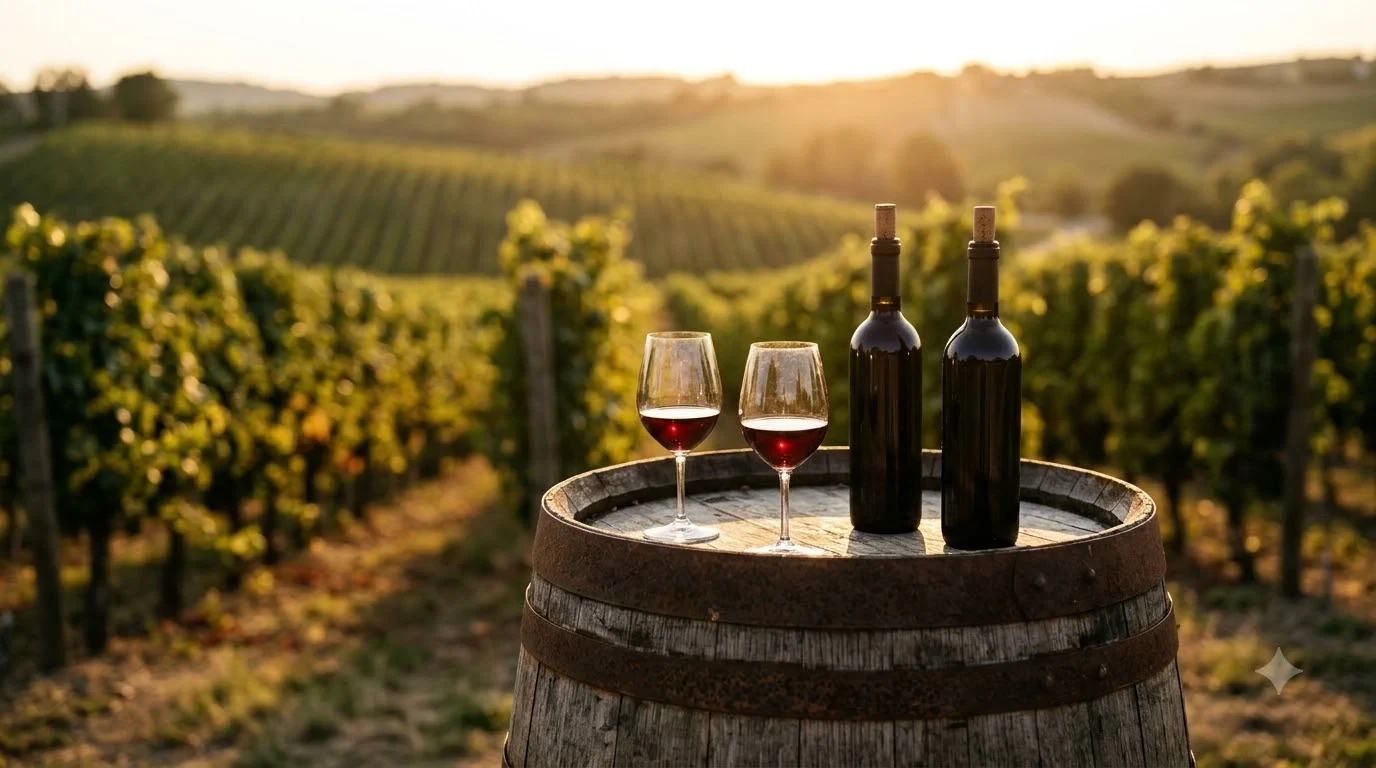
Valais is Switzerland’s largest wine-producing region. According to Valais Tourism, its vineyards cover approximately 5,000 hectares and include almost 60 grape varieties. That diversity gives wine celebrations considerable variety, from tastings of familiar international grapes to opportunities to discover varieties strongly associated with the Swiss Alps.
The geography is an important part of the experience. Vineyards follow the Rhône Valley and climb sunny slopes above villages, sometimes occupying remarkably steep terrain. The combination of elevation, exposure, soils, and local growing conditions gives different vineyard communities their own identities. A tasting in Sierre can therefore offer a different perspective from a visit to Fully or Visperterminen.
Wine events also connect visitors with more than the finished bottle. Producers explain their vineyards, grape varieties, harvest traditions, and winemaking choices. Food frequently forms part of the occasion, with regional cheeses, cured meats, bread, and other Valais specialties providing a natural accompaniment to the wines.
Travelers should distinguish between a large wine exhibition, a guided vineyard walk, and an open-cellar celebration. VINEA is primarily an exhibition and tasting opportunity, while Marche des Cépages places wine discovery within the vineyard landscape. Open cellar events focus more directly on visiting individual wineries and meeting the people who make the wines.
VINEA in Sierre: The Main Wine Exhibition
VINEA – The Exhibition is one of the most prominent wine gatherings associated with Valais. Held in Sierre, it provides an opportunity to discover Swiss wines, meet producers, compare different styles, and learn about the country’s wider wine culture.
VINEA began in 1994, and its continuing objectives include sharing, enjoyment, and discovery. The event has developed over time, but its central appeal remains the opportunity to bring wine producers and interested visitors together in one setting. The official VINEA exhibition page provides information about the event’s history, location, and program.
For visitors, an exhibition format has several advantages. Instead of arranging separate appointments at individual vineyards, attendees can encounter multiple producers during one event. This makes it easier to compare grape varieties, ask questions about regional differences, and identify wineries worth visiting later during a longer stay in Valais.
Sierre is a particularly appropriate location because wine is central to the town’s identity. The surrounding communities include Salgesch, St-Léonard, Venthône, Chippis, Grône, Miège, and Veyras. The wider area provides plenty of opportunities to extend a festival visit into a longer wine-focused stay.
What to expect at a wine exhibition
A wine exhibition generally involves several tasting opportunities, conversations with representatives, and the chance to compare wines from different parts of Switzerland. Visitors interested in Valais should pay particular attention to Petite Arvine, Cornalin, Humagne Rouge, Fendant, and Syrah.
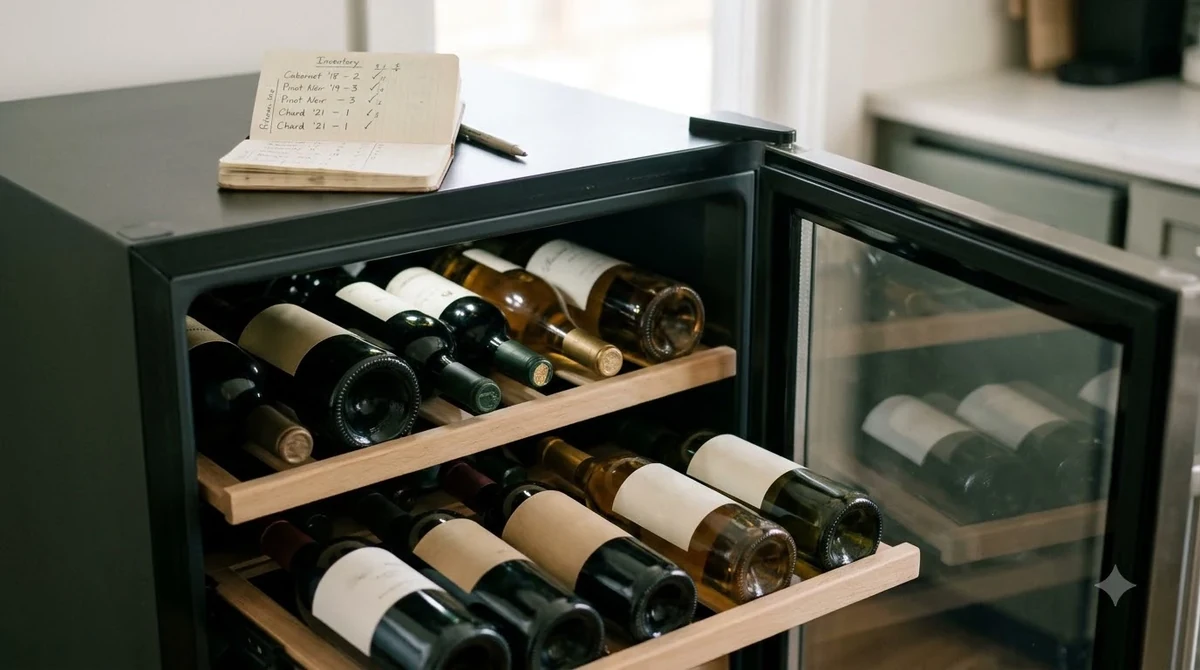
It is useful to approach the exhibition with a little structure. Begin with lighter whites before moving toward fuller-bodied whites and reds. Take notes about grape varieties, producers, and preferred styles. If a wine stands out, ask about the vineyard location and whether the producer offers cellar visits outside the exhibition.
Visitors should also remember that an exhibition tasting is different from a full winery visit. The exhibition allows broad comparison, while a cellar appointment can provide more detailed explanations of vineyard management, fermentation, aging, and individual vintages.
Other Wine Celebrations Across Valais
Valais offers several wine-related gatherings beyond VINEA, including seasonal discovery events, vineyard walks, and open-cellar celebrations. These occasions are useful for visitors who prefer a more local atmosphere or want to experience wine alongside regional food and village traditions.
Printemps du Vin is a spring wine discovery event associated with Salgesch. Its seasonal setting provides an opportunity to explore wines from the Sierre area and enjoy the beginning of the warmer vineyard season. It is particularly suitable for visitors interested in discovering producers without committing to a large exhibition.
Marche des Cépages is another important Sierre-area event. Rather than concentrating exclusively on an indoor exhibition, this wine-focused walk takes participants into the vineyards. The format connects the wines with the landscape and allows visitors to experience the setting in which the grapes grow.
For travelers who enjoy combining food and wine, Truffles and Wines of Chamoson is another distinctive celebration. It brings together the local truffle tradition and Valais wine culture in St-Pierre-de-Clages. This kind of event is especially appealing to visitors interested in regional ingredients and the relationship between local cuisine and wine.
Open Caves in Fully offers another approach to wine discovery. Participating wineries welcome visitors for tastings, creating opportunities to meet producers and learn about the local wine scene. It is a good option for travelers who would rather visit working cellars than spend an entire day at an exhibition.
The following comparison helps distinguish the main event formats:
| Event or experience | Location | Format | Useful detail |
|---|---|---|---|
| VINEA – The Exhibition | Sierre | Wine exhibition and tastings | Established in 1994 |
| Printemps du Vin | Salgesch | Spring wine discovery | Seasonal event |
| Marche des Cépages | Sierre | Vineyard wine walk | Wine discovery in the vineyards |
| Truffles and Wines of Chamoson | St-Pierre-de-Clages | Food and wine celebration | Truffles and regional wines |
| Open Caves in Fully | Fully | Winery visits and tastings | Participating local cellars |
These events have different schedules and admission arrangements, so visitors should consult the organizers before traveling. Not every event takes place annually on the same weekend, and some require advance registration.
Valais Wines and Grape Varieties to Discover
The wines are the main attraction at any Valais wine celebration, and the region’s range of grape varieties makes tastings especially rewarding. Visitors should look beyond familiar international grapes and seek out the distinctive white and red varieties that express the canton’s Alpine identity.
Petite Arvine is one of the best-known white grapes associated with Valais. It can produce aromatic, structured wines with refreshing acidity and citrus, floral, and mineral impressions. Some examples also develop a characteristic saline finish. It is an excellent starting point for visitors who want to understand the personality of local white wine.
Fendant, the local name commonly used in Valais for Chasselas, is another important white wine. It is generally light to medium-bodied, with restrained fruit and a fresh, food-friendly character. Fendant is particularly associated with traditional Swiss meals and is a natural choice alongside raclette.
Humagne Blanche offers another opportunity to discover a less familiar local grape. It can produce distinctive whites with herbal and mineral characteristics. Its relatively specialized profile makes it an interesting selection for visitors who already know the more widely available Swiss varieties.
Red varieties worth seeking out
On the red side, Cornalin is an important Valais specialty. It can produce deeply colored wines with lively acidity, expressive dark-fruit aromas, and a firm structure. It is a good option for visitors who enjoy reds with character and enough freshness to accompany substantial food.
Humagne Rouge is another distinctive regional variety. Its wines can show spicy, earthy, and dark-fruit notes, often with a more rustic personality than internationally familiar red varieties. It pairs naturally with local meat dishes and flavorful mountain cuisine.
Syrah also has a strong presence in Valais. The grape is internationally recognized, but its expression in the Rhône Valley setting is worth exploring. Valais examples can offer dark fruit, pepper, and savory characteristics, with a structure suited to richer foods.
Other varieties, including Pinot Noir, Merlot, and Gamay, help demonstrate the breadth of regional production. Tasting these alongside Cornalin and Humagne Rouge can reveal how different grape varieties respond to the conditions of the Rhône Valley.
A practical tasting sequence
For a balanced tasting, begin with a crisp Fendant or Petite Arvine, continue with another aromatic white, and then move toward lighter reds such as Pinot Noir before trying Cornalin, Humagne Rouge, or Syrah. This progression makes it easier to appreciate differences in acidity, body, tannin, and aromatic intensity.
Tip: Ask the producer to compare two wines made from different grapes in the same vineyard area. This is often more informative than tasting several unrelated bottles because it helps reveal how grape variety influences the wine while the regional growing conditions remain similar.
Serving temperature also affects the tasting experience. Light whites are generally best served at 45–50 F, while fuller-bodied whites benefit from 50–55 F. Light reds are usually most expressive at 55–60 F, and fuller reds can be served at 60–65 F. These ranges help preserve freshness and prevent the wines from seeming excessively warm or cold.
Food Pairings and Traditional Valais Hospitality
Food is an important part of Valais wine celebrations, and the region’s traditional dishes provide natural partners for its wines. Raclette, cured meats, local cheeses, dried fruit, and seasonal specialties help turn a tasting into a broader introduction to Valais culture.
Raclette is one of the region’s most recognizable dishes. Melted cheese served with potatoes, pickles, and onions works particularly well with Fendant. The wine’s freshness helps balance the richness of the cheese, while its restrained aromatic profile allows the food to remain central.
Another traditional option is the assiette valaisanne, a regional platter that typically features cured meats, dried beef, cheese, and bread. A glass of Cornalin or Pinot Noir can complement the savory ingredients. For richer selections, Humagne Rouge and Syrah offer additional structure and dark-fruit flavors.
Local truffles provide another interesting pairing opportunity. At food-focused events such as Truffles and Wines of Chamoson, visitors can explore how aromatic ingredients interact with different wine styles. The best match depends on the preparation, but a wine with good freshness and moderate aromatic intensity can complement rather than overwhelm the dish.
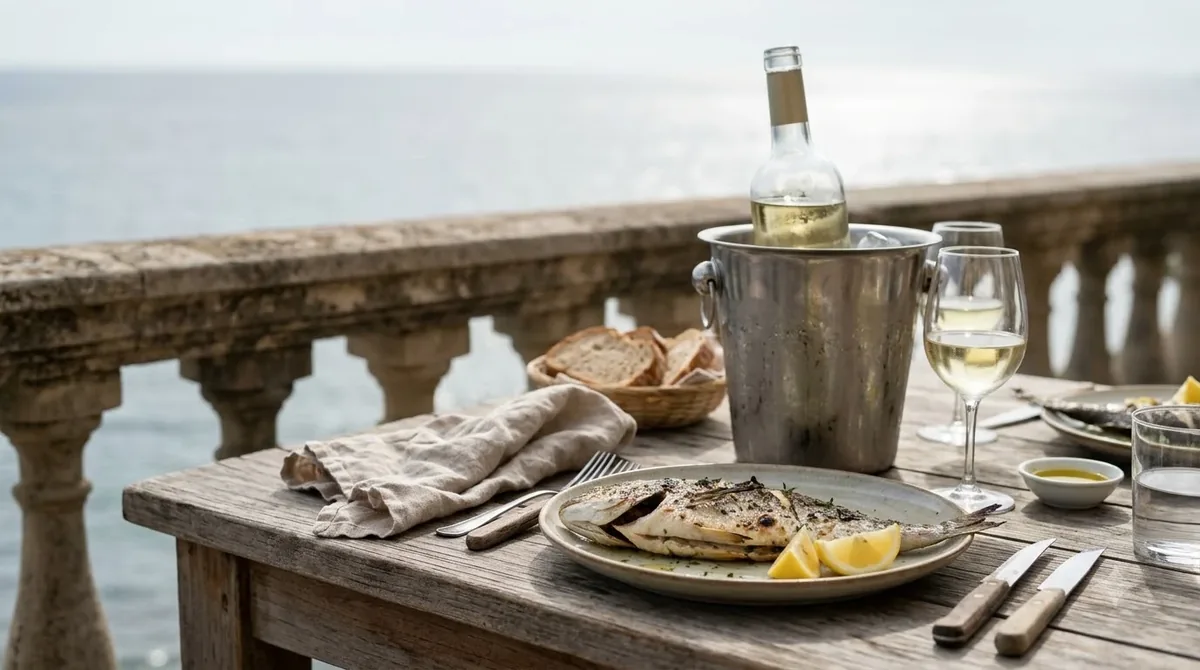
For visitors who enjoy white wine, Petite Arvine can be a particularly interesting match with regional cheeses and seafood dishes. Its acidity helps balance richer ingredients, while its aromatic character provides enough presence to complement flavorful food.
Pairing principles are useful when choosing wines at a festival. Acidic foods generally need wines with equal or greater acidity. Salt and fat can soften the impression of tannin in red wines, making structured varieties more approachable alongside cured meats and cheese. Very hot chili dishes, however, can make alcoholic and tannic wines seem more aggressive.
For a relaxed tasting meal, consider alternating between small pours of white and red wine with bites of food. This approach gives the palate time to recover and makes it easier to compare the wines without becoming overwhelmed by powerful flavors.
Planning a Wine Festival Visit to Sierre, Salgesch, and Sion
A successful Valais wine trip combines a main event with visits to nearby vineyards and cellars. Sierre, Salgesch, and Sion are particularly useful bases because each offers wine-focused activities, opportunities to meet producers, and access to the wider Rhône Valley landscape.
Start in Sierre if the main objective is to attend VINEA or explore the regional wine scene. The town is an established wine center, and its surrounding villages offer additional opportunities for cellar visits. Visitors can also explore the local wine bars and restaurants to discover how Valais wines are served with regional cuisine.
Continue to Salgesch, also known by its German name Salquenen, for another perspective on local wine culture. The village is associated with Printemps du Vin and the Marche des Cépages area. It also has an important connection with the Vine and Wine Museum.
The museum’s two locations are linked by an educational wine trail between the Meyer House in Sierre and the Zumofen House in Salgesch. This makes the area especially appealing to travelers who want to combine cultural activities with time outdoors.
Sion offers a different style of wine experience through its Wine Walk. The activity connects visitors with eight selected wineries around the city and its surrounding vineyards. Each winery tasting includes at least five wines, providing a substantial introduction to local producers and grape varieties.
How to organize a Sion Wine Walk
The Wine Walk is available Monday through Friday and offers a flexible way to explore the local cellars. The organizers estimate that an individual tasting lasts approximately one hour and 15 minutes. They recommend planning three to four winery visits per day rather than trying to visit all eight locations at once.
For a typical full day, begin around 10:00 a.m. and allow sufficient time for travel between wineries, tasting appointments, lunch, and a walk through the historic center. The full-day activity is described as running between 10:00 a.m. and 6:00 p.m. Advance planning is useful because participating wineries have different opening hours and appointment arrangements.
Visitors who want to explore more of the canton can also consider Chamoson, Fully, and Visperterminen. Chamoson is associated with Johannisberg and the truffle-and-wine celebration. Fully offers opportunities to visit local cellars, while Visperterminen is promoted as the location of Europe’s highest vineyard.
Practical planning checklist
- Check event dates: Confirm the official calendar for VINEA, Printemps du Vin, and Marche des Cépages before booking accommodation.
- Reserve cellar appointments: Contact wineries directly, particularly if traveling in a group or visiting during a busy festival weekend.
- Plan transport: Use public transportation where practical and arrange a designated driver if traveling by car.
- Allow enough time: A tasting of 75 minutes at each winery can make an ambitious itinerary difficult to complete.
- Wear suitable footwear: Vineyard paths can be uneven, steep, or exposed to changing weather.
- Carry water: Alternate water with wine throughout the day.
- Take tasting notes: Record grape varieties and producer names so you can find favorite wines again.
Wine celebrations can also be a useful starting point for exploring the wider range of wine regions around the world. Travelers interested in comparing different regional traditions may also enjoy reading about the Livermore wine festival and its California wine culture.
Frequently Asked Questions
Is Valais wine available outside Switzerland?
Yes, some Valais wines are exported to international markets, including the United States. Availability varies considerably by producer and importer, and smaller indigenous grape varieties may be harder to find than Petite Arvine or Syrah. Specialist Swiss wine merchants and restaurants are useful places to begin searching.
What does AOC mean on a bottle of Valais wine?
AOC stands for Appellation d’Origine Contrôlée, a designation connecting a wine with a defined geographical origin and production requirements. Swiss wine appellations establish rules covering matters such as grape varieties and production practices. The designation helps distinguish wines associated with specific regional origins.
What language is commonly spoken at Valais wine events?
Valais is a multilingual Swiss canton, with French and German particularly important in its communities. French is commonly spoken around Sion and Sierre, while German is prominent in areas such as Salgesch and the Upper Valais. Visitors can benefit from learning simple greetings in both languages before attending local events.
Can children attend wine festivals in Valais?
Some outdoor and village events may offer activities that appeal to families, although access to wine-tasting areas is generally subject to age restrictions. Rules depend on the individual organizer and venue. Families should check the event’s admission conditions and available non-alcoholic activities before making plans.
What is the best season to photograph Valais vineyards?
Autumn is especially attractive because the changing vineyard foliage creates striking colors against the Alpine landscape. Spring offers fresh green growth and a different atmosphere, while summer provides longer daylight hours for outdoor exploration. The harvest period can also provide opportunities to observe vineyard activity, depending on the producer’s schedule.
The Valais wine festival experience is an excellent introduction to one of Switzerland’s most distinctive wine-producing areas. From VINEA in Sierre to vineyard walks in Salgesch and cellar visits in Fully, each celebration offers a different way to discover local grapes, producers, food, and traditions. Plan around the event that best matches your interests, leave time to explore the surrounding villages, and make room for a few unfamiliar Swiss wines along the way.
More in Wine Regions
 Willcox Wine Trail: Discover Arizona’s High-Elevation Wine CountryUpdated Nov 20, 2026
 Yakima Valley Wine Region: Find the Best Styles to TryUpdated Nov 20, 2026
 Vosne Romanee Wine Tasting: Identify Aromas and Choose Better PairingsUpdated Nov 20, 2026
 Yakima Valley Wine Festival: Find the Best Seasonal Wine EventsUpdated Nov 20, 2026
 Wales Vineyards: Discover Cool-Climate Wines and Where to VisitUpdated Nov 20, 2026
 Yountville Wine Festival: Discover Napa Wines and Local FoodUpdated Nov 20, 2026