

We may earn a commission when you buy through links on this page, at no extra cost to you. Learn more.
Turkey wine tasting introduces wine lovers to distinctive indigenous grapes, historic vineyards, and regional wine styles across Türkiye, from the crisp Emir whites of Cappadocia to the structured Öküzgözü and Boğazkere reds of southeastern Anatolia. The country’s wine culture combines thousands of years of viticultural history with a modern generation of producers rediscovering native varieties. For visitors, the most rewarding destinations include Cappadocia, Urla, Thrace, and Bozcaada, each offering different landscapes, grapes, and tasting experiences.
Türkiye is an especially interesting destination for wine enthusiasts who want to explore varieties that are less familiar in American wine shops. Its vineyards span Mediterranean coastlines, elevated continental plateaus, volcanic landscapes, and the historic territories of ancient Anatolia. Understanding the major regions and grapes makes it easier to appreciate the differences between Turkish wines and plan a tasting experience around the bottles and landscapes that interest you most.
1. Understanding Turkey’s Wine Culture and Regional Diversity
Turkish wine reflects a long viticultural tradition and a remarkably varied growing environment. Its modern wine industry combines indigenous grapes, international varieties, traditional production knowledge, and contemporary cellar techniques.
Türkiye is considered one of the oldest centers of grape cultivation and winemaking. Archaeological evidence from southeastern Anatolia connects grape cultivation with ancient communities in the Tigris-Euphrates Valley. Hatti, Hittite, Phrygian, Greek, and Roman civilizations all contributed to the region’s agricultural and wine traditions.
Modern Turkish winemaking developed through several historical changes. During the Ottoman period, non-Muslim communities played important roles in wine production and trade. The establishment of the Turkish Republic in 1923 brought significant changes to the industry, including the migration of many established Greek and Armenian wine-producing communities. State-controlled production also shaped the industry for much of the twentieth century.
A new generation of boutique wineries began appearing during the 1990s. Producers increasingly invested in international winemaking techniques while also returning attention to native varieties. This renewed interest has made indigenous grapes an important part of contemporary Turkish wine identity.
Geography is equally important. According to WSET, Türkiye has an average elevation of approximately 1,140 meters. Higher vineyard locations can experience cooler temperatures and longer ripening periods than nearby lowland areas. These conditions help preserve freshness while allowing grapes to develop aromatic complexity. The WSET overview of Turkish wine regions and indigenous varieties provides additional context on the country’s geography and grape-growing areas.
The principal wine-growing destinations include:
- Aegean: Urla, Bozcaada, Manisa, Denizli, and surrounding coastal and inland districts.
- Thrace: Kırklareli, Tekirdağ, Şarköy, and Gelibolu.
- Central Anatolia: Cappadocia and Kalecik.
- Eastern Anatolia: Elazığ and surrounding areas associated with Öküzgözü.
- Southeastern Anatolia: Diyarbakır and surrounding areas associated with Boğazkere.
These destinations offer very different experiences. Coastal vineyards provide maritime influences and Mediterranean scenery, while central and eastern vineyards introduce visitors to elevated continental conditions and indigenous varieties that have developed distinctive regional identities. Exploring the wider collection of Wine Regions can also help put Türkiye’s geography into perspective alongside better-known European wine destinations.
2. Cappadocia: Discovering Emir and Volcanic Vineyard Wines
Cappadocia is one of Türkiye’s most recognizable wine destinations, combining volcanic landscapes, elevated vineyards, and a strong connection with the indigenous Emir grape. It is an excellent starting point for visitors interested in discovering Turkish white wine.

The region’s vineyards benefit from a continental climate and distinctive volcanic terrain. Warm summers encourage grape ripening, while cooler conditions at higher elevations help maintain freshness. These environmental influences contribute to the character of local wines and distinguish Cappadocia from the warmer coastal vineyards of western Türkiye.
Emir is the signature white grape to seek out during a Cappadocia tasting. It typically produces dry wines with lively acidity, citrus aromas, green apple characteristics, and a refreshing mineral impression. The grape is particularly associated with the region and can also be used in sparkling wine production.
Emir is a useful introduction to Turkish wine because its freshness and recognizable fruit character make it approachable for people accustomed to Sauvignon Blanc or other aromatic white wines. However, it has its own regional identity, and tasting it alongside an international white grape helps reveal its differences.
Other varieties available in the region include Narince, Kalecik Karası, Öküzgözü, and Boğazkere. Some wineries also work with international grapes such as Chardonnay, Cabernet Sauvignon, and Sauvignon Blanc. Comparing these wines provides a broader picture of the area’s winemaking capabilities.
Planning a Cappadocia tasting
Ürgüp and Uçhisar are useful bases for exploring the area’s wine culture. Visitors can combine winery appointments with sightseeing around the distinctive rock formations and historic settlements. The landscape makes the experience particularly memorable, but the wines deserve attention independently of the scenery.
For a focused tasting, begin with a young Emir, move to a more structured or sparkling white if available, and finish with a regional red. This sequence allows the palate to progress from fresh acidity toward greater body and tannin.
Ask whether a winery offers a comparison between different Emir bottlings or vineyard sources. Such comparisons can demonstrate how harvest timing, fermentation choices, and maturation influence the finished wine.
Cappadocia is also a useful destination for learning about the relationship between wine and local food. Fresh cheeses, stuffed vegetables, and regional meat dishes offer several opportunities to explore how Turkish wines work at the table.
Tip: Start a Cappadocia tasting with Emir before moving to the reds. Its refreshing acidity prepares the palate for fuller wines and makes the differences between white and red regional styles easier to recognize.
3. The Aegean Coast: Urla, Bozcaada, and Denizli
The Aegean is Türkiye’s most important wine-producing region, accounting for approximately 30% of national wine production according to WSET. Its coastal vineyards, historic islands, and inland growing areas offer an extensive range of tasting opportunities.
Urla, near İzmir, is among the most interesting destinations for visitors seeking a combination of boutique wineries, regional food, and coastal scenery. The area has a long history of viticulture, and its modern vineyard route connects wine experiences with restaurants, accommodation, and local cultural attractions.
One distinctive local grape is Urla Karası, a variety associated with the area’s renewed interest in indigenous viticulture. The region also grows international grapes, allowing producers to make both locally inspired wines and more familiar international styles.
During a tasting in Urla, compare a native red with a Cabernet Sauvignon or Syrah-based wine if both are available. Look for differences in body, acidity, tannin, and the influence of oak maturation rather than judging the wines simply by their grape names.
Bozcaada, an island in the northern Aegean, offers another important destination. Its viticultural heritage extends approximately 3,000 years, according to official Turkish tourism information. Warm conditions, maritime influences, and northern winds contribute to the island’s distinctive growing environment.
The island is particularly interesting for visitors who enjoy exploring traditional regional grapes alongside internationally recognized varieties. Its historic connection with viticulture gives tastings an additional cultural dimension.
Further inland, Manisa and Denizli are important areas within the broader Aegean wine region. Çalkarası is especially useful to remember when exploring wines from Denizli, as the grape is associated with fresh, fruit-driven rosé styles. Sultaniye and Bornova Misketi also contribute to the region’s white wine diversity.
What to compare in Aegean wines
A useful tasting selection might include an aromatic white, a rosé, and two contrasting reds. Bornova Misketi offers an opportunity to explore floral and aromatic characteristics, while Çalkarası can demonstrate how a local grape works in a lighter style.
For the reds, compare an indigenous variety or blend with an international Bordeaux-style wine. Cabernet Sauvignon generally brings firmer tannin and darker fruit, while softer varieties and regional blends may offer a different balance of fruit, acidity, and structure.
Visitors interested in comparing Mediterranean wine destinations can also explore Bolgheri wine tasting. Both destinations provide opportunities to understand how coastal climates, grape selection, and modern winemaking influence regional wine identity, although their varieties and traditions differ.
4. Thrace: Exploring Turkish Wines Around the Sea of Marmara
Thrace is an important wine-growing area in northwestern Türkiye, with a distinctive combination of continental influences, maritime conditions, and varied vineyard landscapes. Its principal tasting destinations include Kırklareli, Tekirdağ, Şarköy, and Gelibolu.
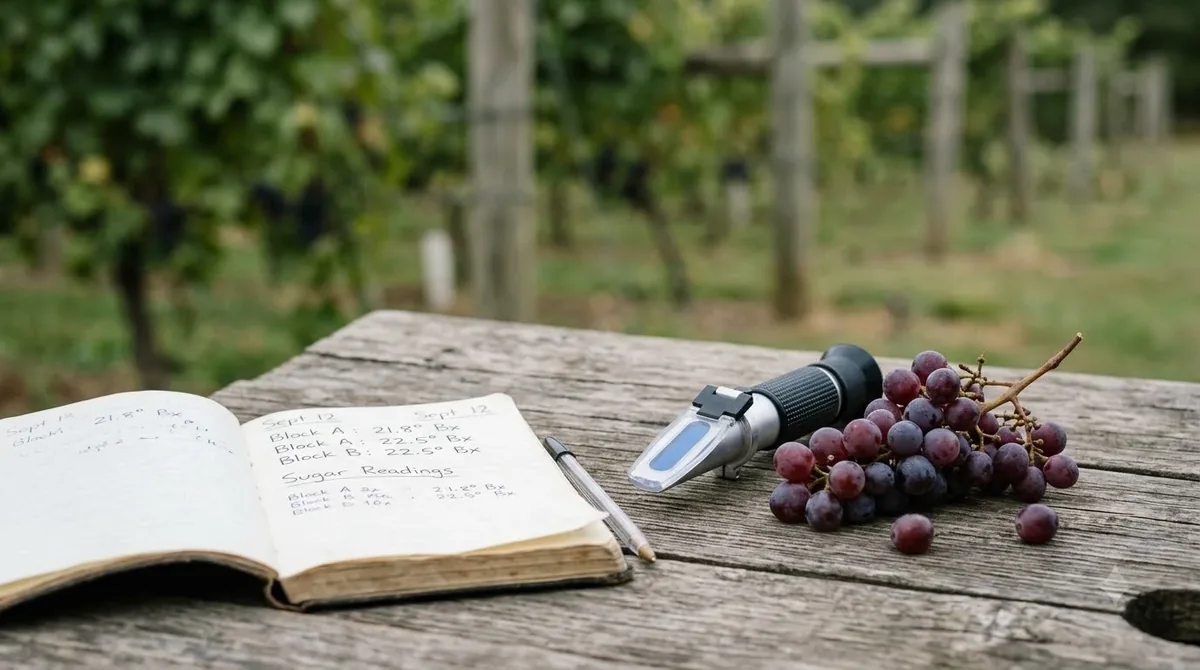
The region’s vineyards are influenced by three surrounding seas: the Sea of Marmara, the Aegean Sea, and the Black Sea. Mountains, forests, and changing local conditions contribute to different growing environments across the wider area.
Thrace is known for balanced, fresh wines, including both indigenous and international varieties. Papazkarası is one of its important local red grapes. Visitors may also encounter Adakarası, Yapıncak, and Vasilaki, alongside Cabernet Sauvignon, Merlot, Gamay, Riesling, Sauvignon Blanc, and Syrah.
Kırklareli is particularly interesting because it is associated with Sauvignon Gris, a less commonly encountered grape in international wine tastings. Sampling it alongside Sauvignon Blanc can be a useful exercise in recognizing differences between related varieties.
Thracian producers also work with different maturation techniques. Some allow wines to develop in barriques or larger oak casks for extended periods, with certain examples maturing for up to three years. Comparing wines aged in different vessels can reveal how oak influences texture, aroma, and structure.
Best time to visit Thrace
The official Thrace vineyard route information identifies April as the usual bud-break period and October as a typical harvest month. Spring visits are suitable for exploring vineyard landscapes, while autumn provides opportunities to observe the harvest season and the work taking place in wineries.
Because the route includes several separate vineyard areas, it is sensible to organize transportation and tasting appointments in advance. A visit to Kırklareli can be combined with other nearby producers, while Tekirdağ offers another useful starting point for exploring the region.
Food is an important part of the Thracian experience. Local cheeses such as Eski kaşar and Mihaliç provide savory, salty flavors that can work well with fresh regional whites and structured reds.
For a more informative tasting, ask producers about their approach to oak maturation and whether a particular wine is intended for early drinking or additional bottle aging. These details help explain why two wines made from the same grape can have noticeably different textures.
5. Indigenous Turkish Grapes: The Varieties Every Wine Lover Should Know
Indigenous grapes are the most rewarding part of a Turkish wine tasting because they reveal the country’s agricultural heritage and regional differences. Five particularly important varieties to recognize are Öküzgözü, Boğazkere, Kalecik Karası, Narince, and Emir.
Although international varieties are widely planted, native grapes offer a more distinctive introduction to Turkish wine. Wine Enthusiast notes that approximately 30 of Türkiye’s 800 indigenous grape varieties are used commercially for wine production.
Öküzgözü: Fresh and fruit-driven red wine
Öküzgözü means bull’s eye in Turkish, referring to the grape’s appearance. It is one of the country’s most important red varieties and is particularly associated with eastern growing areas.
Typical wines show black cherry, red and black fruit, pomegranate, and floral characteristics. They often have refreshing acidity and softer, ripe tannins, especially when produced with little or no oak.
For comparison, Öküzgözü can be a useful choice for drinkers who enjoy approachable Pinot Noir or lighter Merlot styles. However, it should be evaluated on its own terms rather than treated as a direct substitute for either grape.
Boğazkere: Structured and tannic red wine
Boğazkere translates roughly as throat burner, a reference to its pronounced tannic character. It produces more structured red wines, often showing blackberry, raspberry, black cherry, mocha, anise, and baking spice notes.
Its tannin structure makes it particularly interesting for people who enjoy fuller-bodied red wines. Boğazkere can also benefit from careful maturation, which helps integrate its firm texture with concentrated fruit.
Kalecik Karası: Elegant and aromatic red wine
Kalecik Karası takes its name from Kalecik, an area in Central Anatolia near Ankara. Its wines can be elegant and aromatic, with strawberry, cherry, black pepper, and clove characteristics.
Compared with Boğazkere, Kalecik Karası generally offers a softer, more approachable style. It is an excellent variety to include in a tasting flight because it demonstrates that Turkish reds are not all powerful or heavily structured.
Narince: A distinctive Anatolian white
Narince is an indigenous white grape associated with Tokat. Its name means delicately, and its wines generally offer medium body, good acidity, and a combination of citrus and floral aromas.
Typical tasting characteristics include lemon, grapefruit, pineapple, and delicate floral notes. Some versions receive oak maturation, adding texture and a different aromatic dimension.
Narince also has a culinary connection: its leaves are traditionally used to prepare dolma, or stuffed grape leaves. This relationship between the grapevine and Turkish cuisine makes it an especially interesting variety to explore alongside local food.
Emir: The signature white grape of Cappadocia
Emir is strongly associated with Cappadocia and is one of the region’s defining white varieties. Its wines are generally fresh, crisp, and aromatic, with citrus and green apple characteristics.
Its acidity makes it suitable for refreshing still wines and sparkling expressions. Comparing Emir with Narince provides a useful introduction to the diversity of Turkish white wine.
| Grape | Typical style | Common tasting characteristics | Associated region |
|---|---|---|---|
| Öküzgözü | Medium-bodied red | Cherry, pomegranate, floral notes | Elazığ and eastern Anatolia |
| Boğazkere | Fuller, tannic red | Blackberry, anise, mocha | Diyarbakır and southeastern Anatolia |
| Kalecik Karası | Elegant red | Strawberry, cherry, clove | Kalecik and Central Anatolia |
| Narince | Medium-bodied white | Lemon, grapefruit, floral notes | Tokat |
| Emir | Fresh white | Green apple, citrus, mineral notes | Cappadocia |
A particularly educational tasting flight includes all five grapes. Start with Emir and Narince, then progress through Kalecik Karası, Öküzgözü, and Boğazkere. This order moves from fresh white wines toward increasingly structured reds.
Another useful comparison is a single-variety Öküzgözü alongside an Öküzgözü-Boğazkere blend. The blend can demonstrate how a winemaker uses a more tannic grape to add structure to a fruit-forward variety.
6. Turkish Wine and Food Pairings, Serving Temperatures, and Tasting Techniques
Turkish wine is particularly rewarding with regional cuisine because the country’s dishes offer a wide range of herbs, grilled meats, cheeses, vegetables, and spices. Matching the wine’s acidity, body, tannin, and sweetness with the food makes a tasting more informative.
Local cheeses are an excellent starting point. Divle, Obruk, Kars Kaşarı, and Kars Gruyere offer different combinations of saltiness, richness, and texture. Fresh, acidic whites such as Emir can work well with lighter cheeses, while structured reds can complement aged and harder cheeses.
Pastırma, a cured meat traditionally seasoned with spices, is another interesting pairing. Its concentrated savory flavors can work with fruit-forward reds, particularly Öküzgözü and softer Kalecik Karası bottlings.
Pairing native grapes with Turkish dishes
- Emir with seafood: Its refreshing acidity and citrus character work well with grilled white fish, seafood meze, and simply prepared shellfish.
- Narince with chicken: Its medium body and good acidity can complement roasted chicken, herb-seasoned poultry, and vegetable dishes.
- Kalecik Karası with grilled vegetables: Its red-fruit character and relatively approachable tannins suit grilled eggplant, peppers, and mushroom dishes.
- Öküzgözü with lamb: Its fruit and acidity can balance the savory flavors and moderate richness of grilled or roasted lamb.
- Boğazkere with grilled red meat: Its pronounced tannins can work with the protein and fat in lamb kebabs and grilled beef.
- Öküzgözü-Boğazkere blends with pastırma: The combination of fruit, tannin, and savory flavors can create a satisfying match.
Food preparation matters as much as the grape. Salt and fat soften the perception of tannin, making fuller reds more approachable alongside rich dishes. Conversely, spicy food can make alcohol and tannin seem more pronounced, so heavily structured reds are not always the best choice for chili-rich meals.
Acidic dishes also need attention. Foods containing lemon, vinegar, or sharp tomato sauces generally work better with wines that have equal or higher acidity. Otherwise, the wine may taste flat beside the food.
Serving temperatures for Turkish wines
Serving temperature affects aroma, acidity, and the perception of tannin. Turkish wines should be served according to their style rather than simply being poured at room temperature.
| Wine style | Recommended temperature | Serving approach |
|---|---|---|
| Sparkling Emir | 40–50°F | Serve well chilled |
| Light Emir white | 45–50°F | Serve chilled |
| Fuller-bodied Narince | 50–55°F | Allow slightly more warmth |
| Rosé from Çalkarası | 45–50°F | Serve chilled |
| Kalecik Karası | 55–60°F | Serve slightly cool |
| Öküzgözü | 55–60°F | Serve slightly cool |
| Full-bodied Boğazkere | 60–65°F | Serve moderately cool |
How to evaluate a tasting flight
Start by examining the wine’s appearance. Note its color, clarity, and intensity. White wines may range from pale lemon to deeper golden shades, while reds can vary from bright ruby to deeper garnet depending on grape variety, production method, and age.
Next, smell the wine before tasting. Look for fruit, floral, herbal, spice, and oak characteristics. With Emir, for example, you might recognize citrus and green apple. Boğazkere can show darker fruit, spice, and more pronounced oak-related aromas in mature examples.
On the palate, evaluate sweetness, acidity, tannin, alcohol, body, and finish. These characteristics provide a more useful comparison than simply deciding which bottle you prefer.
For a structured tasting, pour approximately 2 ounces of each wine rather than filling the glass. A standard serving is 5 ounces, and a 750 ml bottle provides approximately five standard glasses.
Young, fuller-bodied red wines can benefit from 30–60 minutes of decanting. This is particularly useful when evaluating a structured Boğazkere or an oak-aged red blend. Lighter reds generally require less aeration.
Take brief notes after each wine, recording the grape, region, acidity, tannin, fruit characteristics, and overall impression. This makes it easier to compare different producers and remember which regional styles you enjoyed most.
For additional context, Alsace wine tasting offers another useful example of how indigenous varieties, regional food traditions, and climate shape a wine destination’s identity.
7. Frequently Asked Questions
How many Turkish grape varieties are there?
Wine Enthusiast reports approximately 800 indigenous grape varieties in Türkiye. The Tekirdağ Viticulture Research Institute cited by Decanter reports a larger figure of 1,435 varieties. These figures reflect different reporting and classification approaches, and only a relatively small proportion are used commercially for winemaking.
Is Turkish wine suitable for collectors?
Yes, certain Turkish wines have characteristics that interest collectors, particularly structured Boğazkere and carefully made Öküzgözü-Boğazkere blends. Their suitability for cellaring depends on acidity, tannin, concentration, production choices, and the individual vintage. Not every Turkish wine is intended for extended aging, so producer guidance is useful when selecting bottles for a cellar.
Does Türkiye have an official wine appellation system?
Wine Enthusiast describes Türkiye as lacking a formal appellation system comparable to France’s controlled regional classification framework. Consequently, understanding grape origins and producer information is particularly helpful when evaluating regional identity. Familiarity with places such as Cappadocia, Tokat, and Diyarbakır can provide useful context.
Can visitors find Turkish wines in American wine shops?
Yes, although selection varies considerably between states and individual retailers. Some Turkish producers export their wines to the United States through specialist importers. Specialty wine stores and retailers with international selections are generally better starting points than shops focused exclusively on domestic wines.
What is the traditional Turkish drink raki?
Raki is a traditional Turkish anise-flavored spirit rather than a wine. It is commonly associated with meze and social dining traditions, and its distinctive anise character makes it quite different from the country’s indigenous grape wines. Its cultural importance helps explain the wider role of grape agriculture in Turkish food and drink traditions.
Turkey wine tasting offers a rewarding introduction to a country with extraordinary grape diversity, historic vineyard landscapes, and increasingly distinctive modern wines. Start with Emir in Cappadocia, compare Öküzgözü and Boğazkere in a red wine flight, and explore the coastal character of Urla or the historic vineyards of Thrace. These experiences provide a deeper understanding of Turkish wine and make it easier to recognize the qualities that distinguish its indigenous varieties.
More in Wine Regions
 Willcox Wine Trail: Discover Arizona’s High-Elevation Wine CountryUpdated Nov 20, 2026
 Yakima Valley Wine Region: Find the Best Styles to TryUpdated Nov 20, 2026
 Vosne Romanee Wine Tasting: Identify Aromas and Choose Better PairingsUpdated Nov 20, 2026
 Yakima Valley Wine Festival: Find the Best Seasonal Wine EventsUpdated Nov 20, 2026
 Wales Vineyards: Discover Cool-Climate Wines and Where to VisitUpdated Nov 20, 2026
 Yountville Wine Festival: Discover Napa Wines and Local FoodUpdated Nov 20, 2026