

We may earn a commission when you buy through links on this page, at no extra cost to you. Learn more.
Jura wine comes from a small cool-climate region in eastern France, between Burgundy and Switzerland, known for distinctive whites, a rare oxidative style called vin jaune, and lighter reds made from local grapes. The region has roughly 1,950 hectares of vines according to the Wikipedia article on Jura wine, and it is best approached by learning its grapes and appellations first. This guide covers where the wines come from, the grapes that matter, the styles, and how to serve and pair them.
Jura is one of the smaller wine regions in France, and it is easy to overlook next to Burgundy or Alsace. Wine lovers who find it tend to stay, because the wines often have a character that is hard to find elsewhere. The grapes are partly familiar and partly local, and the style of the best bottles depends a great deal on how the wine was made rather than just which grape went into it.
Where Jura Sits and Why Its Climate Matters
The Jura département sits between Burgundy to the west and Switzerland to the east. Its cool climate and hillside vineyards give the wines a freshness and acidity that many people associate with cooler French regions. The landscape is also mountainous compared with the flat vineyards of Bordeaux, which affects how the vines ripen and how the soils drain.
Wikipedia describes the region as having about 1,950 hectares under vine and around 230 wineries, with roughly 11 million bottles produced each year. Numbers like these are a useful sense of scale: Jura is a small region, and many of its producers are family estates that sell a large share of their wine directly to visitors and specialist shops. For the full regional overview, the Wikipedia article on Jura wine covers the geography, grapes, and appellations in more detail, and it is a sensible starting point before you visit or shop.
The Grapes of Jura
Jura’s plantings are led by Chardonnay, which accounts for about 43 percent of vines according to the same article, and Savagnin, which makes up about 23 percent. Poulsard, Trousseau, and Pinot noir are the other key varieties. The mix means the region can make crisp whites, nutty oxidative whites, light red wines, and sparkling wines in one area.
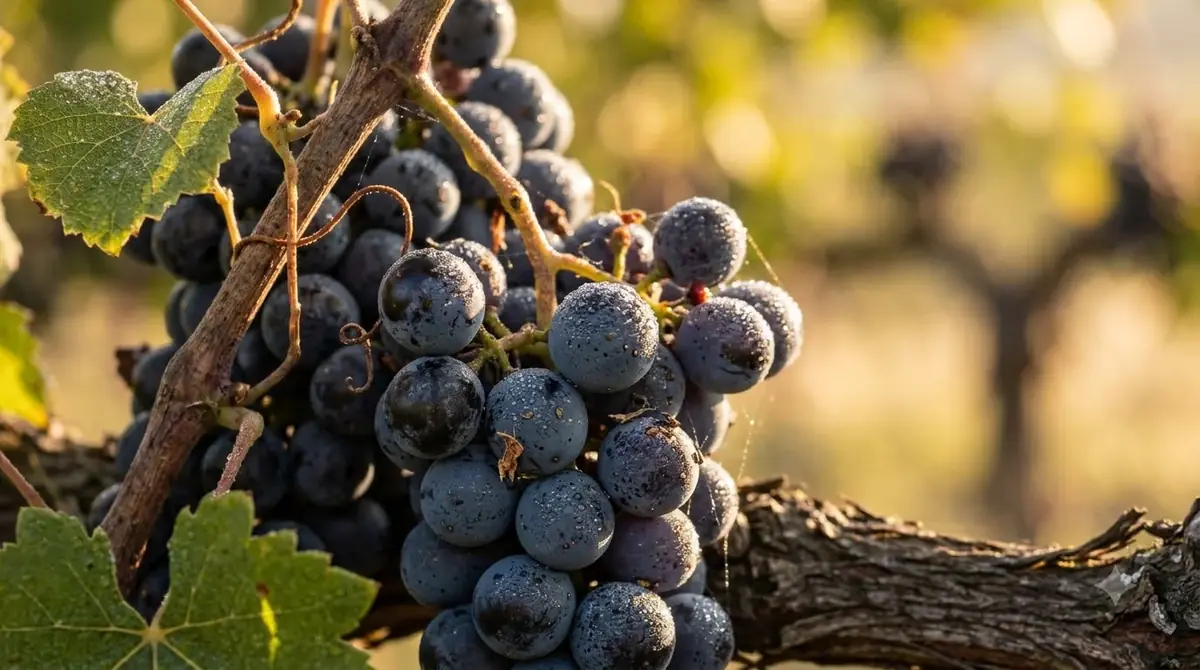
Savagnin is the grape that most shapes the region’s identity. It is the sole grape in vin jaune, and it also makes the dry white wines that are often the first introduction to Jura for visitors. Poulsard is used for light, fruity reds that are easy to chill and drink young, while Trousseau can give more structure and perfume. If you want a general sense of how Chardonnay and Pinot noir behave, the wine regions guide on this site is a useful starting point before you look at Jura’s own bottles.
| Grape | Role in Jura | What to expect in the glass |
|---|---|---|
| Chardonnay | Largest share of plantings | Crisp, mineral whites and sparkling styles |
| Savagnin | About a quarter of plantings, sole grape in vin jaune | Nutty, savory whites and oxidative character |
| Poulsard | Key local red | Light, fruity reds with low tannin |
| Trousseau | Key local red | Perfumed, structured reds |
| Pinot noir | Also planted | Red fruit and fresh acidity |
Tip: If a Jura white smells a little like sherry or walnut, that is usually the style of the wine rather than a fault. Ask the producer what the wine was meant to be before you judge it.
Vin Jaune and the Other Specialty Styles
Vin jaune is the most famous Jura style. It is made only from Savagnin, and it ages under a layer of yeast, called a voile, for six years and three months before it is bottled in a 62-centilitre bottle known as a clavelin. The wine is not fortified, but it is often compared to sherry because of its oxidative character and nutty, savory flavors. It is a wine to sip slowly, and it can be paired with rich cheeses and roasted poultry.
Vin de paille is another specialty. It is made from grapes that are dried after harvest before pressing, which concentrates sugar and flavor, and Wikipedia lists Chardonnay, Poulsard, and Savagnin among the grapes used for it. Crémant du Jura, the region’s sparkling wine category, offers a more everyday way to enjoy local grapes, and it is often a good first bottle for someone new to the region.
Appellations to Know on the Label
Jura has several appellations, and the names on a label tell you a good deal about where the grapes were grown. Wikipedia lists seven AOCs in total, including four geographical appellations: Arbois, Château-Chalon, Côtes du Jura, and L’Étoile. The other three are product-based categories covering Macvin, Marc, and Crémant. Château-Chalon is the appellation most closely tied to vin jaune, while Arbois and Côtes du Jura cover a wider range of styles.
When you read a label, check the appellation first, then the grape, then the producer’s name. Producers who bottle several wines from one vineyard often show the village or plot on the label, which helps when you want to compare a Chardonnay from one area with another from a different slope.
Serving and Pairing Jura Wines
Serve Jura whites cool but not ice cold so that the aromas can open. Light reds such as Poulsard are best slightly chilled, which keeps their fruit bright and their tannin soft. Vin jaune needs a little more care. Serve it in a small glass, and give it time to open, because the flavors change as it sits.
Food pairing is where Jura wines shine. Savagnin-based whites pair well with cured meats, mushrooms, and creamy sauces, and they suit the local cheeses that are often served alongside them. Light reds go well with roast chicken, charcuterie, and mild sausages. Crémant works with almost anything at the start of a meal. If you are planning a dinner around a single bottle, a Chardonnay from Jura is often the most flexible choice.
Jura is also a region where it is worth comparing like with like. A Jura white and a Burgundy Chardonnay share a grape but can taste quite different, because the climate, soils, and winemaking traditions are not the same. The Hunter Valley wine guide offers another example of a regional style built on a single defining grape, and the Douro wine guide covers a region where local grapes define the identity in a similar way.
Frequently Asked Questions
What is Jura wine?
Jura wine comes from a small cool-climate region in eastern France. It is known for Chardonnay and Savagnin whites, light reds made from Poulsard and Trousseau, sparkling Crémant, and the oxidative specialty vin jaune.
What is vin jaune?
Vin jaune is a specialty white made only from Savagnin. It ages under a yeast veil for six years and three months and is bottled in a 62-centilitre clavelin. It has a nutty, savory, oxidative style and is often compared to sherry.
Is Jura wine the same as Burgundy?
No. Jura sits next to Burgundy and shares some grapes such as Chardonnay and Pinot noir, but it uses local varieties too, and the climate and winemaking styles differ. Many people find Jura wines more distinctive than their Burgundy counterparts.
What grapes are used in Jura?
The main grapes are Chardonnay, Savagnin, Poulsard, Trousseau, and Pinot noir. Chardonnay and Savagnin make up the largest shares of the vineyards.
Jura rewards a slow start. Begin with a Chardonnay or a Crémant to learn the house style, then move to a Savagnin or a light Poulsard red. For a broader view of how regions shape grapes and style, return to the wine regions guide and compare what you learned with other European and New World areas.
More in Wine Regions
 Willcox Wine Trail: Discover Arizona’s High-Elevation Wine CountryUpdated Nov 20, 2026
 Yakima Valley Wine Region: Find the Best Styles to TryUpdated Nov 20, 2026
 Vosne Romanee Wine Tasting: Identify Aromas and Choose Better PairingsUpdated Nov 20, 2026
 Yakima Valley Wine Festival: Find the Best Seasonal Wine EventsUpdated Nov 20, 2026
 Wales Vineyards: Discover Cool-Climate Wines and Where to VisitUpdated Nov 20, 2026
 Yountville Wine Festival: Discover Napa Wines and Local FoodUpdated Nov 20, 2026