

We may earn a commission when you buy through links on this page, at no extra cost to you. Learn more.
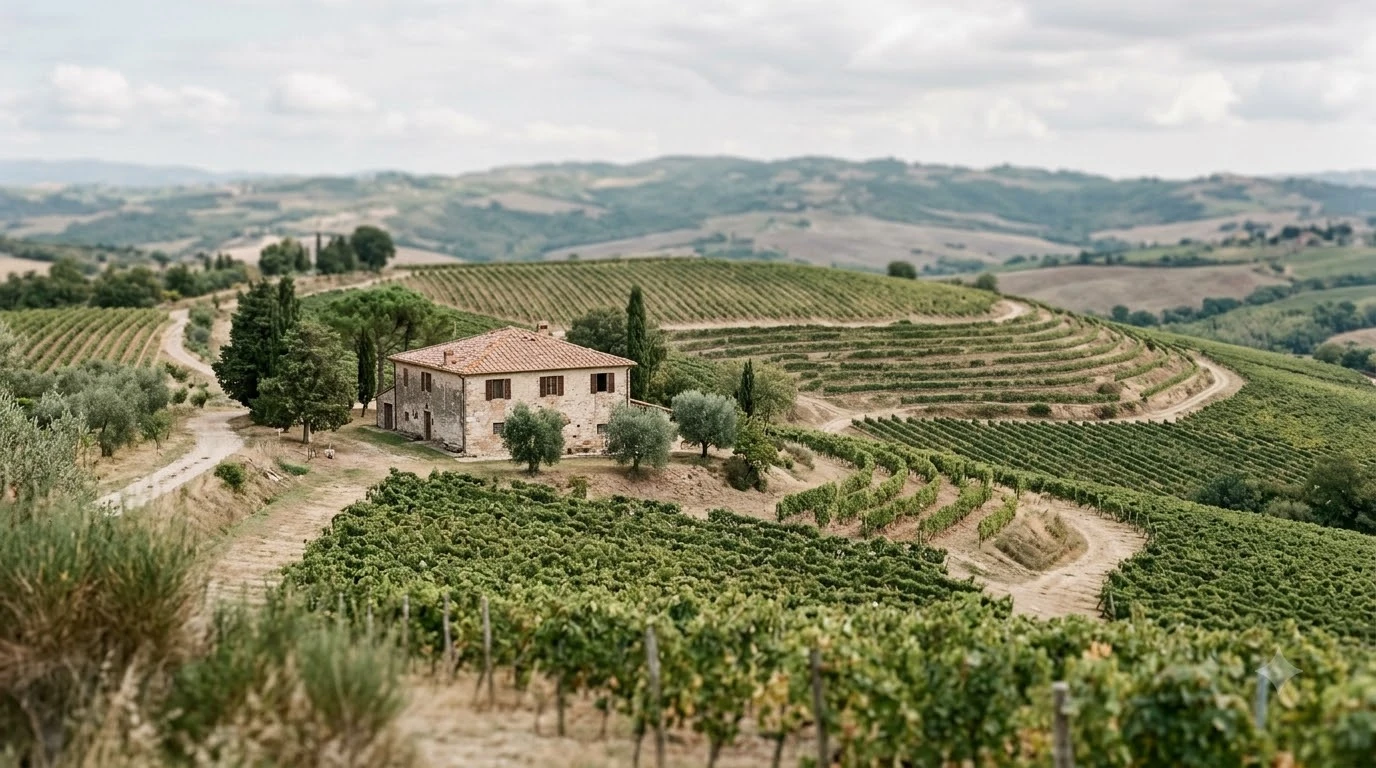
The tasmania wine trail takes visitors through four principal wine routes, showcasing the island’s cool-climate Pinot Noir, Chardonnay, Riesling, and traditional-method sparkling wines. The routes cover the Tamar Valley, North West, East Coast, and Southern Tasmania, with each offering different landscapes, cellar doors, and regional wine styles. Visitors can explore riverside vineyards near Launceston, coastal wineries near Freycinet, or historic wine districts around Hobart. Choosing one or two regions rather than attempting to cover the entire island makes it easier to enjoy the tastings, scenery, and local food.
Tasmania has earned an important place in Australian wine through its cool growing conditions and distinctive regional character. Its vineyards occupy a relatively small area, but the island produces an impressive range of wines, particularly those made from Pinot Noir and Chardonnay. The wine routes also offer an appealing way to discover Tasmania beyond its cities, connecting rural communities, coastal scenery, restaurants, and agricultural producers. A successful visit starts with understanding the geography and selecting a route that matches the wines and experiences you want to explore.
Understanding Tasmania’s Wine Country and Its Four Main Routes
Tasmania’s wine country is spread across four principal visitor trails, each with its own geographical character and selection of cellar doors. The Tamar Valley provides the largest concentration of wineries, while the East Coast, North West, and Southern routes offer different combinations of wine, food, and sightseeing.

The island sits south of mainland Australia, where maritime influences from the Tasman Sea, Bass Strait, and Indian Ocean help create a temperate growing environment. Wine Australia’s regional information identifies a vineyard area of 2,084 hectares and a mean January temperature of 15.6°C. These conditions support a long growing season, allowing many grapes to develop flavor gradually while retaining natural acidity. Its relatively small vineyard area also means that visitors can encounter a wide variety of wine styles without traveling through an enormous commercial wine-producing landscape.
Unlike larger Australian wine-producing areas, Tasmania does not rely on one dominant vineyard district. Instead, its wine-growing areas are distributed across several distinct landscapes. This geographic variation creates differences in exposure, soils, rainfall, and local temperatures, which influence the wines made in each district.
Wine Tasmania identifies four principal wine trails:
- Tamar Valley Wine Trail: Northern Tasmania’s established wine route, centered on Launceston and the Tamar River.
- North West Wine Trail: A dispersed collection of vineyards around Devonport, Port Sorell, and Gunns Plains.
- East Coast Wine Trail: A scenic route connecting vineyards around Swansea and Cranbrook.
- Southern Wine Trail: A collection of wine districts around Hobart, including Coal River Valley, Derwent Valley, and Huon Valley.
The four trails are not one continuous vineyard road. They cover substantial distances, and traveling between northern and southern wine districts requires meaningful driving time. For that reason, visitors should select a convenient accommodation base and explore nearby wine areas rather than attempting to visit every cellar door in one trip.
The Tasmania wine region is especially interesting for visitors who want to understand how a single island can produce several different cool-climate wine styles. Its varied terrain and maritime conditions create opportunities for both sparkling wine specialists and producers focused on still wines. The official Wine Australia Tasmania regional profile provides additional information about the island’s climate, vineyard area, major grape varieties, and soil differences.
Tamar Valley and Pipers River: The Best Starting Point for Wine Tasting
The Tamar Valley is generally the easiest place to begin exploring Tasmanian wine country because it has the island’s oldest and largest concentration of vineyards. More than 30 cellar doors are located along the Tamar River and surrounding districts, with Pipers River providing an additional focus for sparkling wine.

Launceston is the natural accommodation base for this northern route. From the city, visitors can travel south toward Relbia, follow the western side of the river toward Beaconsfield, or explore the eastern side toward Pipers Brook. The route covers approximately 170 kilometers, making a full day of exploration possible, although a slower two-day visit allows more time for individual wineries.
Tamar Valley’s established vineyards
The Tamar Valley has a broad selection of wine styles, including Pinot Noir, Chardonnay, Riesling, sparkling wine, and Pinot Gris. The region’s gravelly basalt soils, clay, and limestone contribute to the diversity of vineyard conditions. Producers work with these conditions to make wines that express both fruit character and refreshing acidity.
One practical advantage is the concentration of cellar doors. Visitors can plan a route that includes several tasting appointments without constantly moving between distant agricultural districts. Some wineries also provide food, making it possible to organize lunch around a vineyard visit rather than returning to Launceston between tastings.
Pipers River and traditional-method sparkling wine
Pipers River, northeast of Launceston, is particularly important for Tasmania’s sparkling wine reputation. Its deep, free-draining soils and cool climate are suitable for Chardonnay and Pinot Noir, the two principal varieties used in many traditional-method sparkling wines.
Traditional-method sparkling wine undergoes its second fermentation in the bottle. This technique can produce fine bubbles and additional complexity from contact with the yeast lees. Tasmanian examples are frequently made in styles that emphasize freshness, acidity, and a combination of citrus, apple, and subtle pastry characteristics.
Jansz and Pipers Brook are among the recognized names associated with the northern wine country. A visit to this district makes sense for anyone particularly interested in comparing sparkling wines from different producers and understanding how the same grape varieties can create both still and sparkling expressions.
The Tasmania vineyards landscape is especially accessible in this area because several producers operate cellar doors within the wider Tamar Valley route. Visitors should still check individual opening hours and appointment requirements before setting out.
North West Tasmania: Vineyards Between Devonport and the Countryside
The North West Wine Trail is a good choice for visitors exploring the island’s northwestern coast or arriving through Devonport. Its vineyards are spread across a wider area than those of the Tamar Valley, creating a route that combines rural scenery, small towns, and coastal travel.
Rather than following one compact river corridor, the North West trail forms an arc around Devonport. Wine-growing destinations extend from Port Sorell toward Gunns Plains, with Penguin and Sheffield providing attractive stops along the broader journey. This makes the route suitable for travelers who prefer combining wine visits with other regional activities.
The maritime environment is an important part of the region’s character. Cooler conditions support varieties that benefit from gradual ripening, particularly aromatic whites and lighter reds. Pinot Noir, Chardonnay, Riesling, and sparkling wines are useful styles to explore when comparing producers in the northwestern districts.
Visitors arriving on the Spirit of Tasmania ferry can consider making this trail part of a longer northern itinerary. Devonport offers a convenient starting point, while the surrounding countryside provides opportunities to visit farms, local food businesses, and scenic town centers.
Sheffield is known for its murals, while Penguin provides a coastal setting for a relaxed stop. These destinations can complement a wine-focused day without requiring every activity to revolve around tasting rooms.
Because vineyards are more dispersed, planning matters more here than on the Tamar Valley route. Identify the wineries you want to visit before leaving Devonport, calculate the driving distances, and allow time for meals and breaks. Trying to add too many stops can turn a pleasant rural excursion into a rushed driving schedule.
East Coast Tasmania: Coastal Scenery and Elegant Pinot Noir
The East Coast Wine Trail combines vineyard visits with some of Tasmania’s most recognizable coastal scenery. The area around Swansea and Cranbrook is particularly useful as a base for wine exploration, while Freycinet Peninsula provides an additional attraction for travelers who want to combine wine with outdoor sightseeing.
The East Coast’s maritime conditions contribute to wines with fresh acidity and delicate fruit character. Pinot Noir is especially important, alongside Chardonnay and sparkling wine. These varieties can complement the region’s seafood-focused food culture, making this route appealing to visitors who enjoy combining wine with local produce.
Swansea and Cranbrook
Swansea is an important stopping point for exploring vineyards farther north around Cranbrook. The route includes a range of cellar-door experiences, from traditional rural properties to contemporary winery buildings.
Spring Vale Vineyard is notable for its historic convict-built stable, which provides a distinctive setting for a wine visit. Devil’s Corner Winery offers a contrasting architectural experience and is another recognized destination on the East Coast trail.
Rather than treating these wineries as interchangeable tasting rooms, visitors can use them to compare the character of different properties and their approach to regional wines. A tasting of Pinot Noir at one producer followed by Chardonnay or sparkling wine at another provides a useful introduction to the area’s range.
Combining wine with Freycinet Peninsula
Freycinet Peninsula and Wineglass Bay are natural additions to an East Coast itinerary. The peninsula’s coastal scenery makes it possible to create a trip that balances vineyard visits with beaches, walking trails, and time outdoors.
One practical approach is to spend the morning exploring the Freycinet area and arrange a winery visit later in the day, provided the tasting-room schedule allows enough time. Another option is to dedicate one day to wine and another to coastal activities. This gives visitors more flexibility and avoids trying to fit too much into a single afternoon.
For food, East Coast Pinot Noir works well with roasted poultry, mushroom dishes, and grilled salmon when prepared without heavily oily or tannic combinations. Chardonnay can complement seafood, particularly dishes featuring shellfish or mild sauces. Sparkling wine is also a versatile option for fresh seafood and lighter appetizers.
Southern Tasmania: Coal River Valley, Derwent Valley, and Huon Valley
The Southern Wine Trail is centered on Hobart and connects several distinct wine-producing districts. Coal River Valley, Derwent Valley, and Huon Valley are particularly useful starting points, each offering different combinations of wine styles, landscapes, and regional history.
Hobart makes a convenient base because visitors can explore several nearby wine districts without changing accommodation. However, these areas should still be treated as separate excursions rather than one short continuous route.
Coal River Valley
Coal River Valley lies northeast of Hobart, around the historic town of Richmond. The district is particularly associated with Pinot Noir, Chardonnay, and Riesling.
Cool, dry growing conditions encourage slow grape ripening, helping preserve natural acidity and structural balance. This makes the area an appealing destination for visitors interested in fresh, refined wines rather than powerful, high-alcohol styles.
Richmond adds another dimension to a visit. Its historic buildings and rural surroundings provide a useful contrast to the modern dining and cultural attractions of Hobart. A day combining a vineyard visit with a walk through Richmond creates a manageable southern wine-country excursion.
Derwent Valley
The Derwent Valley follows the Derwent River from New Norfolk toward Hobart. Its maritime conditions support Chardonnay, Sauvignon Blanc, Riesling, and Pinot Noir, giving visitors an opportunity to compare several varieties in one broader district.
The region’s history also makes it an interesting destination beyond wine. New Norfolk is associated with Tasmania’s early colonial history, while the surrounding valley includes river landscapes and agricultural areas. Visitors can build a route around vineyard stops and local heritage attractions.
For wine selection, Sauvignon Blanc and Riesling are useful choices for understanding the region’s freshness and aromatic character. Pinot Noir provides a contrasting red-wine option, while Chardonnay demonstrates how cool-climate fruit can develop complexity without losing acidity.
Huon Valley and the D’Entrecasteaux Channel
South of Hobart, the Huon Valley extends from the Huon River toward the D’Entrecasteaux Channel. The district is known for Chardonnay, Pinot Noir, Riesling, and cider.
Its agricultural history includes apple growing, and that heritage remains part of the region’s identity. Visitors can combine wine tasting with orchard-related food experiences and scenic drives through green hills and waterways.
The Huon Valley is particularly appealing for travelers who want a slower rural itinerary. Instead of visiting several wineries in quick succession, choose a small number of producers and leave time for local food, scenery, and cider-related stops.
The southern wine area also includes the South East and Tasman Peninsula. These coastal vineyards offer additional Pinot Noir and Chardonnay styles, along with opportunities to visit historic attractions such as Port Arthur.
Planning a Tasmania Wine Trail Itinerary
The most effective itinerary focuses on one major wine district at a time. A two- or three-day visit can provide a satisfying introduction to one region, while a longer holiday makes it possible to combine northern and southern wine country with the East Coast or North West.
Travel distances and winery opening schedules should determine the order of visits. A route that looks compact on a map can still involve winding rural roads, so it is better to allow more time between stops than to create a tightly scheduled tasting itinerary.
Suggested itineraries by trip length
| Available time | Suggested route | Main focus |
|---|---|---|
| 1 day | Launceston and Tamar Valley | Two or three cellar doors and a regional lunch |
| 2 days | Tamar Valley and Pipers River | Pinot Noir, Chardonnay, and sparkling wine |
| 3 days | Hobart, Coal River Valley, and Derwent Valley | Southern wines, historic Richmond, and river scenery |
| 4 days | Hobart, Coal River Valley, and Huon Valley | Wine tasting, cider, and rural food experiences |
| 5 days | Launceston, Tamar Valley, and East Coast | Northern wine country and coastal sightseeing |
| 7 days | Launceston, Tamar Valley, East Coast, and Hobart | A broader introduction to several wine districts |
These are planning suggestions rather than fixed driving schedules. Actual travel time depends on accommodation, road conditions, tasting appointments, and how many stops are included. A seven-day trip, for example, can cover several regions, but it should not be treated as enough time to visit every winery across the island.
Choosing the best accommodation base
Launceston is the most convenient base for the Tamar Valley and Pipers River. It also provides access to the North West and East Coast routes, although those areas require additional driving.
Hobart is the better choice for Coal River Valley, Derwent Valley, and Huon Valley. Visitors can return to the city after a day of tasting and enjoy its restaurants, waterfront, and cultural attractions.
For an East Coast-focused trip, accommodation around Swansea or Bicheno can reduce unnecessary backtracking. For the North West, Devonport provides a practical starting point.
Making cellar-door appointments
Not every winery operates in the same way. Some cellar doors welcome regular visitors during published opening hours, while others have seasonal schedules or require advance bookings.
Contact wineries directly before traveling, particularly if visiting smaller producers or planning a group tasting. Confirm whether the tasting is seated, whether food is available, and whether the property can accommodate visitors at the intended time.
The official Discover Tasmania wine trails itinerary is a useful starting point for comparing the four routes, identifying nearby attractions, and organizing a road trip around the island.
Tip: Plan approximately two or three winery visits in a full tasting day rather than trying to visit as many cellar doors as possible. Eat before tastings, drink water between samples, use spittoons when appropriate, and arrange a designated driver or guided wine tour. These practical steps help make the experience more enjoyable and responsible.
What to Drink, Eat, and Expect at Tasmanian Cellar Doors
Tasmania’s most recognizable wine styles are Pinot Noir, Chardonnay, Riesling, and sparkling wine. Understanding their typical characteristics helps visitors make more informed tasting choices and select food that complements the region’s wines.
Pinot Noir: The signature red variety
Pinot Noir is one of Tasmania’s defining grape varieties. The island’s cool climate supports delicate, aromatic wines with strawberry, cherry, and other red-fruit characteristics. Depending on the producer and vineyard, examples can range from light and fragrant to more structured styles with additional savory complexity.
Pinot Noir generally has low-to-medium tannin and relatively high acidity. These qualities make it a flexible food wine, particularly alongside roast chicken, duck, pork, mushroom dishes, and grilled salmon. Avoid pairing it with strongly oily fish preparations or dishes dominated by intense chili heat.
For serving, a temperature of 55-60 F works well for lighter reds. This helps preserve the wine’s freshness and aromatic character.
Chardonnay: Freshness and texture
Tasmanian Chardonnay is known for its vibrant acidity and crisp apple and stone-fruit flavors. Some examples emphasize citrus and freshness, while others offer additional texture through winemaking choices such as oak maturation or lees contact.
Its medium acidity makes Chardonnay particularly useful with seafood, roast chicken, creamy pasta, and dishes featuring mild sauces. The wine’s texture can complement richer foods without requiring an especially powerful flavor profile.
Fuller-bodied Chardonnay is generally best served at 50-55 F, while lighter styles can be served around 45-50 F.
Riesling and other aromatic whites
Riesling is another important Tasmanian variety. Its naturally high acidity supports crisp, aromatic wines with citrus, lime, apple, and mineral-like characteristics. Styles can range from completely dry to noticeably sweet, so comparing producers is an excellent way to understand the variety.
Sauvignon Blanc and Pinot Gris also contribute to the island’s range of white wines. Sauvignon Blanc typically emphasizes refreshing acidity and aromatic intensity, while Pinot Gris can offer a broader texture and pear, apple, and stone-fruit flavors.
These wines are useful with fresh seafood, salads, vegetable dishes, and lighter appetizers. Riesling is particularly effective with spicy or aromatic food when its sweetness level is chosen carefully. The wine should be at least as sweet as the dish.
Sparkling wine and traditional-method production
Tasmania has an established reputation for premium sparkling wine. Wine Australia reports that more than 40% of the island’s wines are sparkling, with Chardonnay and Pinot Noir playing important roles in production.
Traditional-method sparkling wines undergo a second fermentation in the bottle, creating their characteristic bubbles. This production method can contribute fine texture, yeast-derived complexity, and a persistent mousse.
Brut and Extra Brut styles are useful starting points for visitors who prefer dry sparkling wine. Tasmania’s sparkling wines work particularly well with oysters, shellfish, fried seafood, soft cheeses, and salty appetizers. Sparkling wine is best served chilled, generally around 40-50 F.
Food experiences along the trails
Local food is an important part of the experience. Tasmania’s agricultural and coastal settings provide access to seafood, cheeses, fruit, vegetables, and other regional produce. Many winery restaurants and cellar doors offer opportunities to enjoy food alongside the wines.
For a simple pairing approach, try these combinations:
- Pinot Noir: Roast duck, grilled mushrooms, pork, and roasted vegetables.
- Chardonnay: Salmon, scallops, roast chicken, and creamy pasta.
- Riesling: Fresh seafood, aromatic dishes, and moderately spicy food.
- Sparkling wine: Oysters, prawns, fried seafood, and soft cheeses.
- Pinot Gris: Salads, white fish, and dishes with mild herbs.
Food pairing should account for sweetness, acidity, tannin, and alcohol. Acidic food generally needs a wine with equal or higher acidity, while salt and fat can soften the perception of tannin. These principles are useful when comparing wines at different cellar doors and choosing bottles to enjoy with regional meals.
Frequently Asked Questions
How many wineries should you visit in one day in Tasmania?
Two or three winery visits make a manageable day for most travelers, especially when tastings include food or guided explanations. Smaller producers may operate by appointment, and some tasting experiences take longer than expected. Allowing time between visits also makes it easier to appreciate the differences between individual wines.
What is the best month to visit Tasmania’s wine country?
February and March are useful months for vineyard visits because they fall within the southern hemisphere’s late summer and early autumn period. April can also be interesting as some vineyards enter or continue harvest activities. Exact conditions vary between regions and vintages, so visitors interested in harvest experiences should contact wineries before arranging their trip.
Can you buy wine directly from Tasmanian cellar doors?
Many cellar doors offer direct wine purchases, and some provide tasting experiences that include access to smaller-production releases. Availability varies between producers and individual bottlings. Visitors interested in a particular wine can ask whether it is available for purchase at the property or through the producer’s own online shop.
Does Tasmania produce wine from grapes other than Pinot Noir and Chardonnay?
Yes. Tasmanian vineyards also grow Pinot Gris, Riesling, Sauvignon Blanc, Cabernet Sauvignon, Gewurztraminer, and other varieties. Some producers make distinctive dessert and fortified wines as well. This diversity means a regional tasting itinerary can include aromatic whites, structured reds, and several different sparkling styles.
Are Tasmanian wine trails suitable for visitors who do not drink alcohol?
Yes. The routes include historic towns, coastal attractions, regional restaurants, scenic drives, and agricultural experiences that do not require wine tasting. Freycinet Peninsula, Richmond, Sheffield, and the Huon Valley offer worthwhile stops for visitors with different interests. Some wineries also have restaurants or scenic grounds that can be enjoyed without participating in a tasting.
The tasmania wine trail offers much more than a collection of cellar doors: it provides a way to understand the island’s cool-climate wines, regional food, and distinctive landscapes. Start with the Tamar Valley for an introduction to Pinot Noir and sparkling wine, or choose the Southern Wine Trail for convenient access from Hobart. With a well-planned route, advance tasting arrangements, and enough time between stops, Tasmania can deliver a memorable wine-country experience.
More in Wine Regions
 Willcox Wine Trail: Discover Arizona’s High-Elevation Wine CountryUpdated Nov 20, 2026
 Yakima Valley Wine Region: Find the Best Styles to TryUpdated Nov 20, 2026
 Vosne Romanee Wine Tasting: Identify Aromas and Choose Better PairingsUpdated Nov 20, 2026
 Yakima Valley Wine Festival: Find the Best Seasonal Wine EventsUpdated Nov 20, 2026
 Wales Vineyards: Discover Cool-Climate Wines and Where to VisitUpdated Nov 20, 2026
 Yountville Wine Festival: Discover Napa Wines and Local FoodUpdated Nov 20, 2026