


We may earn a commission when you buy through links on this page, at no extra cost to you. Learn more.
A Tennessee wine festival is a celebration of the state’s locally produced wines, ciders, and meads, bringing together wineries, winemakers, food vendors, and music for an afternoon of regional discovery. The Sip TN Wine Festival series connects visitors with producers from East, Middle, and West Tennessee through organized tasting events. Guests can explore native grape varieties, discover fruit wines, sample dry and sweet styles, and learn about the state’s growing wine industry. Individual festival dates and locations vary, so checking the official event calendar is an important first step.
Tennessee offers a wine experience that differs from the familiar vineyards of California or the established European wine regions. Its warm, humid growing conditions have encouraged producers to work with Muscadine, French-American hybrids, native grapes, and traditional European varieties. Festivals bring these different styles together in one place, making them useful for both experienced wine enthusiasts and visitors who are simply curious about local production. Whether planning a trip around Memphis, Nashville, or the Great Smoky Mountains, understanding the festival format and the state’s regional wine trails helps make the experience more rewarding.
What to Expect at a Tennessee Wine Festival
A Tennessee wine festival combines guided discovery of local beverages with entertainment, food, and opportunities to meet the people behind the bottles. The Sip TN Wine Festival series is particularly useful for visitors who want to sample products from several Tennessee producers without traveling between individual tasting rooms.
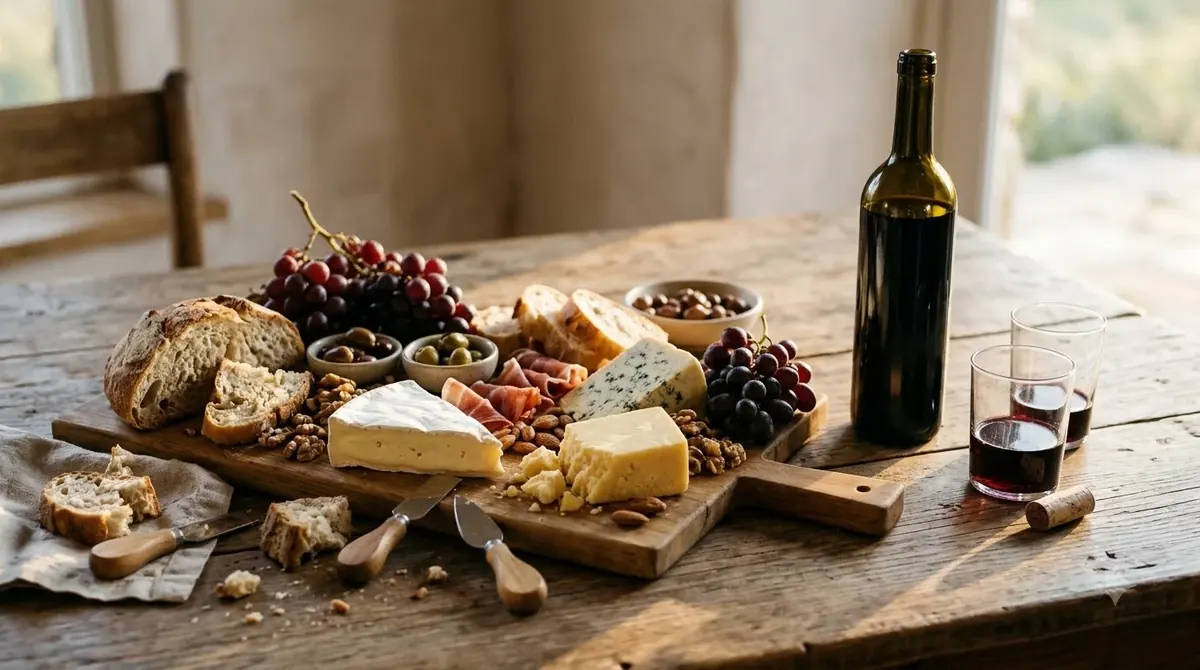
Rather than focusing exclusively on traditional grape wines, these events can include fruit wines, cider, and mead. The result is a broader tasting experience that reflects the state’s agricultural variety. At a festival, visitors may encounter a dry red made from a French-American hybrid, a sweet Muscadine wine, a crisp white, and an apple-based cider during the same afternoon.
The Sip TN Wine Festival – Memphis illustrates the format. Its scheduled November 7, 2026, event took place at Red Barn at Agricenter International, with an afternoon program from 1 p.m. to 5 p.m. CST. The event description included locally crafted wines, ciders, and meads, along with live music, food, local vendors, and opportunities to meet winemakers. It was designed to introduce visitors to producers from different parts of the state in a shared setting.
That combination is an important distinction between a festival and an ordinary winery visit. At an individual tasting room, the selection generally reflects one producer’s portfolio. At a multi-winery event, visitors can compare different approaches to sweetness, grape selection, fermentation, and winemaking without making several separate appointments.
Festival programming can also provide a social atmosphere. Some visitors attend primarily for the wine, while others are interested in local food, music, shopping, or spending an afternoon with friends. These activities make festivals accessible to people who are still learning about wine.
It is important to distinguish the statewide Sip TN series from other independent beer, wine, and spirits festivals in Tennessee. An event carrying the word wine in its title may include a much wider beverage selection and may not concentrate on Tennessee wineries. Visitors interested specifically in local wine should look for the participating winery list and the event organizer before purchasing admission.
Festival Locations, Dates, and Event Formats
Tennessee wine festivals take place in different parts of the state, rather than being concentrated in a single vineyard district. The Sip TN series brings regional producers together through events in East, Middle, and West Tennessee, while individual festivals may have their own schedules and admission arrangements.
Memphis provides an example of the western side of the festival program. The November 7, 2026, Sip TN Wine Festival was scheduled at Red Barn at Agricenter International, with a four-hour general admission period. The venue offered a gathering place for visitors interested in sampling beverages from producers across Tennessee without traveling between distant winery locations.
Festival schedules are not necessarily annual events held on the same weekend. Organizers may announce different cities, venues, and seasonal dates. The official Tennessee Wines events calendar is the most useful starting point for checking upcoming Sip TN events, ticket information, and regional tasting opportunities. A previously advertised event should not be assumed to have another edition on the same date the following year.
The format also differs between festivals. A larger regional gathering may include several wineries, multiple sampling stations, entertainment, and food vendors. A smaller event may concentrate on a limited group of producers, a seasonal theme, or a particular wine style. Winery dinners and private tastings offer another format, often providing more time for conversation and detailed explanations of individual bottles.
The following comparison summarizes the principal event and planning details associated with Tennessee wine experiences.
| Experience | Location or coverage | Useful details |
|---|---|---|
| Sip TN Wine Festival – Memphis | Memphis, West Tennessee | November 7, 2026; 1–5 p.m. CST |
| VIP early access | Memphis festival | 12–1 p.m.; one hour before general admission |
| General admission | Memphis festival | Four-hour scheduled program |
| West Tennessee Wine Trail | West Tennessee | Seven wineries |
| Foothills Wine & Cider Trail | East Tennessee | Four named communities: Sevierville, Pigeon Forge, Wears Valley, and Townsend |
| Statewide Tennessee Wine Trail | Memphis to the Smoky Mountains | Free passport program |
These figures describe the advertised Memphis event and the published trail information, not a guarantee that every future festival will use the same format. Admission periods, participating producers, and activities can change between events. For a comparison with other regional celebrations, readers can also explore an Indiana wine festival to see how wine events in another Midwestern state organize local producers and visitor activities.
Visitors should pay particular attention to the difference between early access and ordinary admission. At the Memphis event, VIP early access provided entry from noon to 1 p.m., while general admission began at 1 p.m. A visitor who values a quieter first tasting period may prefer an early-access format when it is offered, whereas someone mainly interested in the afternoon atmosphere may find ordinary admission sufficient.
Tennessee Wines and Grapes Worth Discovering
Tennessee wine is defined by variety rather than by a single dominant grape. Muscadine and French-American varieties are important parts of the state’s identity, while familiar grapes such as Chardonnay, Pinot Noir, Merlot, and Cabernet Franc also appear in local portfolios.
Muscadine is one of the most recognizable grapes associated with Southern wine production. It is native to the southeastern United States and is well adapted to regional growing conditions. Muscadine wines can range from sweet and fruit-forward to drier interpretations, depending on the producer and winemaking decisions. Their distinctive fruit character makes them an interesting starting point for visitors who want to understand the regional differences between American wine styles.
Chambourcin is another important variety to look for. This French-American hybrid can produce deeply colored red wines with noticeable fruit character. It gives visitors an opportunity to compare a locally grown hybrid with more familiar European varieties. Cabernet Franc is also found among Tennessee producers and can offer an alternative for visitors who enjoy aromatic reds without necessarily seeking the structure of Cabernet Sauvignon.
White wine drinkers can look for Chardonnay, Vidal Blanc, Traminette, and Chardonel. These varieties provide different expressions of acidity, fruit, and texture. A crisp white can be especially appealing during a warm afternoon festival, while a fuller-bodied Chardonnay may suit visitors looking for a richer style.
Fruit wines and specialty beverages expand the selection further. Apple, blueberry, cherry, watermelon, and rhubarb are among the ingredients associated with Tennessee producers. Mountain Valley Winery in Pigeon Forge, for example, is known for fruit wines that include watermelon, rhubarb, and Red Velvet varieties. These styles may be particularly attractive to visitors who prefer dessert-like flavors or want to discover something outside conventional grape wine.
Mead and cider are also part of the Tennessee festival experience. Mead is fermented from honey, while cider is produced from fruit, commonly apples. Both categories can range from relatively dry to sweet. Their inclusion makes a festival more representative of the state’s wider craft beverage community.
For a more structured tasting, begin with lighter, drier wines before moving toward sweeter or more concentrated selections. This order helps preserve the ability to recognize subtle differences between bottles. A visitor can start with a crisp white, continue with a light red, compare a fuller-bodied red, and finish with Muscadine or fruit wine.
Wine labels and tasting descriptions are useful indicators of style. Look for grape names, sweetness descriptions, and information about whether a wine is dry, semi-sweet, or sweet. The Tennessee Quality Assurance Program is another point of interest: qualifying wines receive a Tennessee Quality Assured mark after meeting the program’s evaluation standards.
Regional Wine Trails and Tennessee’s Wine Country
Tennessee’s wine country extends across several distinct landscapes, from the western agricultural countryside to Middle Tennessee’s rolling hills and the foothills of the Smoky Mountains. Understanding these regional differences helps visitors decide which festivals and winery destinations best fit their travel plans.
The statewide Tennessee Wine Trail connects winery experiences from Memphis toward the Smoky Mountains. Its passport program gives visitors a practical way to discover participating wineries, cideries, and meaderies. The passport is free to join, and participating locations provide opportunities to collect points and earn rewards.
West Tennessee offers a rural wine experience with small towns and agricultural landscapes. The West Tennessee Wine Trail includes seven wineries and features a selection of dry reds, crisp whites, sweet blends, and rosés. This makes the region especially interesting for visitors who want to compare several wine styles while exploring the western part of the state.
Middle Tennessee offers a different combination of historic farms, rolling countryside, and winery destinations within reach of Nashville and surrounding communities. Arrington Vineyards, Stonehaus Winery, and other producers contribute to the region’s range of tasting experiences. Stonehaus Winery, established in 1991 on the Cumberland Plateau, is one example of a producer offering dry wines alongside recurring themed events.
East Tennessee is particularly attractive to visitors combining wine tourism with a trip to the Great Smoky Mountains. The Foothills Wine & Cider Trail passes through Sevierville, Pigeon Forge, Wears Valley, and Townsend. Its wineries and cider houses offer Muscadine wines, small-batch ciders, and fruit-blended beverages.
The region’s vineyard landscape is also becoming more widely recognized. The Nine Lakes of East Tennessee AVA designation adds another point of interest to the state’s wine geography. An American Viticultural Area identifies a geographically defined grape-growing region with distinguishing characteristics, including climate, geography, and other growing conditions.
For visitors planning several winery stops, regional trails are generally more practical than trying to cross the entire state during one trip. A day around Pigeon Forge and Sevierville, for example, can concentrate on the Foothills experience. A separate trip through West Tennessee can focus on the seven participating wineries in that trail.
Travelers interested in comparing how regional wine tourism works elsewhere can also read about the Livermore wine festival, which provides another example of how a wine-producing area can bring its producers together through organized events.
How to Plan Your Festival Visit
A successful festival visit starts with confirming the date, venue, participating wineries, and admission arrangements. Because Tennessee’s wine events operate in different regions and formats, advance planning helps visitors avoid confusing a winery tasting, a private event, and a larger public festival.
Start by checking the official event page rather than relying entirely on an older social media announcement. Confirm the festival’s operating hours, age restrictions, entry arrangements, and whether the event has a designated-driver option. The Memphis Sip TN event required visitors to be at least 21 years old and present valid photo identification. Other events may have different policies, so age requirements should be confirmed individually.
Consider the location when arranging transportation. Tennessee’s wine destinations are spread across a large state, and some tasting rooms are located outside major urban centers. A festival at a central venue may be easier to reach by rideshare or arranged transportation than several separate winery stops. For a rural winery itinerary, arranging a designated driver before leaving is especially useful.
Review the participating winery list before arriving. A visitor interested in dry reds may want to identify producers offering Chambourcin or Cabernet Franc. Someone who prefers sweeter wines might prioritize Muscadine and fruit wine producers. Knowing which styles are available makes it easier to use the tasting period effectively.
Plan the afternoon around the event’s actual schedule. If early access is offered, arriving during that period may provide more time to speak with producers before the busiest part of the gathering. Visitors with general admission should arrive with enough time to enter, collect their tasting glass, and review the event layout.
Comfortable clothing and practical footwear are useful, particularly when a festival includes outdoor areas. Weather conditions can vary significantly between Tennessee’s seasons. Warm afternoons, rain, and cooler autumn evenings can all influence the comfort of an outdoor event. A light jacket may be helpful for an autumn gathering, while comfortable shoes are useful when moving between sampling stations and vendor areas.
Food arrangements also deserve attention. A festival with food vendors offers a convenient way to take a break between tastings. Visitors who have dietary preferences should review the available food options in advance rather than assuming every vendor will offer suitable choices.
Finally, leave enough time to explore the non-wine activities. Conversations with winemakers, local crafts, music, and food vendors are part of what distinguishes a regional wine festival from a simple tasting-room appointment. Visitors who approach the event as a broader local experience often discover producers and products they would not have selected from a wine list alone.
Tip: Set a tasting plan before entering. Start with dry whites and lighter reds, then move toward fuller reds, sweet wines, cider, and mead. Use a designated driver or prearranged transportation, and allow enough time to speak with producers rather than rushing between sampling stations.
Wine Tasting, Food Pairings, and Serving Tips
Food pairing can make a Tennessee wine festival more interesting because regional wines include a wide range of sweetness levels, acidity, and tannin. The most useful approach is to match the wine’s structure with the food rather than choosing a bottle based only on its color or grape name.
Chambourcin and other medium-structured reds can work well with grilled meats, barbecue, and moderately seasoned dishes. Their fruit character can complement smoky flavors, while food with some fat can soften the perception of tannin. Merlot is another useful option for visitors who prefer a softer red with medium tannin. Cabernet Sauvignon generally has higher tannin, making it more appropriate with richer foods such as beef and fatty grilled meats.
Chardonnay can pair with roasted poultry, creamy dishes, and grilled vegetables. Its medium acidity gives it flexibility with foods that are not excessively sharp or acidic. Sauvignon Blanc and other high-acid white wines are often better suited to dishes containing citrus, vinaigrette, or fresh herbs because the wine’s acidity can stand up to the food.
Muscadine wine requires attention to its sweetness level. A sweeter version can accompany fruit-based desserts, while a drier version may work with poultry, mild cheeses, or lighter dishes. A useful general rule is that wine should be at least as sweet as the dessert served alongside it. Otherwise, the wine may taste sour or thin in comparison.
Fruit wines can be especially versatile with desserts. Blueberry wine may complement berry desserts, while apple-based beverages can work with baked apples and cinnamon pastries. Watermelon or other fruit wines can be served with fresh fruit or mild cheeses, depending on their sweetness and acidity.
Serving temperature also influences how wine tastes. A cold white can seem crisp and refreshing, while an excessively warm red may appear more alcoholic and heavy. These temperature ranges provide a practical reference:
| Wine style | Suggested serving temperature |
|---|---|
| Sparkling wine | 40–50°F |
| Light white wine | 45–50°F |
| Rosé | 45–50°F |
| Full-bodied white wine | 50–55°F |
| Light red wine | 55–60°F |
| Full-bodied red wine | 60–65°F |
| Sweet white wine | 43–50°F |
Festival pours are generally smaller than ordinary restaurant servings, allowing guests to compare multiple wines. A standard wine serving is approximately 5 ounces, and a 750-milliliter bottle contains about five such servings. At a tasting event, smaller samples make it possible to evaluate a wider selection without treating each stop as a full glass.
When comparing wines, pay attention to four characteristics: sweetness, acidity, body, and tannin. Sweetness describes the impression of residual sugar. Acidity creates freshness and a mouthwatering sensation. Body refers to how substantial the wine feels, while tannin contributes a drying sensation, particularly in red wines.
These characteristics also explain why different foods work with different bottles. Salt and fat can soften tannin, making a structured red more approachable alongside rich foods. Acidic foods generally need wines with equal or higher acidity. Chili heat can seem more intense with wines high in alcohol and tannin, so a softer or slightly sweeter wine may be a more comfortable pairing. Oily fish generally works better with crisp whites than strongly tannic reds.
Visitors can also use the festival as an opportunity to learn about sparkling wine. Prosecco is made primarily from Glera grapes and commonly uses the tank method, while Champagne and Cava undergo their second fermentation in the bottle. Sparkling wines can provide a refreshing contrast to sweet fruit wines and fuller-bodied reds.
After purchasing bottles, store them away from direct sunlight and excessive heat. A cool storage environment near 55°F is a useful target for many wines, with cork-finished bottles generally stored on their sides. These simple practices help preserve the character of bottles purchased during a festival.
Frequently Asked Questions
When is the next Tennessee Wine Festival?
Tennessee Wines organizes Sip TN festivals across different parts of the state, so the next event depends on the organizer’s published calendar. The Memphis event held on November 7, 2026, is a past event rather than a future booking opportunity. Some wineries also host their own seasonal celebrations independently of the statewide festival series.
Can visitors purchase bottles at Tennessee wine festivals?
Many festival formats allow visitors to purchase wine and other beverages from participating producers. The Memphis Sip TN event included opportunities to sample and purchase Tennessee wines, and its designated-driver admission also permitted bottle purchases. Individual event rules determine whether bottles can be taken home directly or whether other arrangements apply.
Are Tennessee wine festivals suitable for people who prefer sweet wines?
Yes. Tennessee producers make Muscadine wines, fruit wines, and sweet blends alongside dry traditional grape wines. Mountain Valley Winery in Pigeon Forge, for example, is associated with unusual fruit-based selections such as Red Velvet wine. These choices make regional events interesting for visitors who do not usually prefer dry European-style wines.
What is the Tennessee Quality Assured mark?
The Tennessee Quality Assurance Program is an evaluation initiative for wines made in Tennessee. Bottles that meet the program’s testing and judging standards can receive the Tennessee Quality Assured mark. It provides visitors with an additional indication that a wine has qualified under a state-focused quality assessment process.
Can visitors explore Tennessee wineries without attending a festival?
Yes. The Tennessee Wine Trail passport connects visitors with participating wineries, cideries, and meaderies throughout the state. Its regional trail options include the West Tennessee Wine Trail and the Foothills Wine & Cider Trail. Some tasting rooms require reservations for particular experiences or larger groups, so checking individual winery arrangements is useful before traveling.
A Tennessee wine festival offers more than a chance to sample local bottles: it provides an introduction to the state’s vineyards, winemakers, regional foods, and expanding craft beverage community. From Muscadine and Chambourcin to fruit wines and small-batch ciders, the variety makes Tennessee an interesting destination for curious wine drinkers. Check the official event calendar, choose a regional experience, and plan transportation ahead of time to make the most of your visit.
More in Wine Regions
 Willcox Wine Trail: Discover Arizona’s High-Elevation Wine CountryUpdated Nov 20, 2026
 Yakima Valley Wine Region: Find the Best Styles to TryUpdated Nov 20, 2026
 Vosne Romanee Wine Tasting: Identify Aromas and Choose Better PairingsUpdated Nov 20, 2026
 Yakima Valley Wine Festival: Find the Best Seasonal Wine EventsUpdated Nov 20, 2026
 Wales Vineyards: Discover Cool-Climate Wines and Where to VisitUpdated Nov 20, 2026
 Yountville Wine Festival: Discover Napa Wines and Local FoodUpdated Nov 20, 2026