

We may earn a commission when you buy through links on this page, at no extra cost to you. Learn more.
Tokaj wine tasting introduces visitors to Hungary’s famous sweet Tokaji Aszú, crisp dry Furmint, and distinctive local white wines shaped by volcanic soils and noble rot. The historic Tokaj region offers an unusually wide range of wine styles, from refreshing mineral whites to intensely concentrated dessert wines. Understanding its grapes, sweetness classifications, and traditional cellar practices makes each tasting more rewarding. A good introduction includes both dry and sweet wines so visitors can appreciate the region’s full character.
Tokaj lies in northeastern Hungary, where vineyard-covered hills, river valleys, and historic cellar settlements form one of Europe’s most recognizable wine-producing landscapes. Its reputation rests on Tokaji Aszú, a celebrated sweet wine made from individually selected botrytised grapes, but the region has much more to offer. Dry Furmint, aromatic Hárslevelű, late-harvest wines, and traditional cellar-aged specialties provide several different ways to explore its identity. Whether planning a trip to Hungary or organizing a tasting at home, learning how these wines differ helps you choose bottles and understand what makes them distinctive.
What Makes the Tokaj Wine Region Special?
Tokaj combines an old wine-growing tradition with distinctive natural conditions that support both dry white wines and concentrated sweet wines. Its 27 settlements, volcanic landscape, and distinctive autumn weather provide the foundation for its diverse wine styles.
The region is situated in northeastern Hungary, near the Slovakian border, in the foothills of the Zemplén Mountains. According to the regional tourism organization, its vineyards cover approximately 5,500 hectares across 27 towns and villages. The area’s historic vineyard boundaries were established through a royal decree in 1737, making Tokaj one of the earliest formally classified wine regions. Its cultural landscape and winemaking traditions have also been recognized by UNESCO since 2002.
Geography plays a central role in the character of Tokaji wines. Volcanic soils, varied vineyard elevations, and the influence of the Bodrog and Tisza rivers create conditions that distinguish the region from many other European white-wine areas. Different vineyard locations can produce noticeably different expressions of Furmint, even when producers use similar winemaking techniques.
The rivers also contribute to an important seasonal weather pattern. Humid mornings encourage the development of Botrytis cinerea, while warmer, sunny afternoons help grapes ripen and concentrate their sugars. Under suitable conditions, this fungus creates noble rot, which dehydrates ripe grapes and concentrates their natural sugars and flavors.
This process is particularly important for Tokaji Aszú. However, noble rot is not present in every vintage or every vineyard, and it is not necessary for producing the region’s excellent dry wines. Producers can harvest healthy, fully ripe grapes to make fresh Furmint, while carefully selecting botrytised fruit for traditional sweet wines.
The result is a region with two complementary identities. One focuses on fresh, high-acidity white wines suitable for everyday meals, while the other emphasizes concentrated sweetness, complex aromas, and wines capable of extended bottle aging. A tasting that includes both styles provides a much clearer understanding than sampling sweet wines alone.
Visitors interested in comparing other distinctive wine-growing areas can also explore Wine Regions, where climate, grape varieties, and local traditions help explain why wines from different places taste so different.
The Main Grapes to Look for During a Tokaj Tasting
Furmint is the most important starting point for understanding Tokaj, while Hárslevelű and Yellow Muscat add floral, aromatic, and textural dimensions. These grapes appear in both individual varietal bottlings and regional blends.
Furmint is the defining grape of the region and deserves attention in almost every introductory tasting. Its naturally high acidity makes it suitable for dry wines as well as sweet expressions. Young dry Furmint commonly shows green apple, pear, citrus, and mineral characteristics. Depending on the vineyard and winemaking approach, it can also develop greater body and texture.
Stainless-steel Furmint generally emphasizes freshness and primary fruit, making it a useful first wine in a tasting sequence. Barrel-aged examples can have a fuller mouthfeel, with additional notes from oak maturation. The Tokaj regional wine organization describes both fresh, stainless-steel styles and fuller-bodied barrel-produced expressions. Comparing these two approaches is an effective way to recognize how winemaking influences the same grape.
Hárslevelű is another important local variety. Its name refers to linden leaves, an association that makes sense when considering its floral aromatic character. The grape can contribute richness, softness, and complexity to blends with Furmint. It is also bottled independently, allowing visitors to examine its own personality.
Compared with Furmint, Hárslevelű can feel rounder and more aromatic. Linden blossom, gentle fruit, and a silky texture are useful characteristics to look for. It is particularly interesting alongside Furmint because the contrast reveals how two varieties from the same region can contribute different qualities to a wine.
Yellow Muscat, also known as Sárga Muskotály, contributes an expressive fragrance. Expect floral aromas, ripe fruit, and recognizable Muscat characteristics. It is frequently used in aromatic wines and can appear in sweeter expressions as well as wines intended for earlier drinking.
Other permitted varieties include Zéta, Kövérszőlő, and Kabar. They are less likely to form the basis of a beginner’s tasting flight, but they contribute to the diversity of regional blends and specialized wines.
A useful introductory tasting order is a fresh dry Furmint, a barrel-aged Furmint, a Hárslevelű, and then a Yellow Muscat. Finish with a sweet regional wine. This sequence moves from relatively restrained aromas toward more expressive fruit and sweetness without overwhelming the palate at the beginning.
Understanding Tokaji Aszú, Puttonyos, and Eszencia
Tokaji Aszú is the region’s signature sweet wine, made using carefully selected grapes affected by noble rot. Its sweetness is balanced by high acidity, while the traditional puttonyos classification helps distinguish different levels of concentration.
Aszú berries are harvested individually rather than collected in a single mechanical operation. These grapes have been transformed by Botrytis cinerea, which causes water loss and concentrates sugars, acids, and aromatic compounds. Their concentrated character is essential to the wine’s distinctive flavor and texture.
In the traditional production process, the selected berries are macerated in a base wine or fermenting must. This allows the concentrated fruit characteristics to become part of the finished wine. The wine is subsequently pressed, fermented, and aged according to the producer’s approach and applicable regulations.
The characteristic aromas of Tokaji Aszú include dried apricot, honey, orange peel, candied citrus, and spice. Older examples can develop additional dried-fruit and nutty characteristics. Despite their sweetness, good examples retain impressive freshness because acidity provides balance against the concentrated sugar.
The puttonyos system historically referred to baskets of botrytised grapes added to a barrel of base wine. A higher number indicated greater concentration and sweetness. The traditional terminology remains useful when comparing bottles, although modern regulations also establish minimum residual-sugar requirements.
| Wine classification | Residual sugar | General tasting character |
|---|---|---|
| Tokaji Aszú, 5 puttonyos | At least 120 g/L | Concentrated apricot, honey, citrus, and balanced sweetness |
| Tokaji Aszú, 6 puttonyos | At least 150 g/L | Greater richness, concentration, and intense dried-fruit character |
| Tokaji Eszencia | More than 450 g/L | Exceptionally concentrated, syrup-like sweetness |
These figures help explain why two bottles of Tokaji Aszú can provide different experiences. A 5 puttonyos wine already has substantial sweetness, but a 6 puttonyos example generally offers greater concentration. The difference is not simply a matter of sugar: fruit intensity, acidity, texture, and aging also influence the overall impression.
Eszencia represents an especially rare and concentrated expression. It is made from the free-run juice of botrytised berries, which releases naturally under their own weight. According to WSET, its residual sugar can exceed 450 grams per liter, and fermentation is so slow that finished wines often contain only 2–5% alcohol.
Eszencia should not be confused with ordinary dessert wine. Its texture and concentration are exceptional, and even a small serving can provide a memorable experience. It is also generally encountered less frequently than conventional Aszú, making it a specialized option for visitors interested in the region’s most unusual traditional wines.
For a deeper explanation of the grape selection and winemaking process, read WSET’s explanation of Tokaji wine. Its overview provides useful context for understanding why noble rot and naturally high acidity are so important to the style.
How to Taste and Compare Different Tokaji Styles
A structured tasting should move from dry wines toward sweeter, more concentrated expressions. Paying attention to acidity, aromas, texture, and finish helps distinguish the individual characteristics of each wine.
Begin with the appearance. Dry Furmint is usually pale straw to light gold, depending on its age and winemaking. Sweet Tokaji Aszú generally shows a deeper golden color, which can become more amber with bottle development. Color provides an initial impression, but it should not determine the wine’s quality or sweetness by itself.
Next, examine the aromas. Swirl the glass gently and identify the first recognizable fruit characteristics. Green apple, pear, lime, and citrus are useful reference points for dry Furmint. Hárslevelű may introduce floral notes, while Yellow Muscat tends to show a more immediately recognizable aromatic profile.
Sweet Aszú deserves a slower examination. Look for dried apricot, honey, candied orange, quince, and spice. With additional bottle age, some wines may develop more complex nutty and dried-fruit aromas. The goal is to recognize how sweetness, acidity, and aromatic intensity work together.
Acidity is especially important in Tokaj. A sweet wine can contain considerable residual sugar without tasting excessively heavy if its acidity provides sufficient freshness. Rather than concentrating only on how sweet a wine seems, consider whether its finish remains lively and balanced.
Texture provides another useful point of comparison. Dry Furmint may feel crisp, energetic, and mineral, particularly in stainless-steel examples. Barrel-aged wines can feel fuller and more rounded. Aszú is generally richer and more concentrated, with a lingering finish that develops as the wine warms slightly in the glass.
Temperature can significantly influence the tasting experience. Very cold wine may conceal delicate aromas, while wine served too warm can make sweetness and alcohol feel more prominent. Use the following serving temperatures as practical starting points.
| Tokaji style | Suggested serving temperature | What to notice |
|---|---|---|
| Dry Furmint | 45–50°F | Fresh acidity, apple, citrus, and mineral notes |
| Barrel-aged Furmint | 50–55°F | Greater texture, ripe fruit, and oak influence |
| Hárslevelű | 45–50°F | Floral aromas and rounded texture |
| Yellow Muscat | 45–50°F | Expressive aromatics and fruit character |
| Tokaji Aszú | 43–50°F | Concentrated sweetness, apricot, honey, and acidity |
Use relatively small pours so you can compare several wines without tiring your palate. A standard 5-ounce serving is common for table wine, but concentrated dessert wines are often served in smaller amounts. A 750-milliliter bottle contains approximately five standard 5-ounce glasses.
Tip: When comparing Tokaji Aszú bottles, taste them alongside a dry Furmint from the same region. The contrast between Furmint’s lively acidity and Aszú’s concentrated sweetness makes the influence of noble rot much easier to understand.
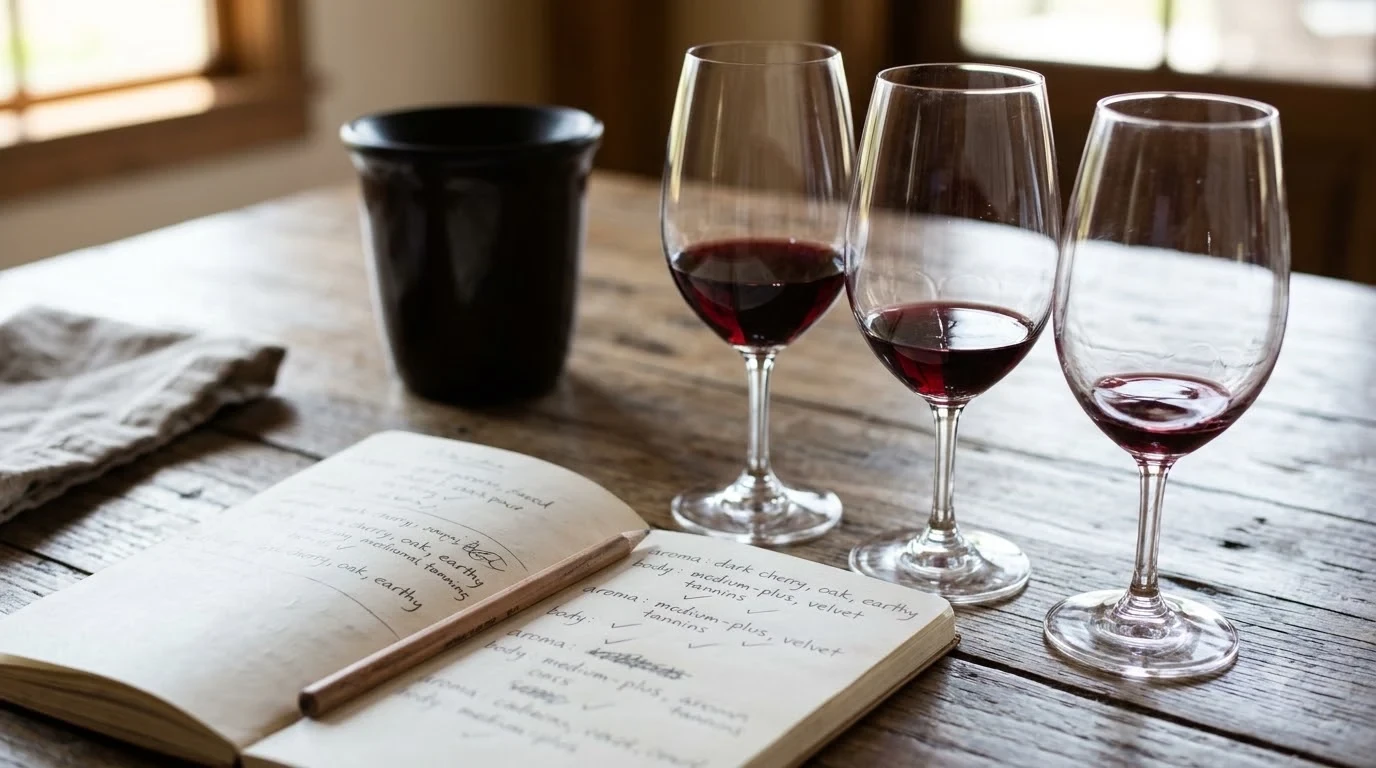
Keep a short tasting note for each bottle. Record its grape variety, sweetness level, acidity, main aromas, texture, and finish. These observations are more useful than simply writing that a wine tastes good or sweet, especially when comparing different producers or vintages.
Tokaj Cellar Visits and Wineries Worth Exploring
The best Tokaj visits combine wine sampling with an understanding of traditional cellar architecture and local winemaking history. Tokaj town, Mád, Tarcal, Rátka, and Erdőbénye offer different opportunities to explore producers and regional wine culture.
Tokaj town is a practical starting point for visitors because it has several historic cellar experiences. The Rákóczi Cellar is one notable destination, with a history extending to the beginning of the 15th century. Its historical associations make it interesting for visitors who want to understand the region beyond the wine in their glasses.
Another historic destination is Erzsébet Cellar, whose central Tokaj cellar was built in the 1700s. Its history is connected with the Russian Wine Trade Company, which used the premises for fermentation and aging wines destined for the Russian imperial court. Such historical details provide useful context for Tokaj’s former importance in European wine commerce.
Several producers also deserve consideration when planning a tasting itinerary:
Grand Tokaj
Grand Tokaj is a state-owned winery and an important representative of the historic wine region. It provides an opportunity to understand a larger-scale approach to regional production and the range of wines associated with Tokaj. Visitors interested in comparing different regional styles can include it when arranging their cellar itinerary.
Patricius Winery
Patricius Winery is associated with the Kékessy family and is located in the Tokaj region. It offers an opportunity to explore wines from a family-led producer and understand how individual wineries interpret the region’s traditional grapes and wine styles.
Disznókő
Disznókő is particularly relevant to visitors interested in sweet Tokaji wines. The estate is recognized for its Aszú production, which emphasizes fruit character and freshness alongside the concentration associated with noble rot.
Oremus, Royal Tokaji, Sauska, and Szepsy
These producers are also recognized for their contributions to modern Tokaji Aszú. Their wines demonstrate how vineyard origin, fruit selection, and winemaking decisions can produce different expressions of the region’s signature sweet wine.
Do not assume that every winery accepts visitors without an appointment. Tasting schedules, available wines, language options, and cellar-tour arrangements can vary. Contact individual producers before traveling, particularly if you want a guided tasting of several vintages or access to particular Aszú classifications.
The regional tourism organization maintains a Tokaj wine-tasting and cellar directory with information about participating destinations. It also recommends the TDM Wine Bus and shuttle services for visitors who need transportation between tasting locations.
For a broader understanding of how tasting experiences differ between wine regions, compare Tokaj with Alsace wine tasting. Both areas are important destinations for white-wine enthusiasts, but their grape varieties, climates, and characteristic wine styles offer different experiences.
Food Pairings That Bring Out Tokaji Wine’s Character
Tokaji’s high acidity and range of sweetness levels make it versatile at the table. Dry Furmint suits seafood and poultry, while Tokaji Aszú is particularly effective with blue cheese, fruit desserts, and savory dishes that benefit from a sweet contrast.
Dry Furmint is a natural choice for dishes that need freshness rather than heavy tannin. Its acidity works well with grilled fish, shellfish, roast chicken, and dishes prepared with lemon or fresh herbs. The wine’s crisp character can also cut through creamy sauces, making it suitable for poultry served with a moderate amount of butter or cream.
Hárslevelű offers another useful option for food pairing. Its floral aromas and rounded texture can complement roasted chicken, mild cheeses, and dishes containing herbs. A lightly spiced poultry dish may also work well, provided the seasoning does not overwhelm the wine’s aromatic qualities.
Yellow Muscat pairs naturally with aromatic dishes and lighter fruit-based preparations. Its pronounced fragrance can complement mildly spiced Asian cuisine, fresh fruit, and soft cheeses. However, strongly chili-based food deserves caution because alcohol and tannin can intensify the perception of heat.
Tokaji Aszú requires a different approach. The wine should generally be at least as sweet as the dessert accompanying it. Otherwise, the dessert can make the wine seem less sweet and more acidic than intended. Fruit tarts featuring apricot, peach, or citrus are useful partners because they connect with flavors already present in the wine.
Blue cheese is one of the classic pairings for Aszú. Its saltiness and rich texture create a contrast with the wine’s sweetness, while the wine’s acidity helps keep the combination balanced. A small serving of blue cheese with a 5 or 6 puttonyos Aszú is an excellent way to explore the relationship between sweet and savory flavors.
Other possibilities include foie gras, roasted nuts, dried fruit, and dishes featuring caramelized onions. These foods offer richness, salt, or complementary flavors that can work particularly well with the wine’s concentrated character.
For a simple tasting menu, try the following sequence:
- Dry Furmint: Grilled white fish with lemon, herbs, and a light butter sauce.
- Hárslevelű: Roast chicken with thyme and mild cream sauce.
- Yellow Muscat: Fresh fruit, mildly spiced dishes, or soft cheeses.
- Tokaji Aszú: Blue cheese, apricot tart, or foie gras.
- Eszencia: A very small serving on its own as a special final course.
Tokaj is not the only European region where acidity and local grape varieties shape food-friendly white wines. A comparison with Willcox wine tasting can also help illustrate how different climates produce contrasting wine styles and pairing opportunities.
One important consideration is food intensity. Delicate wines should not be served alongside heavily seasoned dishes that conceal their aromas. Likewise, sweet Aszú should not be paired with a dessert that is substantially sweeter than the wine. Choosing complementary rather than competing flavors generally produces the best results.
Planning a Tokaj Wine-Tasting Experience
A successful visit requires a little preparation, particularly because the region has multiple wine villages and cellar destinations. Two or three well-planned tastings can provide a more useful introduction than attempting to visit as many wineries as possible in one afternoon.
Start by deciding which wines you want to understand. If this is your first visit, prioritize a tasting that includes dry Furmint, Hárslevelű, and Tokaji Aszú. This selection introduces the main grape varieties and the contrast between the region’s fresh and sweet expressions.
Consider including one traditional cellar visit as well. Tokaj’s wine culture is closely connected with historic underground cellars, and seeing these spaces adds another dimension to the tasting. Ask whether the tour includes an explanation of fermentation, aging, or the selection of botrytised grapes.
For a first trip, Tokaj town offers a convenient starting point. From there, visitors can explore nearby wine settlements and arrange appointments at producers in the surrounding countryside. Mád, Tarcal, Rátka, and Erdőbénye are useful names to investigate when planning a broader regional itinerary.
Transportation deserves particular attention. Visitors who drive should avoid tasting and driving. The regional tourism organization specifically recommends its Wine Bus and shuttle services for people visiting multiple tasting destinations. Private transfers or organized wine tours are other practical alternatives.
Harvest season is an especially interesting time to understand the region’s winemaking. Autumn conditions influence the development of noble rot, and the timing of grape selection is important for Aszú production. However, harvest activities can make winery schedules more complicated, so advance arrangements are particularly useful.
It is also helpful to decide how much time to spend at each stop. A guided tasting of four or five wines may require considerably more time than a simple sampling at a cellar counter. Allow time to discuss grape varieties, winemaking, and vineyard differences rather than treating each appointment as a quick stop.
Visitors who enjoy comparing regional identities may also find Bolgheri wine tasting an interesting contrast. Bolgheri is especially associated with structured red blends, while Tokaj’s identity is built largely around distinctive white grapes, high acidity, and noble-sweet wines.
When purchasing bottles to take home, consider choosing contrasting styles rather than several similar wines. A dry Furmint, a Hárslevelű, and a 5 puttonyos Aszú provide three different perspectives on Tokaj. If you prefer sweeter wines, compare two Aszú examples with different levels of concentration instead.
Finally, consider how you will serve and store any bottles purchased during your visit. Keep unopened wine in a cool, dark environment, ideally near 55°F, with cork-finished bottles stored on their sides. Sweet wines should also be protected from excessive heat and temperature fluctuations during transportation.
Frequently Asked Questions
Is Tokaj the same as Tokaji?
Tokaj generally refers to the Hungarian wine region and its principal town, while Tokaji is the familiar adjective used for wines from that area. Tokay is an older English spelling associated with the wine’s historical international reputation. Modern wine labels commonly use Tokaji when identifying the regional wine style.
How long can an unopened bottle of Tokaji Aszú age?
High-quality Tokaji Aszú can develop for decades under suitable storage conditions. Its combination of concentrated sugar and natural acidity helps support long-term aging. The precise aging potential depends on the producer, vintage, bottle condition, and storage history.
Can Tokaji Aszú be made from a single grape variety?
Tokaji Aszú can involve several permitted local varieties, with Furmint playing a particularly important role. Hárslevelű, Muscat, and Zéta can also contribute to the blend. The proportions influence the wine’s aromatic character, structure, and overall balance.
What is the difference between Tokaji Szamorodni and Tokaji Aszú?
Szamorodni is made by pressing bunches that contain a mixture of healthy and botrytised grapes, rather than selecting individual Aszú berries. It can be produced in dry or sweet styles. Its flavor profile can include walnut, dried fruit, honey, and oxidative characteristics, depending on its production and aging.
Does Tokaj produce sparkling wine?
Yes, sparkling wine is also part of the region’s modern production landscape. Producers can use local white grape varieties, including Furmint, to create sparkling expressions with refreshing acidity. These wines offer another perspective on the region beyond its traditional still dry and sweet wines.
Tokaj rewards anyone willing to explore its wines beyond the famous sweet Aszú style. Begin with dry Furmint, compare the region’s aromatic white grapes, and finish with a concentrated Aszú or a rare Eszencia. Understanding the relationship between noble rot, natural acidity, and traditional cellar practices turns a simple tasting into a much richer appreciation of one of Hungary’s historic wine regions.
More in Wine Regions
 Willcox Wine Trail: Discover Arizona’s High-Elevation Wine CountryUpdated Nov 20, 2026
 Yakima Valley Wine Region: Find the Best Styles to TryUpdated Nov 20, 2026
 Vosne Romanee Wine Tasting: Identify Aromas and Choose Better PairingsUpdated Nov 20, 2026
 Yakima Valley Wine Festival: Find the Best Seasonal Wine EventsUpdated Nov 20, 2026
 Wales Vineyards: Discover Cool-Climate Wines and Where to VisitUpdated Nov 20, 2026
 Yountville Wine Festival: Discover Napa Wines and Local FoodUpdated Nov 20, 2026