

We may earn a commission when you buy through links on this page, at no extra cost to you. Learn more.
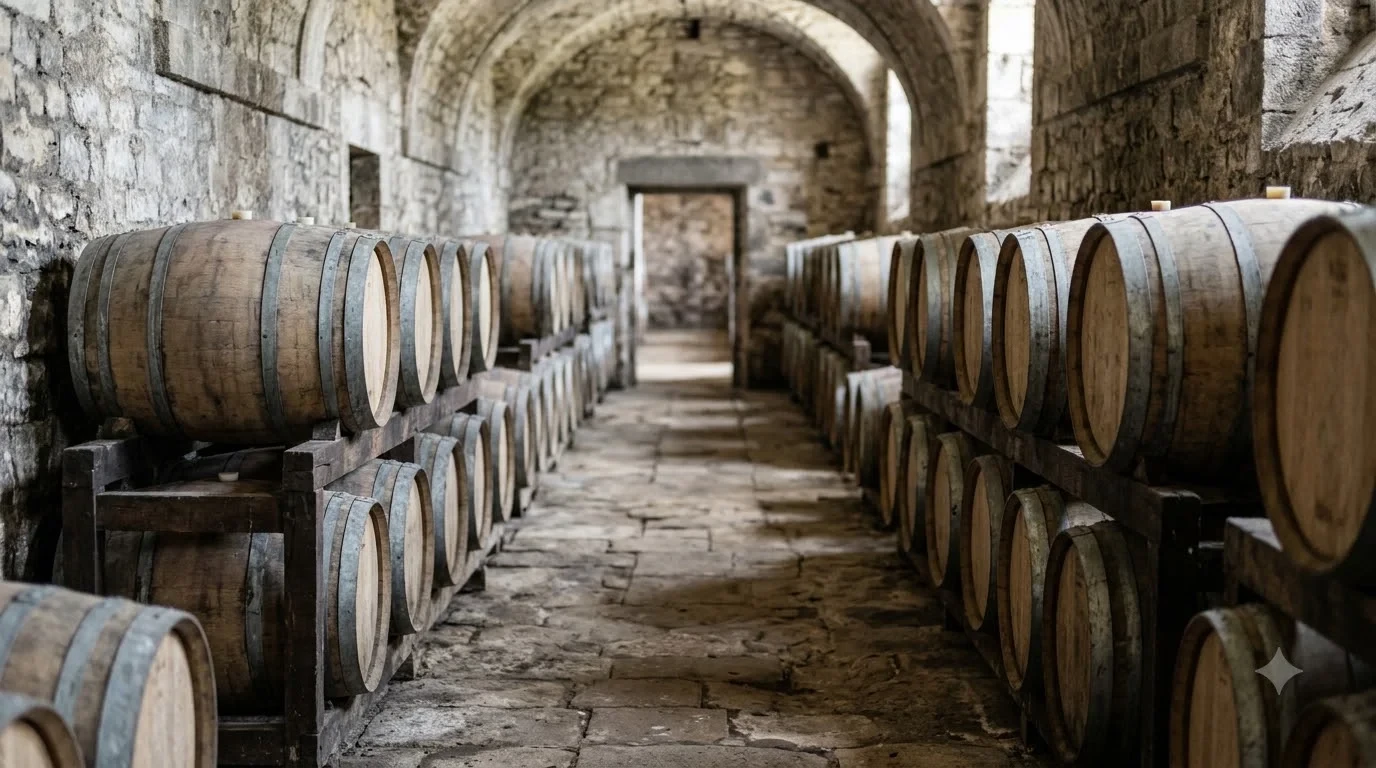
Swartland wine tasting introduces visitors to some of South Africa’s most distinctive Chenin Blanc, Syrah and old-vine wines in the Western Cape. Located north of Cape Town, Swartland combines hot, dry growing conditions, diverse soils and traditional bush-vine vineyards. Tastings reveal how granite, shale and schist influence different wines, while local producers showcase both individual grape varieties and expressive blends.
Swartland offers a different experience from the more established, estate-focused wine destinations of the Western Cape. Its landscape includes working farms, wheat fields, rugged hills and vineyards that often require advance arrangements for visits. The appeal lies in discovering wines with a strong sense of place, particularly textured Chenin Blanc and savory Syrah. Understanding the region’s geography, grape varieties and producers makes it easier to choose meaningful tastings and appreciate what is in the glass.
Where Swartland Is and What Makes Its Wine Country Different
Swartland is a wine-producing district in South Africa’s Western Cape, situated north of Cape Town within the Coastal Region. Its wine-growing landscape stretches around Malmesbury, Riebeek Kasteel, Riebeek West, Moorreesburg and Piketberg, with vineyards occupying a mixture of valleys, slopes and elevated sites.
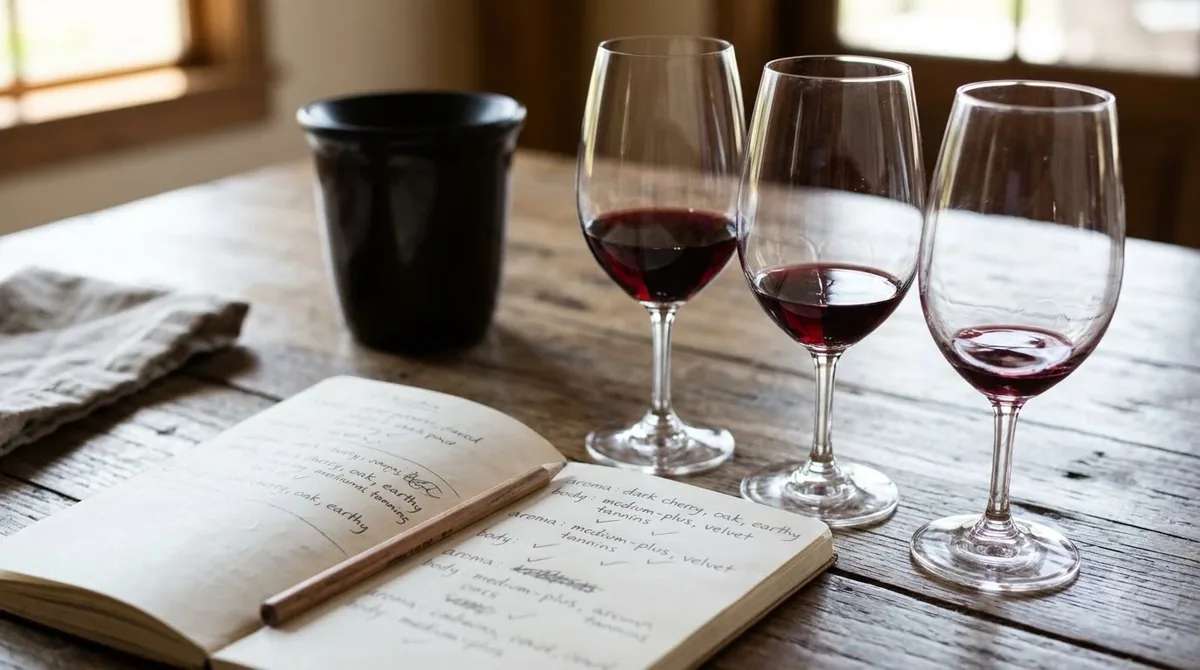
The region has a Mediterranean climate, with most rainfall arriving during winter and hot, dry conditions developing during summer. Atlantic Ocean influences moderate temperatures, although individual vineyards experience different conditions depending on their elevation, exposure and distance from cooling coastal air. These contrasts help explain why wines from different parts of Swartland can show noticeably different personalities.
Unlike destinations where visitors encounter a concentration of large estates and commercial tasting rooms, Swartland is a broad agricultural area. Vineyards share the landscape with grain farms and other agricultural operations. Some producers welcome visitors regularly, while others organize tastings only by appointment. This makes the experience more dependent on planning than simply following a road and stopping wherever a tasting-room sign appears.
The region also has a distinctive viticultural identity. Dry-farming and bush-vine cultivation are important traditions, particularly on established vineyard sites. Bush vines grow without the familiar trellis arrangement used in many commercial vineyards. Their compact growth can help protect grape clusters from intense sunlight, while the absence of routine irrigation places considerable importance on soil characteristics and established root systems.
Swartland’s reputation has grown through producers who have emphasized vineyard origin, older vines and careful winemaking rather than relying exclusively on standardized regional styles. The resulting wines appeal to people interested in understanding how farming conditions and individual vineyard sites influence flavor.
For visitors comparing different wine destinations, Swartland is a particularly interesting contrast with Alsace wine tasting, where recognizable grape varieties and carefully defined appellations play a different role in communicating regional identity. Both regions reward attention to vineyard origin, but Swartland’s warm, dry landscape gives its wines a distinctive character.
Chenin Blanc and the Importance of Old Bush Vines
Chenin Blanc is the essential starting point for understanding Swartland wine. The grape is particularly successful in the region’s dry conditions, producing whites that can combine ripe orchard-fruit flavors, textured mid-palates and refreshing acidity.
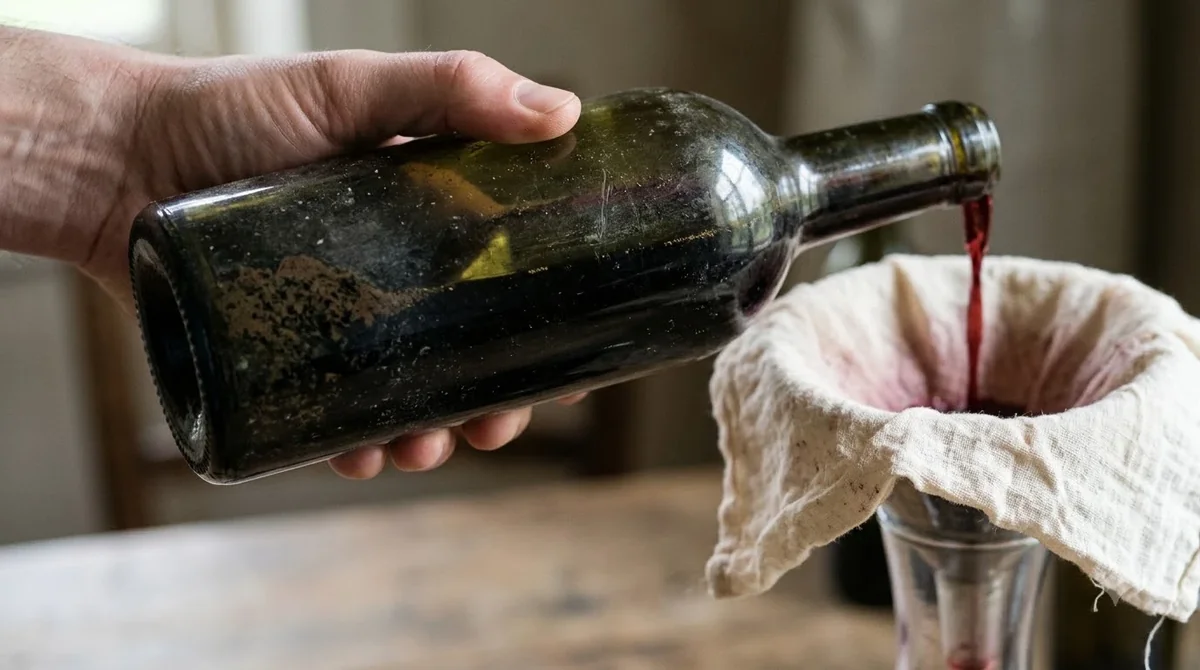
South African producers sometimes use the traditional local name Steen for Chenin Blanc. The variety has a long history in the country, but modern vineyard-focused winemaking has brought renewed attention to what older plantings can achieve. In Swartland, established vines are especially important because their roots can extend deeply into the ground in search of moisture.
The region’s varied geology helps explain the differences between individual vineyards. Decomposed granite and shale occur across important growing areas, and the soil conditions influence water availability and vine development. Older dry-farmed vines can produce smaller berries with concentrated fruit and considerable mid-palate depth. This helps explain why a Swartland Chenin Blanc can feel substantial without necessarily tasting heavy or lacking freshness.
Typical aromas and flavors include:
- Yellow apple and ripe pear.
- White peach and other orchard fruits.
- Lemon, lime and citrus zest.
- White flowers and subtle honey.
- Ginger, quince and gentle spice in some examples.
- Mineral or stony impressions that vary with vineyard and winemaking choices.
Not every bottle displays all these characteristics. A fresher, stainless-steel-fermented Chenin Blanc may emphasize citrus and orchard fruit, while a richer example with lees contact or oak maturation can offer more texture, creaminess and spice.
Old-vine Chenin Blanc is especially rewarding to compare across different producers. Taste one wine with bright citrus character beside another with ripe pear, honey and a broader palate. Differences in picking decisions, fermentation vessels, vineyard age and site conditions can be just as important as the grape variety itself.
Chenin Blanc is also a versatile food wine. Its acidity makes it a useful partner for grilled fish, seafood, roast chicken and dishes with fresh citrus. More textured examples can accompany creamy sauces, goat cheese and richer poultry dishes. If the food contains substantial acidity, choose a wine with equal or greater acidity so that the wine does not seem flat.
Syrah, Cinsault and the Region’s Red Wines
Syrah is the leading red grape associated with Swartland, producing wines that combine ripe fruit with savory, peppery and herbal characteristics. The region also has important plantings of Cinsault, Grenache, Mourvèdre and Carignan, which contribute to both single-variety bottlings and Mediterranean-inspired blends.
Swartland Syrah often shows dark berries, black fruit, cracked pepper, smoky impressions and dried herbs. The precise balance depends on vineyard elevation, soil, harvest decisions and cellar practices. Some wines emphasize concentrated fruit and structured tannins, while others lean toward freshness, savory complexity and a more restrained expression of ripeness.
It is useful to compare Syrah with wines made from other major red varieties during a tasting. Cabernet Sauvignon generally has higher tannin, while Merlot tends to feel softer and more approachable. Pinot Noir usually offers lower to medium tannin and higher acidity. Syrah can provide a different balance of peppery aromas, darker fruit and substantial structure.
Cinsault deserves particular attention. Although it is sometimes overlooked in international discussions of South African wine, it is an important part of Swartland’s older vineyard heritage. Its wines can show red fruit, floral aromas and a lighter structure than many Syrah bottlings. Depending on the producer, Cinsault may be made as a fresh, approachable red or used to add perfume and brightness to a blend.
Grenache and Mourvèdre provide additional blending possibilities. Grenache can contribute red fruit and generous texture, while Mourvèdre brings darker fruit and additional structure. Together with Syrah and Cinsault, these varieties create blends that recall the grape combinations of France’s Rhône Valley without simply copying those wines.
What to look for during a red-wine flight
A useful tasting sequence begins with Cinsault, moves to Grenache and finishes with Syrah or a structured Rhône-style blend. This progression helps the palate distinguish lighter red-fruit character from darker, more concentrated styles.
Ask whether the Syrah comes from a single vineyard or a broader selection of sites. Also ask about whole-bunch fermentation, oak maturation and the producer’s preferred picking ripeness. These details can explain why two wines from the same grape variety have very different aromas, tannin levels and textures.
For food, Swartland reds work particularly well with grilled lamb, roasted vegetables, slow-cooked beef and herb-seasoned dishes. Salt and fat can soften the perception of tannin, making structured Syrah more comfortable alongside rich meat dishes. Avoid pairing strongly tannic reds with oily fish, which can produce an unpleasant metallic impression.
Granite, Shale and Schist: Understanding Swartland Terroir
One of the most interesting aspects of Swartland wine tasting is the opportunity to compare wines associated with different soil types. Granite, shale, sandstone and schist are all important parts of the regional landscape, influencing vineyard conditions and contributing to the differences between individual sites.
The Paardeberg is particularly associated with granite-based soils. Decomposed granite can provide challenging growing conditions, particularly where water availability is limited. Deep-rooted vines may be better equipped to access moisture during dry periods, and the resulting wines can show a combination of concentration and freshness.
Shale is another important component of the region. The Malmesbury Group geological formations are widespread, and shale-derived soils can differ in depth, texture and water-holding characteristics. Chenin Blanc grown in these conditions may produce wines with substantial texture and a distinctive balance of ripe fruit and acidity.
Kasteelberg is associated with sandstone, while areas around Porseleinberg and Piketberg include sandstone and schist. These differences make the region particularly interesting for producers who want to communicate vineyard origin rather than blending every parcel into a uniform house style.
However, soil should not be treated as a simple flavor formula. Granite does not automatically produce one particular aroma, and schist does not guarantee a specific level of acidity. Soil interacts with climate, vine age, rootstock, vineyard exposure, water availability and winemaking choices.
A more useful approach is to taste wines side by side while learning where their grapes originated. If a producer offers separate bottlings from granite, schist and iron-rich sites, compare their aromas, acidity, body and finish rather than looking for a single expected mineral flavor.
This approach also helps visitors understand why single-vineyard wines can command attention among wine enthusiasts. A producer may use the same grape variety and broadly similar cellar techniques but still create noticeably different wines from individual vineyard parcels. The Swartland Wine and Olive Route’s explanation of regional soils and single-terroir wines provides useful examples, including Mullineux’s granite, schist and iron-associated bottlings.
Tip: When tasting two Swartland wines made from the same grape, ask about their vineyard locations and soil types before comparing their flavors. This provides a useful starting point for understanding differences in acidity, fruit concentration, structure and texture.
Producers and Wineries to Know Before Visiting
Swartland has several producers worth researching before arranging a tasting. The best choice depends on whether the priority is old-vine Chenin Blanc, expressive Syrah, individual vineyard comparisons or a more informal farm experience.
AA Badenhorst Family Wines
AA Badenhorst Family Wines is associated with the region’s old-vine movement and a broad interest in traditional vineyard and cellar practices. Its wine focus includes Chenin Blanc, Cinsault and field blends, making it a useful name for visitors interested in discovering several sides of Swartland’s wine identity.
The producer’s official visitor information describes guided tastings led by members of the team. Appointments are generally available on Wednesdays and most Fridays at 11:30 AM. Tastings take place in the working cellar or on the stoep of the Old House, depending on the day and season. The winery does not promise a fixed tasting list; the winemaker selects the wines available for each session. Visitors can consult the official AA Badenhorst wine-tasting information for current booking arrangements and visitor details.
Mullineux & Leeu Family Wines
Mullineux & Leeu is especially interesting for visitors who want to understand how different Swartland vineyard sites influence Chenin Blanc and Syrah. Its Single Terroir range includes wines associated with granite, schist and iron-rich soils, providing an opportunity to study regional differences in a structured tasting.
There is an important logistical distinction between winery and tasting arrangements. The producer’s Swartland wines and vineyards are associated with the region, while some tutored experiences may be organized at Leeu Estates near Franschhoek. Visitors planning a Swartland itinerary should confirm the precise tasting location before arranging transportation and accommodation.
The wider producer landscape
Other names worth researching include Sadie Family Wines, David & Nadia, Lammershoek and Porseleinberg. Their wines are associated with the region’s interest in individual vineyard character, old vines and Mediterranean grape varieties.
Not every respected producer operates a public tasting room. Some focus on winemaking and distribution, while others accept visitors under specific arrangements. A winery’s reputation for producing exceptional wine should not be mistaken for a guarantee that visitors can arrive without an appointment.
When choosing between producers, look beyond the number of wines offered. A focused tasting of three or four carefully selected wines can provide more insight than a much larger flight without explanation. Ask whether the producer can include different Chenin Blanc sites, a Cinsault and a Syrah, or a comparison of single-vineyard and blended wines.
For a broader perspective on South African wine destinations, the Wine Regions resource can help place Swartland in context alongside the country’s other established wine-growing areas.
Planning a Swartland Wine Tasting Visit
A successful visit requires a little more organization than a trip to a destination with many adjoining commercial tasting rooms. Swartland is geographically broad, and some of its most interesting producers operate by appointment or have limited visitor facilities.
Malmesbury and the Riebeek villages provide useful geographical reference points when planning a route. Rather than trying to cover the entire district in one day, choose a manageable area and arrange two or three confirmed visits. This leaves enough time for vineyard scenery, lunch and conversations with tasting-room staff.
Before departure, contact each winery directly to confirm its opening days, appointment requirements, tasting format and available wines. Ask whether the tasting is hosted at the vineyard, at a separate facility or at another wine destination. This is especially important for producers whose wine operations and visitor experiences are in different locations.
Travel times between farms can be longer than expected because rural roads and gravel tracks are part of the region’s character. Allow extra time between appointments, particularly if the itinerary includes several different valleys or elevated vineyard sites.
A practical tasting-day structure
A balanced day might begin with a morning Chenin Blanc tasting, followed by a vineyard-focused visit and a relaxed lunch. An afternoon tasting can then concentrate on Syrah, Cinsault and regional red blends. This arrangement creates a natural progression from lighter whites toward more structured reds.
Two or three appointments are generally more useful than trying to squeeze in five or six rushed stops. A slower schedule makes it easier to ask questions, compare wines and understand the producers’ approaches to farming and fermentation.
The following table provides a practical framework for organizing a tasting day. These are suggested planning intervals, not published opening hours or guaranteed appointment durations.
| Activity | Suggested time | Purpose |
|---|---|---|
| First tasting | 10:00 AM–11:00 AM | Compare 3–4 Chenin Blanc wines |
| Vineyard visit | 11:15 AM–12:00 PM | Explore vines, soils and growing conditions |
| Lunch | 12:15 PM–1:30 PM | Enjoy regional food and take a break |
| Second tasting | 2:00 PM–3:00 PM | Compare 3–4 Syrah and red blend wines |
| Travel and departure | 3:00 PM onward | Allow time for rural roads and return travel |
Transportation deserves particular attention. Visitors should arrange a designated driver or a suitable guided transport option rather than attempting to drive after multiple wine tastings. Water and food between appointments also make the schedule more comfortable.
Seasonal conditions can influence the experience. Summer brings dry, warm weather, while winter is generally cooler and wetter. Vineyard work and harvest activity may also affect the availability of certain experiences. Contacting producers before traveling is the most reliable way to establish what will be available.
Food Pairings, Serving Temperatures and Tasting Technique
Swartland wines are particularly rewarding with food because the region produces both fresh, textured whites and structured Mediterranean-style reds. Choosing appropriate dishes helps highlight acidity, fruit and tannin without allowing one component to overwhelm another.
Chenin Blanc is a natural choice with grilled fish, prawns, roast chicken and goat cheese. Its acidity works well with citrus dressings and fresh herbs, while richer examples can handle creamy sauces and roasted poultry. For dishes with strong acidity, choose a wine with comparable or higher acidity so that it retains its freshness alongside the food.
Syrah is well suited to grilled lamb, roasted beef, mushroom dishes and slow-cooked meat. Its peppery and savory character works particularly well with rosemary, thyme and black pepper. Salt and fat can soften the perception of tannin, making richer meat dishes effective partners for more structured reds.
Cinsault can be paired with grilled chicken, charcuterie, tomato-based dishes and roasted vegetables. Grenache-based blends are useful with Mediterranean herbs, lamb and vegetable stews. For a more substantial Syrah or Rhône-style blend, try braised beef or grilled meat with moderate seasoning.
Serving temperatures
Temperature has a significant effect on how a wine smells and tastes. Serving Chenin Blanc too cold can suppress its aromas and texture, while serving Syrah too warm can make its alcohol seem more pronounced.
- Light-bodied Chenin Blanc: 45–50 F.
- Fuller-bodied Chenin Blanc: 50–55 F.
- Rosé: 45–50 F.
- Light-bodied red wines: 55–60 F.
- Full-bodied Syrah: 60–65 F.
A standard tasting pour is approximately 5 ounces, and a 750 ml bottle contains about five such servings. During a guided tasting, smaller pours are often preferable because they allow visitors to compare more wines without rushing through the experience.
How to compare wines methodically
Begin with the appearance, then assess the aromas before tasting. For Chenin Blanc, consider whether the dominant impressions are citrus, apple, pear or stone fruit. Notice whether the wine feels light and fresh or broad and textured.
With Syrah, pay attention to dark fruit, pepper, herbs and tannin. Ask whether the finish feels fresh, savory, smoky or dominated by ripe fruit. Compare the structure of a single-variety wine with that of a blend containing Grenache, Mourvèdre or Cinsault.
Finally, consider how the wine changes with food. A Chenin Blanc may become more expressive alongside goat cheese, while a Syrah can feel smoother with grilled lamb. Taking brief notes about grape variety, producer, vineyard origin and flavor makes it easier to remember the differences after the visit.
Visitors interested in comparing Swartland with other international wine destinations may also enjoy Bolgheri wine tasting, where Italian coastal conditions and Bordeaux-inspired red varieties create a contrasting tasting experience. Another useful comparison is Willcox wine tasting, which introduces a very different dry-climate wine-growing environment in Arizona.
Frequently Asked Questions
What does the name Swartland mean?
Swartland translates from Afrikaans as black land. The name is associated with indigenous renosterbos vegetation, which can appear dark across the landscape under certain seasonal conditions. It refers to the wider agricultural area rather than a particular grape variety or wine style.
Is Swartland an official South African wine appellation?
Swartland is a recognized geographical wine designation within South Africa’s Wine of Origin system. Its wines can carry the Swartland geographical indication when they meet the applicable origin requirements. This designation communicates geographic origin rather than guaranteeing a particular flavor profile or quality level.
What is Steen wine?
Steen is the traditional South African name for Chenin Blanc. The two names refer to the same grape variety, not separate grapes. When exploring older South African wine descriptions, recognizing Steen makes it easier to identify wines made from Chenin Blanc.
Can Swartland wines age in the bottle?
Yes, selected Swartland wines have the structure and concentration to develop over several years. Well-made old-vine Chenin Blanc can gain additional honeyed, nutty and savory complexity, while structured Syrah can develop more integrated tannins and tertiary aromas. Aging potential depends on the producer, vineyard, vintage and storage conditions rather than regional origin alone.
How should visitors transport wine purchased during a tasting trip?
Wine should be protected from direct sunlight and excessive heat during transportation. For longer journeys, use insulated packaging and avoid leaving bottles in a parked vehicle during warm weather. At home, store bottles on their sides in a cool, dark location near 55 F when they have natural cork closures.
Swartland is a compelling destination for anyone interested in the relationship between old vines, distinctive soils and expressive South African wines. Start with Chenin Blanc and Syrah, compare producers and vineyard sites, and arrange appointments before setting out. A carefully planned visit offers a much clearer understanding of why this Western Cape region has become such an important name in modern South African wine.
More in Wine Regions
 Willcox Wine Trail: Discover Arizona’s High-Elevation Wine CountryUpdated Nov 20, 2026
 Yakima Valley Wine Region: Find the Best Styles to TryUpdated Nov 20, 2026
 Vosne Romanee Wine Tasting: Identify Aromas and Choose Better PairingsUpdated Nov 20, 2026
 Yakima Valley Wine Festival: Find the Best Seasonal Wine EventsUpdated Nov 20, 2026
 Wales Vineyards: Discover Cool-Climate Wines and Where to VisitUpdated Nov 20, 2026
 Yountville Wine Festival: Discover Napa Wines and Local FoodUpdated Nov 20, 2026