

We may earn a commission when you buy through links on this page, at no extra cost to you. Learn more.
The sta rita hills wine trail takes visitors through one of California’s most distinctive cool-climate wine regions, where Pinot Noir, Chardonnay, and coastal vineyard scenery define the tasting experience. Located between Buellton and Lompoc in Santa Barbara County, Sta. Rita Hills benefits from Pacific fog, afternoon winds, and an unusual east-west valley orientation. Visitors can explore winery tasting rooms, discover individual vineyard expressions, and compare wines shaped by different soils and exposures.
Unlike a traditional wine route centered on a single town, the Sta. Rita Hills experience combines rural vineyard roads, winery properties, and tasting destinations around the western Santa Ynez Valley. Highway 246 and Santa Rosa Road provide useful reference points, while nearby Buellton and Lompoc offer convenient places to begin or finish a day of wine tasting. Whether you are interested in elegant Pinot Noir, textured Chardonnay, or lesser-known Rhône varieties, understanding the region’s geography makes planning a more rewarding visit.
Where the Sta. Rita Hills Wine Trail Begins and How the Region Is Organized
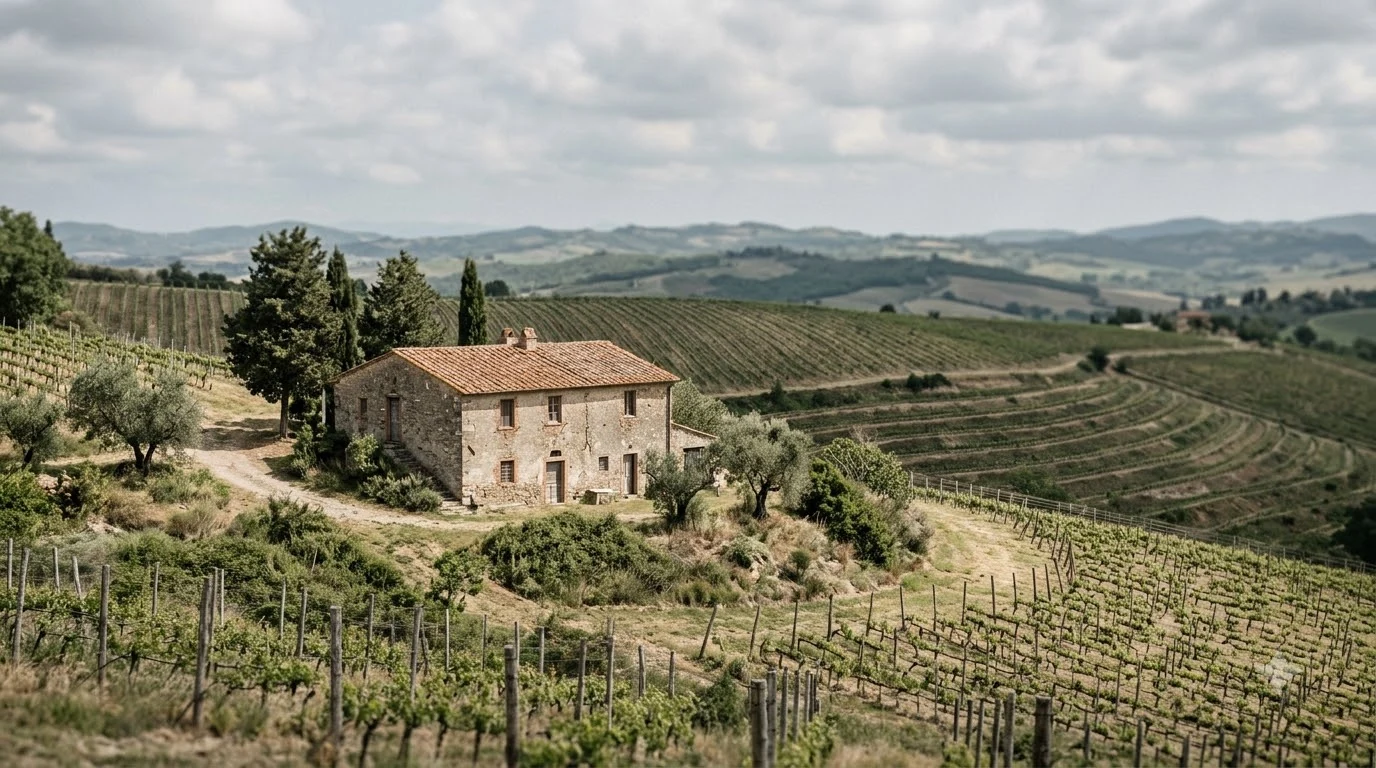
The Sta. Rita Hills wine trail follows the western end of the Santa Ynez Valley in Santa Barbara County, between Buellton and Lompoc. Its vineyards occupy a distinctive coastal corridor that allows Pacific influences to reach inland, creating conditions that differ considerably from warmer parts of Southern California.
The American Viticultural Area received federal recognition in 2001. According to the Sta. Rita Hills Wine Alliance, the appellation covers approximately 30,720 acres, including around 3,000 planted vineyard acres and approximately 60 vineyards. Pinot Noir and Chardonnay dominate, although the region also supports numerous other cool-climate grape varieties.
The appellation’s boundaries are particularly important for understanding the local wine landscape. The Santa Rosa Hills form its southern boundary, while the Purisima Hills define the northern side. The eastern edge lies approximately four miles west of Highway 101 near Buellton, and the western boundary is about two miles east of Highway 1 near Lompoc.
This geography creates two useful starting points for visitors. Buellton provides access from the eastern side, while Lompoc offers access to wineries and tasting destinations closer to the western vineyards. Highway 246 connects the two areas and passes through important wine-growing territory.
Highway 246 and Santa Rosa Road
Highway 246 is one of the most recognizable routes through the appellation. It provides access to vineyards and winery properties in the northern part of the region. Santa Rosa Road offers a different perspective, running through the southern portion of the AVA and providing access to vineyard properties in a more rural setting.
These roads should be treated as separate parts of a broader wine itinerary rather than as a guarantee that every winery is open to visitors. Some producers operate dedicated tasting rooms, while others receive visitors by appointment or offer limited public access. Check individual winery booking policies before driving out to a property.
The wider Santa Ynez Valley also contains other wine-growing areas. Visitors interested in comparing different regional identities can explore our guide to Wine Regions for a broader understanding of California’s appellations and other important wine destinations.
Why Pacific Fog, Wind, and Soil Shape the Wines
Sta. Rita Hills owes much of its character to an unusual combination of coastal geography and ancient geology. Its east-west orientation allows cool air from the Pacific to move inland, while fog, wind, and varied marine-derived soils influence how grapes develop throughout the growing season.

Many California valleys run in a north-south direction, but the Sta. Rita Hills corridor is different. The Purisima Hills and Santa Rosa Hills create a passage that connects the vineyards to the Pacific. Morning fog can move inland through this opening, while afternoon ocean breezes help moderate temperatures.
These cooling influences are particularly valuable for Pinot Noir and Chardonnay. Both varieties can retain freshness and natural acidity in cooler growing environments. The extended ripening conditions also allow grapes to develop flavor without depending entirely on high daytime temperatures.
The region’s geology adds another layer of variation. The Sta. Rita Hills Wine Alliance traces some of its geological history to marine sediments deposited approximately 20 million years ago. Subsequent tectonic activity and geological changes helped create the valley and its surrounding hills.
Diatomaceous Earth and Marine-Based Soils
Diatomaceous earth is one of the distinctive geological materials found in the appellation. It consists of fossilized remains of microscopic aquatic organisms and is associated with the ancient marine environment. Its porous structure distinguishes it from more familiar vineyard materials such as clay and limestone.
According to Decanter’s regional examination, soils vary across the appellation. Diatomaceous earth is an important feature, while sandy soils occur in northern areas along Highway 246 and alluvial materials are found in southern areas along Santa Rosa Road.
These differences help explain why wines made from the same grape can show contrasting personalities. A Pinot Noir from a wind-exposed western vineyard may have a different structure from one grown in a more sheltered location. Chardonnay can likewise vary in texture, ripeness, and mineral impression depending on vineyard conditions and winemaking decisions.
Wind also matters. Exposed hillsides can experience substantial airflow, affecting vine growth and vineyard management. Rather than producing a uniform regional style, these conditions create a collection of related but distinguishable vineyard expressions.
Tip: When tasting several Sta. Rita Hills wines, compare the vineyard names and locations rather than focusing only on the grape variety. Tasting two Pinot Noirs from different vineyard sites can reveal more about the region’s geography than sampling several unrelated bottles without comparing their origins.
Pinot Noir, Chardonnay, and Other Wines to Discover
Pinot Noir is the signature red grape of Sta. Rita Hills, while Chardonnay is its most important white variety. Visitors can also encounter Syrah, Grenache, Sauvignon Blanc, and sparkling wines, making the region more diverse than its reputation as a Pinot Noir destination might suggest.
Sta. Rita Hills Pinot Noir generally combines freshness with concentrated fruit. Common aromatic characteristics include red cherry, raspberry, floral notes, and sometimes earthy or herbal impressions. The wines can have a firm but fine-grained tannin structure, particularly when made from grapes grown at exposed or distinctive vineyard sites.
There is no single Pinot Noir style across the appellation. Some producers favor a fuller, more generous expression with ripe fruit, while others emphasize acidity, savory complexity, and a lighter impression on the palate. Winemaking decisions, harvest timing, vineyard exposure, and oak treatment all contribute to these differences.
Chardonnay Beyond the Usual California Style
Chardonnay deserves equal attention during a regional tasting trip. Sta. Rita Hills examples often balance citrus freshness with texture and complexity. Depending on the producer, visitors may encounter lemon, apple, white flowers, mineral impressions, toasted notes, and creamy textures.
Some Chardonnays are fermented or aged in oak, adding richness and subtle spice. Others emphasize freshness and restrained oak influence. The strongest examples combine a satisfying texture with sufficient acidity to maintain balance.
For visitors accustomed to richer California Chardonnay, comparing several local producers can be revealing. The region’s maritime influence often produces a fresher profile than bottles from substantially warmer growing areas.
Syrah, Grenache, and Sparkling Wines
Although Pinot Noir and Chardonnay receive most of the attention, Rhône varieties deserve a place in a tasting itinerary. Syrah can offer dark fruit, pepper, savory herbs, and a firmer structure. Grenache generally provides a more open fruit profile, with red berries and a softer impression of tannin.
Sparkling wines are another interesting category. Flying Goat Cellars, for example, is identified by the Sta. Rita Hills Wine Alliance as a producer dedicated to Pinot Noir and sparkling wine. These bottles provide an opportunity to compare traditional grape varieties in a different winemaking style.
The following table summarizes the main varieties visitors are likely to encounter and their typical characteristics.
| Grape variety | Typical style | Common characteristics | Food pairing |
|---|---|---|---|
| Pinot Noir | Light to medium-bodied red | Cherry, raspberry, floral notes, bright acidity | Roast chicken, salmon, mushrooms |
| Chardonnay | Medium-bodied white | Citrus, apple, mineral notes, possible creamy texture | Seafood, poultry, soft cheeses |
| Syrah | Medium to full-bodied red | Dark fruit, pepper, herbs, firmer tannins | Grilled lamb, beef, roasted vegetables |
| Grenache | Medium-bodied red | Red berries, spice, relatively soft tannins | Roast pork, grilled vegetables, lamb |
| Sauvignon Blanc | Light to medium-bodied white | Citrus, herbs, refreshing acidity | Goat cheese, shellfish, salads |
| Sparkling wine | Light-bodied, refreshing | Bubbles, citrus, apple, sometimes toast | Oysters, appetizers, fried seafood |
Wineries and Tasting Stops Worth Considering
A successful Sta. Rita Hills itinerary should include a mix of established producers, vineyard-focused wineries, and tasting rooms with different approaches to regional winemaking. The Sta. Rita Hills Wine Alliance maintains a member directory that is a useful starting point for identifying producers and finding their official websites.
Several wineries have particularly interesting connections to the appellation’s history and identity. Rather than attempting to visit every producer, choose a few that represent different styles or vineyard perspectives.
Sanford Winery and the Historic Sanford & Benedict Vineyard
Sanford & Benedict Vineyard is central to the region’s modern wine history. Richard Sanford and Michael Benedict planted the vineyard in 1971, establishing an important foundation for Pinot Noir and other cool-climate varieties in western Santa Barbara County.
The vineyard’s early success helped demonstrate that the area could produce quality wine despite its relatively cool conditions. Its 1976 Pinot Noir received widespread praise, encouraging additional vineyard development between Buellton and Lompoc.
For visitors interested in the historical development of Sta. Rita Hills, Sanford-related wines provide a useful reference point. The vineyard’s importance extends beyond its individual bottles because it helped establish the region’s reputation.
Brewer-Clifton
Brewer-Clifton is another significant name in the appellation. Founded by Greg Brewer in 1996, the winery has a strong association with the region’s vineyard-focused approach to Pinot Noir and Chardonnay.
Comparing wines from different vineyard sites can help visitors understand how the appellation’s exposures and soils influence the finished wine. Brewer-Clifton is particularly relevant for those who want to explore the relationship between individual vineyards and regional identity.
Alma Rosa Winery & Vineyards
Alma Rosa is listed in the Sta. Rita Hills Wine Alliance directory and provides another opportunity to explore wines connected to the appellation. Its focus on balanced, expressive wines makes it a useful name to include when researching tasting opportunities.
Visitors should review the winery’s current tasting arrangements before setting out. A dedicated appointment can be more rewarding than arriving without checking whether public tastings are available.
Babcock Winery & Vineyards
Babcock is another recognized producer in the regional wine community. The Wine Alliance describes its identity through a combination of wine, music, and a distinctive personality, offering a different atmosphere from a strictly vineyard-focused tasting.
It is a worthwhile name to investigate for visitors interested in comparing established regional producers and their interpretations of local grapes.
Other Producers to Add to Your Research
Several additional wineries deserve consideration:
- Ampelos Cellars: A producer identified by the Wine Alliance for natural wines and its organic, biodynamic, and sustainable vineyard practices.
- Fiddlehead Cellars: Established by Kathy Joseph in 1989, with a focus on Sauvignon Blanc and Pinot Noir.
- Flying Goat Cellars: Known for its focus on Pinot Noir and sparkling wine production since 2000.
- The Hilt: Associated with the Bentrock and Radian vineyards on Rancho Salsipuedes.
- Donnachadh Family Wines: A family-owned producer with an organically farmed vineyard on Santa Rosa Road.
- Dragonette Cellars: A producer working with vineyard sites throughout Santa Barbara County.
For current winery information, the Sta. Rita Hills Wine Alliance winery directory is a practical resource. It helps visitors identify member producers and follow links to their official websites for appointments, opening hours, and tasting details.
How to Plan a One-Day Sta. Rita Hills Wine Trail Itinerary
One day is enough to experience several different Sta. Rita Hills producers without rushing through every tasting. A practical itinerary includes two or three winery visits, a proper lunch break, and enough driving time to account for rural roads and appointment schedules.
Begin by choosing either Buellton or Lompoc as your starting point. Buellton is convenient for visitors approaching from Highway 101, while Lompoc provides access from the western side of the appellation. Your choice should depend on the location of the wineries you plan to visit.
Morning: Begin with Pinot Noir and Chardonnay
Schedule the first tasting for approximately 10:30 or 11:00 a.m., depending on the winery’s opening hours. Starting with a producer that offers both Pinot Noir and Chardonnay gives you an immediate introduction to the appellation’s defining varieties.
Rather than tasting every available wine, select three or four representative examples. Compare a Pinot Noir with a Chardonnay and pay attention to acidity, fruit character, texture, and oak influence.
Ask about the vineyards supplying the grapes. Information about location and exposure can help explain why two wines from the same variety taste different.
Midday: Stop for Lunch
Allow approximately 60 to 90 minutes for lunch. Buellton and Lompoc are practical places to look for restaurants and casual dining options, depending on the direction of your itinerary.
Choose food that works with the wines you have been tasting. Roast chicken, mushroom dishes, seafood, and salads provide flexible options. A substantial lunch also creates a natural break between winery appointments.
Afternoon: Compare a Different Producer or Vineyard Site
Plan a second or third tasting for approximately 1:30 to 3:30 p.m. This is a good opportunity to visit a producer with a different style, particularly one that emphasizes single-vineyard wines or offers Rhône varieties alongside Pinot Noir.
If your morning tasting focused on richer Pinot Noir, look for a producer whose wines emphasize freshness and restrained oak. If you started with Chardonnay, use the afternoon to explore Syrah or another red variety.
Leave sufficient time to return to your accommodation or travel onward. Rural roads and winery appointment times make it unwise to schedule too many stops close together.
Suggested Schedule
| Time | Activity | Purpose |
|---|---|---|
| 10:30 a.m. | First winery visit | Explore Pinot Noir and Chardonnay |
| 11:45 a.m. | Second tasting or vineyard visit | Compare producer styles |
| 12:45 p.m. | Lunch break | Enjoy food and rest |
| 2:00 p.m. | Afternoon winery appointment | Explore different vineyard expressions |
| 3:30 p.m. | Finish tasting activities | Allow time for onward travel |
This schedule is a planning example, not a guarantee of winery availability. Some properties offer only limited appointment windows, so arrange visits in advance and build the itinerary around confirmed reservations.
For another example of how a regional wine route can be organized around tasting stops and local geography, see our Applegate Valley wine trail guide. Comparing different wine destinations can help travelers decide how many wineries to include and how much time to leave between appointments.
Best Time to Visit, Tasting Etiquette, and Practical Advice
Sta. Rita Hills is a year-round wine destination, but the experience changes with the seasons. Spring and early summer offer vineyard scenery and generally comfortable conditions, while harvest season provides an opportunity to see the region during one of its busiest periods.
Spring brings fresh vineyard growth and a quieter atmosphere at some wineries. Summer is attractive for outdoor tasting experiences, although coastal fog and wind can make conditions cooler than visitors expect from Southern California. Bringing a light jacket is sensible even on sunny days.
Harvest generally takes place in late summer and fall, with timing varying according to grape variety, vineyard conditions, and the growing season. This can be an interesting period to visit, but winery staff may be especially busy with production activities.
Winter offers another perspective. The vineyards become quieter after harvest, and visitors interested primarily in wine tasting may appreciate a less seasonal atmosphere. Rain can affect rural road conditions, so check the forecast before traveling.
Make Reservations Before Driving
Not every winery operates as a walk-in tasting room. Some producers require advance reservations, while others have limited public opening days. Confirm the appointment address, tasting format, and arrival time directly with the winery.
Also verify whether the tasting takes place at an estate vineyard or a separate tasting room. A winery’s production facility and its visitor location are not necessarily the same place.
Plan transportation before the first tasting. Designate a sober driver or arrange another safe transportation option. Avoid building a schedule that depends on driving immediately after multiple wine tastings.
How to Taste Like a Regional Wine Enthusiast
Start by observing the wine’s appearance, then smell it before taking a small sip. For Pinot Noir, look for red-fruit aromas, floral character, and the balance between acidity and tannin. For Chardonnay, consider citrus intensity, texture, and whether oak contributes creaminess or toasted flavors.
Take notes on the vineyard names, grape varieties, and winemaking choices. If you visit three wineries, recording just a few details about each wine can make later comparisons considerably easier.
It is also helpful to taste lighter wines before fuller expressions. Start with sparkling wine or Sauvignon Blanc, move to Chardonnay, and then explore Pinot Noir and Syrah. This order helps preserve your ability to recognize more delicate aromas and flavors.
Serving Temperatures at Home
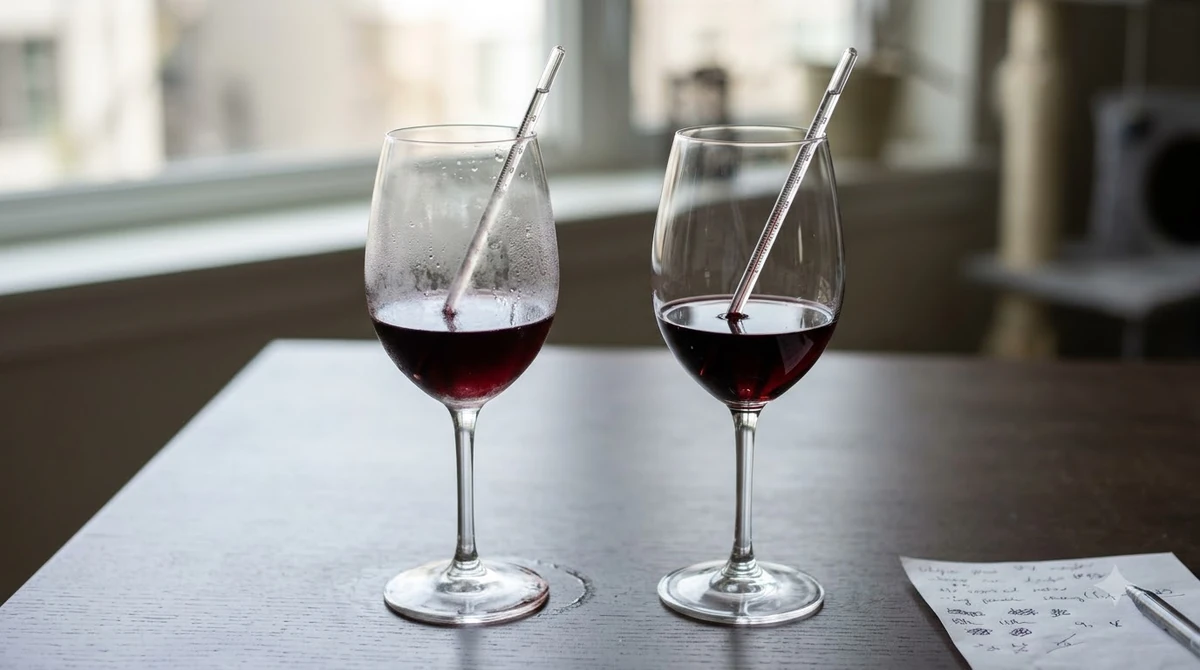
Once you bring regional wines home, serving temperature can make a noticeable difference. Pinot Noir is generally best served slightly cool rather than at a warm room temperature, while Chardonnay benefits from being chilled without becoming excessively cold.
- Pinot Noir: 55–60°F.
- Syrah: 60–65°F for fuller-bodied examples.
- Chardonnay: 50–55°F for fuller whites.
- Sauvignon Blanc: 45–50°F.
- Sparkling wine: 40–50°F.
For a typical tasting at home, a standard 750 ml bottle provides approximately five 5-ounce glasses. Store unopened bottles on their sides in a cool location near 55°F, away from sunlight and major temperature fluctuations.
Food Pairings That Bring Out Sta. Rita Hills Wine Character
Food pairing is an enjoyable way to understand the region’s wines because their natural acidity and fruit character work with a broad range of dishes. Pinot Noir is particularly versatile with poultry, mushrooms, and salmon, while Chardonnay complements seafood, roasted chicken, and creamy dishes.
Pinot Noir’s relatively moderate tannin and bright acidity make it a flexible partner for food. Roast chicken with herbs, duck, mushroom risotto, and grilled salmon are all useful choices. The wine’s red-fruit character can complement savory ingredients without overpowering them.
Chardonnay offers different possibilities depending on its style. A fresher example pairs naturally with oysters, grilled fish, and shellfish. A richer, oak-influenced Chardonnay can work with roast chicken, butter-based sauces, and dishes containing mushrooms or cream.
Pairing Pinot Noir with Meat and Vegetables
Try Pinot Noir with roasted poultry, pork tenderloin, or grilled vegetables. Mushroom dishes are particularly effective because earthy flavors complement the savory qualities that can appear in the wine.
For a simple dinner, roast chicken with thyme, garlic, and potatoes makes an excellent companion. The moderate tannin level of Pinot Noir avoids the drying sensation that can occur when highly tannic reds meet lean poultry.
Salmon is another good option, especially when prepared with herbs or a light sauce. The key is choosing a Pinot Noir with sufficient freshness and avoiding heavy sauces that overwhelm the fish.
Pairing Chardonnay with Seafood
Chardonnay works especially well with shellfish, white fish, and richer seafood preparations. Grilled halibut with lemon, roasted cod with herbs, and shrimp with butter sauce are straightforward choices.
Acidity is important when pairing wine with food. A dish containing lemon, vinegar, or another acidic ingredient needs a wine with equal or higher acidity to maintain balance. This is one reason fresh coastal Chardonnay can be particularly effective with seafood.
Other Regional Wines at the Table
Syrah works well with grilled lamb, beef, and roasted vegetables. Its firmer tannin structure benefits from dishes containing protein and fat, which soften the wine’s drying sensation.
Grenache can accompany roast pork, Mediterranean vegetables, and grilled lamb. Sparkling wine is an excellent choice for oysters, fried seafood, and salty appetizers because its acidity and bubbles refresh the palate.
Be careful with very spicy dishes. Alcohol and tannin can amplify chili heat, so highly spiced food is often easier to pair with a lower-alcohol wine that has enough fruit to balance the dish. Likewise, heavily tannic reds are generally poor matches for oily fish.
The goal is not to find one universal pairing for every bottle. Instead, consider the wine’s acidity, body, tannin, and fruit intensity, then select food that complements those characteristics.
Frequently Asked Questions
Is Sta. Rita Hills the same as Santa Rita Hills?
Sta. Rita Hills is the official appellation name used in California. The abbreviation distinguishes the region from Viña Santa Rita, a Chilean wine producer whose name was part of the historical naming discussion. The AVA’s official designation uses the spelling Sta. Rita Hills.
Can visitors see the Sanford & Benedict Vineyard?
Sanford & Benedict is an important historic vineyard, but vineyard ownership and public access are separate matters. Visitors should confirm whether a winery offers an organized vineyard visit rather than assuming the vineyard itself is open for independent exploration. A winery tasting featuring its wines can also provide a useful introduction to its history.
Is Sta. Rita Hills part of the Santa Ynez Valley AVA?
Yes. Sta. Rita Hills is a sub-appellation within the larger Santa Ynez Valley wine-growing region. The broader valley contains several distinct growing areas, including Ballard Canyon, Happy Canyon, and Los Olivos District, each with different climatic and grape-growing characteristics.
Does Sta. Rita Hills produce organic and biodynamic wines?
Yes. Ampelos Cellars is one example identified by the Sta. Rita Hills Wine Alliance for organic, biodynamic, and sustainable vineyard practices. Visitors interested in farming methods should ask individual producers about certification, vineyard management, and the use of synthetic vineyard inputs.
What is the difference between a vineyard-designated wine and an appellation wine?
An appellation wine identifies a legally recognized grape-growing area, while a vineyard-designated wine identifies a particular vineyard as its grape source. A Sta. Rita Hills Pinot Noir carrying a vineyard name provides more specific information about its origin than one identified only by the regional appellation. Comparing these labels can help wine enthusiasts understand differences between individual growing sites.
The Sta. Rita Hills wine trail offers an unusually rewarding introduction to California’s cool-climate wine culture, combining distinctive coastal geography with expressive Pinot Noir, Chardonnay, and other varieties. Plan two or three winery visits, compare wines from different vineyard sites, and leave enough time to enjoy the landscape between Buellton and Lompoc. The region’s character becomes clearest when you slow down and explore how individual producers interpret the same remarkable growing environment.
More in Wine Regions
 Willcox Wine Trail: Discover Arizona’s High-Elevation Wine CountryUpdated Nov 20, 2026
 Yakima Valley Wine Region: Find the Best Styles to TryUpdated Nov 20, 2026
 Vosne Romanee Wine Tasting: Identify Aromas and Choose Better PairingsUpdated Nov 20, 2026
 Yakima Valley Wine Festival: Find the Best Seasonal Wine EventsUpdated Nov 20, 2026
 Wales Vineyards: Discover Cool-Climate Wines and Where to VisitUpdated Nov 20, 2026
 Yountville Wine Festival: Discover Napa Wines and Local FoodUpdated Nov 20, 2026