

We may earn a commission when you buy through links on this page, at no extra cost to you. Learn more.
Serbia wine tasting is an opportunity to discover distinctive Balkan wines, particularly native varieties such as Prokupac, Tamjanika, Vranac, and Smederevka, across northern vineyards, central hills, and historic southern wine regions. Serbia combines centuries of winemaking traditions with contemporary family wineries and modern cellar techniques. Visitors can explore aromatic whites, structured reds, traditional dessert wines, and regional food pairings while discovering the character of places such as Fruška Gora, Šumadija, Župa, and Negotin.
Serbia offers a wine experience that rewards curiosity about local grapes and regional differences. Although international varieties such as Cabernet Sauvignon, Chardonnay, and Merlot are widely represented, the country’s indigenous grapes provide some of its most interesting tasting experiences. From the aromatic character of Tamjanika to the red-fruit intensity of Prokupac, Serbian wines offer an alternative perspective on European wine culture. Understanding the main regions, knowing which varieties to request, and planning winery visits carefully can help make a tasting trip especially rewarding.
Understanding Serbia’s Wine Culture and Regional Character
Serbian wine culture combines traditional family production with increasingly sophisticated modern winemaking. Its vineyards occupy northern plains, river valleys, rolling central hills, and warmer southern landscapes, creating different conditions for white, red, and aromatic wines.

Wine production in Serbia has a long history, with viticulture associated with Roman-era settlements and later religious and agricultural traditions. Monasteries, historic wine villages, and family cellars have all contributed to the country’s relationship with wine. Today, visitors encounter both traditional underground cellars and contemporary tasting rooms equipped for international-style hospitality.
One of the most useful ways to understand Serbian wine is to compare its native varieties with international grapes. A tasting flight might include a fragrant Tamjanika, a refreshing Smederevka, a structured Prokupac, and a Cabernet Sauvignon. These wines demonstrate how Serbian producers combine local agricultural traditions with familiar winemaking techniques.
Another defining characteristic is the importance of regional identity. Fruška Gora, Šumadija, Župa, and Negotin each offer different landscapes and wine styles. Northern Serbia is particularly interesting for its white wines and sandy vineyard areas, while central and southern locations offer opportunities to explore aromatic varieties and fuller-bodied reds.
Visitors should also expect food to play an important role. Serbian wine tastings frequently include regional cheeses, cured meats, bread, olives, and other local specialties. These accompaniments make the experience more than a technical examination of grape varieties: they show how wine fits into the country’s everyday food culture.
For a broader understanding of how geography influences wine styles around the world, the site’s Wine Regions resource provides a useful starting point. Comparing Serbia with established destinations such as Alsace wine tasting also illustrates how regional grapes, climate, and food traditions influence the wines visitors encounter.
Native Serbian Grapes Every Visitor Should Know
The best introduction to Serbian wine begins with its indigenous grape varieties. Prokupac and Tamjanika are particularly important starting points, while Vranac and Smederevka offer additional perspectives on the country’s red and white wine traditions.
Prokupac is one of Serbia’s most recognizable native red grapes. Historically established in Serbian viticulture, it has attracted renewed attention from producers interested in expressing local varieties. Its wines commonly show red berry fruit, spice, and a noticeable structural presence. Depending on vineyard conditions and winemaking choices, Prokupac can produce fresh, approachable reds or more concentrated wines with additional texture.
Prokupac is especially interesting because it can offer a different experience from familiar international red grapes. It is generally less imposing than Cabernet Sauvignon, although individual examples can have meaningful tannin and structure. Fruit-driven bottlings are often particularly suitable for visitors encountering the variety for the first time.
Tamjanika is an aromatic white grape associated with expressive floral and fruit characteristics. Jasmine, tropical fruit, and fragrant blossom notes are useful descriptors when evaluating it. The grape is closely associated with Serbia’s white wine identity, especially in the Morava Valley and central wine-growing areas.
Although Tamjanika belongs to the Muscat family, Serbian examples are frequently produced as dry wines. This distinction is important because aromatic intensity does not necessarily indicate residual sweetness. A dry Tamjanika can smell richly floral while remaining refreshing and balanced on the palate.
Vranac is another important red variety found in Serbia and neighboring Balkan wine countries. It generally produces deeper-colored wines with intense fruit and a fuller-bodied profile. Its stronger structure makes it particularly interesting alongside grilled meats and other substantial regional dishes.
Smederevka provides a contrasting white wine experience. It is valued for refreshing acidity, relatively light smoothness, and versatility. Rather than relying on pronounced aromatic intensity, Smederevka can provide a clean, approachable style suitable for lighter meals and casual drinking.
Other varieties also deserve attention. Grašac, known internationally as Welschriesling, is important in northern Serbia. International varieties such as Sauvignon Blanc, Chardonnay, Merlot, and Cabernet Sauvignon are also grown throughout the country.
The National Tourism Organisation of Serbia provides additional descriptions of these indigenous grapes in its overview of native Serbian grape varieties.
| Grape variety | Wine style | Typical characteristics | What to look for |
|---|---|---|---|
| Prokupac | Red | Medium-bodied, fresh fruit, spice | Red berries and balanced structure |
| Vranac | Red | Full-bodied, concentrated | Dark fruit and firmer tannins |
| Tamjanika | White | Aromatic, often dry | Jasmine and tropical fruit |
| Smederevka | White | Light, refreshing | Fresh acidity and subtle fruit |
| Grašac | White | Fresh, versatile | Balanced acidity and restrained fruit |
| Cabernet Sauvignon | Red | Full-bodied, structured | Dark fruit and substantial tannins |
| Chardonnay | White | Medium-bodied, versatile | Apple, citrus, and possible oak influence |
For a first tasting, request at least one native white and one native red. Comparing Tamjanika with Prokupac provides a useful introduction to two grapes that help distinguish Serbian wine from more familiar European selections.
Fruška Gora, Vojvodina, and the Northern Wine Regions
Northern Serbia offers a rewarding starting point for wine tourism, particularly around Fruška Gora, Subotica, Palić, and the wider Vojvodina region. Expect a combination of aromatic whites, refreshing wines, international varieties, and historic wine traditions.
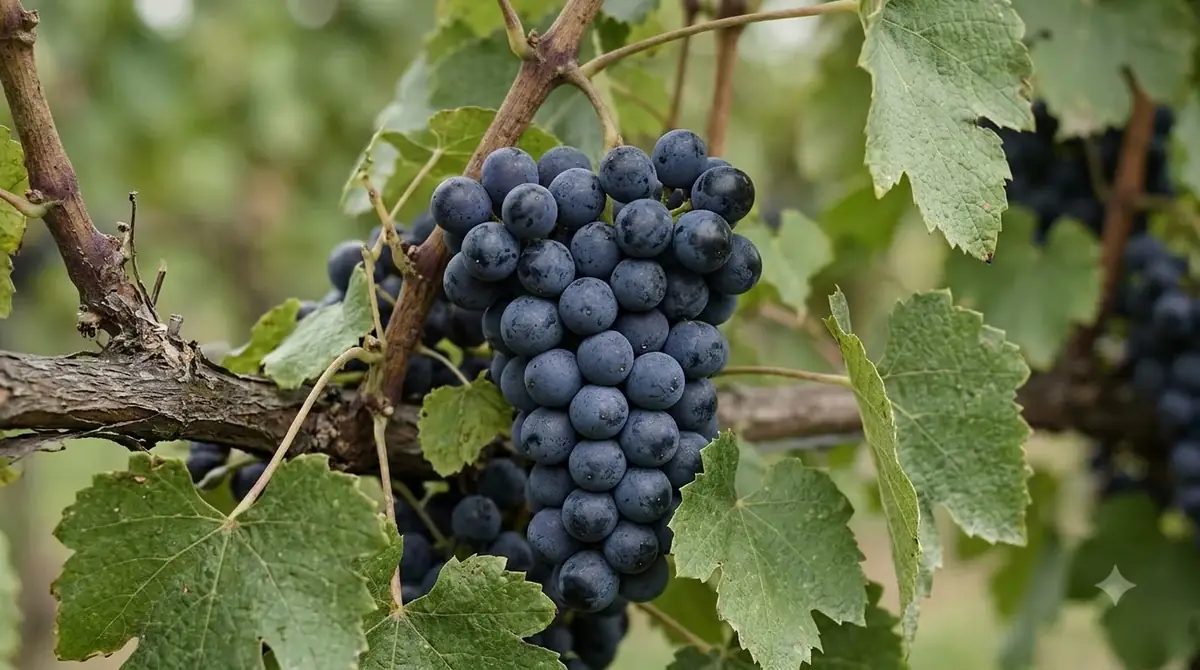
Fruška Gora is one of the best-known wine destinations in northern Serbia. Its vineyards occupy slopes near the Danube, and the surrounding landscape includes historic villages, monasteries, and attractive countryside. The proximity to Novi Sad makes the area particularly convenient for visitors who want to combine wine tasting with city sightseeing.
Fruška Gora is associated with several white varieties, including Grašac, Riesling, and Traminac. Producers also work with international grapes and different blending approaches. A tasting here can therefore include crisp whites, aromatic bottlings, rosé, and structured reds.
One especially interesting local tradition is Bermet, an aromatic wine associated with Sremski Karlovci. This distinctive style has historical connections with the region and is generally made using wine infused with herbs and spices. Depending on the producer and recipe, Bermet can be sweet and complex, making it a worthwhile contrast to the region’s dry white wines.
Subotica and Palić offer another distinctive northern wine experience. The area’s sandy terrain contributes to the identity of its traditional wines. Kevedinka and Kadarka are associated with this landscape, representing white and red wine traditions respectively.
Modern wineries in the Subotica area also cultivate Chardonnay, Riesling, Cabernet Sauvignon, and Merlot. This creates opportunities to compare traditional regional grapes with international varieties in the same tasting session.
Two particularly interesting destinations in the Subotica area are Reljić Winery and Vinski Dvor. Reljić Winery, founded in 2015, is located near Omladinsko and Palić Lakes. Its Rebus Crveni is a changing red blend designed to retain a medium-bodied profile, rounded tannins, and fruit-forward character. Tastings are arranged by appointment, making advance communication important.
Vinski Dvor, in Hajdukovo, combines a winery, restaurant, cellar, and accommodation. Its tasting experience includes nine wines accompanied by cheese, olives, and fresh apples. The winery cultivates ten grape varieties, including four indigenous varieties, making it a useful stop for visitors interested in local grape diversity.
For travelers interested in northern Serbia, Palić is also a pleasant destination beyond the tasting room. The lake, nearby countryside, and regional restaurants provide opportunities to extend a wine-focused visit into a longer stay.
Šumadija, Župa, and the Central Serbian Wine Landscape
Central Serbia offers a different combination of wine styles, with rolling hills, established family estates, and a strong emphasis on native grapes alongside international varieties. Šumadija and Župa are two especially interesting destinations for visitors seeking a deeper understanding of Serbian red and aromatic white wines.
Šumadija is among Serbia’s most recognized wine-growing areas. Its rolling countryside and established agricultural traditions support a wide range of grapes, including Cabernet Sauvignon, Merlot, Chardonnay, and Sauvignon Blanc. Native varieties also contribute to the region’s identity.
Topola and Oplenac are particularly important places to explore. The surrounding vineyards are associated with Serbian royal wine history, and the Royal Winery offers an opportunity to learn about the historical relationship between winemaking and the Karađorđević dynasty.
Modern producers in the area combine international grape varieties with local traditions. Aleksandrović is one of the names associated with Šumadija’s contemporary wine identity. Its wines are frequently mentioned in connection with the region’s interest in Tamjanika and other Serbian wine styles.
A tasting in Šumadija can be organized around contrasting styles. Start with an aromatic white, continue with a Chardonnay or Sauvignon Blanc, and finish with a red blend or Cabernet-based wine. This approach helps visitors understand how regional conditions influence different grape varieties.
Župa is another important central Serbian wine destination, particularly associated with the town of Aleksandrovac. Its wine-growing traditions and surrounding hills provide an attractive setting for exploring family wineries and native grape varieties.
Prokupac is especially important to a tasting itinerary in this part of Serbia. The grape’s red berry and spice characteristics offer a useful introduction to local red wine styles. Visitors can compare younger, fruit-forward examples with more structured wines that have received additional aging.
Župa also provides opportunities to explore traditional Serbian food. Local dishes, cured meats, grilled specialties, and regional cheeses can provide excellent companions for the area’s wines.
Central Serbia is particularly suitable for travelers who prefer a combination of wine estates and cultural attractions. A visit to Topola can be paired with Oplenac, while a longer itinerary can include Aleksandrovac and surrounding villages.
Visitors familiar with Italian coastal reds can also compare Serbian red blends with the Cabernet-based wines associated with Bolgheri wine tasting. The comparison offers a useful way to consider how grape selection, climate, and regional winemaking traditions influence structure and fruit character.
Negotin and Eastern Serbia’s Historic Wine Cellars
Negotin and the surrounding Negotin Valley provide one of Serbia’s most distinctive wine experiences. The region is known for historic wine cellars, varied vineyard conditions, and a long association with local wine production.
The eastern landscape differs from the northern plains and central hills. The Danube’s proximity, local microclimates, varied soils, and hilly terrain all influence vineyard conditions. These differences help explain why eastern Serbian wines can offer a distinct character from those produced around Fruška Gora or Šumadija.
One of the most fascinating destinations is Rajačke Pimnice, a historic settlement known for its traditional stone wine cellars. The buildings reflect the importance of wine storage and production in the area’s agricultural history. Exploring these cellars gives visitors an opportunity to understand how local communities developed wine traditions around their vineyards.
The Negotin area is also interesting for its native grape varieties. Prokupac and Tamjanika are among the varieties highlighted by Serbia’s national tourism organization in its description of the region. Tasting both provides a useful comparison between red fruit and spice characteristics and aromatic white wine profiles.
Visitors should consider allowing more time for eastern Serbia than for a quick excursion around Novi Sad. The distance from major urban centers makes overnight accommodation a sensible option, especially when the itinerary includes multiple cellars and surrounding villages.
A good approach is to combine a winery appointment with a visit to the historic cellar settlement. This creates a more complete understanding of the region, linking the wines in the glass with the architecture, landscape, and local traditions behind them.
Negotin is particularly attractive to travelers who enjoy wine history. While modern wineries demonstrate contemporary production methods, the historic cellars provide a tangible connection to earlier generations of Serbian winegrowers.
How to Plan a Serbian Winery Tasting
A successful Serbian wine trip benefits from advance planning, especially if it includes smaller family wineries. Spring through autumn is a useful general travel window, while September and early October can be particularly interesting because of harvest-related activity and grape celebrations.
Choose a practical wine route
First-time visitors should avoid trying to cover every Serbian wine region during a short stay. Instead, select one area and explore it in greater depth.
Fruška Gora works well for travelers staying in Novi Sad. The area offers a combination of wineries, attractive countryside, and cultural attractions. Šumadija is a logical choice for those interested in central Serbian wines and the historic vineyards around Topola.
Subotica and Palić are attractive for visitors interested in sandy-terrain wines and a combination of traditional and modern producers. Negotin is better suited to a longer itinerary focused on historic wine cellars and eastern Serbian wine culture.
Travelers can also consult established routes and destination information through the Serbian wine routes overview, which highlights Fruška Gora, Oplenac, Župa, Negotin, Palić, and Vršac.
Reserve winery visits in advance
Not every Serbian winery operates like a large commercial tasting facility. Some family producers accept visitors only by appointment, while others arrange tasting times according to availability.
For example, Reljić Winery lists visits by advance arrangement and offers a selection of three wines or a customized tasting. Vinski Dvor recommends advance booking, even though its visits are connected to restaurant opening hours.
When contacting a winery, ask which wines will be available, how many people can attend, whether food is included, and whether the tasting can be conducted in English. It is also useful to confirm the expected duration and transportation arrangements.
Follow a structured tasting order
A good tasting usually begins with lighter wines and progresses toward more structured selections. Start with sparkling wine if available, followed by lighter whites such as Smederevka, then aromatic Tamjanika and fuller white wines. Continue with rosé before moving to Prokupac, Vranac, and international red varieties.
When comparing two wines made from the same grape, consider their acidity, tannin, body, alcohol, and finish. Also pay attention to differences in oak treatment and aging. These factors can explain why two Prokupac wines from different producers may have noticeably different textures.
Keep tasting pours moderate and allow enough time between wines. A standard restaurant serving is approximately 5 ounces, while professional tasting pours are usually smaller. Drinking water and taking breaks also help maintain concentration throughout a longer winery visit.
Bring useful tasting questions
Talking with winemakers can provide information that is not obvious from the label. Ask whether the grape is native or international, which vineyard the fruit comes from, whether fermentation takes place in stainless steel or oak, and how long the wine spends aging before release.
For Prokupac, ask whether the producer emphasizes fresh fruit or a more structured style. For Tamjanika, ask whether the wine is fermented dry and how its aromatic qualities are preserved.
These questions encourage meaningful comparisons and help visitors understand the decisions that shape each bottle.
Tip: Arrange two or three winery appointments in the same area rather than scheduling a different region for every tasting. Leave enough time for food, sightseeing, and transportation, and arrange a designated driver or guided tour if the itinerary includes several wine stops.
Serbian Food Pairings and Wine Serving Tips
Serbian wines are particularly enjoyable alongside the country’s traditional cuisine. Regional cheeses, cured meats, grilled dishes, savory pastries, and freshwater fish provide plenty of opportunities to explore how acidity, tannin, sweetness, and body interact with food.
For white wines, Tamjanika is a natural choice with aromatic dishes, grilled vegetables, poultry, and moderately spiced food. Its floral character can complement herbs and fresh ingredients without overwhelming lighter flavors.
Smederevka works particularly well with lighter meals. Its refreshing acidity makes it suitable for fresh cheeses, salads, seafood, and simply prepared poultry. It can also serve as an aperitif before a more substantial meal.
Grašac and other crisp northern white wines are useful companions for grilled freshwater fish, lighter appetizers, and savory pastries. Their acidity helps balance dishes containing butter, oil, or creamy sauces.
For red wines, Prokupac deserves particular attention. Its fruit and moderate-to-firm structure can work with grilled pork, roasted poultry, cured meats, and traditional meat dishes. Salt and fat help soften tannin, making these pairings especially successful.
Vranac is generally better suited to richer dishes. Grilled beef, lamb, roasted meats, and strongly flavored sausages can complement its fuller body and more concentrated fruit profile.
Cabernet Sauvignon and Merlot from Serbian producers offer additional options for meat-focused meals. Cabernet Sauvignon generally has higher tannin, while Merlot tends to have softer tannins and a more approachable texture. Both can work with grilled meats, although the preparation and sauce matter.
Sweet or fortified regional wines can be served with desserts, but sweetness needs to be considered carefully. A wine should generally be at least as sweet as the dessert alongside it. This is especially relevant when pairing aromatic or sweet Bermet with pastries and fruit-based desserts.
Recommended serving temperatures
Temperature makes a meaningful difference to the aromas and structure of Serbian wines. Whites served too cold can lose aromatic detail, while reds served too warm may appear heavier and more alcoholic.
Use these general serving ranges when tasting:
- Light, crisp white wines: 45–50°F.
- Fuller-bodied white wines: 50–55°F.
- Light-bodied reds: 55–60°F.
- Full-bodied reds: 60–65°F.
- Sweet aromatic wines: 43–50°F.
- Sparkling wines: 40–50°F.
For a tasting flight containing Tamjanika, Smederevka, Prokupac, and Vranac, begin with the whites and progress toward the fuller reds. This makes the differences between the varieties easier to recognize.
Remember that food pairing depends on more than grape variety. Acidic food benefits from wines with equal or higher acidity, while heavily salted or fatty dishes can soften tannin. Chili heat can become more pronounced alongside high-alcohol wines and strongly tannic reds, so milder wines are generally better companions for spicy dishes.
Frequently Asked Questions
Is Serbian wine available internationally?
Yes, Serbian wine is exported to international markets, although availability varies considerably by producer and country. Specialist importers and Balkan food and wine retailers are useful places to investigate. Some smaller producers have limited distribution, making winery-direct purchases during a visit an alternative.
What is Bermet wine made from?
Bermet is a traditional aromatic wine associated particularly with Sremski Karlovci. It is made by infusing wine with herbs, spices, and other botanical ingredients, with recipes varying between producers. Its distinctive aromatic profile and historical association with the region make it an interesting souvenir or dessert-wine selection.
What language should visitors expect at Serbian wineries?
Serbian is the country’s official language, but English is commonly encountered in tourism-oriented businesses and larger wineries. Smaller family cellars may have more limited English-speaking staff. Confirming language availability when arranging an appointment can make the experience more comfortable.
Can visitors buy wine directly from Serbian wineries?
Many wineries sell bottles directly to visitors, although individual arrangements vary. Ask whether the winery offers sealed bottles for travel, whether international shipping is available, and whether its staff can provide information about customs requirements. Packaging and airline baggage policies should also be considered before purchasing several bottles.
What is the difference between Grašac and Riesling?
Grašac is the Serbian name commonly used for Welschriesling, also known as Graševina in Croatia. It is a different grape variety from Rhine Riesling, despite the similar English names. Grašac typically offers a fresh, versatile white wine profile rather than the distinctive aromatic structure associated with classic Rhine Riesling.
Serbia offers an engaging wine experience for visitors interested in native grapes, historic vineyards, and regional food traditions. Start with Tamjanika and Prokupac, explore one or two wine-growing areas, and allow time to speak with the people producing the wines. These experiences provide a memorable introduction to a country whose wine identity continues to develop while retaining strong connections to its agricultural history.
More in Wine Regions
 Willcox Wine Trail: Discover Arizona’s High-Elevation Wine CountryUpdated Nov 20, 2026
 Yakima Valley Wine Region: Find the Best Styles to TryUpdated Nov 20, 2026
 Vosne Romanee Wine Tasting: Identify Aromas and Choose Better PairingsUpdated Nov 20, 2026
 Yakima Valley Wine Festival: Find the Best Seasonal Wine EventsUpdated Nov 20, 2026
 Wales Vineyards: Discover Cool-Climate Wines and Where to VisitUpdated Nov 20, 2026
 Yountville Wine Festival: Discover Napa Wines and Local FoodUpdated Nov 20, 2026