

We may earn a commission when you buy through links on this page, at no extra cost to you. Learn more.
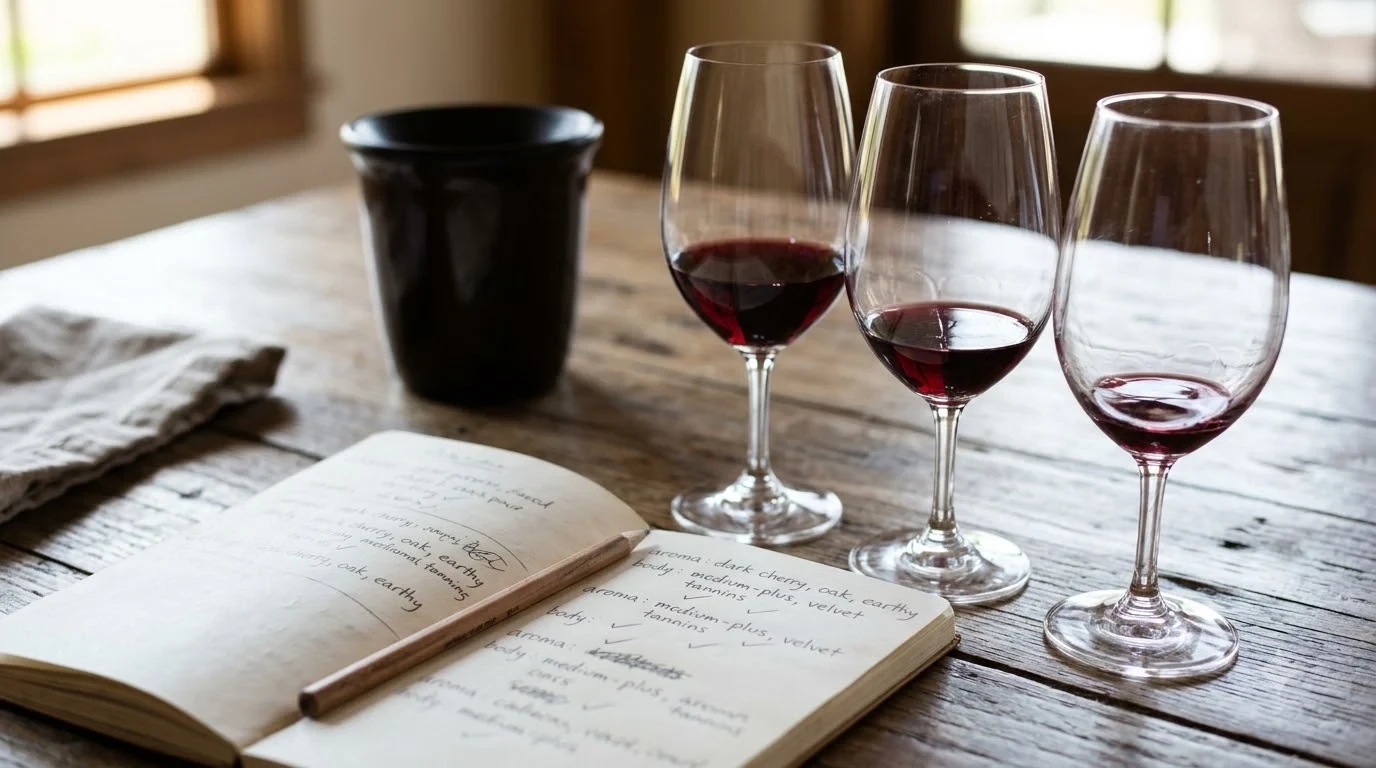
Roero wine tasting is best approached as a comparison of fragrant Roero Arneis and red Roero made primarily from Nebbiolo. The two wines share the hills north of the Tanaro River in Piedmont, but they offer very different expressions of the region. Taste them side by side and you can connect grape variety, vineyard setting, texture, and food to what appears in the glass.
Roero sits across the river from the better-known Langhe, yet it has a distinctive identity built around two native grapes. Its white wines can be crisp, floral, and savory, while its Nebbiolo reds range from graceful and aromatic to firm and age-worthy. A thoughtful tasting does not need a long list of bottles: a sparkling Arneis, a still Arneis, a young red, and a Riserva can reveal much of the appellation’s range.
Where Roero Sits in Piedmont
Roero is a wine-growing area in the Province of Cuneo, on the left bank of the Tanaro River, spanning 19 municipalities. Its hills north of Alba include Canale, Vezza d’Alba, Corneliano d’Alba, and Monteu Roero, useful village names to recognize on a tasting itinerary.
Roero DOCG covers all of Canale, Corneliano d’Alba, Piobesi d’Alba, and Vezza d’Alba, plus parts of 15 other municipalities. Two bottles carrying the same appellation can therefore come from different hillside settings and soils; a village or vineyard name adds useful context.
Canale is often described as Roero’s wine capital. Of its 370 vineyard-planted hectares, 240 fall within the DOCG; those include 175.62 hectares of Arneis and 63.10 hectares of Nebbiolo. That makes it a practical base for tasting both sides of the region’s identity.
Roero belongs to the wider Langhe, Monferrato, and Roero cultural landscape, but it is distinct from Barolo and Barbaresco. Its position by the Tanaro and varied sandy soils give the appellation its own profile. The geological story includes a change in the Tanaro’s course, which helped expose and rearrange layers of older marine sediments. When reading a list of bottles, remember that the unqualified name Roero identifies the red wine, while the white uses Roero Arneis. The site’s Wine Regions resource offers broader Italian context.
Roero Arneis: The White-Wine Benchmark
Roero Arneis is the region’s signature white wine, made from at least 95% Arneis under DOCG rules and usually bottled as 100% varietal wine. Expect a dry style with fresh orchard-fruit and floral notes, often joined by citrus, almond, or a lightly savory finish.
Arneis has a long local history: the consortium traces written references to the late 1400s and early 1500s. It was once used for sweet wines and vermouth, then regained dedicated vineyard plantings in the 1970s as producers developed a dry style.
Look for pear, apple, white peach, lemon peel, white flowers, and sometimes hazelnut. Texture ranges from lean and brisk to rounder and more substantial, depending on site and producer. A Wine Enthusiast review of one Roero Arneis noted white peach, tart Fuji apple, floral tones, and a saline finish: a useful example, not a universal tasting profile. Notice whether the wine finishes with citrus freshness, a nutty note, or a gentle mineral impression.
Arneis is also made as a sparkling wine under the Roero DOCG umbrella. Taste it first, then the still version; notice how bubbles change the impression of fruit, texture, and finish. Serve still Arneis around 45–50 F, the usual range for light whites. Avoid an ice-cold pour, which can mute floral and orchard-fruit notes; a medium-sized white-wine glass gives the aromas room to open.
Roero Rosso: Nebbiolo in a Different Accent
When a label says simply Roero, it refers to the red DOCG wine, based on at least 95% Nebbiolo. The result is a dry red that can show ruby to garnet color, cherry and other red-fruit aromas, and tannin that becomes more noticeable as the wine gains structure and age.
Rules allow up to 5% of other non-aromatic red grapes approved for Piedmont, but the consortium says almost all Roero DOCG is 100% Nebbiolo. Compare the red with Arneis to see how two native grapes express the same landscape; Nebbiolo supplies the red wine’s frame and capacity to develop savory, floral notes. The consortium’s DOCG production regulations set out the permitted grape composition.
The regional government lists minimum thresholds for red Roero of 12.5% alcohol by volume, 4.5 grams per liter of total acidity, and 22 grams per liter of non-reducing extract. In the glass, compare tannin firmness, fruit freshness, and whether oak is a background note or a stronger flavor.
Include a Roero Riserva when available and compare it with a younger wine from the same producer or village. Look for changes in color, dried fruit, spice, and tannin integration; extra extraction or oak does not automatically mean better quality. Serve a lighter, aromatic red at 55–60 F and a fuller, structured red at 60–65 F. If a young full-bodied wine seems tight, 30–60 minutes of air may help.
Sand, Marl, and Exposure: Reading the Landscape
Roero’s soils combine sandstone, marl, limestone, clay, and sand, changing noticeably across the area. The consortium describes a semi-arid climate and permeable soils that can be low in organic matter but rich in mineral salts.
Near the northwestern Rocche, some soils at roughly 350 meters and above contain about 80% sand; the consortium estimates that around 5% of Roero viticulture is on this soil type. Older marine-origin sands there are loose, arid, and fossil-rich, and are associated with fresh, aromatic Arneis and delicate reds.
In central Roero, sand can mix with gray-blue silty layers rich in clay and limestone, which the consortium associates with structured reds. Toward the Tanaro, cooler marl and clay formations can contribute to fuller-bodied wines. These are patterns rather than guarantees: exposure, vine age, farming, harvest, and cellar decisions also matter.
Annual rainfall averages about 650–720 millimeters, though some years or local areas receive only 450–500 millimeters. Much of the rain falls from October through January, replenishing water reserves before vine growth in May and June. Strong temperature swings and hail risk make slope and exposure important. Only hillside vineyards qualify for the denomination, at elevations no higher than 400 meters. Compare Arneis or Nebbiolo from different villages, ask about slope and soil, and taste for differences in body, freshness, aroma, and finish.
How to Build a Roero Tasting Flight
A well-planned Roero wine tasting moves from lighter wines to more structured ones. Four pours give a useful comparison: Roero Arneis Spumante, still Roero Arneis, a younger red, and Roero Riserva.
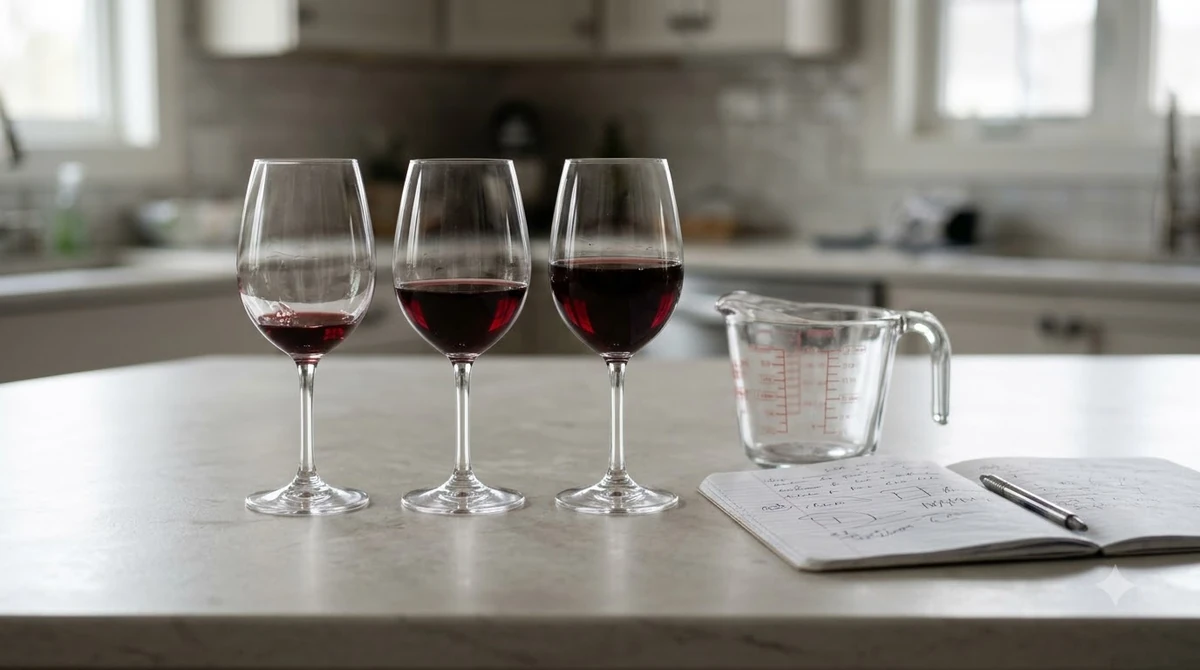
Start with sparkling Arneis, continue with the still white, and finish with Nebbiolo. Pour the younger red before the Riserva to compare fruit, tannin, and development. A second Arneis from another village is more instructive than several unrelated bottles. Use the same glass shape for the still wines when possible, so differences in aroma are less affected by glassware.
| Wine style | Suggested serving temperature | What to notice |
|---|---|---|
| Roero Arneis Spumante | 40–50 F | Bubbles, citrus, orchard fruit, and freshness |
| Still Roero Arneis | 45–50 F | White flowers, pear, peach, texture, and finish |
| Younger Roero red | 55–60 F | Cherry, floral lift, acidity, and tannin |
| Fuller Roero or Riserva | 60–65 F | Structure, spice, earth, and tannin integration |
A 750-milliliter bottle provides about five 5-ounce glasses; smaller pours are sensible for a multi-bottle comparison. Keep water and plain bread nearby, and note fruit, floral or savory aromas, acidity, body, tannin, and finish length.
Tip: Taste the same grape twice before moving on: compare two Arneis wines or two Roero reds from different villages. Holding the grape constant makes differences in site and winemaking easier to recognize.
Temperature changes how a wine feels: very cold Arneis can seem muted, while warm Nebbiolo may emphasize alcohol and tannin. Chill whites in advance and cool reds briefly if the room is warm. At a winery, ask about a single-vineyard or older-vintage bottle and the producer’s use of stainless steel, cement, or wood; oak is not a quality requirement if the wine is balanced without it.
Food Pairings for Arneis and Nebbiolo
Roero’s two main wines call for different food strategies. Arneis suits lighter dishes and ingredients that benefit from freshness, while Nebbiolo is better beside foods with enough protein, fat, and savory depth to balance its tannin.
Try Arneis with vegetable antipasti, grilled zucchini, white fish, shellfish, roast chicken, or herb risotto. A rounder example can handle chicken with cream or soft cheese. For lemon, vinegar, or sharp vinaigrette, choose a wine with enough acidity to keep pace. Match sweetness carefully, too: dry Arneis will not suit a very sweet pastry.
Roero Nebbiolo suits braised beef, roast pork, grilled lamb, porcini mushrooms, and aged cheese. Protein and fat soften tannin, allowing cherry, spice, and savory notes to show. Avoid pairing a tannic red with oily fish, which can create an unpleasant metallic impression. Salt, butter, and rich sauces can soften tannin, while chili heat can make alcohol and tannin seem more pronounced.
Roero is also a good place to compare wine with the broader cuisine of Piedmont. If you enjoy the herbal freshness of Alsace whites, an Alsace wine tasting offers a useful point of comparison, though the grapes and local dishes differ. Readers comparing structured Italian reds can look at Bolgheri wine tasting. For acidic dishes with lemon or vinegar, choose a wine whose acidity is equal to or higher than the food’s; otherwise the wine can seem soft and dull.
Planning a Winery Visit in Roero
Explore Roero at a measured pace, leaving time for both the tasting room and the landscape. Start in Canale or another convenient village, and choose wineries that pour both Arneis and Nebbiolo.
Book ahead and ask what the tasting includes, how long it lasts, whether vineyard access is available, and which languages are spoken. Smaller producers may receive visitors by appointment. Include your date, group size, interest in Arneis or Nebbiolo, and any mobility needs when contacting the winery.
The regional tourism organization promotes winery visits across Langhe, Monferrato, and Roero, describing more than 400 cellars open to the public across the combined destination. That figure applies to the larger three-area destination, not to Roero alone. Its winery-visit information is a useful starting point for discovering cellar visits, wine bars, and booking options. For a broader experience, combine a tasting with a village walk, a vineyard viewpoint, or a meal featuring Piedmontese cooking.
Keep the itinerary realistic: two winery visits in a day leave room for conversation and a meal. Arrange a designated driver or local transport, and confirm opening times and directions with each producer because schedules vary by season and day. Decide what you want to learn—compare Arneis and Nebbiolo, taste different villages, or focus on older vintages—and record the producer, village, grape, vintage, and a few sensory details. Visitors who enjoyed Willcox wine tasting may appreciate how a defined growing area can express contrasting grapes and sites, despite Arizona’s different climate and varieties.
Frequently Asked Questions
Can Roero Arneis contain grapes other than Arneis?
Yes, the rules permit up to 5% of other non-aromatic white grapes suitable for cultivation in Piedmont. In practice, the consortium says Roero Arneis is usually made entirely from Arneis, so the allowance is a maximum rather than a typical blend formula.
Which Nebbiolo clones are used in Roero?
The Roero Producers’ Consortium names Lampia, Michet, and Rosé as three well-known Nebbiolo clones used in the area. Clone choice is one of several vineyard factors that can influence vine behavior and the character of the grapes.
When are Arneis and Nebbiolo usually harvested?
The consortium says Arneis typically reaches maturity in the second half of September. Nebbiolo has a longer growing cycle and is often harvested in the second half of October, making it more exposed to autumn rain.
Why was Arneis once called white Nebbiolo?
In the 20th century, Arneis was sometimes planted beside Nebbiolo vines as a table grape to attract birds away from the red grapes. That practice helped give it the local nickname “white Nebbiolo,” although the two varieties are distinct grapes.
What are the small huts seen among Roero vineyards?
They are called ciabòt, small shelters that historically gave vineyard workers a place to rest. The consortium describes them as characteristic features of Roero’s hillside landscape, among the vineyards, orchards, and forests.
Roero rewards a tasting that gives equal attention to Arneis and Nebbiolo, then connects each wine to its village, soil, and place at the table. Start with a balanced flight, ask producers about the vineyards behind each bottle, and leave time to enjoy the landscape that gives the wines their identity.
More in Wine Regions
 Willcox Wine Trail: Discover Arizona’s High-Elevation Wine CountryUpdated Nov 20, 2026
 Yakima Valley Wine Region: Find the Best Styles to TryUpdated Nov 20, 2026
 Vosne Romanee Wine Tasting: Identify Aromas and Choose Better PairingsUpdated Nov 20, 2026
 Yakima Valley Wine Festival: Find the Best Seasonal Wine EventsUpdated Nov 20, 2026
 Wales Vineyards: Discover Cool-Climate Wines and Where to VisitUpdated Nov 20, 2026
 Yountville Wine Festival: Discover Napa Wines and Local FoodUpdated Nov 20, 2026