

We may earn a commission when you buy through links on this page, at no extra cost to you. Learn more.
The savennieres wine region in France’s Loire Valley is famous for structured, predominantly dry Chenin Blanc wines grown on rocky, south-facing slopes overlooking the Loire River. Located southwest of Angers, this small appellation produces whites known for their concentration, lively acidity, mineral character and complex aromas of quince, pear, honey and flowers. Its most celebrated vineyard sites include Coulée de Serrant and La Roche aux Moines, which help make Savennières one of the Loire’s most distinctive destinations for serious white wine.
Savennières offers a different expression of Chenin Blanc from the lighter, fruitier whites that many American wine drinkers associate with the Loire Valley. Its wines often have a broader texture, deeper flavors and a firm structure that makes them interesting both when young and after several years in the cellar. Understanding the appellation’s geography, geology, vineyard practices and producers makes it easier to recognize what distinguishes these bottles and how to enjoy them. For a broader introduction to French wine geography, the site’s guide to Wine Regions provides useful context.
Where Savennières Sits in the Loire Valley
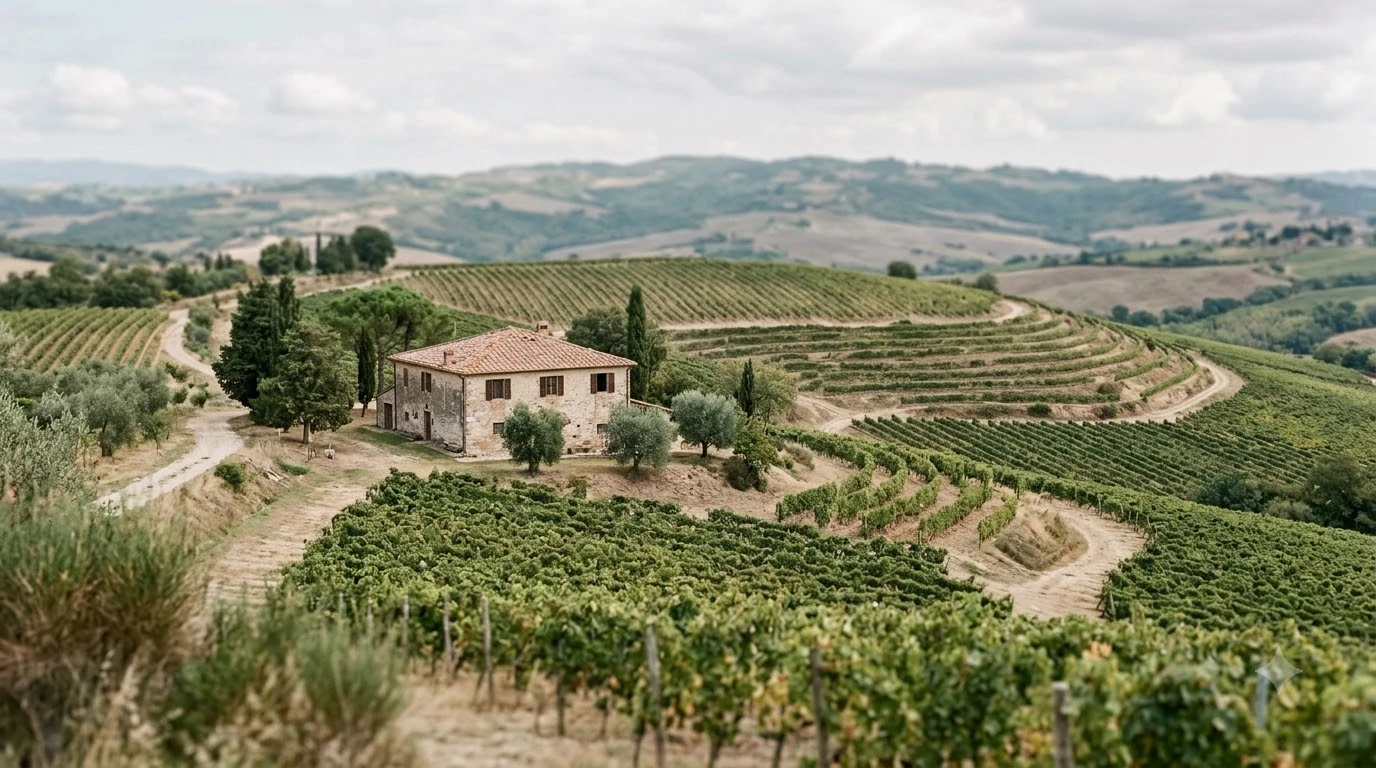
Savennières lies in western France, southwest of Angers, in the Anjou-Saumur district of the Loire Valley. Its vineyards occupy the right bank of the Loire River, where favorable exposures and proximity to the water help grapes reach full maturity.
The traditional appellation area encompasses three communes: Savennières, Bouchemaine and La Possonnière, in the Maine-et-Loire department. These communities form a relatively compact wine-producing landscape rather than a vast continuous vineyard belt. The slopes rise above the river, with vineyard parcels positioned on hillsides and plateaus that benefit from good sunlight exposure.
The Loire is an important part of the local growing environment. Its moderating influence helps temper seasonal conditions, while the area’s south-facing slopes encourage ripening. The surrounding landscape also provides some protection from weather systems moving across the region. According to the French national appellation authority, these conditions support the production of ripe Chenin Blanc grapes on the rocky slopes above the river.
Savennières received its appellation recognition in 1952. Its reputation, however, is considerably older. The wines were already known during the Middle Ages, and King René I of Anjou reportedly described them as goutte d’or, meaning golden drop, during the 15th century.
Today, Savennières occupies a special position within Anjou-Saumur. It is surrounded by other Loire appellations with different wine specialties, including the sweet Chenin Blanc wines of Coteaux du Layon and the diverse whites and reds of Anjou. Savennières stands apart through its emphasis on concentrated, usually dry Chenin Blanc.
Its scale is relatively small. The Loire Valley appellation guide records approximately 140 hectares in production and average production of around 4,300 hectoliters, or approximately 570,000 bottles, using its stated five-year statistical period. This limited production helps explain why the appellation remains less familiar to casual wine shoppers than better-known Loire names.
Its location also provides an interesting contrast with other cool-climate wine-growing areas. For example, the Savoie wine region in eastern France is known for mountain-influenced vineyards and a different collection of local grape varieties. Comparing the two helps illustrate the diversity of French wine geography.
Chenin Blanc and the Character of Savennières Wine
Chenin Blanc is the only grape permitted for Savennières AOP wines. It gives the appellation a consistent varietal foundation while allowing individual vineyards, vintages and winemaking decisions to create substantial differences between bottles.
Chenin Blanc is a particularly adaptable white grape. Depending on climate, harvest timing and winemaking, it can produce sparkling, dry, off-dry and sweet wines. In Savennières, the most recognizable expression is dry, concentrated and structured, with enough natural acidity to balance its ripe fruit and generous texture.
The typical aromatic profile includes pear, yellow apple, peach and quince, alongside floral notes such as acacia and lime blossom. With bottle age or particular winemaking approaches, additional impressions of honey, toasted almond, dried fruit, spice and baked apple can develop. These aromas create a more layered experience than a simple citrus-driven white.
On the palate, Savennières often feels broader and more substantial than many lighter Loire whites. Its freshness keeps the wine from feeling heavy, while a mineral impression and slight bitterness can give the finish extra definition. The wines may also show a firm, sometimes austere structure in their youth.
Although dry wines dominate, the appellation can also produce semi-dry, medium-sweet and sweet expressions when grape maturity and weather conditions allow. These styles are less common, but they demonstrate Chenin Blanc’s ability to retain balance as sweetness increases.
It is useful to distinguish Savennières from Vouvray, another Loire appellation strongly associated with Chenin Blanc. Vouvray offers a wider range of sparkling and still styles, including dry and sweet wines. Savennières is more closely identified with concentrated still whites from its distinctive hillside vineyards.
For American consumers, the simplest starting point is to expect a dry white with pronounced flavor, refreshing acidity and more texture than many everyday Sauvignon Blancs. Its combination of orchard fruit, floral complexity and mineral finish makes it especially interesting for people who enjoy structured white wines.
Schist Soils, Hillsides and Vineyard Conditions
Savennières owes much of its personality to shallow, stony soils and south-facing vineyard slopes. Schist and schist-sandstone formations are central to the appellation’s geology, while volcanic-origin rocks and windblown sands add further variation between individual parcels.
The bedrock belongs to the geological formations of the Massif Armoricain. In many locations, the underlying rock lies close to the surface, leaving vines to grow in relatively thin soils with limited water reserves. These conditions create particular challenges during dry periods and require careful vineyard management.
Schist is especially important because it forms much of the area’s characteristic rocky terrain. Its fractured structure allows water to drain readily, while the shallow soil profile limits the amount of moisture available to the vines. Rhyolite and phtanite also occur in the local geology, alongside aeolian sands and other sedimentary materials.
Rather than assuming that every Savennières vineyard produces an identical wine, it is more useful to understand that these different geological conditions create variation. Soil depth, slope, exposure and water availability can influence vine development and grape ripening. Consequently, two wines made from Chenin Blanc within the same appellation can express different combinations of richness, freshness and mineral character.
The region’s south-facing exposure is another important factor. Sunlight supports the ripening of Chenin Blanc, which can otherwise develop unevenly. The proximity of the Loire helps moderate the local growing environment, while the hillsides provide favorable drainage and exposure.
Chenin Blanc is not an especially simple grape to manage. It can ripen unevenly within a vineyard parcel, meaning some bunches may reach ideal maturity before others. This characteristic helps explain why selective harvesting is important in Savennières.
The Loire Valley appellation guide identifies a standard base yield of 50 hectoliters per hectare for Savennières, with 35 hectoliters per hectare for the much less common sweet and semi-sweet categories. Lower production limits help maintain concentration, although actual yields depend on vineyard conditions and the individual harvest.
The following figures provide a useful overview of the appellation:
| Characteristic | Savennières |
|---|---|
| Country | France |
| Wine region | Loire Valley, Anjou-Saumur |
| Appellation recognition | 1952 |
| Authorized grape | Chenin Blanc |
| Typical wine color | White |
| Typical wine style | Dry, still white |
| Approximate vineyard area | 140 hectares |
| Standard base yield | 50 hl/ha |
| Sweet wine base yield | 35 hl/ha |
| Average production | 4,300 hectoliters |
| Approximate annual bottles | 570,000 |
These production figures come from the Loire Valley appellation guide and describe its stated statistical period, rather than a guaranteed production total for every harvest. They illustrate the relatively limited scale of Savennières compared with larger French wine-producing areas.
Coulée de Serrant, La Roche aux Moines and Other Vineyard Sites
Savennières contains several particularly respected vineyard locations, with Coulée de Serrant and La Roche aux Moines among the best-known names. These sites give wine enthusiasts an opportunity to explore how individual hillside locations can influence Chenin Blanc.
Coulée de Serrant is especially famous. It is associated with Nicolas Joly and his family, whose work has made the vineyard an important reference point for biodynamic viticulture. The site is frequently discussed as a distinctive expression of Savennières because of its concentrated wines and strong connection to its particular vineyard environment.
La Roche aux Moines is another important vineyard name. Its hillside position overlooking the Loire contributes to the area’s favorable growing conditions. Wines from this site are often regarded as serious expressions of Chenin Blanc, with structure, concentration and the capacity to develop additional complexity in the bottle.
Clos du Papillon is another recognized Savennières vineyard location. It is associated with Domaine des Baumard, a producer whose wines appear regularly in professional wine reviews. Its presence illustrates how named vineyard parcels contribute to the diversity of the appellation.
There is also a useful distinction between the broader Savennières appellation and its more specifically identified vineyard designations. Savennières provides the general regional identity, while names such as Coulée de Serrant and La Roche aux Moines identify particularly recognized areas with their own appellation status and production rules.
For someone comparing bottles, the vineyard name can be a valuable clue, but it should not replace attention to the producer and vintage. Different winemaking approaches can produce noticeably different interpretations of Chenin Blanc even when the wines originate from neighboring sites.
One practical way to explore these differences is to compare a general Savennières bottling with a named-site wine from Coulée de Serrant or La Roche aux Moines. Paying attention to acidity, texture, fruit concentration and the length of the finish can help reveal the influence of the individual vineyard.
How Savennières Is Made and Which Producers to Know
Hand harvesting and selective grape picking are central features of Savennières production. Producers work with Chenin Blanc’s uneven ripening behavior to collect grapes at suitable levels of maturity, helping preserve freshness while developing the concentration associated with the appellation.
The French appellation authority specifies hand harvesting, with selection of bunches directly from the vines. This is a meaningful requirement even for predominantly dry wines. It allows producers to select healthy, mature fruit rather than treating the entire vineyard as if every bunch were ready at the same moment.
Some vineyard parcels may require successive harvesting passes. This means pickers return to the same vines as additional grapes reach suitable maturity. The practice takes more time than harvesting an entire parcel in one operation, but it gives producers greater control over the fruit entering the winery.
Winemaking choices also influence the final character. Fermentation and maturation vessels, lees contact, malolactic fermentation and the duration of aging can all affect the wine’s texture and aromatic development. Some producers favor a more restrained, mineral style, while others create wines with richer textures and more obvious mature fruit character.
Several producers are useful starting points when exploring the region:
Famille Joly
Famille Joly is closely associated with Coulée de Serrant and the development of biodynamic viticulture in Savennières. Its wines are particularly relevant to drinkers interested in concentrated Chenin Blanc and distinctive vineyard expressions. The estate’s Les Vieux Clos and Clos de la Coulée de Serrant are two recognizable names to look for.
Domaine des Baumard
Domaine des Baumard produces a range of Savennières wines, including Clos du Papillon and Clos de Saint Yves. These bottlings offer useful examples of how a single producer can present different vineyard expressions and styles within the same appellation.
Moulin de Chauvigné
Moulin de Chauvigné is another producer represented in professional Savennières wine reviews. Its Chenin Blanc bottlings include Clos Brochard and Intemporelles, providing additional opportunities to explore the region beyond its best-known estates.
Château Soucherie
Château Soucherie is also represented among reviewed Savennières producers. Its Clos des Perrières is an example of a named bottling that demonstrates the variety of interpretations available from the appellation.
Professional regional coverage from Decanter’s Savennières regional profile discusses producers including Damien Laureau, Domaine aux Moines, Eric Morgat and Thibaud Boudignon. Their wines demonstrate the range of vineyard interpretations and winemaking approaches found in this relatively small Loire appellation.
For a first purchase, a straightforward producer bottling is often a sensible introduction. After understanding the basic profile, comparing a named vineyard wine from Famille Joly or Domaine des Baumard can provide a more focused exploration of the appellation.
Food Pairings, Serving Temperature and Cellaring
Savennières works particularly well with foods that complement its acidity, weight and complex orchard-fruit character. Seafood, poultry, mushrooms, creamy dishes and selected cheeses are useful starting points for building a meal around this Loire white.
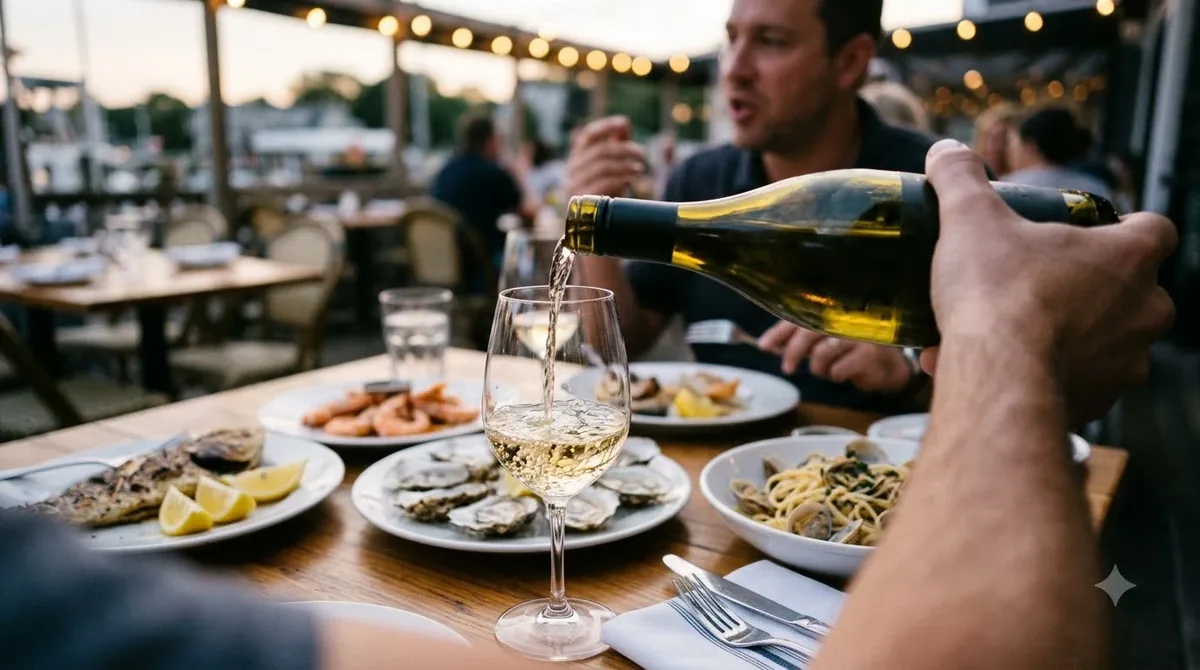
Its freshness makes it a natural partner for shellfish and white fish. Try it with roasted halibut, scallops, grilled prawns or cod served with butter and herbs. These dishes provide enough richness to complement the wine’s texture without overpowering its delicate floral and fruit aromas.
Roast chicken is another excellent match. A preparation with lemon, thyme and a moderate amount of butter works particularly well because the acidity in the wine balances the richness of the food. Turkey and other simply prepared poultry dishes can also complement Savennières.
Mushrooms are worth considering, especially when they are roasted or served in a creamy preparation. Their savory, earthy character provides an interesting contrast to the wine’s pear, quince and mineral notes. Risotto with mushrooms or chicken is a particularly practical pairing.
Cheese pairings can be equally successful. Fresh goat cheese is a classic Loire Valley combination, while moderately aged goat cheeses offer additional texture and savory flavor. The acidity of Chenin Blanc helps refresh the palate between bites.
Serving temperature makes a noticeable difference. A typical dry Savennières is best served around 50-55 F, particularly when it has a fuller texture and mature fruit character. Serving it too cold can conceal some of its aromatic complexity, while excessive warmth can make its alcohol and richness more prominent.
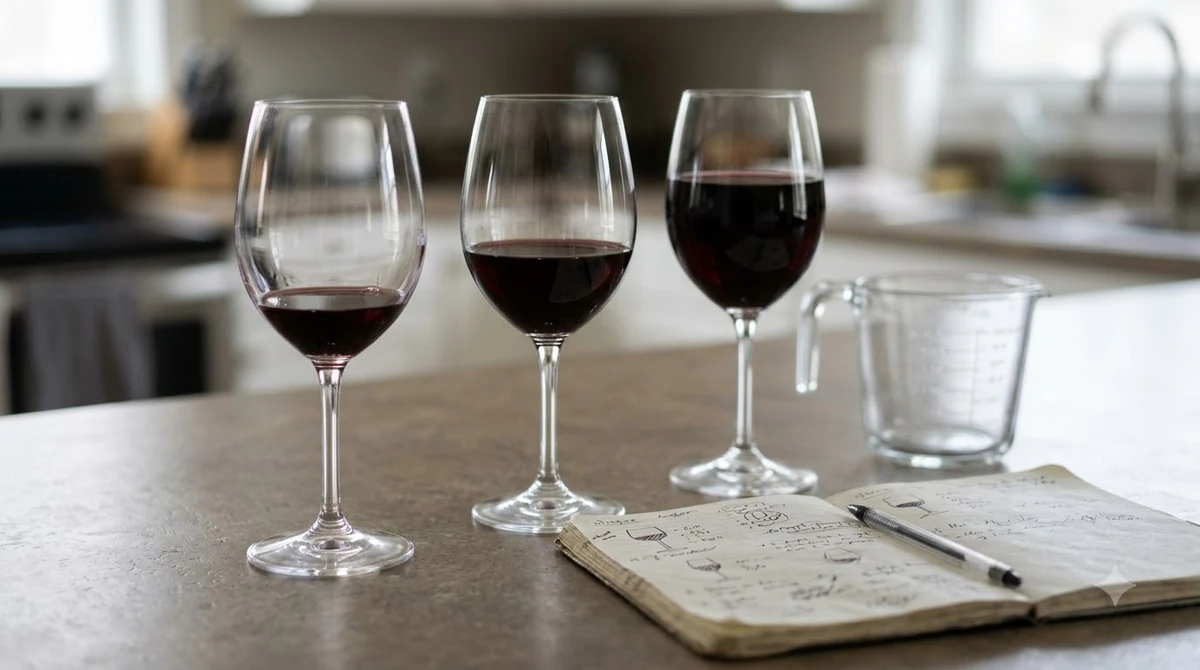
Use a standard white wine glass with enough room for the aromas to develop. A pour of approximately 5 ounces provides sufficient space for swirling and smelling without filling the glass too high. A 750 ml bottle yields approximately five standard servings.
Tip: Take a bottle out of the refrigerator approximately 10-15 minutes before serving if it feels too cold. Start near 50 F and allow the wine to warm slightly in the glass, paying attention to how its fruit, floral aromas and texture develop.
Savennières also deserves consideration as a cellar wine. Young examples can feel firm and tightly structured, with fruit and acidity that have not yet fully integrated. Several years of bottle aging can soften the overall impression and encourage more complex notes of honey, nuts, dried fruit and spice.
Storage conditions are important. Keep bottles away from direct sunlight and major temperature fluctuations, ideally in a cool environment near 55 F. Bottles sealed with traditional corks should generally be stored on their sides to keep the cork from drying out.
After opening, refrigerate the remaining wine and aim to enjoy it within approximately 3-5 days. A well-sealed bottle may remain enjoyable during this period, although its aromas and freshness will gradually change. Allowing a fuller young Savennières to breathe in the glass can also help reveal its aromatic complexity.
Frequently Asked Questions
How do you pronounce Savennières?
Savennières is commonly pronounced approximately as sah-veh-NYAIR in English-language wine discussions. The final syllable carries the emphasis, and the French accent on the final è is important to its spelling. Practicing the name makes ordering this Loire appellation easier at a wine shop or restaurant.
Is Savennières the same as Anjou Blanc?
No. Savennières is a distinct appellation within the broader Anjou-Saumur district, while Anjou Blanc is a separate regional appellation category. Both can produce white wines from Chenin Blanc, but their geographical boundaries and applicable production rules differ. The specific appellation name therefore matters when comparing bottles.
Does Savennières have an organic or biodynamic wine requirement?
No. Biodynamic and organic farming are choices made by individual producers rather than universal requirements for the entire appellation. Nicolas Joly’s work at Coulée de Serrant is especially associated with biodynamic viticulture, but Savennières includes producers following different vineyard management approaches.
What does the term lieu-dit mean on a Savennières wine label?
A lieu-dit is a named geographical location, often referring to a particular vineyard parcel or small area within a commune. In Savennières, names such as Clos du Papillon and other recognized vineyard locations help identify where the grapes originate. A named site can offer more specific geographical information than the broader appellation name alone.
Can Savennières be made into sparkling wine?
Savennières AOP is a still-wine appellation rather than a sparkling-wine designation. Chenin Blanc is widely used for sparkling wines elsewhere in the Loire Valley, including appellations such as Crémant de Loire. The grape’s natural acidity makes it particularly suitable for sparkling wine production in those other designated areas.
Savennières is one of the Loire Valley’s most distinctive destinations for Chenin Blanc, combining rocky hillside vineyards, selective harvesting and wines with remarkable texture and freshness. Whether you begin with a classic regional bottling or explore renowned sites such as Coulée de Serrant and La Roche aux Moines, this appellation offers a rewarding introduction to the depth and versatility of Loire white wine.
More in Wine Regions
 Willcox Wine Trail: Discover Arizona’s High-Elevation Wine CountryUpdated Nov 20, 2026
 Yakima Valley Wine Region: Find the Best Styles to TryUpdated Nov 20, 2026
 Vosne Romanee Wine Tasting: Identify Aromas and Choose Better PairingsUpdated Nov 20, 2026
 Yakima Valley Wine Festival: Find the Best Seasonal Wine EventsUpdated Nov 20, 2026
 Wales Vineyards: Discover Cool-Climate Wines and Where to VisitUpdated Nov 20, 2026
 Yountville Wine Festival: Discover Napa Wines and Local FoodUpdated Nov 20, 2026