

We may earn a commission when you buy through links on this page, at no extra cost to you. Learn more.
Bolla wine is an Italian wine brand that many shoppers meet on grocery shelves, and its bottles are best judged by the region and grape on the label. The most useful way to shop it is to read the label for the region and grape, then choose a style that fits the meal. This guide explains what to expect from Bolla, how to serve it, and which dishes work well with it.
Bolla is one of the Italian names shoppers see on grocery shelves and restaurant lists, and it often sits next to other mainstream imports. Many buyers recognize the label before they know the wine inside it. That creates a practical question: which bottle should you pick, and how should you serve it so the wine shows its best side? The sections below answer those questions with general wine guidance and the reference details that can be checked against a bottle.
What Bolla Wine Is
Bolla is an Italian wine brand, and Italian wines are usually identified by their region and appellation rather than by one house style. That makes the label the most important clue. The producer’s name tells you who made the wine, while the region, grape, and style words tell you what to expect in the glass. Because Italian producers often work with several regions and grapes, two bottles with the same brand name can taste quite different.
For a shopper, the simplest approach is to treat the brand as a starting point and the bottle’s details as the real guide. Look for the grape name, the region, and whether the wine is labeled dry. Those three pieces of information tell you more about the taste than the brand name alone, and they help you compare a Bolla bottle with other Italian wines on the shelf.
White Styles and What to Expect
Many Italian white wines are built around crisp acidity, light body, and fresh fruit. The Garganega grape, which is the main grape of the Soave style, is a good example. Wine Folly’s Garganega guide describes young examples as lean and dry, with notes of peach, honeydew, tangerine, and a saline edge, and it says the wine has medium-light body and medium-high acidity. A wine built this way feels bright and clean on the palate.
Some Italian whites develop richer notes with time. The same guide notes that tangerine and toasted almond character can appear as the wine ages. For everyday drinking, though, most buyers want the fresher, younger style, and that is the style that pairs most easily with a casual meal.
Red Styles and How They Differ
Bolla’s lineup can include red wines, and Italian reds vary widely in weight and tannin. Lighter reds tend to be fruity and easy to chill slightly, while fuller reds need more structure on the plate. If you are choosing a red, compare the grape and region on the label, then match the wine to the food you plan to serve. A lighter red suits simple pasta and sandwiches, while a fuller red suits roasted meats and hearty stews.
Red wines also differ in tannin, which is the drying sensation you feel on the gums and cheeks. Lower tannin usually makes a red easier to drink on its own, and higher tannin usually calls for food. Because the label rarely states tannin directly, read the style words and the producer’s description, then decide whether the bottle fits the occasion.
| Style cue on the label | What it usually means | Best use |
|---|---|---|
| Dry white from a cool region | Crisp, fresh, medium-light body | Seafood, salads, light poultry |
| Fruity red, lighter style | Soft tannin, easy to drink | Pizza, pasta with tomato, casual dinners |
| Fuller red, structured style | Firmer tannin, more body | Roast meat, aged cheese, stews |
Tip: If the label does not say whether the wine is dry, check the back label or the retailer listing before you buy, especially for a bottle you plan to serve with dessert.
How to Serve Bolla Wine
Serving temperature changes how a wine tastes, so match it to the style. For Garganega-based whites, Wine Folly suggests serving at about 45 to 55 degrees Fahrenheit, which is cool but not icy. That range keeps the fruit and acidity in balance. Lighter reds can be served slightly cool, while fuller reds usually do well a little below room temperature rather than fully warm.
Glassware is a minor detail for everyday drinking, but a standard wine glass helps the aromas gather near the rim. Most young Italian whites and lighter reds do not need decanting. If you open a fuller red, letting it breathe for a short time can soften the first sip, though this is optional.
Food Pairing With Bolla
A dry Italian white pairs well with seafood, citrus dressings, and light poultry. The same Wine Folly guide lists lighter meats, fish, citrus dressings, and green herbs as natural partners for this style. Simple dishes such as grilled fish with lemon and herbs, a green salad with a vinaigrette, or chicken with olive oil and rosemary let the wine’s freshness come through without competing with the food.
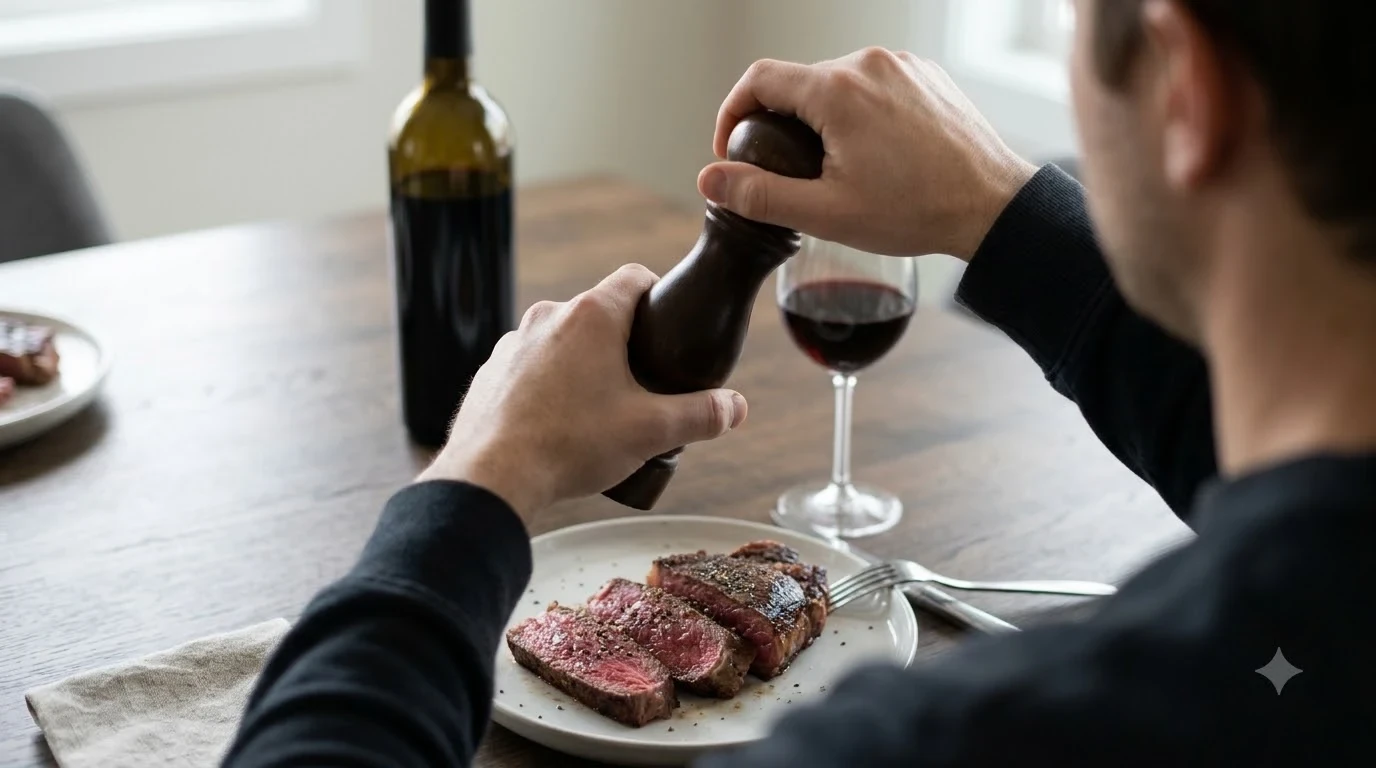
Lighter reds are easier to match with everyday food. Tomato sauces, pizza, grilled sausage, and mild cheeses are reliable choices. Fuller reds suit roasted meats, aged cheeses, and braised dishes, because the wine’s firmer tannin can handle richer food. The general rule is to match the weight of the wine to the weight of the plate.
Who Bolla Suits and Who Might Skip It
Bolla suits shoppers who want an accessible Italian bottle for weeknight meals, guests who are not wine-focused, and anyone who likes food-friendly wines. It is also a practical choice for a group where you need a bottle that works with several dishes at once.
It may be less satisfying for drinkers who look for a specific single-estate story or a very concentrated, collectible wine. Those drinkers usually look for smaller producers with detailed vineyard information on the label. If you want to compare Bolla with other brands, the wine brands overview on this site is a useful starting point, and you can see how other producers approach easy-drinking styles through pages like A to Z Wineworks and Avaline Rosé.
How to Choose a Bolla Bottle
Start with the grape or style you want, then check the region and the words used on the label. A bottle that names a grape and a region tells you more than one that uses only a brand name and a marketing word. If you are buying for a crowd, pick one white and one red so guests can choose by their own taste.
Price varies by retailer and region, so compare the shelf price you see rather than relying on any number from an article. A good test is to buy one bottle, serve it at the right temperature with a simple dish, and decide whether that style suits you. If it does, the same approach works across other Italian bottles, since the label cues carry from one producer to another.
Frequently Asked Questions
Is Bolla wine dry or sweet?
It depends on the bottle. Check the label and back-label description for the sweetness cue, since Italian lineups range from dry whites to sweeter styles.
What temperature should Bolla white wine be served at?
For Garganega-based whites, Wine Folly suggests about 45 to 55 degrees Fahrenheit. Serve cool, but not ice cold, so the aromas stay clear.
What food goes well with Bolla wine?
Dry whites pair well with seafood, citrus dressings, and light poultry. Lighter reds suit pizza and tomato pasta, while fuller reds suit roasted meats and aged cheese.
How do I pick the right Bolla bottle?
Start with the grape or style you want, then read the region and descriptive words on the label. Those details tell you more about the taste than the brand name alone.
Bolla is a practical choice for everyday Italian drinking when you read the label first. Choose the style, serve it at a sensible temperature, and match it to food with a similar weight. For a wider view of brands on shelves, the wine brands guide is the next stop.
More in Wine Brands
 Underwood Wine Price: Compare Bottles, Cans, and Pack SizesUpdated Nov 21, 2026
 Zenato Wine Price: Compare Styles and Choose the Right BottleUpdated Nov 21, 2026
 Zuccardi Wine Price: Compare Bottles and Find the Right RangeUpdated Nov 21, 2026
 Yellow Tail Moscato Review: Taste, Sweetness and Serving TipsUpdated Nov 21, 2026
 Wolf Blass Yellow Label Review: Choose Your Best StyleUpdated Nov 21, 2026
 Wolffer Estate Rose Review: Choose the Right Bottle for Your TableUpdated Nov 21, 2026