

We may earn a commission when you buy through links on this page, at no extra cost to you. Learn more.
Saumur wine tasting introduces you to the Loire Valley’s distinctive Chenin Blanc, Cabernet Franc and traditional-method sparkling wines from western France. Located in the Anjou-Saumur area, Saumur produces an unusually varied selection of white, red, rosé and sparkling wines. Its limestone soils, historic underground cellars and temperate climate help create wines with freshness, balanced structure and recognizable regional character.
Saumur offers a rewarding introduction to Loire wine because several styles can be explored within a relatively compact geographical area. You can compare crisp Chenin Blanc with fruit-driven Cabernet Franc, then discover sparkling wines made using the same traditional bottle-fermentation method associated with Champagne. Understanding the appellations, grapes and local landscape makes each glass easier to appreciate, whether you are planning a vineyard visit or choosing bottles for a tasting at home.
Understanding Saumur’s Loire Valley Wine Region
Saumur sits in the Middle Loire Valley, within the Anjou-Saumur wine area of western France. The region produces several distinct wine styles, with Chenin Blanc and Cabernet Franc playing particularly important roles in its identity.
The Loire River runs through the landscape, influencing local temperatures, vineyard conditions and soil development. The surrounding countryside combines limestone hills, river terraces, historic towns and vineyards. This geographical variety helps explain why Saumur can produce both delicate white wines and structured reds alongside traditional-method sparkling wines.
The wider Saumur appellation should not be confused with Saumur-Champigny, Saumur Puy-Notre-Dame or Coteaux de Saumur. These names identify different wine categories and geographical or production requirements. Saumur-Champigny is particularly associated with Cabernet Franc, while Coteaux de Saumur is a smaller appellation specializing in sweet Chenin Blanc wines.
According to the Loire wine appellation guide, the Saumur vineyard includes a range of production areas and soil types. Its limestone-rich landscape is especially important for the development of sparkling wine, as underground galleries provide suitable locations for aging and storing bottles. These historic cellars are a defining feature of the area’s wine heritage.
The climate is generally temperate and oceanic, although inland locations can experience more continental influences. The Loire helps moderate temperature extremes, while differences in elevation, exposure and distance from the river create variations between vineyard sites. The official Saumur-Champigny vineyard and Loire River overview explains how these geographical features contribute to the appellation’s character.
For visitors, the practical advantage is variety. A single tasting can introduce several grapes, sweetness levels and winemaking methods without requiring a journey across different French wine regions. It also provides a useful starting point for exploring the broader collection of Wine Regions and understanding how geography influences wine style.
The Main Grapes and Wine Styles to Taste
Chenin Blanc and Cabernet Franc are the two essential grapes to recognize during a Saumur tasting. Sparkling wines add another dimension, while rosé and sweet white wines provide further opportunities to compare acidity, sweetness and texture.
Chenin Blanc: The Essential White Grape
Chenin Blanc is the principal grape in Saumur still white wines. It can produce dry wines with lively acidity, delicate fruit flavors and a fresh finish. Common tasting descriptors include green apple, pear, lemon, quince, white flowers and occasionally honey or mineral-like impressions.
The grape’s natural acidity makes it particularly useful at the dinner table. A dry Saumur Blanc can accompany seafood, freshwater fish, roast chicken and soft cheeses. Some examples have a rounder texture, especially when fermentation and aging give the wine additional weight.
Chenin Blanc is also important in Saumur sparkling wine and the sweet wines of Coteaux de Saumur. These different expressions demonstrate how harvest timing, fermentation and residual sugar can influence the final character of a wine made from the same grape.
Cabernet Franc: The Signature Red
Cabernet Franc is the principal red grape in Saumur-Champigny. It produces wines that are generally more approachable in tannin than Cabernet Sauvignon, while retaining enough acidity to support freshness and food pairing.
Expect aromas of raspberry, red cherry, blackcurrant, violet and fresh herbs. Depending on the producer, vineyard location and maturity of the grapes, the wine may show additional earthy, peppery or savory notes. Some bottles are light and lively, while more concentrated examples have firmer structure and greater aging potential.
Saumur-Champigny regulations require at least 85% Cabernet Franc. Cabernet Sauvignon and Pineau d’Aunis are also permitted. This gives the appellation a recognizable identity without making every bottle taste exactly the same.
Other Styles Worth Exploring
Saumur rosé provides a fresh alternative to red and white wines. Its fruit character makes it suitable for informal meals, grilled vegetables and cold meat dishes. Sparkling Saumur, meanwhile, offers fine bubbles and refreshing acidity, often with flavors of apple, citrus, white flowers and toasted nuts.
For something sweeter, explore Coteaux de Saumur. These wines are made from Chenin Blanc harvested at greater ripeness, sometimes with the influence of noble rot. Concentrated fruit flavors can include candied citrus, apricot and tropical fruit, balanced by Chenin’s natural acidity.
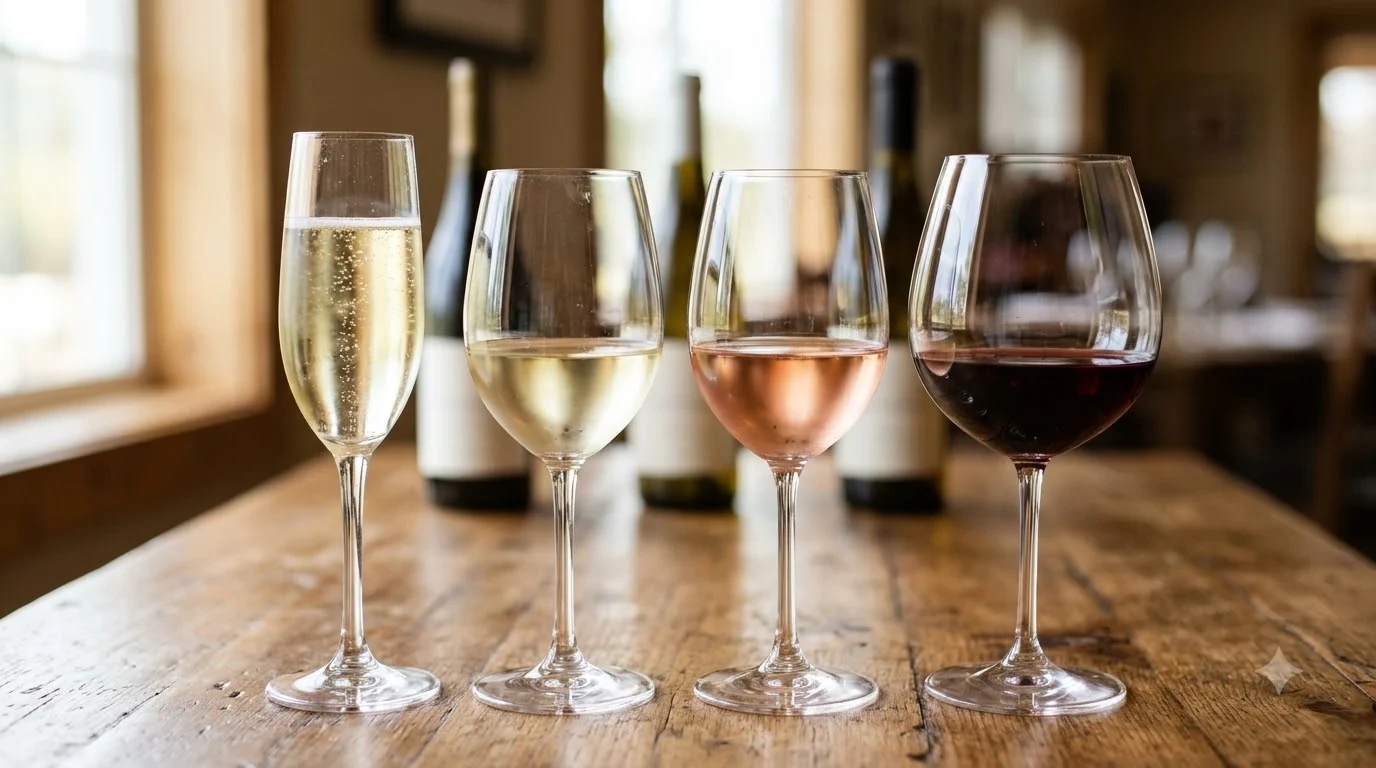
A useful tasting sequence is to begin with sparkling wine, move to dry white, continue with rosé and light red, and finish with sweet wine. This progression allows the palate to move from fresh and delicate styles toward wines with more body or sweetness.
How Tuffeau Limestone and the Loire Shape the Wines
Saumur’s distinctive landscape combines pale tuffeau limestone, clay-rich soils, river terraces and a temperate climate. These geographical features influence vineyard conditions and help explain the differences between wines produced within the wider appellation.
Tuffeau is a soft, chalky limestone associated with the Saumur area. It forms hills and geological formations overlooking the Loire, and has also been used extensively in local architecture. Underground galleries excavated into the rock provide historic spaces for storing and aging wine bottles.
According to the official Saumur-Champigny appellation website, the Loire River helps regulate temperatures by moderating excessive summer heat and limiting the intensity of spring frosts. Its valley also encourages air circulation, contributing to gradual grape ripening and the preservation of acidity.
River activity has created alluvial terraces containing sand, gravel and silt. These formations contrast with the limestone hills above the valley. Such differences can influence drainage, water availability and vine growth, contributing to variations in grape maturity and wine structure.
Decanter identifies calcareous-clay soils with a substantial clay component in the broader Saumur white-wine area. For Saumur-Champigny and Saumur Puy-Notre-Dame, tuffeau limestone is an important geological feature. These distinctions are useful when comparing bottles from different appellations.
When tasting, consider whether a wine feels particularly fresh, rounded, concentrated or delicate. Avoid assuming that a mineral descriptor proves a wine tastes directly of limestone. Instead, think of terroir as the combined influence of soil, climate, geography, grape variety and winemaking decisions.
Comparing Saumur Blanc, Saumur-Champigny and Sparkling Wine
The best way to understand Saumur is to compare its major appellations side by side. Dry Chenin Blanc, Cabernet Franc-based red wine and traditional-method sparkling wine provide three contrasting expressions of the same region.
Saumur Blanc is generally fresh and dry, with citrus, apple and white-flower characteristics. It is a good starting point for people who enjoy crisp Loire whites. Saumur-Champigny, by comparison, is a red wine appellation with a strong Cabernet Franc identity. It offers red fruit, savory notes and moderate tannin.
Saumur sparkling wine provides a different experience. Its fine bubbles, acidity and traditional bottle fermentation make it an appealing alternative to Champagne. Although the wines share a production method with Champagne, their grape varieties, geography and regional identity are distinct.
| Wine style | Main grape | Typical character | Suggested serving temperature |
|---|---|---|---|
| Saumur Blanc | Chenin Blanc | Citrus, apple, white flowers | 45–50°F |
| Saumur-Champigny | Cabernet Franc | Raspberry, cherry, herbs | 55–60°F |
| Saumur Puy-Notre-Dame | Cabernet Franc-led | Dark fruit, structure, spice | 55–60°F |
| Saumur Rosé | Cabernet varieties | Fresh red fruit, lively acidity | 45–50°F |
| Saumur Brut | Chenin Blanc-led | Fine bubbles, citrus, apple | 40–50°F |
| Coteaux de Saumur | Chenin Blanc | Apricot, candied fruit, honey | 43–50°F |
These temperatures are practical serving recommendations rather than fixed legal requirements. Individual bottles may benefit from slight adjustments, especially when a red is particularly light or a white has more body. Avoid serving full-bodied reds too warm, as excessive warmth can emphasize alcohol and soften their refreshing character.
Saumur Puy-Notre-Dame deserves special attention. Its production area is approximately 20 kilometers south of Saumur, and its vineyards average around 80 meters in elevation. The appellation permits Cabernet Franc and up to 15% Cabernet Sauvignon. Its reds generally have more concentration and structure than many easy-drinking Saumur-Champigny examples.
For a broader comparison of French wine regions, Alsace wine tasting offers an interesting contrast through its aromatic white grapes and distinctive regional styles. Comparing the two regions can help develop a clearer understanding of how climate and grape selection influence French wines.
How to Taste Saumur Wine Like an Informed Wine Drinker
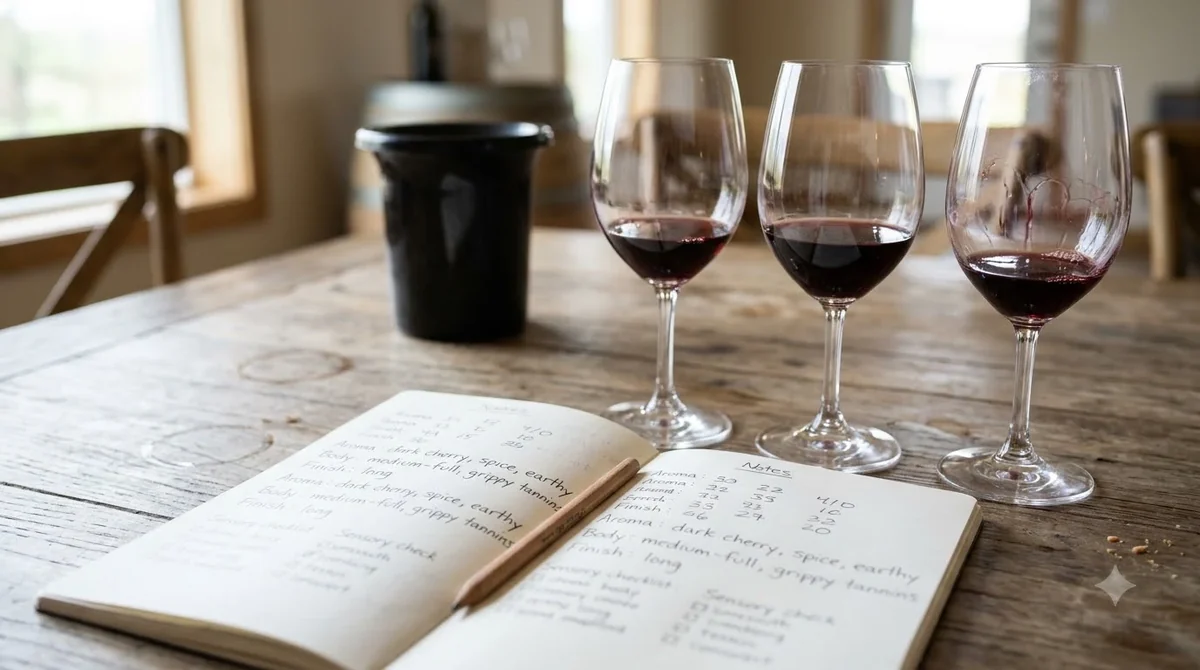
A structured tasting helps reveal the differences between Saumur’s wines. Focus on appearance, aroma, acidity, tannin, body and finish rather than trying to identify every possible flavor in the glass.
Start With Appearance
Hold the glass against a light background and observe its color. A dry Chenin Blanc may appear pale yellow with green or golden reflections. Cabernet Franc generally ranges from bright ruby to deeper garnet, depending on age and concentration. Sparkling wines may appear pale gold, while rosé versions can show salmon or light cherry tones.
Evaluate the Aromas
Swirl the wine gently and smell before taking a sip. For Chenin Blanc, look for apple, pear, lemon and white flowers. For Cabernet Franc, consider raspberry, cherry, blackcurrant, violet and fresh herbs. Sparkling Saumur may reveal citrus, almond, white fruit and subtle toasted notes.
Try to identify the broad aroma family first. Fruit, floral, herbal, earthy and toasted descriptions are useful starting points. More specific descriptors become easier to recognize with practice.
Assess the Structure
Take a small sip and consider the wine’s acidity, body, tannin and texture. Chenin Blanc typically has refreshing acidity, while Cabernet Franc can show moderate tannin and a lively finish. A sparkling wine adds the sensation of carbonation, which makes the palate feel particularly fresh.
For red wine, pay attention to how the tannin feels on the gums and tongue. Young Cabernet Franc may show noticeable grip, but its tannin is generally softer than that of Cabernet Sauvignon. More structured Saumur Puy-Notre-Dame examples can require additional time in the bottle to become fully expressive.
Finish With the Overall Impression
After swallowing, consider how long the flavors remain. A fresh, simple wine may finish quickly, while a more concentrated example can retain fruit, acidity and savory complexity for longer. The finish is not necessarily better simply because it lasts longer; balance and harmony matter more.
Tip: Taste at least three contrasting styles side by side: a dry Saumur Blanc, a Saumur-Champigny and a Saumur Brut. Use the same glass size and record acidity, body, aroma and finish for each. This simple comparison makes the region’s diversity much easier to recognize.
Pour approximately 5 ounces for a standard still-wine serving, or less when several wines are being compared. A 750 ml bottle provides roughly five standard glasses. Keep water nearby and allow enough time between wines to assess their individual characteristics.
Food Pairings and Serving Recommendations
Saumur wines are particularly useful at the table because their freshness and range of styles work with seafood, poultry, vegetables, cheese and meat. Matching the weight and acidity of the wine with the food is more important than choosing a pairing based only on color.
Pairing Saumur Blanc
Dry Chenin Blanc works especially well with shellfish, white fish, oysters and freshwater fish. Its acidity balances the richness of butter-based sauces, while its fruit character complements delicate seafood flavors.
Roast chicken, grilled vegetables and goat cheese are also good choices. For dishes with lemon or vinaigrette, choose a wine with enough acidity to maintain its freshness alongside the food. A soft, low-acid white can seem flat beside strongly acidic ingredients.
Pairing Saumur-Champigny
Cabernet Franc is a natural match for roast poultry, pork, grilled mushrooms and herb-seasoned dishes. Its red fruit character and moderate tannin can complement food without overwhelming lighter ingredients.
It also works with grilled beef, lamb and sausages. Salt and fat soften the perception of tannin, making richer dishes useful partners for structured red wines. However, very spicy food can emphasize alcohol and tannin, so heavily seasoned chili dishes are generally more challenging.
Pairing Saumur Brut and Sweet Chenin
Saumur Brut is an excellent aperitif and pairs with oysters, prawns, seafood appetizers and creamy poultry dishes. Its acidity helps refresh the palate between bites. Dry sparkling wines can also complement lightly fried foods because their bubbles and freshness contrast with richness.
Sweet Coteaux de Saumur requires a different approach. Match its sweetness with fruit desserts, apricot pastries or other dishes that are not sweeter than the wine. A dessert that is significantly sweeter can make the wine seem thin and acidic.
Serving temperature also matters. Light whites and rosés are generally best at 45–50°F, while sparkling wines are commonly served at 40–50°F. Light reds benefit from 55–60°F rather than typical warm room temperature. These ranges preserve freshness while allowing aromas to develop.
For a useful regional comparison, Willcox wine tasting provides a different perspective on American wine production, grape varieties and food pairing. Exploring wines from different climates can help identify the qualities that make Loire wines distinctive.
Planning a Saumur Tasting and Choosing Bottles
A successful Saumur tasting should include a mixture of appellations and producers rather than focusing entirely on one grape. Allow time to compare wines, ask about vineyard locations and explore how winemaking choices influence the finished bottle.
Start with Saumur Brut to experience the traditional-method sparkling style. Follow it with a dry Saumur Blanc, then move to a rosé and a Cabernet Franc-based red. If available, include a Saumur Puy-Notre-Dame and finish with a sweet Coteaux de Saumur.
When visiting wineries, ask whether the wines come from limestone slopes, clay-rich sites or alluvial terraces. Ask about fermentation vessels, aging periods and the producer’s preferred drinking window. These details can help explain why two Chenin Blanc wines from the same broad appellation taste different.
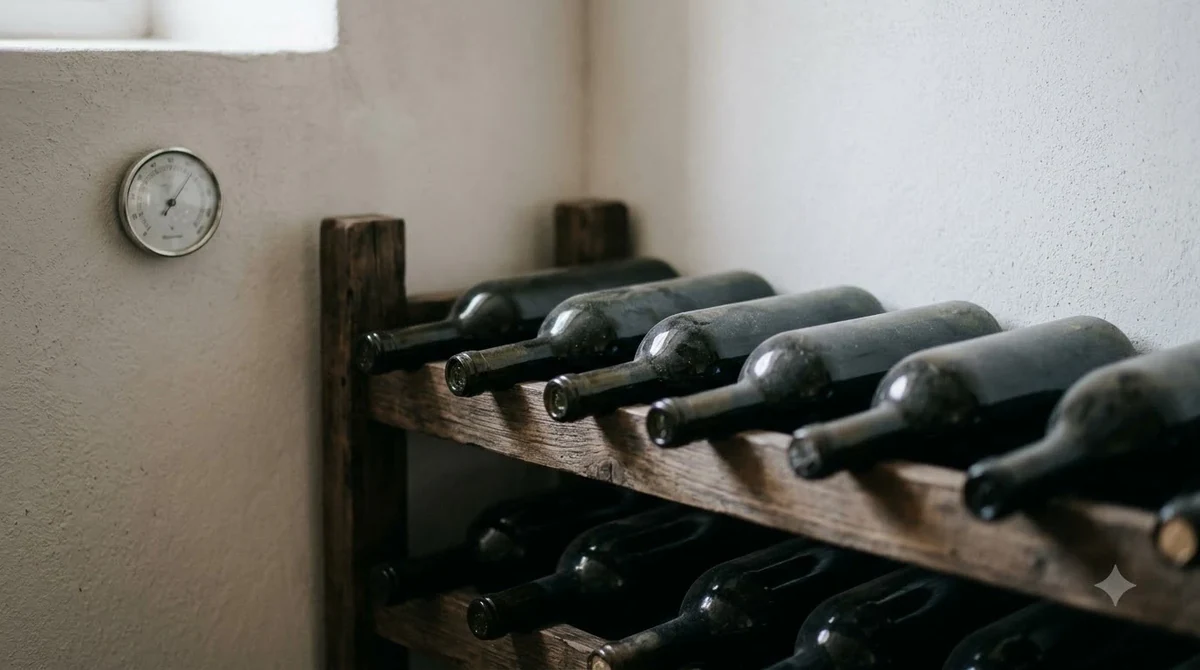
Saumur’s underground tuffeau cellars are also an important part of its wine heritage. Some are associated with traditional sparkling production, while others provide storage conditions for still wines. A cellar visit can add geographical context to a tasting, particularly when the producer explains how the limestone landscape influences the area’s wine industry.
Understanding Aging Potential
Not every Saumur wine needs extended cellaring. Fresh sparkling wines, approachable rosés and many everyday whites are generally best enjoyed while their fruit character is expressive. Young Saumur-Champigny can also be enjoyable for its bright red fruit and freshness.
More concentrated Cabernet Franc wines may benefit from several years of bottle aging. The Loire wine appellation guide identifies a potential aging period of five to ten years for Saumur Puy-Notre-Dame, during which the wines can develop additional complexity.
Sweet Chenin Blanc can also age, particularly when its acidity balances concentrated residual sugar. The best drinking window depends on the producer, vintage, grape maturity and storage conditions.
Storing and Opening Bottles
Store bottles in a cool, dark location near 55°F, away from direct sunlight and significant temperature changes. Bottles sealed with natural cork are generally stored on their sides to keep the cork from drying out. Avoid leaving wine in a hot car or beside a heating appliance.
After opening, keep still wines refrigerated and consume them within approximately three to five days for the best quality. Sparkling wines generally retain their freshness for one to three days when properly sealed with a suitable sparkling-wine stopper. Young, full-bodied red wines may benefit from 30–60 minutes of decanting, although lighter Cabernet Franc usually needs less intervention.
When selecting bottles, consider the occasion and the style you prefer rather than assuming that a higher price or longer aging period automatically means a better experience. A fresh Saumur Blanc may be more suitable for a seafood lunch than a powerful red, while a mature Cabernet Franc can be a better choice for a substantial evening meal.
Frequently Asked Questions
Is Saumur wine made only from grapes grown near the town of Saumur?
No. The broader Saumur appellation extends across multiple communes in the departments of Maine-et-Loire, Vienne and Deux-Sèvres. The geographical boundaries are defined by appellation regulations, so a wine carrying the Saumur designation does not necessarily come from vineyards immediately surrounding the town itself.
What does the name Saumur-Champigny mean?
Saumur-Champigny is a specific appellation within the wider Saumur wine area. The official Loire appellation guide notes that the name Champigny may derive from the Latin expression campus igni, meaning field of fire, referring to the area’s particularly warm microclimate. The designation is associated primarily with Cabernet Franc red wines.
Is Saumur Brut the same wine as Crémant de Loire?
No. Both are traditional-method sparkling wines from the Loire region, but they are separate appellations with their own geographical and production requirements. Saumur Brut has its own defined production area and regulations, while Crémant de Loire covers a wider regional designation across Anjou, Saumur and Touraine.
Why are underground cellars common around Saumur?
The region’s soft tuffeau limestone can be excavated to create underground galleries. These spaces have historically served as wine cellars because they provide relatively stable temperatures and protection from direct sunlight. Their development is closely connected to the local sparkling-wine industry and the region’s architectural heritage.
Can Saumur wine be made with grapes other than Chenin Blanc and Cabernet Franc?
Yes. Although Chenin Blanc and Cabernet Franc are the region’s most recognizable grapes, sparkling Saumur regulations also permit varieties including Chardonnay, Sauvignon Blanc, Cabernet Sauvignon, Pineau d’Aunis, Gamay, Grolleau and Pinot Noir. The permitted varieties depend on the particular appellation and wine category rather than applying universally to every Saumur bottle.
Saumur offers an excellent introduction to the diversity of Loire Valley wine, from crisp Chenin Blanc and expressive Cabernet Franc to traditional-method sparkling wines and concentrated sweet whites. Exploring several appellations side by side reveals how limestone, river influence, grape selection and winemaking shape each style. Whether enjoyed during a vineyard visit or at home, Saumur rewards curiosity and careful tasting.
More in Wine Regions
 Willcox Wine Trail: Discover Arizona’s High-Elevation Wine CountryUpdated Nov 20, 2026
 Yakima Valley Wine Region: Find the Best Styles to TryUpdated Nov 20, 2026
 Vosne Romanee Wine Tasting: Identify Aromas and Choose Better PairingsUpdated Nov 20, 2026
 Yakima Valley Wine Festival: Find the Best Seasonal Wine EventsUpdated Nov 20, 2026
 Wales Vineyards: Discover Cool-Climate Wines and Where to VisitUpdated Nov 20, 2026
 Yountville Wine Festival: Discover Napa Wines and Local FoodUpdated Nov 20, 2026