

We may earn a commission when you buy through links on this page, at no extra cost to you. Learn more.
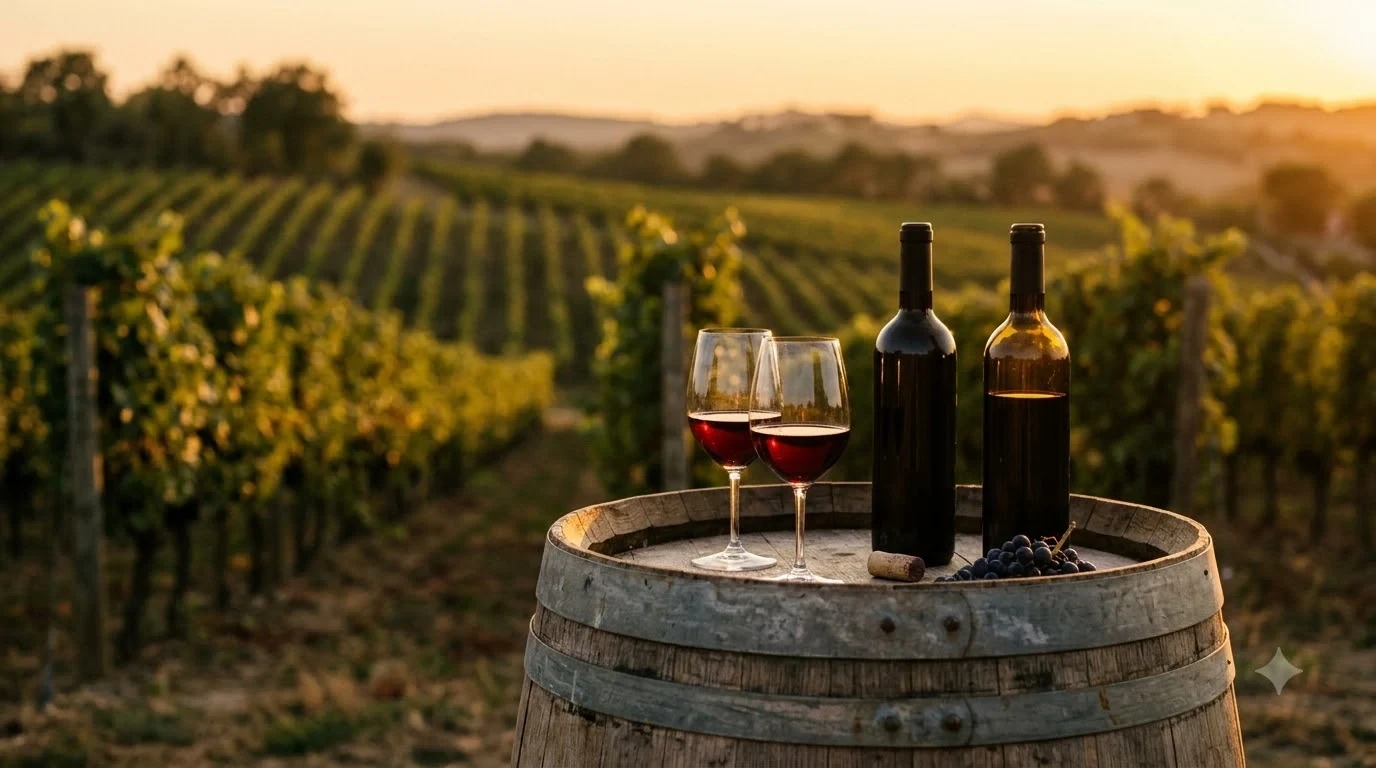
Saumur vineyards are located in France’s Middle Loire Valley, where chalky tuffeau limestone, Chenin Blanc, and Cabernet Franc shape a diverse collection of still and sparkling wines. Situated south of the Loire River around the historic town of Saumur, this wine-growing area belongs to the Anjou-Saumur region. Its vineyards produce refreshing whites, elegant reds, fruity rosés, and traditional-method sparkling wines, offering a distinctive expression of Loire Valley terroir.
Saumur is one of the Loire Valley’s most versatile wine destinations, combining historic wine villages, distinctive limestone landscapes, and a long tradition of winemaking. Its vineyards stretch across rolling slopes and river valleys, where different soil compositions and exposures influence grape ripening and wine style. Understanding the area’s geography, grape varieties, appellations, and production methods makes it easier to recognize what distinguishes Saumur from neighboring Loire wine regions.
Where the Saumur Wine Region Is Located
Saumur occupies the eastern part of the Anjou-Saumur wine-growing area in western France, within the Middle Loire Valley. Its vineyards extend south of the Loire River across parts of Maine-et-Loire, Deux-Sèvres, and Vienne, with the historic town of Saumur serving as the region’s principal reference point.
The landscape is shaped by three important waterways: the Loire, Thouet, and Dive. The Loire forms the northern boundary of much of the appellation area, while the Thouet and its tributary, the Dive, cut through the countryside from south to north. These rivers have created a succession of slopes and valleys that provide different growing conditions for vineyards. According to the geographical description published in the European Union’s Saumur appellation documentation, the slopes generally range from approximately 40 to 110 meters in elevation.
The appellation encompasses numerous wine-growing communities rather than one continuous vineyard. Important locations include Saumur, Chacé, Varrains, Souzay-Champigny, Parnay, Montsoreau, Brézé, and Le Puy-Notre-Dame. Each contributes to the region’s varied landscape, from riverside terraces to elevated limestone slopes. Visitors exploring the area can also encounter historic villages, château properties, and buildings constructed from the same pale limestone found beneath the vineyards.
Saumur’s location places it between several influential Loire wine districts. To the west are Anjou and its schist-influenced vineyards, while Touraine and Chinon lie farther east. This position creates an interesting meeting point between different geological formations and winemaking traditions. Readers exploring the broader regional geography can compare this landscape with the vineyards discussed in our guide to Wine Regions.
The Saumur wine-growing area also benefits from convenient connections through the Loire Valley. The town is accessible by rail and road from Angers and Tours, making it a practical base for exploring surrounding vineyards. Its historic architecture and river scenery add cultural interest to a visit focused on wine.
Tuffeau Limestone, Soil Composition, and Vineyard Climate
Tuffeau limestone is the defining geological feature of much of Saumur, influencing drainage, vine development, and the character of local wines. Combined with clay, sand, and other sedimentary formations, it creates a varied growing environment for Chenin Blanc and Cabernet Franc.
Tuffeau is a soft, pale limestone formed from marine sediments during the Turonian geological period, approximately 94 to 90 million years ago. Its porous structure allows it to absorb water during wetter conditions and gradually release moisture to vine roots when the weather becomes drier. This natural water regulation is particularly useful in vineyards exposed to changing rainfall patterns throughout the growing season.
The wider appellation contains several distinct soil types. Limestone-rich slopes are particularly important, but vineyards also occupy clay-limestone ground, sandy formations, and areas influenced by Senonian sediments. Some higher slopes contain clay and flint, while lower positions may feature sand and gravel deposited by ancient waterways. These differences influence how quickly soils warm, how efficiently they drain, and how vines respond to dry conditions.
Vineyard exposure is another important factor. South-facing and southeast-facing slopes can receive favorable sunlight, helping grapes reach maturity in a relatively cool climate. Higher ground may experience greater air circulation, while sheltered valleys can create slightly different temperature conditions. These variations help explain why wines made from the same grape variety can show different levels of ripeness, body, and aromatic intensity.
The regional climate is generally temperate and oceanic, influenced by the Atlantic and moderated by the Loire and its tributaries. However, the hills around Saumur reduce the direct influence of westerly winds in some locations. Vineyards farther from the river can experience more noticeable continental influences, including greater temperature differences between seasons.
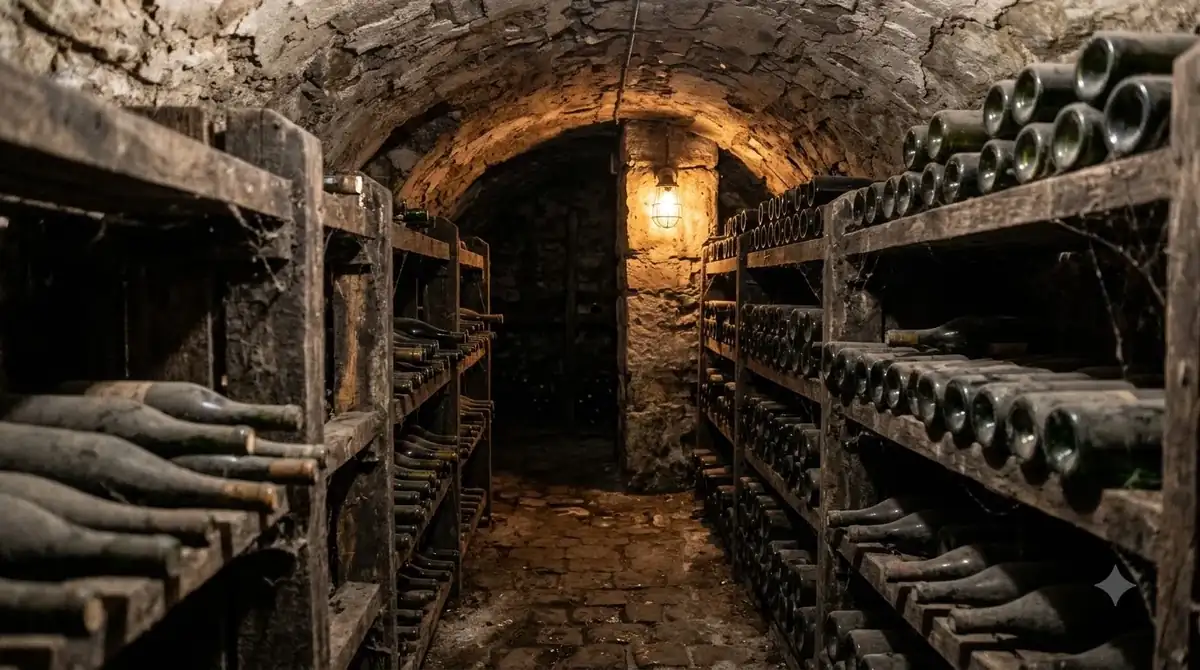
Underground tuffeau galleries are another distinctive feature of the landscape. These extensive excavations were originally created when limestone was quarried for local buildings. Some are now used for mushroom cultivation or wine storage. According to the Saumur-Champigny appellation organization, underground galleries used for aging wine maintain temperatures around 12°C, providing naturally cool and stable conditions.
The combination of porous limestone, variable clay content, river influence, and differing vineyard exposures gives Saumur considerable terroir diversity. Rather than producing one uniform style, the region supports wines ranging from light and aromatic to concentrated and structured.
Principal Grape Varieties in Saumur Vineyards
Chenin Blanc and Cabernet Franc are the two most important grape varieties associated with Saumur. Chenin provides the foundation for its still and sparkling white wines, while Cabernet Franc dominates its red wine production and contributes to many rosés.
Chenin Blanc
Chenin Blanc is the principal white grape of the Saumur appellation. It is naturally high in acidity, making it particularly suitable for the region’s relatively cool growing conditions. Depending on harvest maturity, vineyard location, and winemaking decisions, it can produce wines with flavors of apple, pear, citrus, quince, and subtle floral or honeyed notes.
Still Saumur Blanc is generally fresh, balanced, and versatile at the table. Some examples emphasize crisp citrus and green fruit, while others show greater concentration, texture, and ripe orchard-fruit character. Chenin Blanc also forms an important part of the region’s sparkling wine production, where its acidity helps preserve freshness and structure.
The variety is capable of producing dry, off-dry, and sweet wines, although sweetness depends on the particular wine and appellation rather than the grape alone. In Saumur, dry expressions are especially useful for understanding the limestone-influenced white wine style.
Cabernet Franc
Cabernet Franc is the leading red grape in Saumur. Its relatively moderate tannins, fresh acidity, and aromatic character make it well suited to the area’s limestone-rich vineyards. Common aromas include red cherry, raspberry, plum, violet, fresh herbs, and sometimes earthy or peppery notes.
Under the general Saumur red-wine rules, Cabernet Franc must account for at least 70% of the blend, with Cabernet Sauvignon and Pineau d’Aunis also permitted. In practice, many producers emphasize Cabernet Franc as the principal or sole grape variety, allowing differences in soil, exposure, and harvest maturity to influence the final wine.
Other Varieties
Cabernet Sauvignon is used in some red and rosé wines, contributing deeper fruit character and firmer tannin structure. Pineau d’Aunis is a traditional Loire variety that can bring distinctive peppery and spicy notes. Gamay, Grolleau, Chardonnay, and other approved varieties also contribute to the wider sparkling wine category.
The principal grape varieties can be summarized as follows:
| Wine Category | Principal Grapes | Typical Character |
|---|---|---|
| Saumur Blanc | Chenin Blanc | Fresh acidity, citrus, apple, pear |
| Saumur Rouge | Cabernet Franc, minimum 70% | Red berries, herbs, moderate tannins |
| Saumur Rosé | Cabernet Franc, Cabernet Sauvignon | Fresh red fruit and lively acidity |
| Saumur Sparkling | Chenin Blanc, Chardonnay, Cabernet Franc, others | Fine bubbles, citrus, orchard fruit |
| Saumur-Champigny | Cabernet Franc-led | Red fruit, floral aromas, limestone character |
These varieties illustrate why Saumur is more diverse than a region focused on a single wine style. Its grape selection supports refreshing whites, structured reds, approachable rosés, and sparkling wines suitable for different occasions.
Important Saumur Appellations and Wine Styles
Saumur’s wine identity is expressed through several appellations, each with its own production requirements and stylistic focus. The most useful distinctions for wine drinkers are between general Saumur wines, Saumur-Champigny, Saumur Puy-Notre-Dame, and the area’s sparkling wine designations.
Saumur AOC
Recognized in 1936, Saumur AOC covers several categories of wine. It includes still white, red, and rosé wines, alongside sparkling white and rosé bottlings. This broad classification reflects the area’s geographical diversity and its established history of producing wines for different markets.
Saumur Blanc is generally based on Chenin Blanc and emphasizes freshness, fruit, and balanced acidity. Saumur Rouge focuses on Cabernet Franc and can range from light, approachable wines intended for early drinking to more substantial examples with greater concentration. Rosé offers another fresh expression, often emphasizing red berries and easy-drinking appeal.
Saumur-Champigny
Saumur-Champigny is one of the region’s best-known red wine appellations. Located within the wider Saumur area, it is dedicated to red wine, with Cabernet Franc as its defining variety. Cabernet Sauvignon and Pineau d’Aunis are also permitted in smaller proportions.
Its limestone-based terroir contributes to the reputation for elegant Cabernet Franc with floral aromas, red and dark fruit, and chalky mineral impressions. The wines can show fresh cherry and raspberry when young, while more developed bottles may reveal earthy, savory, and spicy nuances. Wine Enthusiast’s Saumur-Champigny regional overview also identifies tuffeau limestone and Cabernet Franc as central elements of the appellation’s identity.
The appellation has a strong collective identity. Its official organization reports that the appellation was established in 1957 and encompasses nine villages. Its winegrowers have also pursued collective biodiversity initiatives since 2004, including the planting of ecological hedgerows and measures to encourage beneficial wildlife.
Saumur Puy-Notre-Dame
Saumur Puy-Notre-Dame is a geographical designation reserved for qualifying still red wines. It is associated with Cabernet Franc and Cabernet Sauvignon grown in the southern part of the wider Saumur area. Its landscape includes important tuffeau formations and limestone-rich vineyard sites.
These red wines are generally more structured in style than the lightest Saumur reds. They can show ripe red and black fruit, firmer tannins, and greater concentration, making them suitable for richer dishes and, depending on the producer and vintage, some bottle aging.
Saumur Sparkling Wines
Sparkling wine is a major part of Saumur’s production identity. Saumur mousseux and Crémant de Loire are important names in the broader regional sparkling category, with Chenin Blanc playing a central role alongside Chardonnay and Cabernet Franc.
Traditional-method sparkling wines undergo their second fermentation in the bottle, creating the bubbles and allowing the wine to develop additional texture. Chenin Blanc’s natural acidity helps preserve freshness, while time on the lees can contribute bread, pastry, and subtle nutty notes.
For a broader comparison of Loire appellations and their grape varieties, Decanter’s Loire Valley wine region overview provides useful context for understanding Saumur’s place among neighboring wine districts.
How Saumur Wines Are Made and Developed
Saumur producers use different winemaking approaches depending on the grape variety and desired wine style. Fermentation choices, extraction, aging vessels, and harvest timing all influence the balance between fruit, acidity, tannin, and texture.
White Wine Production
Chenin Blanc for dry Saumur Blanc is generally harvested at a level of ripeness that preserves acidity while developing sufficient fruit character. After picking, the grapes are pressed, and fermentation takes place using selected yeasts or naturally occurring yeasts, depending on the producer’s approach.
Stainless steel tanks are useful for preserving clean fruit aromas and a crisp profile. Some winemakers also use oak barrels or larger wooden vessels to develop additional texture and complexity. Barrel aging does not necessarily mean the finished wine will taste strongly of oak, since vessel size, age, and time in contact with the wine all influence the result.
Temperature management is important during fermentation. Cooler conditions help retain delicate aromas, while the choice of fermentation vessel can influence the wine’s texture and development. The result may be a straightforward, fresh white or a more concentrated bottle with additional depth.
Red Wine Production
Cabernet Franc grapes are generally destemmed before fermentation, although some producers may retain a proportion of whole clusters. Fermentation extracts color, aroma, and tannins from the skins. The length and intensity of this extraction influence whether the finished wine is light and supple or more concentrated and structured.
After fermentation, the wine is separated from the grape solids and may undergo malolactic fermentation, which converts sharper malic acid into softer lactic acid. Aging can take place in stainless steel, concrete, or oak vessels. Many approachable examples are bottled relatively young to preserve fresh fruit, while more ambitious wines may spend additional time developing complexity.
Cabernet Franc’s moderate tannin structure generally allows Saumur reds to be enjoyed without the lengthy cellaring sometimes associated with more tannic Cabernet Sauvignon-based wines. However, concentration, vintage conditions, and producer choices make a difference to aging potential.
Sparkling Wine Production
Saumur’s sparkling wines use different production methods according to their designation. Traditional-method wines undergo a second fermentation inside the bottle, followed by a period of contact with the spent yeast cells. This process can develop finer texture and flavors associated with bread dough, pastry, and toasted nuts.
Lees aging, riddling, and disgorgement are important stages in traditional-method production. Riddling gradually moves sediment toward the neck of the bottle, while disgorgement removes the collected sediment before final closure. The dosage added before corking influences the finished wine’s sweetness.
Other sparkling wines may use different fermentation approaches, so the production method should not be assumed to be identical across every bottle carrying a Saumur-related designation.
Food Pairing and Serving Saumur Wines
Saumur wines are especially versatile with food because their acidity, moderate tannins, and varied styles suit different ingredients. Chenin Blanc works particularly well with seafood and vegetables, while Cabernet Franc is a natural match for poultry, pork, and many meat-based dishes.
Pairing Saumur Blanc
Dry Chenin Blanc pairs well with white fish, shellfish, roast chicken, and vegetable dishes. Its high acidity helps balance richer ingredients and cuts through creamy sauces. Try it with grilled sea bass, scallops, roast turkey, or goat cheese.
Because Chenin Blanc has considerable natural acidity, it can also complement dishes with lemon, vinegar, and other tart ingredients. The wine should have equal or higher acidity than the food to maintain balance. Delicate preparations work best with fresher, lighter examples, while richer dishes can accommodate fuller-bodied bottles.
Pairing Saumur Rouge and Saumur-Champigny
Cabernet Franc’s red fruit and moderate tannins make it suitable for roast chicken, pork tenderloin, grilled vegetables, mushroom dishes, and charcuterie. More concentrated Saumur-Champigny wines can also complement roast lamb, duck, and beef dishes.
Salt and fat soften the perception of tannins, making savory foods useful partners for structured red wines. However, very spicy dishes can exaggerate the sensation of alcohol and tannin. For meals featuring strong chili heat, a fresher, less tannic wine is generally a more comfortable choice.
Pairing Saumur Rosé and Sparkling Wine
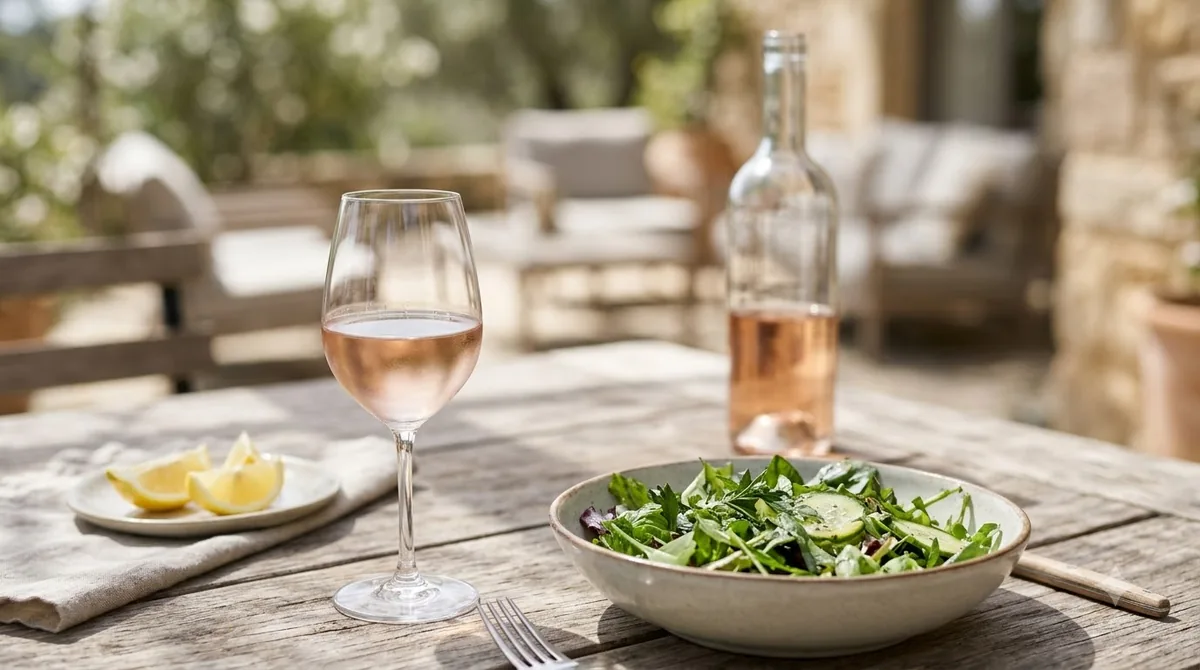
Saumur rosé is a good match for summer salads, grilled vegetables, seafood, light pasta dishes, and cold poultry. Its fresh fruit profile and acidity make it useful with meals that need a versatile wine rather than a powerful red.
Sparkling Saumur is particularly flexible at the table. Dry examples complement oysters, fried seafood, appetizers, and soft cheeses. Their acidity and bubbles help balance salty and fatty foods, while sweeter versions work better with fruit-based desserts and pastries.
Sweetness is important when choosing a dessert pairing: the wine should be at least as sweet as the dessert. A dry sparkling wine served with a very sweet cake may taste sharper and less fruity by comparison.
Recommended Serving Temperatures
Temperature can change the way a wine expresses its aromas, acidity, and structure. Saumur’s lighter wines benefit from cooler service, while fuller reds generally need slightly warmer temperatures to reveal their aromatic complexity.
| Wine Style | Recommended Temperature | Serving Suggestion |
|---|---|---|
| Saumur Sparkling | 40–50°F | Serve chilled in sparkling wine glasses |
| Saumur Blanc | 45–50°F | Serve cool to preserve freshness |
| Fuller-bodied Chenin Blanc | 50–55°F | Allow additional aromatic development |
| Saumur Rosé | 45–50°F | Serve lightly chilled |
| Light Saumur Rouge | 55–60°F | Serve slightly below room temperature |
| Fuller Saumur-Champigny | 60–65°F | Allow the wine to open in the glass |
Tip: Chill Saumur Cabernet Franc for approximately 20 to 30 minutes before serving if it has been stored at room temperature. For young, fuller-bodied reds, consider 30 to 60 minutes of decanting. A standard 750 ml bottle provides approximately five 5-ounce glasses.
Once opened, still Saumur wines generally remain enjoyable for around three to five days when properly recorked and refrigerated. Sparkling wines usually retain their best character for one to three days with an appropriate sparkling wine stopper. Store unopened bottles on their sides in a cool, dark location near 55°F when they have natural cork closures.
Visiting Saumur Vineyards and Understanding Their Heritage
Visiting Saumur provides an opportunity to connect the region’s wines with its architecture, geology, and traditional wine-growing villages. The combination of vineyard landscapes, historic limestone buildings, and underground cellars makes it one of the most distinctive destinations in the Middle Loire.
The town of Saumur is a practical starting point for vineyard exploration. Its château overlooks the Loire Valley and provides an excellent introduction to the area’s historic relationship with the river. Nearby wine villages such as Chacé, Varrains, Parnay, and Souzay-Champigny offer access to different vineyard landscapes and local producers.
Brézé and Le Puy-Notre-Dame are also interesting destinations for visitors interested in the southern part of the appellation. The surrounding countryside combines vineyards with limestone formations, traditional villages, and historic properties. Traveling between these locations helps illustrate how the region’s topography and soil types change across relatively short distances.
Underground tuffeau cellars are among the most memorable features of a Saumur wine visit. Their cool, stable conditions make them useful for wine storage and sparkling wine production. Some historic galleries are extensive, reflecting the importance of limestone quarrying to the area’s architecture and economic history.
Several producers and wine organizations offer opportunities to learn about Cabernet Franc, Chenin Blanc, sparkling wine production, and vineyard practices. Saumur-Champigny is particularly interesting for visitors who want to understand the connection between limestone soils and red wine style.
The appellation’s environmental initiatives also add another dimension to its heritage. Its winegrowers’ organization reports that collective biodiversity work began in 2004, including planting hedgerows to create habitats and improve vineyard ecosystems. These efforts demonstrate how landscape management can become part of a shared regional identity.
Spring and autumn are attractive periods for exploring the vineyards, with changing vineyard colors and generally pleasant conditions for countryside visits. Harvest timing varies according to grape variety, weather, and the intended wine style, so visitors interested in seeing picking activity should arrange their trips with individual estates.
Saumur also provides a useful point of comparison with other wine-growing destinations. Its combination of river influence, limestone, and historic vineyards differs from the maritime conditions found in Tasmania vineyards and the Atlantic-influenced growing environment of Uruguay vineyards. These comparisons help demonstrate how geography shapes wine identity in different parts of the world.
Frequently Asked Questions
When was the Saumur appellation officially recognized?
Saumur received its AOC recognition in 1936. The separate Saumur-Champigny appellation followed in 1957. These designations established specific geographical and production requirements that distinguish the wines from other Loire Valley bottlings.
How many villages belong to the Saumur-Champigny appellation?
The official Saumur-Champigny organization identifies nine villages within the appellation. Its membership includes approximately 120 winegrowers, reflecting the importance of independent vineyard holdings and collective regional identity.
What is the typical temperature inside traditional Saumur wine cellars?
Underground tuffeau galleries used for wine aging can maintain a temperature of approximately 12°C. Their naturally cool environment provides relatively stable storage conditions compared with above-ground spaces exposed to seasonal temperature changes.
What is the approximate length of the Loire River?
The Loire River measures approximately 1,006 kilometers in length. It is the longest river entirely within France and has played an important role in the region’s agriculture, transportation, settlements, and wine-growing history.
What environmental measures have Saumur-Champigny growers introduced?
The collective biodiversity program began in 2004 and included planting more than 20 kilometers of ecological hedgerows. The appellation also introduced a ban on total chemical weed control beginning in 2008, alongside monitoring initiatives involving weather stations and vineyard biodiversity.
Saumur vineyards offer an unusually broad expression of Loire Valley wine, combining limestone-influenced Chenin Blanc, Cabernet Franc-led reds, refreshing rosés, and distinctive sparkling wines. Their geological diversity, historic underground cellars, and established vineyard communities make the region particularly rewarding to explore. Whether choosing a bottle for dinner or planning a visit to the Loire Valley, understanding Saumur’s appellations and terroir provides a valuable starting point for discovering its wines.
More in Wine Regions
 Willcox Wine Trail: Discover Arizona’s High-Elevation Wine CountryUpdated Nov 20, 2026
 Yakima Valley Wine Region: Find the Best Styles to TryUpdated Nov 20, 2026
 Vosne Romanee Wine Tasting: Identify Aromas and Choose Better PairingsUpdated Nov 20, 2026
 Yakima Valley Wine Festival: Find the Best Seasonal Wine EventsUpdated Nov 20, 2026
 Wales Vineyards: Discover Cool-Climate Wines and Where to VisitUpdated Nov 20, 2026
 Yountville Wine Festival: Discover Napa Wines and Local FoodUpdated Nov 20, 2026